
10 Cardinal Flower Lobelia cardinalis Bare Root Plants – Red Blooms, Attracts Hummingbirds
Original price was: 95.99 $.70.99 $Current price is: 70.99 $.
Bring vibrant color and life to your garden with 10 Cardinal Flower bare root plants (Lobelia cardinalis). These stunning perennials feature brilliant red, tubular blooms that are a magnet for hummingbirds and butterflies, making them perfect for pollinator gardens. Ideal for USDA Zones 3-9.
Estimated arrival
Oct 17
Oct 22 - Oct 24
Oct 24 - Oct 29
See our Shipping Policy.
Get in touch with us via email, and our team will review your concerns.
Our Alive & Thrive Guarantee covers issues with your plants within the first 30 days. Read our Refund & Returns Policy.
-
USDA Hardiness Zone
3-9 -
Soil Type
Rich, fertile, consistently moist to wet soil -
Sunlight Exposure
Partial shade to full sun (with consistent moisture) -
Expected Planting Period
Spring to early fall
Overview
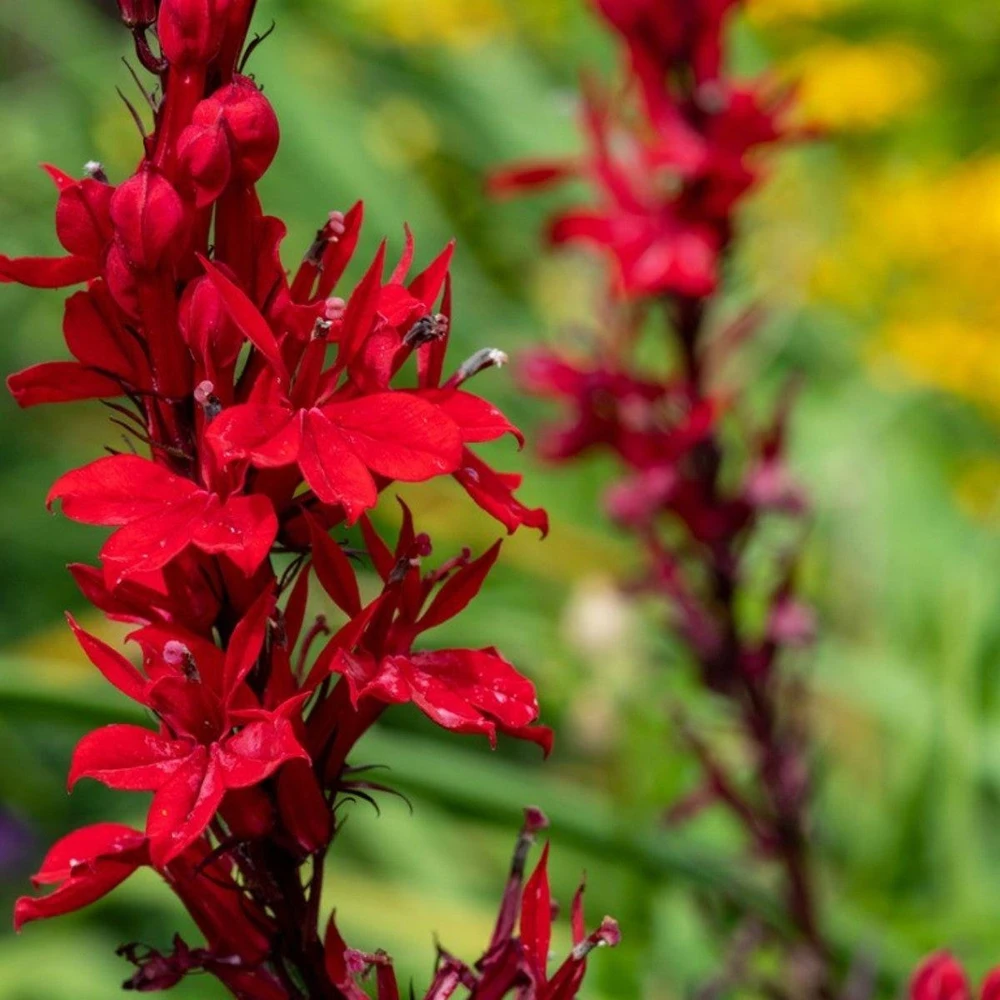
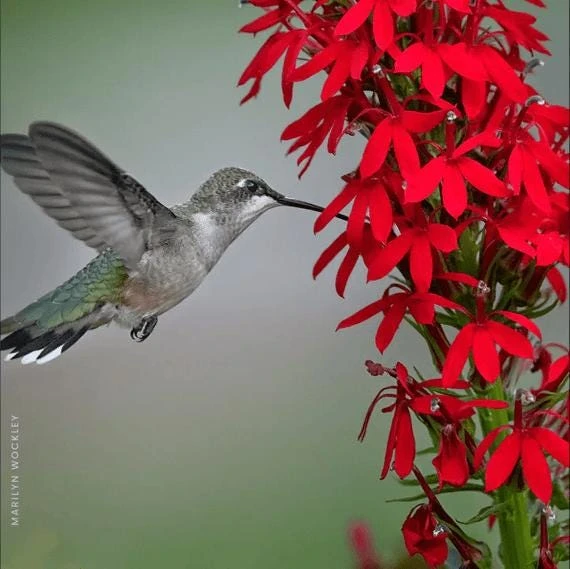
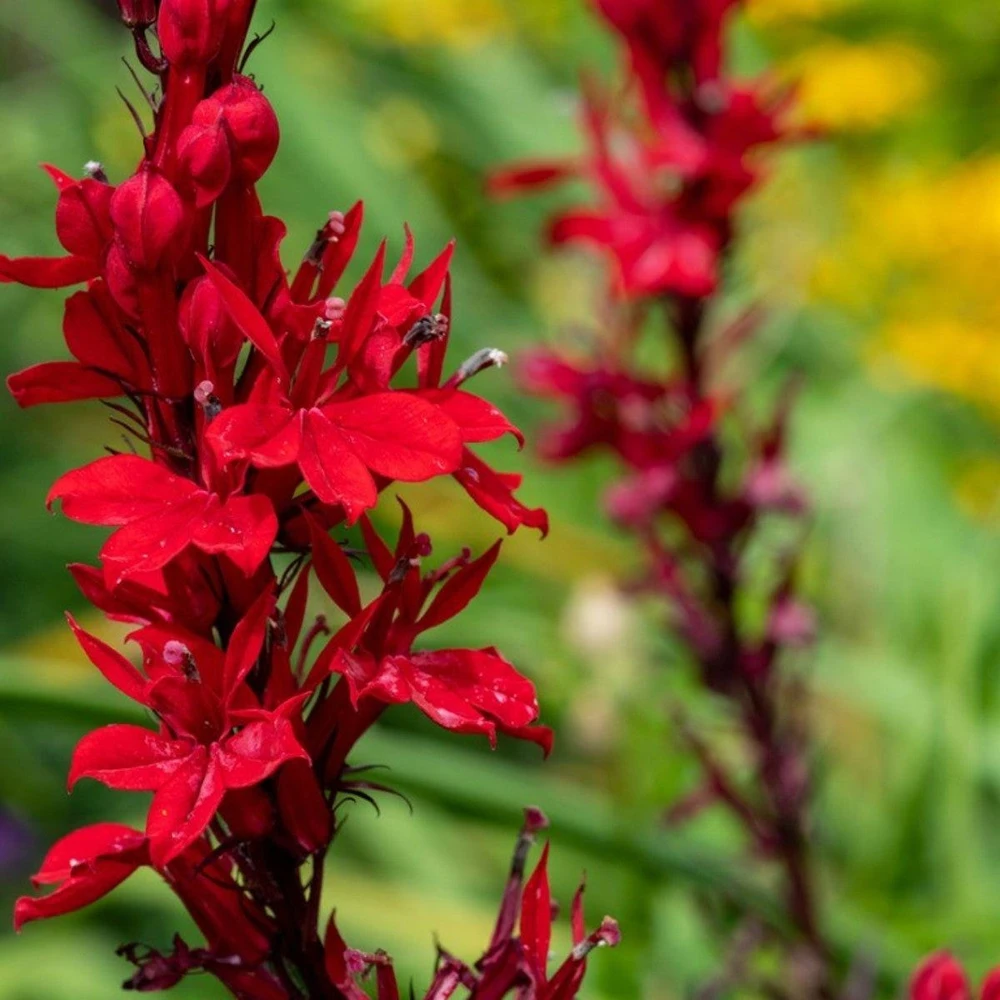
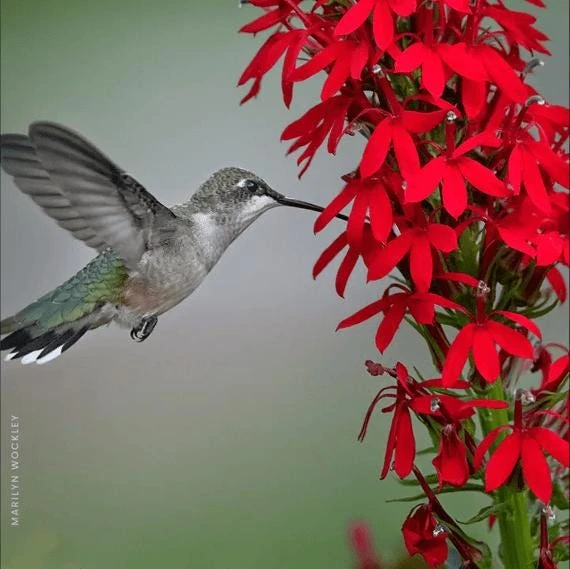
Introduce a splash of breathtaking scarlet into your garden with the Cardinal Flower bare root plant. Each order provides 10 bare root specimens of Lobelia cardinalis, a magnificent native North American perennial celebrated for its intense, fiery red blooms. These striking flowers emerge in late summer, creating a dramatic visual impact and serving as a crucial nectar source for local wildlife. Known affectionately as the hummingbird plant, its tubular blossoms are perfectly shaped to attract these tiny, iridescent birds, along with various butterflies and other beneficial pollinators. Planting Lobelia cardinalis is an excellent way to support local ecosystems while adding unparalleled beauty to your landscape.
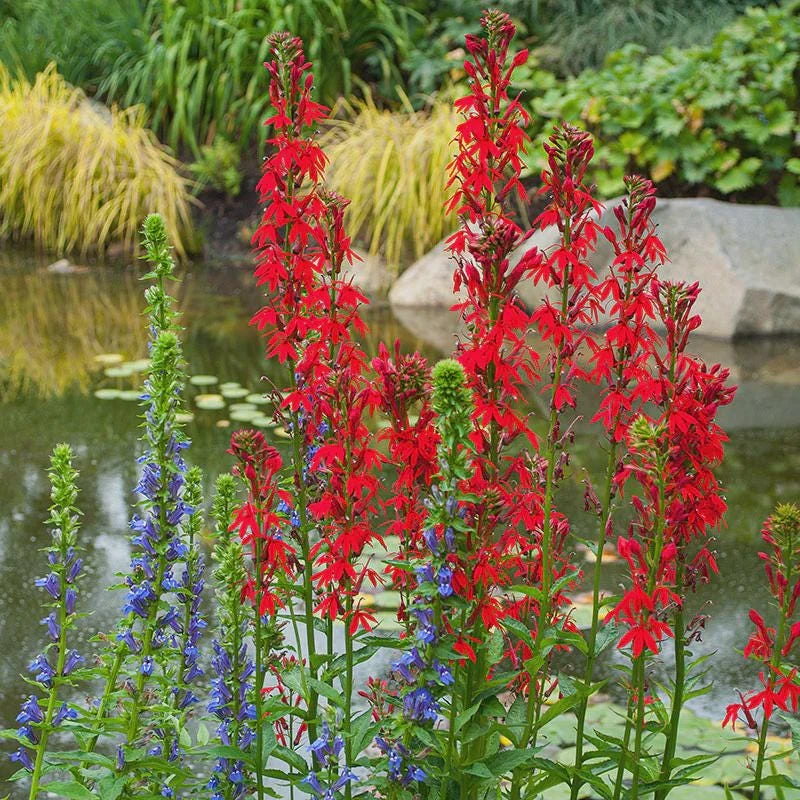
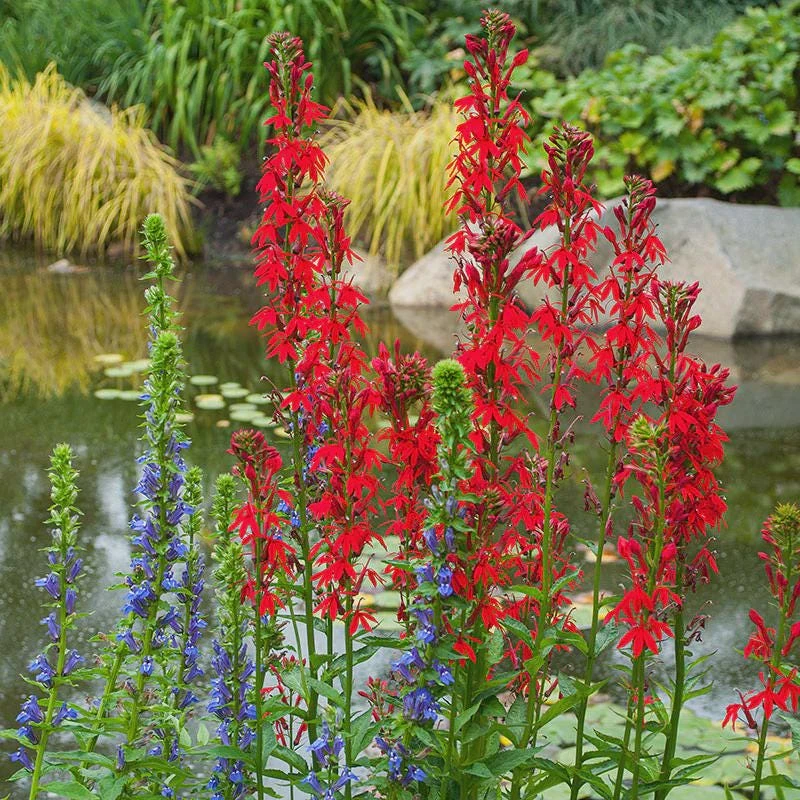
The Cardinal Flower bare root is a robust and rewarding addition to any garden, thriving in a variety of conditions and offering a spectacular display year after year. Its vibrant hues provide a strong contrast against lush green foliage, making it a focal point in borders, naturalized areas, or alongside water features. These plants are shipped as dormant bare roots, ensuring they establish quickly and vigorously once planted, ready to burst into bloom with their iconic red perennial flower.
Key Benefits
The Cardinal Flower bare root offers numerous advantages for both the gardener and the environment, making it a highly desirable plant for diverse garden designs. Its stunning appearance is matched only by its ecological contributions.
- Attracts Pollinators: The brilliant red, tubular flowers are a premier nectar source, specifically designed to attract hummingbirds, butterflies, and other beneficial insects, enhancing biodiversity in your garden.
- Vibrant Seasonal Color: Enjoy a spectacular display of fiery red blooms from late summer into fall, providing essential color when many other plants are fading.
- Native North American Plant: As a native North American plant, Lobelia cardinalis is well-adapted to local climates and soils, requiring less intervention once established and supporting native wildlife.
- Low Maintenance Perennial: Once settled, these plants are relatively easy to care for, returning year after year with minimal effort, offering long-term beauty.
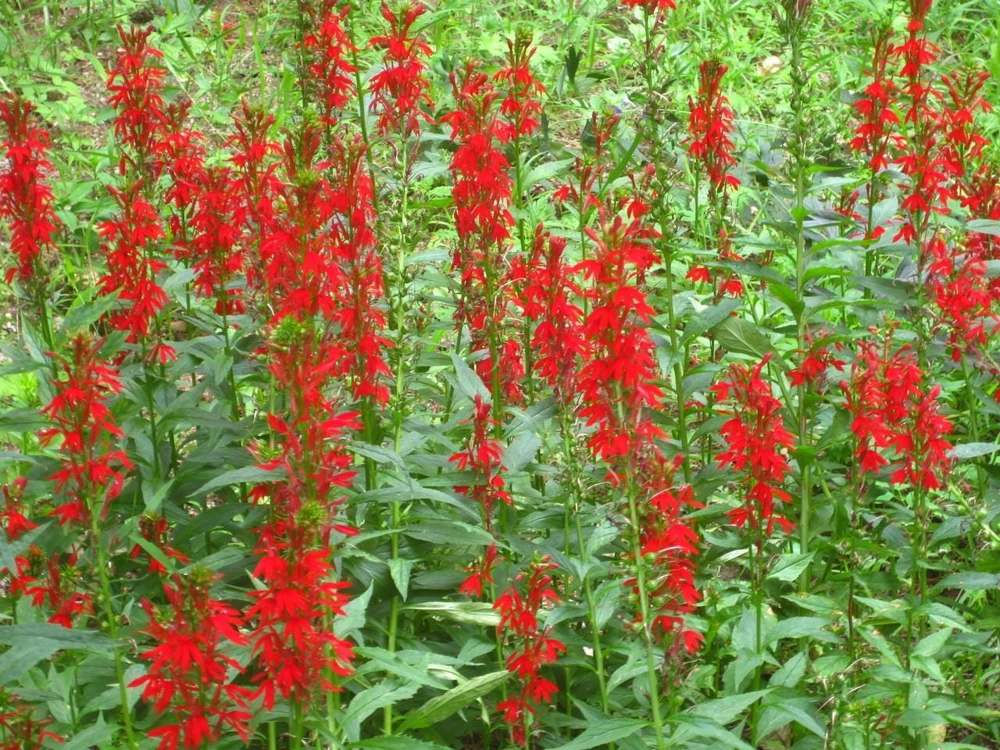
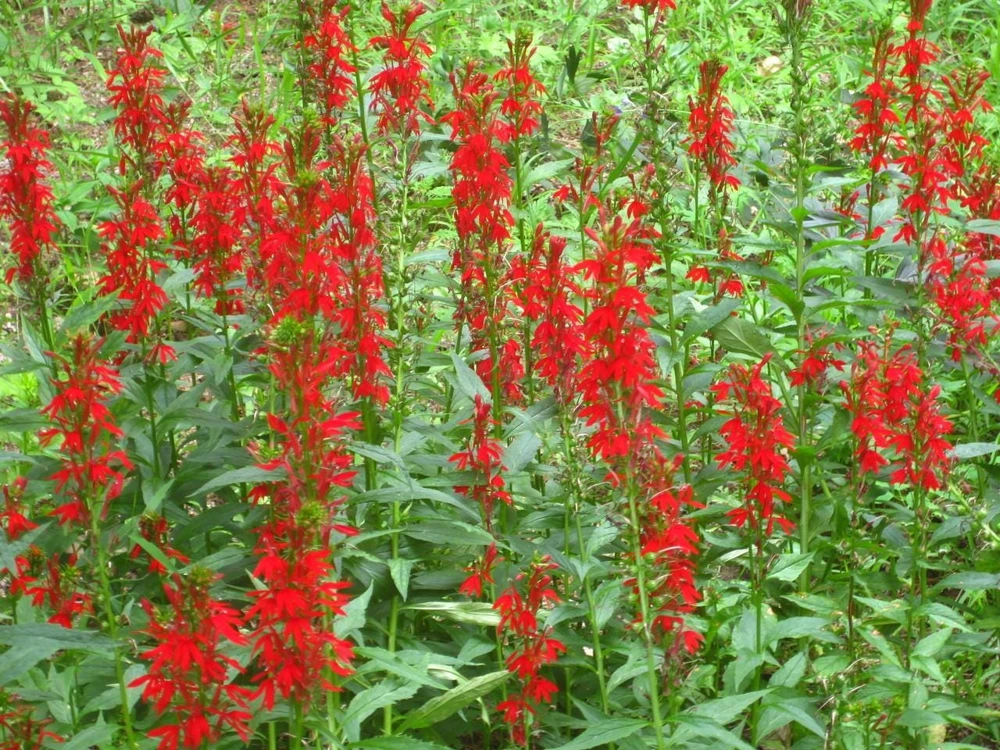
- Versatile Landscape Use: Ideal for rain gardens, bog gardens, borders, naturalized areas, or mass plantings, adding dramatic flair to various garden settings.
- Deer Resistant: Cardinal Flowers are generally not favored by deer, making them a good choice for gardens in areas where deer browsing is a concern.
- Enhances Garden Ecosystem: By providing nectar, the Lobelia cardinalis plant contributes to a healthier, more vibrant garden ecosystem, fostering a balanced environment.
Plant Care & Growing Tips
Caring for your Cardinal Flower bare root plants is straightforward, ensuring they establish well and produce an abundance of their stunning red perennial flower. These plants prefer consistently moist to wet soil and thrive in locations that mimic their natural habitat along stream banks and in wetlands. For optimal growth, plant your bare roots in spring or early fall. Dig a hole wide enough to spread the roots out comfortably and deep enough so that the crown of the plant (where roots meet stems) is just at soil level. Backfill with soil, gently firming around the roots, and water thoroughly.
Sunlight requirements:Lobelia cardinalis performs best in partial shade, especially in hotter climates, where it receives morning sun and afternoon shade. In cooler regions, it can tolerate full sun if the soil remains consistently moist. Aim for at least 4-6 hours of sunlight daily. Watering schedule and soil moisture preferences: The most crucial aspect of care for this native North American plant is consistent moisture. Keep the soil evenly moist to wet; it should never be allowed to dry out completely. Consider planting in a location that naturally retains moisture or provides supplemental watering during dry spells. Soil type and drainage requirements: Cardinal Flowers prefer rich, fertile, consistently moist to wet soil. They can tolerate heavy clay soils as long as they don’t dry out. Incorporating compost or other organic matter will improve soil structure and moisture retention. Temperature range and USDA hardiness zone: These plants are hardy in USDA Zones 3 through 9, tolerating a wide range of temperatures. They are deciduous perennials, meaning their foliage will die back in winter and re-emerge in spring. Fertilization schedule and type: A light application of a balanced, slow-release fertilizer in early spring can promote vigorous growth, though rich soil often provides sufficient nutrients. Common problems and solutions: Slugs and snails can be an issue; use organic slug baits or hand-pick them. Ensure adequate air circulation to prevent fungal diseases, especially in humid conditions.
Size & Details
This offering includes 10 Cardinal Flower bare root plants, ready for planting upon arrival. When mature, Lobelia cardinalis typically grows to an impressive height of 2 to 4 feet (60-120 cm) with a spread of 1 to 2 feet (30-60 cm), forming an upright clump of foliage topped with towering spikes of brilliant red flowers. The plants will arrive in a dormant state, carefully packaged to ensure their vitality during transit. Planting these bare roots allows for rapid establishment and a strong root system, leading to robust plants in their first growing season.
The vibrant red perennial flower spikes can reach up to 1 foot (30 cm) in length, creating a spectacular vertical element in the garden. While the exact time to bloom can vary based on planting time and growing conditions, you can generally expect these plants to start flowering in late summer, typically from July to September, and continue into early fall. The leaves are typically dark green, lance-shaped, and can sometimes have a bronze or purplish tint, adding to the plant’s ornamental appeal even before the blooms appear. Each bare root is a testament to the plant’s resilience, promising a vibrant display of the Lobelia cardinalis plant for years to come.
Frequently Asked Questions
- Q: How big does this Cardinal Flower bare root plant get? A: Mature Cardinal Flower plants typically reach a height of 2 to 4 feet (60-120 cm) and spread 1 to 2 feet (30-60 cm) wide. The flower spikes themselves can be up to a foot long.
- Q: Is this an indoor or outdoor plant? A: Lobelia cardinalis is an outdoor perennial plant, best suited for gardens, naturalized areas, or moist landscape beds. It is not typically grown as an indoor houseplant.
- Q: How much sunlight does the hummingbird plant need? A: Cardinal Flowers prefer partial shade, especially in warmer climates, receiving 4-6 hours of morning sun. In cooler regions, they can tolerate full sun if the soil is consistently moist.
- Q: Is this plant easy to care for? A: Yes, once established, the Cardinal Flower bare root is relatively low maintenance. Its primary requirement is consistently moist to wet soil.
- Q: What condition will the bare root plants arrive in? A: Your 10 Cardinal Flower bare roots will arrive dormant, carefully packaged to ensure they are healthy and ready for planting. They will not have foliage or blooms upon arrival.
- Q: How long until the red perennial flower blooms? A: When planted in spring, Cardinal Flowers typically bloom in late summer (July-September) of the same year, provided they have established well and received adequate moisture and sunlight.
- Q: Will this native North American plant survive winter in my zone? A: Yes, Lobelia cardinalis is hardy in USDA Zones 3-9, meaning it is well-suited to survive winters in a broad range of climates, dying back to the ground and re-emerging in spring.
- Q: What type of soil does the Lobelia cardinalis plant prefer? A: Cardinal Flowers thrive in rich, fertile, consistently moist to wet soil. They can tolerate clay soils but benefit from organic matter to improve fertility and moisture retention.
- Q: Does the Cardinal Flower bare root attract deer? A: Fortunately, Cardinal Flowers are generally considered deer resistant, making them a good option for gardens where deer browsing is a concern.
- Q: When is the best time to plant these bare roots? A: The ideal time to plant Cardinal Flower bare roots is in the spring after the last frost, or in early fall several weeks before the ground freezes.
Be the first to review “10 Cardinal Flower Lobelia cardinalis Bare Root Plants – Red Blooms, Attracts Hummingbirds”
Related products


You May Like

Hardneck vs. Softneck Garlic: Which Should You Grow?
Have you ever stood in front of a seed catalog in mid-September, staring at dozens [...]
Oct

When to Plant Music Garlic: Ultimate US Fall Guide
Have you ever spent your fall weekend placing carefully chosen garlic cloves into rich, dark [...]
1 Comment
Oct

5 Best Bulbs for Fall Planting: Brighten Your Garden This Spring
Are you dreaming of a garden full of vibrant colors in the spring? The key [...]
Aug

10 Houseplants That Will Thrive in Your Kitchen
Are you tired of your kitchen feeling dull and lifeless? Want to add a little [...]
1 Comment
Aug
Reviews
There are no reviews yet.