
10 Striped Wintergreen Bare Root Plant – Chimaphila maculata, Woodland Garden Perennial
Original price was: 71.99 $.46.99 $Current price is: 46.99 $.
Enhance your shade garden with the distinctive striped wintergreen bare root plant. This unique evergreen perennial, Chimaphila maculata, features striking white-striped leaves, perfect for woodland settings. Ideal for groundcover in acidic, shady areas.
Estimated arrival
Oct 16
Oct 21 - Oct 23
Oct 23 - Oct 28
See our Shipping Policy.
Get in touch with us via email, and our team will review your concerns.
Our Alive & Thrive Guarantee covers issues with your plants within the first 30 days. Read our Refund & Returns Policy.
-
USDA Hardiness Zone
USDA zones 3-8 -
Soil Type
Well-draining, acidic soil, rich in organic matter -
Sunlight Exposure
Deep to partial shade -
Expected Planting Period
Early spring or fall
Overview
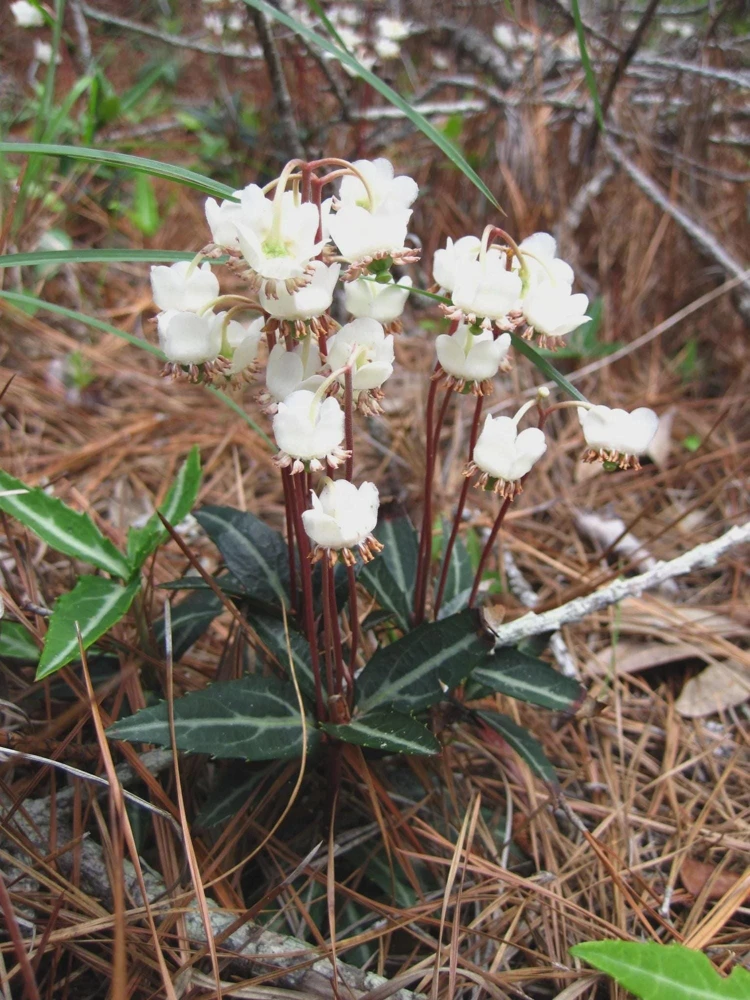
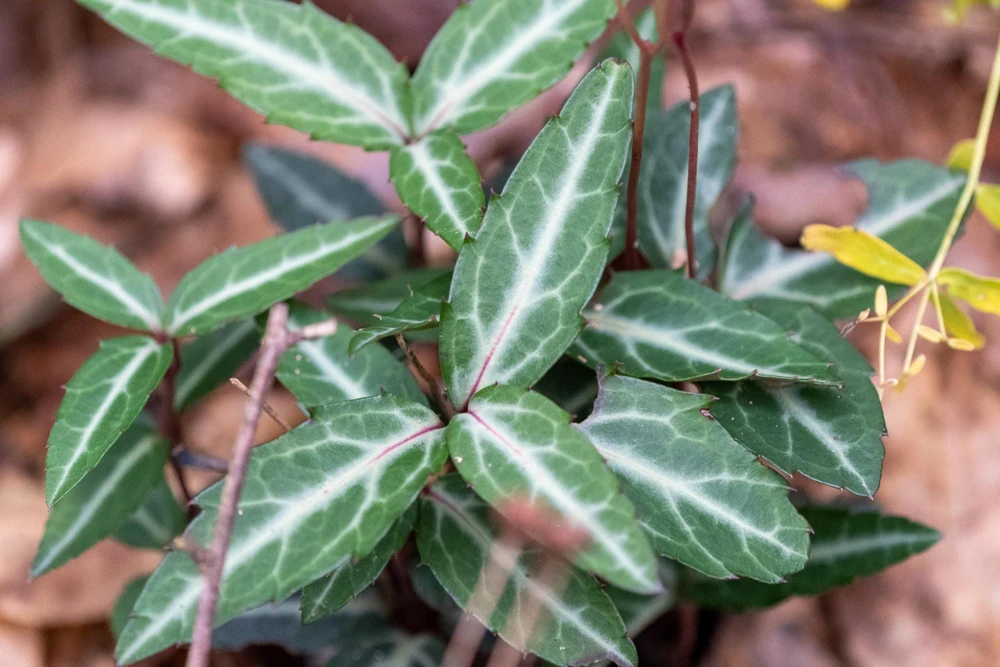
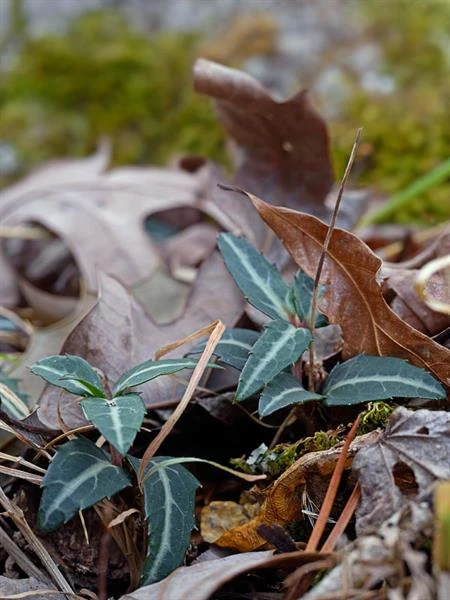
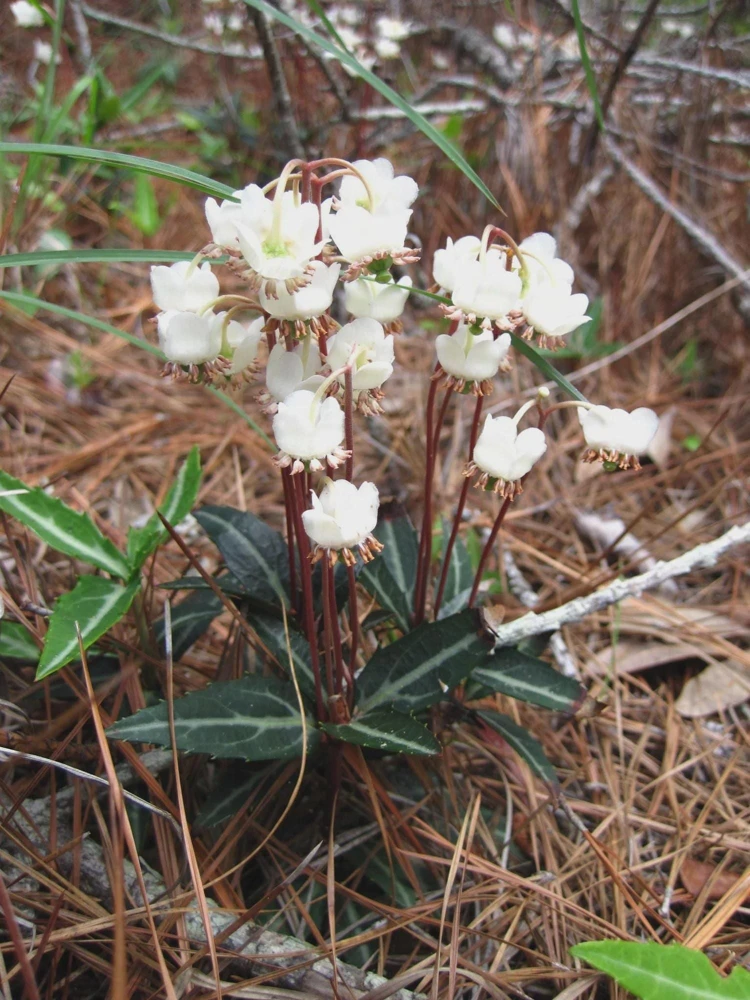
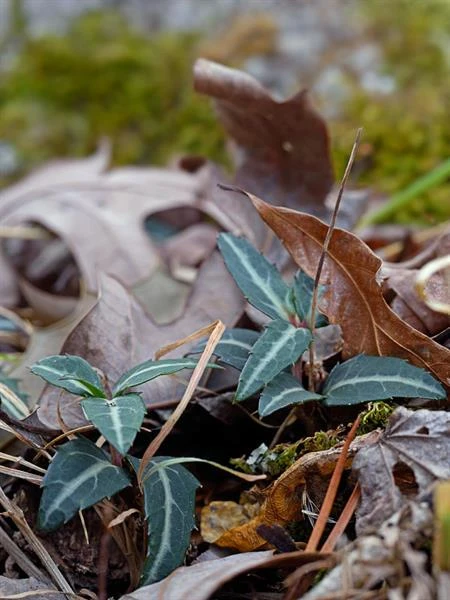
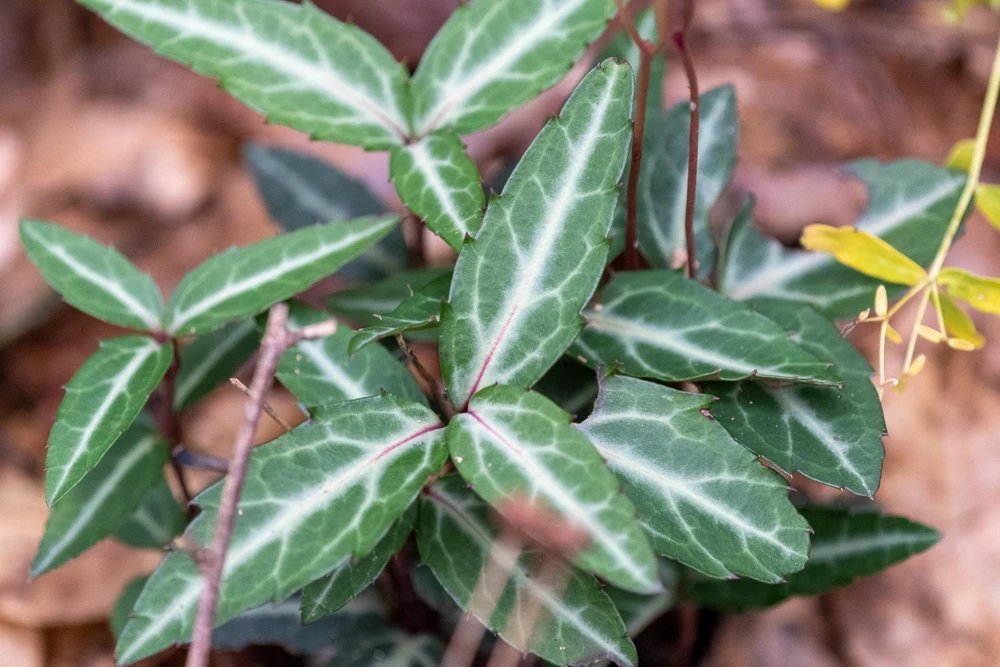
Introduce a touch of unique elegance to your woodland garden with the striped wintergreen bare root plant. This offering includes 10 individual bare root specimens of Chimaphila maculata, a captivating evergreen perennial known for its distinctive foliage. The striped wintergreen bare root is a low-growing plant, making it an excellent choice for groundcover or adding texture to shaded areas. Its dark green leaves are beautifully adorned with prominent white or silvery stripes along the midrib and veins, creating a striking visual contrast. Also locally referred to as “rat’s bane” or “rat vein” due to historical folklore, this native North American plant thrives in specific conditions, making it a prized addition for gardeners seeking to cultivate a natural, shaded environment.
Each striped wintergreen bare root is carefully prepared for planting, ensuring a successful establishment in its new home. This plant is perfectly suited for woodland gardens, where it can mimic its natural habitat. Its evergreen nature means it provides year-round interest, maintaining its vibrant striped leaves even through the colder months. When considering a plant that offers both beauty and resilience in challenging shady spots, the striped wintergreen bare root stands out as an exceptional choice.
Key Benefits
The striped wintergreen bare root offers numerous advantages for the discerning gardener looking to create a thriving woodland or shade garden:
- Unique Foliage Appeal: The most striking feature of the striped wintergreen bare root is its distinctive dark green leaves with prominent white or silvery stripes. This unique pattern adds significant visual interest and texture to shaded garden areas, providing year-round beauty.
- Evergreen Nature: As an evergreen perennial, Chimaphila maculata retains its leaves throughout the year, offering continuous color and structure in your garden, even during winter months when many other plants are dormant.
- Native Plant for Ecosystem Support: Being native to eastern North America, planting the striped wintergreen bare root contributes to local biodiversity and supports native wildlife. It integrates seamlessly into naturalized garden designs.
- Shade Tolerance: This plant excels in shady conditions, making it an ideal solution for those difficult-to-plant areas under trees or on the north side of buildings where other plants struggle. It thrives where many sun-loving species would falter.
- Low-Growing Groundcover: With its low-growing habit, the striped wintergreen bare root serves as an excellent groundcover, helping to suppress weeds and create a lush, natural carpet in woodland settings.
- Adaptable to Acidic Soil: The plant’s preference for acidic soil conditions makes it a perfect companion for other acid-loving plants like rhododendrons, azaleas, and conifers, simplifying soil management in specific garden beds.
- Hardy and Resilient: Once established, the striped wintergreen bare root is a relatively hardy plant, requiring minimal intervention and proving resilient to various environmental stressors within its preferred growing conditions.
Plant Care & Growing Tips
Caring for your striped wintergreen bare root (Chimaphila maculata) primarily involves replicating its natural woodland habitat. These plants thrive in specific conditions, and understanding their needs will ensure their successful establishment and long-term health. Sunlight is crucial; striped wintergreen prefers deep to partial shade. Avoid direct, harsh sunlight, especially during the hottest parts of the day, as this can scorch its delicate leaves. A location under deciduous trees, where it receives dappled light, is often ideal. Ensure the area remains cool and moist, mimicking the forest floor.
The right soil is paramount for this plant. Chimaphila maculata care requires well-draining, acidic soil rich in organic matter. A pH between 4.5 and 6.0 is typically preferred. Incorporating leaf mold, compost, or pine needles can help achieve the desired acidity and improve soil structure. While it prefers moist conditions, it does not tolerate soggy, waterlogged soil, which can lead to root rot. Water regularly, especially during dry spells, but allow the top inch or two of soil to dry out slightly between waterings. Maintaining consistent moisture without overwatering is key to a healthy evergreen perennial.
Temperature and humidity also play a role in the health of your striped wintergreen bare root. It is hardy in cooler climates but appreciates protection from extreme winter winds. Mulching around the base with organic material like shredded bark or pine straw can help regulate soil temperature, retain moisture, and provide a slow release of nutrients. Fertilization is generally not heavily required for this native plant; a light application of a slow-release, acid-loving plant fertilizer in spring can be beneficial but is often unnecessary in rich, organic soil. Watch out for pests and diseases, though Chimaphila maculata is relatively resistant. Ensuring proper air circulation and appropriate watering practices will further aid in preventing common issues, making it a rewarding addition to any acidic soil plants collection.
Size & Details
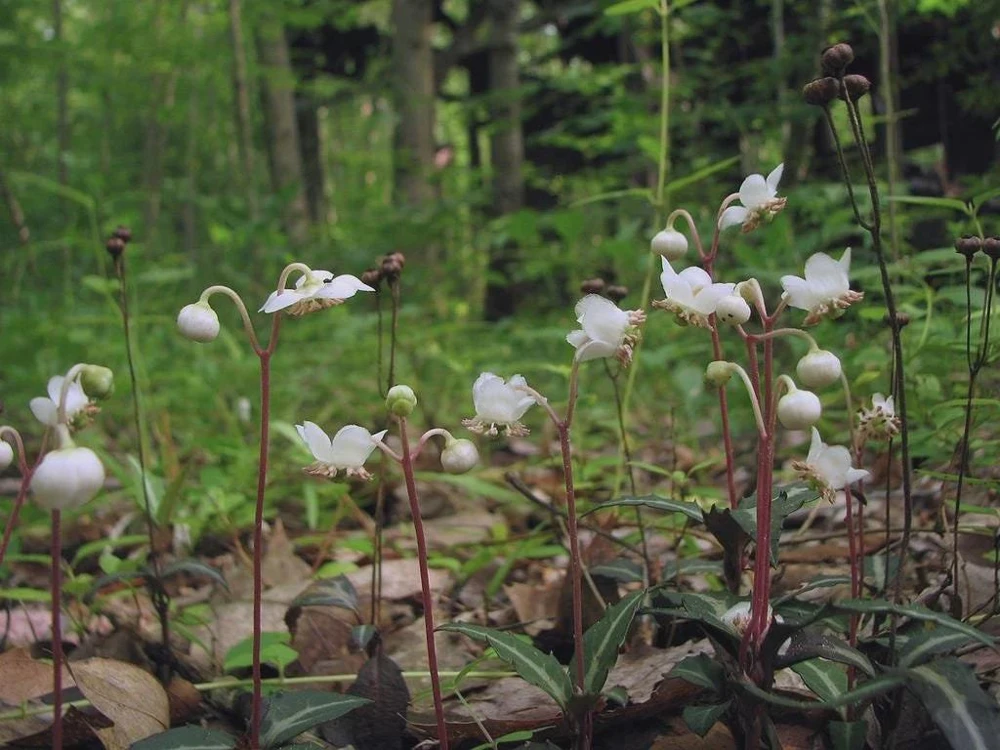
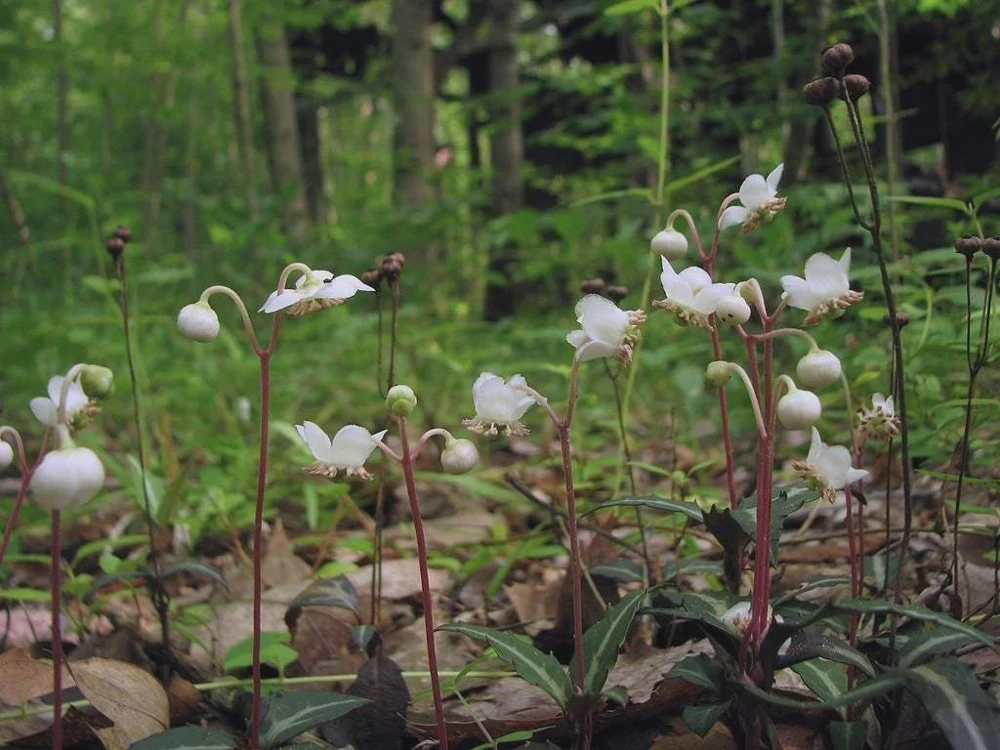
This offering provides 10 individual striped wintergreen bare root plants (Chimaphila maculata). Each bare root is carefully harvested and prepared for shipping, ensuring a viable start for your garden. Upon planting, these low-growing evergreens typically establish themselves within one to two seasons. The mature plant usually reaches a height of 4 to 8 inches (10 to 20 cm) and spreads slowly, forming attractive clumps. It is a slow-growing perennial, which contributes to its long-lasting appeal in the landscape. The bare root form allows for easier handling and planting, particularly in delicate woodland environments. Expect to see the distinctive striped foliage emerge as the plant establishes its root system. This plant is primarily valued for its evergreen leaves rather than showy flowers, which are small and white or pinkish, appearing in summer.
Frequently Asked Questions
- Q: How big will the striped wintergreen bare root plants get? A: Once established, these plants typically grow to a modest height of 4 to 8 inches (10 to 20 cm) tall. They are low-growing evergreens, forming a beautiful groundcover in suitable conditions.
- Q: Is this an indoor or outdoor plant? A: The striped wintergreen bare root (Chimaphila maculata) is an outdoor plant, ideally suited for woodland gardens, shade gardens, or naturalized areas where it can mimic its native habitat. It is not recommended for indoor cultivation.
- Q: How much sunlight does Chimaphila maculata care require? A: This plant thrives in deep to partial shade. It requires protection from direct, intense sunlight, which can damage its leaves. Dappled light under deciduous trees is often the best environment for this woodland garden plant.
- Q: Is this plant easy to care for? A: While it has specific needs regarding soil and light, once these conditions are met, the striped wintergreen bare root is relatively low-maintenance. It is a hardy evergreen perennial that, once established, requires minimal intervention.
- Q: What condition will the bare root plants arrive in? A: The plants will arrive as striped wintergreen bare root specimens, meaning they are dormant and without soil around their roots. This is a common and effective way to ship many perennials, ensuring they establish well after planting.
- Q: When is the best time to plant the striped wintergreen bare root? A: The best time to plant bare root perennials like the striped wintergreen is typically in early spring or fall, allowing the roots to establish before extreme summer heat or winter cold.
- Q: What kind of soil do these acidic soil plants need? A: Chimaphila maculata requires well-draining, acidic soil rich in organic matter. A soil pH between 4.5 and 6.0 is ideal. Incorporating leaf mold or compost can help create the perfect growing medium.
Be the first to review “10 Striped Wintergreen Bare Root Plant – Chimaphila maculata, Woodland Garden Perennial”
Related products


You May Like

Hardneck vs. Softneck Garlic: Which Should You Grow?
Have you ever stood in front of a seed catalog in mid-September, staring at dozens [...]
Oct

When to Plant Music Garlic: Ultimate US Fall Guide
Have you ever spent your fall weekend placing carefully chosen garlic cloves into rich, dark [...]
1 Comment
Oct

5 Best Bulbs for Fall Planting: Brighten Your Garden This Spring
Are you dreaming of a garden full of vibrant colors in the spring? The key [...]
Aug

10 Houseplants That Will Thrive in Your Kitchen
Are you tired of your kitchen feeling dull and lifeless? Want to add a little [...]
1 Comment
Aug
Reviews
There are no reviews yet.