
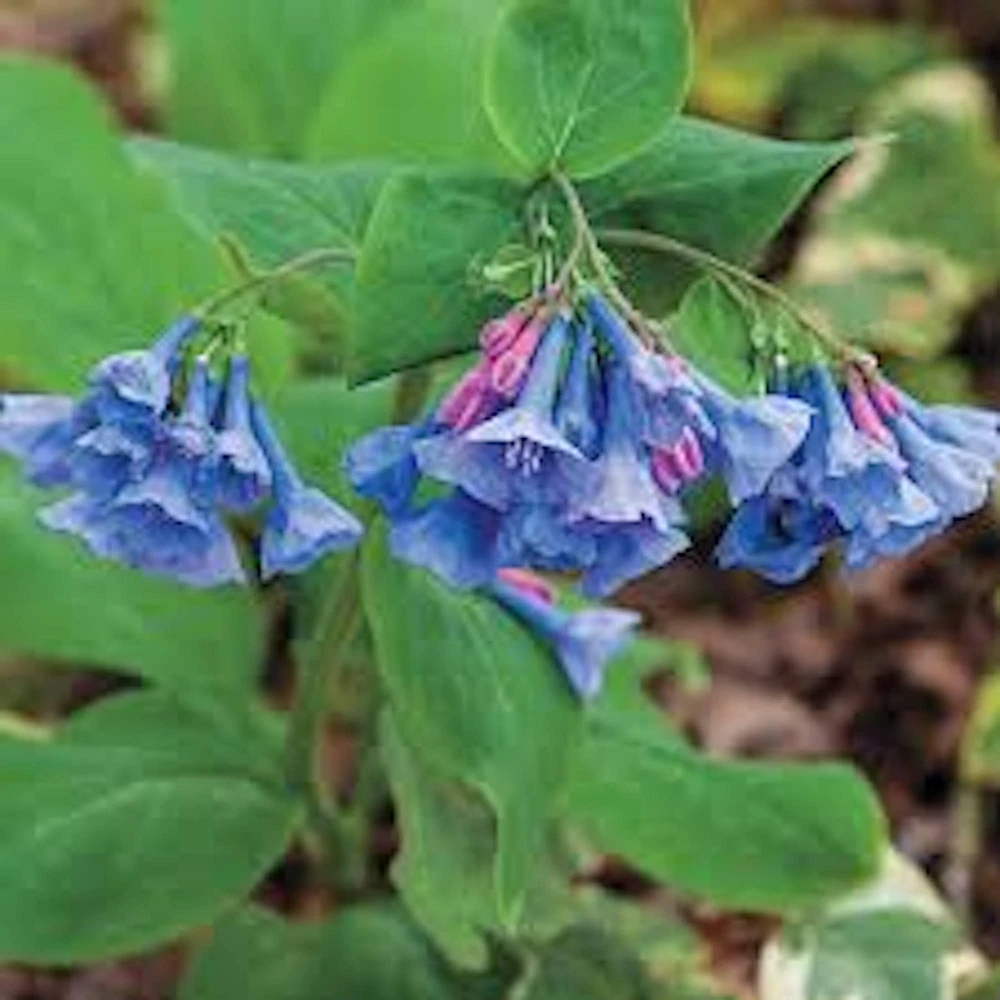
10 Virginia Bluebell Mertensia virginica Wildflower Bare Roots
Original price was: 79.99 $.54.99 $Current price is: 54.99 $.
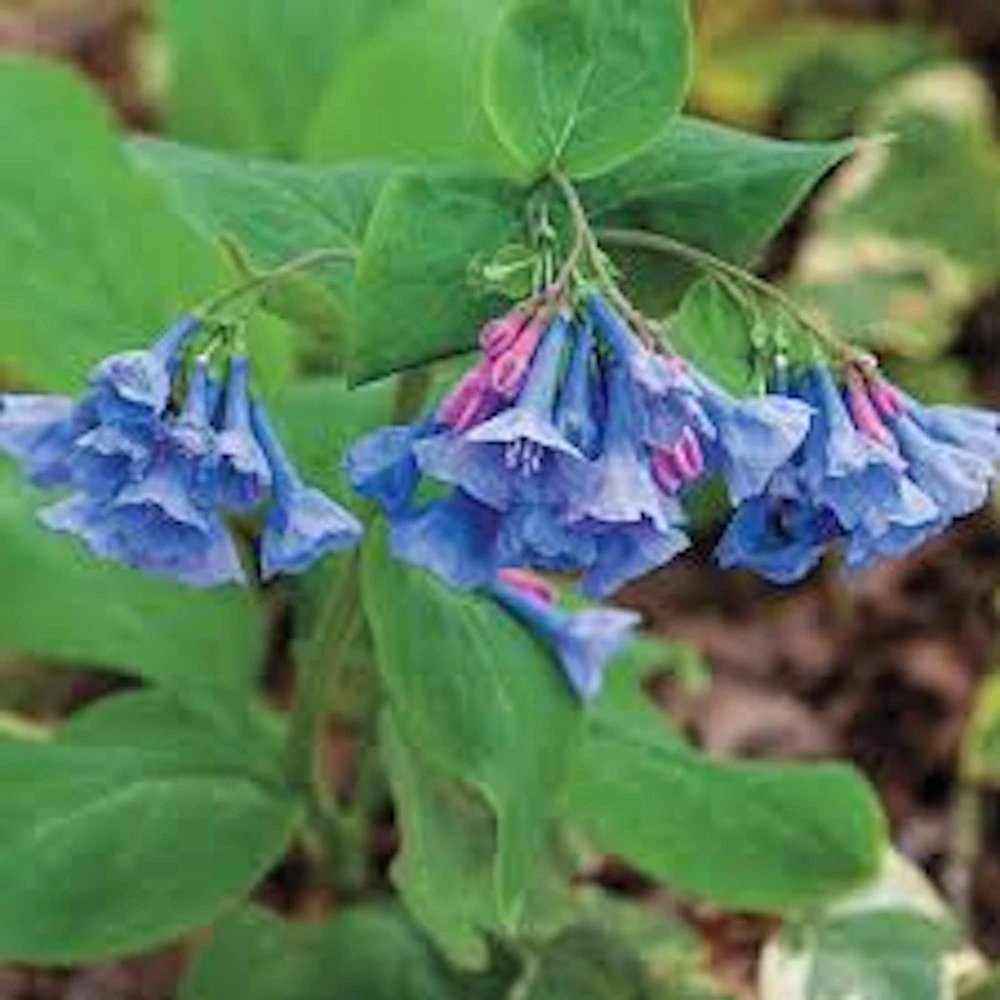
Enhance your shaded garden with 10 Virginia Bluebell bare roots (Mertensia virginica). These native, herbaceous perennial wildflowers produce stunning pink-to-blue bell-shaped flowers in spring, perfect for naturalizing or woodland settings.
Estimated arrival
Oct 17
Oct 22 - Oct 24
Oct 24 - Oct 29
See our Shipping Policy.
Get in touch with us via email, and our team will review your concerns.
Our Alive & Thrive Guarantee covers issues with your plants within the first 30 days. Read our Refund & Returns Policy.
-
USDA Hardiness Zone
USDA Zones 3-8 -
Soil Type
Moist, rich, well-draining, slightly acidic to neutral -
Sunlight Exposure
Partial to full shade -
Expected Planting Period
Fall or early spring
Overview
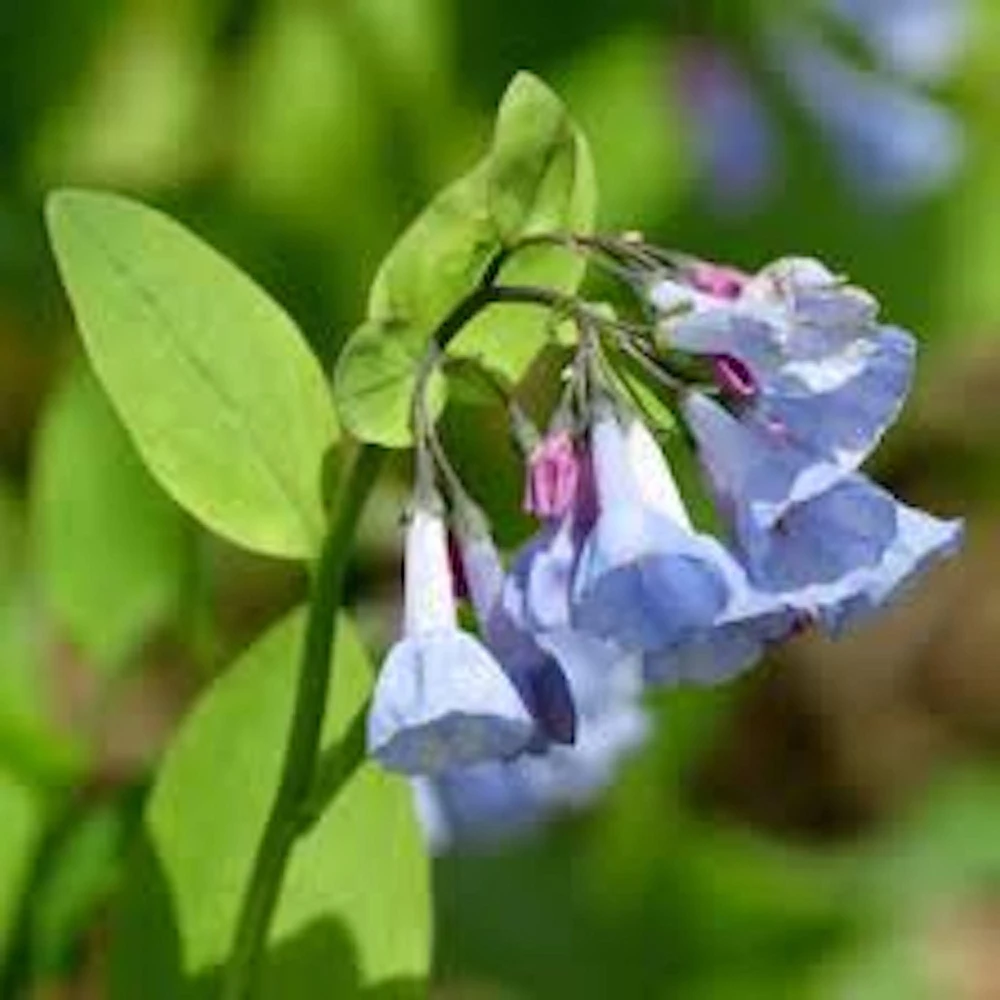
Transform your garden into a serene woodland retreat with our premium 10 Virginia Bluebell bare roots. Virginia bluebells (Mertensia virginica) are cherished native, herbaceous perennial wildflowers renowned for their spectacular clusters of drooping, bell-shaped flowers. These enchanting blooms undergo a captivating color transformation, starting as pink buds and gracefully transitioning to a vibrant blue as they mature. As true spring ephemerals, they emerge early in the season, providing a burst of color before fading back to the earth in late spring or early summer, making way for other shade-loving plants. Each Mertensia virginica plant offers a unique beauty that enriches any naturalized or woodland garden setting, attracting early pollinators like bees and butterflies.
These resilient plants are a vibrant addition to any garden, thriving in moist, rich, and slightly acidic to neutral soils. Their preference for shaded or partially shaded areas makes them ideal for planting under deciduous trees or in shaded borders where other flowers might struggle. The distinctive bluish-green foliage adds an extra layer of visual interest even before the flowers appear. When you plant these Virginia Bluebell bare roots, you’re not just adding a flower; you’re inviting a piece of natural American woodland beauty into your outdoor space, creating a haven for local wildlife and a picturesque display each spring.
Key Benefits
Adding Virginia Bluebell bare roots to your garden provides numerous advantages beyond their undeniable beauty. These native plants are a fantastic choice for sustainable and low-maintenance landscaping.
- Stunning Spring Display: Enjoy a breathtaking show of bell-shaped flowers that transition from soft pink to brilliant blue, providing essential early-season color in your garden. This makes them a highlight among spring ephemeral plants.
- Attracts Pollinators: The nectar-rich flowers are a vital food source for early emerging bees, butterflies, and other beneficial pollinators, contributing to local ecosystem health.
- Low Maintenance & Resilient: Once established, Mertensia virginica plant varieties are remarkably easy to care for, requiring minimal intervention. They are naturally adapted to woodland conditions and are generally pest and disease resistant.
- Ideal for Shade Gardens: Thriving in shaded to partially shaded environments, these bluebells are perfect for brightening up those tricky spots where other sun-loving plants won’t grow, making them a cornerstone of any native wildflower garden.
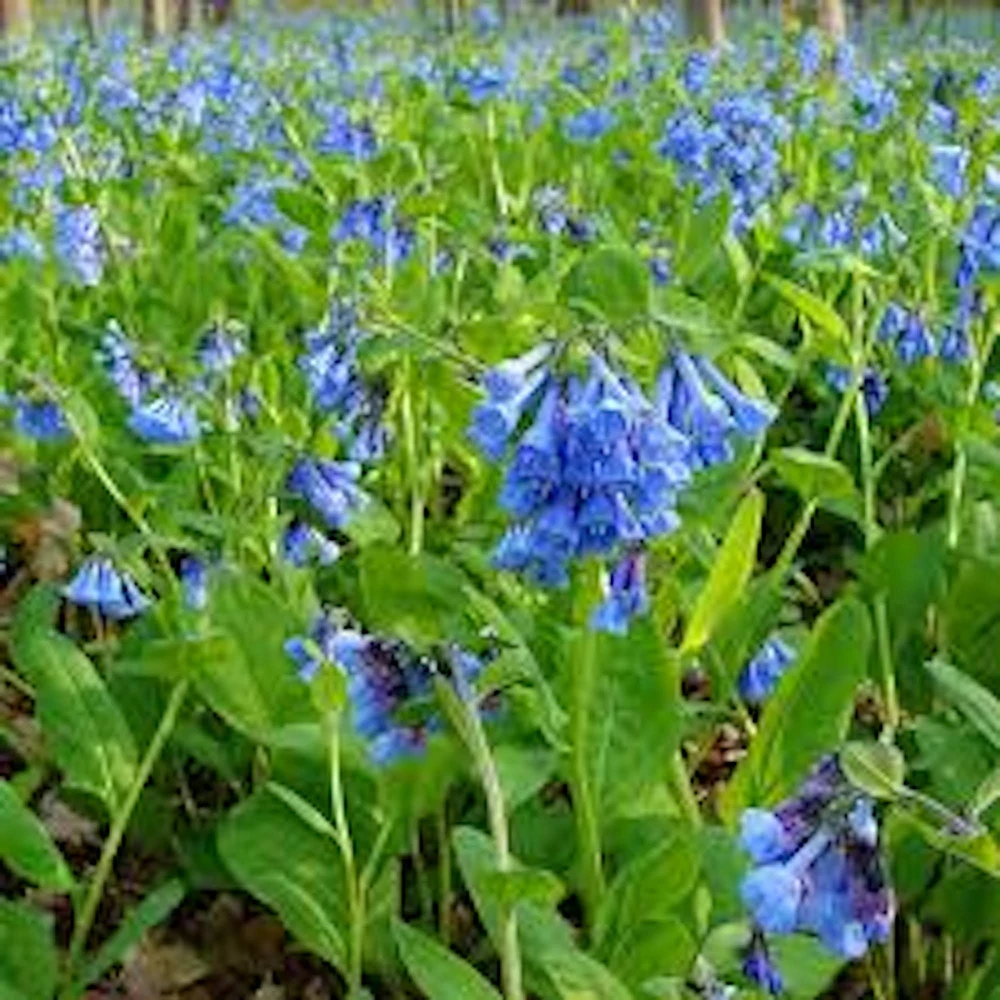
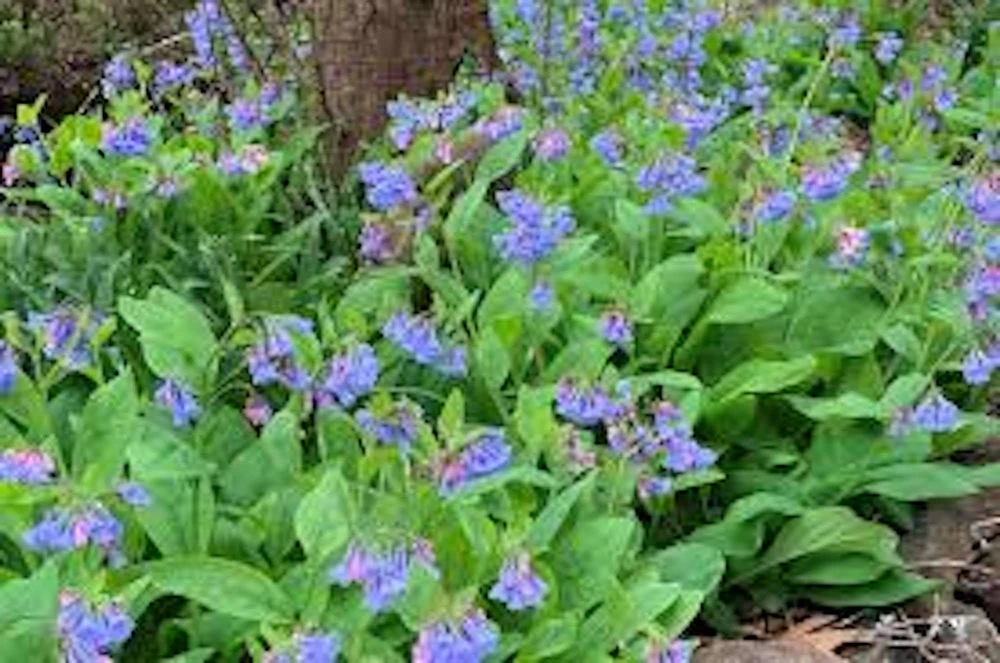
- Naturalizing & Spreading: These bare roots are excellent for naturalizing, gently spreading over time to create beautiful drifts of color, enhancing the natural appeal of your landscape.
- Ephemerally Charming: Their characteristic ephemeral nature means they provide early spring beauty and then recede, allowing other summer shade plants to take center stage without competition.
- Supports Biodiversity: As a native species, planting Virginia Bluebell bare roots helps support local biodiversity and contributes to the health of your regional environment.
Plant Care & Growing Tips
Caring for your Virginia Bluebell bare roots is straightforward, making them an excellent choice for both novice and experienced gardeners. These plants thrive when their specific environmental needs are met, ensuring a spectacular display each spring. For successful growth, understanding the optimal conditions for a Mertensia virginica plant is key.
When planting your Virginia Bluebell bare roots, choose a location with partial to full shade. They are naturally found in woodland settings, so replicating these conditions will yield the best results. Morning sun with afternoon shade is ideal, protecting them from the harsh midday heat which can cause their foliage to yellow prematurely. The soil should be consistently moist, rich in organic matter, and well-draining. Amending your planting site with compost or leaf mold will provide the necessary nutrients and improve soil structure. While they prefer slightly acidic to neutral pH, they are quite adaptable. Keep the soil moist, especially during dry spells in spring. However, avoid waterlogging, as this can lead to root rot. Once established, they are somewhat drought-tolerant but will perform best with consistent moisture during their active growing period. Knowing the right conditions is crucial for a successful bluebell planting guide.
Virginia Bluebell bare roots are hardy in USDA Zones 3-8. They are cool-season plants and do not require heavy fertilization. A light application of balanced, slow-release organic fertilizer in early spring can be beneficial, but often, the rich organic matter in the soil provides sufficient nutrients. After blooming, the foliage will naturally begin to yellow and die back. This is normal for spring ephemeral plants, and you can trim back the fading foliage if desired, though it’s often left to decompose and enrich the soil. Be mindful of where you plant them, as they will go dormant. Consider planting them alongside other shade-loving perennials or ferns that will fill in the space as the bluebells recede, creating a continuous display in your native wildflower garden.
Size & Details
This offering includes 10 Virginia Bluebell bare roots, carefully prepared for planting. Each bare root is a dormant rhizome, ready to establish quickly once planted in appropriate conditions. While the exact size of each bare root can vary slightly, they are selected to ensure viability and robust growth. Virginia bluebells typically grow to a height of 18-24 inches (45-60 cm) with a spread of 12-18 inches (30-45 cm) when mature. These plants exhibit a moderate growth rate, establishing well in their first year and beginning to spread more significantly in subsequent seasons.
The bell-shaped flowers are approximately 1 inch (2.5 cm) long and appear in clusters. As spring ephemeral plants, they emerge in early to mid-spring, bloom for several weeks, and then their foliage begins to yellow and disappear by early summer. This natural cycle allows them to avoid the heat of summer. Plant these bare roots in the fall or very early spring for best results, following a comprehensive bluebell planting guide. Expect flowers in the first or second spring after planting, with a more robust display as the clump matures over the years.
Frequently Asked Questions
- Q: How big do these Virginia Bluebell plants get? A: Virginia Bluebell bare roots typically grow into plants that reach 18-24 inches tall and spread about 12-18 inches wide at maturity. They form attractive clumps over time, enhancing your native wildflower garden.
- Q: Is this an indoor or outdoor plant? A: Virginia Bluebells are strictly outdoor plants. They require a period of cold dormancy to thrive and bloom, making them unsuitable for indoor cultivation. They are best suited for shaded garden beds or naturalized areas.
- Q: How much sunlight does a Mertensia virginica plant need? A: A Mertensia virginica plant prefers partial to full shade. Ideal conditions include morning sun with protection from intense afternoon sun, mimicking their natural woodland habitat.
- Q: Is this plant easy to care for? A: Yes, Virginia Bluebells are considered very easy to care for, especially once established. They are low-maintenance and generally resistant to pests and diseases, making them a great choice for beginners following a simple bluebell planting guide.
- Q: What condition will the bare roots arrive in? A: Your 10 Virginia Bluebell bare roots will arrive dormant and carefully packaged. They will appear as fibrous roots, ready to be planted directly into your garden.
- Q: How long until these spring ephemeral plants bloom? A: You can expect the first blooms from these spring ephemeral plants in the first or second spring after planting, depending on planting time and growing conditions. The display will become more impressive each year.
- Q: When is the best time to plant Virginia Bluebell bare roots? A: The best time to plant Virginia Bluebell bare roots is in the fall, allowing them to establish a strong root system before winter, or very early spring before new growth begins.
- Q: What kind of soil is best for a native wildflower garden with bluebells? A: For a thriving native wildflower garden, Virginia Bluebells prefer moist, rich, well-draining soil that is high in organic matter. Slightly acidic to neutral pH is ideal.
- Q: Will these bluebells spread in my garden? A: Yes, Virginia Bluebells will gently self-sow and spread over time, forming larger clumps and naturalizing beautifully in suitable conditions. This makes them a wonderful addition for creating a naturalistic look.
- Q: What are spring ephemeral plants? A: Spring ephemeral plants are perennial wildflowers that emerge, bloom, and set seed early in the spring, then die back and disappear by late spring or early summer, remaining dormant underground for the rest of the year.
Be the first to review “10 Virginia Bluebell Mertensia virginica Wildflower Bare Roots”
Related products


Flower Plants
Pink Lantana Live Plants 2 Pack for Outdoor Planting, 4-6 Inch Perennial Flower Starter


Flower Plants
Red Rose Plant Live Hybrid Tea Bush 5-9 Inch Tall Fragrant Flowers Shrub Ready to Plant Outdoor


You May Like

Hardneck vs. Softneck Garlic: Which Should You Grow?
Have you ever stood in front of a seed catalog in mid-September, staring at dozens [...]
Oct

When to Plant Music Garlic: Ultimate US Fall Guide
Have you ever spent your fall weekend placing carefully chosen garlic cloves into rich, dark [...]
1 Comment
Oct

5 Best Bulbs for Fall Planting: Brighten Your Garden This Spring
Are you dreaming of a garden full of vibrant colors in the spring? The key [...]
Aug

10 Houseplants That Will Thrive in Your Kitchen
Are you tired of your kitchen feeling dull and lifeless? Want to add a little [...]
1 Comment
Aug
Reviews
There are no reviews yet.