
1000 Stratified American Ginseng Seeds – Panax quinquefolius for Wild Root Cultivation
Original price was: 89.99 $.56.99 $Current price is: 56.99 $.
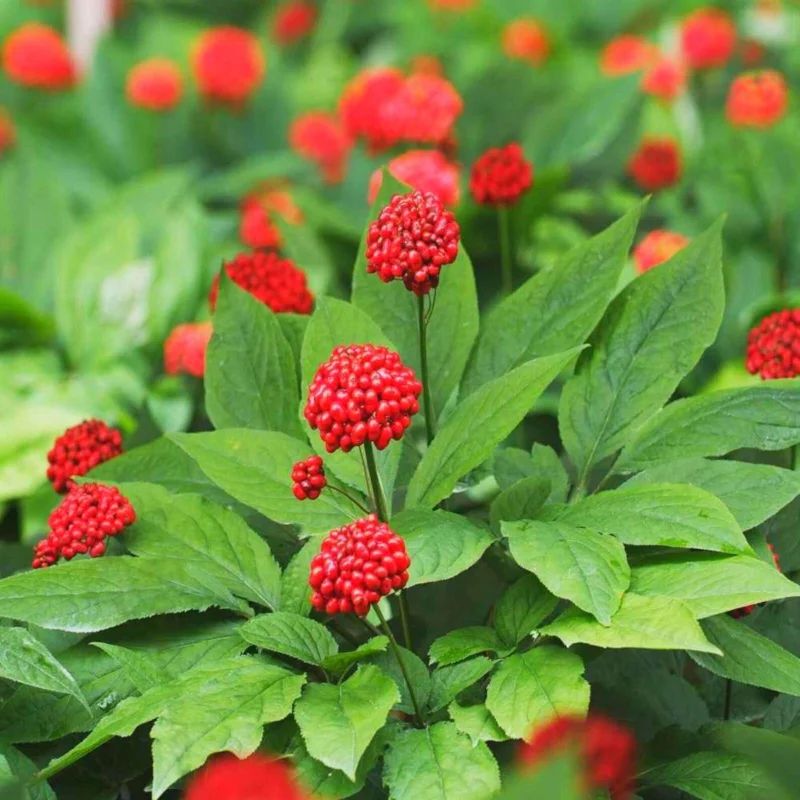
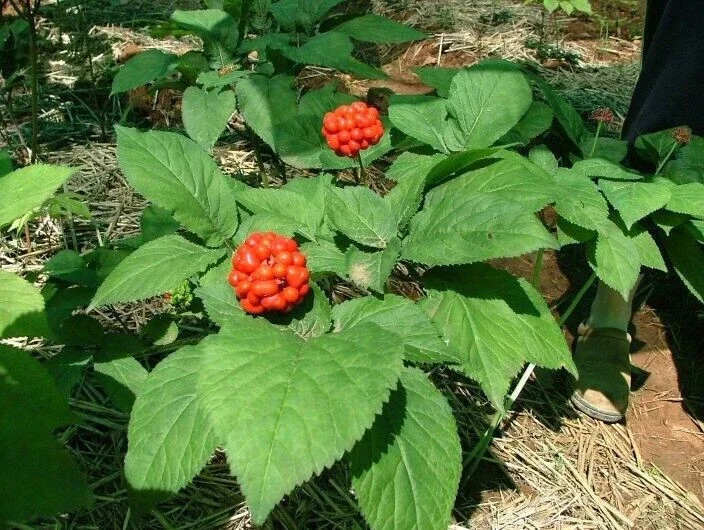
Start your own patch of this prized herb with 1000 Stratified American Ginseng Seeds. These Panax quinquefolius seeds are pre-treated for germination, making it easier to grow wild ginseng roots in your temperate woodland garden. Cultivate a valuable and rewarding crop with these ready-to-plant seeds.
Estimated arrival
Oct 16
Oct 21 - Oct 23
Oct 23 - Oct 28
See our Shipping Policy.
Get in touch with us via email, and our team will review your concerns.
Our Alive & Thrive Guarantee covers issues with your plants within the first 30 days. Read our Refund & Returns Policy.
-
USDA Hardiness Zone
USDA Zones 3-8 -
Soil Type
Well-draining, loamy soil, rich in organic matter -
Sunlight Exposure
70-80% Shade, Partial Shade -
Expected Planting Period
Fall
Overview
Embark on the rewarding journey of cultivating your own medicinal herbs with these 1000 Stratified American Ginseng Seeds. Known scientifically as Panax quinquefolius, American Ginseng is a highly sought-after perennial plant, revered for its fleshy roots that have been used for centuries in traditional medicine. These seeds have undergone a crucial stratification process, mimicking natural winter conditions, which is essential for breaking dormancy and ensuring optimal germination rates. This makes them ready for planting, significantly increasing your chances of successfully growing this valuable woodland botanical. Whether you’re an experienced grower or a curious beginner, these American Ginseng seeds offer a unique opportunity to cultivate a piece of natural history in your own garden.
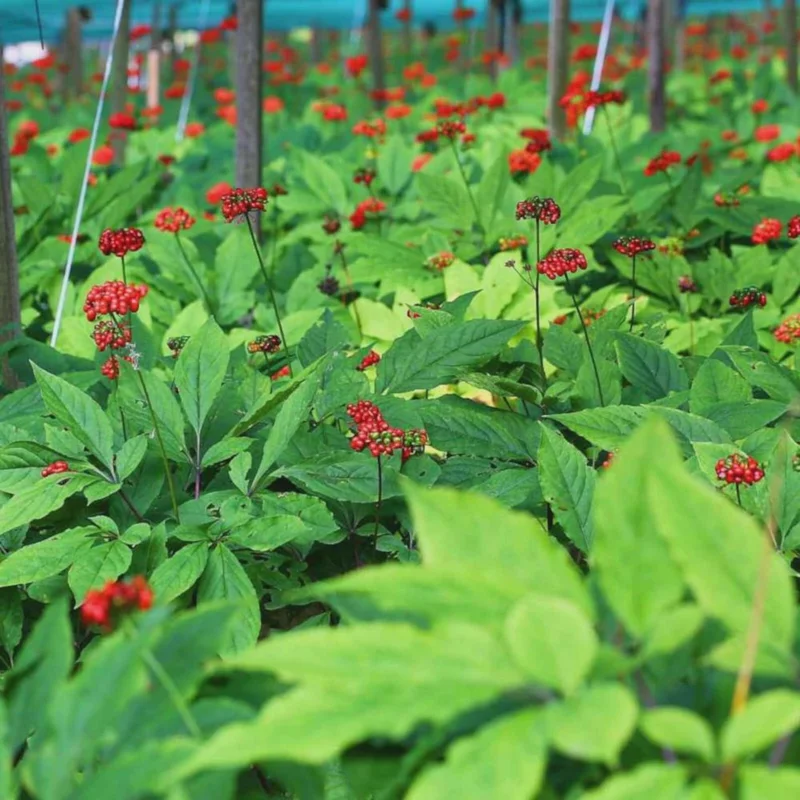
Growing your own Panax quinquefolius seeds not only provides a sustainable source of this prized herb but also connects you with the ancient practice of woodland gardening. The slow growth and specific habitat requirements of ginseng make it a special plant to cultivate, offering a deep sense of accomplishment as you nurture its development. These seeds are perfect for creating a shaded herb garden or enhancing an existing woodland environment, providing both ecological benefits and a potential future harvest of beneficial roots.
Key Benefits
Cultivating American Ginseng seeds offers a variety of compelling benefits, making it an excellent addition to any dedicated gardener’s collection. From medicinal properties to the joy of nurturing a unique plant, these seeds provide a comprehensive package of advantages:
- Medicinal Value: American Ginseng roots are traditionally used for their adaptogenic properties, believed to support overall well-being, boost energy, and aid in stress management. Growing your own ensures a pure and potent supply.
- Sustainable Harvesting: By cultivating your own ginseng, you contribute to the sustainable availability of this often over-harvested wild plant, protecting natural populations.
- Educational Experience: The process of growing and tending to Panax quinquefolius seeds provides an enriching educational experience, teaching about forest ecology and plant life cycles.
- Unique Garden Addition: Ginseng adds a distinctive, natural aesthetic to shaded garden areas, creating a serene and productive woodland setting.
- Long-Term Investment: While requiring patience, a successful ginseng patch can become a long-term asset, yielding valuable roots over several years.
- Pre-Stratified for Success: These seeds come pre-stratified, which means they have been naturally treated to encourage germination, saving you significant time and effort in the planting process. This greatly improves your chances to grow wild ginseng successfully.
- Supports Biodiversity: Planting native species like American Ginseng helps support local ecosystems and biodiversity, creating a healthier environment.
Plant Care & Growing Tips
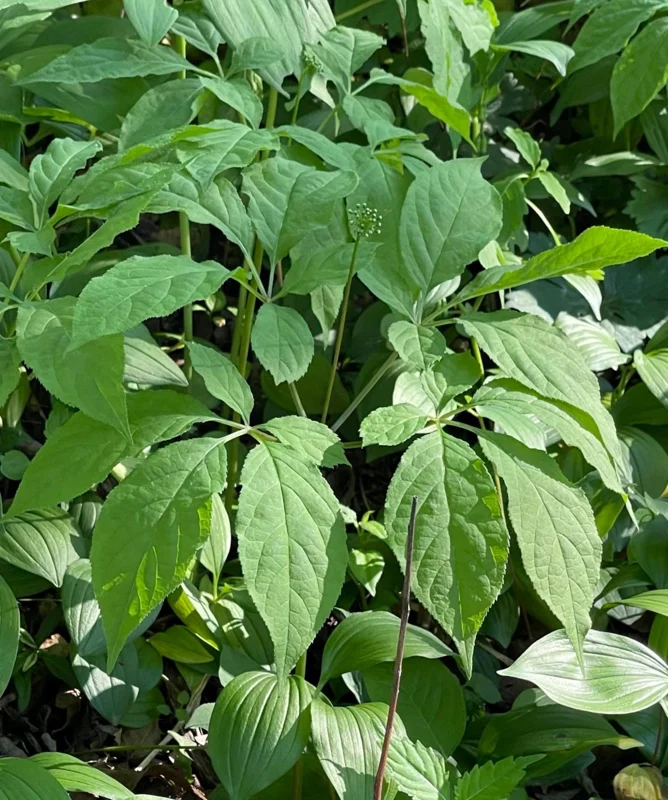
Successful ginseng root cultivation requires patience and attention to specific environmental conditions. American Ginseng thrives in a woodland environment, preferring deep shade to partial shade, ideally around 70-80% shade. It naturally grows under deciduous trees that provide a canopy in summer and allow sunlight to filter through in spring. When selecting a site, look for north-facing slopes or areas with consistent overhead shade. The soil should be well-drained, rich in organic matter, and have a slightly acidic to neutral pH (ideally 5-6). Loamy soil is preferred, as it retains moisture without becoming waterlogged.
Watering is crucial, especially during dry periods. The soil should remain consistently moist but never soggy. Overwatering can lead to root rot, a common issue for ginseng. Conversely, allowing the soil to dry out completely can stress the plants. Fertilization is generally not necessary in rich woodland soil; however, if your soil is poor, a light application of a balanced, organic fertilizer or compost tea can be beneficial in early spring. Protect young plants from deer and other wildlife, as they are often attracted to ginseng foliage. Proper site selection and consistent moisture are key to helping your stratified ginseng seeds thrive and develop into mature plants.
The best time to plant these American Ginseng seeds is in the fall, allowing them to experience a natural chilling period over winter, even though they are pre-stratified. This promotes robust spring growth. Ensure the seeds are planted about 1/2 inch deep and covered with a layer of leaf litter to mimic their natural habitat. Germination can take one to two years, so patience is truly a virtue when working with these unique plants. Once established, ginseng is relatively low-maintenance, primarily requiring protection from pests and consistent moisture. Understanding how to grow wild ginseng successfully involves replicating its native environment as closely as possible.
Size & Details
This offering includes 1000 Stratified American Ginseng Seeds (Panax quinquefolius), specifically prepared to enhance germination rates. Each seed is a potential future ginseng plant, capable of developing into a mature specimen with valuable roots. Ginseng plants typically grow to an average height of 12-18 inches with a spread of 6-12 inches, depending on age and growing conditions. The foliage is deciduous, dying back in the fall and re-emerging in spring. While the seeds are ready for planting, the roots take several years to reach a harvestable size, usually 5-10 years, making this a long-term cultivation project. These seeds are ideal for starting a new patch or expanding an existing one, contributing to sustainable ginseng root cultivation practices.
The seeds are sourced from temperate regions within the United States, ensuring they are well-suited for similar climates. They should be planted in well-drained, loamy soil with a pH of 5-6, and require 70-80% shade for optimal growth. This package provides a substantial quantity for those serious about cultivating American Ginseng, offering a robust start to your woodland garden. Expect to see initial growth within 1-2 years after planting, with significant root development occurring over subsequent seasons. This is a unique opportunity to cultivate a highly valued botanical.
Frequently Asked Questions
- Q: How big do American Ginseng plants get? A: Mature American Ginseng plants typically reach a height of 12-18 inches, with a spread of 6-12 inches. The size of the root will increase over many years of growth, becoming more valuable with age.
- Q: Is this an indoor or outdoor plant? A: American Ginseng seeds are best suited for outdoor cultivation in a woodland or shaded garden setting. They require specific environmental conditions found in temperate forests.
- Q: How much sunlight does American Ginseng need? A: Ginseng thrives in deep to partial shade, ideally receiving only 20-30% direct sunlight. Too much sun can scorch the leaves and inhibit growth.
- Q: Is growing American Ginseng difficult for beginners? A: While growing ginseng requires patience and specific site conditions, these pre-stratified seeds simplify the germination process, making it more accessible for dedicated beginners willing to learn the requirements for ginseng root cultivation.
- Q: What condition will the seeds arrive in? A: The seeds will arrive stratified and ready for planting, having undergone the necessary cold treatment to break dormancy. They are typically shipped in a moist medium to maintain viability.
- Q: How long until I can harvest the roots? A: Ginseng roots typically take 5-10 years to reach a mature, harvestable size. The longer they grow, the larger and more potent the roots become.
- Q: What USDA hardiness zones are suitable for American Ginseng? A: American Ginseng is generally hardy in USDA Zones 3-8, thriving in temperate climates with distinct seasons.
- Q: What type of soil is best for these Panax quinquefolius seeds? A: The ideal soil is well-drained, rich in organic matter, and loamy, with a slightly acidic to neutral pH between 5 and 6.
- Q: When is the best time to plant the stratified ginseng seeds? A: The best time to plant is in the fall, allowing the seeds to settle in over winter and emerge in the spring. This mimics their natural growth cycle.
- Q: Can I use these seeds to grow wild ginseng in a forest setting? A: Yes, these seeds are perfectly suited for forest farming or naturalizing in appropriate woodland environments that meet their shade and soil requirements.
Be the first to review “1000 Stratified American Ginseng Seeds – Panax quinquefolius for Wild Root Cultivation”
Related products


Herb Seeds
500 English Lavender Vera Seeds – Lavandula Angustifolia – Fragrant Purple Flower Herb – Outdoor


You May Like

Hardneck vs. Softneck Garlic: Which Should You Grow?
Have you ever stood in front of a seed catalog in mid-September, staring at dozens [...]
Oct

When to Plant Music Garlic: Ultimate US Fall Guide
Have you ever spent your fall weekend placing carefully chosen garlic cloves into rich, dark [...]
1 Comment
Oct

5 Best Bulbs for Fall Planting: Brighten Your Garden This Spring
Are you dreaming of a garden full of vibrant colors in the spring? The key [...]
Aug

10 Houseplants That Will Thrive in Your Kitchen
Are you tired of your kitchen feeling dull and lifeless? Want to add a little [...]
1 Comment
Aug
Reviews
There are no reviews yet.