
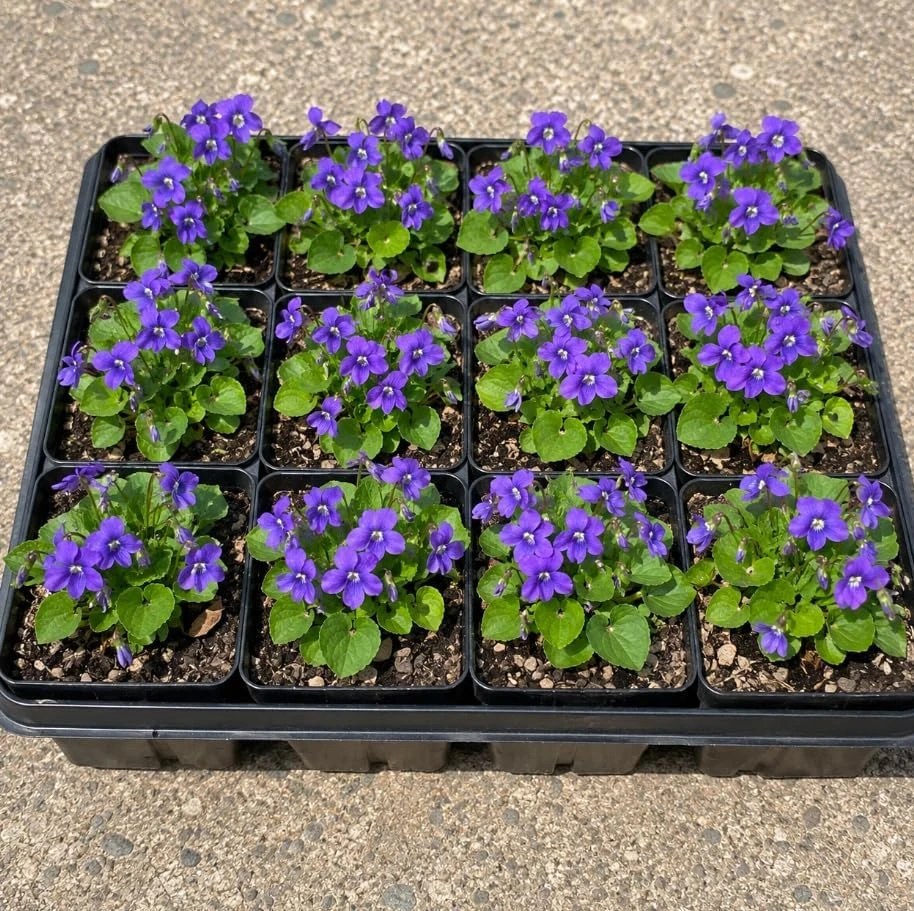


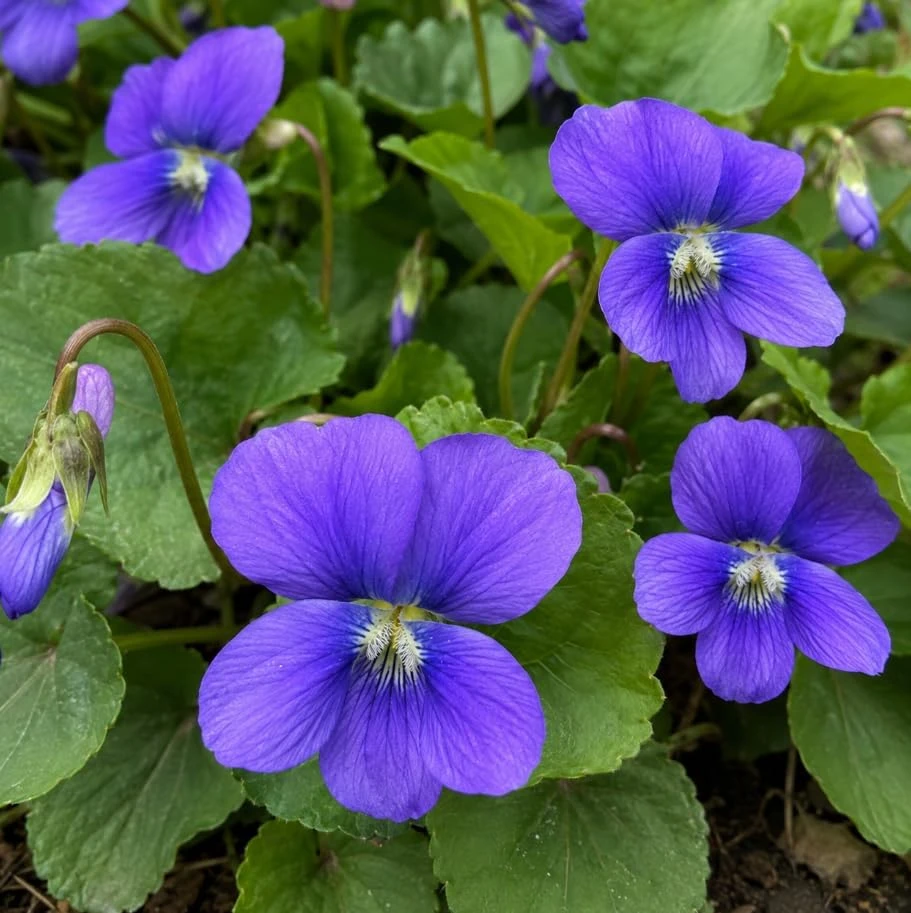
12 Common Blue Violet Roots – Live Viola Sororia Rhizomes, Perennial Ground Cover
Original price was: 55.99 $.20.99 $Current price is: 20.99 $.
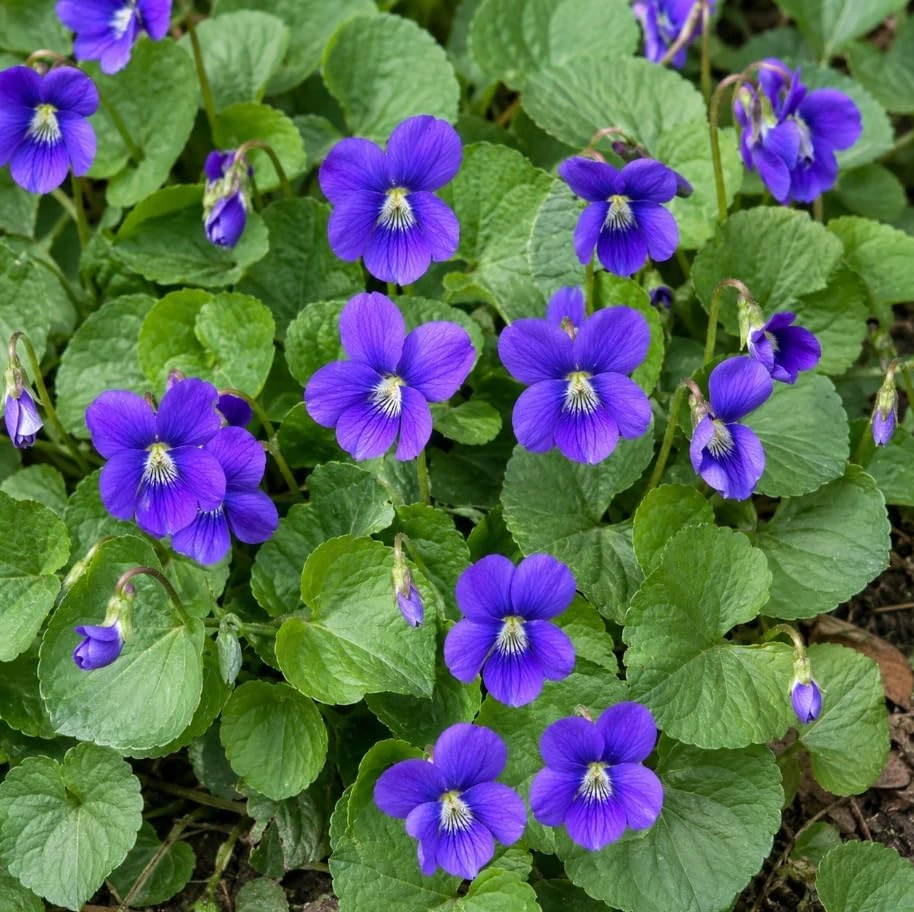
Add charming, low-maintenance beauty to your garden with 12 common blue violet roots. These live Viola Sororia rhizomes produce delicate purple-blue blooms, ideal for creating a lush ground cover or enhancing woodland areas.
Estimated arrival
Oct 15
Oct 20 - Oct 22
Oct 22 - Oct 27
See our Shipping Policy.
Get in touch with us via email, and our team will review your concerns.
Our Alive & Thrive Guarantee covers issues with your plants within the first 30 days. Read our Refund & Returns Policy.
-
USDA Hardiness Zone
USDA zones 3-9 -
Soil Type
Moist, well-draining soil -
Sunlight Exposure
Partial to full shade -
Expected Planting Period
Spring or Fall
Overview
Transform your garden into a haven of natural beauty with this generous pack of 12 common blue violet roots. Each offering consists of live Viola Sororia rhizomes, ready to establish quickly and bring vibrant color to your outdoor spaces. Known for their delicate purple-blue blooms that emerge in early spring, these native perennials are a delightful addition to any landscape. Common blue violet roots are not only visually appealing but also incredibly hardy and adaptable, making them an excellent choice for gardeners seeking both charm and resilience. These rhizomes are perfect for creating a lush, low-growing ground cover, naturalizing woodland areas, or adding a touch of wild elegance to borders.
The Common Blue Violet, scientifically known as Viola sororia, is a beloved perennial flower native to North America. It’s cherished for its heart-shaped leaves and charming, often fragrant, flowers. These particular Viola Sororia rhizomes are supplied as live roots, ensuring a strong start for your plants. They are an ideal solution for filling garden beds or sharing with fellow plant enthusiasts, providing ample material to establish a thriving patch of violets. Experience the joy of watching these resilient plants spread naturally, creating a verdant carpet of green punctuated by captivating blue-purple blooms.
Key Benefits
Investing in common blue violet roots offers numerous advantages for your garden, combining aesthetic appeal with ecological benefits. These live rhizomes are designed to thrive, providing a beautiful and beneficial addition to your landscape. The delicate beauty and hardiness of these plants make them a top choice for various gardening needs.
- Vibrant Early Spring Blooms: Enjoy a burst of delicate purple-blue flowers that appear in early spring, providing much-needed color after winter. These blooms are a welcome sight and attract early pollinators to your garden.
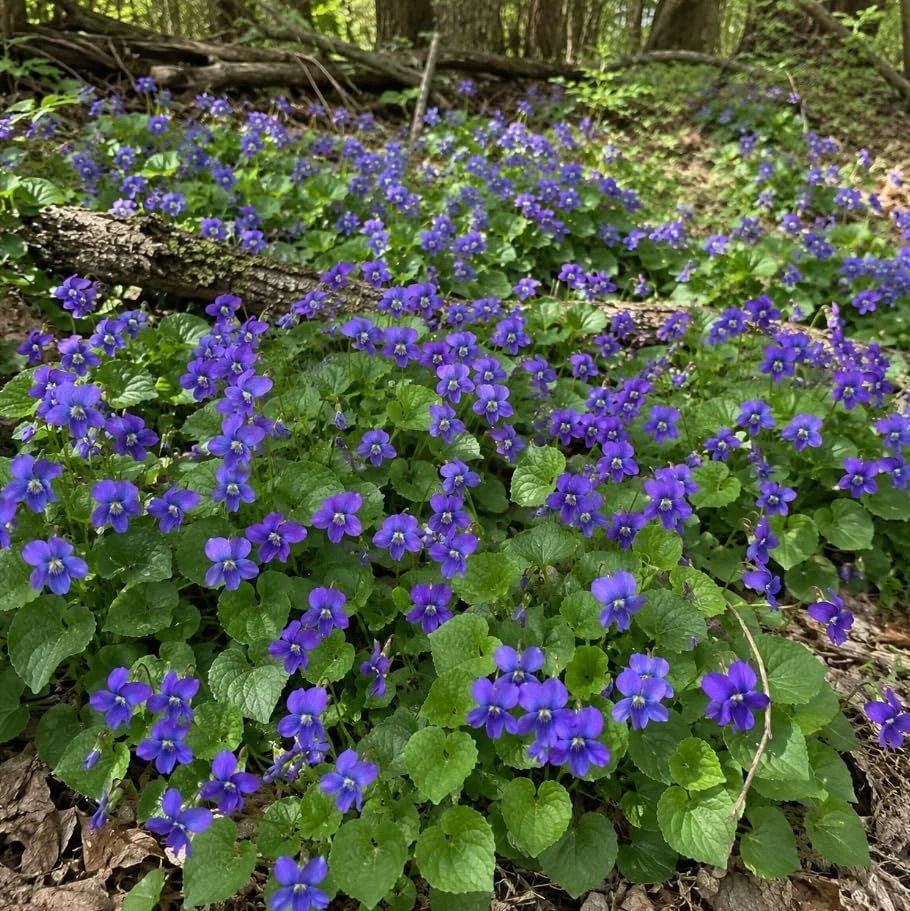
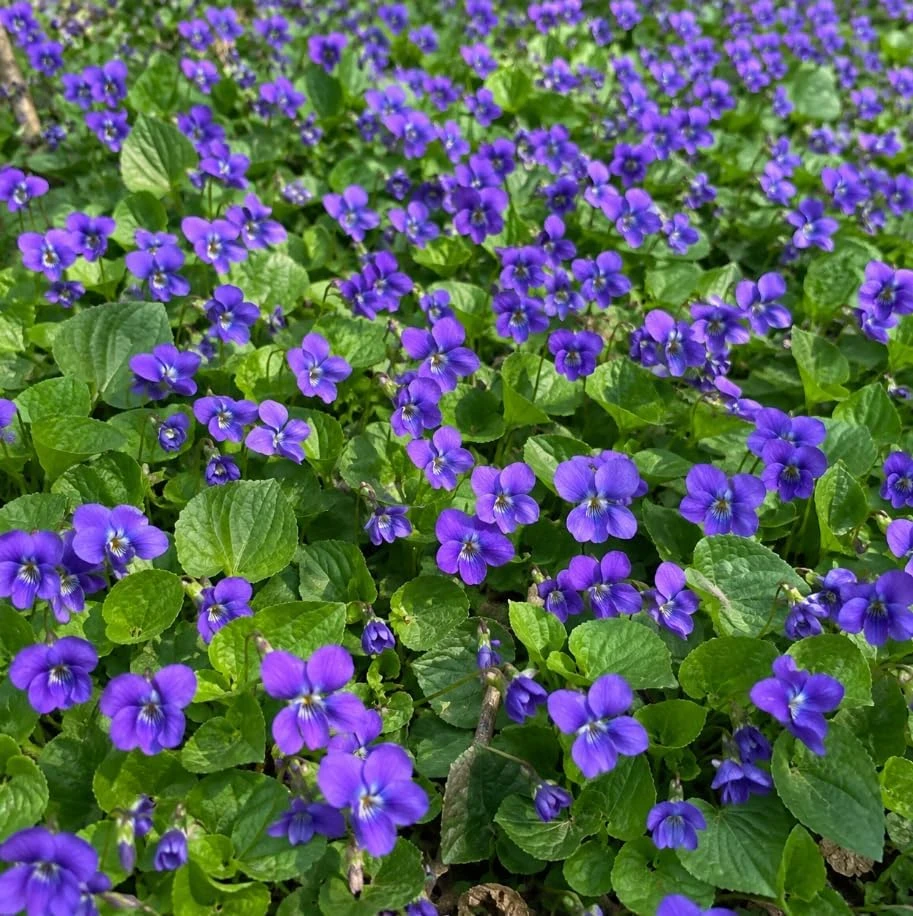
- Excellent Ground Cover Solution: The blue violet ground cover spreads naturally over time, forming a dense, low-growing carpet that helps suppress weeds and retains soil moisture, creating a neat and attractive landscape.
- Hardy and Low-Maintenance Perennial:Viola Sororia rhizomes are incredibly resilient and adaptable to various conditions, making them an easy-care choice for both novice and experienced gardeners. They require minimal attention once established.
- Ideal for Diverse Garden Settings: Perfect for woodland gardens, borders, naturalized areas, or even as an underplanting for larger shrubs and trees. Their adaptability allows them to flourish in many different environments.
- Supports Local Ecosystems: As a native plant, perennial violets provide an important food source for local wildlife, including butterflies and other beneficial insects, contributing to a healthy garden ecosystem.
- Quick Establishment: These live rhizomes are ready to be planted and establish quickly in suitable soil conditions, ensuring you see growth and blooms sooner rather than later.
- Naturalizing Beauty: Allow these violets to spread gracefully, creating a naturalized look that enhances the informal charm of your garden, blending seamlessly with native flora.
Plant Care & Growing Tips
Caring for your common blue violet roots is straightforward, thanks to their hardy nature. These Viola Sororia rhizomes are known for their resilience and ability to thrive with minimal intervention once established. To ensure the best growth and blooming, understanding their preferred conditions is key. They are a fantastic choice for those looking for a plant that provides beauty without demanding constant attention.
Sunlight Requirements: Common Blue Violets thrive in partial to full shade. This means they perform best in areas that receive dappled sunlight throughout the day or direct sun for only a few hours, typically in the morning. While they can tolerate some sun, especially in cooler climates, too much intense afternoon sun can scorch their leaves. For optimal growth and bloom production, aim for an area that mimics their natural woodland habitat.
Watering and Soil: These perennial violets prefer moist, well-drained soil. It’s crucial to keep the soil consistently damp, especially during dry spells and in their first year of establishment. However, avoid waterlogging, as this can lead to root rot. A good quality, loamy soil enriched with organic matter will provide the ideal environment. They are not overly fussy but appreciate a rich, slightly acidic to neutral pH soil. Good drainage is paramount to prevent disease.
Temperature and Hardiness:Common blue violet roots are hardy perennials suitable for a wide range of climates. They are typically cold-hardy, surviving winter dormancy with ease. Once established, they are quite tolerant of varying temperatures. Fertilization is generally not heavily required for these plants. If your soil is poor, a light application of a balanced, slow-release granular fertilizer in early spring can be beneficial. Common problems include powdery mildew in overly humid conditions or slug damage; ensuring good air circulation and appropriate pest control measures can help.
Size & Details
This offering includes 12 common blue violet roots, provided as live rhizomes. Each rhizome is a robust plant root, carefully prepared for planting and ready to establish quickly in your garden. These Viola Sororia rhizomes are typically shipped in a dormant or semi-dormant state, ensuring they transplant well and begin vigorous growth once planted in suitable conditions. The exact size of individual rhizomes may vary slightly but will be of a quality to ensure successful establishment.
Once planted, these perennial violets will grow into a compact, low-growing plant, typically reaching a height of 4-8 inches. They are known for their spreading habit, forming a lovely blue violet ground cover that can expand several inches annually under favorable conditions. Expect to see foliage emerge shortly after planting, with delicate purple-blue blooms appearing in early spring of the following year, or even late spring of the planting year if conditions are ideal. Their moderate growth rate means they will gradually fill in your desired area, creating a natural and lush appearance.
Frequently Asked Questions
- Q: How big do these Common Blue Violets get? A: Once established, common blue violet roots typically grow to a height of 4-8 inches. They form a low-growing carpet, making them an excellent choice for ground cover in various garden settings.
- Q: Are these an indoor or outdoor plant? A: Viola Sororia rhizomes are primarily outdoor plants, thriving in garden beds, borders, and woodland areas. While they can be temporarily grown indoors, they perform best in their natural outdoor environment.
- Q: How much sunlight do these perennial violets need? A: These violets prefer partial to full shade. They will tolerate some morning sun but should be protected from intense afternoon sun to prevent leaf scorch.
- Q: Are these Common Blue Violets easy to care for? A: Yes, perennial violets are known for their hardiness and low-maintenance nature. Once established, they require minimal care, making them suitable for beginners and busy gardeners alike.
- Q: What condition will the live rhizomes arrive in? A: The 12 common blue violet roots will arrive as live rhizomes, ready for planting. They are carefully packaged to ensure they reach you in optimal condition for successful establishment.
- Q: When is the best time to plant these Viola Sororia rhizomes? A: The best time to plant Viola Sororia rhizomes is typically in spring or fall. This allows them to establish strong root systems before extreme summer heat or winter cold.
- Q: Will these violets spread and create a ground cover? A: Absolutely! These violets are excellent for creating a blue violet ground cover. They spread naturally over time, forming a lush carpet of foliage and flowers, enhancing the beauty of your garden.
- Q: What type of soil do Common Blue Violets prefer? A: They prefer moist, well-drained soil rich in organic matter. A slightly acidic to neutral pH is ideal for promoting healthy growth and abundant blooms.
- Q: Are these plants deer resistant? A: While no plant is entirely deer-proof, Common Blue Violets are generally considered to have some deer resistance. Deer tend to prefer other plants over them.
- Q: How long until these Viola Sororia rhizomes bloom after planting? A: Depending on planting time and conditions, you may see some blooms in the late spring of the planting year. More abundant flowering typically occurs in the early spring of the following year, as the plants become fully established.
Be the first to review “12 Common Blue Violet Roots – Live Viola Sororia Rhizomes, Perennial Ground Cover”
Related products


You May Like

Hardneck vs. Softneck Garlic: Which Should You Grow?
Have you ever stood in front of a seed catalog in mid-September, staring at dozens [...]
Oct

When to Plant Music Garlic: Ultimate US Fall Guide
Have you ever spent your fall weekend placing carefully chosen garlic cloves into rich, dark [...]
1 Comment
Oct

5 Best Bulbs for Fall Planting: Brighten Your Garden This Spring
Are you dreaming of a garden full of vibrant colors in the spring? The key [...]
Aug

10 Houseplants That Will Thrive in Your Kitchen
Are you tired of your kitchen feeling dull and lifeless? Want to add a little [...]
1 Comment
Aug
Reviews
There are no reviews yet.