
15 Black Cohosh Bare Root Plants – Actaea Racemosa Wildflower Native
Original price was: 89.99 $.64.99 $Current price is: 64.99 $.
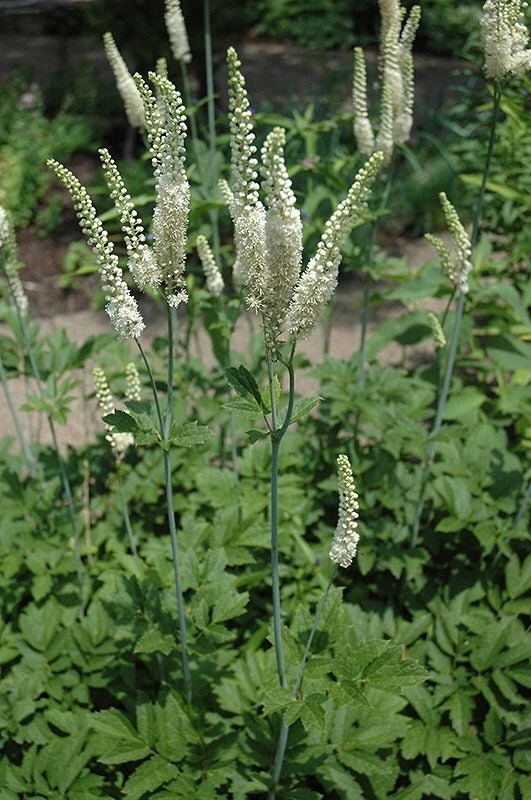
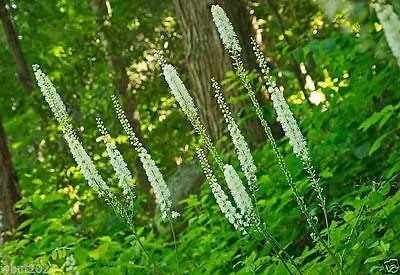
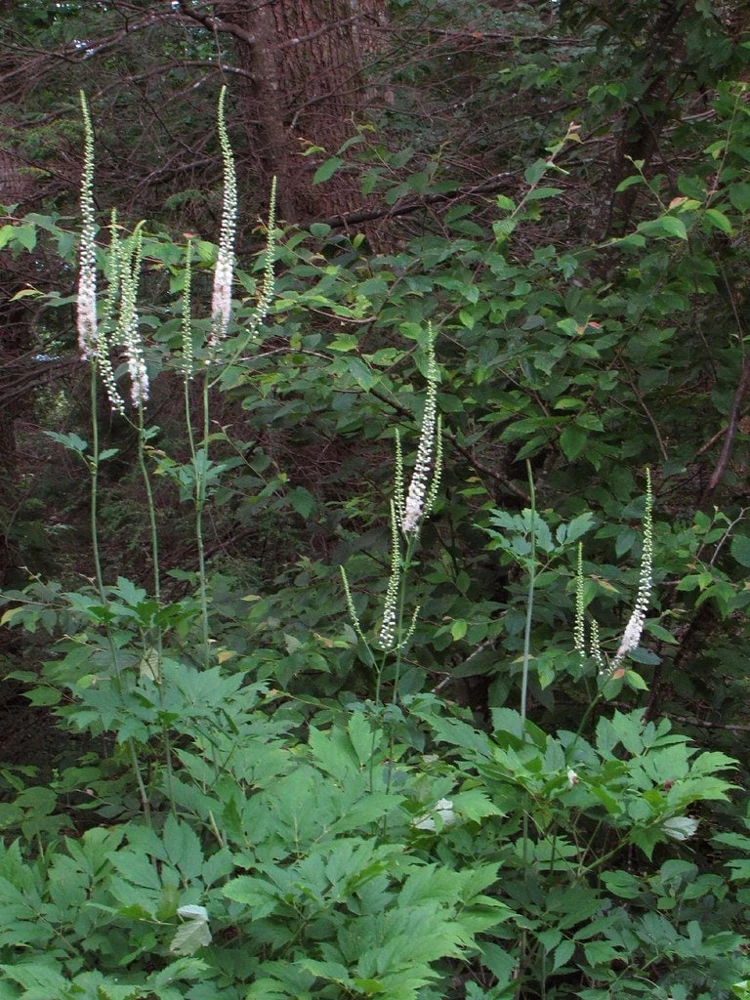
Cultivate a beautiful shade garden with this pack of 15 Black Cohosh bare root plants. Known for their striking white flower spikes and medicinal properties, these Actaea racemosa plants are organically grown native wildflowers, perfect for adding elegance and ecological value to your landscape.
Estimated arrival
Oct 16
Oct 21 - Oct 23
Oct 23 - Oct 28
See our Shipping Policy.
Get in touch with us via email, and our team will review your concerns.
Our Alive & Thrive Guarantee covers issues with your plants within the first 30 days. Read our Refund & Returns Policy.
-
USDA Hardiness Zone
USDA Zones 3-8 -
Soil Type
Rich, well-draining soil high in organic matter -
Sunlight Exposure
Partial to full shade -
Expected Planting Period
Spring or Fall
Overview
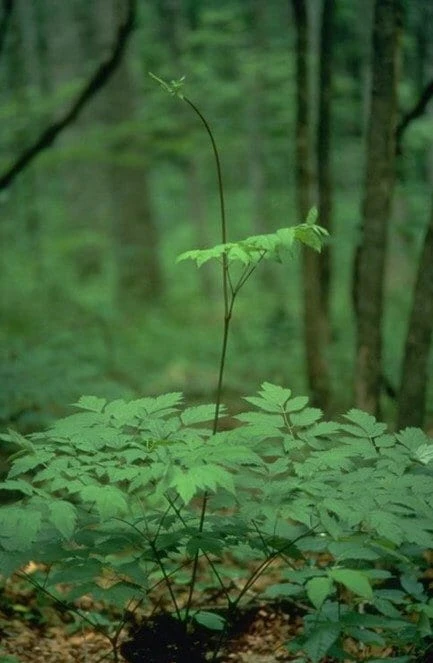
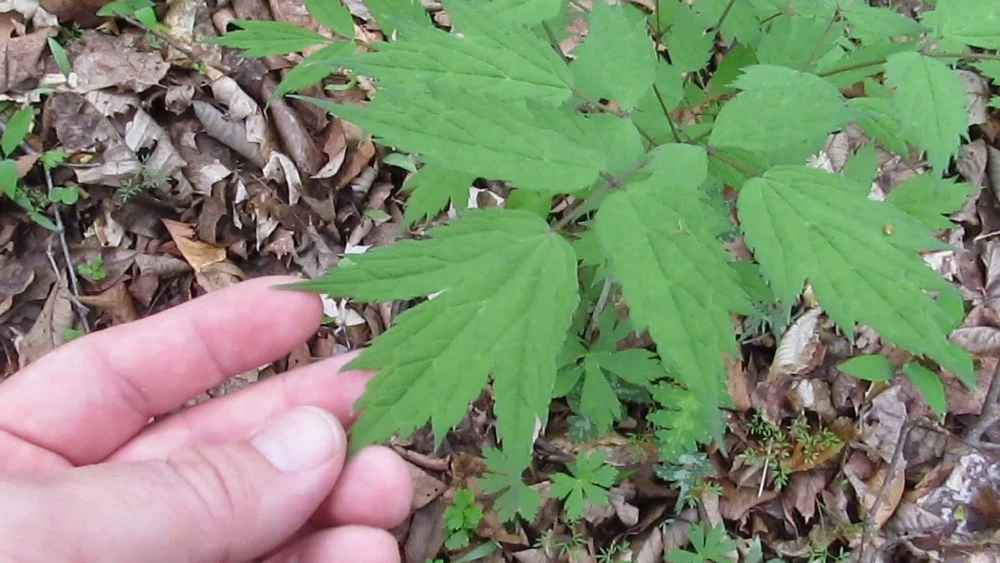
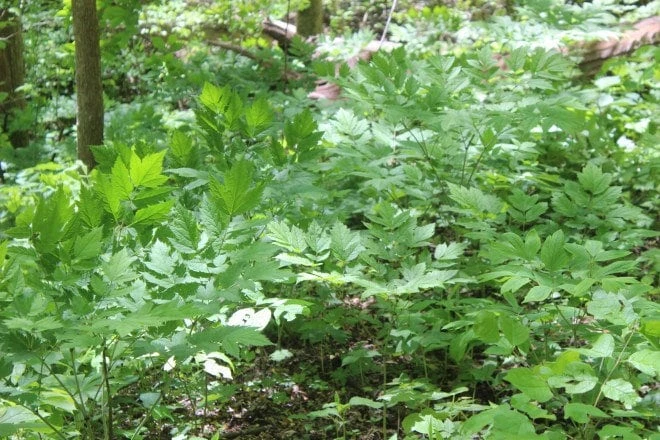
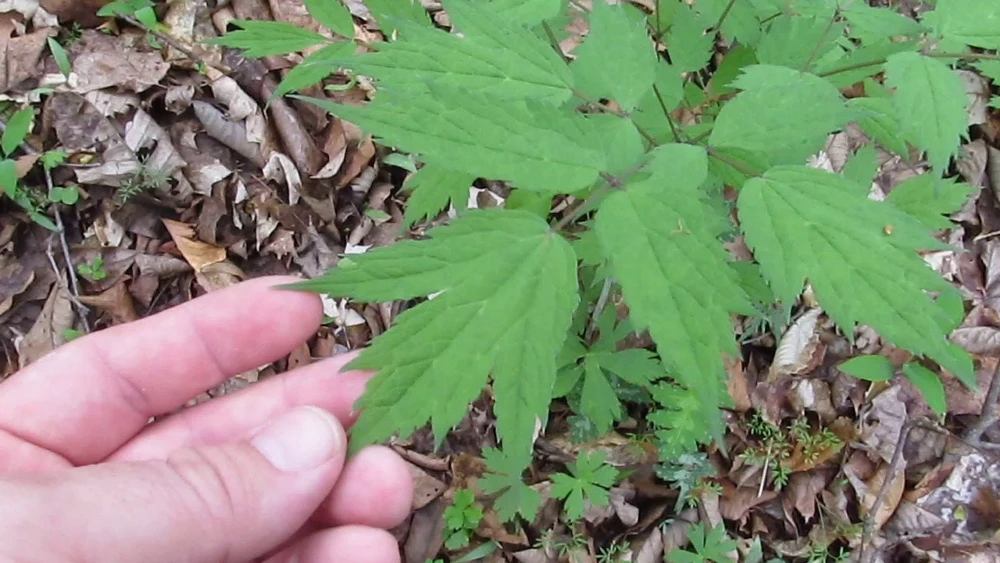
Introduce the majestic black cohosh bare root plants to your garden and enjoy their stunning beauty and ecological benefits. This offering includes 15 organically grown Actaea racemosa bare roots, ready to be planted and transform your shaded areas into a vibrant, natural sanctuary. Black Cohosh, also known as Fairy Candles or Bugbane, is a beloved native wildflower renowned for its tall, elegant spires of creamy white flowers that emerge in late summer to early fall, providing a crucial food source for pollinators when many other plants have finished blooming. These robust perennials are an excellent choice for woodland gardens, naturalized areas, or any spot that receives partial to full shade. Our carefully harvested bare roots ensure a strong start for your new plants, allowing them to establish quickly and thrive for years to come. With its distinctive foliage and impressive floral display, black cohosh wildflower is a must-have for any gardener looking to enhance their landscape with a touch of natural elegance and support local ecosystems.
Each order includes 15 vigorous black cohosh bare root stock plants, harvested fresh to ensure optimal health and viability upon arrival. These plants are grown using organic practices, guaranteeing you receive a product free from synthetic pesticides and fertilizers. Black Cohosh is not only visually appealing but also holds significant historical and traditional value, often recognized for its potential medicinal properties. Adding this native shade plant to your garden means embracing a piece of botanical heritage while contributing to biodiversity. Imagine the serene beauty of these towering white spires against a backdrop of lush green foliage in your own backyard.
Key Benefits
Planting black cohosh bare root offers a multitude of advantages for both your garden and the environment. These benefits extend beyond their aesthetic appeal, contributing to a healthier and more vibrant ecosystem.
- Stunning Late-Season Blooms: Enjoy tall, elegant spires of creamy white flowers from late summer into fall. These blossoms provide a dramatic visual impact when many other garden plants are fading, extending your garden’s beauty and interest.
- Attracts Pollinators: The abundant flowers of Actaea racemosa are a magnet for various pollinators, including bees and butterflies, providing a vital nectar source during a critical time of the year. This helps support local insect populations and overall garden health.
- Native and Adaptable: As a native North American wildflower, black cohosh wildflower is well-adapted to local climates and conditions. This makes it a low-maintenance choice that thrives naturally with minimal intervention once established.
- Shade Garden Excellence: Perfectly suited for shaded or woodland garden settings, Black Cohosh flourishes where many sun-loving plants struggle. It brings life and structure to otherwise dim areas, creating lush and inviting spaces.
- Organically Grown for Purity: Our organically grown plants ensure you are introducing healthy, chemical-free specimens to your garden. This promotes a safer environment for your family, pets, and local wildlife.
- Medicinal and Traditional Value: Beyond its beauty, Black Cohosh has a rich history of traditional use, particularly for its root. While not a medical claim, its historical significance adds another layer of interest to this remarkable plant.
- Deer Resistant: Generally, deer tend to leave black cohosh bare root plants alone, making them an excellent choice for gardens in areas prone to deer browsing.
Plant Care & Growing Tips
Caring for your black cohosh bare root plants is straightforward, especially when you understand their preferred growing conditions. These resilient native wildflowers thrive in specific environments that mimic their natural woodland habitats. Proper care will ensure vigorous growth and abundant flowering.
Sunlight Requirements: Black Cohosh prefers partial to full shade. In hotter climates, full shade is ideal, protecting the foliage from scorching. In cooler regions, it can tolerate a few hours of morning sun, but avoid intense afternoon sun. Too much sun can lead to yellowing leaves and reduced flowering. Aim for dappled sunlight or consistent shade throughout the day for the best results.
Watering Schedule and Soil Moisture: These plants prefer consistently moist, but not waterlogged, soil. Regular watering is crucial, especially during dry spells and in their first year of establishment. Water deeply once or twice a week, allowing the top inch of soil to dry slightly between waterings. Avoid letting the soil completely dry out, as this can stress the plant. Good drainage is essential to prevent root rot, so ensure your planting site doesn’t retain standing water.
Soil Type and Drainage:Actaea racemosa thrives in rich, well-draining soil that is high in organic matter. Amend heavy clay soils with compost or peat moss to improve drainage and aeration. Sandy soils can benefit from organic matter to improve water retention. A slightly acidic to neutral pH (6.0-7.0) is generally preferred. When planting your black cohosh bare root, dig a hole wide enough to accommodate the roots spread out, and mix in plenty of compost with the excavated soil.
Temperature Range and USDA Hardiness Zone: Black Cohosh is a cold-hardy perennial, typically thriving in USDA Hardiness Zones 3-8. It is well-suited to temperate climates and can withstand cold winters. In extremely cold zones, a layer of mulch can provide additional winter protection. It tolerates summer heat well, provided it has adequate shade and moisture.
Fertilization Schedule and Type: These organically grown plants generally do not require heavy fertilization. If your soil is poor, a light application of a balanced, slow-release organic fertilizer in spring can be beneficial. Alternatively, top-dressing with a layer of compost each spring will provide a steady supply of nutrients and improve soil structure. Avoid over-fertilizing, which can lead to excessive foliage at the expense of flowers.
Common Problems and Solutions: Black Cohosh is relatively pest and disease resistant. Slugs and snails may occasionally nibble on young foliage; organic slug baits or hand-picking can manage this. Fungal diseases are rare but can occur in overly wet, poorly drained conditions. Ensure good air circulation and proper watering to prevent such issues. Yellowing leaves can indicate too much sun or nutrient deficiency; adjust placement or fertilize as needed. With proper care, your black cohosh wildflower will be a robust and rewarding addition to your garden.
Size & Details
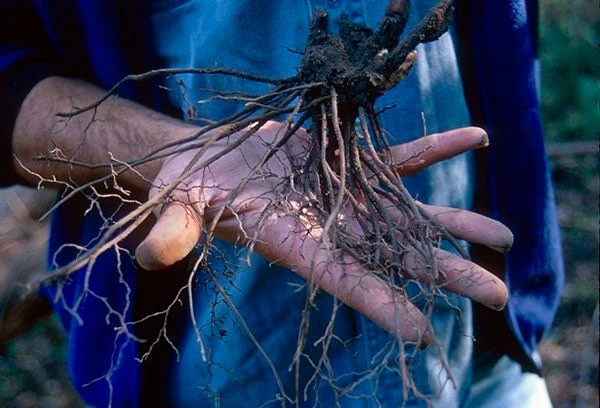
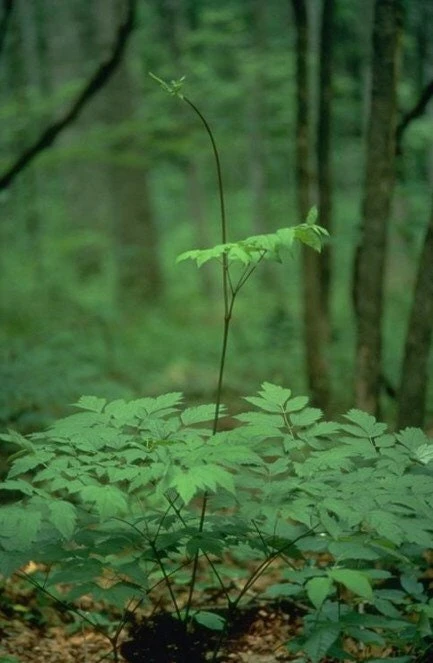
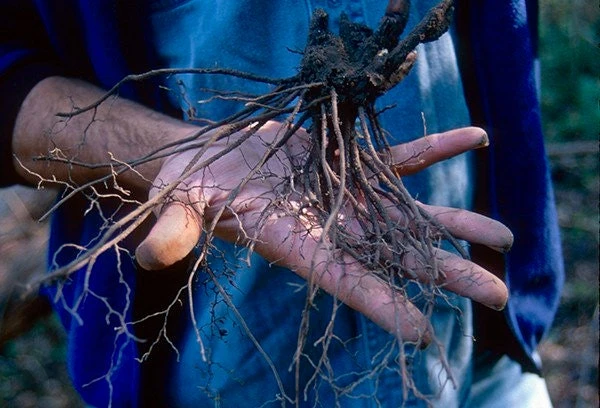
This offering provides 15 Black Cohosh bare root plants, ideal for establishing a significant planting in your garden. Each bare root is carefully selected and harvested to ensure it is healthy and ready for planting. Once established, Black Cohosh is a relatively slow-growing perennial in its first year, focusing on root development, but it will grow into an impressive specimen over time. Mature plants typically reach a height of 4-6 feet, with some varieties potentially growing up to 8 feet tall when in bloom. The spread can be 2-4 feet wide, forming an attractive clump of foliage. These plants are shipped as bare roots with no foliage or pot, making them easy to plant directly into your prepared garden bed. The optimal time for planting bare roots is in spring or fall. Expect the plant to take 1-2 years to fully establish and begin its characteristic flowering, with full maturity and the most spectacular blooms appearing in 3-5 years. The impressive height and spread of a mature Actaea racemosa make it an excellent choice for the back of a shade border or as a striking focal point in a woodland setting.
Frequently Asked Questions
- Q: How big does this plant get? A: Mature black cohosh bare root plants typically reach a height of 4-6 feet, and sometimes up to 8 feet when in flower. They can spread 2-4 feet wide, forming a substantial clump of foliage, making them a stately presence in a shade garden.
- Q: Is this an indoor or outdoor plant? A: Actaea racemosa is an outdoor perennial plant, best suited for woodland or shade gardens. It requires a period of winter dormancy and will not thrive as an indoor houseplant.
- Q: How much sunlight does it need? A: Black cohosh bare root plants prefer partial to full shade. In warmer climates, full shade is essential to prevent leaf scorch. In cooler regions, they can tolerate a few hours of morning sun.
- Q: Is this plant easy to care for? A: Yes, once established, black cohosh wildflower is relatively low-maintenance. It requires consistent moisture, rich soil, and proper shade, but is generally pest and disease resistant. It’s a good choice for gardeners looking for a robust shade perennial.
- Q: What condition will it arrive in? A: Your order will contain 15 Black Cohosh bare root stock plants. They are shipped as dormant bare roots, meaning they will have no foliage or pot, ensuring they are ready for direct planting and optimal establishment.
- Q: When is the best time to plant bare roots? A: The ideal time to plant organically grown plants such as Black Cohosh bare roots is in the spring after the last frost, or in the fall several weeks before the first hard frost, allowing roots to establish before winter.
- Q: Will it survive winter in my zone? A: Black Cohosh is very cold hardy and is suitable for USDA Hardiness Zones 3-8. It will readily survive cold winters in these zones, dying back to the ground and re-emerging in spring.
- Q: Can I use this plant for medicinal purposes? A: While black cohosh bare root has a long history of traditional use, we do not provide medical advice. Any use for medicinal purposes should be discussed with a qualified healthcare professional. We recommend growing it primarily for its ornamental and ecological value.
- Q: How long until it blooms? A: Black Cohosh typically takes 1-2 years to establish and begin flowering, with its most impressive blooms occurring in 3-5 years as the plant reaches maturity. The flowers appear in late summer to early fall.
- Q: Is it pet-safe? A: Black Cohosh is generally considered to be toxic if ingested in large quantities. It’s best to keep pets from consuming any part of the plant.
Be the first to review “15 Black Cohosh Bare Root Plants – Actaea Racemosa Wildflower Native”
Related products


You May Like

Hardneck vs. Softneck Garlic: Which Should You Grow?
Have you ever stood in front of a seed catalog in mid-September, staring at dozens [...]
Oct

When to Plant Music Garlic: Ultimate US Fall Guide
Have you ever spent your fall weekend placing carefully chosen garlic cloves into rich, dark [...]
1 Comment
Oct

5 Best Bulbs for Fall Planting: Brighten Your Garden This Spring
Are you dreaming of a garden full of vibrant colors in the spring? The key [...]
Aug

10 Houseplants That Will Thrive in Your Kitchen
Are you tired of your kitchen feeling dull and lifeless? Want to add a little [...]
1 Comment
Aug
Reviews
There are no reviews yet.