
2 Live Green Okra Plants – 3-5 Inches Tall – Vegetable Starter for Garden
Original price was: 41.99 $.21.99 $Current price is: 21.99 $.
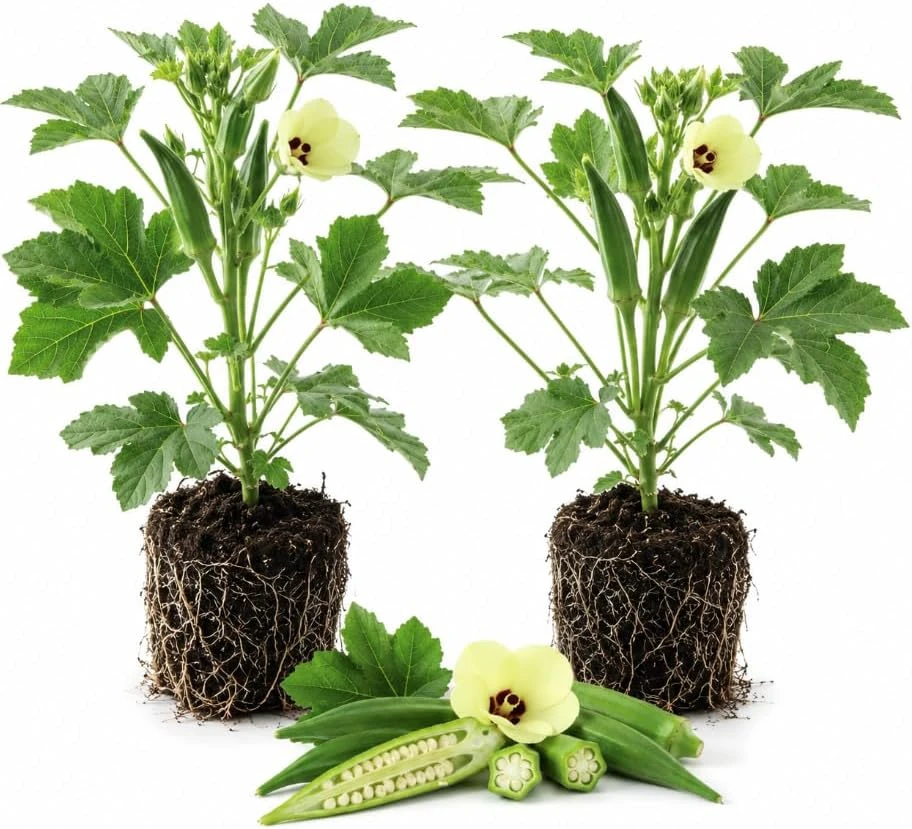
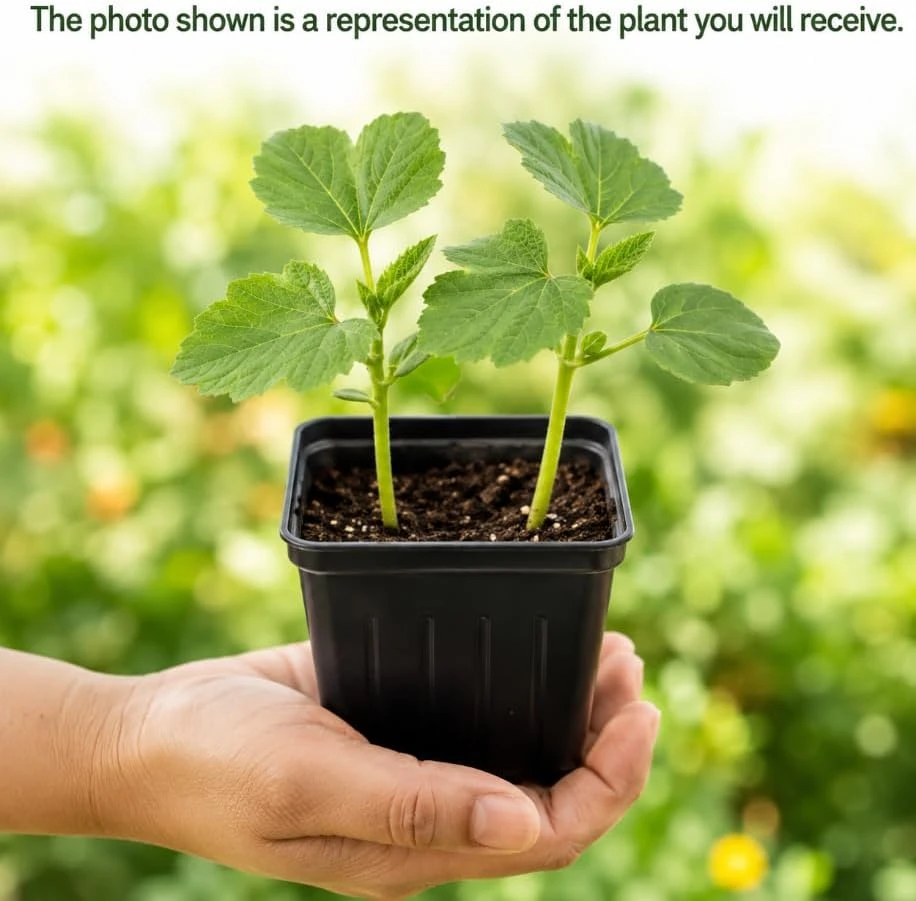
Start your edible garden with these vibrant green okra plants. Each order includes two healthy, live okra plants, 3-5 inches tall, ready for planting in your garden, raised bed, or patio container. Enjoy fresh, homegrown okra all season long!
Estimated arrival
Oct 17
Oct 22 - Oct 24
Oct 24 - Oct 29
See our Shipping Policy.
Get in touch with us via email, and our team will review your concerns.
Our Alive & Thrive Guarantee covers issues with your plants within the first 30 days. Read our Refund & Returns Policy.
-
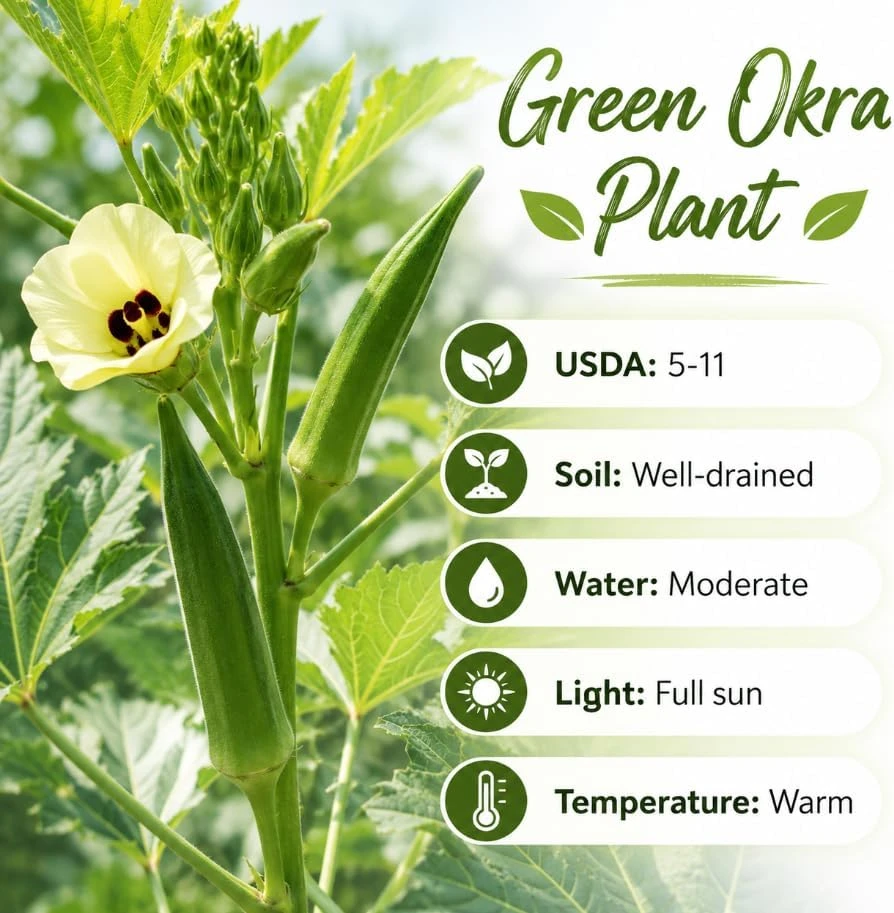
USDA Hardiness Zone
USDA zones 7-11 (typically grown as annual) -
Soil Type
Loose, fertile, well-draining soil -
Sunlight Exposure
Full sun (6-8+ hours direct light) -
Expected Planting Period
Late spring to early summer (after last frost)
Overview
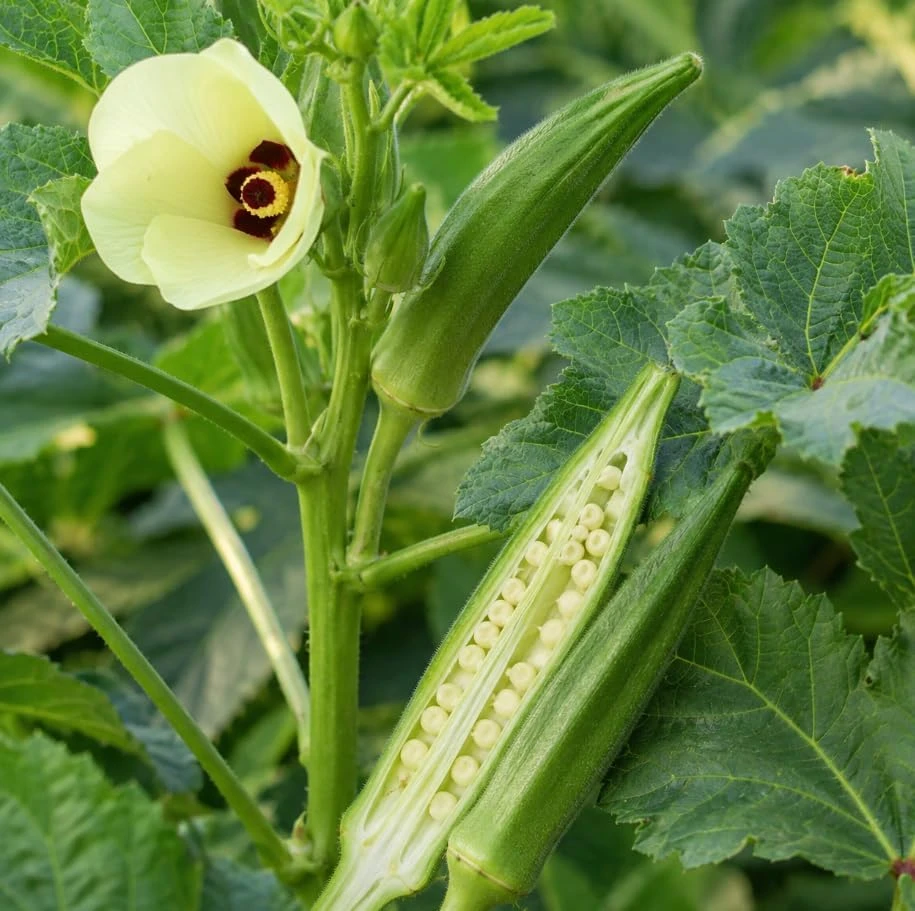
Cultivate your own delicious and nutritious vegetables with our premium green okra plants. This offering includes two robust live okra plants, each standing approximately 3-5 inches tall, perfectly sized as starter plants for your home garden. Okra, scientifically known as Abelmoschus esculentus, is a popular warm-season vegetable prized for its edible green pods. These young plants are ideal for both novice and experienced gardeners looking to add a productive and easy-to-grow crop to their outdoor spaces. Whether you’re planning a traditional vegetable garden, a raised bed, or a series of patio containers, these live okra plants provide a convenient and effective way to begin your okra harvest. Enjoy the satisfaction of growing your own fresh produce right from your backyard or balcony.
Our okra vegetable starter plants are carefully nurtured to ensure they arrive healthy and ready to thrive in their new environment. Okra is a versatile vegetable used in a wide array of culinary dishes, from gumbos and stews to fried and roasted preparations. By starting with established plants, you significantly reduce the time to harvest compared to growing from seed, allowing you to enjoy your homegrown okra sooner. These plants are selected for their vigor and potential to produce a bountiful yield of tender, flavorful pods throughout the growing season.
Key Benefits
Bringing these green okra plants into your garden offers numerous advantages, from culinary delight to gardening success. They are a fantastic addition for anyone passionate about fresh, homegrown food.
- Fresh, Homegrown Produce: Enjoy the unparalleled taste and quality of okra picked directly from your garden. Homegrown okra often surpasses store-bought varieties in flavor and freshness, providing a healthy addition to your meals.
- Easy to Grow: Okra plants are known for their resilience and relatively low maintenance once established. They are an excellent choice for gardeners of all skill levels, including beginners, making growing okra at home a rewarding experience.
- High Yield Potential: With proper care, these plants can produce a continuous harvest of pods throughout the warm season, ensuring a steady supply for your kitchen. Regular harvesting encourages more production.
- Versatile Culinary Uses: Okra pods are incredibly versatile in the kitchen. They can be fried, grilled, roasted, added to soups, stews, gumbos, or even pickled, offering a wide range of culinary possibilities.
- Nutrient-Rich Vegetable: Okra is a good source of vitamins C and K, folate, and dietary fiber, contributing to a healthy diet. Growing your own ensures you have access to these nutrients at their peak.
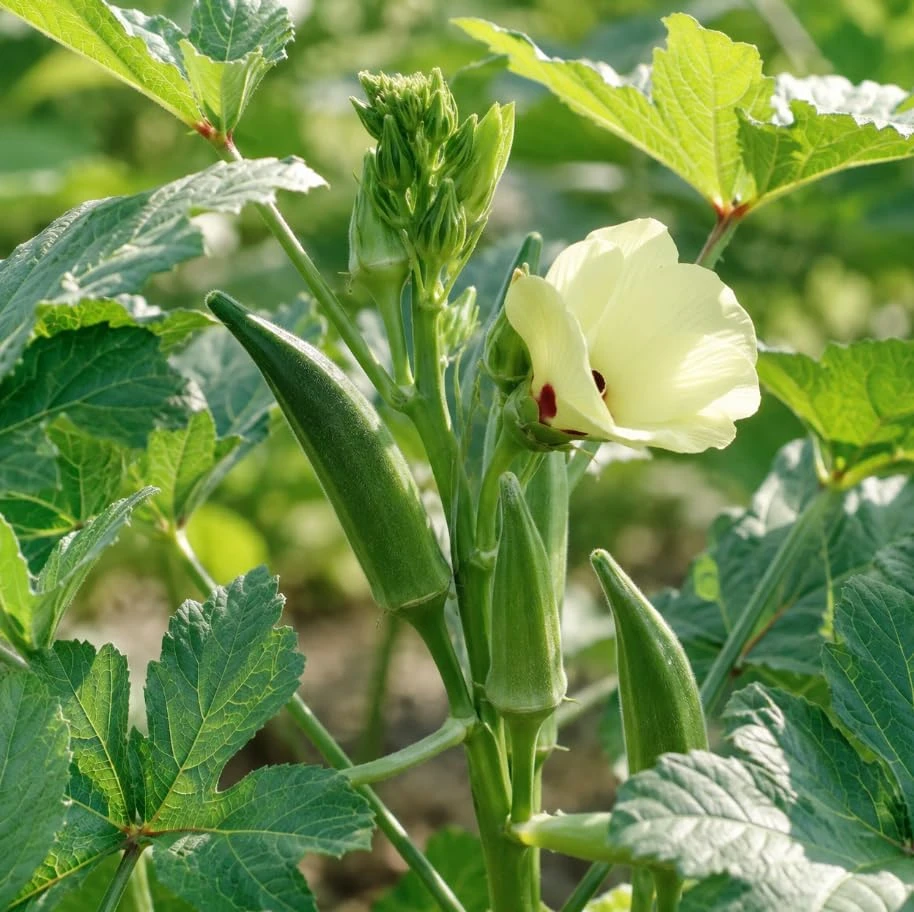
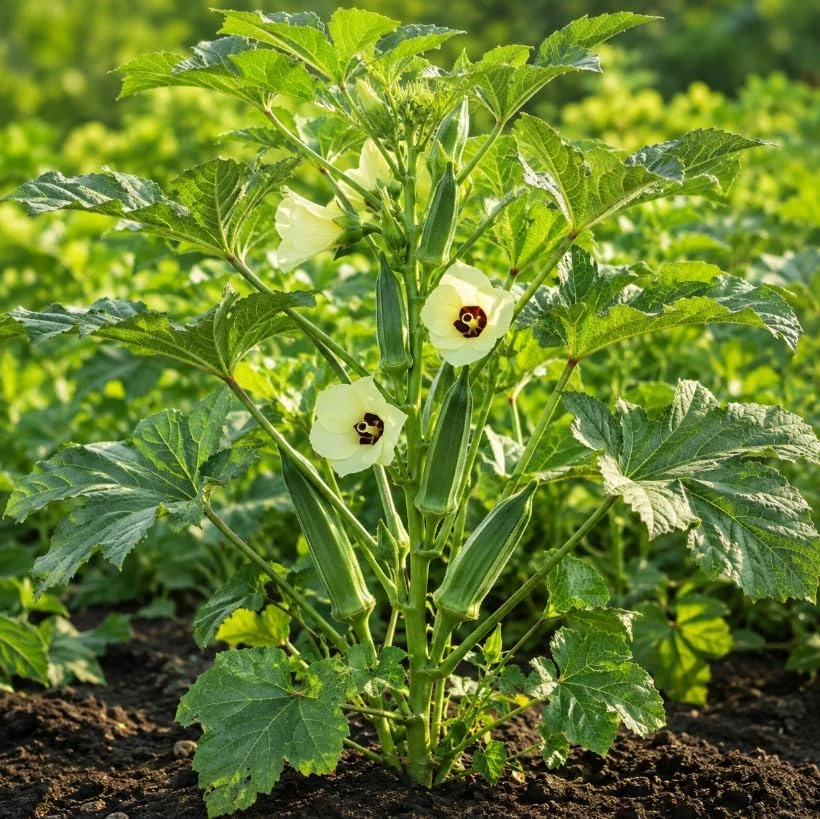
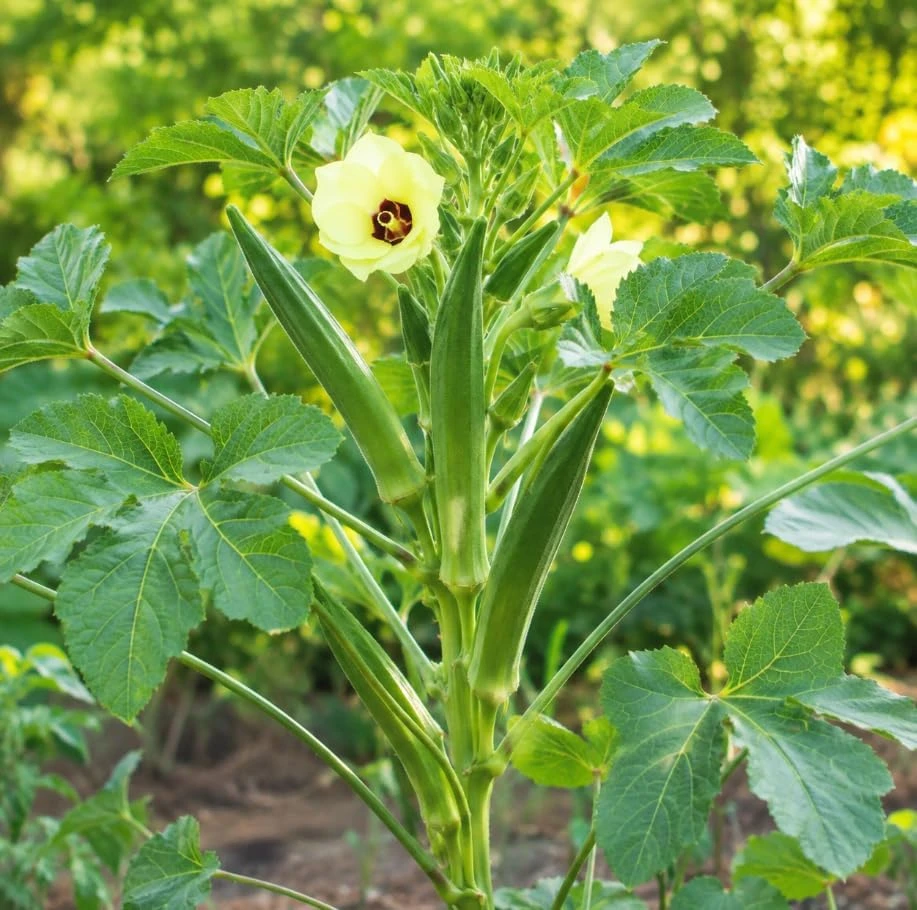
- Garden Aesthetics: Beyond its edible pods, the okra plant itself is quite attractive with its hibiscus-like flowers, adding an ornamental touch to your vegetable patch or patio.
- Ideal for Various Setups: These starter plants are perfect for traditional garden beds, but also thrive as okra for raised beds and large patio containers, offering flexibility for different gardening spaces.
Plant Care & Growing Tips
To ensure your green okra plants flourish and produce abundant pods, providing the right growing conditions is key. Okra thrives in warm climates and requires consistent attention to light, water, and soil.
Sunlight Requirements: Okra is a full-sun plant, meaning it needs at least 6-8 hours of direct sunlight per day to produce well. Choose a location in your garden, raised bed, or patio that receives ample sun throughout the day. Insufficient sunlight will result in leggy plants and poor pod production. For optimal growth, ensure your live okra plants are not shaded by taller plants or structures.
Watering Schedule and Soil Moisture: Keep the soil consistently moist but not waterlogged. Okra plants prefer evenly moist conditions, especially during flowering and pod development. Water deeply once or twice a week, or more frequently during hot, dry spells. Check the soil moisture by feeling the top inch; if it’s dry, it’s time to water. Avoid overhead watering to reduce the risk of fungal diseases. Good drainage is crucial, so ensure excess water can escape easily from pots or garden beds.
Soil Type and Drainage: Plant your okra in loose, fertile, well-draining soil. A slightly acidic to neutral pH (6.0-7.0) is ideal. Amend heavy clay soils with organic matter like compost or well-rotted manure to improve drainage and fertility. For container planting, use a high-quality potting mix designed for vegetables, ensuring it drains well. Proper soil preparation is vital for healthy root development and overall plant vigor, contributing to successful growing okra at home.
Temperature Range and USDA Hardiness Zone: Okra is a warm-season crop and is very sensitive to cold. It thrives in temperatures between 65°F and 90°F (18°C and 32°C). Do not plant outdoors until all danger of frost has passed and soil temperatures have warmed to at least 65°F. Okra is typically grown as an annual in most regions. While it can technically survive in USDA zones 7-11 as a perennial in very mild climates, it’s generally cultivated as an annual for best pod production. Protect young plants from unexpected cold snaps.
Fertilization Schedule and Type: Okra benefits from moderate fertilization. Incorporate a balanced slow-release granular fertilizer into the soil at planting time. Once plants begin to flower and set pods, you can side-dress with a balanced liquid fertilizer or a fertilizer slightly higher in phosphorus and potassium every 3-4 weeks. Avoid excessive nitrogen, which can promote leafy growth at the expense of pod production. Feed your okra vegetable starter plants regularly for best results.
Common Problems and Solutions: Watch out for common pests like aphids, stink bugs, and corn earworms. Use insecticidal soap or neem oil for aphids, and handpick larger pests. Fungal diseases like powdery mildew can occur in humid conditions; ensure good air circulation and avoid overhead watering. Yellowing leaves can indicate nutrient deficiency or overwatering. Consistent monitoring and early intervention are key to keeping your green okra plants healthy.
Size & Details
This offering provides two healthy live okra plants, each standing approximately 3-5 inches tall from the base of the soil to the top of the foliage. These are starter plants, meaning they are young and ready to establish quickly in your garden. They are shipped in their nursery pots with soil, ensuring minimal transplant shock upon arrival. Okra plants are known for their relatively fast growth rate in warm conditions, typically reaching a mature height of 3-6 feet, though some varieties can grow taller. The mature width can be around 2-3 feet, so ensure adequate spacing of 12-18 inches between plants in your garden or raised beds. If planting okra for raised beds or containers, select pots at least 5 gallons in size per plant to allow for sufficient root development and moisture retention.
The time to maturity for okra, from planting these starter plants to the first harvest, is typically around 50-60 days under ideal conditions. Pods should be harvested when they are 2-4 inches long and tender, usually about 3-7 days after flowering. Regular harvesting encourages the plant to produce more pods. These plants are annuals in most climates, completing their life cycle within one growing season. They are shipped with care to ensure they arrive in excellent condition, ready for immediate planting and growth in your home garden.
Frequently Asked Questions
- Q: How big do these green okra plants get? A: These are starter plants, 3-5 inches tall upon arrival. Mature okra plants typically grow to be 3-6 feet tall and about 2-3 feet wide, depending on the variety and growing conditions.
- Q: What size pot does it come in? A: Each live okra plant is shipped in a small nursery pot, typically 2-3 inches in diameter, with soil. This ensures the roots are protected and the plant stays hydrated during transit.
- Q: Is this an indoor or outdoor plant? A: Okra is primarily an outdoor plant. It requires full sun and warm temperatures to thrive and produce pods. It can be grown in large containers on a sunny patio or balcony.
- Q: How much sunlight does it need? A: Okra needs at least 6-8 hours of direct sunlight per day. Choose the sunniest spot in your garden or patio for your green okra plants to ensure a bountiful harvest.
- Q: Is this plant easy to care for? A: Yes, okra is considered relatively easy to care for, making it suitable for beginner gardeners. It requires consistent warmth, full sun, and regular watering.
- Q: Is it good for beginners? A: Absolutely! Okra is a forgiving plant that generally produces well even with basic care, making growing okra at home a rewarding experience for new gardeners.
- Q: What condition will it arrive in? A: Your okra vegetable starter plants will arrive healthy, well-packaged, and ready for planting. We take great care to ensure they are protected during shipment.
- Q: Is it shipped in soil? A: Yes, the plants are shipped in their original nursery pots with soil to minimize stress and ensure they remain hydrated and healthy during transit.
- Q: When is the best time to plant these? A: Plant these okra starters outdoors after all danger of frost has passed and soil temperatures have consistently warmed to at least 65°F (18°C), typically late spring or early summer.
- Q: Will it survive winter in my zone? A: Okra is a warm-season annual in most regions and will not survive frost. In USDA Zones 7-11, it might perennialize in very mild winters, but it’s generally replanted each year for best pod production.
- Q: What’s the minimum temperature it can tolerate? A: Okra is very sensitive to cold. It will suffer damage or die if temperatures drop below 50°F (10°C). Ideal growing temperatures are between 65°F and 90°F.
Be the first to review “2 Live Green Okra Plants – 3-5 Inches Tall – Vegetable Starter for Garden”
Related products


You May Like

Hardneck vs. Softneck Garlic: Which Should You Grow?
Have you ever stood in front of a seed catalog in mid-September, staring at dozens [...]
Oct

When to Plant Music Garlic: Ultimate US Fall Guide
Have you ever spent your fall weekend placing carefully chosen garlic cloves into rich, dark [...]
1 Comment
Oct

5 Best Bulbs for Fall Planting: Brighten Your Garden This Spring
Are you dreaming of a garden full of vibrant colors in the spring? The key [...]
Aug

10 Houseplants That Will Thrive in Your Kitchen
Are you tired of your kitchen feeling dull and lifeless? Want to add a little [...]
1 Comment
Aug
Reviews
There are no reviews yet.