
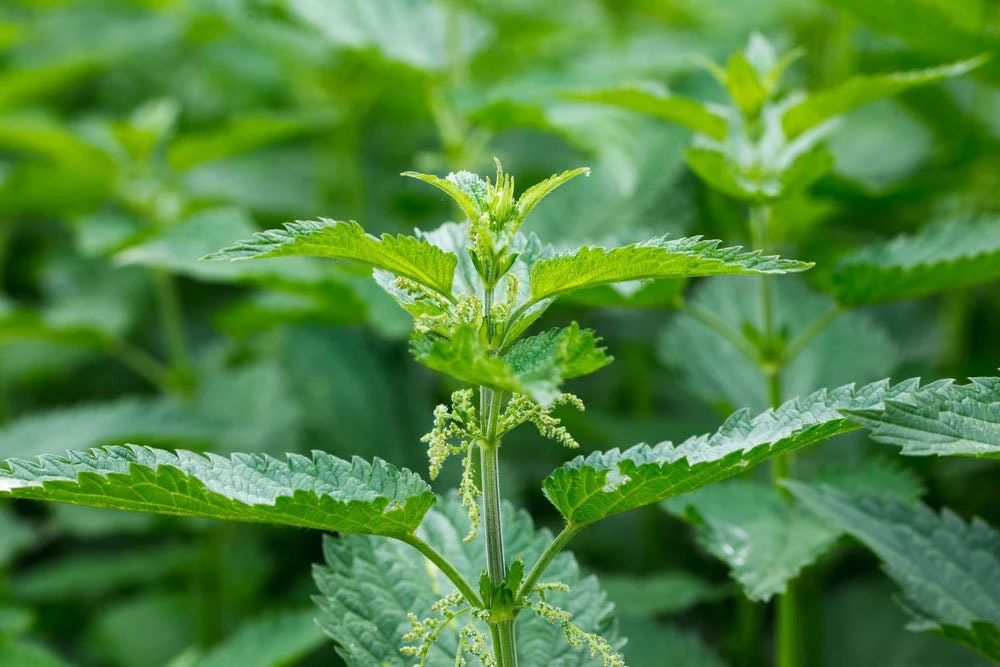
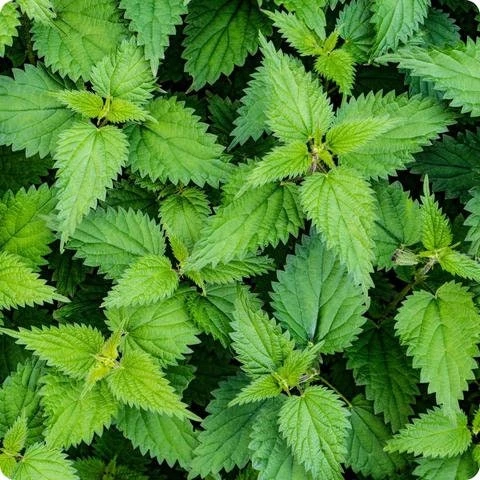
20 Stinging Nettle Bare Roots – Urtica dioica Organic Live Plants
Original price was: 101.99 $.76.99 $Current price is: 76.99 $.
Receive 20 Stinging Nettle Bare Roots (Urtica dioica) ready for planting. These organic stinging nettle plants are perfect for establishing a thriving patch for culinary and herbal uses. Easy to grow and establish, providing a continuous harvest of beneficial leaves.
Estimated arrival
Oct 17
Oct 22 - Oct 24
Oct 24 - Oct 29
See our Shipping Policy.
Get in touch with us via email, and our team will review your concerns.
Our Alive & Thrive Guarantee covers issues with your plants within the first 30 days. Read our Refund & Returns Policy.
-
USDA Hardiness Zone
USDA zones 3-9 -
Soil Type
Moist, rich, well-draining soil -
Sunlight Exposure
Full sun to partial shade -
Expected Planting Period
Early spring or fall
Overview
Embark on a journey of natural wellness and culinary exploration with our premium offering of stinging nettle bare roots. This package includes 20 individual bare root plants of Urtica dioica, commonly known as stinging nettle. Renowned for its distinctive, slightly prickly leaves that transform into a powerhouse of nutrients and flavor when cooked or dried, stinging nettle is a versatile addition to any garden. Our urtica dioica plants are organically grown, ensuring you receive healthy, vigorous specimens ready to thrive in your garden. These bare roots are harvested fresh per order, guaranteeing optimal condition upon arrival, and come with detailed planting instructions to guide you through successful establishment. Whether you’re looking to cultivate a unique culinary herb, explore traditional herbal remedies, or simply add a resilient native plant to your landscape, these organic stinging nettle bare roots are an excellent choice.
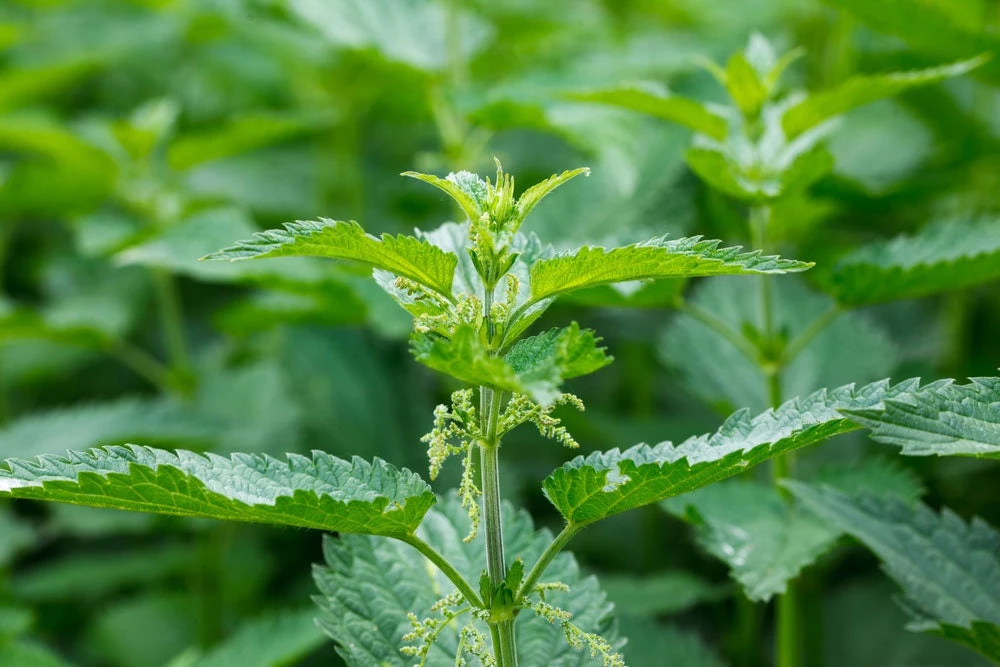
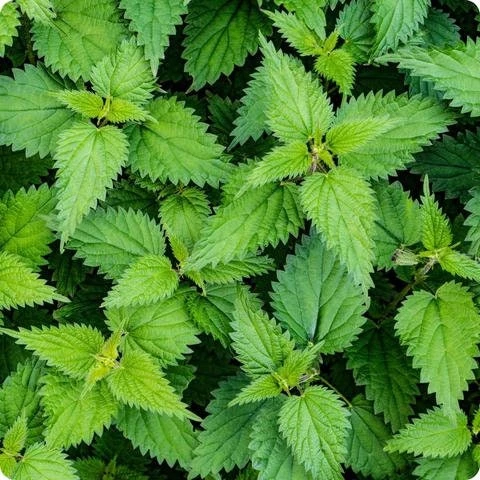
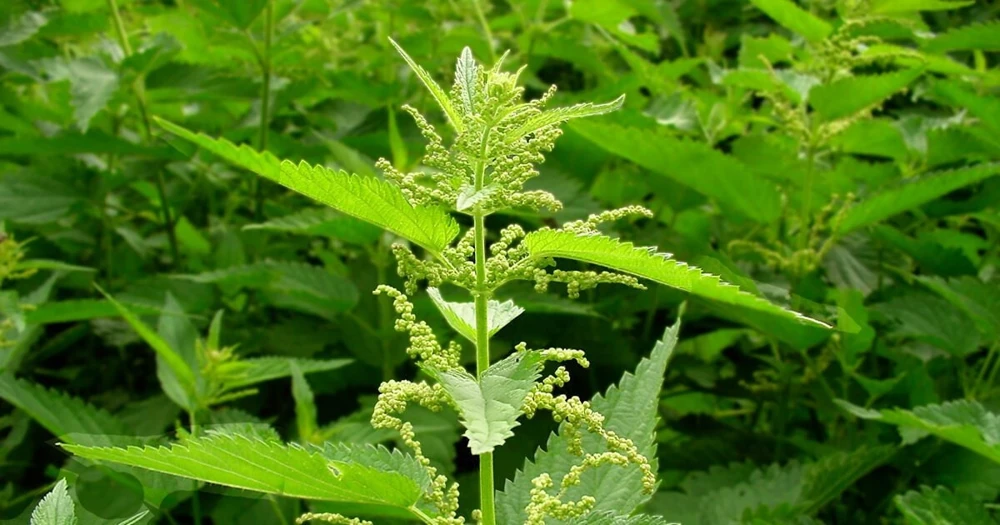
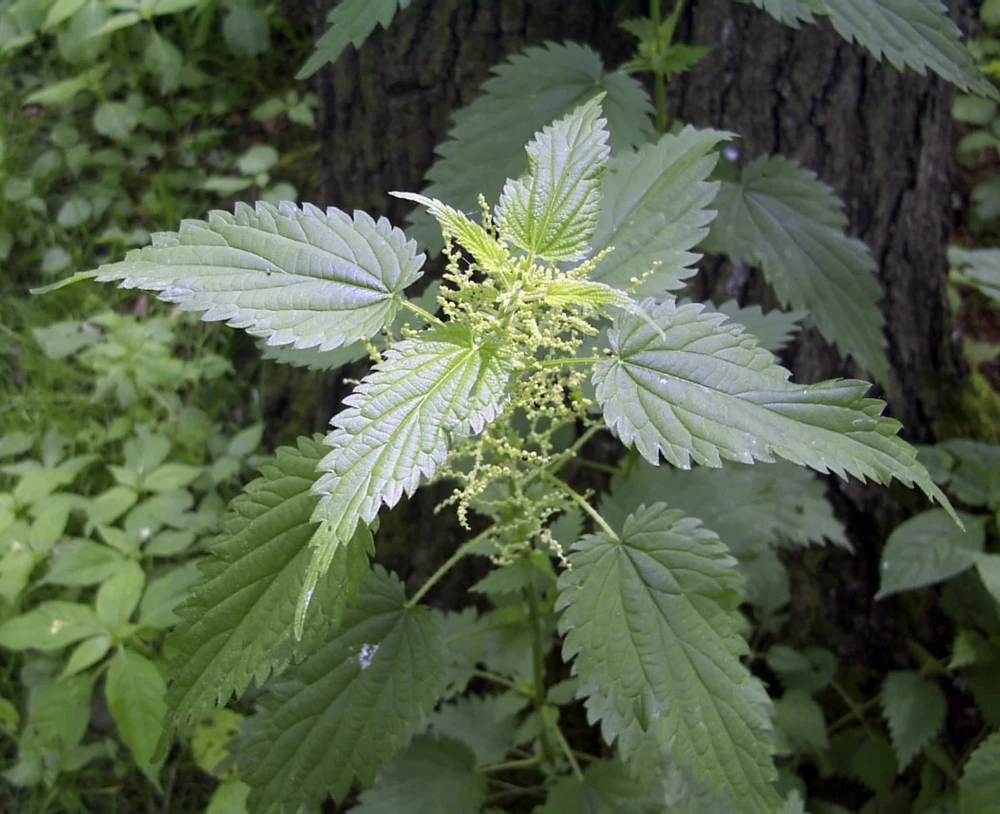
Stinging nettle is a herbaceous perennial plant native to Europe, Asia, northern Africa, and North America. It can grow up to 6 feet tall in nutrient-rich soil and is characterized by its heart-shaped leaves and greenish-white flowers. The stinging hairs (trichomes) on the leaves and stems contain chemicals that are released upon contact, causing a temporary stinging sensation. However, these hairs are neutralized by cooking or drying, making the plant safe and delicious to consume. Growing your own stinging nettle bare roots allows you to enjoy fresh, organic produce right from your backyard, offering both convenience and peace of mind about its origin and cultivation methods.
Key Benefits
Cultivating stinging nettle bare roots offers a multitude of advantages, from its nutritional value to its ecological benefits. This robust plant is not only easy to grow but also provides a continuous supply of fresh leaves for various applications. Incorporating urtica dioica plants into your garden can enhance biodiversity and provide a sustainable source of a highly beneficial herb.
- Nutritional Powerhouse: Stinging nettle leaves are packed with vitamins (A, C, K, B), minerals (iron, calcium, magnesium, potassium), and amino acids, making them a superfood for promoting overall health and well-being. Regular consumption of organic stinging nettle can contribute to a balanced diet.
- Culinary Versatility: Once blanched or cooked, the stinging properties are removed, and the leaves can be used like spinach in soups, stews, pesto, teas, and more. Its earthy, slightly bitter flavor adds depth to many dishes.
- Herbal and Medicinal Uses: Historically, stinging nettle has been used in traditional medicine for various ailments, including joint pain, allergies, and urinary tract issues. Many people grow stinging nettle for its potential anti-inflammatory and diuretic properties.
- Easy to Grow and Maintain: As a hardy perennial, stinging nettle requires minimal care once established. It tolerates a range of soil conditions and can thrive in various climates, making it an ideal plant for both beginner and experienced gardeners.
- Attracts Beneficial Wildlife: Stinging nettle serves as a food source for the caterpillars of several butterfly species, contributing to a healthy garden ecosystem. It also attracts other beneficial insects.
- Soil Improvement: The deep roots of nettle help to draw up nutrients from deeper soil layers, making them available to other plants when nettle leaves are used as compost or mulch. This natural cycling enriches your garden soil.
- Sustainable and Organic Source: By growing your own stinging nettle bare roots, you ensure an organic and sustainable supply of this valuable herb, free from pesticides and herbicides.
Plant Care & Growing Tips
Successfully growing stinging nettle bare roots is quite straightforward, as Urtica dioica is a resilient and adaptable plant. To ensure your urtica dioica plants flourish, understanding their basic needs for light, water, and soil is crucial. These plants prefer a location with full sun to partial shade, meaning they should receive at least 4-6 hours of direct sunlight daily for optimal growth. While they can tolerate some shade, too little light may result in leggy growth and reduced leaf production. When you grow stinging nettle, choose a spot that allows for its spreading nature, as it can colonize an area if left unchecked. A good practice is to plant it in a designated herb garden or an area where its growth can be easily managed.
Stinging nettle thrives in moist, rich, well-draining soil. Amend heavy clay soils with compost or organic matter to improve drainage and fertility. The ideal pH for nettle is slightly acidic to neutral, between 5.5 and 7.5. Consistent moisture is important, especially during dry spells, but avoid waterlogging the soil, which can lead to root rot. Once established, nettle is fairly drought-tolerant but will produce more lush leaves with regular watering. Fertilization is generally not necessary if planted in fertile soil, but an annual application of compost around the base of the plants in spring can provide a boost. Harvesting regularly by cutting back the top few inches of growth will encourage bushier plants and prevent them from going to seed too quickly, ensuring a continuous supply of tender leaves for your culinary and herbal needs. Be sure to wear gloves when handling fresh organic stinging nettle to avoid the sting.
Size & Details
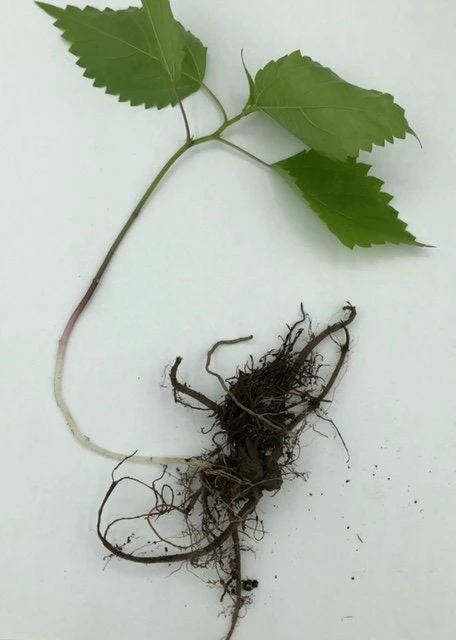
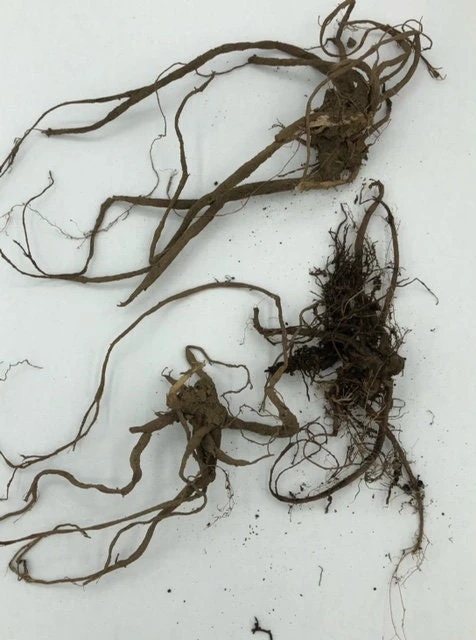
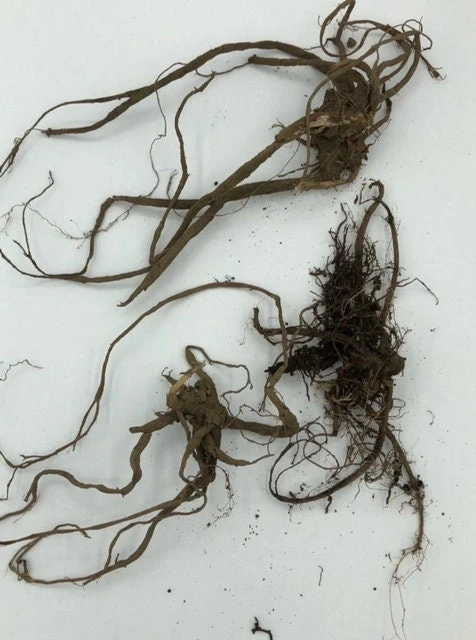
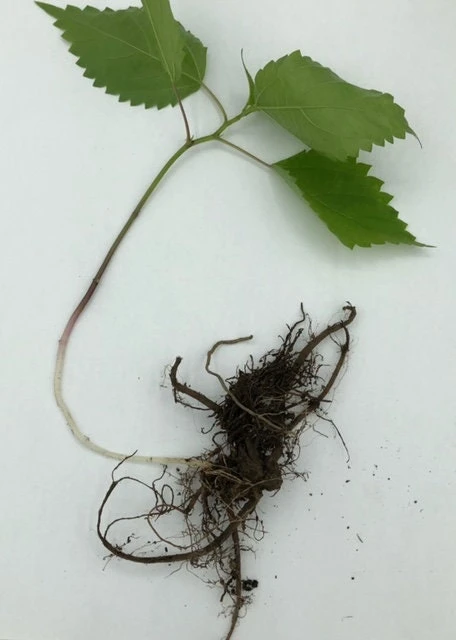
This offering includes 20 Stinging Nettle Bare Roots (Urtica dioica), carefully harvested and prepared for immediate planting. Each bare root is approximately 4-6 inches long, exhibiting healthy root development, indicative of strong growth potential. These bare roots are designed for direct planting into your garden or containers. Once established, urtica dioica plants can grow quite vigorously, typically reaching heights of 3 to 6 feet, depending on soil fertility and growing conditions. The plant spreads by rhizomes, forming dense patches over time, making it an excellent choice for creating a dedicated herb bed or a naturalized area. Expect to see initial foliage development within a few weeks of planting, with the first harvestable leaves ready in late spring to early summer. Full maturity and robust growth will be achieved within one growing season, providing ample opportunity to grow stinging nettle for various uses.
The bare root form ensures minimal transplant shock and allows for easy establishment. These roots are robust and resilient, capable of adapting to various environments. For best results, plant them as soon as possible after arrival. With proper care, your medicinal nettle plants will provide a continuous yield for years to come. The quantity of 20 bare roots allows for establishing a substantial patch, ensuring you have a plentiful supply for culinary, herbal, or ecological purposes. This provides a great foundation for anyone looking to cultivate organic stinging nettle.
Frequently Asked Questions
- Q: How big does this plant get? A: Once established, urtica dioica plants can grow to be quite substantial, typically reaching heights of 3 to 6 feet tall, depending on soil quality and sunlight exposure. They also spread through rhizomes, forming dense patches over time.
- Q: Is this an indoor or outdoor plant? A: Stinging nettle is primarily an outdoor plant. It thrives in garden settings where it has space to grow and spread. While it can be grown in large containers, it is not typically suited as a houseplant.
- Q: How much sunlight does it need? A: Stinging nettle bare roots prefer full sun to partial shade, meaning they should receive at least 4-6 hours of direct sunlight each day for optimal growth and leaf production.
- Q: What condition will it arrive in? A: You will receive 20 Stinging Nettle Bare Roots, which are dormant roots without foliage. They are harvested fresh per order and shipped to ensure they arrive in healthy, viable condition, ready for planting.
- Q: Is this plant easy to care for? A: Yes, stinging nettle is known for being very easy to care for. Once established, it is quite hardy and adaptable, requiring minimal attention beyond ensuring consistent moisture and managing its spread. It’s a great choice for those who want to grow stinging nettle with ease.
- Q: When is the best time to plant these bare roots? A: The best time to plant stinging nettle bare roots is in early spring, after the last frost, or in the fall before the ground freezes. This allows the roots to establish before the peak growing season.
- Q: Can I use these nettle plants for culinary purposes? A: Absolutely! Stinging nettle is highly valued for its culinary uses. The stinging hairs are neutralized by cooking, making the leaves safe and delicious to use in a variety of dishes, similar to spinach.
- Q: What’s the minimum temperature these plants can tolerate? A: Stinging nettle is a hardy perennial and is generally tolerant of cold temperatures, typically hardy in USDA zones 3-9. It will die back to the ground in winter and regrow in spring.
- Q: Will these medicinal nettle plants spread aggressively? A: Yes, Urtica dioica can spread vigorously through its rhizomatous roots. If you wish to contain its growth, consider planting it in a location where its spread can be controlled, or use root barriers.
- Q: What kind of soil is best for organic stinging nettle? A: Stinging nettle thrives in moist, rich, well-draining soil. It prefers a slightly acidic to neutral pH. Amending the soil with compost or other organic matter will greatly benefit its growth.
Be the first to review “20 Stinging Nettle Bare Roots – Urtica dioica Organic Live Plants”
Related products


You May Like

Hardneck vs. Softneck Garlic: Which Should You Grow?
Have you ever stood in front of a seed catalog in mid-September, staring at dozens [...]
Oct

When to Plant Music Garlic: Ultimate US Fall Guide
Have you ever spent your fall weekend placing carefully chosen garlic cloves into rich, dark [...]
1 Comment
Oct

5 Best Bulbs for Fall Planting: Brighten Your Garden This Spring
Are you dreaming of a garden full of vibrant colors in the spring? The key [...]
Aug

10 Houseplants That Will Thrive in Your Kitchen
Are you tired of your kitchen feeling dull and lifeless? Want to add a little [...]
1 Comment
Aug
Reviews
There are no reviews yet.