
3 Black Alder Trees – Alnus glutinosa Bare Root Starter Plants – 10-20″ Tall
Original price was: 66.00 $.56.99 $Current price is: 56.99 $.
Cultivate a robust landscape with our black alder tree bare root starter plants. This set includes three alnus glutinosa bare root trees, 10-20 inches tall, known for their ability to thrive in wet, poor soils and provide quick growth. Ideal for various landscaping needs, these european common alder specimens are a fantastic choice for improving soil quality and creating natural habitats.
Estimated arrival
Oct 18
Oct 23 - Oct 25
Oct 25 - Oct 30
See our Shipping Policy.
Get in touch with us via email, and our team will review your concerns.
Our Alive & Thrive Guarantee covers issues with your plants within the first 30 days. Read our Refund & Returns Policy.
-
USDA Hardiness Zone
USDA Zones 3-7 -
Soil Type
Adaptable to various soils, prefers wet to consistently moist -
Sunlight Exposure
Full sun to partial shade -
Expected Planting Period
Early spring or late fall
Overview
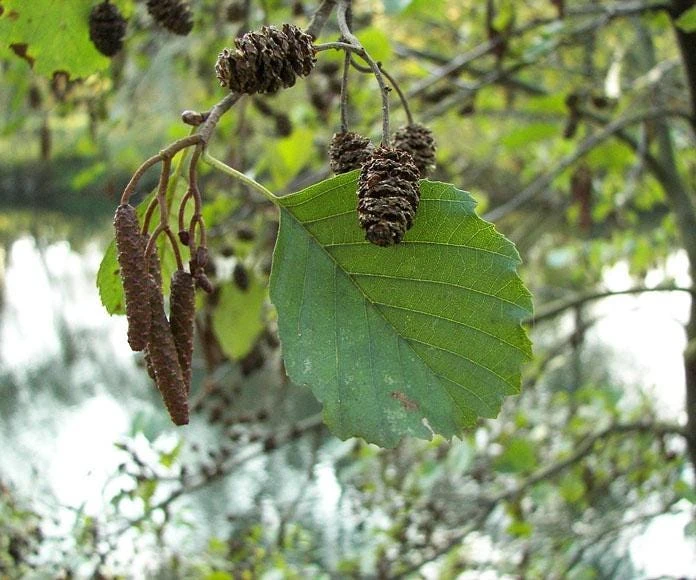
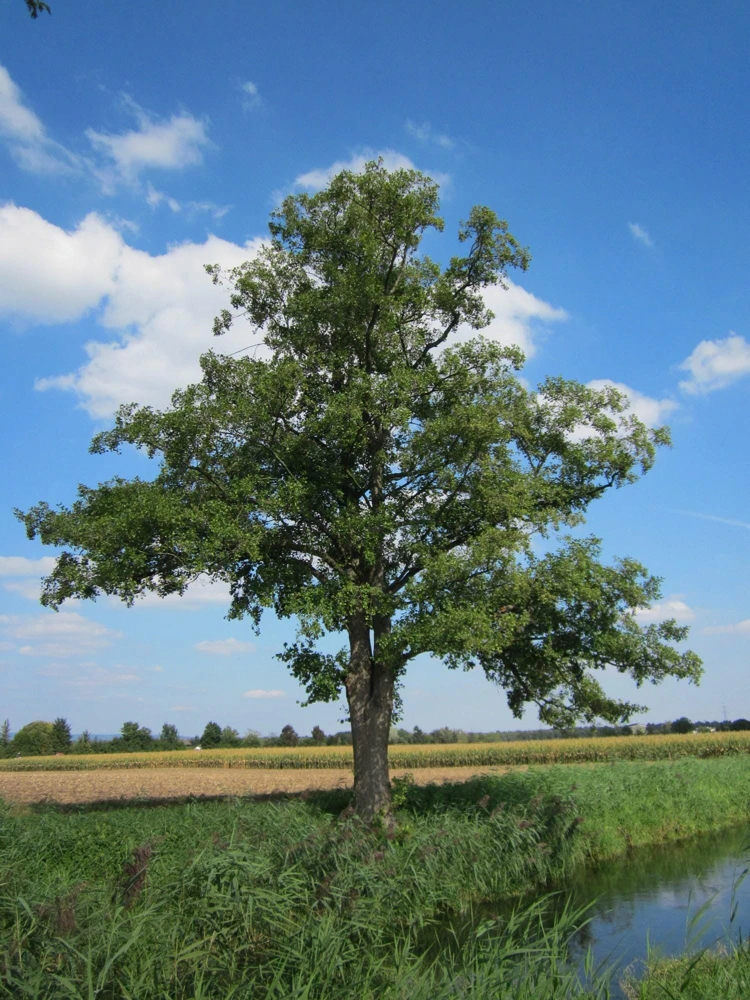
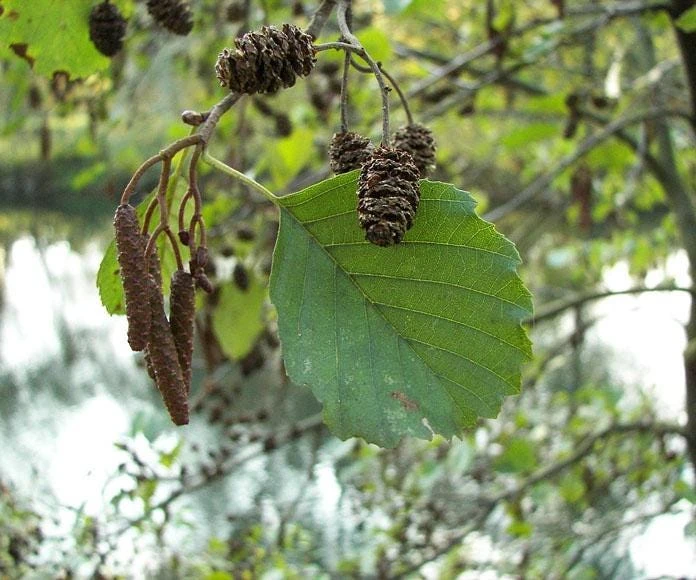
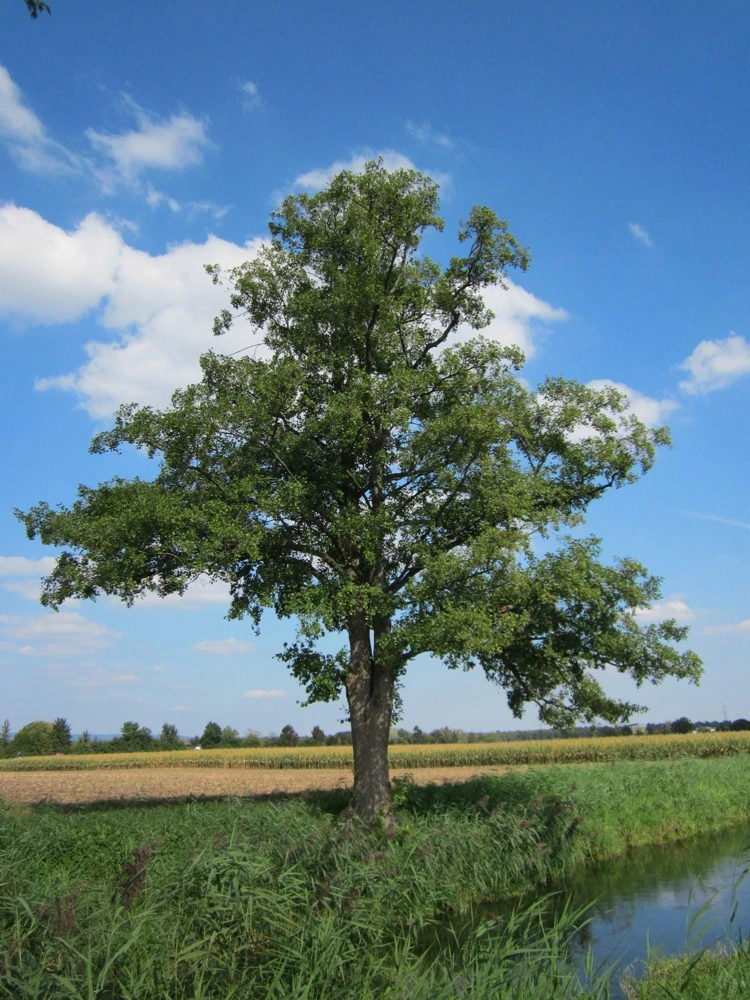
Introduce robust growth and ecological benefits to your landscape with our trio of black alder tree bare root starter plants. These Alnus glutinosa, commonly known as the european common alder, are supplied as healthy bare root specimens, ready for planting. The black alder tree is a deciduous species renowned for its rapid growth and exceptional adaptability, particularly in challenging environments. Native to Europe, North Africa, and western Asia, this medium-sized tree is a member of the birch family (Betulaceae) and is highly valued for its nitrogen-fixing capabilities, which naturally enrich the soil. This makes it an excellent choice for revitalizing poor or disturbed land, as well as for erosion control along waterways. Whether you’re aiming to create a naturalized area, establish a windbreak, or simply add a resilient and attractive tree to your garden, these alnus glutinosa bare root plants offer a sustainable and effective solution.
Key Benefits
The black alder tree offers a multitude of advantages for both the environment and your property. These adaptable trees are not only beautiful but also highly functional, providing long-term benefits to your landscape. Investing in these fast growing tree specimens means you’re choosing a plant that contributes positively to its surroundings.
- Soil Improvement: The black alder tree forms a symbiotic relationship with nitrogen-fixing bacteria in its root nodules. This process enriches the soil with essential nitrogen, benefiting nearby plants and improving overall soil fertility, especially in poor or depleted areas.
- Erosion Control: With a strong, fibrous root system, the european common alder is exceptionally effective at stabilizing soil, making it an ideal choice for planting along stream banks, pond edges, or on slopes prone to erosion.
- Rapid Growth: Known as a fast growing tree, the black alder quickly establishes itself and adds significant height and canopy cover to your landscape in a relatively short period, providing shade and visual interest.
- Wildlife Habitat: The foliage and catkins of the alnus glutinosa bare root provide food and shelter for various wildlife, including birds and insects, contributing to local biodiversity.
- Adaptability to Wet Soils: Unlike many other tree species, the wet soil tree thrives in consistently moist or even waterlogged conditions, making it perfect for areas where other plants struggle.
- Drought Tolerance: Once established, the black alder also exhibits good tolerance to drier conditions, making it a versatile choice for varying climates.
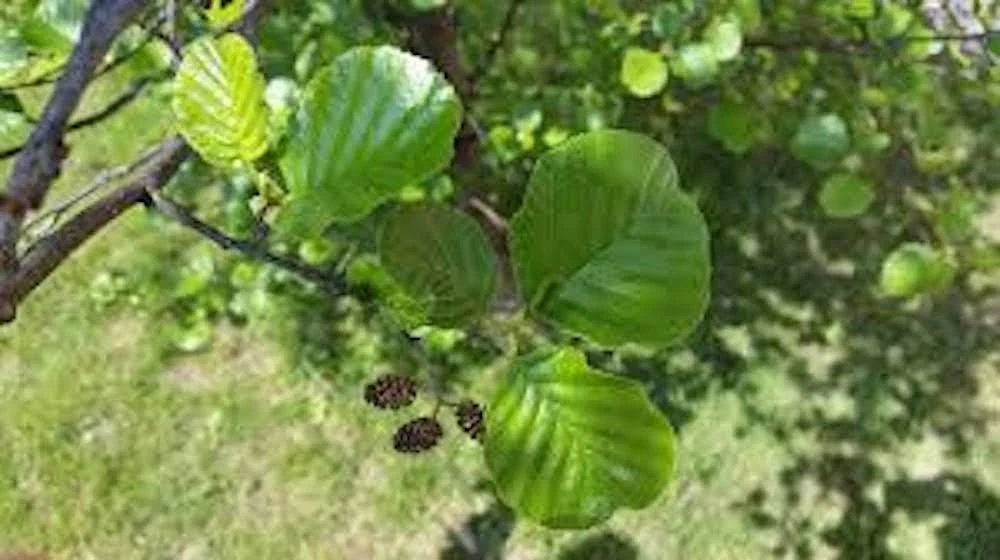
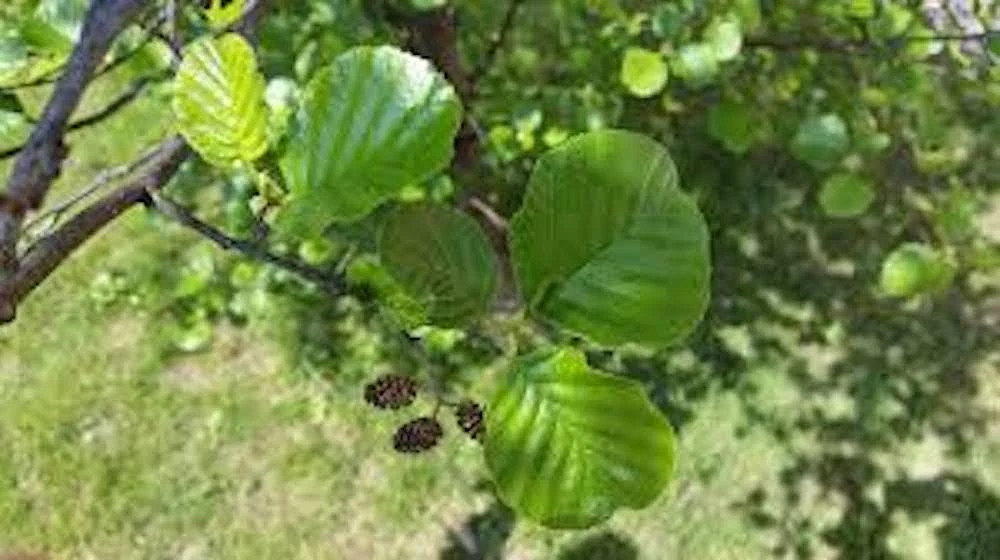
- Attractive Foliage: Its glossy, dark green leaves provide a lush appearance throughout the growing season, turning a subtle yellow in autumn before dropping.
Plant Care & Growing Tips
Caring for your black alder tree is straightforward, thanks to its resilient nature. These trees are known for their hardiness and ability to thrive in a range of conditions, making them a suitable choice even for novice gardeners. Proper initial planting and consistent care during the establishment phase will ensure your alnus glutinosa bare root plants develop into strong, healthy trees. The european common alder is generally low-maintenance once established, requiring minimal intervention.
Sunlight Requirements: Black alders perform best in full sun to partial shade. They ideally need at least 6 hours of direct sunlight per day to achieve optimal growth and health. While they can tolerate some shade, growth may be slower and less vigorous.
Watering: As a wet soil tree, the black alder prefers consistently moist to wet soil. During the first growing season, ensure the soil remains damp, watering regularly, especially during dry spells. Once established, they are quite tolerant of fluctuating water levels and can even withstand temporary flooding. For container-grown plants, ensure the pot has good drainage but keep the soil consistently moist.
Soil Type and Drainage: These trees are highly adaptable to various soil types, including clay, loam, and sand. However, they particularly excel in poor, wet, or heavy soils where many other trees would fail. Good drainage is beneficial for most plants, but the black alder can tolerate poorly drained conditions very well. Its nitrogen-fixing capabilities mean it can improve the soil quality over time.
Temperature Range and USDA Hardiness Zone: The black alder tree is a cold-hardy species, generally thriving in USDA Zones 3-7. It can tolerate a wide range of temperatures, from cold winters to warm summers. Protect young bare root plants from extreme cold during their first winter if planted late in the season.
Fertilization: Due to their nitrogen-fixing ability, alnus glutinosa bare root plants generally do not require heavy fertilization. If your soil is extremely poor, a balanced, slow-release fertilizer can be applied in early spring. Avoid high-nitrogen fertilizers, as the tree produces its own nitrogen.
Pruning: Prune in late winter or early spring while the tree is dormant. Remove any dead, damaged, or crossing branches. You can also prune to shape the tree or to maintain a desired size. Young trees may benefit from structural pruning to encourage a strong central leader.
Size & Details
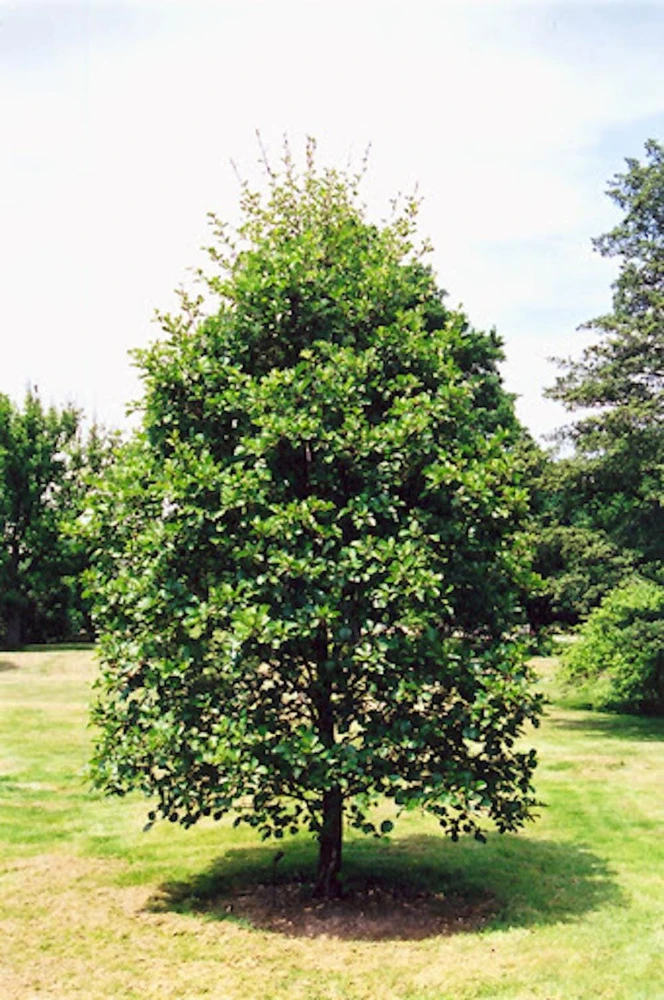
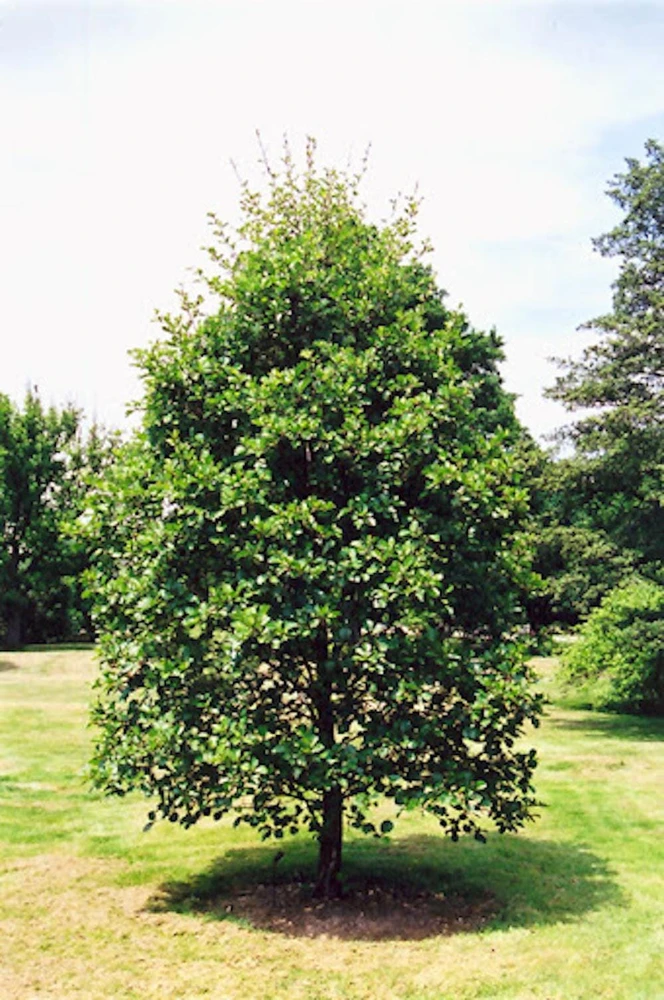
This offering includes three black alder tree bare root starter plants, each measuring approximately 10-20 inches tall upon arrival. These bare root specimens are shipped without soil around their roots, which is a common and effective method for transplanting deciduous trees during their dormant season. The european common alder is a fast growing tree, typically adding 1-2 feet of height per year under ideal conditions. Mature black alders can reach heights of 40-60 feet with a spread of 20-40 feet, developing a conical to rounded crown. They typically begin to establish a significant root system and show vigorous top growth within the first few years after planting.
Frequently Asked Questions
- Q: How tall will these black alder trees get? A: These black alder tree bare root starter plants are 10-20 inches tall when shipped. Once established, they are a fast growing tree and can reach a mature height of 40-60 feet with a spread of 20-40 feet.
- Q: What is the best time to plant these bare root alders? A: The best time to plant alnus glutinosa bare root trees is in early spring or late fall when the trees are dormant. This allows them to establish their root system before the stress of summer heat or winter cold.
- Q: Can the european common alder grow in wet areas? A: Yes, the european common alder is particularly well-suited for wet areas and is known as a wet soil tree. It thrives in consistently moist to waterlogged soils, making it an excellent choice for pond edges, stream banks, or other damp locations.
- Q: Are these trees good for improving soil quality? A: Absolutely. The black alder tree is a nitrogen-fixing species, meaning it can take nitrogen from the air and convert it into a usable form for plants, thereby enriching the soil and benefiting surrounding vegetation.
- Q: How much sunlight do these trees need? A: Black alders prefer full sun to partial shade, ideally receiving at least 6 hours of direct sunlight daily for optimal growth.
- Q: What condition will the bare root plants arrive in? A: Your alnus glutinosa bare root plants will arrive dormant, without leaves, and with their roots carefully packaged to retain moisture. This is normal for bare root trees and ensures they are ready for planting.
- Q: Is the black alder tree prone to any common diseases or pests? A: The black alder tree is generally quite hardy and resistant to most serious pests and diseases. Occasionally, they may encounter issues like aphid infestations or fungal spots, but these are rarely life-threatening for established trees.
- Q: What USDA Hardiness Zones are suitable for planting the black alder? A: These trees are hardy and suitable for planting in USDA Zones 3 through 7, tolerating a wide range of climates.
- Q: Can these trees be used for privacy screening? A: Yes, due to their fast growing tree nature and ability to form a dense canopy, black alders can be effectively used for privacy screens, windbreaks, or as a component of a hedgerow.
- Q: Do I need to fertilize my black alder tree? A: Generally, no. As a nitrogen-fixing species, the black alder tree produces its own nitrogen and usually does not require additional fertilization, especially if planted in reasonably fertile soil.
Be the first to review “3 Black Alder Trees – Alnus glutinosa Bare Root Starter Plants – 10-20″ Tall”
Related products


You May Like

Hardneck vs. Softneck Garlic: Which Should You Grow?
Have you ever stood in front of a seed catalog in mid-September, staring at dozens [...]
Oct

When to Plant Music Garlic: Ultimate US Fall Guide
Have you ever spent your fall weekend placing carefully chosen garlic cloves into rich, dark [...]
1 Comment
Oct

5 Best Bulbs for Fall Planting: Brighten Your Garden This Spring
Are you dreaming of a garden full of vibrant colors in the spring? The key [...]
Aug

10 Houseplants That Will Thrive in Your Kitchen
Are you tired of your kitchen feeling dull and lifeless? Want to add a little [...]
1 Comment
Aug
Reviews
There are no reviews yet.