
3 Black Cohosh Plants – Actaea Racemosa Organic Bare Root Wildflower
Original price was: 67.99 $.42.99 $Current price is: 42.99 $.
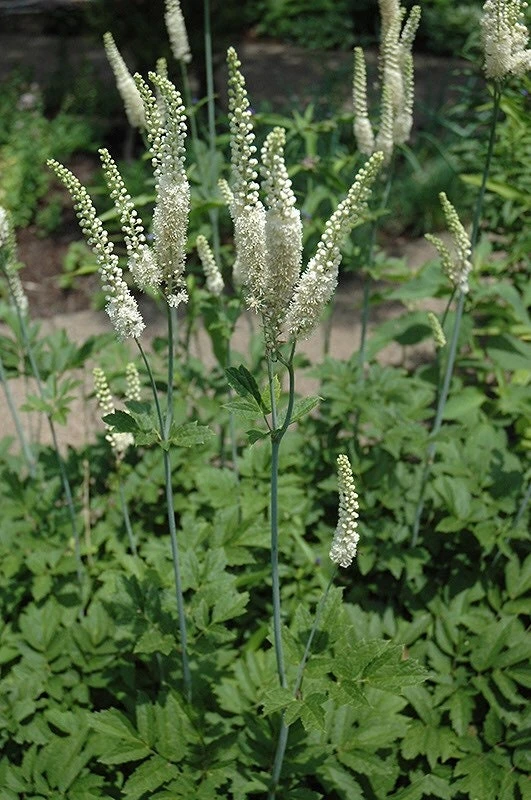
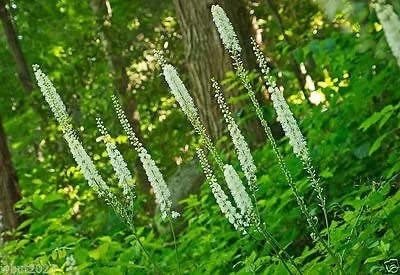
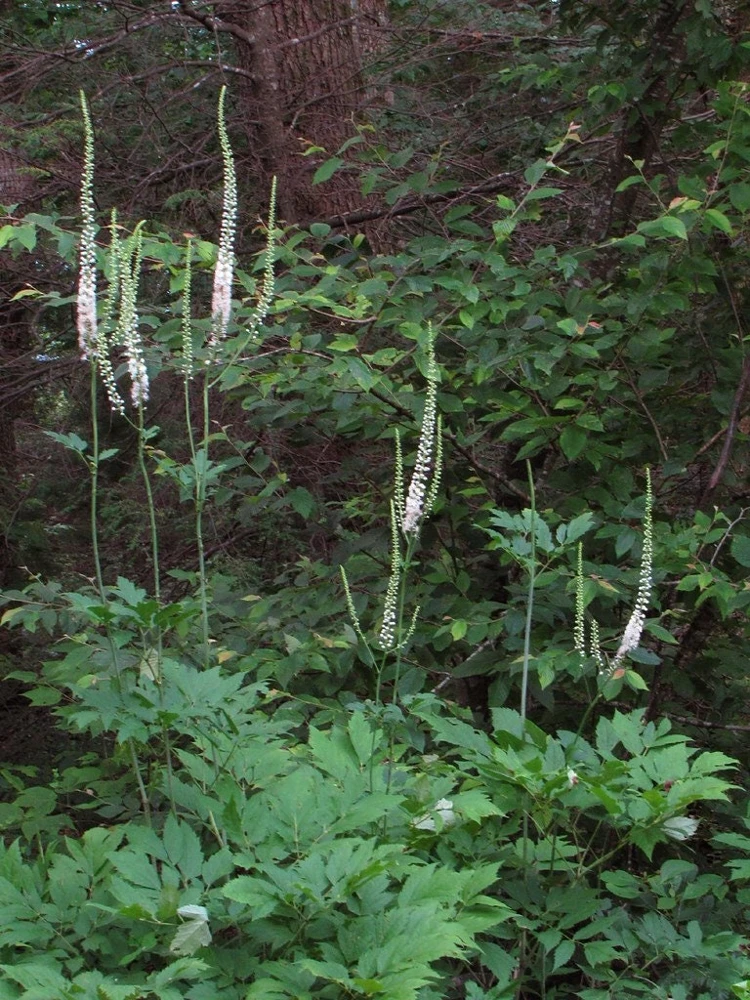
Add 3 Black Cohosh bare root plants to your garden. These organically grown Actaea Racemosa plants are native wildflowers, perfect for creating a naturalistic landscape. Enjoy their tall, elegant white blooms in late summer to fall.
Estimated arrival
Oct 17
Oct 22 - Oct 24
Oct 24 - Oct 29
See our Shipping Policy.
Get in touch with us via email, and our team will review your concerns.
Our Alive & Thrive Guarantee covers issues with your plants within the first 30 days. Read our Refund & Returns Policy.
-
USDA Hardiness Zone
USDA Zones 4-8 -
Soil Type
Rich, moist, well-draining soil -
Sunlight Exposure
Partial to full shade -
Expected Planting Period
Spring or Fall
Overview
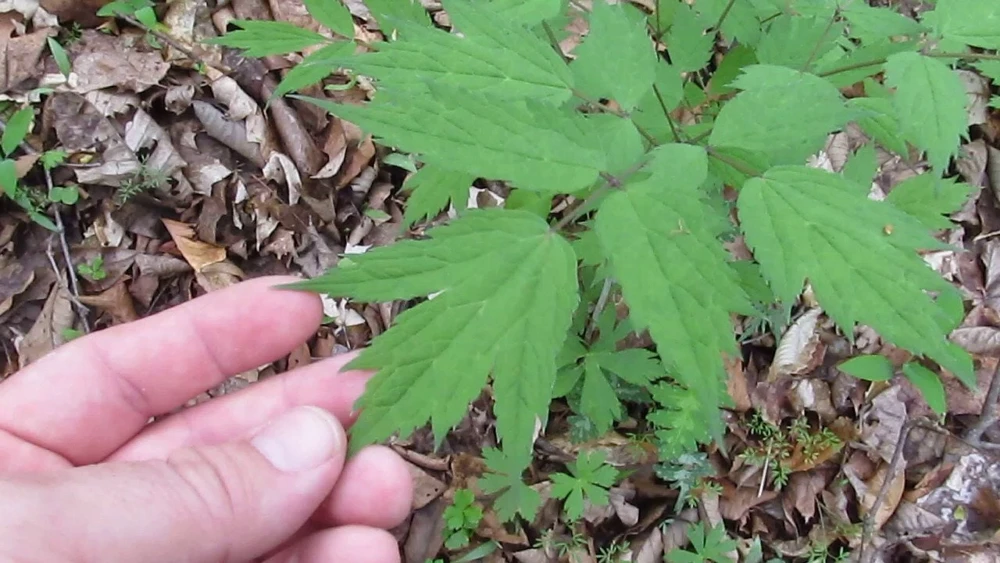
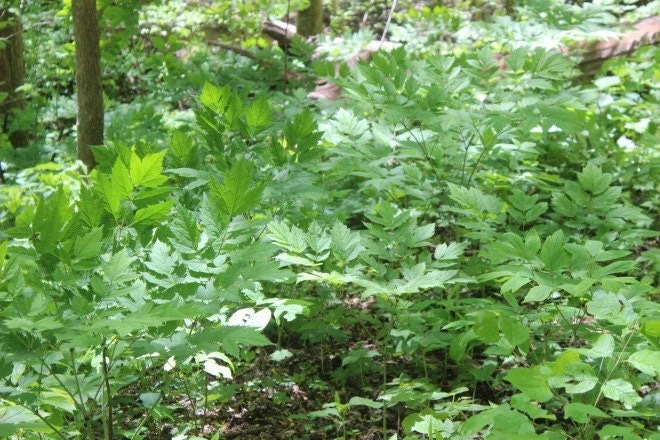
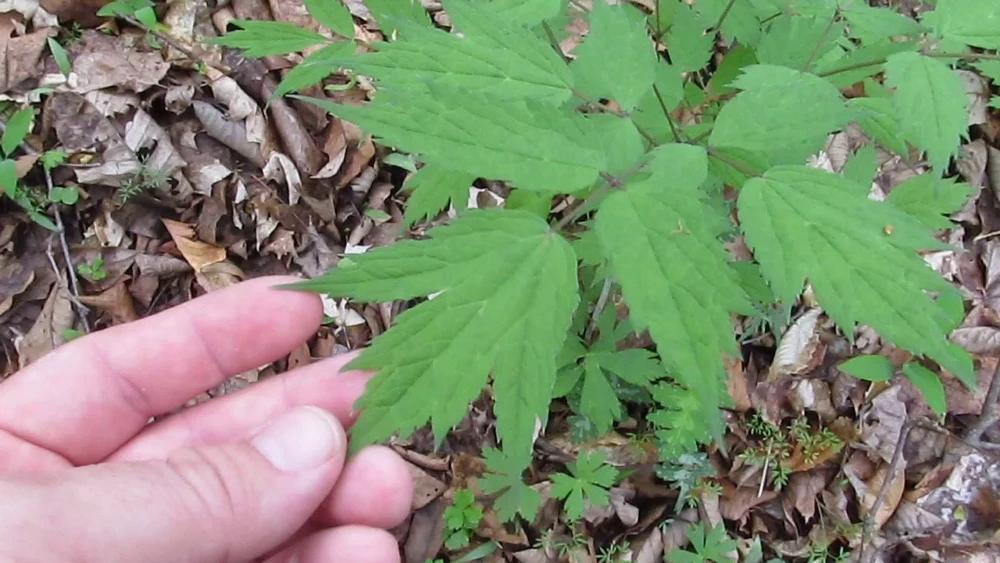
Introduce a touch of natural elegance to your garden with our 3 Black Cohosh bare root plants. Scientifically known as Actaea racemosa (formerly Cimicifuga racemosa), this stunning perennial is a true native American wildflower. Renowned for its towering, bottlebrush-like white flower spikes that emerge in late summer and early fall, Black Cohosh provides a dramatic focal point and essential late-season nectar for pollinators. These organically grown bare root stock plants are meticulously harvested per order to ensure maximum freshness and viability upon arrival. Perfect for woodland gardens, shady borders, or naturalized areas, the Actaea Racemosa plant is a resilient and low-maintenance choice that will thrive and beautify your landscape for years to come. Each order includes comprehensive planting instructions to guide you in establishing these magnificent specimens.
Key Benefits
Cultivating organic Black Cohosh offers a multitude of advantages for both your garden and the local ecosystem. Its unique aesthetic appeal and ecological value make it a highly desirable plant. The striking blooms and robust nature ensure a rewarding gardening experience.
- Dramatic Late-Season Blooms: Enjoy spectacular, tall white flower spikes that can reach up to 6 feet, providing vertical interest and a refreshing contrast in the late summer and fall garden when many other plants have finished blooming.
- Attracts Pollinators: The fragrant flowers are a magnet for bees, butterflies, and other beneficial insects, supporting local biodiversity and contributing to a healthy garden ecosystem.
- Shade Tolerance: Thrives in partial to full shade, making it an excellent choice for those challenging shady spots where other flowering plants struggle to grow.
- Low Maintenance: Once established, Actaea Racemosa plant requires minimal care, being drought-tolerant and generally resistant to pests and diseases, allowing you more time to enjoy its beauty.
- Native Wildflower: As a native wildflower garden addition, Black Cohosh is perfectly adapted to local conditions, requiring less intervention and supporting indigenous wildlife.
- Long-Lived Perennial: This robust plant returns year after year, growing larger and more impressive with each season, offering enduring beauty and value to your landscape.
- Deer Resistant: Black Cohosh is generally unappealing to deer, which is a significant advantage for gardeners in areas with deer populations.
Plant Care & Growing Tips
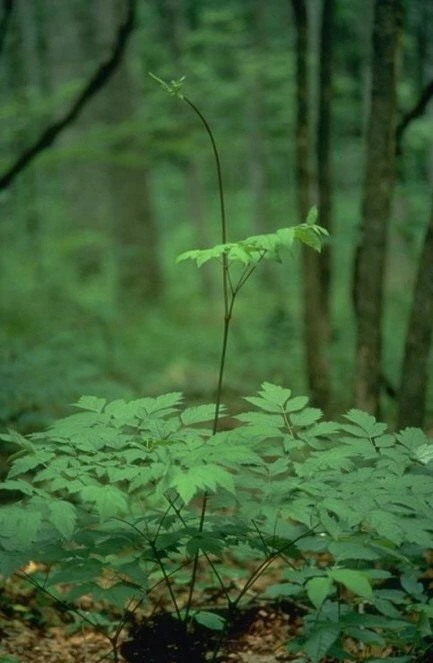
To ensure your Black Cohosh bare root plants flourish, proper care and planting techniques are essential. Upon receiving your bare roots, it’s best to plant them as soon as possible. Choose a location that mimics their natural woodland habitat. Black Cohosh prefers partial to full shade; too much direct sun can scorch the foliage, especially in warmer climates. Aim for a spot that receives morning sun and afternoon shade, or dappled light throughout the day. The ideal soil is rich in organic matter, consistently moist but well-draining. Amend heavy clay soils with compost to improve drainage and aeration, or sandy soils to enhance moisture retention. A slightly acidic to neutral pH (6.0-7.0) is preferred for optimal growth of the Actaea Racemosa plant.
Water regularly, especially during dry spells and in the first year after planting, to help the roots establish. Ensure the soil remains consistently moist but never waterlogged, as this can lead to root rot. Once established, Black Cohosh is quite drought-tolerant but will perform best with consistent moisture. Fertilize sparingly in spring with a balanced, slow-release organic fertilizer, or top-dress with compost. These plants are hardy in USDA zones 4-8. They generally do not suffer from many pest or disease issues, though slugs and snails may occasionally nibble on young foliage. Providing good air circulation can help prevent fungal problems. The Black Cohosh care routine is relatively simple, making it a rewarding plant for many gardeners.
Size & Details
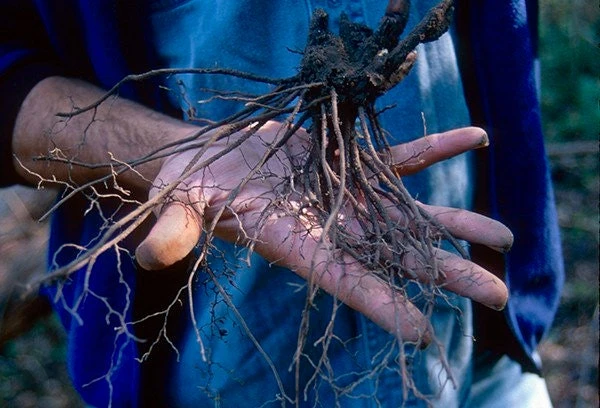
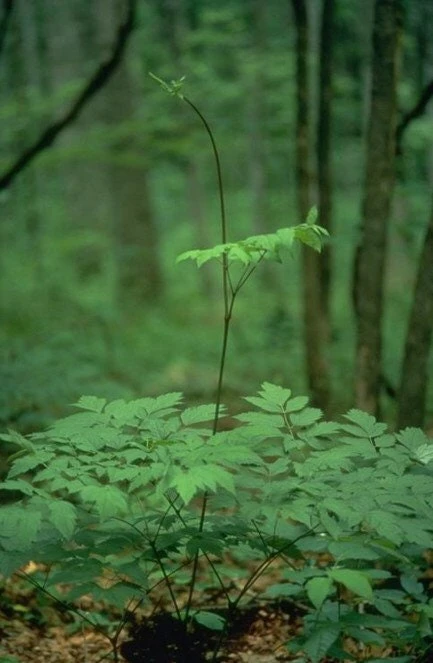
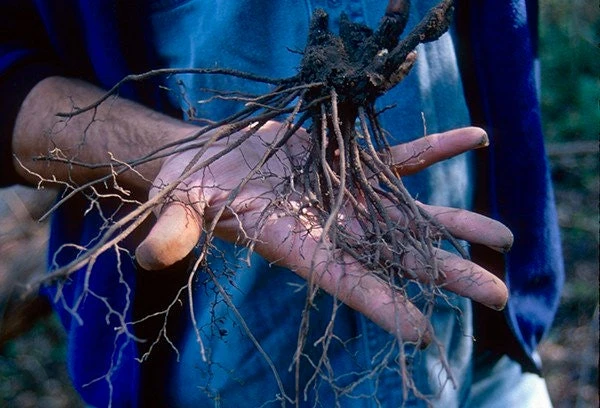
Each order includes 3 Black Cohosh bare root stock plants. These roots are harvested fresh to order, ensuring you receive healthy, vigorous specimens ready for planting. As bare root plants, they will arrive without foliage or a pot, allowing for easier transplanting and establishment. When mature, Black Cohosh typically forms a clump 2-4 feet wide, with flower stalks extending 4-6 feet tall, sometimes reaching up to 8 feet in ideal conditions. The growth rate is moderate, and plants typically begin to show significant growth in their second year. Expect to see initial foliage development in spring, with the characteristic white flower spikes emerging from late July through October, depending on your climate and specific variety. These plants are long-lived, providing many years of beauty. The organic Black Cohosh roots are ready to be planted directly into your garden or a suitable container.
Frequently Asked Questions
- Q: How big do these Black Cohosh plants get? A: Mature Actaea Racemosa plants typically form a foliage clump 2-4 feet wide, with impressive flower stalks that can reach 4-6 feet tall, and sometimes up to 8 feet in optimal growing conditions.
- Q: Is this an indoor or outdoor plant? A: Black Cohosh bare root plants are primarily grown outdoors. They are hardy perennials that require a period of dormancy in winter and are best suited for garden beds, woodland settings, or large outdoor containers.
- Q: How much sunlight does it need? A: Black Cohosh thrives in partial to full shade. It prefers locations with morning sun and afternoon shade, or dappled light throughout the day, as too much direct sun can scorch its leaves.
- Q: Is this plant easy to care for? A: Yes, once established, Black Cohosh is considered a low-maintenance plant. Its Black Cohosh care requirements are minimal, primarily focusing on consistent moisture and suitable shade conditions.
- Q: What condition will it arrive in? A: Your order will contain 3 Black Cohosh bare root stock plants. They are shipped without foliage or a pot, freshly harvested to ensure they arrive in prime condition for planting.
- Q: When is the best time to plant Black Cohosh bare roots? A: The best time to plant bare root Black Cohosh is in the spring, after the last frost, or in the fall, several weeks before the ground freezes, to allow roots to establish.
- Q: Will it survive winter in my zone? A: Black Cohosh is a very hardy perennial, generally thriving in USDA Hardiness Zones 4-8. It is well-adapted to survive cold winters and return vigorously each spring.
- Q: Can I grow this plant in a container? A: While Black Cohosh can be grown in large containers, it is best suited for in-ground planting where its extensive root system can develop, allowing for larger, more robust growth.
- Q: What type of soil does it prefer? A: This native wildflower garden addition prefers rich, consistently moist, and well-draining soil with plenty of organic matter. A slightly acidic to neutral pH is ideal for healthy growth.
- Q: How long until it blooms? A: Black Cohosh typically establishes its root system in the first year, with significant growth and flowering often beginning in the second year after planting. Blooms appear late summer to early fall.
Be the first to review “3 Black Cohosh Plants – Actaea Racemosa Organic Bare Root Wildflower”
Related products


You May Like

Hardneck vs. Softneck Garlic: Which Should You Grow?
Have you ever stood in front of a seed catalog in mid-September, staring at dozens [...]
Oct

When to Plant Music Garlic: Ultimate US Fall Guide
Have you ever spent your fall weekend placing carefully chosen garlic cloves into rich, dark [...]
1 Comment
Oct

5 Best Bulbs for Fall Planting: Brighten Your Garden This Spring
Are you dreaming of a garden full of vibrant colors in the spring? The key [...]
Aug

10 Houseplants That Will Thrive in Your Kitchen
Are you tired of your kitchen feeling dull and lifeless? Want to add a little [...]
1 Comment
Aug
Reviews
There are no reviews yet.