
3 Black Eyed Susan Rudbeckia Wildflower Bare Root – Outdoor Sun Perennial
Original price was: 67.99 $.42.99 $Current price is: 42.99 $.
Cultivate vibrant beauty with a 3 Black Eyed Susan bare root pack. These Rudbeckia wildflowers are sun-loving perennials, perfect for adding golden-yellow blooms to your garden with minimal effort.
Estimated arrival
Oct 17
Oct 22 - Oct 24
Oct 24 - Oct 29
See our Shipping Policy.
Get in touch with us via email, and our team will review your concerns.
Our Alive & Thrive Guarantee covers issues with your plants within the first 30 days. Read our Refund & Returns Policy.
-
USDA Hardiness Zone
3–9 -
Soil Type
Well-draining soil -
Sunlight Exposure
Full sun -
Expected Planting Period
Spring to Fall
Overview
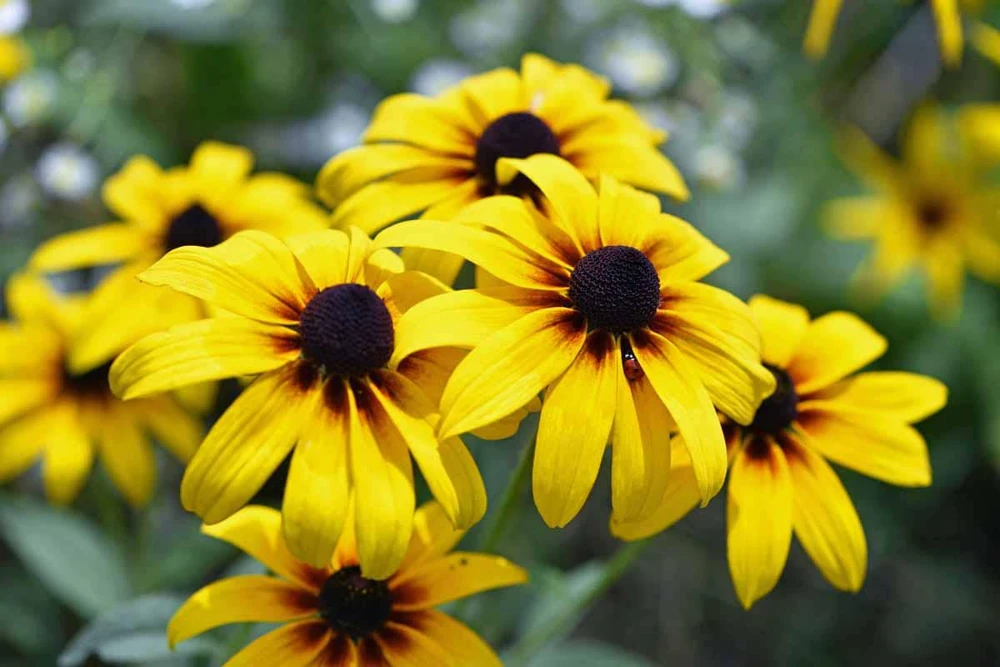
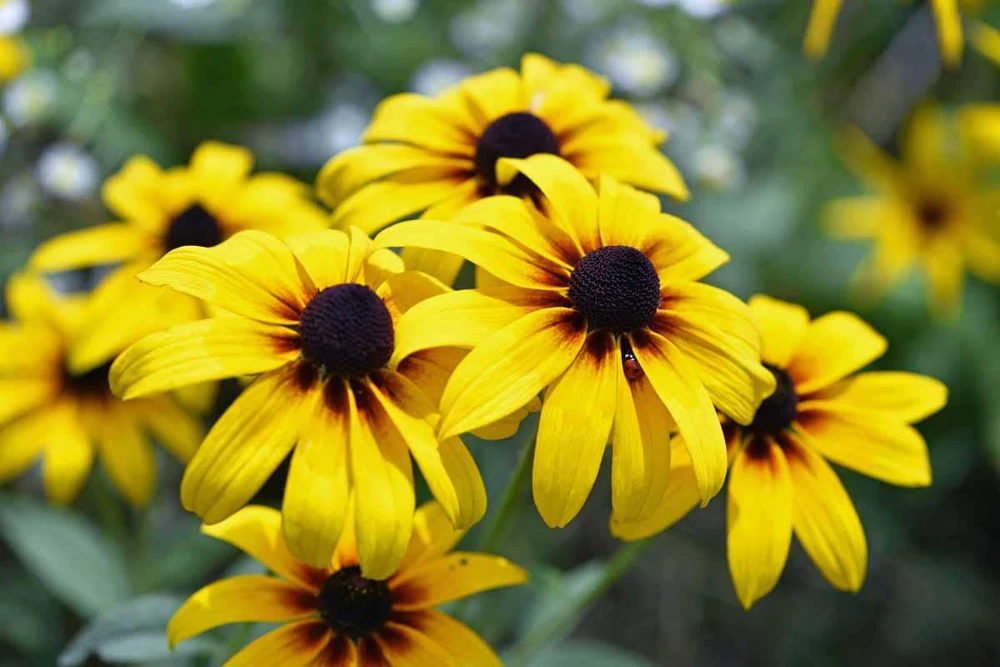
Introduce a burst of golden sunshine to your garden with our Black Eyed Susan bare root plants. This offering includes 3 high-quality bare roots of the popular Rudbeckia hirta, a beloved North American native wildflower. Known for their cheerful golden-yellow petals surrounding a distinctive dark, chocolate-brown center, these resilient perennials are a classic choice for gardeners seeking vibrant, long-lasting color. Rudbeckia wildflowers are incredibly adaptable, thriving in a variety of conditions and attracting pollinators like bees and butterflies. They are an excellent addition to wildflower meadows, cottage gardens, borders, or naturalized areas, providing continuous blooms from summer through fall. Growing Black Eyed Susan wildflowers from bare roots is a cost-effective and rewarding way to establish these charming flowers in your landscape, ensuring strong, healthy plants from the start.
These bare roots offer a robust foundation for your garden, promising vigorous growth and abundant blooms. The iconic appearance of the Black Eyed Susan bare root makes it instantly recognizable and a favorite among both novice and experienced gardeners. Its hardy nature means less fuss and more enjoyment, allowing you to appreciate the beauty of native flora without extensive maintenance. Embrace the natural charm and ecological benefits of planting these stunning wildflowers.
Key Benefits
Our Black Eyed Susan bare root plants offer numerous advantages for any garden, combining aesthetic appeal with ecological value and ease of care. These benefits make them an ideal choice for enhancing your outdoor space.
- Vibrant, Long-Lasting Blooms: Enjoy a prolonged display of striking golden-yellow flowers with dark centers that brighten up your garden from mid-summer into autumn. These cheerful blooms provide continuous visual interest when many other plants begin to fade.
- Attracts Pollinators: The nectar-rich flowers are a magnet for essential pollinators such as bees, butterflies, and other beneficial insects, contributing to a healthy garden ecosystem and supporting local wildlife.
- Low Maintenance & Drought Tolerant: Once established, Rudbeckia wildflowers are incredibly forgiving. They require minimal watering and care, making them perfect for busy gardeners or those looking for a resilient, easy-care garden flower. Their natural hardiness reduces the need for constant attention.
- Native North American Plant: As a North American native plant, Black Eyed Susans are well-adapted to local climates and soils, ensuring better success and requiring fewer interventions compared to non-native species. They integrate seamlessly into natural landscapes.
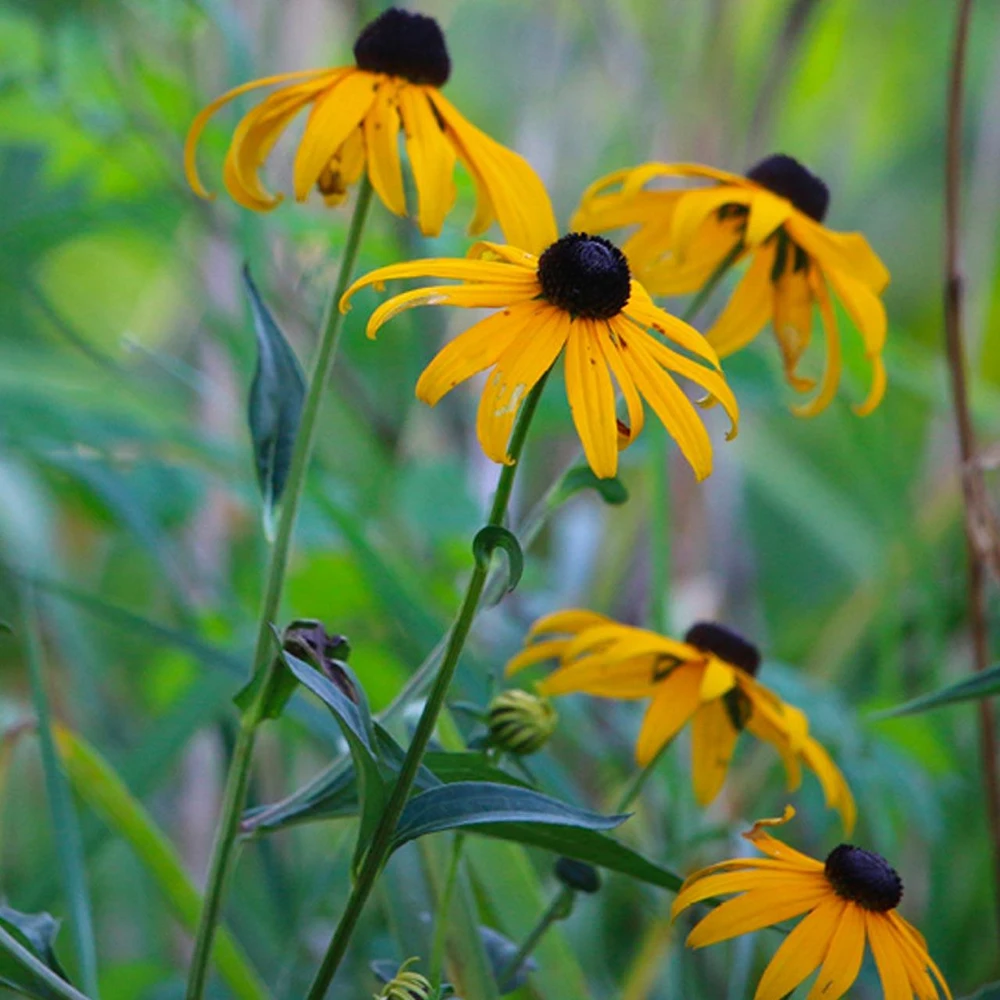
- Deer Resistant: Their coarse, hairy stems and leaves tend to deter deer, making them a good choice for gardens in areas where deer browsing is a concern.
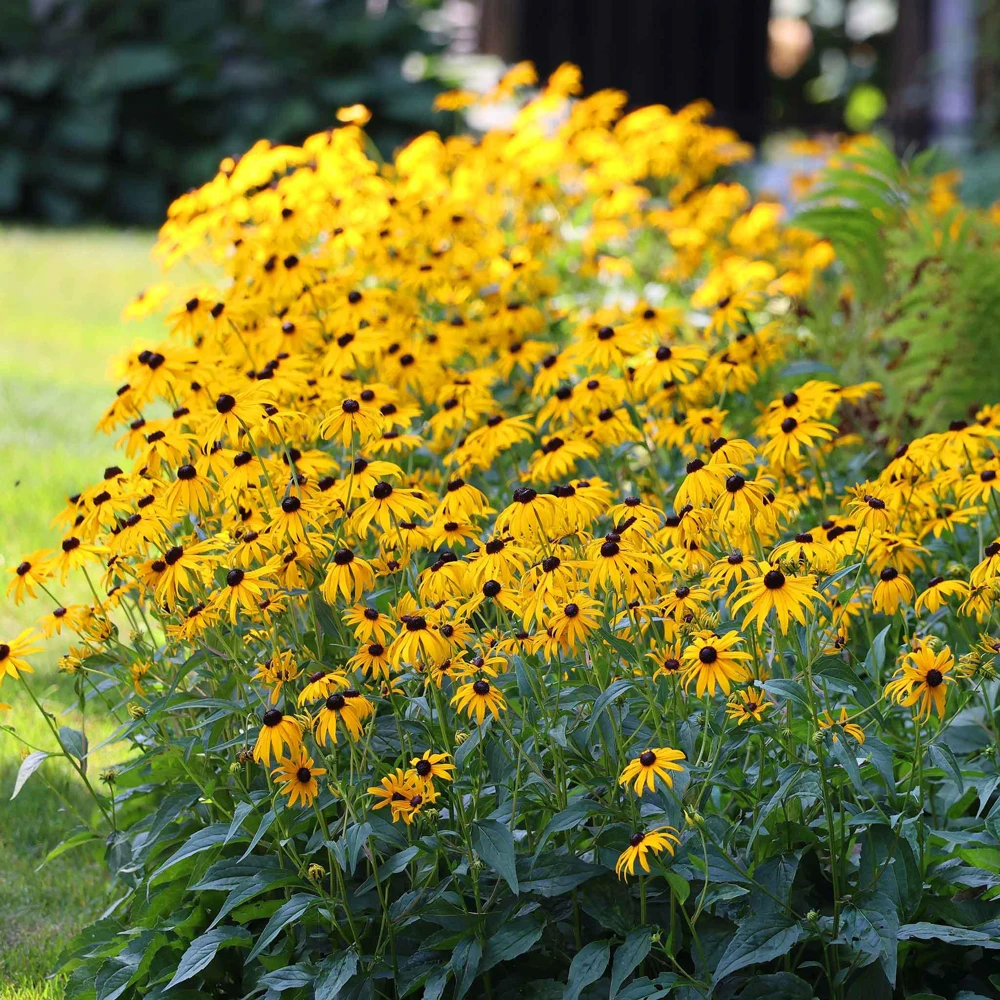
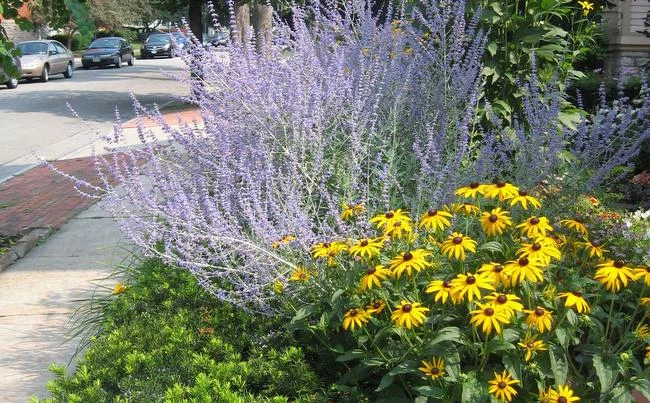
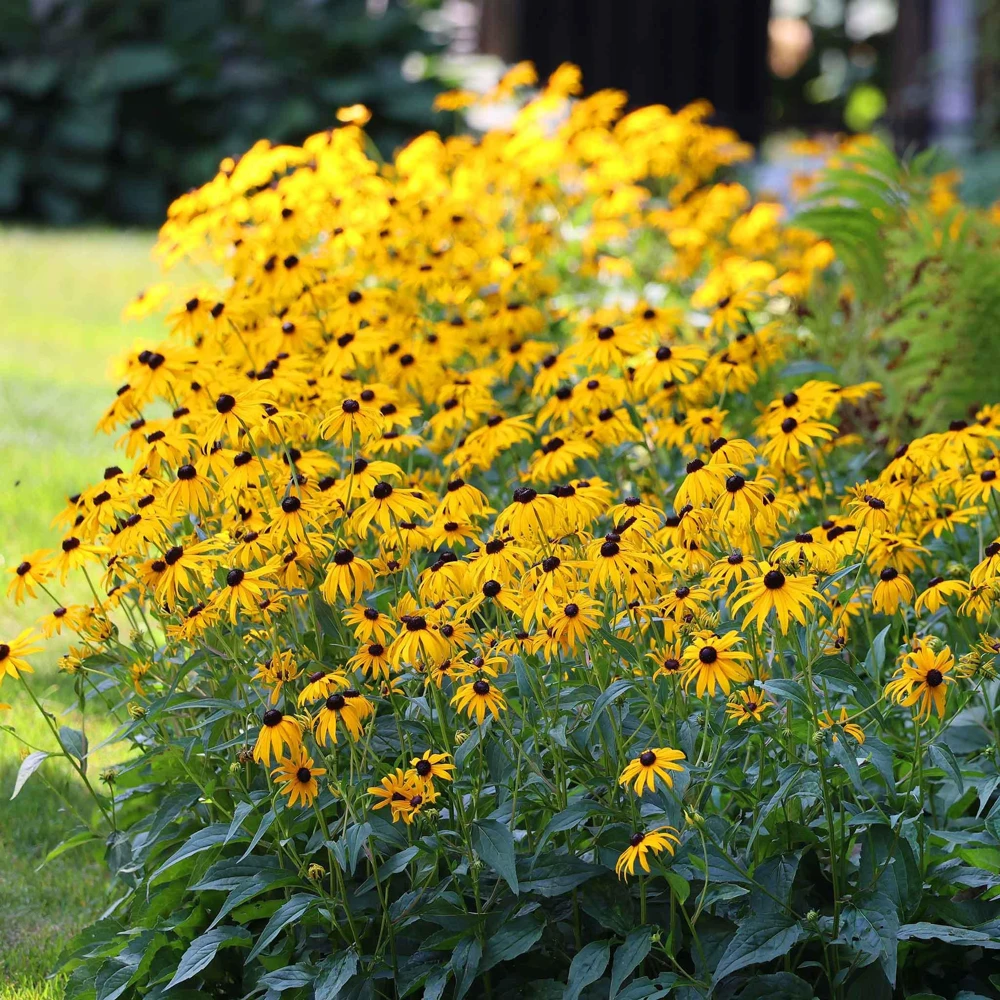
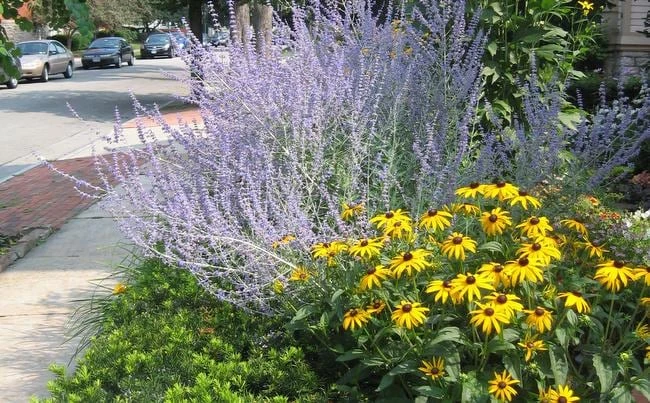
- Versatile Garden Use: Ideal for a wide range of garden settings, including wildflower meadows, borders, mass plantings, cottage gardens, and naturalized areas. They also make excellent cut flowers for indoor arrangements.
- Hardy & Resilient: These sun-loving perennials are known for their ability to withstand various conditions, including heat and some drought, ensuring they return year after year with consistent beauty.
Plant Care & Growing Tips
Caring for your Black Eyed Susan bare root plants is straightforward, making them an excellent choice for gardeners of all experience levels. These resilient wildflowers thrive with minimal intervention, preferring conditions that mimic their natural habitat. For optimal growth and abundant blooms, ensure they receive plenty of sunlight. Rudbeckia wildflowers perform best in full sun, meaning at least 6-8 hours of direct sunlight per day. While they can tolerate some partial shade, too little sun may result in leggy growth and fewer flowers. When planting, choose a location with well-draining soil. They are not particular about soil type and can grow in average to poor soils, but good drainage is crucial to prevent root rot.
Watering is important during the establishment phase, especially during dry spells. Once established, Black Eyed Susans are quite drought-tolerant and will only need supplemental watering during extended periods of extreme dryness. Avoid overwatering, as this can harm the roots. These plants are hardy in USDA Zones 3–9, making them suitable for a wide range of climates across the United States. No special fertilization is usually required, particularly in average garden soil; excessive fertilizer can promote foliage growth at the expense of flowers. Deadheading spent blooms can encourage more flowering and prevent excessive self-seeding. For an easy-care garden flower, the Black Eyed Susan bare root is an excellent choice.
Size & Details
This offering includes 3 Black Eyed Susan bare root plants, ready for planting upon arrival. When mature, these Rudbeckia wildflowers typically grow to a height of 1–3 feet (30–90 cm) and spread about 1–2 feet (30–60 cm) wide, forming attractive clumps. Their growth rate is moderate, establishing well in the first year and producing abundant blooms in subsequent seasons. Each bare root is a dormant, living plant section, carefully harvested and packed to ensure its vitality during transit. These bare roots are an efficient way to start your perennial garden, offering a strong root system that quickly takes hold once planted.
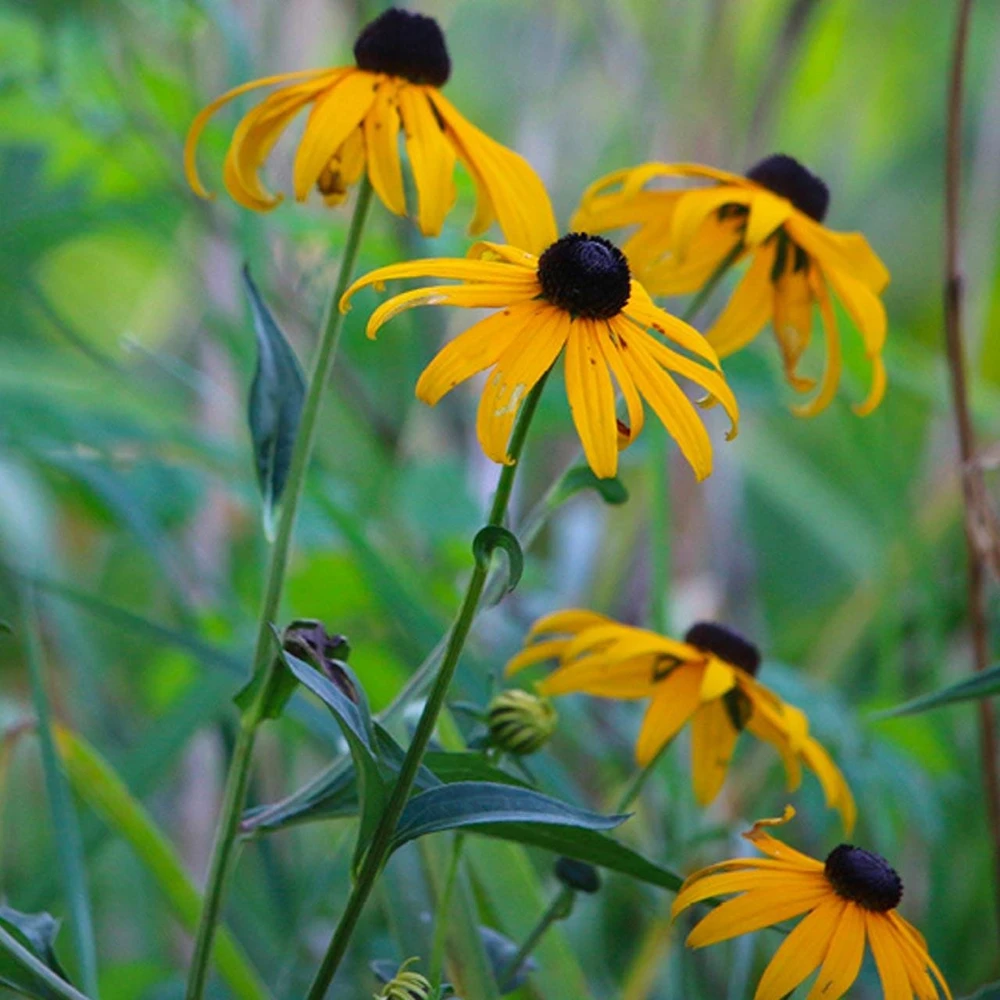
The coarse, hairy stems and leaves add to their rugged charm, complementing the bright flowers. Expected bloom time is from mid-summer through fall, providing continuous color for several months. Planting these bare roots in spring or fall is ideal, allowing them to establish before extreme temperatures. With proper care, these plants will return year after year, growing more robust and beautiful over time, making them a truly rewarding sun-loving perennial addition to your landscape.
Frequently Asked Questions
- Q: How big does this Black Eyed Susan bare root plant get? A: Once mature, these plants typically grow 1–3 feet tall and spread 1–2 feet wide, forming a sturdy, upright clump of vibrant flowers.
- Q: Is this an indoor or outdoor plant? A: Black Eyed Susans are primarily outdoor plants, thriving as a sun-loving perennial in garden beds, borders, and naturalized areas. They are not suitable for long-term indoor cultivation.
- Q: How much sunlight does the Rudbeckia wildflower need? A: For best results and abundant blooms, Black Eyed Susans require full sun, meaning at least 6-8 hours of direct sunlight per day. They can tolerate some partial shade but may produce fewer flowers.
- Q: Is this plant easy to care for? Is it good for beginners? A: Yes, Black Eyed Susans are considered an easy-care garden flower, making them an excellent choice for beginners. They are very resilient and forgiving, requiring minimal maintenance once established.
- Q: What condition will the Black Eyed Susan bare root arrive in? A: The plants will arrive as dormant bare roots, meaning they will not have leaves or flowers. This is a normal and healthy state for bare root plants, ensuring they are ready to establish vigorously in your garden.
- Q: When is the best time to plant these bare roots? A: The ideal time to plant Black Eyed Susan bare roots is in spring after the last frost, or in the fall several weeks before the first hard frost, allowing them time to establish their root system.
- Q: Will this North American native plant survive winter in my zone? A: Yes, Black Eyed Susans are hardy in USDA Zones 3–9, meaning they are well-adapted to survive winter conditions in a wide range of climates and will return year after year.
- Q: What type of soil does the Rudbeckia wildflower prefer? A: They are not picky about soil type but absolutely require well-draining soil. They can tolerate average to poor garden soils, but soggy conditions will lead to root rot.
- Q: Do I need to fertilize my Black Eyed Susan bare root plants? A: Generally, no. In average garden soil, Black Eyed Susans do not require additional fertilization. Over-fertilizing can sometimes promote foliage growth at the expense of flowers.
- Q: What is the benefit of planting a sun-loving perennial like Black Eyed Susan? A: Planting a sun-loving perennial like Black Eyed Susan provides reliable, recurring beauty with minimal effort. They offer consistent color, attract beneficial pollinators, and are well-adapted to outdoor conditions, reducing maintenance compared to annuals.
Be the first to review “3 Black Eyed Susan Rudbeckia Wildflower Bare Root – Outdoor Sun Perennial”
Related products


Flower Plants
Trailing Lantana Plants Live Purple Flowers 4-8 Inch Tall Indoor Outdoor Butterfly Attractor


Flower Plants
Red Rose Plant Live Hybrid Tea Bush 5-9 Inch Tall Fragrant Flowers Shrub Ready to Plant Outdoor


You May Like

Hardneck vs. Softneck Garlic: Which Should You Grow?
Have you ever stood in front of a seed catalog in mid-September, staring at dozens [...]
Oct

When to Plant Music Garlic: Ultimate US Fall Guide
Have you ever spent your fall weekend placing carefully chosen garlic cloves into rich, dark [...]
1 Comment
Oct

5 Best Bulbs for Fall Planting: Brighten Your Garden This Spring
Are you dreaming of a garden full of vibrant colors in the spring? The key [...]
Aug

10 Houseplants That Will Thrive in Your Kitchen
Are you tired of your kitchen feeling dull and lifeless? Want to add a little [...]
1 Comment
Aug
Reviews
There are no reviews yet.