
3 Chickasaw Plum Tree Live Plants 12-24″ Tall Bare Root – Outdoor Edible Fruit
Original price was: 101.99 $.76.99 $Current price is: 76.99 $.
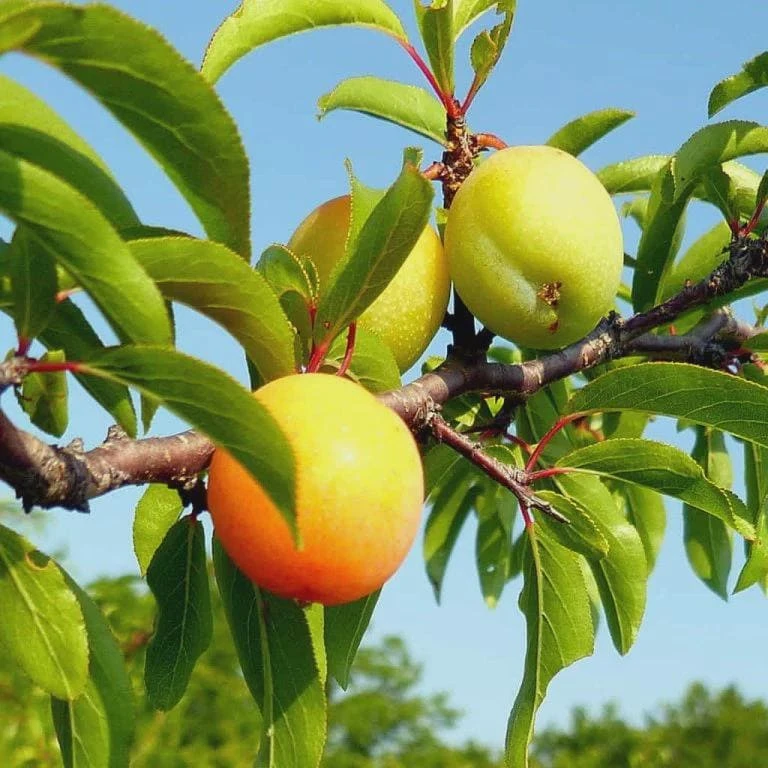
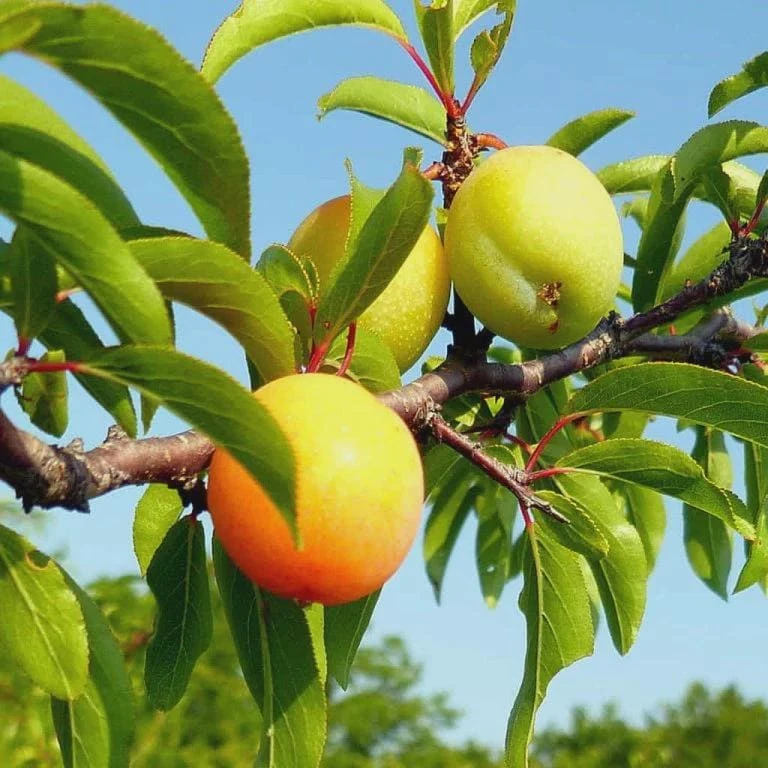
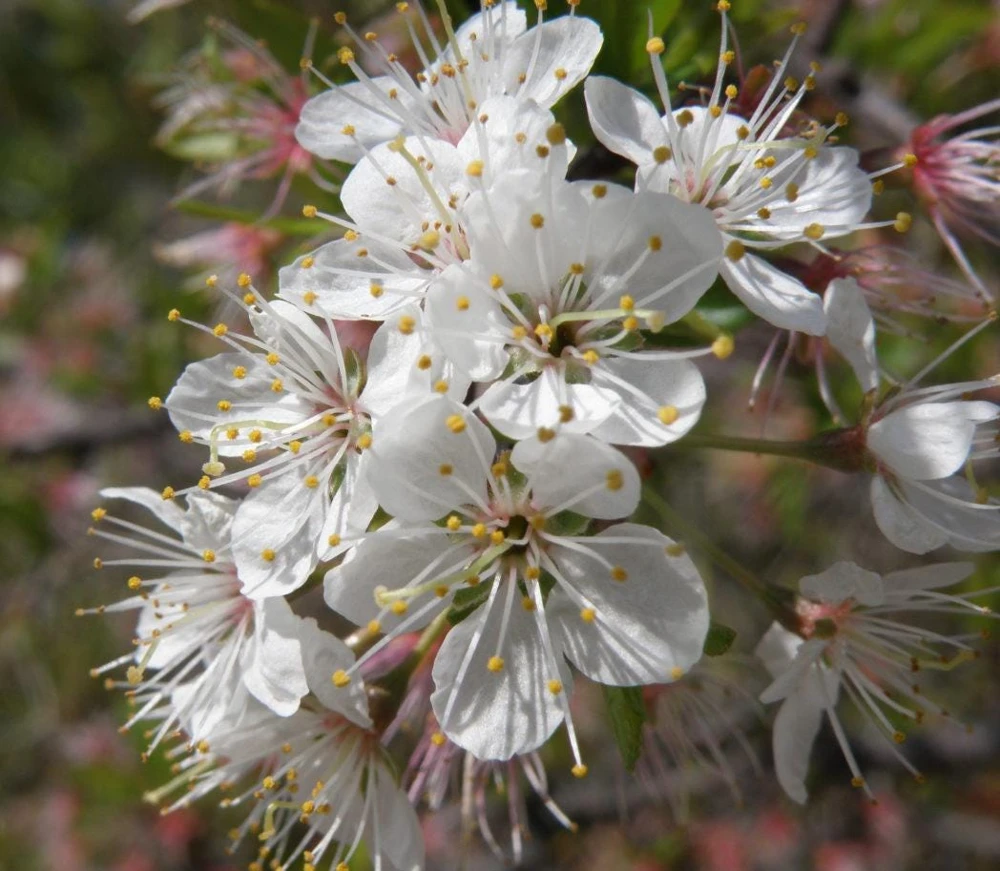
Cultivate your own Chickasaw plum tree orchard with this set of three bare root plants. These Prunus angustifolia plant specimens are 12-24 inches tall, known for their fast growth, fragrant white flowers, and tart edible fruit. Ideal for creating a wildlife habitat tree or for erosion control in USDA zones 5-9.
Estimated arrival
Oct 17
Oct 22 - Oct 24
Oct 24 - Oct 29
See our Shipping Policy.
Get in touch with us via email, and our team will review your concerns.
Our Alive & Thrive Guarantee covers issues with your plants within the first 30 days. Read our Refund & Returns Policy.
-
USDA Hardiness Zone
5-9 -
Soil Type
Well-draining soil -
Sunlight Exposure
Full sun -
Expected Planting Period
Early spring
Overview
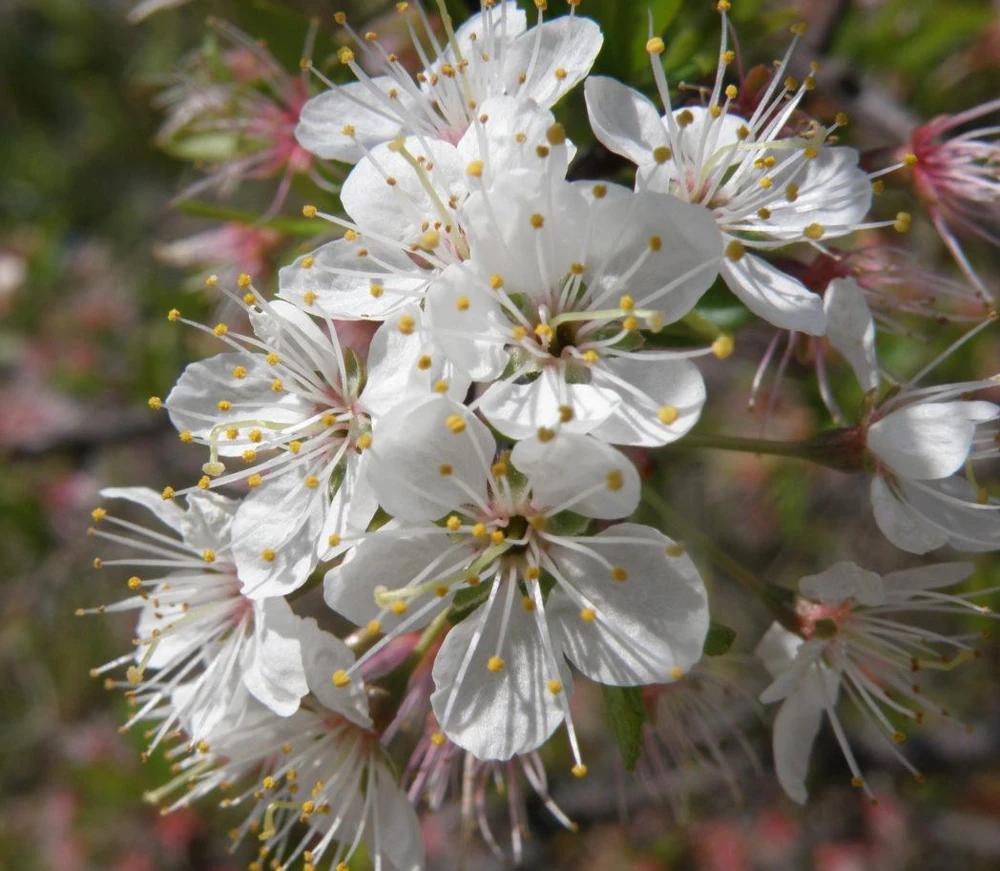
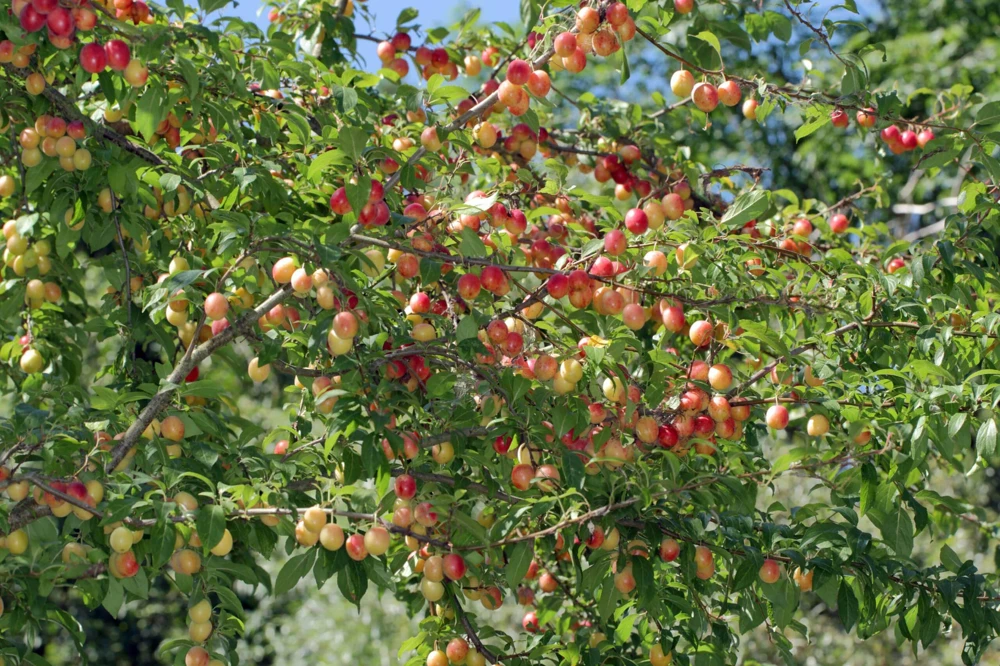
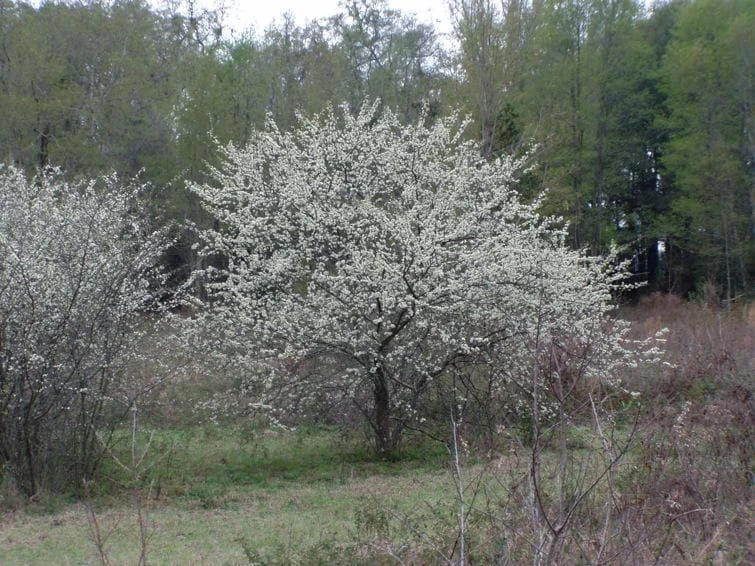
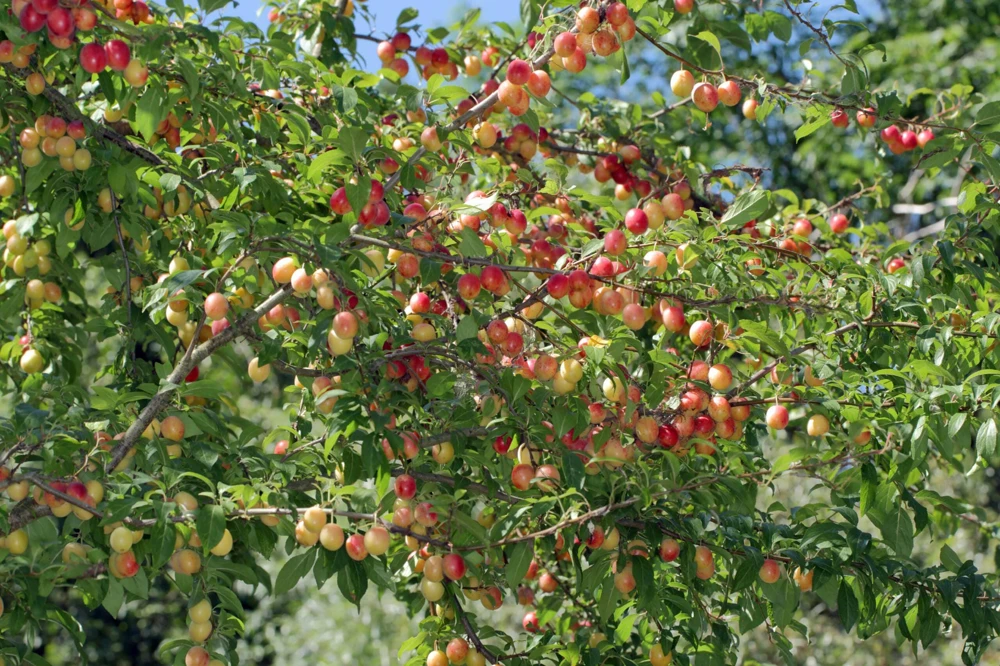
Bring the beauty and bounty of a native North American species to your landscape with our 3-pack of Chickasaw plum tree bare root plants. Each Chickasaw plum tree is a live plant, arriving 12-24 inches tall, ready to establish quickly in your garden. The Chickasaw plum, scientifically known as Prunus angustifolia plant, is a versatile and resilient small tree or shrub. Valued for its early-spring display of fragrant white flowers, followed by a harvest of tart, edible fruit, it also serves as an excellent wildlife habitat tree, attracting pollinators and birds. This particular variety is a fast-growing native plum tree, perfect for those looking to add an ecological and productive element to their outdoor space.
Key Benefits
The Prunus angustifolia plant offers a multitude of advantages for any garden or naturalized area. Its hardiness and adaptability make it a rewarding choice for various climates and soil conditions.
- Edible Fruit Production: Enjoy a seasonal harvest of tart, flavorful plums, perfect for fresh eating, jams, jellies, and pies. This makes it a fantastic choice for a edible plum tree in your home orchard or garden.
- Ecological Value: As a North American native, the Chickasaw plum tree provides crucial food and shelter for local wildlife, including birds, deer, and small mammals, contributing to biodiversity.
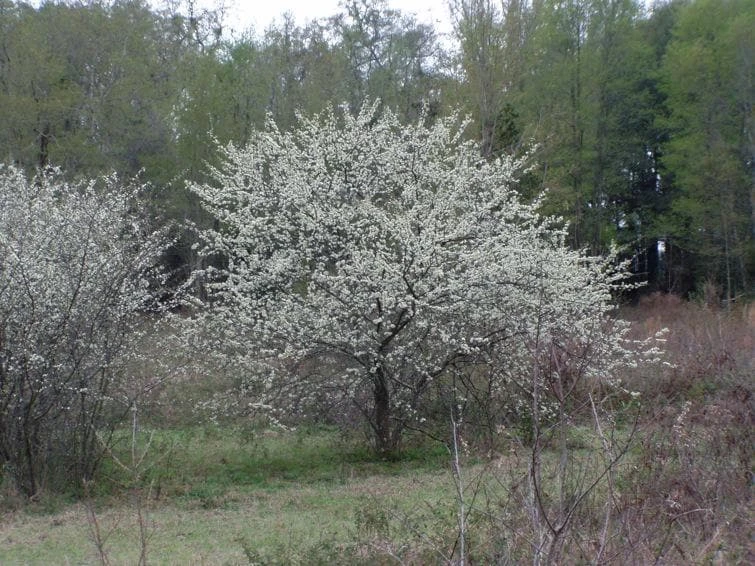
- Attractive Blooms: In early spring, before leaves emerge, the tree is covered in a spectacular display of white, fragrant flowers, adding significant ornamental appeal to your landscape.
- Erosion Control: Its natural tendency to spread by root suckers forms dense thickets, making it an excellent choice for stabilizing slopes and preventing soil erosion.
- Low Maintenance: Once established, the Chickasaw plum is relatively drought-tolerant and requires minimal care, making it suitable for gardeners seeking a resilient and easy-to-grow option.
- Fast Growth: Known for its rapid growth rate, you won’t have to wait long to see this tree establish and begin producing fruit and flowers.
- Versatile Landscaping: Can be grown as a small tree, a shrub, or used to create natural hedges and windbreaks, offering flexible design options.
Plant Care & Growing Tips
Caring for your Chickasaw plum tree is straightforward, especially given its hardy nature. These trees thrive with proper initial planting and some basic ongoing attention. For best results, plant your Prunus angustifolia plant in a location that receives full sun, meaning at least 6-8 hours of direct sunlight per day. While adaptable to various soil types, it prefers well-draining soil. Avoid areas where water tends to stand for long periods, as this can lead to root rot. If your soil is heavy clay, consider amending it with organic matter to improve drainage.
Watering is crucial during the establishment phase. After planting, water deeply and regularly to keep the soil consistently moist but not waterlogged. Once established, the edible plum tree is quite drought-tolerant, though supplemental watering during prolonged dry spells will benefit fruit production. Fertilization is generally not heavily required for this resilient native species. A light application of a balanced, slow-release fertilizer in early spring can promote vigorous growth. Pruning can be done in late winter or early spring to remove dead or diseased branches, shape the tree, and encourage better air circulation and fruit production. Keep an eye out for common pests and diseases, though Chickasaw plums are generally quite resistant.
Size & Details
This offering includes three Chickasaw plum tree bare root plants, each measuring between 12-24 inches tall at the time of shipment. These plants are grown as a native plum tree, typically growing 6 to 12 feet tall, but can reach up to 25 feet under ideal conditions. They will form a rounded, somewhat ‘twiggy’ mass with slender, reddish, and sometimes thorny branches. The trees are shipped bare root, meaning they are dormant and without soil around their roots, which is a common and effective method for shipping deciduous trees and shrubs, ensuring they transplant well. Expect medium to fast growth, with fruit production typically beginning within a few years of planting.
Frequently Asked Questions
- Q: What size are these Chickasaw plum trees when they arrive? A: These Chickasaw plum tree live plants are shipped as bare root specimens, measuring between 12 to 24 inches tall. This size is ideal for easy planting and establishment in your garden.
- Q: Is this an indoor or outdoor plant? A: The Prunus angustifolia plant is an outdoor plant. It is a deciduous tree hardy in USDA zones 5 through 9 and requires outdoor conditions to thrive and produce fruit.
- Q: How much sunlight does a Chickasaw plum tree need? A: A Chickasaw plum tree thrives in full sun, meaning it needs at least 6 to 8 hours of direct sunlight per day for optimal growth, flowering, and fruit production.
- Q: Is this plant easy to care for? A: Yes, the Chickasaw plum is known for being relatively easy to care for. It’s a hardy native species that tolerates a range of conditions once established, making it a good choice for both experienced and novice gardeners.
- Q: What condition will the plants arrive in? A: The plants will arrive as bare root specimens. This means they are dormant and carefully packaged without soil, which helps them travel well and establish quickly when planted.
- Q: How long until this edible plum tree produces fruit? A: An edible plum tree like the Chickasaw plum typically begins to produce fruit within 2 to 5 years after planting, depending on growing conditions and care.
- Q: What USDA hardiness zones is the Chickasaw plum hardy in? A: The Chickasaw plum is hardy in USDA zones 5 through 9, making it suitable for a wide range of climates across the United States.
- Q: Can the Chickasaw plum be used as a wildlife habitat tree? A: Absolutely! The Chickasaw plum is an excellent wildlife habitat tree. Its flowers provide nectar for pollinators, and its fruits are a valuable food source for birds and other wildlife.
- Q: What type of soil does a native plum tree prefer? A: While adaptable, a native plum tree like the Chickasaw plum prefers well-draining soil. It can tolerate sandy or clay soils as long as drainage is adequate.
- Q: Will these trees spread? A: Yes, Chickasaw plums naturally spread by root suckers, forming dense thickets over time. This makes them excellent for erosion control and creating naturalized areas.
Be the first to review “3 Chickasaw Plum Tree Live Plants 12-24″ Tall Bare Root – Outdoor Edible Fruit”
Related products


Trees
Guava Tree Live Plant Pink Tropical Fruit 4-10in Tall Well Rooted for Gardening USDA Zones 9-11

You May Like

Hardneck vs. Softneck Garlic: Which Should You Grow?
Have you ever stood in front of a seed catalog in mid-September, staring at dozens [...]
Oct

When to Plant Music Garlic: Ultimate US Fall Guide
Have you ever spent your fall weekend placing carefully chosen garlic cloves into rich, dark [...]
1 Comment
Oct

5 Best Bulbs for Fall Planting: Brighten Your Garden This Spring
Are you dreaming of a garden full of vibrant colors in the spring? The key [...]
Aug

10 Houseplants That Will Thrive in Your Kitchen
Are you tired of your kitchen feeling dull and lifeless? Want to add a little [...]
1 Comment
Aug
Reviews
There are no reviews yet.