


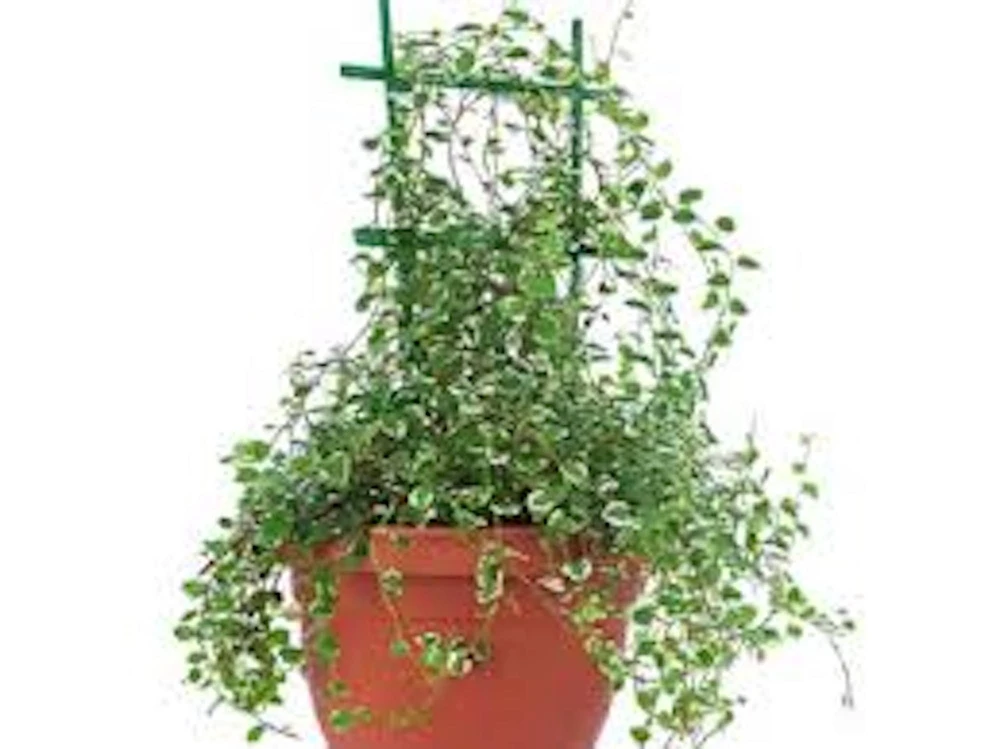
3 Creeping Fig Starter Plants Ficus pumila – Bare Root Live Vine
Original price was: 73.99 $.48.99 $Current price is: 48.99 $.
Get 3 creeping fig starter plants (Ficus pumila) for your landscape. These bare root creeping fig vines are fast-growing and evergreen, perfect for covering walls, fences, and trellises with lush foliage. An easy-care evergreen landscape vine that thrives in various light conditions.
Estimated arrival
Oct 16
Oct 21 - Oct 23
Oct 23 - Oct 28
See our Shipping Policy.
Get in touch with us via email, and our team will review your concerns.
Our Alive & Thrive Guarantee covers issues with your plants within the first 30 days. Read our Refund & Returns Policy.
-
USDA Hardiness Zone
USDA zones 8-11 -
Soil Type
Well-draining soil, rich in organic matter -
Sunlight Exposure
Partial shade to full sun -
Expected Planting Period
Spring to early fall
Overview
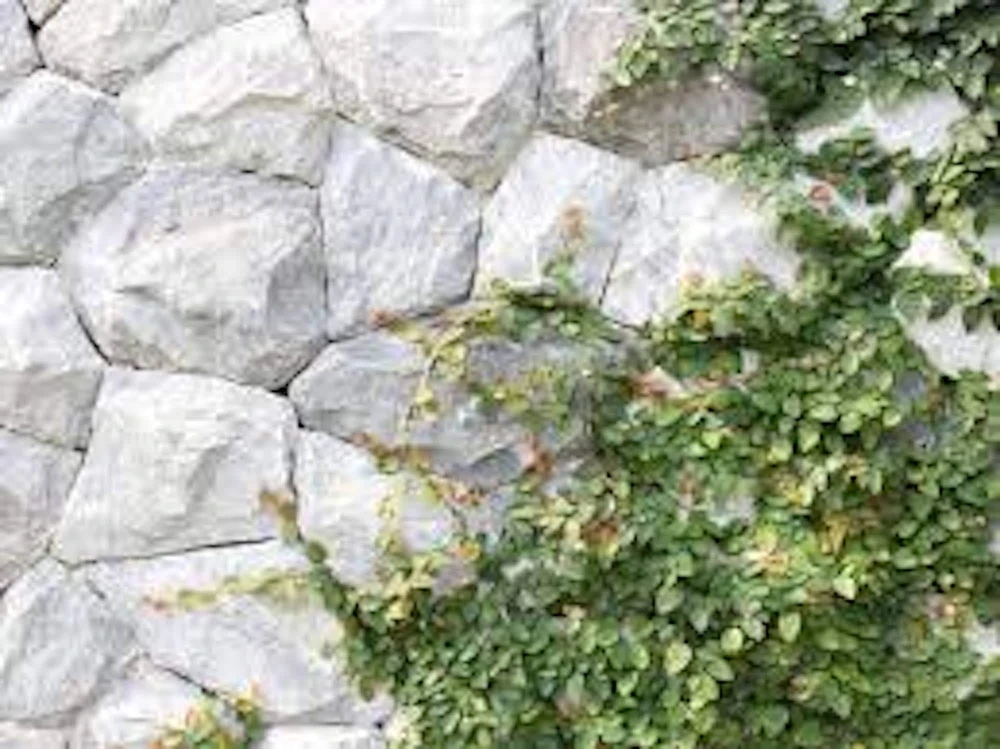
Introduce natural beauty and architectural interest to your garden with these 3 creeping fig starter plants (Ficus pumila). Known for their rapid growth and exceptional climbing ability, these ficus pumila vine specimens are an ideal choice for creating living walls, softening hardscapes, or adding a lush, evergreen backdrop. Each order includes three healthy bare-root plants, ready to establish and transform your outdoor spaces. The creeping fig starter plants are particularly valued for their small, heart-shaped leaves that cling tenaciously to surfaces, providing dense coverage and a vibrant green appeal. This versatile vine is a popular and low-maintenance option for various landscaping needs, offering both aesthetic charm and practical benefits like erosion control.
Ficus pumila vine is a perennial favorite among gardeners for its vigorous growth and adaptability. These creeping fig starter plants are shipped bare root, ensuring they arrive in a dormant state, perfectly prepped for planting and rapid establishment in their new environment. Their ability to thrive in a range of light conditions, from full sun to partial shade, makes them highly adaptable to different garden settings. Whether you’re looking to create a stunning green façade or a natural privacy screen, these evergreen landscape vine plants are an excellent and rewarding choice.
Key Benefits
The creeping fig starter plants offer numerous advantages for any landscape project, combining aesthetic appeal with environmental benefits. Their unique growth habit and robust nature make them a standout choice.
- Exceptional Coverage: The ficus pumila vine is renowned for its ability to quickly cover walls, fences, and trellises, providing a dense, attractive green surface. Its self-clinging nature means it requires minimal support once established, making it perfect for creating living walls or disguising unsightly structures.
- Evergreen Foliage: Enjoy year-round greenery with this evergreen landscape vine. Its persistent leaves maintain their vibrant color through all seasons, ensuring your garden always looks fresh and lively, even in winter.
- Low Maintenance: Once established, creeping fig starter plants are remarkably easy to care for. They are relatively drought-tolerant and not overly demanding regarding soil type or pH, making them suitable for busy gardeners. Regular watering during the first year helps establish a strong root system.
- Versatile Light Tolerance: This vine can adapt to a variety of light conditions, from full sun to partial shade, though it performs best in partial shade or filtered light. This flexibility allows for broader placement options within your landscape design.
- Aesthetic Appeal: The small, delicate leaves create a fine texture that adds sophistication and a natural, soothing element to any outdoor space. It’s an excellent choice for a refined and polished garden look.
- Erosion Control: On slopes or embankments, the dense root system of the ficus pumila vine can help stabilize soil and prevent erosion, making it a functional as well as beautiful plant.
- Fast Growing Climbing Plant: For those looking for quick results, the rapid growth rate of the creeping fig ensures that you won’t have to wait long to see your desired coverage, quickly transforming bare surfaces into lush green canvases.
Plant Care & Growing Tips
Caring for your creeping fig starter plants is straightforward, ensuring a thriving and beautiful display. These plants are shipped bare root, meaning they should be planted as soon as possible upon arrival. Choose a location with well-draining soil, rich in organic matter. While adaptable, the ficus pumila vine prefers partial shade or filtered light for optimal growth, though it can tolerate full sun once established. Ensure the planting hole is wide enough to accommodate the root system without bending. Backfill with soil, gently firming around the roots.
Watering is crucial during the initial establishment phase. For the first year after planting, water regularly and deeply to encourage a strong, extensive root system. Once mature, this evergreen landscape vine becomes more drought-tolerant. Fertilize sparingly; a balanced slow-release fertilizer in spring is usually sufficient. Pruning is essential to control the rapid growth and prevent the vine from becoming too dense or damaging structures. Trim back dense, mature shoots to encourage the development of the more delicate, juvenile foliage that clings best. Protect young plants from extreme cold, especially in the lower end of their hardiness zone.
Be mindful of where you plant your creeping fig starter plants, as their aggressive clinging nature can sometimes damage painted surfaces or mortar if not managed. Regular inspection and pruning will keep the vine contained and healthy. This fast growing climbing plant is resilient and will reward you with dense, vibrant foliage with minimal fuss.
Size & Details
This offering includes 3 creeping fig starter plants (Ficus pumila), shipped as bare root specimens. This means the plants are sent without soil or a pot, allowing for easier transport and a more robust transition to your garden, as they can immediately adapt to your native soil. Each starter plant is healthy and ready for immediate planting upon arrival. The ficus pumila vine is known for its rapid growth, quickly establishing itself and beginning its climb.
Mature creeping fig starter plants can reach impressive heights, often covering large areas. The juvenile foliage, which is responsible for the clinging, typically features small, heart-shaped leaves. As the plant matures, some branches may develop larger, non-clinging leaves that extend away from the surface. These can be pruned to maintain the desired clinging habit. Expect vigorous growth, especially in ideal conditions, allowing you to quickly achieve the lush green coverage you desire with this resilient evergreen landscape vine.
Frequently Asked Questions
- Q: How big do these creeping fig starter plants get? A: Ficus pumila vine can grow quite large, covering extensive areas like walls and fences, often reaching heights of 20-30 feet or more if left unpruned. Its spread is dependent on the surface it’s growing on and available space.
- Q: Is this an indoor or outdoor plant? A: The creeping fig starter plants are primarily grown outdoors in suitable climates (USDA zones 8-11). While it can be grown indoors in pots, it’s a vigorous climber and generally thrives best in an outdoor environment.
- Q: How much sunlight does the ficus pumila vine need? A: It tolerates a range from full sun to partial shade. However, it generally performs best in partial shade or filtered light, especially in hotter climates, to prevent leaf scorch.
- Q: What condition will the bare root creeping fig arrive in? A: Your plants will arrive dormant and bare root, meaning they will be without soil or a pot. This is a common and effective way to ship plants, ensuring they are ready for planting in your garden upon arrival.
- Q: Is this plant easy to care for? A: Yes, once established, the creeping fig starter plants are considered low-maintenance. They are fairly drought-tolerant and not particular about soil, though regular pruning is needed to manage its rapid growth.
- Q: When is the best time to plant these creeping fig starter plants? A: Spring or early fall are generally the best times to plant bare root creeping fig, allowing the plant to establish its root system before extreme weather conditions.
- Q: Will this evergreen landscape vine damage my walls? A: Ficus pumila vine clings strongly to surfaces with aerial roots. It can potentially damage paint or mortar if not properly managed. Regular pruning and training can help mitigate this.
- Q: What kind of soil does this fast growing climbing plant prefer? A: It prefers moist, well-draining soil rich in organic matter. It’s not overly particular about soil type or pH, making it adaptable to various garden conditions.
- Q: How often should I water my new creeping fig starter plants? A: During the first year of growth, water regularly and deeply to encourage strong root development. Once established, it becomes more drought-tolerant, but still benefits from consistent moisture, especially during dry spells.
- Q: Are these plants deer resistant? A: Ficus pumila vine is generally considered deer resistant, though no plant is entirely deer-proof, especially when food sources are scarce.
Be the first to review “3 Creeping Fig Starter Plants Ficus pumila – Bare Root Live Vine”
Related products


You May Like

Hardneck vs. Softneck Garlic: Which Should You Grow?
Have you ever stood in front of a seed catalog in mid-September, staring at dozens [...]
Oct

When to Plant Music Garlic: Ultimate US Fall Guide
Have you ever spent your fall weekend placing carefully chosen garlic cloves into rich, dark [...]
1 Comment
Oct

5 Best Bulbs for Fall Planting: Brighten Your Garden This Spring
Are you dreaming of a garden full of vibrant colors in the spring? The key [...]
Aug

10 Houseplants That Will Thrive in Your Kitchen
Are you tired of your kitchen feeling dull and lifeless? Want to add a little [...]
1 Comment
Aug
Reviews
There are no reviews yet.