
3 Dutchman Breeches Bare Root Dicentra cucullaria
Original price was: 67.99 $.42.99 $Current price is: 42.99 $.
Estimated arrival
Oct 17
Oct 22 - Oct 24
Oct 24 - Oct 29
See our Shipping Policy.
Get in touch with us via email, and our team will review your concerns.
Our Alive & Thrive Guarantee covers issues with your plants within the first 30 days. Read our Refund & Returns Policy.
“`json { “meta_title”: “3 Dutchman’s Breeches Bare Root Plants – Dicentra cucullaria”, “google_title”: “3 Dutchman’s Breeches Bare Root Plants – Dicentra cucullaria Wildflower”, “meta_description”: “Grow 3 Dutchman’s Breeches bare root plants (Dicentra cucullaria) for delicate white flowers resembling pantaloons. Perfect native wildflower for shade gardens.”, “meta_focus_keyword”: “Dutchman’s Breeches bare root, Dicentra cucullaria plant, native woodland plant, unique shade perennial, white spring wildflower”, “categories”: “Flower Plants”, “google_product_category_path”: “Home & Garden> Plants> Flowers”, “google_product_category_id”: “unknown”, “short_description”: “
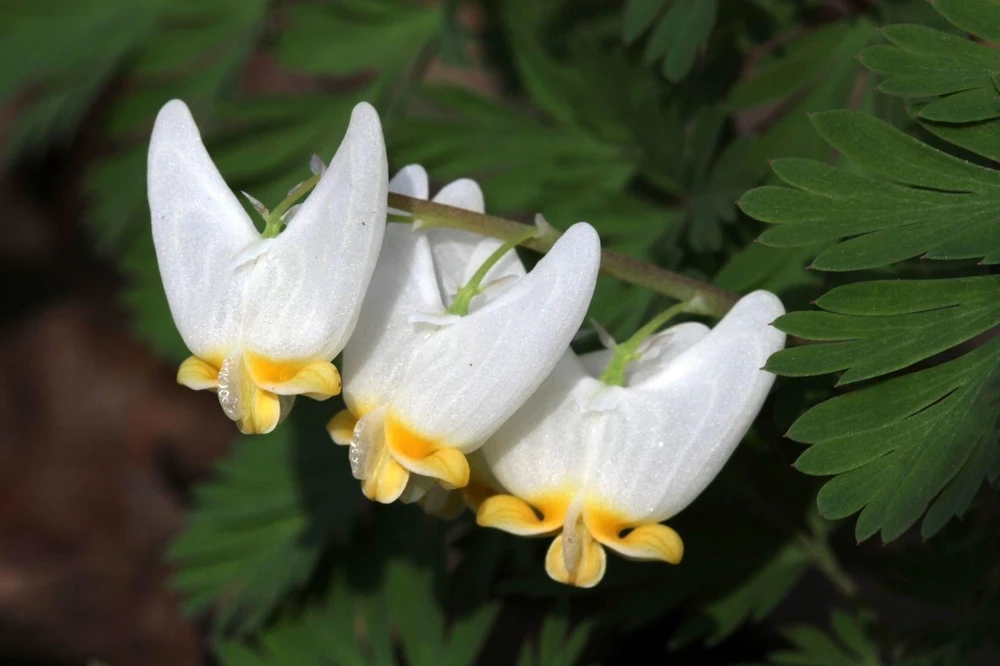
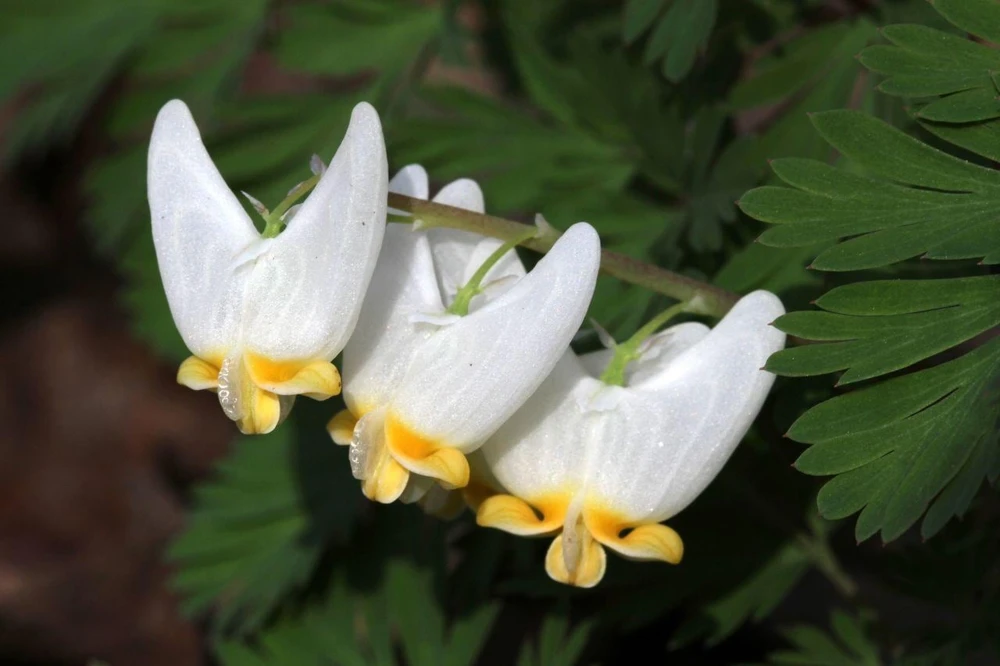
Cultivate the charming Dutchman’s Breeches bare root (Dicentra cucullaria) in your garden. This native North American perennial wildflower features distinctive white, pantalon-shaped blooms, adding unique beauty to shaded areas. A delightful and delicate addition for spring color.
“, “long_description”: “
Overview
n
Introduce the captivating Dutchman’s Breeches bare root (Dicentra cucullaria) to your garden and enjoy its unique charm. This native North American perennial wildflower is beloved for its delicate, intricate white flowers that strikingly resemble tiny, upside-down pantaloons, giving it its whimsical common name. Arriving as 3 Dutchman’s Breeches bare root plants, these dormant root structures are ready to be planted and establish themselves, promising a delightful display of spring blooms. Dicentra cucullaria thrives in woodland settings, bringing a touch of natural elegance to shaded garden beds, rock gardens, or naturalized areas. Its unique appearance and early spring flowering habit make it a prized addition for gardeners seeking to create a truly enchanting landscape.
n
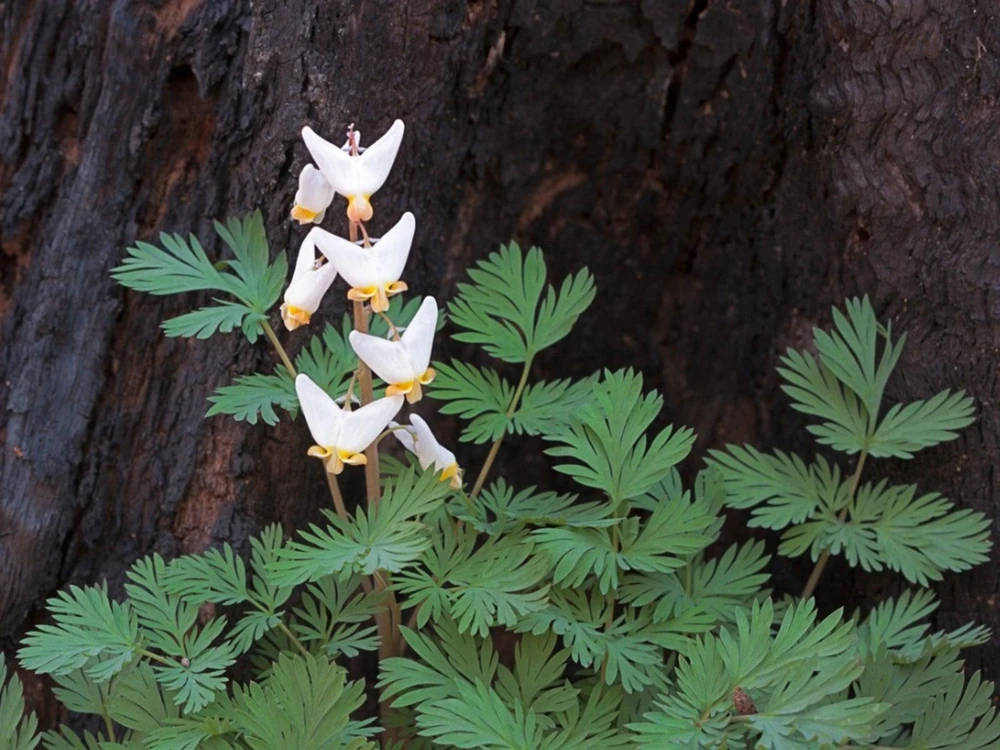
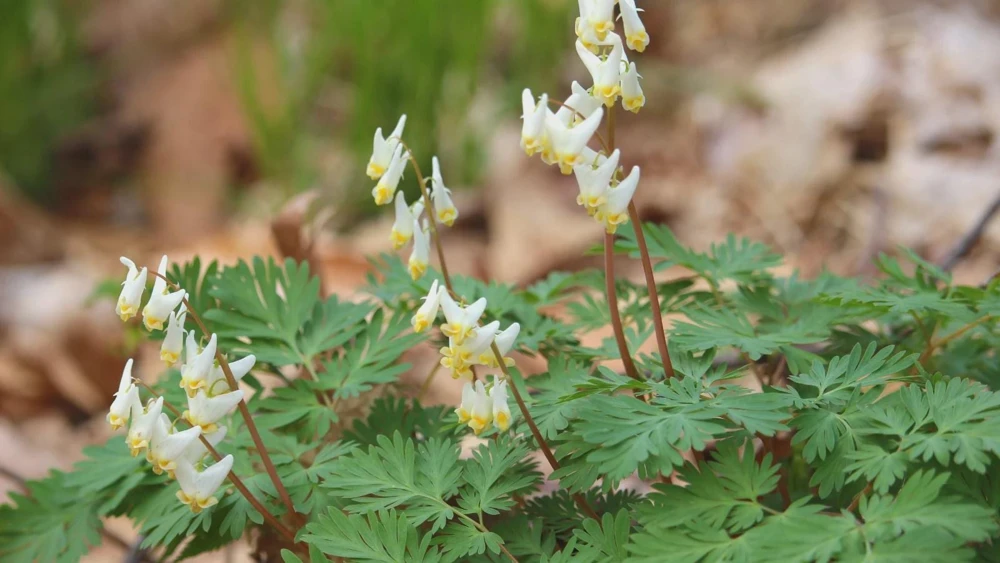
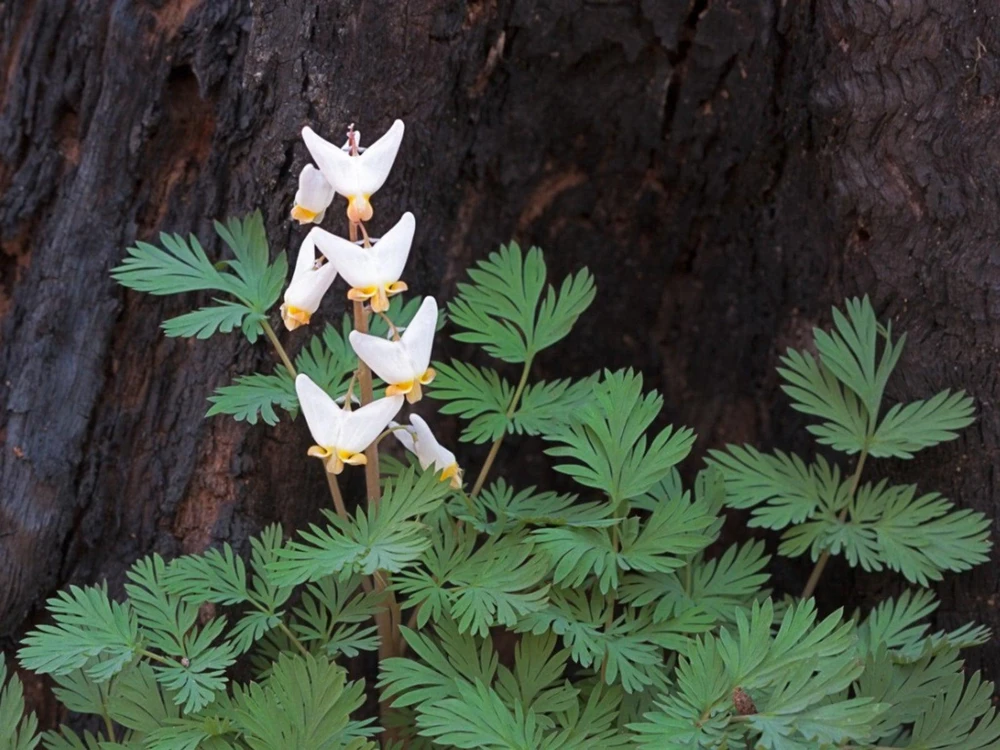
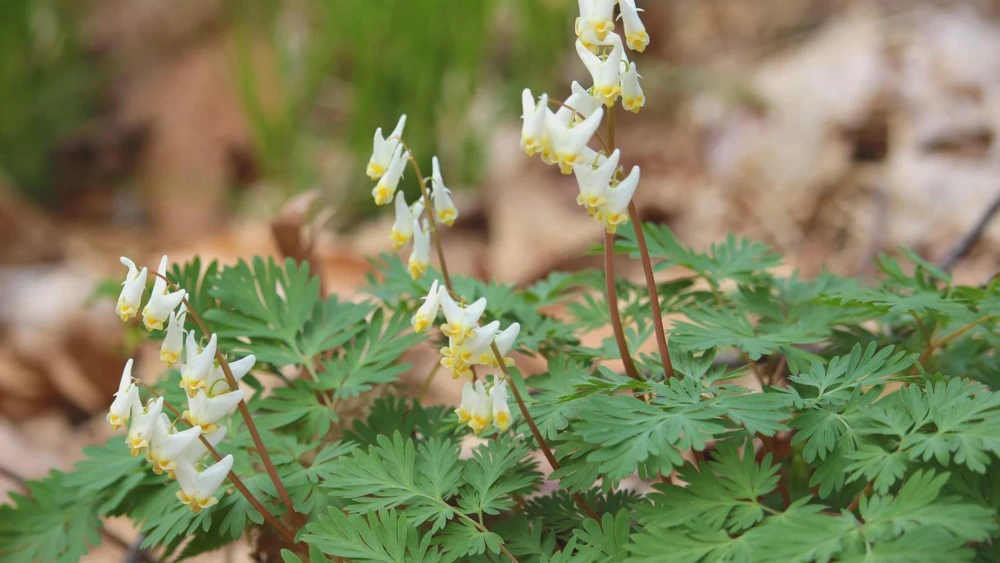
The Dicentra cucullaria plant is a true harbinger of spring, emerging with fern-like, deeply cut foliage before unfurling its characteristic blossoms. These plants are easy to care for once established, making them an excellent choice for both novice and experienced gardeners. By choosing Dutchman’s Breeches bare root, you’re investing in a resilient and beautiful native species that will return year after year, enhancing the biodiversity and aesthetic appeal of your outdoor space. Its delicate beauty and interesting form make it a conversation starter in any shade garden.
n
Key Benefits
n
Adding the Dutchman’s Breeches bare root to your garden offers a multitude of benefits, transforming your shaded areas into a vibrant, enchanting display:
n
- n
- Unique Aesthetic Appeal: The most striking feature of the Dicentra cucullaria plant is its distinctive white, pant-shaped flowers, which are truly unlike any other. These whimsical blooms provide a unique visual interest and a conversation piece for your garden.
- Early Spring Bloom: As one of the first wildflowers to emerge in spring, Dutchman’s Breeches offers much-needed color and life to the garden after winter, often blooming before many other perennials.
- Native Wildflower: This plant is a native woodland plant to North America, making it perfectly adapted to local climates and soils. It supports local ecosystems and requires less intervention than non-native species.
- Low Maintenance: Once established, Dutchman’s Breeches is a relatively low-maintenance perennial. It’s tolerant of various conditions within its preferred shade environment and doesn’t require extensive care.
- Shade Garden Star: Excelling in partial to full shade, this plant is ideal for brightening up darker corners of your garden where many other flowering plants struggle to thrive.
- Pollinator Friendly: The early spring flowers provide a valuable nectar source for early emerging pollinators, contributing to a healthy garden ecosystem.
- Deer Resistant: Generally, deer tend to avoid Dutchman’s Breeches, making it a good choice for gardens in areas with deer populations.
n
n
n
n
n
n
n
n
Plant Care & Growing Tips
n
Caring for your Dutchman’s Breeches bare root is straightforward, especially when planted in the right conditions. This native woodland plant prefers a location with partial to full shade, mimicking its natural habitat beneath deciduous trees. Avoid direct, intense afternoon sun, which can scorch its delicate foliage. Morning sun or dappled light throughout the day is ideal. For soil, a rich, well-draining, and consistently moist medium is best. Incorporating organic matter like compost or leaf mold will provide essential nutrients and improve soil structure, creating an ideal environment for the Dicentra cucullaria plant to flourish.
n
Watering should be consistent, especially during dry spells in spring and early summer while the plant is actively growing and blooming. The soil should remain moist but never waterlogged, as this can lead to root rot. After blooming, the foliage of Dutchman’s Breeches often goes dormant, or “disappears,” by mid-summer, especially in warmer climates. This is a natural process, so do not be alarmed if the plant seems to vanish. It will re-emerge the following spring. Fertilization is generally not heavily required; a light application of a balanced, slow-release granular fertilizer in early spring or a top-dressing of compost is usually sufficient. This unique shade perennial is hardy in USDA Zones 3-7, tolerating cold winters and thriving in a range of temperate climates.
n
Size & Details
n
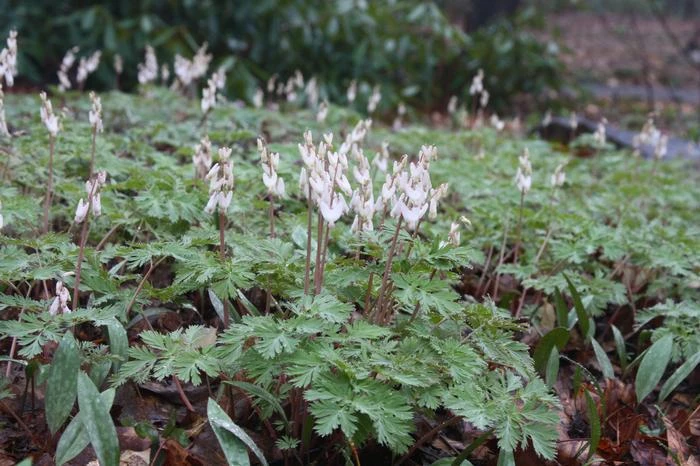
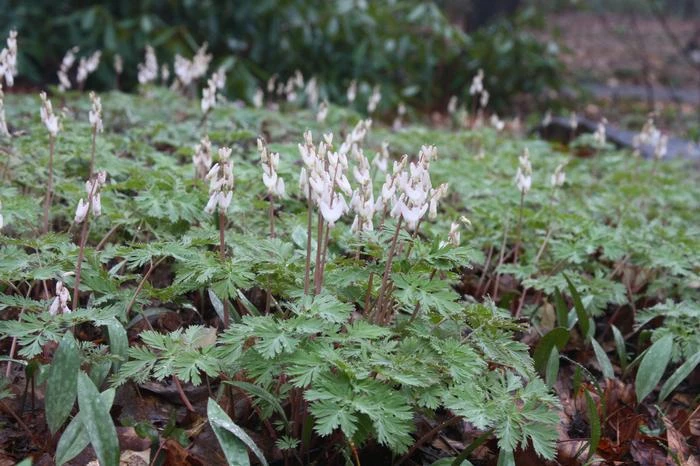
This offering includes 3 Dutchman’s Breeches bare root plants, providing a solid foundation for establishing a beautiful patch of these charming wildflowers. Each bare root is a dormant, living plant section, carefully prepared for optimal transplanting and growth. When mature, the Dicentra cucullaria plant typically reaches a height of 6-12 inches (15-30 cm) and spreads similarly, forming attractive clumps of fern-like foliage. The delicate flowers emerge in early to mid-spring, usually in April or May, depending on your specific climate and hardiness zone.
n
These plants have a moderate growth rate, establishing well in their first year and gradually expanding their presence over subsequent seasons. They are known for their ephemeral nature, with foliage often dying back by mid-summer as temperatures rise, allowing them to conserve energy for the next spring’s bloom. This makes them excellent companions for later-emerging perennials that can fill the space once the Dutchman’s Breeches goes dormant. Expect these bare roots to develop into robust, flowering plants within one to two growing seasons, providing a reliable source of white spring wildflower beauty.
n
Frequently Asked Questions
n
- n
- Q: How big does this plant get? A: The Dutchman’s Breeches bare root plant typically grows to a height of 6 to 12 inches (15-30 cm) and spreads similarly, forming a compact clump.
- Q: Is this an indoor or outdoor plant? A: Dutchman’s Breeches (Dicentra cucullaria) is an outdoor perennial wildflower, best suited for shade gardens and woodland settings.
- Q: How much sunlight does it need? A: This unique shade perennial thrives in partial to full shade, preferring dappled sunlight or morning sun and protection from harsh afternoon rays.
- Q: Is this plant easy to care for? A: Yes, once established in the right conditions (shade, moist, well-draining soil), Dutchman’s Breeches is a relatively low-maintenance plant, making it suitable for gardeners of various skill levels.
- Q: What condition will the bare roots arrive in? A: Your order includes 3 Dutchman’s Breeches bare root plants, which are dormant root sections ready for planting, carefully packaged to ensure their health upon arrival.
- Q: When is the best time to plant Dutchman’s Breeches bare root? A: The ideal time to plant bare root Dutchman’s Breeches is in early spring, as soon as the soil can be worked, or in the fall before the ground freezes.
- Q: Will the foliage disappear in summer? A: Yes, it is common for the foliage of the Dicentra cucullaria plant to go dormant and die back by mid-summer, especially in warmer regions. This is a natural part of its life cycle.
- Q: What’s the minimum temperature this plant can tolerate? A: This native woodland plant is hardy in USDA Zones 3-7, meaning it can withstand winter temperatures well below freezing.
- Q: What kind of soil does it prefer? A: Dutchman’s Breeches prefers rich, well-draining soil that remains consistently moist, mimicking its natural woodland habitat.
- Q: How long until it blooms after planting? A: You can expect the white spring wildflower blooms to appear in the first or second spring after planting, once the plant has established itself.
n
n
n
n
n
n
n
n
n
n
“, “key_features”: { “usda_zone”: “USDA Zones 3-7”, “soil_type”: “Rich, well-draining, consistently moist soil”, “sunlight_exposure”: “Partial to full shade”, “expected_planting_period”: “Early spring or fall” } } “`
Be the first to review “3 Dutchman Breeches Bare Root Dicentra cucullaria”
Related products


You May Like

Hardneck vs. Softneck Garlic: Which Should You Grow?
Have you ever stood in front of a seed catalog in mid-September, staring at dozens [...]
Oct

When to Plant Music Garlic: Ultimate US Fall Guide
Have you ever spent your fall weekend placing carefully chosen garlic cloves into rich, dark [...]
1 Comment
Oct

5 Best Bulbs for Fall Planting: Brighten Your Garden This Spring
Are you dreaming of a garden full of vibrant colors in the spring? The key [...]
Aug

10 Houseplants That Will Thrive in Your Kitchen
Are you tired of your kitchen feeling dull and lifeless? Want to add a little [...]
1 Comment
Aug
Reviews
There are no reviews yet.