
3 Japanese Black Pine (Pinus thunbergii) Starter Trees – Bare Root Evergreen
Original price was: 99.99 $.74.99 $Current price is: 74.99 $.
Bring the beauty of Japan to your garden with this set of 3 Japanese Black Pine bare root starter trees. Known for their rugged form and dark bark, these Pinus thunbergii starter tree specimens are ideal for creating stunning landscapes or beginning your bonsai journey. These hardy evergreens adapt well to various conditions, offering a classic aesthetic.
Estimated arrival
Oct 16
Oct 21 - Oct 23
Oct 23 - Oct 28
See our Shipping Policy.
Get in touch with us via email, and our team will review your concerns.
Our Alive & Thrive Guarantee covers issues with your plants within the first 30 days. Read our Refund & Returns Policy.
-
USDA Hardiness Zone
USDA Zones 5-9 -
Soil Type
Well-draining soil -
Sunlight Exposure
Full sun -
Expected Planting Period
Late winter to early spring (dormant season)
Overview
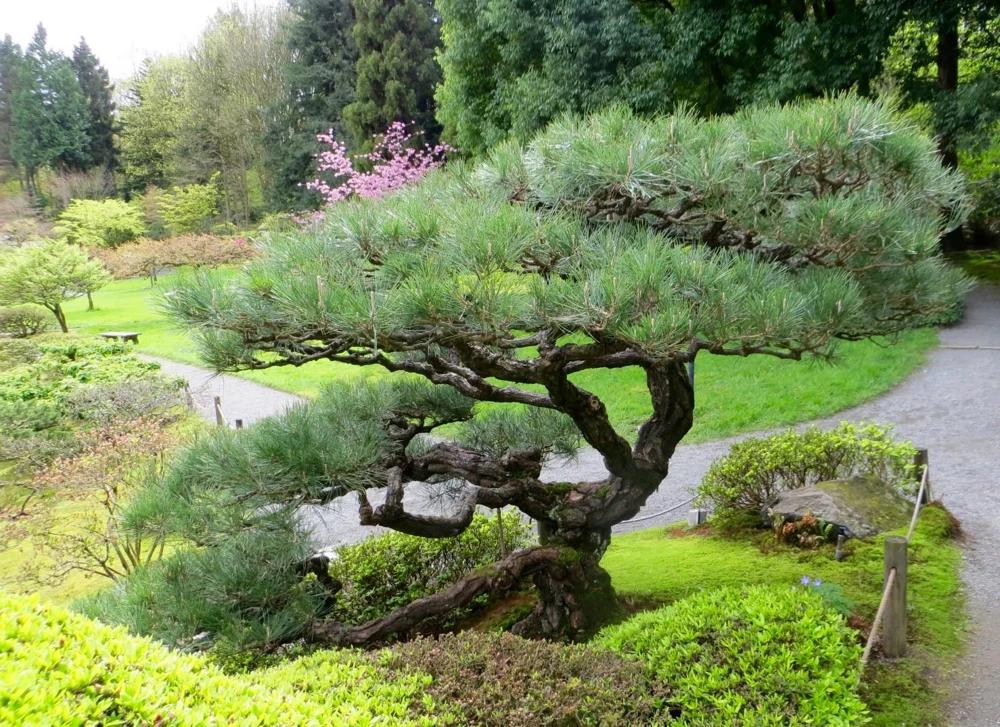
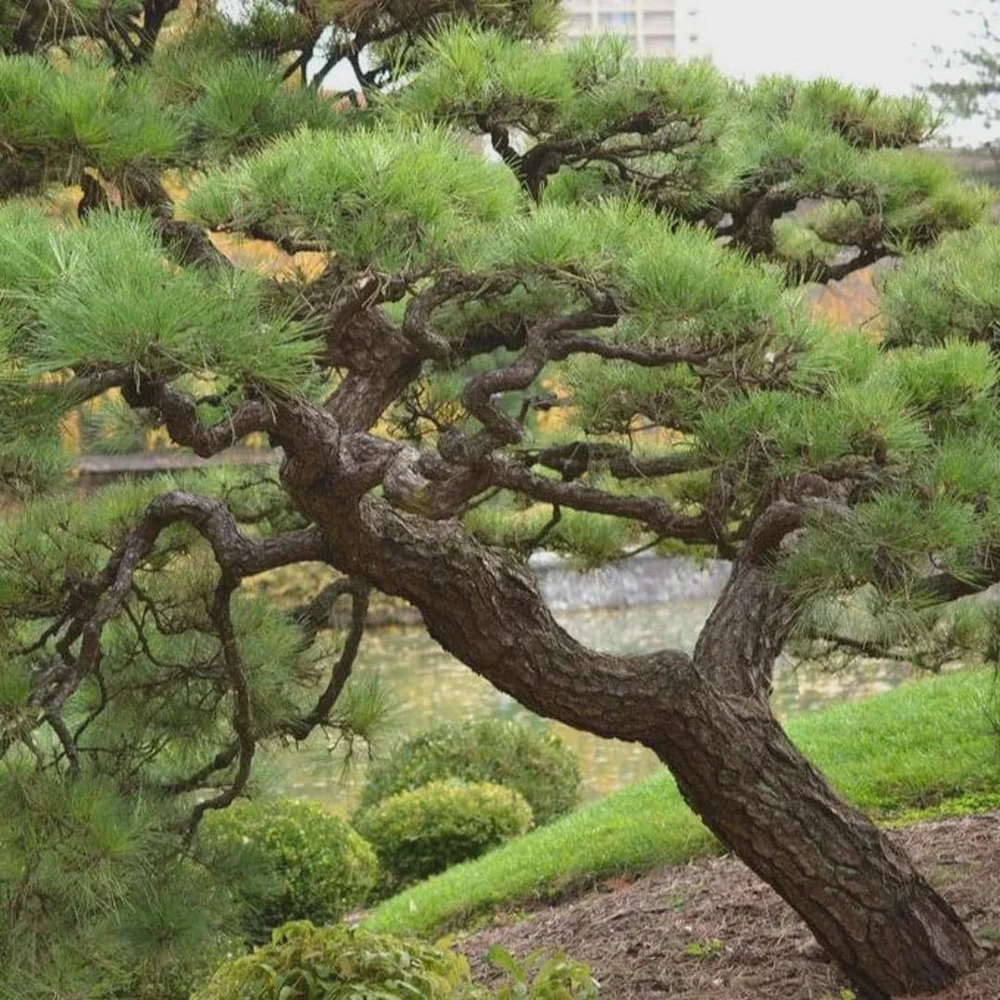
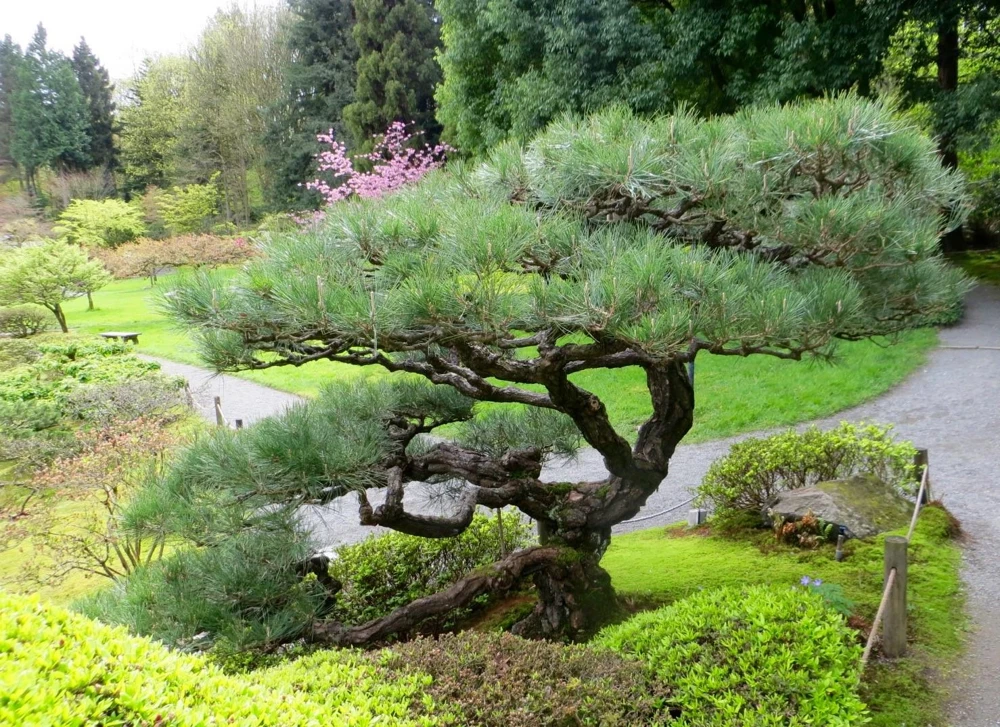
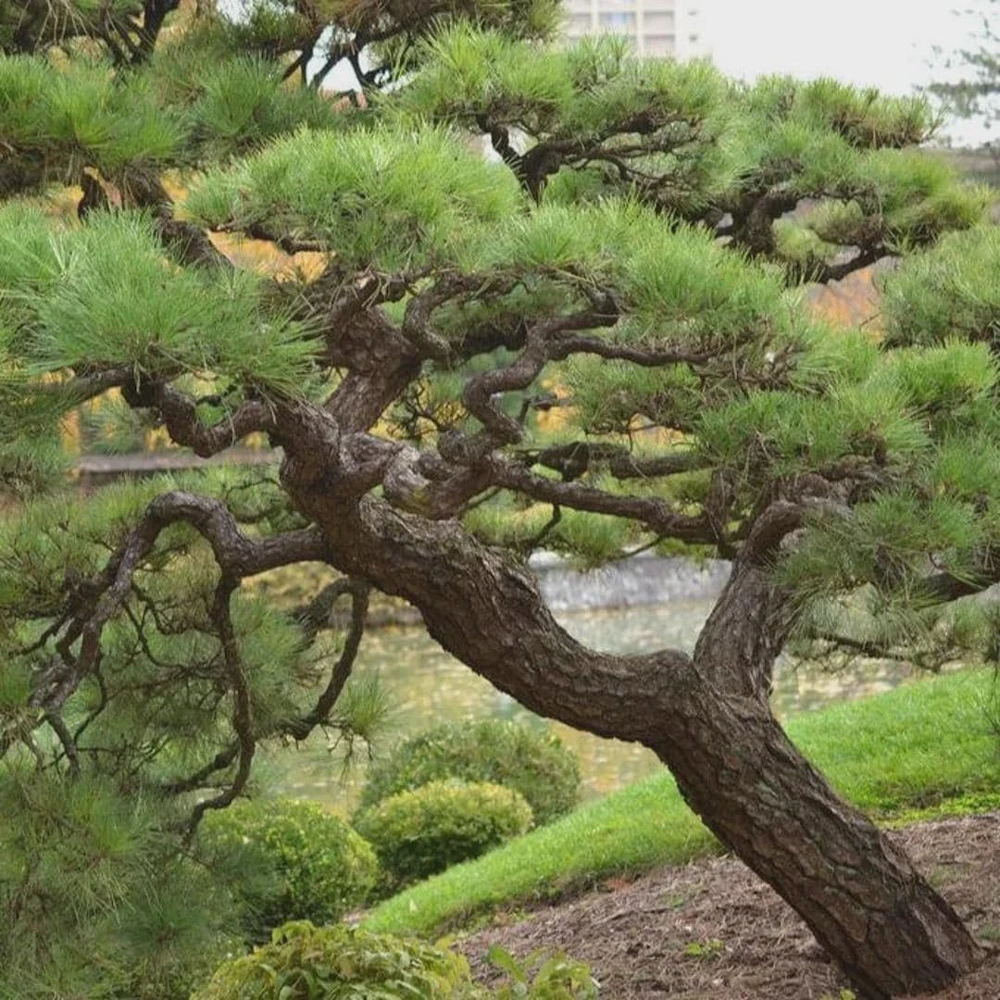
Introduce a touch of timeless elegance to your garden or bonsai collection with our set of 3 Japanese Black Pine bare root starter trees. The Japanese Black Pine (Pinus thunbergii) is an iconic evergreen conifer, highly prized for its rugged, irregular form and distinctive dark gray-to-black scaly bark. Native to the coastal regions of Japan and South Korea, this species is a cornerstone of traditional Japanese gardening and one of the most classic subjects for bonsai art. These Pinus thunbergii starter tree plants arrive in a dormant, bare root state, ready for planting to establish strong root systems. They offer excellent potential for shaping and training, making them a favorite among both seasoned gardeners and bonsai enthusiasts looking for a resilient and aesthetically pleasing specimen. Each live plant is carefully prepared to ensure a successful transition to your landscape.
The Japanese Black Pine bare root is celebrated for its ability to withstand harsh coastal conditions, including salt spray and strong winds, making it a robust choice for various environments. Its natural resilience and striking appearance contribute to its popularity. Whether you envision a majestic garden specimen or a meticulously sculpted bonsai, these starter trees provide a solid foundation for growth and artistic expression. This offering allows you to cultivate a piece of living art, enjoying the process of nurturing these beautiful evergreens from their initial bare root stage.
Key Benefits
Cultivating a Black Pine live plant offers a multitude of benefits, from aesthetic appeal to environmental resilience. These trees are not just plants; they are living sculptures that evolve with your care and the seasons.
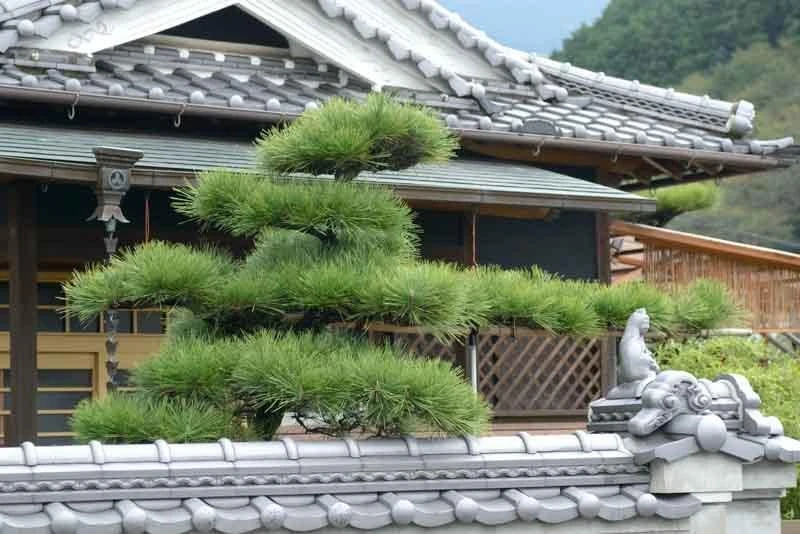
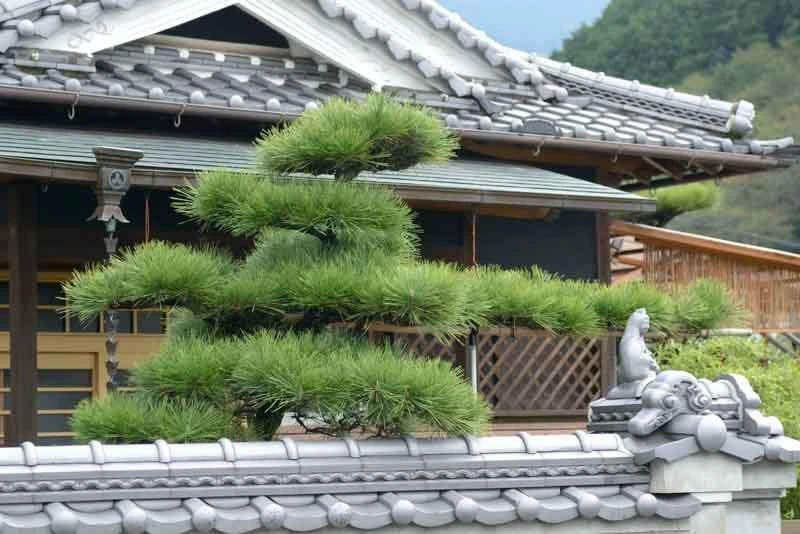
- Iconic Aesthetic Appeal: The Japanese Black Pine bare root is renowned for its picturesque, rugged silhouette and dark, textured bark, providing year-round visual interest and a classic, serene garden ambiance. It’s a staple for creating traditional Japanese garden designs.
- Excellent for Bonsai: Highly favored by bonsai artists, the Pinus thunbergii starter tree responds exceptionally well to training and shaping, allowing for the creation of intricate, living art pieces that embody ancient traditions.
- Drought & Salt Tolerant: Originating from coastal areas, these pines are remarkably tolerant of drought and salt spray, making them an ideal choice for challenging landscapes or coastal gardens where other species might struggle.
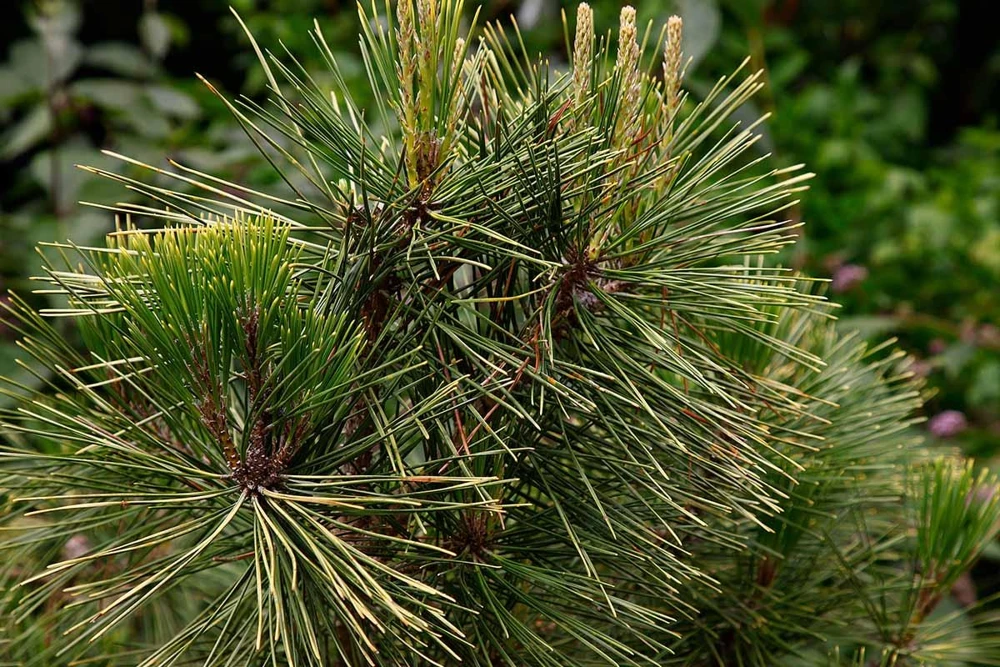
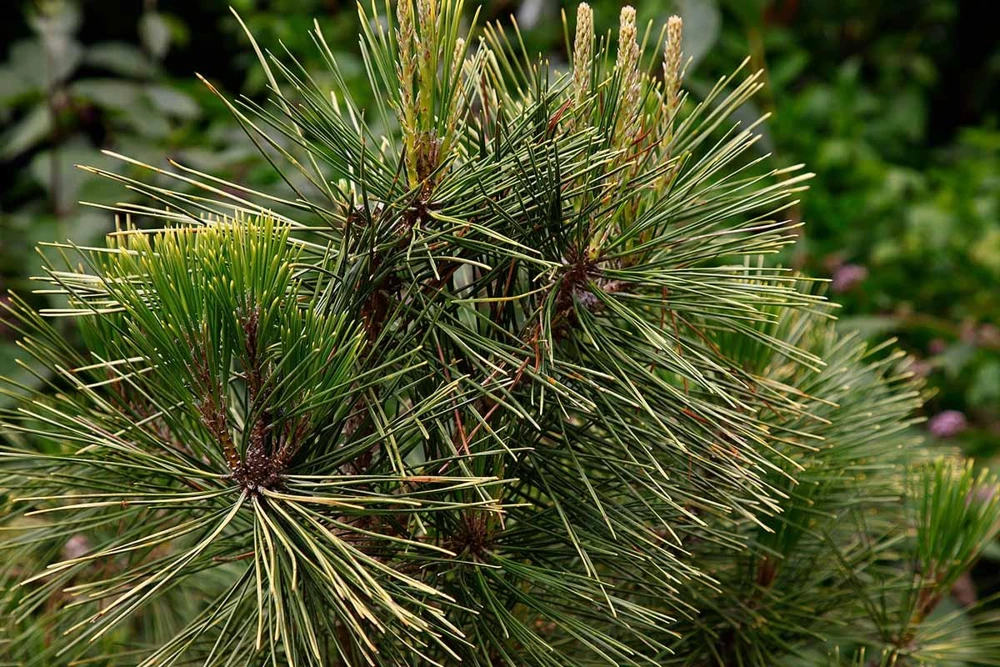
- Hardy Evergreen: As an evergreen conifer, the Japanese Black Pine bare root maintains its vibrant green needles throughout the year, ensuring continuous beauty even in colder months and providing structural interest when deciduous trees are bare.
- Long Lifespan: With proper care, these trees can live for many decades, even centuries, becoming a long-term fixture in your garden and a legacy for future generations.
- Versatile Landscaping: Suitable for a variety of landscaping applications, from specimen trees in a large garden to windbreaks or even container planting when young. Its adaptable nature makes growing Japanese Black Pine rewarding.
- Promotes Serenity: The presence of a well-established pine, especially one with the dignified form of the Japanese Black Pine, can evoke a sense of calm and tranquility, enhancing the meditative quality of any outdoor space.
Plant Care & Growing Tips
To ensure your 3 Japanese Black Pine bare root starter trees thrive, understanding their specific care requirements is crucial. These hardy trees prefer a location with full sun, meaning at least 6-8 hours of direct sunlight per day. While they are tolerant of a range of conditions, optimal growth is achieved with consistent light exposure. When planting, choose a site with well-draining soil. Japanese Black Pines are not particular about soil pH but detest ‘wet feet,’ so ensure the planting area doesn’t retain excessive moisture. Amending heavy clay soils with organic matter or sand can improve drainage significantly. For growing Japanese Black Pine successfully, good air circulation around the needles is also beneficial.
Watering is critical during the establishment phase, especially for bare root plants. Keep the soil consistently moist but not waterlogged for the first year. Once established, the Japanese Black Pine (Pinus thunbergii) is quite drought-tolerant, though occasional deep watering during prolonged dry spells will be appreciated. Fertilize sparingly; a balanced, slow-release granular fertilizer formulated for evergreens can be applied in early spring. Over-fertilization can harm pines. Pruning is often done to maintain shape and encourage dense growth, particularly if you are cultivating a Japanese Black Pine for bonsai. This typically involves candle pruning in spring to control growth and needle reduction. These trees are hardy in USDA Zones 5-9.
Monitor your Black Pine live plant for common pests like pine needle scale or aphids, and diseases such as pine wilt, though they are generally robust. Good cultural practices, including proper watering and air circulation, help prevent many issues. Winter protection for young trees in colder zones might include mulching around the base to insulate roots. Remember that a Pinus thunbergii starter tree will require patience and consistent care in its initial years to develop into a strong, magnificent specimen. The hardiness and adaptability of the Japanese Black Pine bare root make it a rewarding choice for many gardeners.
Size & Details
This offering includes 3 Japanese Black Pine bare root starter trees. Each plant is shipped in its dormant, bare root state, which is the ideal way to transplant these trees for robust root development and establishment. The exact size of the bare root stock can vary, but they are typically young, healthy specimens ready for planting. When mature, the Japanese Black Pine (Pinus thunbergii) can reach impressive heights of 20-60 feet with a spread of 20-40 feet in a garden setting, though they are often kept much smaller through pruning, especially when grown as a Japanese Black Pine for bonsai. Growth rate is moderate, typically adding 12-24 inches per year under optimal conditions.
The bare root form allows the plant to focus its energy on root growth once planted, leading to a stronger foundation. These trees are long-lived, providing decades of beauty and enjoyment. They are suitable for a variety of landscape designs, from traditional Japanese gardens to modern xeriscapes. The distinctive dark bark and stiff, dark green needles provide significant textural interest year-round. While shipped bare root, once established, these trees require minimal long-term maintenance, making them an excellent investment for your garden. For best results, plant these Pinus thunbergii starter tree plants as soon as possible after arrival.
Frequently Asked Questions
- Q: How big do these Japanese Black Pine starter trees get? A: In a garden setting, a mature Japanese Black Pine (Pinus thunbergii) can reach 20-60 feet tall and 20-40 feet wide. However, they can be kept much smaller through regular pruning, especially if you’re cultivating a Japanese Black Pine for bonsai.
- Q: Is this an indoor or outdoor plant? A: The Japanese Black Pine bare root is an outdoor plant. It requires full sun and is best suited for garden landscapes, rock gardens, or as a hardy outdoor bonsai specimen. It is not recommended for long-term indoor growth.
- Q: How much sunlight does the Japanese Black Pine need? A: These trees thrive in full sun, requiring at least 6-8 hours of direct sunlight per day for optimal growth and health. Adequate sun exposure is key to successfully growing Japanese Black Pine.
- Q: What condition will the trees arrive in? A: Your 3 Japanese Black Pine bare root starter trees will arrive in a dormant, bare root state. This means they will not have soil around their roots, which is a common and effective method for shipping deciduous and certain evergreen trees for successful transplanting.
- Q: Is this plant easy to care for? Is it good for beginners? A: While generally hardy, growing Japanese Black Pine from bare root requires some attention to initial establishment. Once established, they are relatively low-maintenance, especially in suitable climates. For bonsai, it requires more advanced care.
- Q: When is the best time to plant these bare root trees? A: The ideal time to plant bare root trees is typically in late winter or early spring, when the plant is still dormant. This allows the roots to establish before the stress of summer heat.
- Q: What kind of soil is best for a Black Pine live plant? A: Japanese Black Pines prefer well-draining soil. They can tolerate a range of soil types, including sandy or loamy soils, but good drainage is crucial to prevent root rot.
- Q: Will it survive winter in my zone? A: The Japanese Black Pine bare root is hardy in USDA Zones 5-9. If you are in these zones, it should tolerate winter conditions. In colder parts of Zone 5, some winter protection for young plants may be beneficial.
- Q: How long does it take for a bare root Japanese Black Pine to establish? A: It typically takes one to two growing seasons for a bare root Pinus thunbergii starter tree to fully establish its root system and show significant new growth. Consistent watering during this period is vital.
- Q: Can I use these trees for bonsai immediately? A: While these are excellent candidates for bonsai, it’s generally recommended to allow the Black Pine live plant to establish in the ground or a larger training pot for 1-2 years after planting from bare root before beginning intensive bonsai training.
Be the first to review “3 Japanese Black Pine (Pinus thunbergii) Starter Trees – Bare Root Evergreen”
Related products


You May Like

Hardneck vs. Softneck Garlic: Which Should You Grow?
Have you ever stood in front of a seed catalog in mid-September, staring at dozens [...]
Oct

When to Plant Music Garlic: Ultimate US Fall Guide
Have you ever spent your fall weekend placing carefully chosen garlic cloves into rich, dark [...]
1 Comment
Oct

5 Best Bulbs for Fall Planting: Brighten Your Garden This Spring
Are you dreaming of a garden full of vibrant colors in the spring? The key [...]
Aug

10 Houseplants That Will Thrive in Your Kitchen
Are you tired of your kitchen feeling dull and lifeless? Want to add a little [...]
1 Comment
Aug
Reviews
There are no reviews yet.