
3 Phantom Hydrangea Starter Plant Bare Root – 6-8″ Tall – Outdoor Shrub
Original price was: 105.99 $.80.99 $Current price is: 80.99 $.
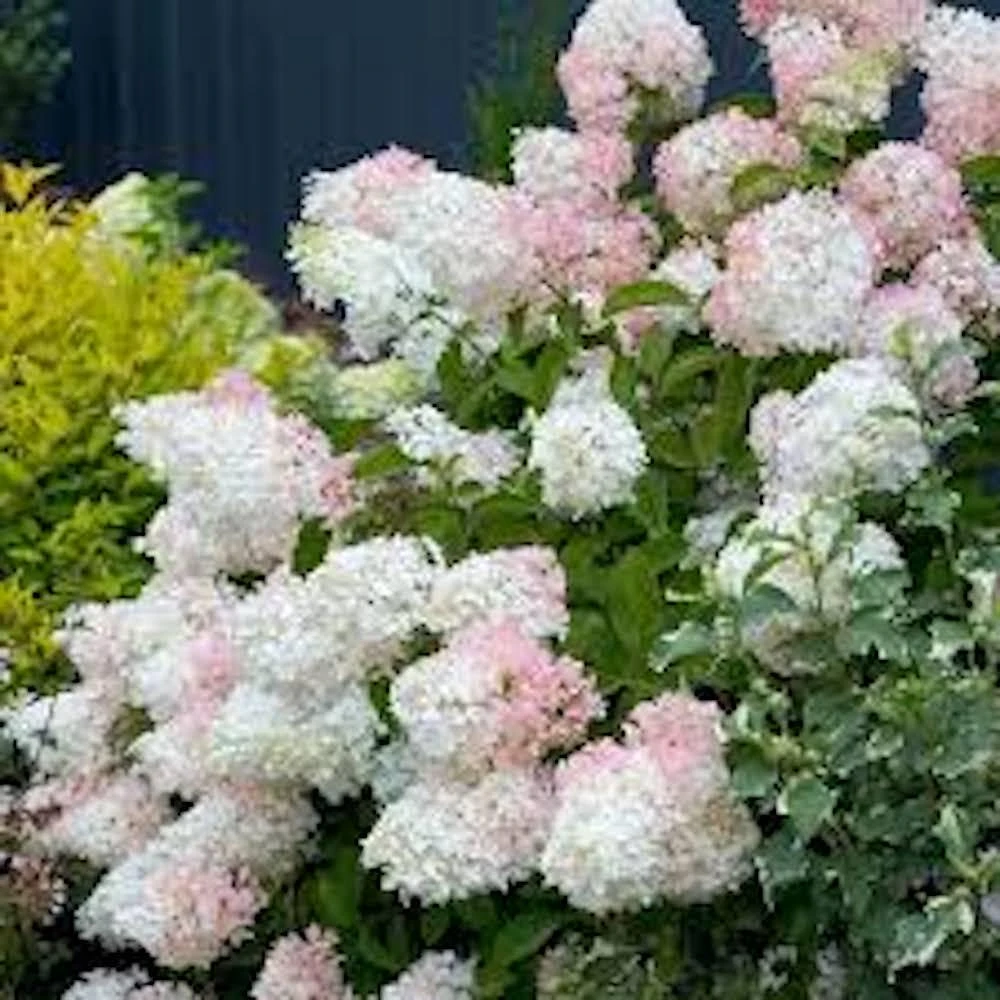
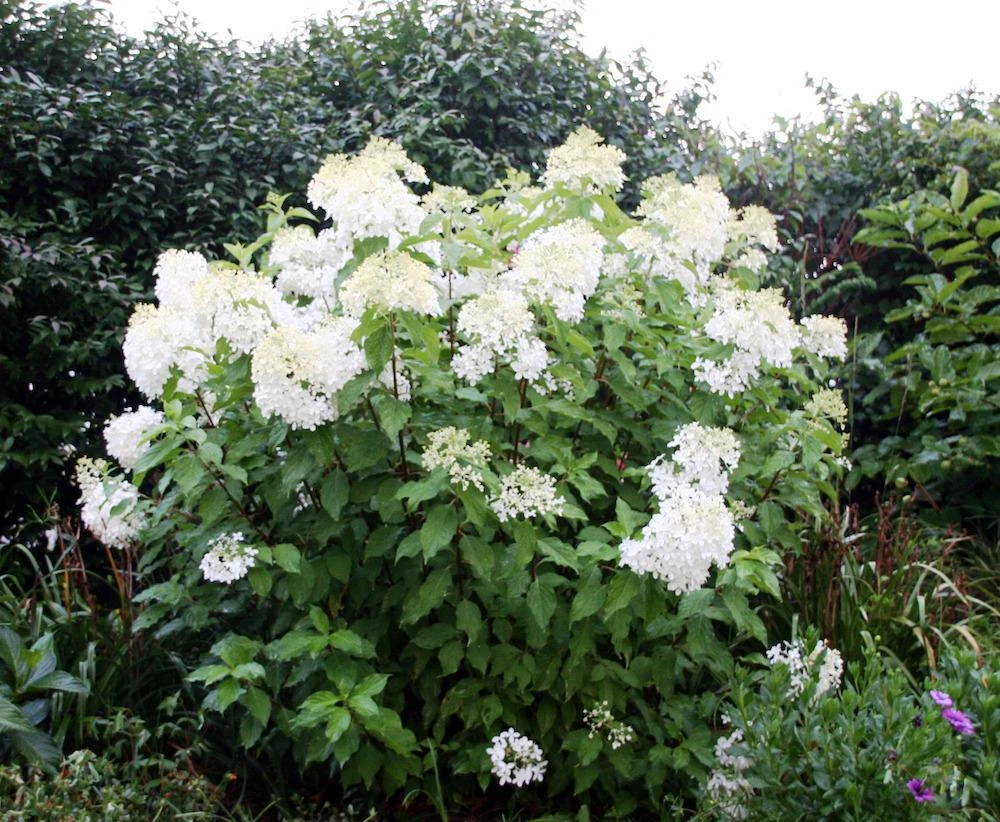
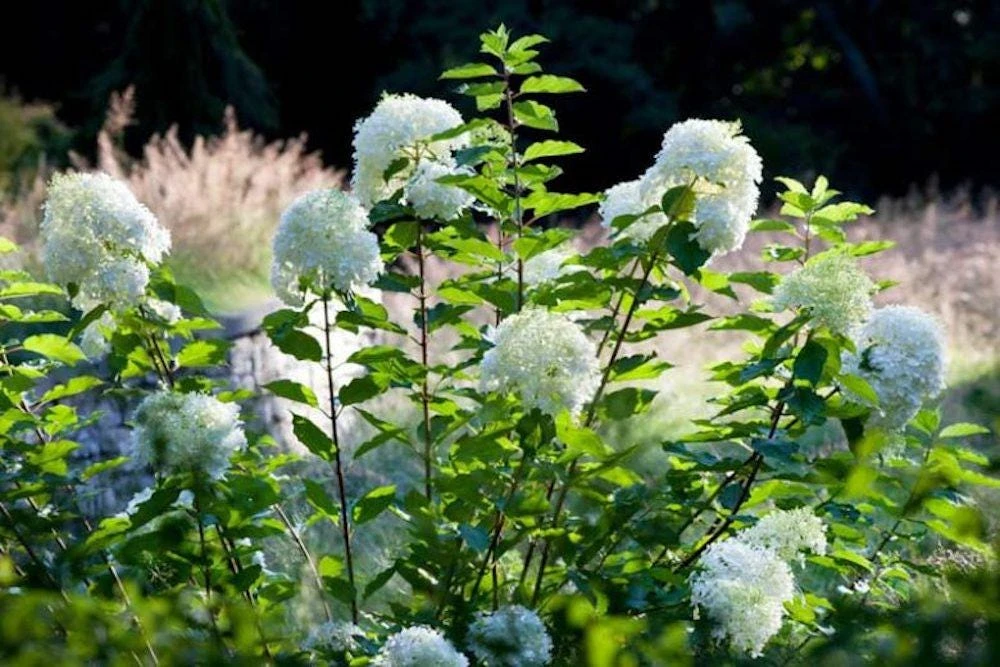
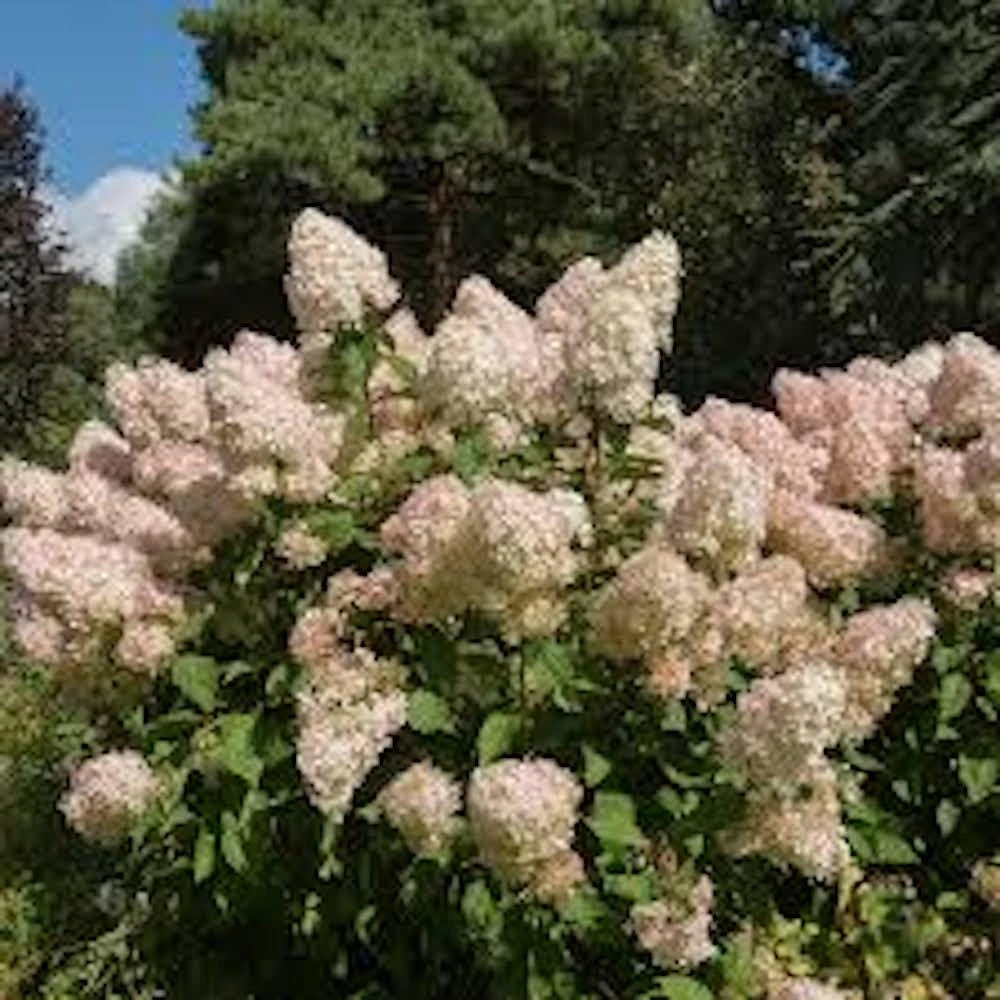
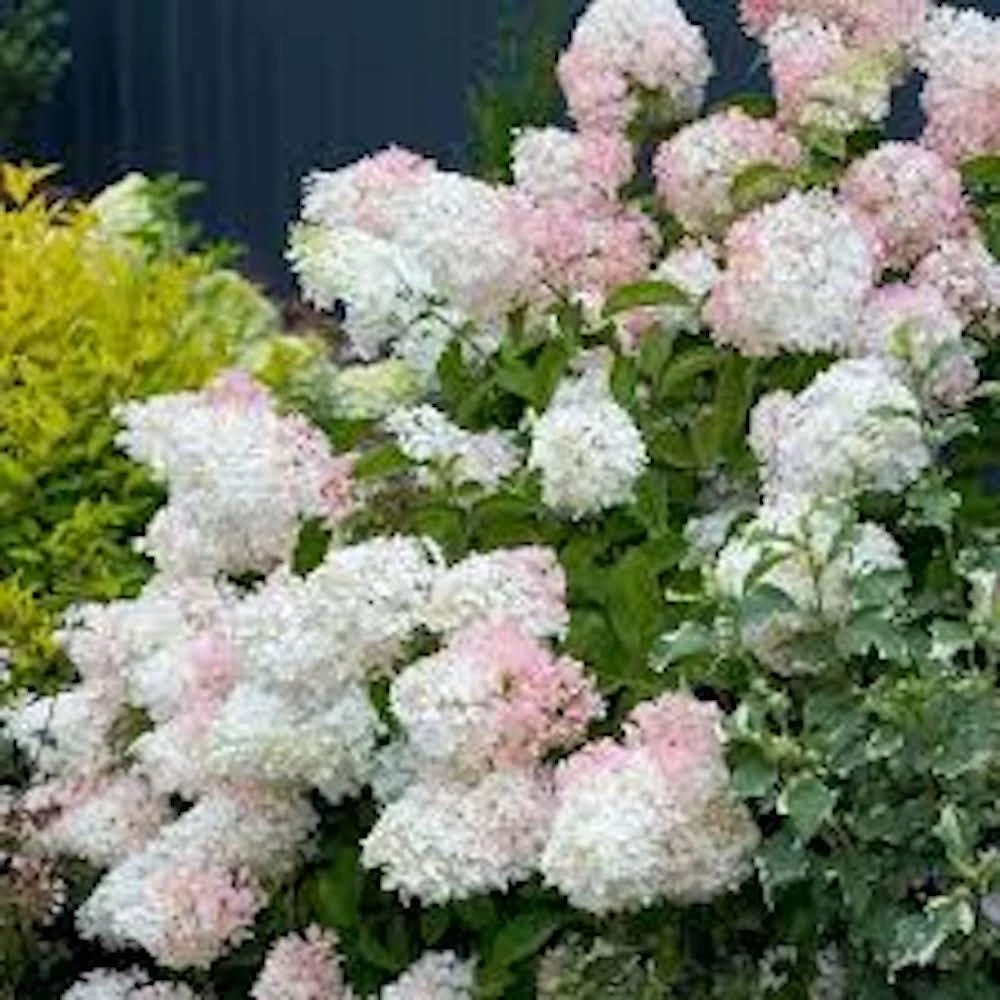
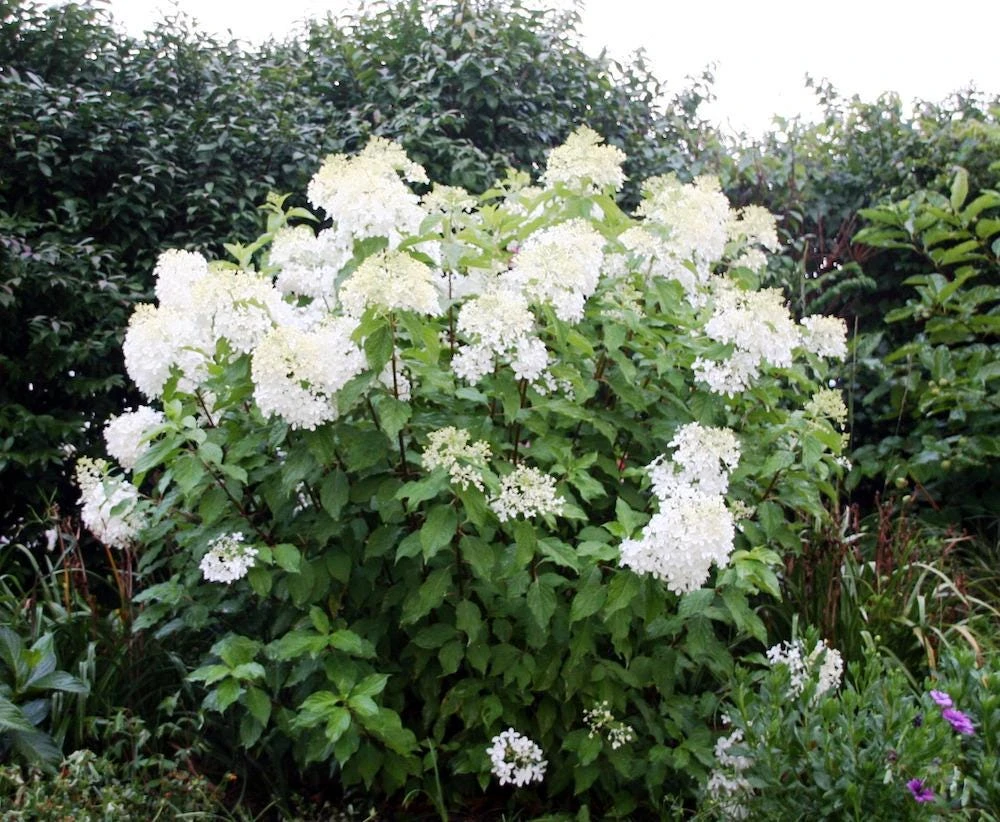
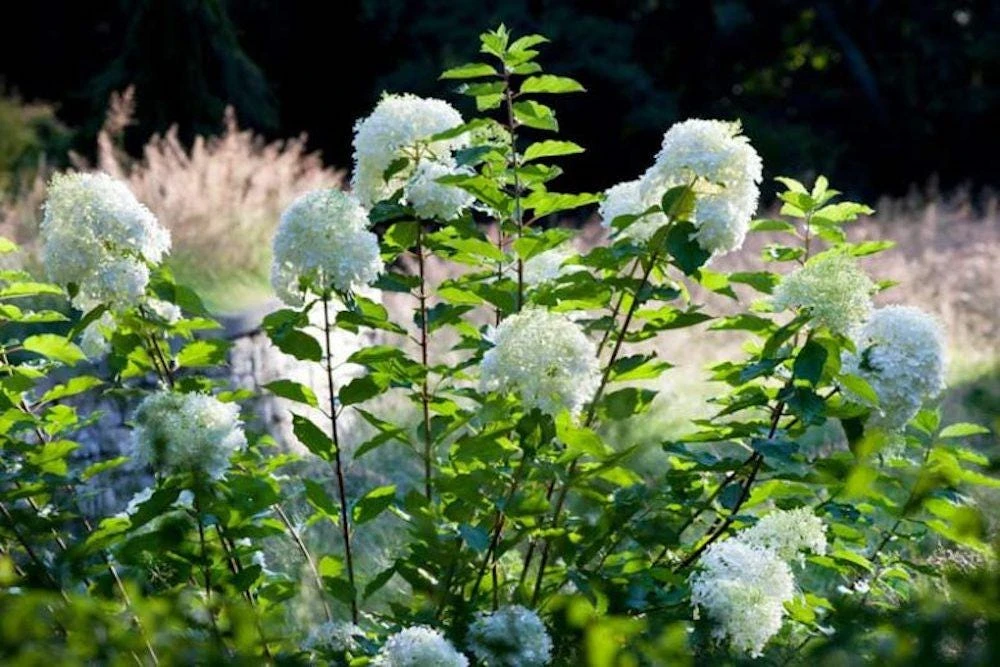
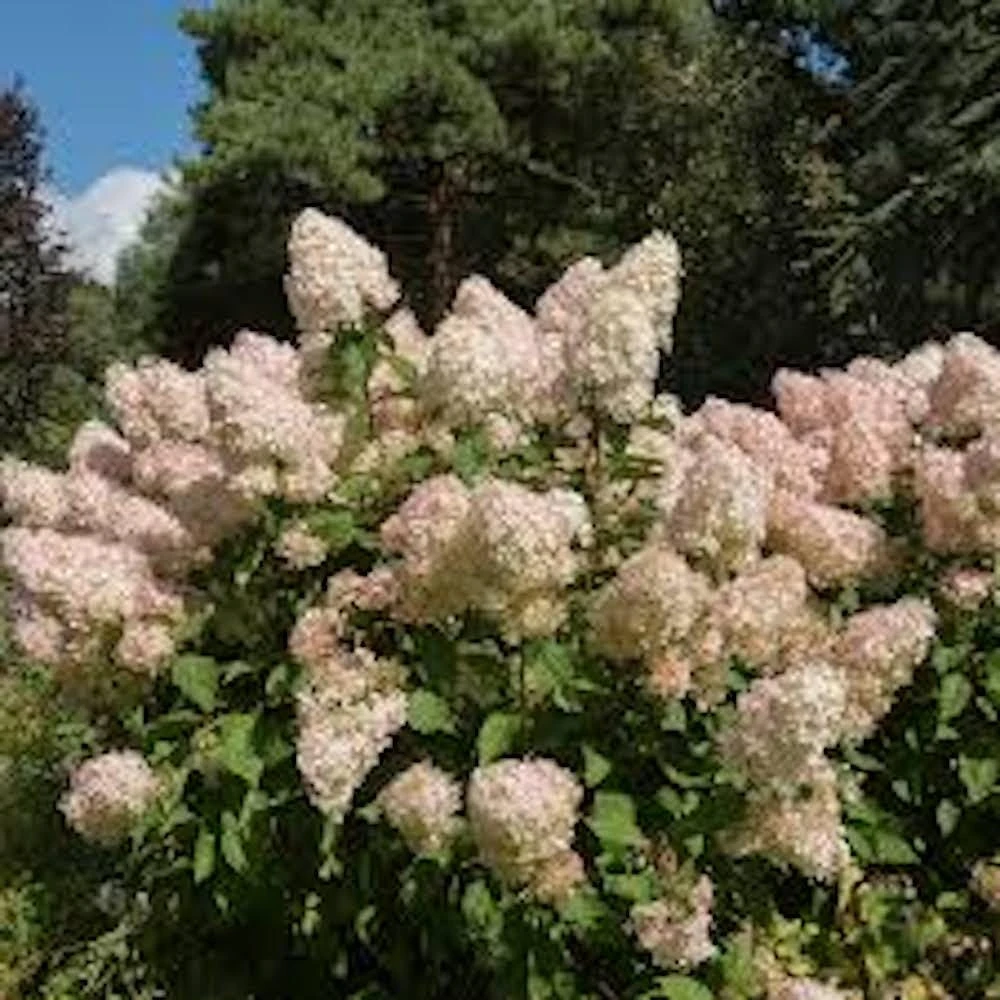
Introduce the stunning phantom hydrangea bare root to your landscape. These 6-8 inch tall starter plants are perfect for creating a vibrant outdoor display. Enjoy large, conical white flowers that mature to a beautiful pink. Ideal for zones 3-8, offering a dramatic seasonal color change.
Estimated arrival
Oct 16
Oct 21 - Oct 23
Oct 23 - Oct 28
See our Shipping Policy.
Get in touch with us via email, and our team will review your concerns.
Our Alive & Thrive Guarantee covers issues with your plants within the first 30 days. Read our Refund & Returns Policy.
-
USDA Hardiness Zone
3-8 -
Soil Type
Well-draining, rich in organic matter -
Sunlight Exposure
Full sun to partial shade -
Expected Planting Period
Fall or early spring
Overview
Transform your garden with this set of 3 phantom hydrangea bare root starter plants. These impressive Hydrangea paniculata ‘Phantom’ shrubs are renowned for their robust growth and spectacular floral display. Each plant arrives as a 6-8 inch tall bare root specimen, ready to establish quickly in your landscape. The Phantom hydrangea is a large, cold-hardy shrub, thriving in USDA zones 3-8, and can reach up to 10 feet in height and width, making it a magnificent focal point or hedge. Its enormous, conical flower heads emerge white in summer, gradually transitioning to shades of pink as they mature and fade in the fall, providing extended seasonal interest and a beautiful color transformation.
The phantom hydrangea bare root offers an economical and effective way to cultivate these beautiful plants. When planting bare root specimens, you’re essentially getting a head start on a mature plant, as they focus their energy on root development once planted. This variety of hydrangea is celebrated for its resilience and adaptability, making it a fantastic choice for both experienced gardeners and those new to horticulture. Prepare to enjoy a dynamic and elegant addition to your outdoor space that will capture attention throughout the growing season.
Key Benefits
The phantom hydrangea bare root brings a wealth of advantages to any garden setting, offering both aesthetic appeal and practical benefits. Cultivating these shrubs will provide years of enjoyment and beauty.
- Spectacular Floral Display: Enjoy enormous, conical white flower heads that provide a stunning visual impact throughout summer. These flowers gracefully transition to shades of pink in the fall, offering a prolonged period of color and interest. This unique color changing ability makes the phantom hydrangea bare root a dynamic addition to your garden.
- Cold-Hardy & Resilient: Perfectly suited for USDA zones 3-8, these hydrangeas are incredibly cold-hardy and can withstand harsh winter conditions, ensuring a reliable and vibrant bloom year after year. This resilience makes them a low-stress choice for many climates.
- Impressive Size & Structure: Growing up to 10 feet tall and wide, the Phantom hydrangea creates a substantial presence in the landscape, ideal for hedges, privacy screens, or as a magnificent specimen plant. Its large size provides significant visual weight and structure.
- Long Blooming Season: These hydrangeas boast a long blooming period, starting in summer and continuing into fall, providing continuous beauty when many other plants are fading. The extended bloom time ensures your garden remains vibrant.
- Low Maintenance: Once established, phantom hydrangea care is relatively simple. They require consistent moisture and annual pruning to maintain shape and encourage vigorous new growth. Their adaptable nature simplifies gardening efforts.
- Versatile Landscaping: Suitable for full sun to partial shade, these shrubs can be integrated into various garden designs, from formal borders to naturalized woodland settings. Their adaptability allows for creative placement in your outdoor space.
- Attracts Pollinators: While their flowers are largely sterile, the sheer volume of blooms can attract some beneficial insects to your garden, contributing to local biodiversity.
Plant Care & Growing Tips
Proper phantom hydrangea care is essential for ensuring your plants thrive and produce their magnificent blooms. These cold-hardy shrubs are relatively easy to grow, but a few key practices will help them reach their full potential. Upon arrival, carefully unpack your phantom hydrangea bare root plants. Before planting, soak the roots in water for a few hours to rehydrate them. Dig a hole that is twice as wide as the root spread and just as deep, ensuring the crown of the plant is level with the soil surface. Backfill with a mixture of native soil and compost, gently tamping down to remove air pockets.
For optimal growth, plant your Phantom hydrangeas in a location that receives full sun to partial shade. Full sun encourages more abundant blooming, but some afternoon shade in hotter climates can prevent leaf scorch. Consistent moisture is crucial, especially during dry spells and in the first year of establishment. Water deeply and regularly, aiming for about 1 inch of water per week, either from rainfall or irrigation. Applying a 2-3 inch layer of mulch around the base of the plant will help retain soil moisture, regulate soil temperature, and suppress weeds. These plants prefer well-draining, slightly acidic to neutral soil. Amending heavy clay soils with organic matter will improve drainage and aeration.
Pruning is an important aspect of phantom hydrangea care. As this variety blooms on new wood, the best time to prune is in late winter or early spring before new growth begins. Remove any dead, damaged, or weak stems, and prune to shape the plant and encourage a strong, vigorous framework. You can also deadhead spent flowers to maintain a tidy appearance, though it’s not strictly necessary for reblooming. Fertilize in early spring with a balanced, slow-release granular fertilizer formulated for flowering shrubs. Monitor for common pests like aphids or spider mites, and treat with insecticidal soap if necessary. With proper care, your hydrangea paniculata starter plants will flourish and become a cherished part of your garden for years.
Size & Details
This offering includes 3 phantom hydrangea bare root starter plants, each measuring approximately 6-8 inches in height. These bare root plants are shipped without soil or a pot, which allows them to conserve energy for root development once planted in your garden. The Phantom hydrangea is a vigorous grower, establishing quickly after planting. Expect these shrubs to mature into a substantial size, typically reaching 8-10 feet tall and wide, creating a significant impact in your landscape. Their robust growth habit makes them excellent for use as a dramatic specimen plant or as a tall, flowering hedge.
The mature size of this cold-hardy hydrangea makes it ideal for larger garden spaces where its impressive stature can be fully appreciated. Once established, these plants have a moderate to fast growth rate, quickly adding vertical interest and abundant blooms to your outdoor environment. The transition of their white flowers to a captivating pink in the fall is a highlight, offering extended visual appeal. This specific variety, hydrangea paniculata starter ‘Phantom’, is known for its strong stems that hold up the large flower clusters without flopping, even after heavy rains. Plant these bare roots in fall or spring for best results and watch them transform into majestic flowering shrubs.
Frequently Asked Questions
- Q: What condition will the 3 Phantom Hydrangea plants arrive in? A: Your order will include 3 phantom hydrangea bare root starter plants, each approximately 6-8 inches tall. They are shipped without soil or a pot, carefully packaged to ensure their health during transit.
- Q: How tall will the Phantom Hydrangea grow? A: The Phantom Hydrangea is a large shrub that typically grows to a mature height of 8-10 feet and can spread equally wide. This makes it an excellent choice for a substantial garden presence.
- Q: When is the best time to plant these bare root hydrangeas? A: The best time to plant phantom hydrangea bare root plants is in the fall after dormancy or in early spring before new growth begins. This allows the roots to establish before the stress of summer heat.
- Q: How much sunlight does the Phantom Hydrangea need? A: These hydrangeas perform best in full sun to partial shade. In hotter climates, a location with afternoon shade can help protect the foliage from scorching.
- Q: Is this a cold-hardy hydrangea? A: Yes, the Phantom Hydrangea is very cold-hardy, thriving in USDA zones 3-8. It is well-suited for a wide range of climates and can withstand significant winter temperatures.
- Q: What kind of soil is best for phantom hydrangea care? A: Phantom Hydrangeas prefer well-draining soil that is rich in organic matter. They are adaptable to a range of soil types but perform best in slightly acidic to neutral pH.
- Q: How often should I water my newly planted hydrangea paniculata starter? A: Newly planted bare root hydrangeas require consistent moisture. Water deeply and regularly, especially during dry periods, to ensure the soil remains consistently moist but not waterlogged, until the plant is well-established.
- Q: Will the flowers change color on this white to pink hydrangea? A: Yes, the Phantom Hydrangea is famous for its large white flowers that gradually turn to shades of pink as they mature in the late summer and fall, offering a beautiful seasonal color transformation.
- Q: Is this plant easy to care for for beginners? A: Yes, the Phantom Hydrangea is considered relatively easy to care for, especially once established. Its hardiness and robust nature make it a good choice for gardeners of all experience levels.
- Q: How quickly will these bare root plants grow? A: With proper planting and care, your phantom hydrangea bare root plants will establish quickly and show noticeable growth in their first year. Expect significant size and bloom production within a few seasons.
Be the first to review “3 Phantom Hydrangea Starter Plant Bare Root – 6-8″ Tall – Outdoor Shrub”
Related products


You May Like

Hardneck vs. Softneck Garlic: Which Should You Grow?
Have you ever stood in front of a seed catalog in mid-September, staring at dozens [...]
Oct

When to Plant Music Garlic: Ultimate US Fall Guide
Have you ever spent your fall weekend placing carefully chosen garlic cloves into rich, dark [...]
1 Comment
Oct

5 Best Bulbs for Fall Planting: Brighten Your Garden This Spring
Are you dreaming of a garden full of vibrant colors in the spring? The key [...]
Aug

10 Houseplants That Will Thrive in Your Kitchen
Are you tired of your kitchen feeling dull and lifeless? Want to add a little [...]
1 Comment
Aug
Reviews
There are no reviews yet.