
3 Ponderosa Pine Bare Root Starter Trees 6-12″ Tall – Outdoor Conifer
Original price was: 93.99 $.68.99 $Current price is: 68.99 $.
Cultivate the iconic Ponderosa Pine bare root with this pack of 3 starter trees, each 6-12 inches tall. Known for its impressive height and distinctive vanilla-scented bark, this conifer is perfect for landscaping and ecological restoration.
Estimated arrival
Oct 16
Oct 21 - Oct 23
Oct 23 - Oct 28
See our Shipping Policy.
Get in touch with us via email, and our team will review your concerns.
Our Alive & Thrive Guarantee covers issues with your plants within the first 30 days. Read our Refund & Returns Policy.
-
USDA Hardiness Zone
USDA zones 3-7 -
Soil Type
Well-draining soil -
Sunlight Exposure
Full sun -
Expected Planting Period
Early spring or late fall
Overview
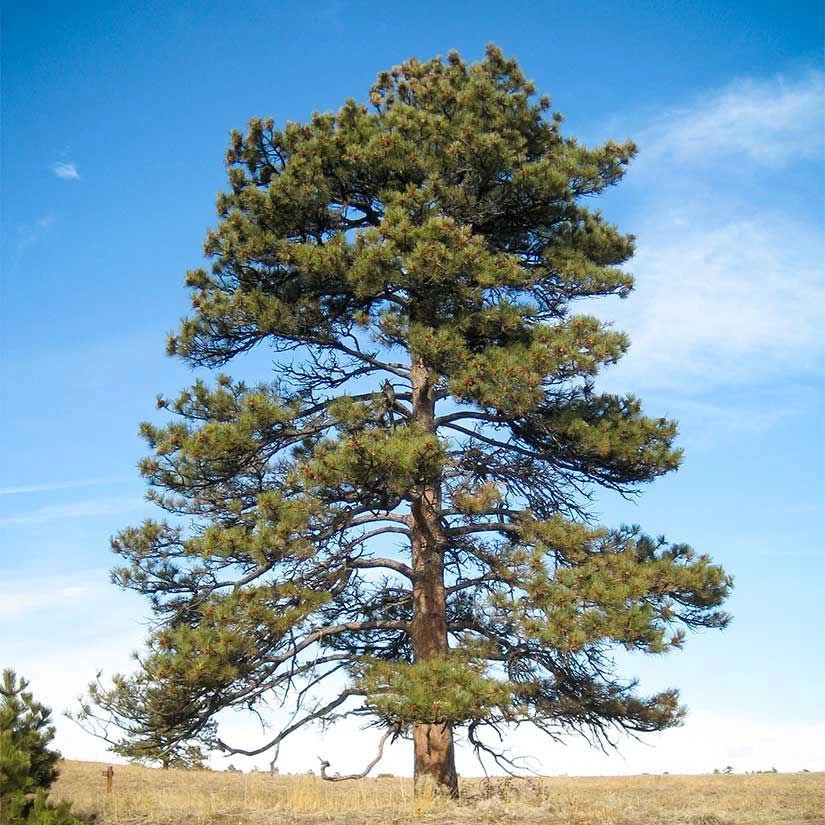
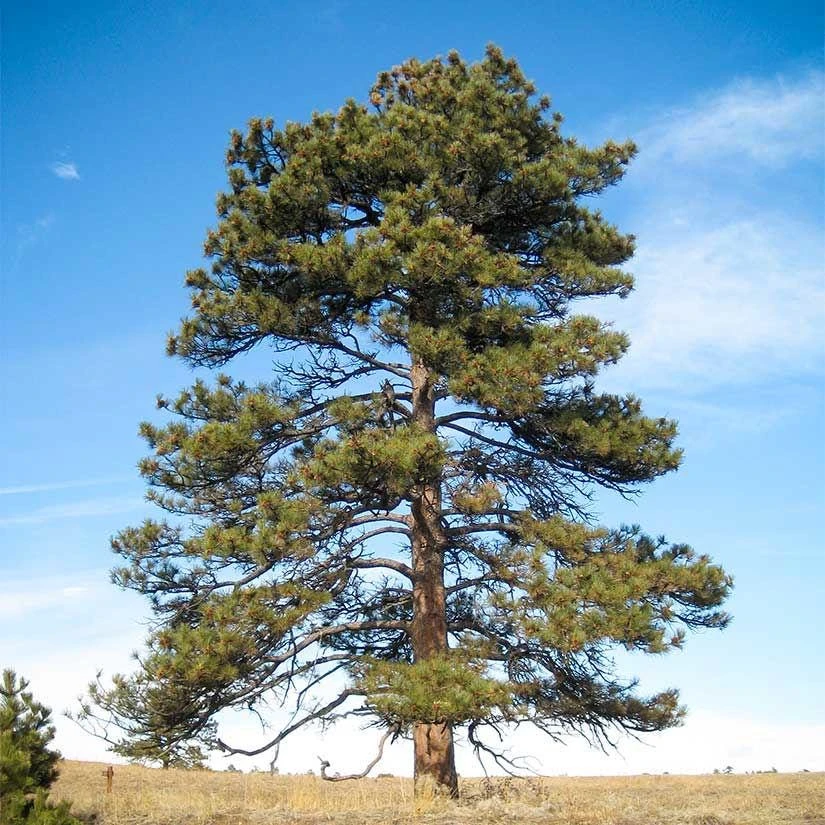
Embark on a journey to cultivate one of North America’s most majestic trees with our Ponderosa Pine bare root starter trees. This offering includes three vigorous seedlings, each standing 6-12 inches tall, ready to establish themselves in your landscape. The Ponderosa Pine tree (Pinus ponderosa), also widely recognized as the Western Yellow Pine, is a cornerstone species for vast western ecosystems and holds significant importance in the lumber industry. Renowned for its impressive stature and uniquely fragrant bark that often carries a hint of vanilla, this conifer brings both aesthetic beauty and ecological value to any outdoor setting. Planting these bare root starters is an economical and effective way to introduce this magnificent species to your property, contributing to reforestation efforts or creating a stunning natural backdrop.
Our Ponderosa Pine bare root seedlings are carefully prepared to ensure a smooth transition to your garden or acreage. These young trees are an excellent choice for those looking to plant a native, drought-tolerant species that provides habitat for wildlife and contributes to a healthy environment. Whether you’re planning a large-scale planting or simply adding a few specimen trees, the resilience and grandeur of the Ponderosa Pine tree make it a rewarding investment for future generations.
Key Benefits
The Ponderosa Pine bare root offers numerous advantages for both the environment and the gardener. These trees are not just a beautiful addition to your landscape but also provide significant ecological benefits:
- Ecological Cornerstone: As a dominant species in many western North American forests, the Western Yellow Pine plays a vital role in its ecosystem, supporting diverse wildlife and contributing to forest health. Planting it helps restore natural habitats.
- Drought Tolerance: Once established, the Ponderosa Pine tree is remarkably drought-tolerant, making it an excellent choice for regions with drier climates or for those seeking water-wise landscaping solutions.
- Impressive Stature: Known for its towering height, this tree creates a dramatic and majestic presence in any landscape. It provides significant shade and visual interest, maturing into a truly magnificent specimen.
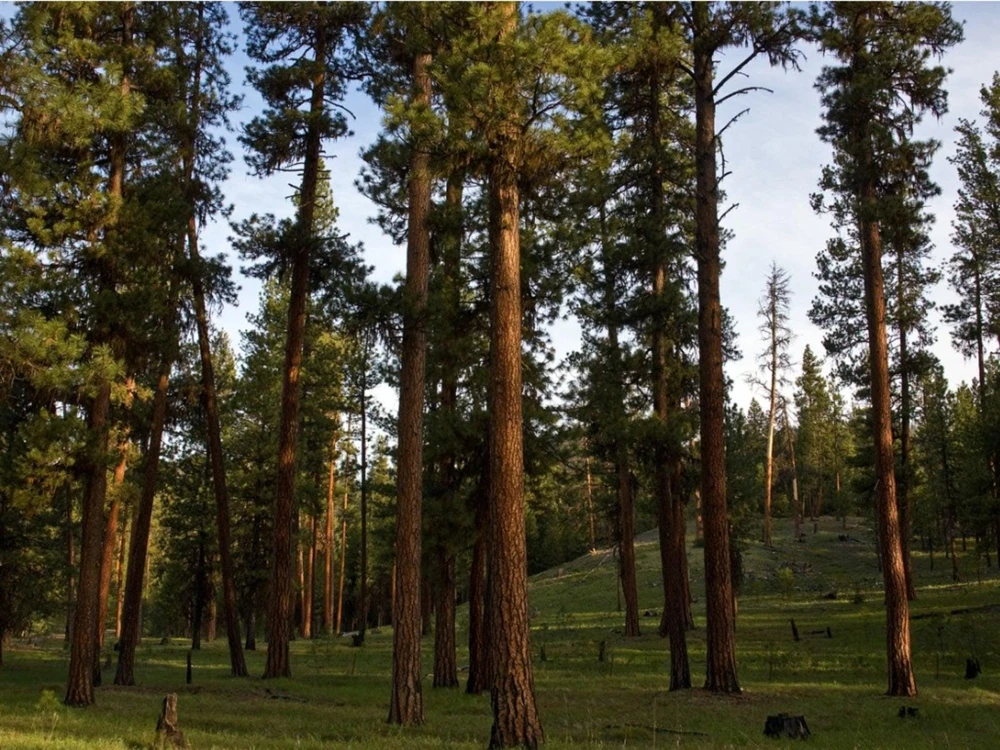
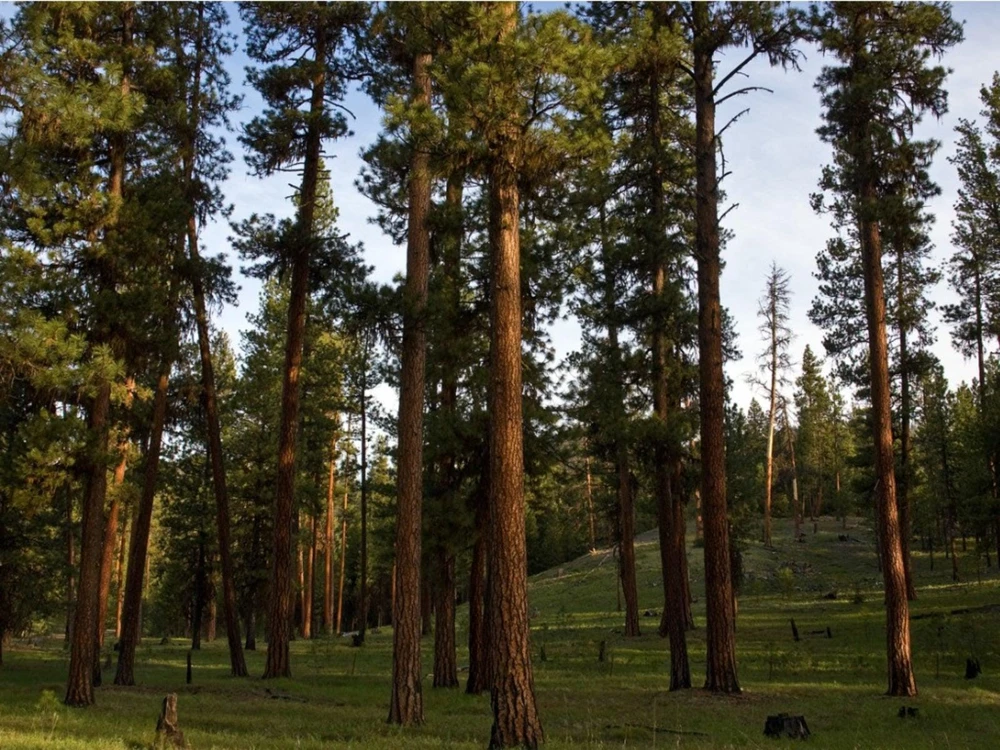
- Distinctive Bark: The mature bark of Pinus ponderosa is a striking feature, developing into large, flat, yellowish-orange plates with deep furrows, often exuding a pleasant vanilla-like scent, adding sensory appeal to your garden.
- Wildlife Habitat: Its dense canopy and mature cones provide shelter and food sources for various birds and small mammals, enhancing biodiversity in your outdoor space.
- Low Maintenance: After successful establishment, the Ponderosa Pine bare root requires minimal ongoing care, thriving with natural rainfall and soil conditions.
- Commercial Value: Historically and currently, the Ponderosa Pine is a valuable timber tree, making it a long-term asset for larger properties or forestry projects.
Plant Care & Growing Tips
Successful cultivation of your Ponderosa Pine bare root seedlings begins with proper planting and ongoing care. These trees prefer full sun exposure, meaning at least 6 hours of direct sunlight per day. When choosing a planting site, ensure it has well-draining soil, as Ponderosa Pines do not tolerate standing water. They can adapt to a variety of soil types, including sandy, loamy, and clay soils, as long as drainage is adequate. The ideal pH range is slightly acidic to neutral. When planting your Ponderosa Pine tree, dig a hole wide enough to accommodate the spread of the roots without bending them, and deep enough so that the root collar is level with the ground surface. Backfill with native soil, gently tamping down to remove air pockets.
Watering is crucial during the establishment phase. For the first two to three years, ensure the soil around the young trees remains consistently moist but not waterlogged. Deep watering once or twice a week, depending on rainfall and temperature, is generally sufficient. As the tree matures and establishes its root system, its water needs will decrease significantly, becoming quite drought-tolerant. Fertilization is typically not necessary for Ponderosa Pines in most natural settings, especially if planted in good soil. However, if growth appears stunted, a balanced slow-release fertilizer designed for conifers can be applied in early spring. Ponderosa Pines are generally hardy and resistant to many pests and diseases, but monitoring for common issues like pine beetle infestations in stressed trees is advisable. Understanding how to grow Pinus ponderosa successfully ensures a healthy, thriving tree for decades.
These trees are best suited for USDA Hardiness Zones 3-7. They are extremely cold-hardy but can also tolerate warmer, drier conditions once established. Protection from strong winds and intense sun in their first year can aid establishment. Proper spacing is important as these trees grow very large; allow ample room for their mature spread. For those interested in growing Ponderosa Pine, remember that patience is key, as these trees grow steadily and can live for hundreds of years.
Size & Details
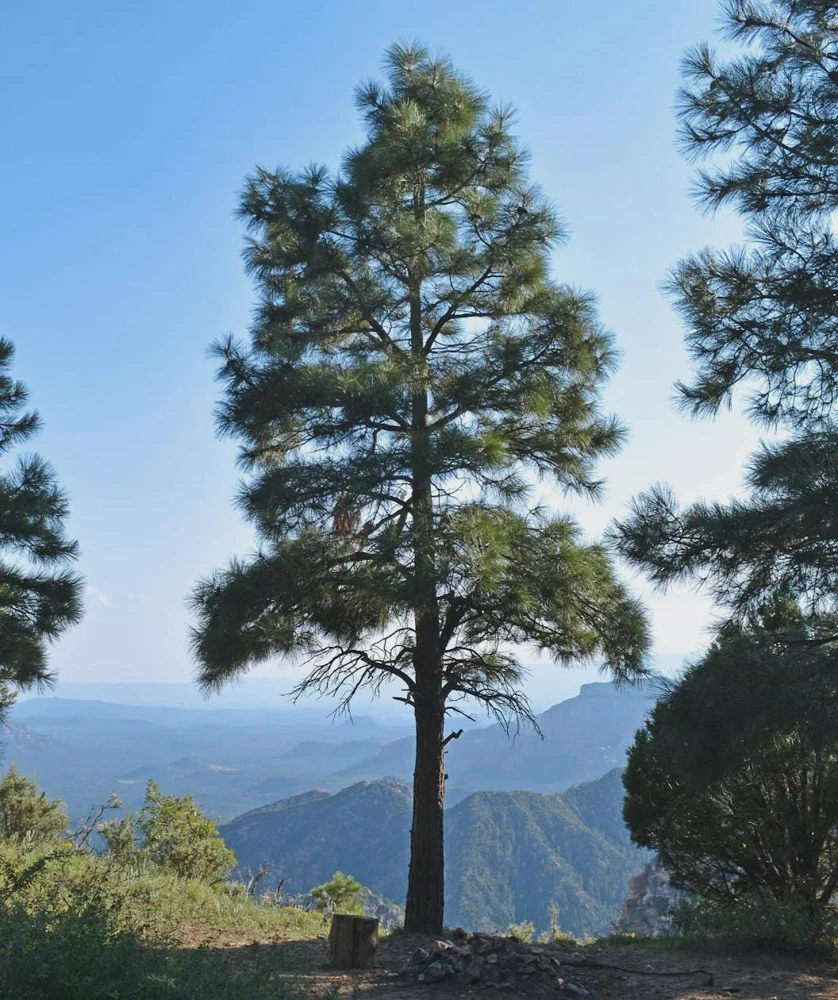
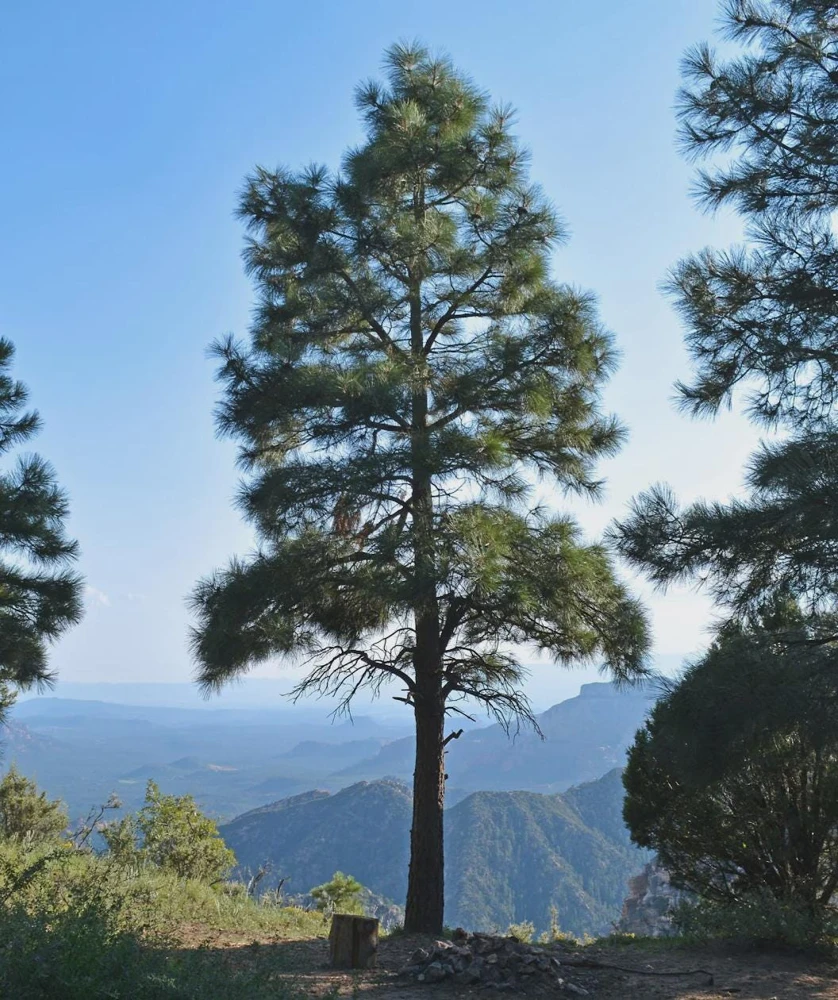
This offering includes three (3) Ponderosa Pine bare root starter trees, each measuring approximately 6-12 inches in height. These seedlings are shipped dormant, without soil around their roots, which is the most effective and economical way to transport young trees for planting. Upon arrival, it is crucial to plant them as soon as possible, or keep the roots moist and cool if immediate planting isn’t feasible. The Ponderosa Pine tree exhibits a moderate to fast growth rate, typically adding 12-24 inches in height per year under optimal conditions. At maturity, these magnificent conifers can reach heights of 60-150 feet, with some specimens growing even taller, and a spread of 25-40 feet. They develop a conical shape in youth, maturing into a more open, often flat-topped crown.
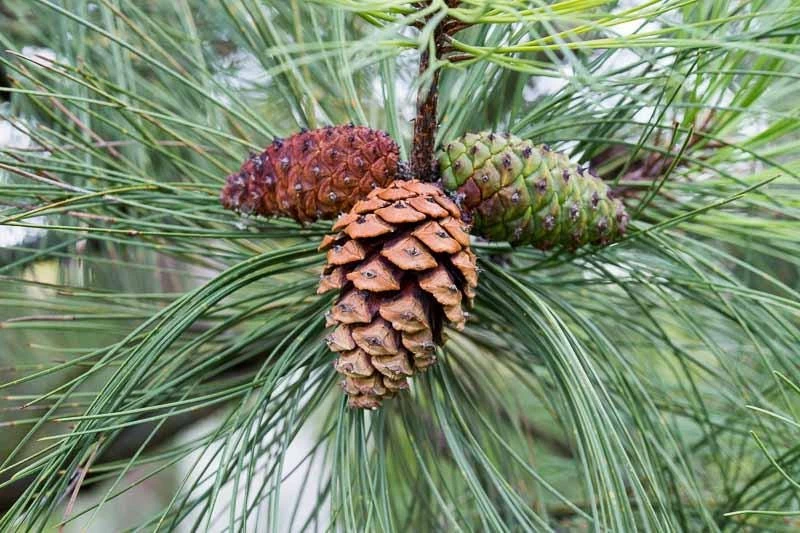
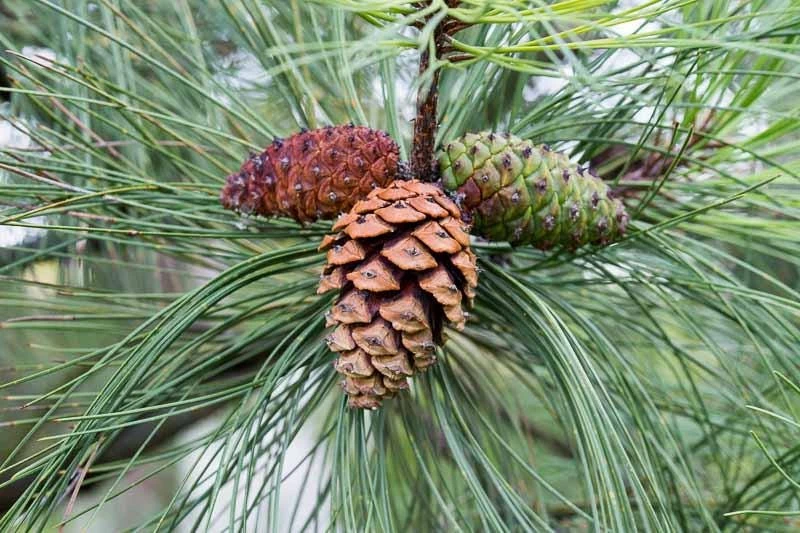
The bare root format allows for easy handling and planting, promoting rapid root establishment once placed in the ground. While initially small, these Ponderosa Pine bare root seedlings possess the genetic potential to become towering giants, contributing significantly to the landscape over time. They are ideal for reforestation projects, large property landscaping, or creating privacy screens and windbreaks. The distinctive long needles, typically in bundles of three, and the large, spiny cones add to their unique appeal. When considering growing Ponderosa Pine, remember their mature size and plan your planting location accordingly to ensure they have ample space to thrive.
Frequently Asked Questions
- Q: How big does this plant get? A: The Ponderosa Pine tree can grow to an impressive height of 60-150 feet, with some reaching over 200 feet, and a spread of 25-40 feet at maturity. These Ponderosa Pine bare root starters are 6-12 inches tall initially.
- Q: Is this an indoor or outdoor plant? A: The Ponderosa Pine bare root is an outdoor tree, best suited for planting in gardens, forests, or large landscapes where it has ample space to grow.
- Q: How much sunlight does it need? A: Ponderosa Pines require full sun exposure, meaning at least 6 hours of direct sunlight daily, to thrive and grow vigorously.
- Q: Is this plant easy to care for? A: Once established, the Western Yellow Pine is relatively low maintenance and drought-tolerant. Initial care focuses on proper planting and consistent watering during the first few years.
- Q: What condition will it arrive in? A: The Ponderosa Pine bare root seedlings will arrive dormant, without soil around their roots, which is standard for bare root trees to ensure safe transport and easy planting.
- Q: When is the best time to plant? A: The best time to plant Ponderosa Pine bare root trees is typically in early spring or late fall when the trees are dormant and before extreme temperatures set in.
- Q: What is the USDA hardiness zone for Ponderosa Pine? A: The Pinus ponderosa is cold-hardy and thrives in USDA Hardiness Zones 3-7, making it suitable for a wide range of climates.
- Q: Can I grow this tree for lumber? A: Yes, the Ponderosa Pine is a commercially significant timber tree, known for its strong wood. However, growing it for lumber is a long-term investment requiring many decades.
- Q: What kind of soil does the Ponderosa Pine tree prefer? A: It prefers well-draining soil and can adapt to various soil types, including sandy, loamy, or clay, as long as there is good drainage. Avoid waterlogged conditions.
- Q: Will these trees provide shade? A: Yes, once mature, the large canopy of the Ponderosa Pine tree provides substantial shade, making it excellent for creating cooler areas in your landscape.
Be the first to review “3 Ponderosa Pine Bare Root Starter Trees 6-12″ Tall – Outdoor Conifer”
Related products


You May Like

Hardneck vs. Softneck Garlic: Which Should You Grow?
Have you ever stood in front of a seed catalog in mid-September, staring at dozens [...]
Oct

When to Plant Music Garlic: Ultimate US Fall Guide
Have you ever spent your fall weekend placing carefully chosen garlic cloves into rich, dark [...]
1 Comment
Oct

5 Best Bulbs for Fall Planting: Brighten Your Garden This Spring
Are you dreaming of a garden full of vibrant colors in the spring? The key [...]
Aug

10 Houseplants That Will Thrive in Your Kitchen
Are you tired of your kitchen feeling dull and lifeless? Want to add a little [...]
1 Comment
Aug
Reviews
There are no reviews yet.