
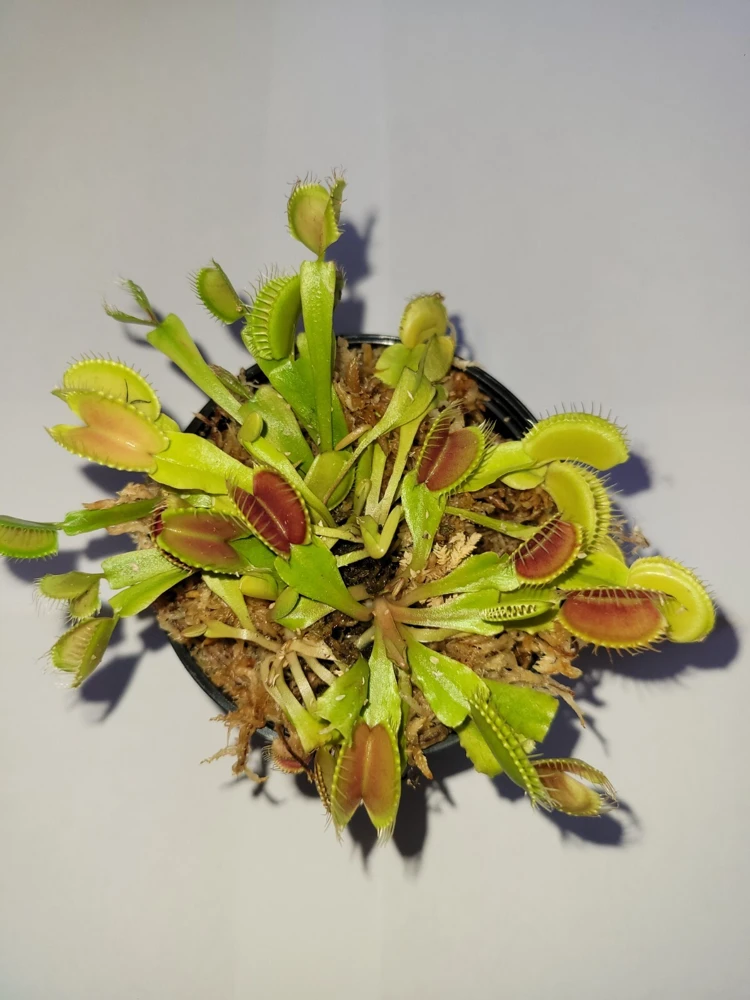
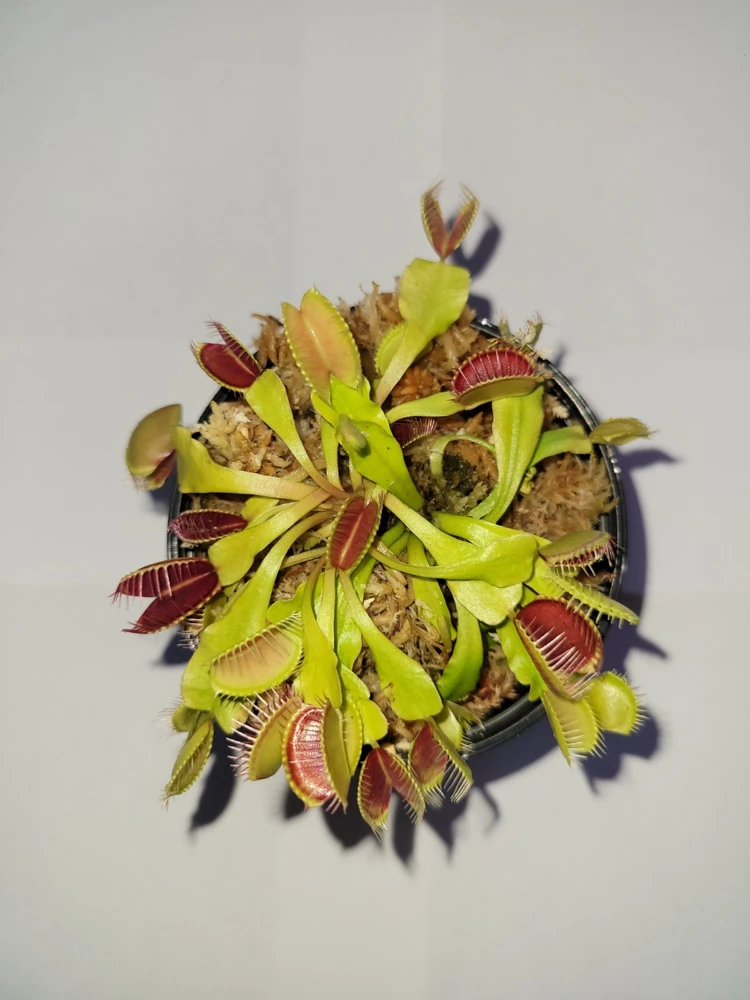
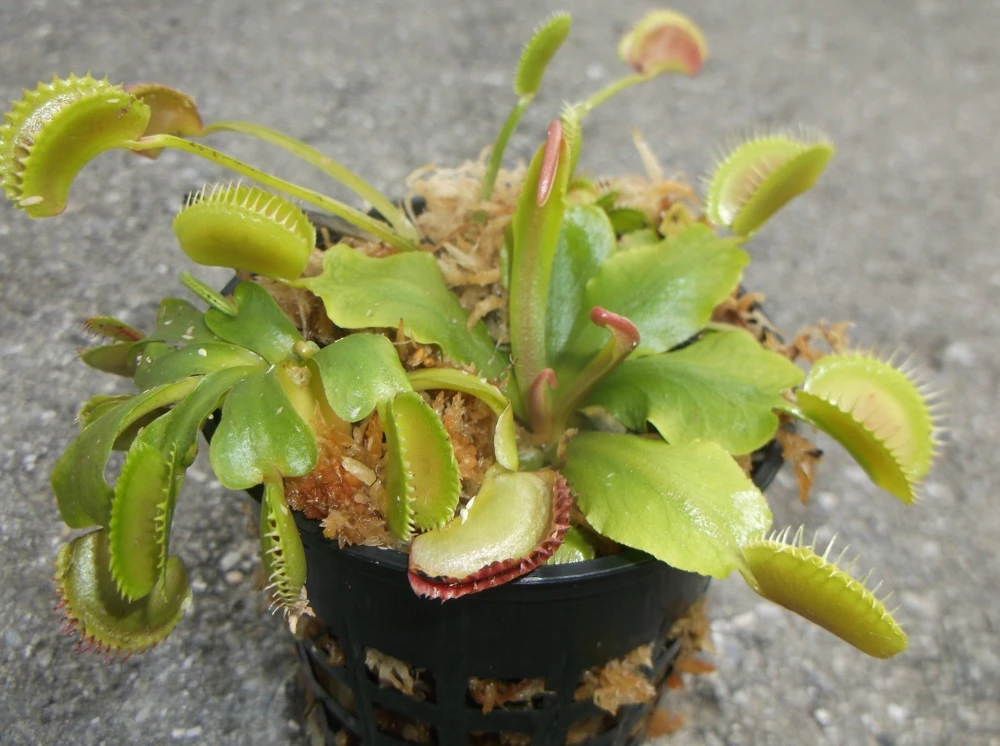
3 Small Venus Flytrap Live Plants – Dionaea Muscipula Carnivorous Indoor/Outdoor
Original price was: 73.99 $.48.99 $Current price is: 48.99 $.
Introduce fascinating pest control to your home or garden with this set of 3 small Venus Flytrap live plants. Known for their unique trapping leaves, these Dionaea Muscipula care is surprisingly straightforward, making them ideal for both novice and experienced plant enthusiasts. Perfect as an intriguing carnivorous plant for sale for desktops or windowsills.
Estimated arrival
Oct 17
Oct 22 - Oct 24
Oct 24 - Oct 29
See our Shipping Policy.
Get in touch with us via email, and our team will review your concerns.
Our Alive & Thrive Guarantee covers issues with your plants within the first 30 days. Read our Refund & Returns Policy.
-
USDA Hardiness Zone
USDA zones 7-10 (requires dormancy) -
Soil Type
Acidic, nutrient-poor peat/perlite mix -
Sunlight Exposure
Full sun (6-8 hours direct light daily) -
Expected Planting Period
Year-round indoors; spring to summer outdoors
Overview
Welcome the captivating world of carnivorous plants into your home with this set of 3 small Venus Flytrap live plants. Each plant is a healthy, vibrant specimen of Dionaea muscipula, one of the most iconic and beloved carnivorous species. Originating from boggy, nutrient-poor soils of North and South Carolina, the Venus Flytrap has evolved a remarkable way to supplement its diet by catching insects. These particular plants are perfect for those just starting their journey into carnivorous plant care or for seasoned collectors looking to expand their collection. The unique traps, which snap shut to capture prey, make the Venus Flytrap live plant an endlessly fascinating addition to any indoor or outdoor setting.
Our small Venus Flytrap plants are carefully grown to ensure they arrive ready to thrive in their new environment. They are robust and resilient, offering an engaging way to observe nature’s incredible adaptations up close. Whether you’re looking for a natural pest control solution or simply a unique botanical display, these carnivorous plant for sale specimens are an excellent choice. Their compact size makes them versatile for various placements, from terrariums to sunny windowsills, providing both beauty and functionality.
The Dionaea Muscipula care requirements are specific but easy to master, ensuring these plants remain healthy and active. With their striking appearance and active hunting mechanism, they are sure to be a conversation starter and a source of endless fascination for anyone who encounters them. Embrace the extraordinary with these living wonders.
Key Benefits
Adding a Venus Flytrap live plant to your collection offers a multitude of unique benefits beyond just aesthetic appeal. These plants are truly remarkable living organisms that provide both entertainment and practical advantages.
- Natural Pest Control: The primary benefit of a Venus Flytrap is its ability to catch and consume small insects like flies, gnats, and spiders. This provides a natural, chemical-free way to manage common household pests, contributing to a healthier indoor environment.
- Educational Value: Observing the Venus Flytrap’s trapping mechanism is a fantastic educational experience for all ages. It teaches about plant adaptations, ecosystems, and the intricate balance of nature, making it a great addition to classrooms or family homes.
- Unique Aesthetic Appeal: With their vibrant colors and distinctive trap formations, these plants are visually striking. They add an exotic and intriguing touch to any plant display, terrarium, or garden area, standing out from typical houseplants.
- Low Maintenance (with correct care): Once you understand the specific needs of a small Venus Flytrap, they are relatively easy to care for. They don’t require daily attention and can thrive with consistent watering and appropriate light, making them suitable for busy individuals.
- Conversation Starter: The active nature of the traps and the sheer novelty of a plant that eats insects make the Venus Flytrap an excellent conversation piece. Guests will be fascinated by its unique characteristics and behavior.
- Sense of Accomplishment: Successfully growing and maintaining a carnivorous plant like the Dionaea Muscipula care can provide a great sense of accomplishment, especially for those new to specialized plant care.
Plant Care & Growing Tips
Proper Dionaea Muscipula care is essential for the long-term health and vitality of your Venus Flytrap live plant. While their care requirements are unique, they are not overly complicated once understood. The key is to replicate their natural bog environment as closely as possible, which primarily involves specific light, water, and soil conditions.
Sunlight Requirements: Venus Flytraps thrive in bright, direct sunlight. For outdoor plants, aim for at least 6-8 hours of direct sun per day. If growing indoors, a south-facing window is ideal. If adequate natural light isn’t available, strong grow lights (LED or fluorescent) can be used, positioned about 6-12 inches above the plant for 12-16 hours daily. Insufficient light will lead to weak growth and traps that don’t color up or function effectively. The more light they receive, the healthier and more vibrant your small Venus Flytrap will become.
Watering Schedule and Soil Moisture: These plants require consistently moist soil, but never soggy. The most crucial aspect of watering is to use only distilled water, rainwater, or reverse osmosis water. Tap water, even filtered, often contains minerals and chlorine that are toxic to Venus Flytraps and can lead to their demise. A common method is the tray method: place the potted plant in a tray of about 1-2 inches of distilled water, allowing the plant to wick up moisture from the bottom. Refill the tray as it dries out, typically every 1-3 days depending on conditions. During their winter dormancy, reduce watering but never let the soil dry out completely.
Soil Type and Drainage Requirements: Venus Flytraps need a very specific, nutrient-poor, acidic soil mix. A blend of 50% peat moss (or sphagnum moss) and 50% perlite or horticultural sand is ideal. Do not use standard potting soil, compost, or any soil containing fertilizers, as these will quickly kill the plant. The soil should be well-draining yet retain moisture, mimicking their bog native habitat. Repotting is generally needed every 1-2 years, preferably in early spring before active growth begins.
Temperature Range and USDA Hardiness Zone: These plants are hardy in USDA Zones 7-10, meaning they can tolerate mild winters outdoors in these regions. They require a winter dormancy period where temperatures drop to 35-55°F (2-13°C) for 3-5 months. During active growth, ideal temperatures are 65-95°F (18-35°C). If grown indoors, ensure they receive this dormancy period, perhaps by placing them in a cool, unheated room or garage. This dormancy is crucial for their long-term health and vigor. Without it, the plant will weaken and eventually die.
Fertilization Schedule and Type: Do not fertilize your Venus Flytrap through the soil. They get all their necessary nutrients from the insects they catch. Fertilizing their roots will burn them and kill the plant. If your plant is indoors and not catching insects, you can occasionally feed it a small, live insect (like a fly or spider) or a rehydrated bloodworm every 2-4 weeks. Ensure the insect is small enough to fit entirely within the trap, so the trap can fully seal. This natural feeding is part of the unique experience of owning a fly trap plant indoor.
Common Problems and Solutions: Yellowing leaves can indicate overwatering (though rare with distilled water) or insufficient light. Black traps are normal as they age or after catching several insects; simply snip them off at the base. If traps are not closing, it could be due to lack of energy (needs more light or food) or damage from being triggered too often without catching anything. Always ensure proper watering with pure water and ample sunlight to prevent most issues for your carnivorous plant for sale.
Size & Details
This offering includes 3 small Venus Flytrap live plants, each carefully selected for health and vigor. While exact sizes can vary slightly depending on the growth stage, these plants are typically young, robust specimens, ready to establish themselves in your care. Each plant will arrive in a starter pot, usually around 2 inches in diameter, and will have several active traps. The overall height of each plant, including the pot, generally ranges from 2 to 4 inches upon arrival, making them a perfect fly trap plant indoor for a desk or windowsill. They are compact and manageable, ideal for observation and easy integration into various settings.
The Venus Flytrap is a relatively slow-growing plant, reaching its mature size (typically 4-6 inches in diameter with traps up to 1.5 inches long) over several years. They are shipped as live potted plants, ensuring minimal transplant shock and a smooth transition to their new home. Expect vibrant green foliage with reddish hues inside the traps, especially with good sunlight exposure. These plants are deciduous, meaning they will have a period of dormancy in winter where growth slows significantly, and some leaves may die back. This is a natural and necessary part of their life cycle, essential for their long-term health and strong growth in the following spring.
Frequently Asked Questions
- Q: How big will these 3 small Venus Flytrap plants get? A: Upon arrival, these plants are small, typically 2-4 inches tall in their starter pots. With proper Dionaea Muscipula care, they will gradually grow, reaching a mature diameter of 4-6 inches over several years, with individual traps up to 1.5 inches long.
- Q: Is this an indoor or outdoor plant? A: The Venus Flytrap live plant can thrive both indoors and outdoors, depending on your climate. They require a lot of direct sunlight. Indoors, a sunny south-facing window is best. Outdoors, they are hardy in USDA Zones 7-10 and can be grown in bog gardens or containers.
- Q: How much sunlight does a carnivorous plant for sale need? A: Venus Flytraps need a minimum of 6-8 hours of direct sunlight daily to grow well and develop vibrant trap colors. If growing indoors, consider using a strong grow light for 12-16 hours per day to supplement natural light.
- Q: Is this plant easy to care for, especially for beginners? A: Yes, with an understanding of their specific needs, the small Venus Flytrap is considered relatively easy for beginners. The most crucial aspects are using distilled/rainwater, providing ample sunlight, and using the correct soil mix.
- Q: What condition will the fly trap plant indoor arrive in? A: Your fly trap plant indoor will arrive as a live, healthy, potted specimen. We take great care in packaging to ensure they are protected during transit and arrive in excellent condition, ready to be placed in their new environment.
- Q: How often should I water my Venus Flytrap? A: Venus Flytraps need consistently moist soil. The best method is to keep the pot sitting in about 1-2 inches of distilled water, refilling as it dries out. Never let the soil dry out completely, and always use pure water.
- Q: Do I need to feed my Venus Flytrap? A: If your plant is outdoors, it will catch its own food. Indoors, if it’s not catching insects, you can feed it a small, live insect or rehydrated bloodworm every 2-4 weeks. Do not feed it human food or insects that are too large for the trap to fully seal.
- Q: Will it survive winter in my zone? A: Venus Flytraps require a dormancy period in winter. If you live in USDA Zones 7-10, they can typically stay outdoors. In colder zones, you’ll need to provide a cool, dormant period indoors (35-55°F) for 3-5 months.
- Q: What kind of soil is best for Dionaea Muscipula care? A: Use a nutrient-poor, acidic mix, typically 50% peat moss (or long-fibered sphagnum moss) and 50% perlite or horticultural sand. Never use standard potting soil or soil with added fertilizers.
- Q: Can I trigger the traps with my finger? A: It’s best not to trigger the traps manually. Each trap has a limited number of closures before it dies. Triggering them without providing food wastes the plant’s energy and shortens the trap’s lifespan, which can weaken the overall Venus Flytrap live plant.
Be the first to review “3 Small Venus Flytrap Live Plants – Dionaea Muscipula Carnivorous Indoor/Outdoor”
Related products


HousePlants


HousePlants


You May Like

Hardneck vs. Softneck Garlic: Which Should You Grow?
Have you ever stood in front of a seed catalog in mid-September, staring at dozens [...]
Oct

When to Plant Music Garlic: Ultimate US Fall Guide
Have you ever spent your fall weekend placing carefully chosen garlic cloves into rich, dark [...]
1 Comment
Oct

5 Best Bulbs for Fall Planting: Brighten Your Garden This Spring
Are you dreaming of a garden full of vibrant colors in the spring? The key [...]
Aug

10 Houseplants That Will Thrive in Your Kitchen
Are you tired of your kitchen feeling dull and lifeless? Want to add a little [...]
1 Comment
Aug
Reviews
There are no reviews yet.