
5 American Bittersweet Vine Celastrus scandens Live Plant Starter Plugs (Quart Pot) – Outdoor
Original price was: 177.99 $.152.99 $Current price is: 152.99 $.
Cultivate a beautiful and wildlife-friendly garden with 5 American Bittersweet Vine starter plugs. This vigorous native vine (Celastrus scandens) offers stunning fall foliage and bright red berries, providing a crucial late-winter food source for birds. Perfect for trellises, fences, or naturalizing areas, these starter plugs are ready to thrive outdoors.
Estimated arrival
Oct 17
Oct 22 - Oct 24
Oct 24 - Oct 29
See our Shipping Policy.
Get in touch with us via email, and our team will review your concerns.
Our Alive & Thrive Guarantee covers issues with your plants within the first 30 days. Read our Refund & Returns Policy.
-
USDA Hardiness Zone
USDA zones 3-8 -
Soil Type
Well-draining, moderately fertile soil -
Sunlight Exposure
Full sun to partial shade -
Expected Planting Period
Spring to early fall
Overview
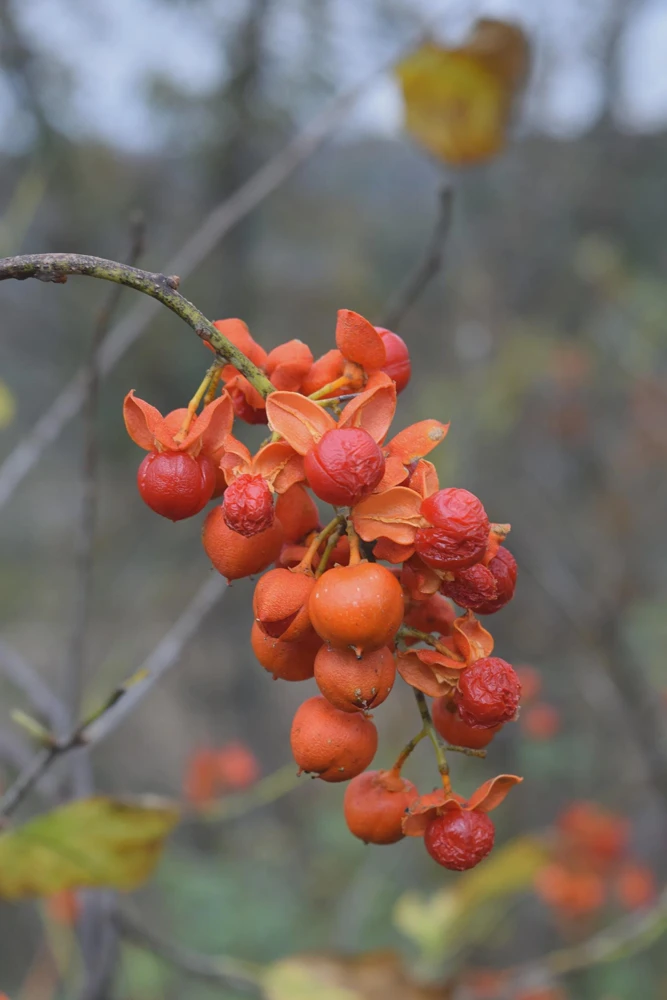
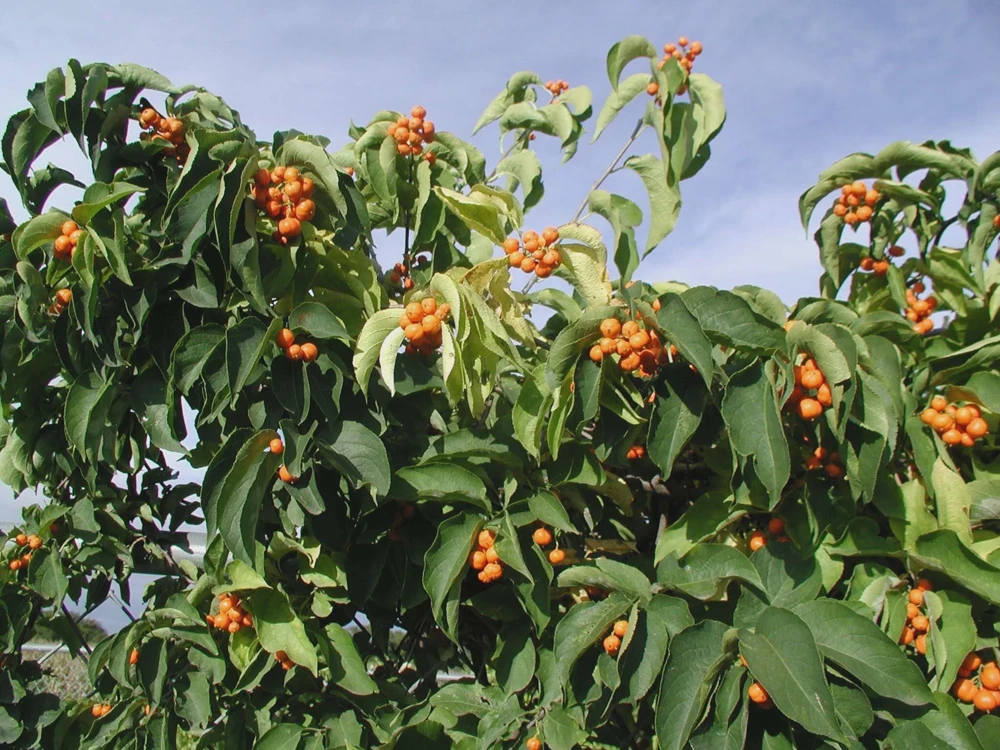
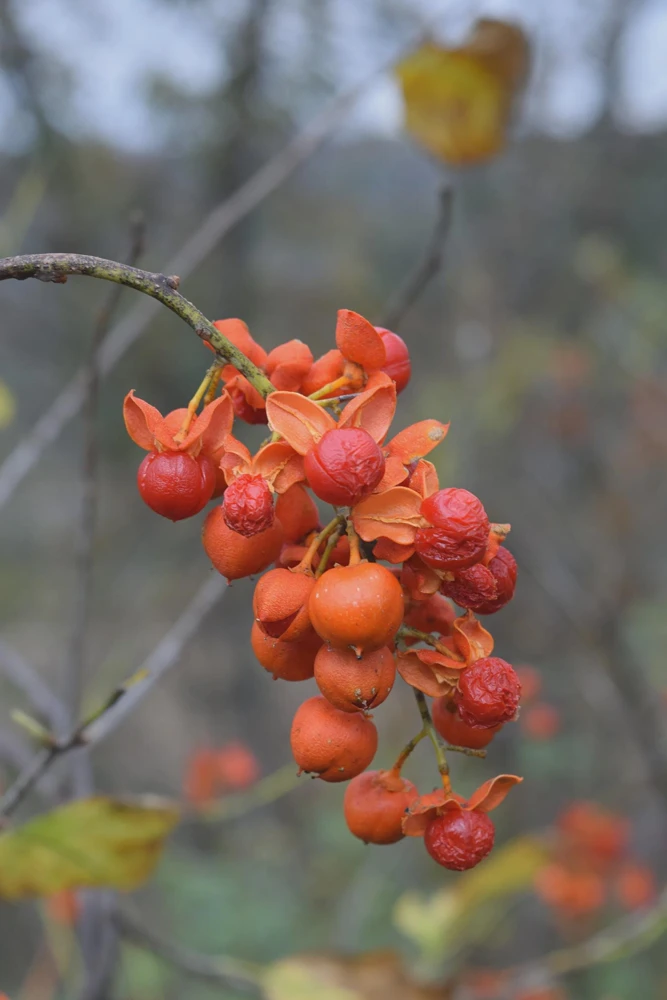
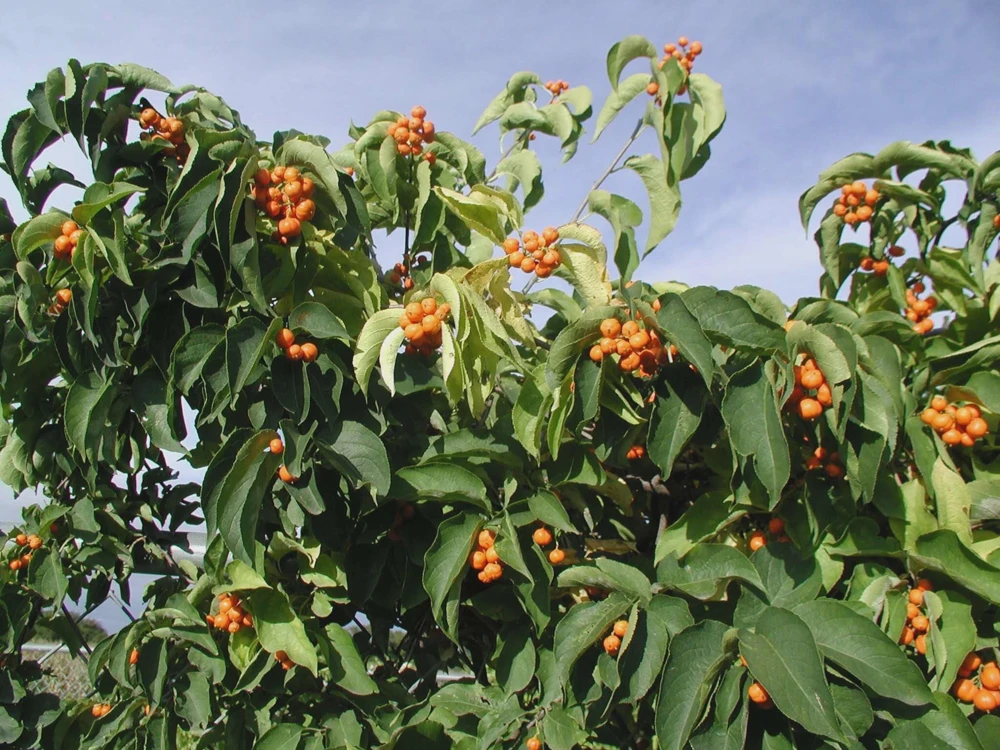
Introduce a touch of native beauty and ecological benefit to your landscape with our American Bittersweet Vine starter plugs. Each order includes 5 American Bittersweet Vine (Celastrus scandens) live plant starter plugs, grown in quart pots and ready for planting. This deciduous woody vine is indigenous to central and eastern North America, cherished for its spectacular autumn and winter display. As the seasons change, its vibrant green leaves give way to brilliant red berries, encased in distinctive orange capsules that elegantly split open in the fall. These showy fruits provide not only visual interest but also serve as a vital late-winter food source for various bird species, including bluebirds, wild turkeys, and ruffed grouse. Our Celastrus scandens plant offers a robust and vigorous growth habit, making it an excellent choice for adding vertical interest and supporting local wildlife.
The American Bittersweet Vine is a truly remarkable plant that combines aesthetic appeal with significant ecological value. Its adaptability and striking seasonal changes make it a favorite among gardeners looking to enhance their outdoor spaces with native flora. Whether you’re aiming to create a naturalized area, cover a fence, or add a dramatic climbing element, these starter plugs provide a strong foundation for a thriving bittersweet display. Experience the joy of watching your garden come alive with the vibrant colors and wildlife interactions that this extraordinary vine encourages.
Key Benefits
The American Bittersweet Vine offers a multitude of benefits for both your garden and the local ecosystem. Its hardiness and visual appeal make it a standout choice for various landscaping needs.
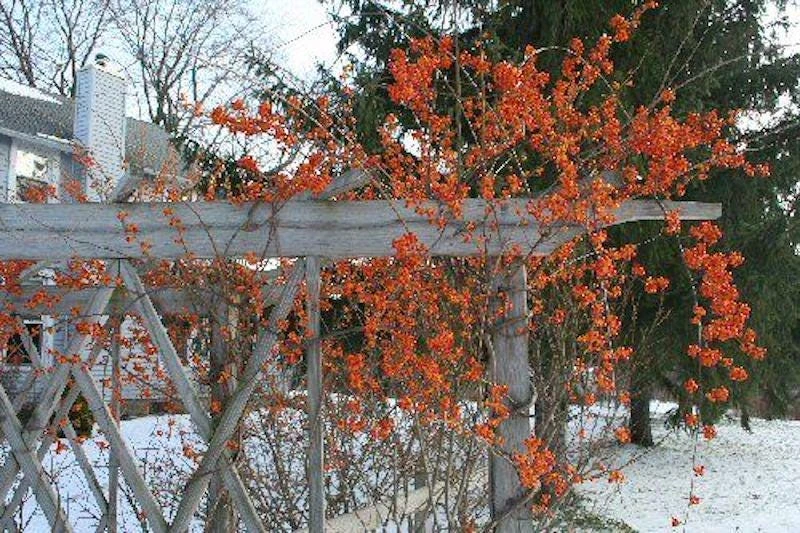
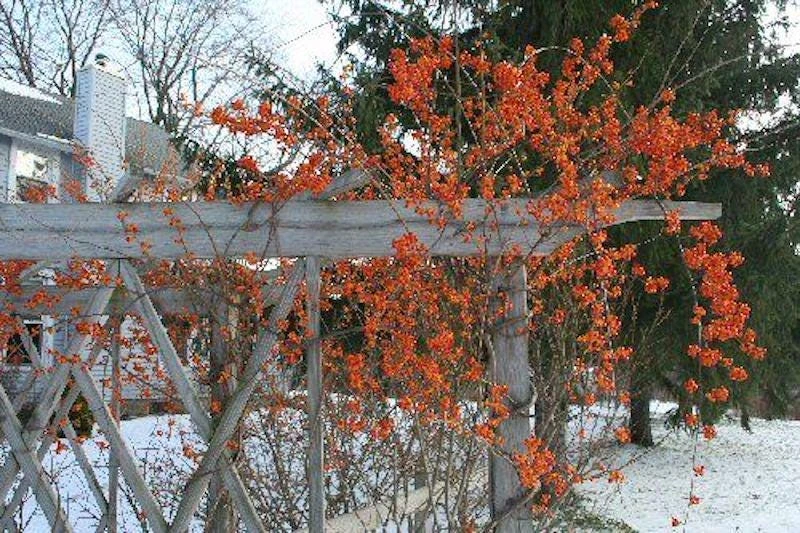
- Vibrant Seasonal Interest: Enjoy stunning fall foliage and brilliant red berries that persist into winter, providing continuous visual appeal long after other plants have faded. This makes the native bittersweet vine a focal point in the cooler months.
- Attracts Wildlife: The bright red berries are a critical late-winter food source, making it an excellent bittersweet plant for birds such as bluebirds, wild turkeys, and ruffed grouse, enhancing your garden’s biodiversity.
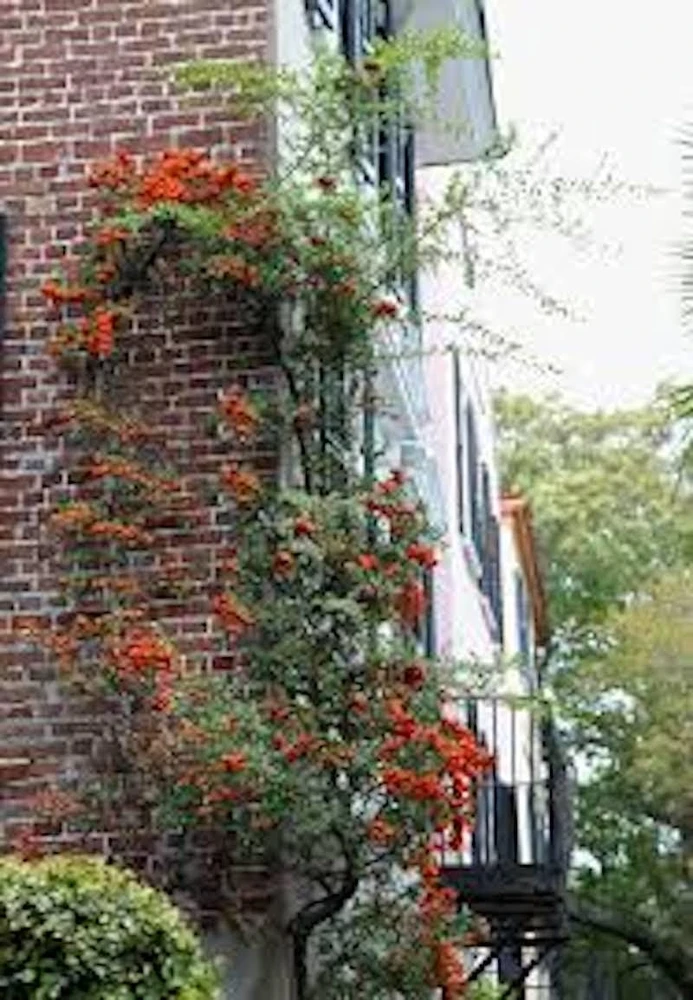
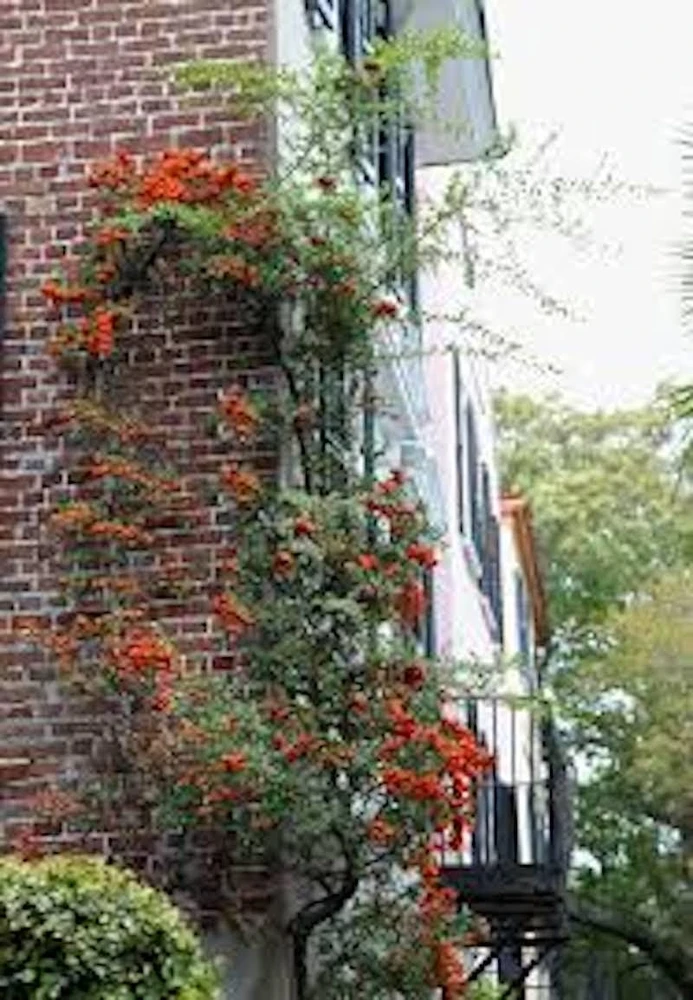
- Vigorous Growth: As a strong climber, this vine can reach impressive heights of 15–30 feet (or up to 60 feet in the wild), quickly covering trellises, fences, or walls, offering privacy and aesthetic coverage.
- Low Maintenance: Once established, the American Bittersweet Vine is relatively easy to care for, tolerant of various soil conditions and requiring minimal intervention to thrive, making growing bittersweet vine a rewarding experience.
- Native Plant Appeal: By planting a native species like Celastrus scandens, you support local ecosystems and contribute to the health of your regional environment.
- Erosion Control: Its extensive root system can help stabilize soil on slopes or embankments, preventing erosion and maintaining landscape integrity.
- Versatile Landscaping Use: Ideal for naturalizing areas, woodland gardens, or as a decorative climber on sturdy structures, adding vertical dimension and texture to any outdoor space.
Plant Care & Growing Tips
Growing bittersweet vine successfully starts with understanding its basic needs. The American Bittersweet Vine (Celastrus scandens) is a robust and adaptable plant, but providing optimal conditions will ensure its vigorous growth and abundant fruiting. It thrives in full sun to partial shade. For the most prolific berry production, aim for at least 6 hours of direct sunlight per day. While it can tolerate some shade, too much shade may reduce the number of berries it produces. This vine is tolerant of a wide range of soil types, but prefers well-draining, moderately fertile soil. Avoid heavy, waterlogged soils, as this can lead to root rot. A neutral to slightly acidic pH is generally ideal.
Water young plants regularly to help them establish a strong root system, typically once or twice a week, ensuring the soil remains consistently moist but not soggy. Once established, the Celastrus scandens plant is quite drought-tolerant and will only need supplemental watering during extended dry periods. Fertilization is usually not necessary for established plants, especially if grown in fertile soil. If your soil is poor, a balanced, slow-release granular fertilizer applied in early spring can be beneficial. Pruning is best done in late winter or early spring while the plant is dormant. Remove any dead, damaged, or weak stems. You can also prune to control its size and shape, as this vine can be quite vigorous. To encourage bushier growth, cut back stems to a strong bud or side branch. This also helps in managing the spread of the native bittersweet vine.
The American Bittersweet Vine is hardy in USDA zones 3-8, making it suitable for a wide range of climates. It can withstand cold winters and hot summers. Monitor for common pests like scale insects or spider mites, which can be treated with horticultural oil or insecticidal soap if infestations occur. Diseases are generally not a major concern for this resilient native plant. Remember that this vine can be aggressive, so provide a sturdy support structure and prune regularly to manage its growth and prevent it from overwhelming other plants or structures. Proper care ensures a beautiful and productive bittersweet plant for birds for many years.
Size & Details
This offering includes 5 American Bittersweet Vine starter plugs, each grown in a quart-sized pot. These young plants are typically 6-12 inches tall upon shipment, providing a strong foundation for rapid growth once planted. The Celastrus scandens plant is known for its vigorous climbing habit, capable of reaching mature heights of 15-30 feet in cultivated landscapes, and even up to 60 feet in its natural wild environment. Its spread can be equally impressive, making it an excellent choice for covering large areas, trellises, fences, or arbors.
The American Bittersweet Vine establishes quickly and will begin to show significant growth in its first full season after planting. While it may take a few years for the vine to mature and produce its characteristic abundant berries, the wait is well worth it for the stunning fall color and the benefit it provides as a bittersweet plant for birds. These starter plugs are shipped as live, healthy plants, carefully packaged to ensure they arrive ready for immediate outdoor planting. For optimal establishment, plant in spring or early fall, allowing ample time for root development before extreme weather conditions.
Frequently Asked Questions
- Q: How big does this plant get? A: The American Bittersweet Vine is a vigorous climber, typically reaching heights of 15-30 feet in cultivated settings. In the wild, it can grow even taller, up to 60 feet, making it suitable for large structures or naturalizing.
- Q: Is this an indoor or outdoor plant? A: This is an outdoor plant, native to North America. It requires ample space to grow and is best suited for gardens, trellises, fences, or other sturdy outdoor structures. It is not suitable for indoor cultivation.
- Q: How much sunlight does it need? A: For optimal growth and berry production, the Celastrus scandens plant prefers full sun (at least 6 hours of direct sunlight daily). It can tolerate partial shade, but berry display may be reduced.
- Q: Is this plant easy to care for? A: Yes, the American Bittersweet Vine is relatively easy to care for once established. It’s known for its hardiness and adaptability to various soil conditions. Regular watering for young plants and occasional pruning are its main requirements.
- Q: What condition will it arrive in? A: Your 5 American Bittersweet Vine starter plugs will arrive as live, healthy plants, carefully packaged in their quart pots to minimize stress during transit, ready for planting.
- Q: Can I use this plant to attract birds? A: Absolutely! The bright red berries of the bittersweet plant for birds are a crucial late-winter food source, attracting species like bluebirds, wild turkeys, and ruffed grouse to your garden.
- Q: When is the best time to plant? A: The ideal times for planting the native bittersweet vine are in the spring after the last frost, or in early fall, giving the plant sufficient time to establish its root system before winter.
- Q: Will it survive winter in my zone? A: The American Bittersweet Vine is cold hardy and thrives in USDA Zones 3-8, meaning it can withstand a wide range of winter temperatures in most of the US.
- Q: Does this vine need a support structure? A: Yes, as a vigorous climbing vine, the American Bittersweet Vine requires a sturdy support structure such as a trellis, arbor, fence, or even another strong tree to climb on.
- Q: How long until it produces berries? A: While the vine will grow quickly, it typically takes 2-4 years for a young American Bittersweet Vine to mature and begin producing a significant amount of its characteristic red berries.
Be the first to review “5 American Bittersweet Vine Celastrus scandens Live Plant Starter Plugs (Quart Pot) – Outdoor”
Related products


You May Like

Hardneck vs. Softneck Garlic: Which Should You Grow?
Have you ever stood in front of a seed catalog in mid-September, staring at dozens [...]
Oct

When to Plant Music Garlic: Ultimate US Fall Guide
Have you ever spent your fall weekend placing carefully chosen garlic cloves into rich, dark [...]
1 Comment
Oct

5 Best Bulbs for Fall Planting: Brighten Your Garden This Spring
Are you dreaming of a garden full of vibrant colors in the spring? The key [...]
Aug

10 Houseplants That Will Thrive in Your Kitchen
Are you tired of your kitchen feeling dull and lifeless? Want to add a little [...]
1 Comment
Aug
Reviews
There are no reviews yet.