
5 Black Alder Tree Live Plants 12-24 inch – European Common Alder Bare Root
Original price was: 123.99 $.98.99 $Current price is: 98.99 $.
Cultivate black alder tree live plants, supplied as 12-24 inch bare root specimens. Also known as European alder tree (Alnus glutinosa), this fast-growing deciduous tree thrives in challenging wet and poor soil conditions, making it an excellent choice for landscaping and soil improvement. Enjoy its natural beauty and environmental benefits.
Estimated arrival
Oct 16
Oct 21 - Oct 23
Oct 23 - Oct 28
See our Shipping Policy.
Get in touch with us via email, and our team will review your concerns.
Our Alive & Thrive Guarantee covers issues with your plants within the first 30 days. Read our Refund & Returns Policy.
-
USDA Hardiness Zone
USDA Zones 3-7 -
Soil Type
Wet, poor, loamy soils; adaptable -
Sunlight Exposure
Full sun to partial shade -
Expected Planting Period
Early spring or late fall
Overview
Introduce a robust and resilient addition to your landscape with our black alder tree live plants. This offering includes 5 bare root specimens, each standing 12-24 inches tall, ready to establish quickly in your garden. The black alder tree, scientifically known as Alnus glutinosa, is also widely recognized as the European alder tree or common alder. Native to Europe, North Africa, and western Asia, this medium-sized deciduous tree is celebrated for its vigorous growth and remarkable adaptability. It’s a member of the birch family (Betulaceae) and is particularly valued for its ability to flourish in wet, challenging soils where many other trees struggle. Its unique nitrogen-fixing capabilities enrich the soil, benefiting surrounding plant life and contributing to a healthier ecosystem.
These young trees are perfect for various landscaping projects, from creating naturalized areas and windbreaks to stabilizing stream banks and enhancing biodiversity. The Alnus glutinosa offers a natural solution for difficult planting sites, providing both ecological benefits and aesthetic appeal. Whether you’re a seasoned gardener or a new enthusiast, growing these adaptable trees is a rewarding experience.
Key Benefits
The black alder tree provides a multitude of benefits, making it an excellent choice for a variety of landscapes and environmental restoration projects. Its hardiness and unique characteristics contribute significantly to its appeal and utility.
- Exceptional Soil Improvement: One of the most significant advantages of the black alder tree is its ability to fix nitrogen in the soil. This natural process enriches the soil, making it more fertile for other plants without the need for artificial fertilizers. This makes it an ideal pioneer species for improving degraded land.
- Thrives in Wet Conditions: Unlike many trees that shy away from soggy feet, the European alder tree excels in wet and poor soils. It’s a perfect candidate for planting near ponds, streams, or in areas with consistently moist ground, where other species might fail.
- Fast Growth Rate: These trees are known for their rapid growth, quickly establishing themselves and providing shade, screening, or ecological benefits in a relatively short period. This makes them excellent for quick landscape impact or reforestation efforts.
- Erosion Control: Due to its extensive root system and preference for moist environments, Alnus glutinosa is highly effective at stabilizing soil and preventing erosion along waterways and slopes.
- Wildlife Habitat: The black alder tree provides food and shelter for various wildlife species. Its catkins are a food source for birds, and its dense canopy offers nesting sites and protection.
- Hardy and Adaptable: This species is remarkably resilient, tolerating a wide range of conditions, including various soil types, urban pollution, and varying climates, making it a versatile choice for many regions.
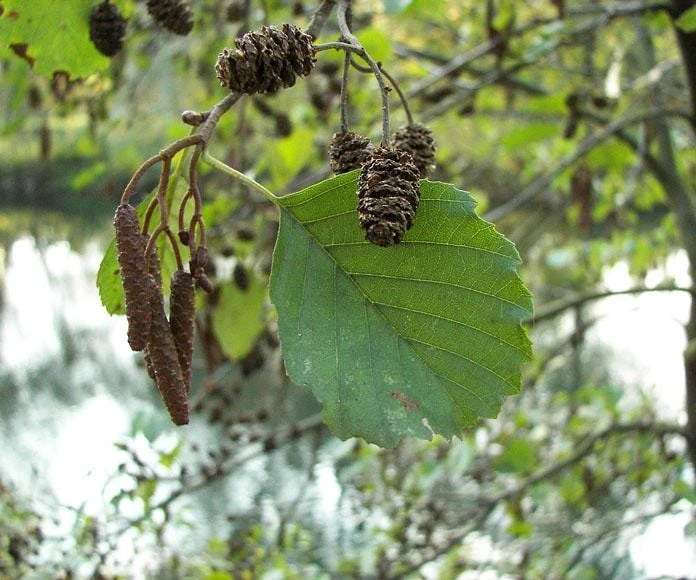
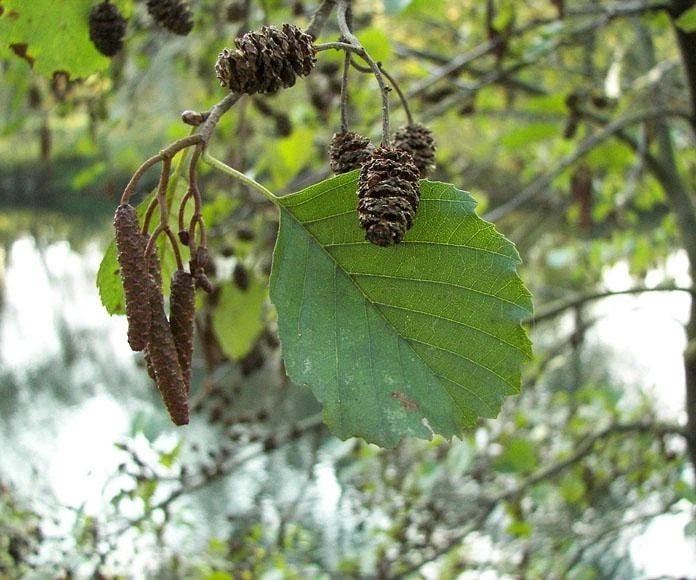
- Aesthetic Appeal: With its attractive foliage and distinctive catkins, the common alder offers seasonal interest to any landscape. Its natural form adds a rustic charm, especially in naturalized settings.
Plant Care & Growing Tips
Caring for your black alder tree is relatively straightforward, thanks to its robust and adaptable nature. These trees are known for being low-maintenance once established, making them a great choice for both novice and experienced gardeners. When your black alder tree arrives as a bare root specimen, it’s crucial to plant it as soon as possible. Before planting, soak the roots in water for a few hours to rehydrate them. Dig a hole wide enough to accommodate the spread of the roots and deep enough so that the root collar (where the roots meet the stem) is at ground level.
The European alder tree thrives in full sun to partial shade, meaning it prefers at least 4-6 hours of direct sunlight daily, but can tolerate some afternoon shade, especially in hotter climates. It is highly tolerant of wet soils, making it an excellent choice for areas with poor drainage or near water features. While it prefers moist conditions, once established, it can tolerate short periods of drought. For best results, ensure the soil remains consistently moist, particularly during the first few growing seasons. A rich, loamy soil is ideal, but it will adapt to most soil types, including clay and sandy soils, as long as moisture is present.
Fertilization is generally not heavily required for Alnus glutinosa due to its nitrogen-fixing capabilities. However, a balanced slow-release fertilizer can be applied in early spring for young trees to encourage vigorous growth. These trees are hardy in USDA zones 3-7, making them suitable for a wide range of climates across the United States. Pruning is usually limited to removing dead, damaged, or crossing branches to maintain a healthy structure. Pests and diseases are generally not a major concern for the black alder tree, but monitor for common issues and address them promptly if they arise.
Size & Details
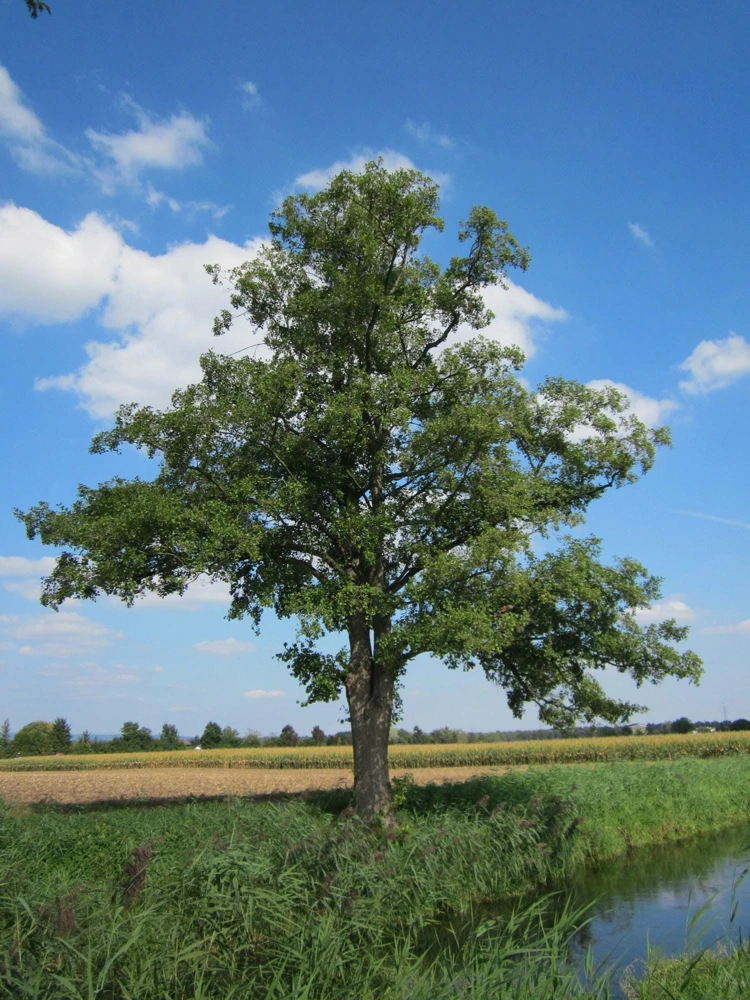
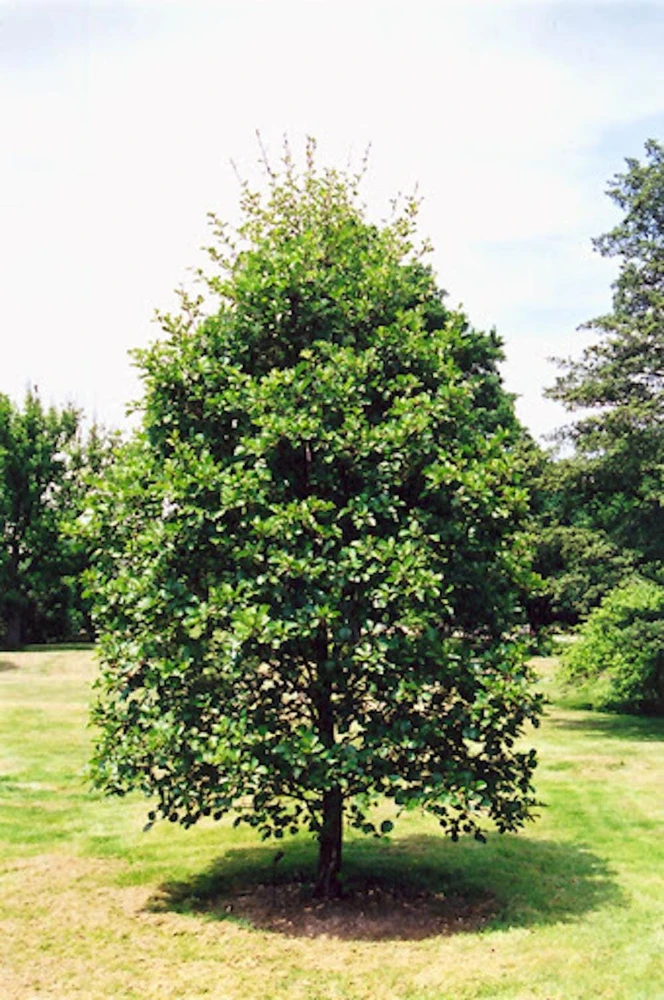
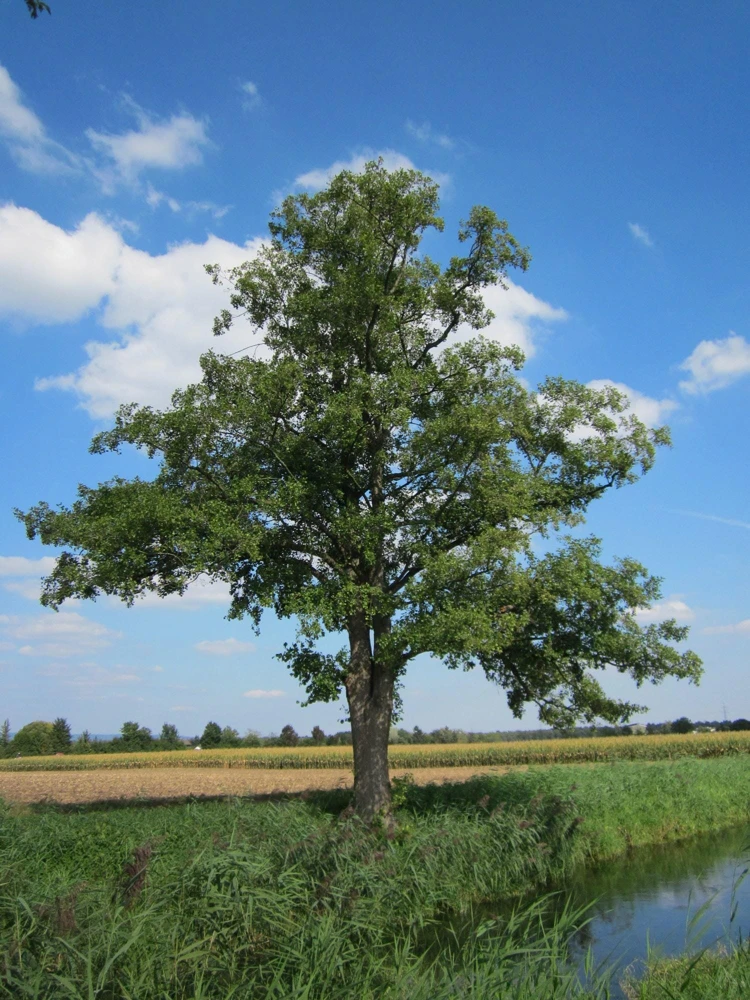
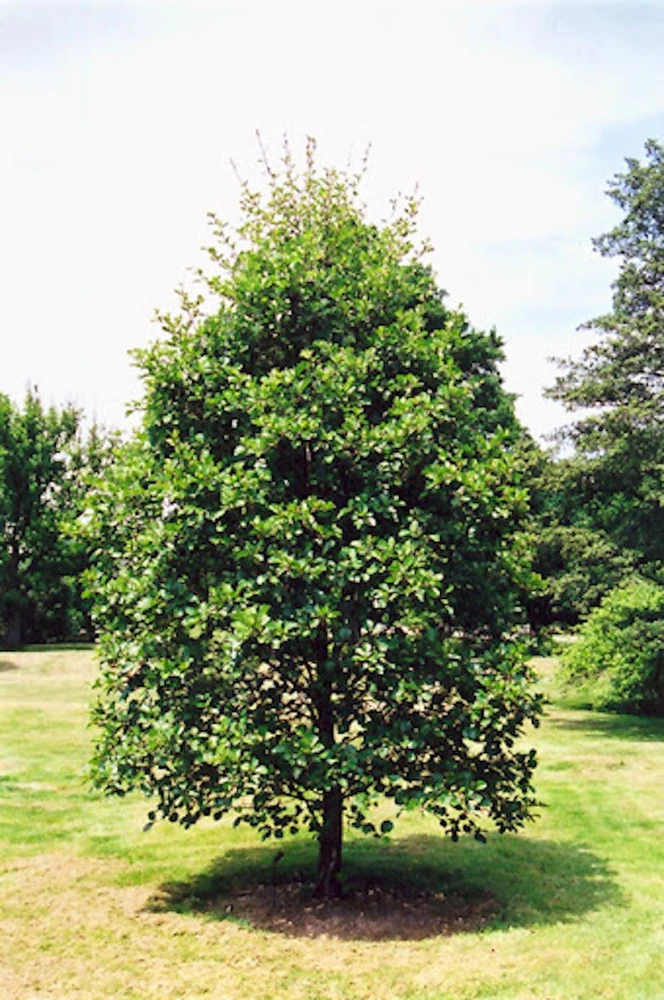
This offering includes 5 individual black alder tree live plants, each provided as a bare root specimen. Upon arrival, these trees will measure approximately 12-24 inches in height, making them ideal young saplings ready for transplanting. As a medium-sized deciduous tree, the European alder tree typically reaches a mature height of 40-60 feet with a spread of 20-40 feet, developing a conical to rounded crown. Its growth rate is considered fast, allowing it to establish quickly in your landscape and provide benefits within a few years.
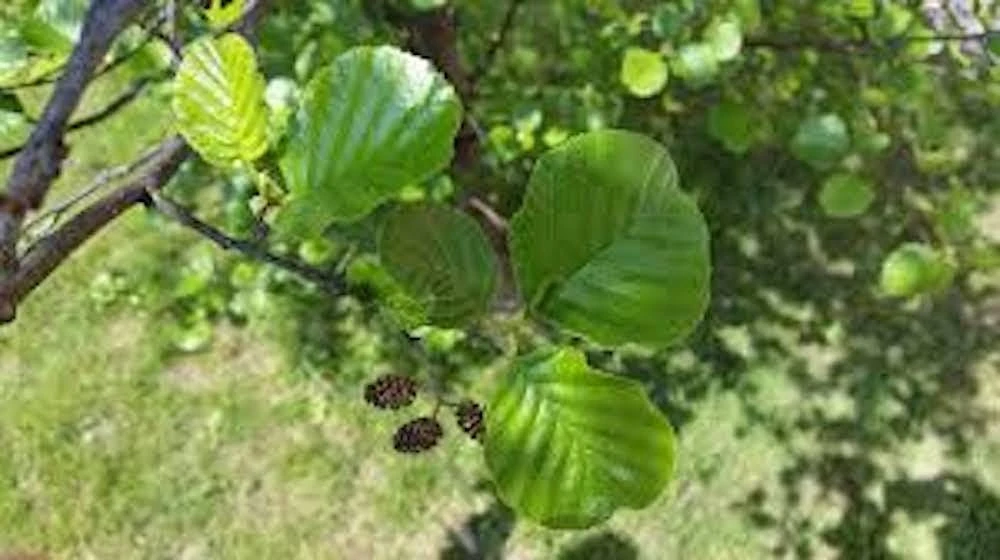
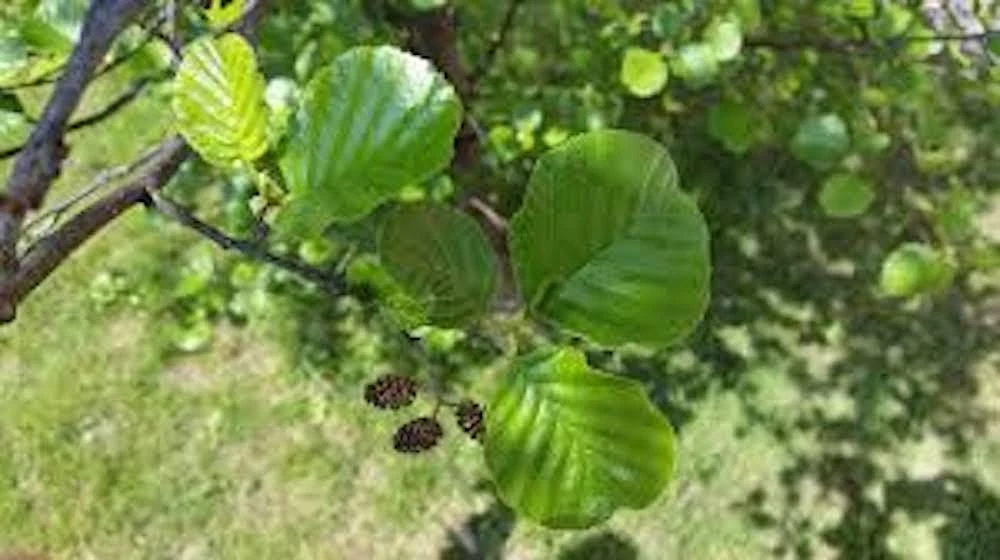
The bare root format ensures a cost-effective and efficient shipping method, reducing transplant shock when planted correctly. These trees are supplied without soil or pots, allowing for easier handling and direct planting into your desired location. Expect these Alnus glutinosa specimens to begin showing new growth shortly after planting, provided they receive adequate water and sunlight. The mature trees will feature attractive green foliage, which turns a dull yellow in autumn, and distinctive reddish-brown catkins that appear in late winter to early spring.
Frequently Asked Questions
- Q: What size will the black alder tree arrive in? A: The black alder tree live plants will arrive as bare root specimens, measuring approximately 12-24 inches tall, ready for immediate planting.
- Q: How big does a mature European alder tree get? A: A mature European alder tree typically reaches a height of 40-60 feet with a spread of 20-40 feet, forming a beautiful, often conical, canopy.
- Q: Is this an indoor or outdoor plant? A: The black alder tree is an outdoor plant, best suited for landscaping in gardens, along waterways, or in naturalized areas. It is not suitable for indoor cultivation.
- Q: How much sunlight does the Alnus glutinosa need? A: Alnus glutinosa prefers full sun to partial shade, ideally receiving at least 4-6 hours of direct sunlight per day to thrive and grow vigorously.
- Q: Is this tree easy to care for? A: Yes, the black alder tree is considered very easy to care for. It’s adaptable, hardy, and low-maintenance once established, especially known for tolerating wet and poor soils.
- Q: What condition will the bare root trees arrive in? A: The bare root trees will arrive dormant, without soil, with their roots protected for shipping. They should be planted as soon as possible after arrival.
- Q: When is the best time to plant a black alder tree? A: The best time to plant bare root black alder tree specimens is in early spring, after the last frost, or in late fall after leaf drop and before the ground freezes.
- Q: Will the European alder tree survive winter in my zone? A: The European alder tree is hardy in USDA Zones 3-7, meaning it can tolerate cold winter temperatures within these regions.
- Q: Does this tree help improve soil quality? A: Yes, a key benefit of the black alder tree is its ability to fix nitrogen from the air into the soil, significantly improving soil fertility and benefiting surrounding plant life. This is why it’s also known as a nitrogen-fixing tree.
- Q: What type of soil does the common alder prefer? A: While adaptable to many soil types, the common alder thrives in moist to wet, rich, loamy soils. It is particularly known for its tolerance of poor and waterlogged conditions.
Be the first to review “5 Black Alder Tree Live Plants 12-24 inch – European Common Alder Bare Root”
Related products


You May Like

Hardneck vs. Softneck Garlic: Which Should You Grow?
Have you ever stood in front of a seed catalog in mid-September, staring at dozens [...]
Oct

When to Plant Music Garlic: Ultimate US Fall Guide
Have you ever spent your fall weekend placing carefully chosen garlic cloves into rich, dark [...]
1 Comment
Oct

5 Best Bulbs for Fall Planting: Brighten Your Garden This Spring
Are you dreaming of a garden full of vibrant colors in the spring? The key [...]
Aug

10 Houseplants That Will Thrive in Your Kitchen
Are you tired of your kitchen feeling dull and lifeless? Want to add a little [...]
1 Comment
Aug
Reviews
There are no reviews yet.