
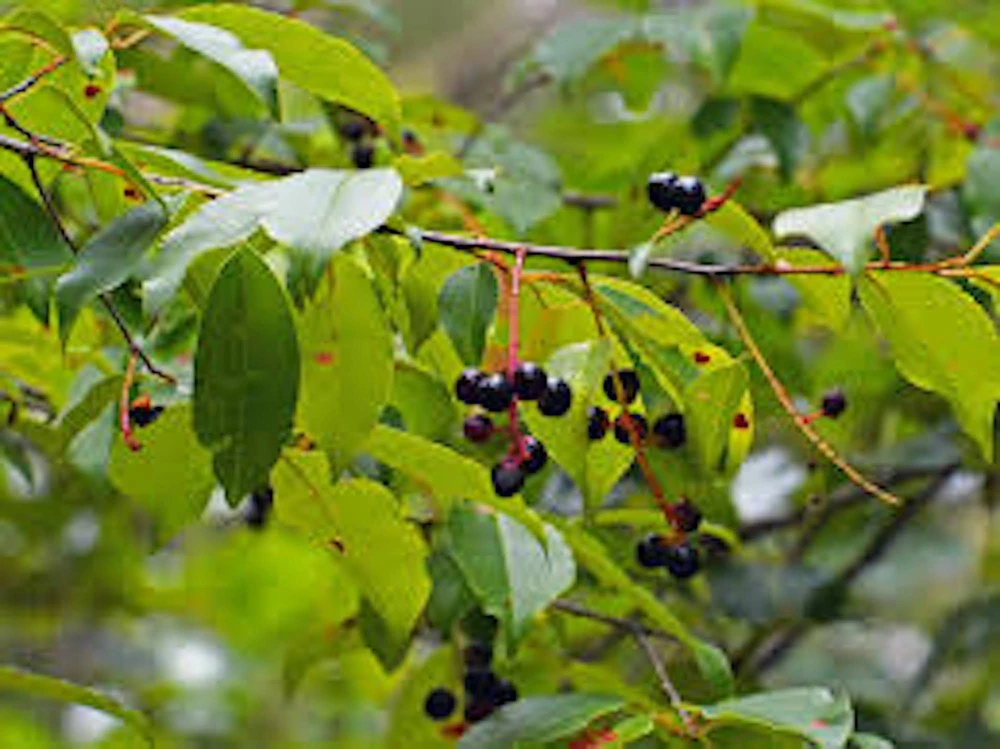
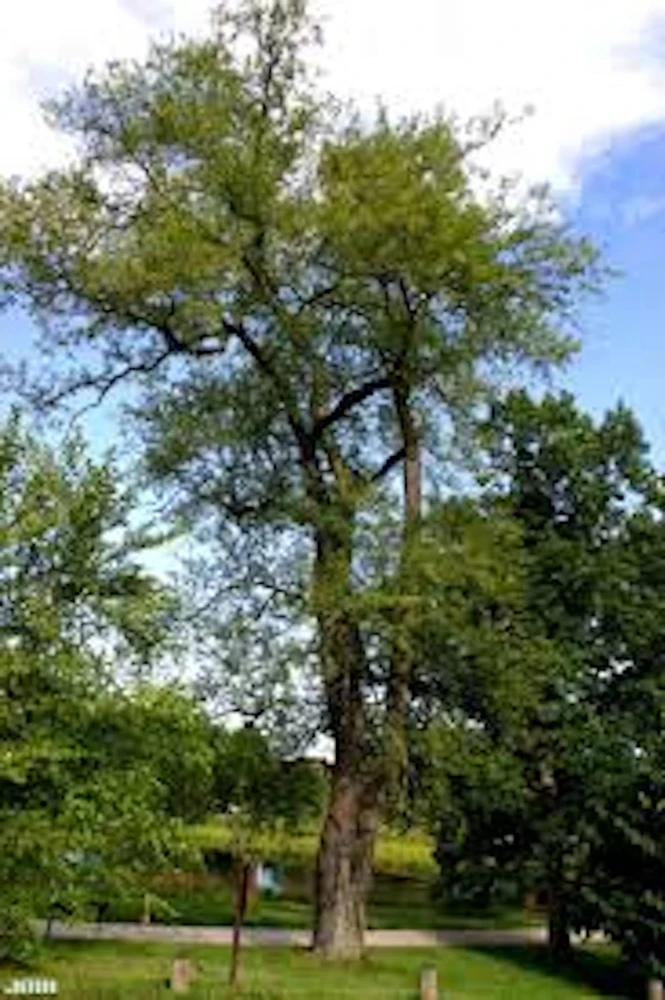
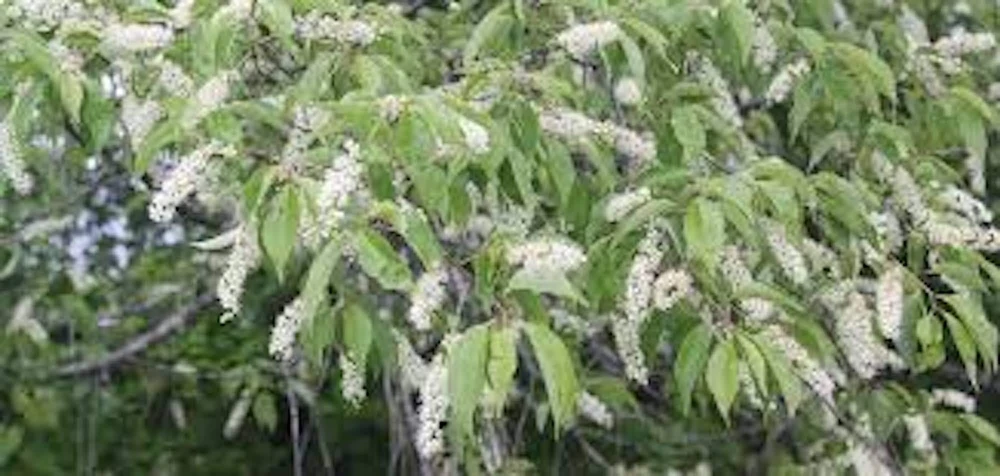
5 Black Cherry Tree Prunus serotina 12-24in (Quart Pot)
Original price was: 132.99 $.107.99 $Current price is: 107.99 $.
Estimated arrival
Oct 17
Oct 22 - Oct 24
Oct 24 - Oct 29
See our Shipping Policy.
Get in touch with us via email, and our team will review your concerns.
Our Alive & Thrive Guarantee covers issues with your plants within the first 30 days. Read our Refund & Returns Policy.
“`json { “meta_title”: “Black Cherry Tree Prunus serotina – 12-24in Live Plant”, “google_title”: “Black Cherry Tree Prunus serotina Live Plant 12-24in Tall Quart Pot Outdoor”, “meta_description”: “Grow your own Black Cherry Tree (Prunus serotina). This North American native offers beautiful white spring blooms, black fruit, and valuable wood. USDA Zones 3-9.”, “meta_focus_keyword”: “black cherry tree, prunus serotina live plant, black cherry tree care, native american trees, fruit trees for zone 3”, “categories”: “Trees”, “google_product_category_path”: “Home & Garden> Plants> Trees”, “google_product_category_id”: “unknown”, “short_description”: “
Cultivate a beautiful black cherry tree, also known as Prunus serotina live plant. This native North American tree grows 12-24 inches tall, thriving outdoors in USDA Zones 3-9. Enjoy its vibrant spring blooms, valuable wood, and late-summer black cherries.
“, “long_description”: “
Overview
n
Bring the beauty and natural bounty of North America to your landscape with the black cherry tree (Prunus serotina). This remarkable native species is a fast-growing, deciduous tree prized for its ornamental value, ecological benefits, and high-quality wood. Often reaching impressive heights, the black cherry tree stands out with its brilliant white flower clusters in spring, which transform into edible dark purple-black cherries by late summer. Its distinctive bark, which becomes scaly and dark with age, adds year-round interest to any garden. This offering includes a healthy Prunus serotina live plant, typically measuring 12-24 inches in height, ready for planting in your outdoor space. It’s a fantastic choice for those looking to support local wildlife, enjoy fresh fruit, or simply enhance their property with a stately, resilient tree.
n
The black cherry tree is a cornerstone species in many ecosystems, providing food and shelter for a variety of birds and mammals. Its adaptability to a wide range of growing conditions makes it a versatile addition to diverse landscapes, from naturalized areas to more formal garden settings. Whether you’re an experienced arborist or a budding gardener, growing a black cherry tree offers a rewarding experience, culminating in its seasonal displays of flowers and fruit.
n
Key Benefits
n
The black cherry tree offers a multitude of advantages for your garden and local environment. Its presence enhances biodiversity and provides both aesthetic appeal and practical benefits. Cultivating this native species contributes positively to your local ecosystem while providing a beautiful, low-maintenance addition to your property.
n
- n
- Ecological Value: As a native species, the black cherry tree supports local wildlife. Its flowers provide nectar for pollinators in spring, and its abundant cherries are a vital food source for numerous bird species and small mammals in late summer.
- Ornamental Appeal: Enjoy stunning white flower clusters in spring, followed by glossy green foliage that turns attractive shades of yellow and red in autumn. The mature tree’s dark, scaly bark also provides visual interest throughout the winter months.
- Edible Fruit Production: The small, dark cherries ripen in late summer and can be enjoyed fresh, used in jams, jellies, pies, or as a flavoring for beverages. These fruits are a delightful seasonal treat for both humans and wildlife.
- Valuable Timber: Black cherry wood is highly prized for its rich reddish-brown color, fine grain, and durability, making it a valuable resource for furniture, cabinetry, and other woodworking projects.
- Adaptability & Hardiness: This resilient tree thrives in a wide range of conditions, tolerating various soil types and growing successfully across USDA Hardiness Zones 3-9. It’s a robust choice for many climates.
- Shade & Structure: A mature black cherry tree provides excellent shade, making it a wonderful addition to a backyard or park, offering a cool respite during hot summer days. Its strong structure adds a significant vertical element to your landscape design.
n
n
n
n
n
n
n
Plant Care & Growing Tips
n
Caring for your black cherry tree is relatively straightforward, making it an excellent choice for gardeners of all experience levels. To ensure your Prunus serotina live plant flourishes, understanding its basic needs is key. Black cherry trees generally prefer full sun exposure, meaning at least 6 hours of direct sunlight per day, which is crucial for optimal growth and fruit production. While they can tolerate some partial shade, too little sun may result in fewer flowers and less fruit. When planting, choose a location with good air circulation to minimize disease risk.
n
These trees are adaptable to a variety of soil types, but they thrive best in well-draining, moist, slightly acidic to neutral soils. Avoid planting in areas where water tends to collect, as soggy roots can lead to problems. Once established, black cherry tree care is minimal. Young trees will benefit from consistent watering, especially during dry spells, to encourage strong root development. Mature trees are quite drought-tolerant but may appreciate supplemental watering during prolonged dry periods. Fertilization is typically not necessary unless your soil is very poor; a balanced, slow-release fertilizer can be applied in early spring if needed, following product instructions.
n
Pruning should be done in late winter or early spring before new growth begins. Focus on removing dead, damaged, or crossing branches to maintain a healthy structure and good air circulation. Keep an eye out for common pests and diseases, though healthy trees are generally resilient. By providing the right conditions, your Prunus serotina live plant will grow into a majestic and productive tree, offering years of beauty and bounty. If you’re looking for fruit trees for zone 3, the black cherry tree is an excellent, hardy option.
n
Size & Details
n
This offering includes a single black cherry tree, a healthy Prunus serotina live plant, carefully cultivated and ready for planting. Each tree typically stands between 12 to 24 inches tall at the time of shipment, arriving in a quart-sized pot, ensuring a robust root system for successful transplanting. These young trees are vigorous growers, and with proper care, they will quickly establish themselves in your garden. Expect a medium to fast growth rate, potentially adding 1-2 feet of height per year once established.
n
When mature, a black cherry tree can reach impressive heights of 50-80 feet with a spread of 30-50 feet, forming a broad, rounded canopy. The tree will begin to produce fruit within a few years of planting, offering a delightful harvest of cherries each late summer. The plants are shipped with their root ball intact in the nursery pot, minimizing transplant shock and ensuring a smooth transition to your landscape. This native species is an ideal choice for creating shade, attracting wildlife, and adding an important ecological component to your outdoor space.
n
Frequently Asked Questions
n
- n
- Q: How big does this black cherry tree get? A: This Prunus serotina live plant is currently 12-24 inches tall. When mature, a black cherry tree can reach heights of 50-80 feet with a spread of 30-50 feet, depending on growing conditions.
- Q: What size pot does it come in? A: The black cherry tree is shipped in a quart-sized pot, providing a strong root system for successful planting.
- Q: Is this an indoor or outdoor plant? A: The black cherry tree is an outdoor tree, best suited for planting in a garden or landscape where it has ample space to grow. It is not suitable as an indoor houseplant.
- Q: How much sunlight does it need? A: For optimal growth and fruit production, the black cherry tree prefers full sun, meaning at least 6 hours of direct sunlight per day. It can tolerate some partial shade but may produce fewer flowers and fruit.
- Q: Is this plant easy to care for? A: Yes, black cherry tree care is relatively easy once established. It’s a hardy and adaptable native tree that requires minimal maintenance, making it suitable for both experienced and novice gardeners.
- Q: What condition will it arrive in? A: Your Prunus serotina live plant will arrive as a healthy, actively growing tree in its nursery pot, with the root ball intact to ensure a smooth transition to your garden.
- Q: When is the best time to plant a black cherry tree? A: The best time to plant a black cherry tree is typically in early spring or fall, allowing the tree to establish its root system before the extreme temperatures of summer or winter.
- Q: What’s the minimum temperature this tree can withstand? A: The black cherry tree is very hardy and thrives in USDA Hardiness Zones 3-9, meaning it can tolerate winter temperatures as low as -40°F (-40°C). This makes it an excellent choice if you are looking for fruit trees for zone 3.
- Q: Can I eat the black cherries? A: Yes, the small, dark black cherries are edible when ripe and can be enjoyed fresh or used in various culinary applications like jams, jellies, and pies.
- Q: Are there any specific soil requirements for black cherry tree care? A: The black cherry tree prefers well-draining, moist, slightly acidic to neutral soil. It is adaptable to various soil types but will not tolerate consistently waterlogged conditions.
n
n
n
n
n
n
n
n
n
n
” }, “key_features”: { “usda_zone”: “3-9”, “soil_type”: “Well-draining, moist, slightly acidic to neutral soil”, “sunlight_exposure”: “Full sun to partial shade”, “expected_planting_period”: “Spring to Fall” } } “`
Be the first to review “5 Black Cherry Tree Prunus serotina 12-24in (Quart Pot)”
Related products


You May Like

Hardneck vs. Softneck Garlic: Which Should You Grow?
Have you ever stood in front of a seed catalog in mid-September, staring at dozens [...]
Oct

When to Plant Music Garlic: Ultimate US Fall Guide
Have you ever spent your fall weekend placing carefully chosen garlic cloves into rich, dark [...]
1 Comment
Oct

5 Best Bulbs for Fall Planting: Brighten Your Garden This Spring
Are you dreaming of a garden full of vibrant colors in the spring? The key [...]
Aug

10 Houseplants That Will Thrive in Your Kitchen
Are you tired of your kitchen feeling dull and lifeless? Want to add a little [...]
1 Comment
Aug
Reviews
There are no reviews yet.