


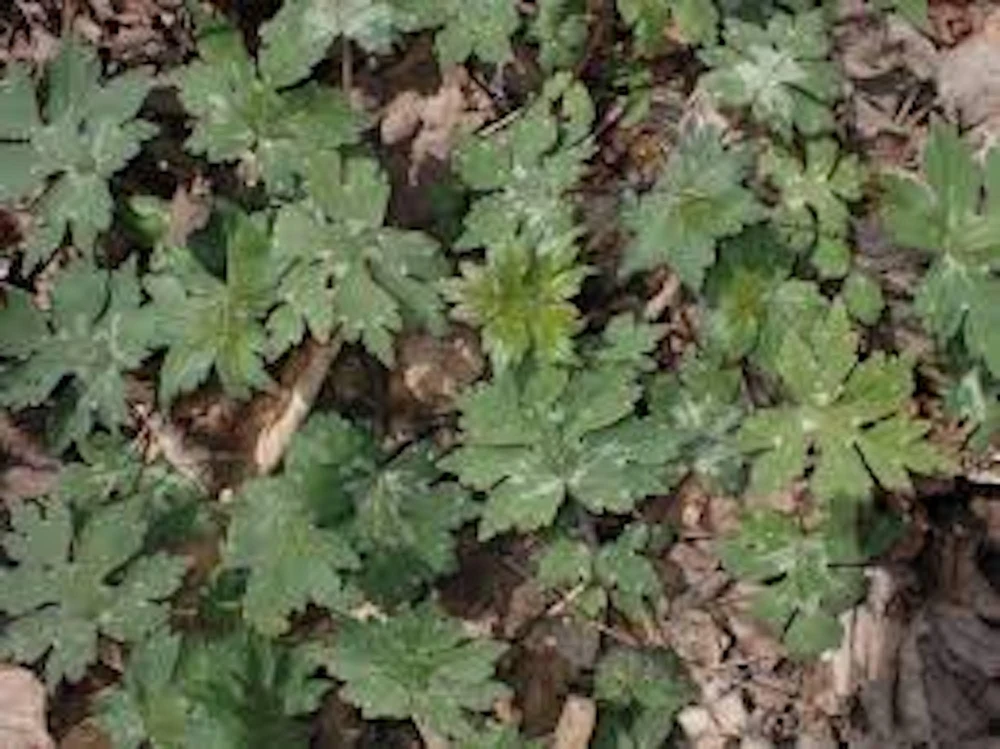
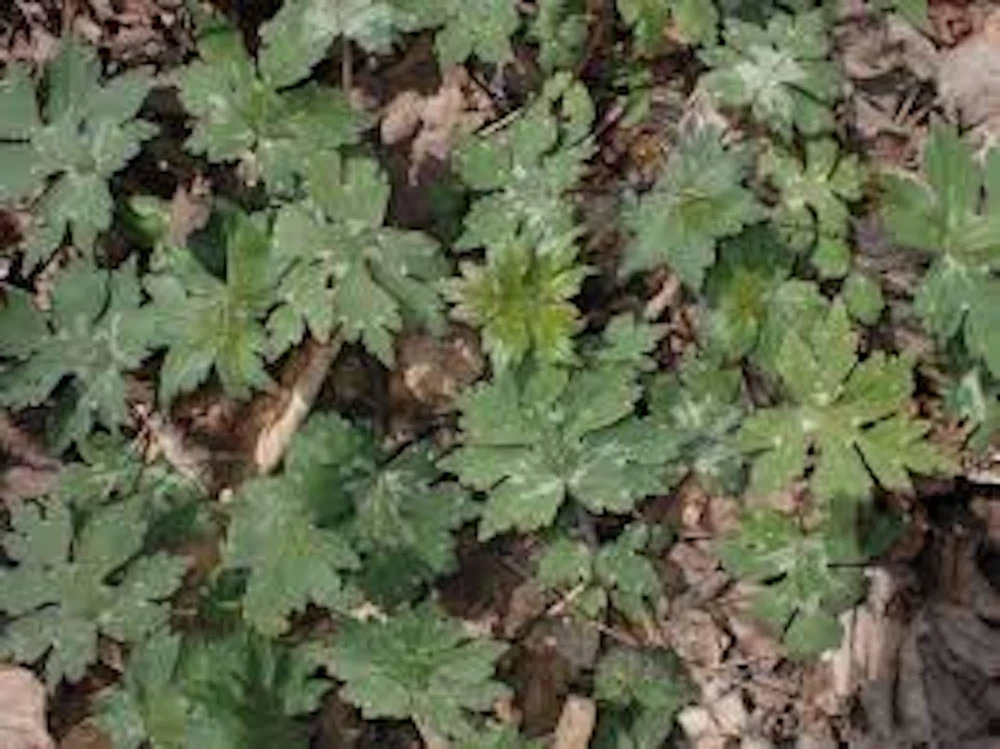
5 Canadian Waterleaf Bare Root Plants – Shade Wildflower – Perennial
Original price was: 69.99 $.44.99 $Current price is: 44.99 $.
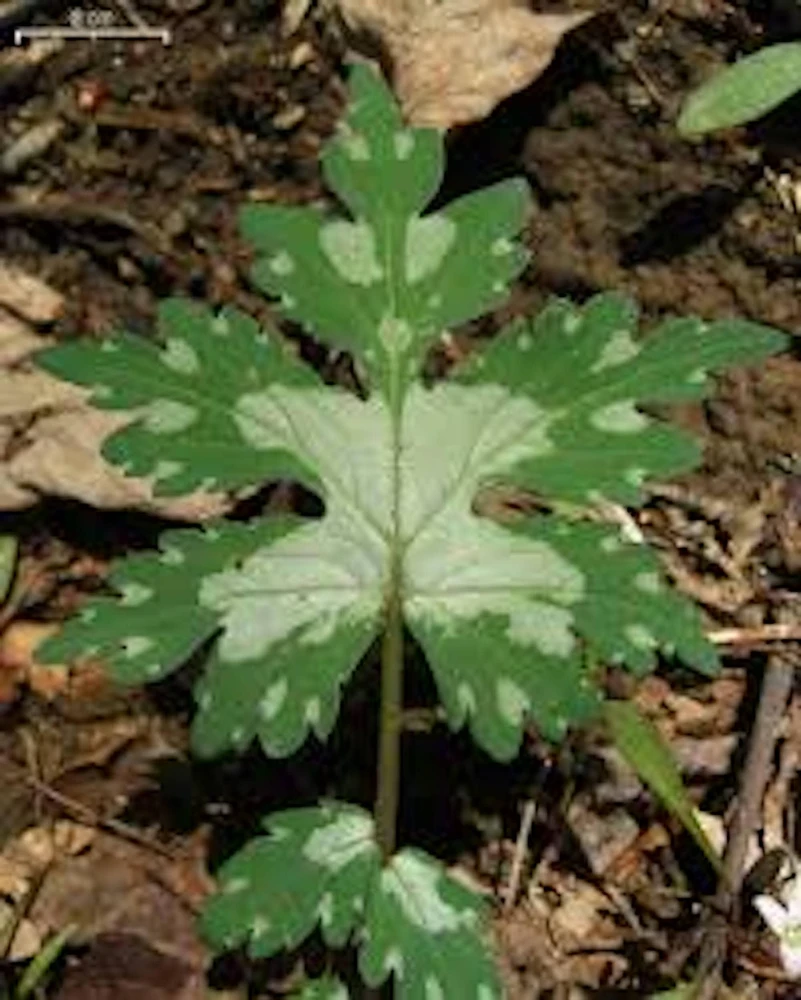
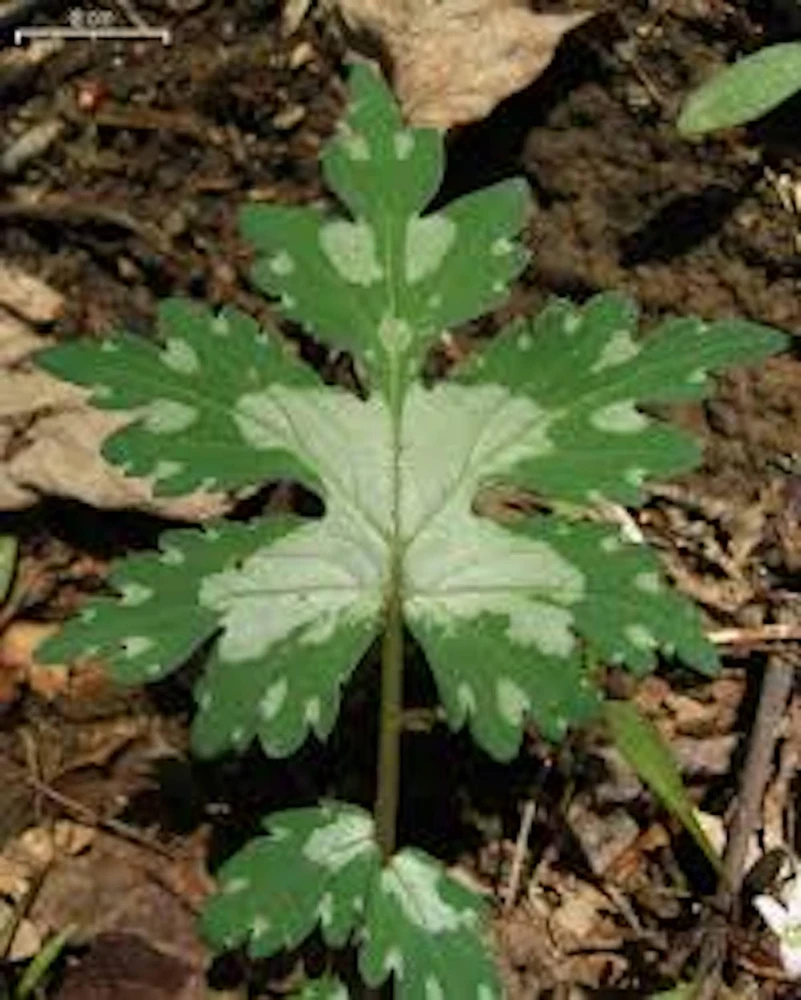
Bring natural beauty to your shaded areas with 5 Canadian Waterleaf bare root plants. This native perennial plant (Hydrophyllum canadense) features attractive heart-shaped foliage and delicate white to pale blue flowers, perfect for a woodland garden plants or naturalized settings. Enjoy a low-maintenance shade wildflower that attracts pollinators.
Estimated arrival
Oct 17
Oct 22 - Oct 24
Oct 24 - Oct 29
See our Shipping Policy.
Get in touch with us via email, and our team will review your concerns.
Our Alive & Thrive Guarantee covers issues with your plants within the first 30 days. Read our Refund & Returns Policy.
-
USDA Hardiness Zone
USDA Zones 4-8 -
Soil Type
Moist, well-draining soil rich in organic matter -
Sunlight Exposure
Partial to full shade -
Expected Planting Period
Early spring or fall
Overview
Discover the charm of the Canadian Waterleaf bare root plant, a delightful addition to any shade garden. This offering includes 5 Canadian Waterleaf bare root plants, ready to thrive in your landscape. Known scientifically as Hydrophyllum canadense, this native perennial is celebrated for its distinctive foliage and attractive blooms. Originating from eastern North America, the Canadian Waterleaf is perfectly suited for gardeners seeking to enhance moist, shaded environments. Its unique appearance and ecological benefits make it a fantastic choice for creating a lush, naturalized area or an enchanting woodland garden plants.
The Canadian Waterleaf is a robust and resilient plant, making it an excellent option for various garden styles. Its ability to flourish in less-than-sunny spots makes it a valuable asset for challenging areas of your yard. As a shade wildflower, it contributes significantly to local biodiversity by attracting essential pollinators like bees and butterflies, enriching the ecosystem of your garden. These bare root plants provide a robust starting point for establishing a healthy, thriving patch of Canadian Waterleaf.
Key Benefits
Incorporating Canadian Waterleaf bare root plants into your garden offers numerous advantages, from aesthetic appeal to ecological contributions. These plants are not only beautiful but also perform valuable functions within their environment, making them a wise choice for the discerning gardener.
- Low Maintenance Beauty: Once established, this hardy perennial requires minimal care, making it an ideal choice for busy gardeners who desire a beautiful yet undemanding plant. Its natural resilience ensures it thrives with little intervention.
- Effective Erosion Control: The extensive root system of Hydrophyllum canadense is excellent for stabilizing soil, particularly in moist areas. This helps prevent erosion, protecting your garden’s integrity and promoting healthier soil.
- Pollinator Haven: The delicate white to pale blue flowers produced by the Canadian Waterleaf in late spring to early summer are a magnet for pollinators. They provide a vital food source for bees and butterflies, supporting local wildlife and enhancing garden biodiversity.
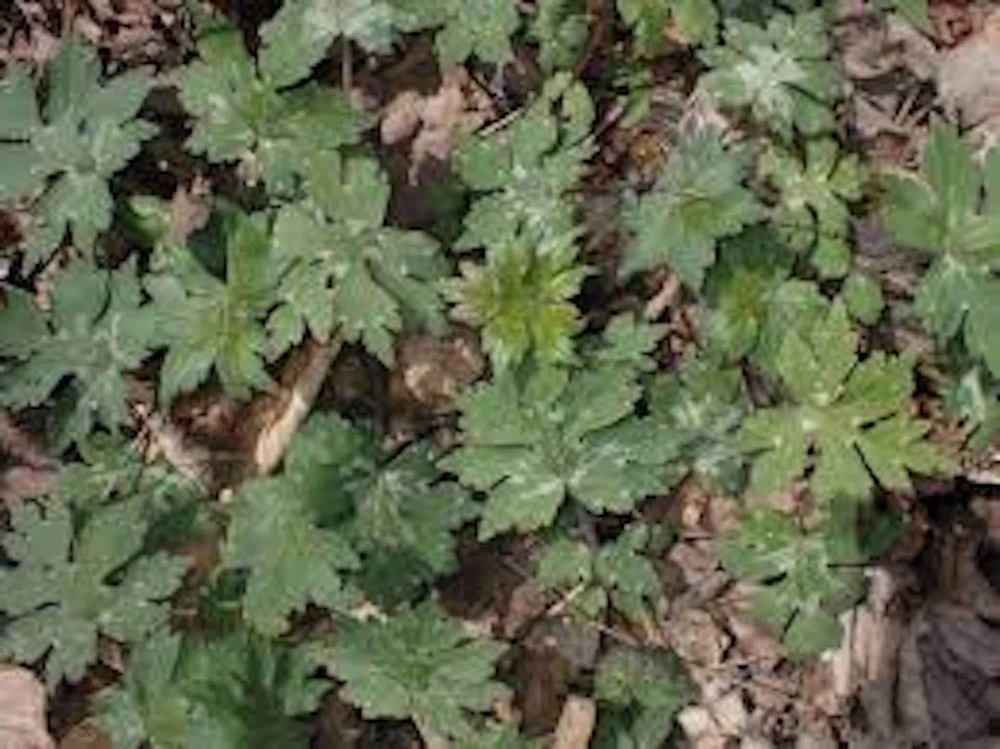
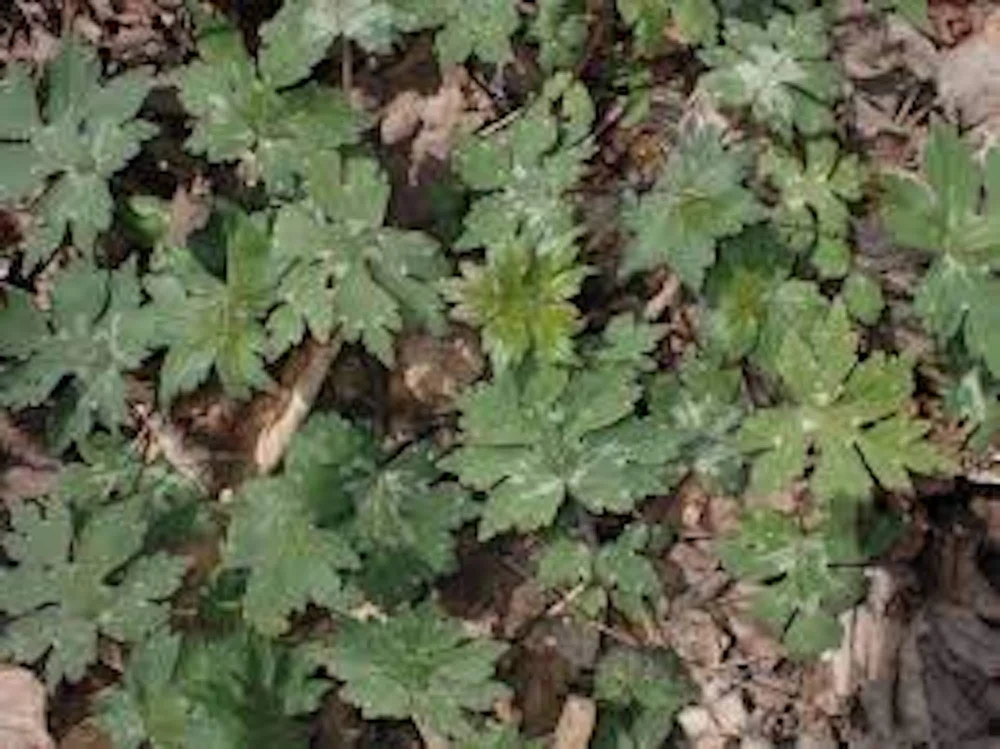
- Lush Ground Cover: With its large, heart-shaped leaves that can grow up to 8 inches long, the Canadian Waterleaf forms a dense, attractive ground cover. This creates a visually appealing carpet of green, suppressing weeds and maintaining soil moisture.
- Ideal for Shade Gardens: As a true shade wildflower, it thrives in conditions where many other plants struggle. It is perfect for brightening woodland edges, underplanting trees, or filling in shaded borders, bringing life and color to often-overlooked areas.
- Native Plant Advantage: Planting a native perennial plant like the Canadian Waterleaf supports regional ecosystems and local wildlife, contributing to environmental sustainability and creating a more harmonious garden environment.
- Adaptable and Resilient: This plant demonstrates excellent adaptability to various moist, shaded conditions, proving itself a durable and long-lasting addition to your garden landscape.
Plant Care & Growing Tips
Caring for your Canadian Waterleaf bare root plants is straightforward, especially when you understand their preferred conditions. This native perennial plant thrives in environments that mimic its natural woodland habitat. The key to successful growth lies in providing adequate shade, consistent moisture, and rich, well-draining soil. These plants are relatively low-maintenance once established, making them a rewarding choice for both novice and experienced gardeners looking to cultivate a shade wildflower.
For optimal growth, plant your Hydrophyllum canadense in partial to full shade. Avoid direct, harsh afternoon sun, which can scorch its delicate leaves. The ideal soil is moist, rich in organic matter, and well-draining, with a slightly acidic to neutral pH (around 6.0 to 7.0). Before planting your Canadian Waterleaf bare root, amend the soil with compost or well-rotted leaf litter to improve its structure and nutrient content. Keep the soil consistently moist, especially during dry periods, as this plant naturally thrives in damp conditions. Mulching around the plants can help retain soil moisture and regulate temperature. While generally resistant, monitor for slugs and snails, which can be managed with organic methods like diatomaceous earth. A light application of balanced fertilizer in early spring can promote healthy growth, but is often unnecessary if the soil is already rich. For those establishing a woodland garden plants, the Canadian Waterleaf is an excellent foundational species.
Size & Details
This offering provides 5 Canadian Waterleaf bare root plants, ready for planting. Each bare root is carefully harvested and prepared for shipment, ensuring a robust start in your garden. Once established, the Canadian Waterleaf typically reaches a height of 1 to 2 feet, forming a lush, attractive ground cover. The heart-shaped leaves can grow up to 8 inches long, creating a dense canopy of foliage. Flowers appear in late spring to early summer, rising on slender stems above the leaves. These delicate white to pale blue blooms attract a variety of pollinators. The growth rate is moderate, and with proper care, you can expect your plants to establish and begin spreading within the first growing season. These bare roots are designed for easy planting and quick establishment, providing a cost-effective way to create a beautiful, naturalized area or enhance your woodland garden plants.
Frequently Asked Questions
- Q: How big does this Canadian Waterleaf bare root plant get? A: Once established, the Canadian Waterleaf typically grows to a height of 1 to 2 feet, creating a lovely ground cover. Its broad, heart-shaped leaves can reach up to 8 inches in length, contributing to its lush appearance.
- Q: Is this an indoor or outdoor plant? A: The Canadian Waterleaf bare root is primarily an outdoor plant, ideally suited for shade gardens, woodland settings, and naturalized areas. It thrives in conditions that mimic its native eastern North American habitat.
- Q: How much sunlight does the Canadian Waterleaf need? A: This shade wildflower prefers partial to full shade. It is crucial to protect it from direct, intense afternoon sun, which can damage its foliage. Morning sun or dappled light throughout the day is ideal.
- Q: Is this plant easy to care for? Is it good for beginners? A: Yes, the Hydrophyllum canadense is considered a low-maintenance plant once established. Its hardiness and adaptability make it an excellent choice for beginner gardeners looking for a reliable perennial for shaded areas.
- Q: What condition will the Canadian Waterleaf bare root arrive in? A: Your order will arrive as 5 Canadian Waterleaf bare root plants, carefully packaged to ensure they remain healthy and viable during transit. Bare roots are dormant and ready for planting upon arrival.
- Q: When is the best time to plant Canadian Waterleaf bare roots? A: The best time to plant bare root plants is typically in early spring or fall when the soil is workable and temperatures are moderate. This allows the plant to establish its root system before extreme weather conditions.
- Q: Will this native perennial plant survive winter in my zone? A: The Canadian Waterleaf is a hardy native perennial, generally thriving in USDA Zones 4-8. It is well-adapted to colder climates and will go dormant in winter, returning with new growth in spring.
- Q: Can the Canadian Waterleaf help with erosion control? A: Absolutely. One of the key benefits of this native perennial plant is its extensive root system, which is highly effective at stabilizing soil and preventing erosion, particularly in moist or sloped areas of your garden.
- Q: What kind of soil does the Canadian Waterleaf prefer? A: It thrives in moist, well-draining soil that is rich in organic matter. A slightly acidic to neutral pH (around 6.0 to 7.0) is ideal for optimal growth of your woodland garden plants.
- Q: Does the Canadian Waterleaf attract pollinators? A: Yes, its delicate white to pale blue flowers are known to attract beneficial pollinators such as bees and butterflies, contributing to the biodiversity of your garden environment.
Be the first to review “5 Canadian Waterleaf Bare Root Plants – Shade Wildflower – Perennial”
Related products


You May Like

Hardneck vs. Softneck Garlic: Which Should You Grow?
Have you ever stood in front of a seed catalog in mid-September, staring at dozens [...]
Oct

When to Plant Music Garlic: Ultimate US Fall Guide
Have you ever spent your fall weekend placing carefully chosen garlic cloves into rich, dark [...]
1 Comment
Oct

5 Best Bulbs for Fall Planting: Brighten Your Garden This Spring
Are you dreaming of a garden full of vibrant colors in the spring? The key [...]
Aug

10 Houseplants That Will Thrive in Your Kitchen
Are you tired of your kitchen feeling dull and lifeless? Want to add a little [...]
1 Comment
Aug
Reviews
There are no reviews yet.