
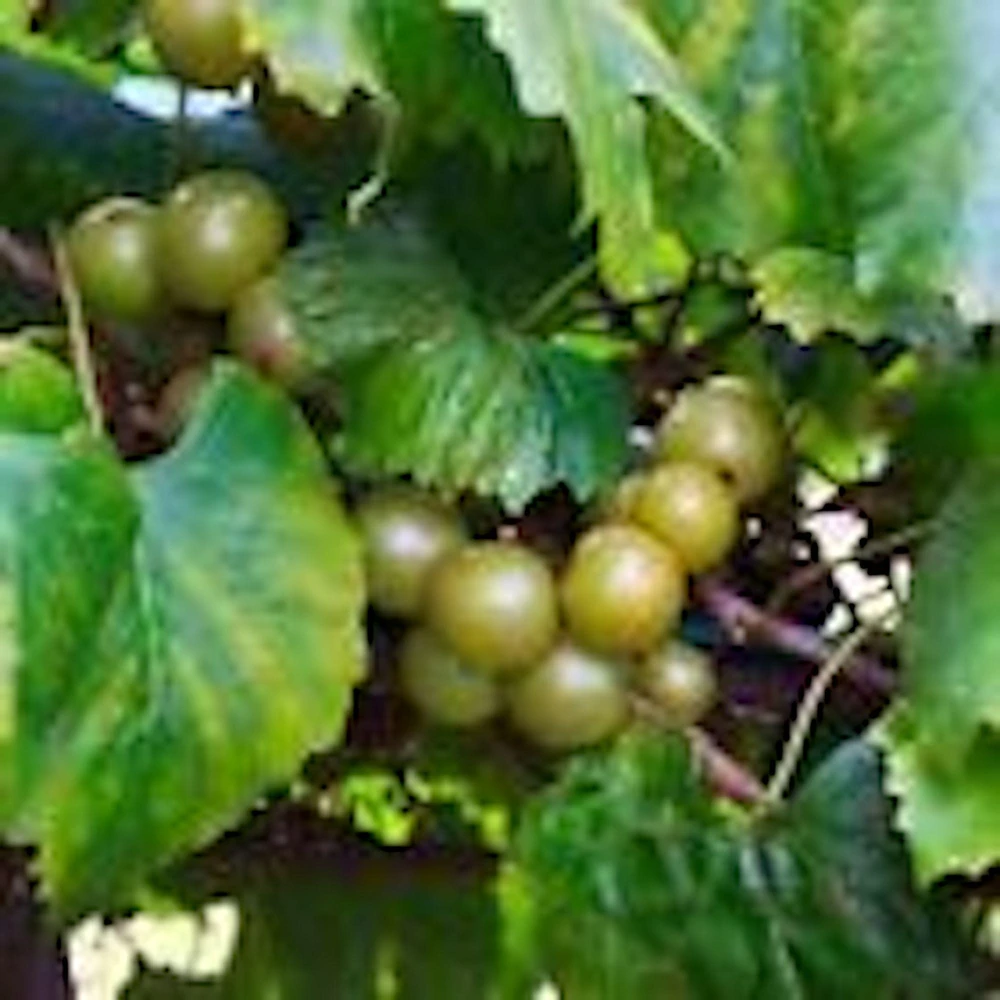
5 Carlos Muscadine Grape Live Plant – Vitis Rotundifolia Starter Vine Perennial
Original price was: 113.99 $.88.99 $Current price is: 88.99 $.
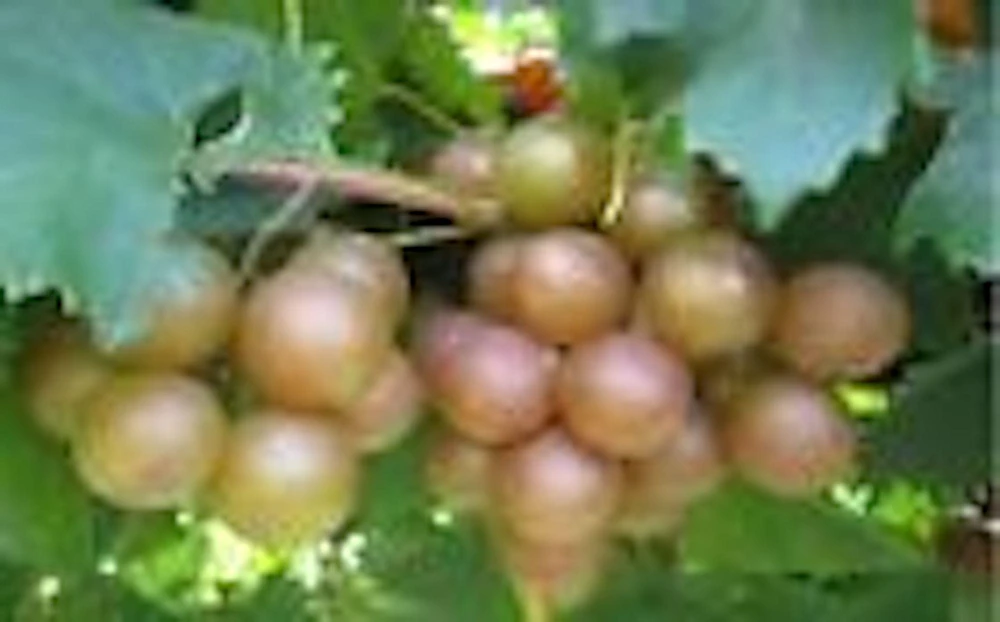
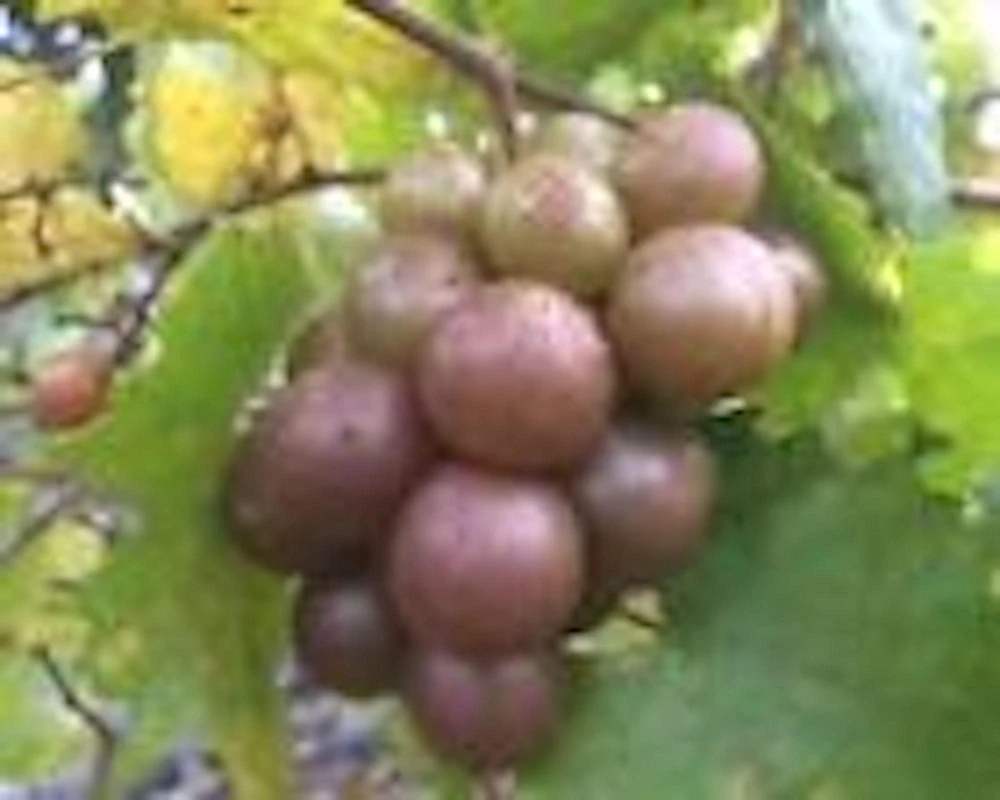
Cultivate your own delicious grapes with this carlos muscadine grape plant 5-pack. These vitis rotundifolia starter vines produce sweet, bronze-colored fruit and are known for their vigorous, self-fertile nature and disease resistance, making them an excellent choice for any garden looking for a sweet edible grape.
Estimated arrival
Oct 17
Oct 22 - Oct 24
Oct 24 - Oct 29
See our Shipping Policy.
Get in touch with us via email, and our team will review your concerns.
Our Alive & Thrive Guarantee covers issues with your plants within the first 30 days. Read our Refund & Returns Policy.
-
USDA Hardiness Zone
USDA Zones 7-9 -
Soil Type
Well-draining, slightly acidic (pH 5.5-6.5) sandy loam -
Sunlight Exposure
Full sun (6-8+ hours daily) -
Expected Planting Period
Late winter to early spring
Overview
Introducing the carlos muscadine grape plant, a fantastic choice for home gardeners and viticulturists alike. This offering provides 5 healthy starter plants of the renowned Carlos Muscadine, a variety celebrated for its high-quality bronze-colored grapes and robust growth. Known scientifically as Vitis rotundifolia, this southern native is perfectly adapted to various climates and is especially valued for its exceptional cold tolerance and resistance to common pests and diseases. Whether you’re looking to produce your own wine, juice, or simply enjoy fresh, sweet grapes straight from the vine, the Carlos Muscadine offers a rewarding growing experience. These vigorous, self-fertile vines promise an abundant harvest and add significant aesthetic appeal to any landscape with their glossy, deep green foliage.
The Carlos Muscadine is a truly versatile and beautiful plant, originating from North Carolina. Its perfectly round, metallic bronze grapes are not only delicious but also highly ornamental, making this vine a focal point in any garden. As a vitis rotundifolia starter, these plants are ready to establish quickly and begin their journey towards producing bountiful harvests. They are an ideal choice for anyone seeking a low-maintenance yet highly productive fruit-bearing vine.
Key Benefits
The carlos muscadine grape plant offers a multitude of advantages for the discerning gardener, blending both beauty and productivity. Its robust nature and delicious fruit make it a standout choice for home cultivation:
- Produces Delicious Grapes: Enjoy an abundant harvest of sweet, bronze-colored grapes perfect for fresh eating, juice, jelly, or wine-making. This sweet edible grape variety is highly prized for its flavor profile.
- Vigorous & Self-Fertile: These vines grow strongly and are self-fertile, meaning you only need one plant to ensure fruit production. This simplifies planting and guarantees a good yield without needing multiple varieties for cross-pollination.
- Disease & Pest Resistant: The Carlos Muscadine naturally exhibits excellent resistance to many common grape diseases and pests, reducing the need for chemical treatments and making cultivation easier. This makes it a truly disease resistant grape.
- Excellent Cold Tolerance: Designed to withstand colder temperatures, this muscadine variety is suitable for a broader range of USDA hardiness zones compared to some other grape types, ensuring better survival through winter.
- Attractive Ornamental Value: Beyond its fruit, the vine itself is visually appealing with glossy, deep green leaves and clusters of bronze grapes, making it a beautiful addition to pergolas, arbors, or fences.
- Easy to Grow: Known for its resilience and adaptability, the muscadine grape vine care requirements are relatively low, making it a great option for both experienced and novice gardeners.
- High Yield Potential: With proper care, these vines are capable of producing a significant quantity of grapes, ensuring a generous supply for all your culinary needs.
Plant Care & Growing Tips
Caring for your carlos muscadine grape plant is straightforward, especially given its robust and resilient nature. For optimal growth and fruit production, understanding its basic needs is key. These vines thrive in full sun, requiring at least 6-8 hours of direct sunlight daily to produce the sweetest grapes and maintain vigorous growth. Choose a location that receives ample light throughout the day, avoiding shaded areas that can hinder fruiting and promote disease.
When it comes to watering, muscadines prefer consistently moist soil, especially during their establishment phase and when fruit is developing. However, they are also quite tolerant of drier conditions once established. Ensure the soil is well-draining to prevent root rot. A good rule of thumb is to water deeply once or twice a week, adjusting frequency based on rainfall and soil moisture. The ideal soil for a vitis rotundifolia starter is a slightly acidic (pH 5.5-6.5), well-draining sandy loam. Incorporating organic matter at planting can greatly improve soil structure and fertility.
Muscadines are generally cold-tolerant, typically thriving in USDA Zones 7-9, though the Carlos variety boasts excellent cold hardiness. Protect young plants from severe freezes during their first winter. Fertilization should begin in the second year after planting, using a balanced fertilizer in early spring and again after fruit set. Pruning is crucial for maximizing fruit production and maintaining vine health; annual dormant pruning in late winter is recommended to remove old wood and encourage new growth. Paying attention to these muscadine grape vine care tips will ensure a healthy, productive vine for many years.
Size & Details
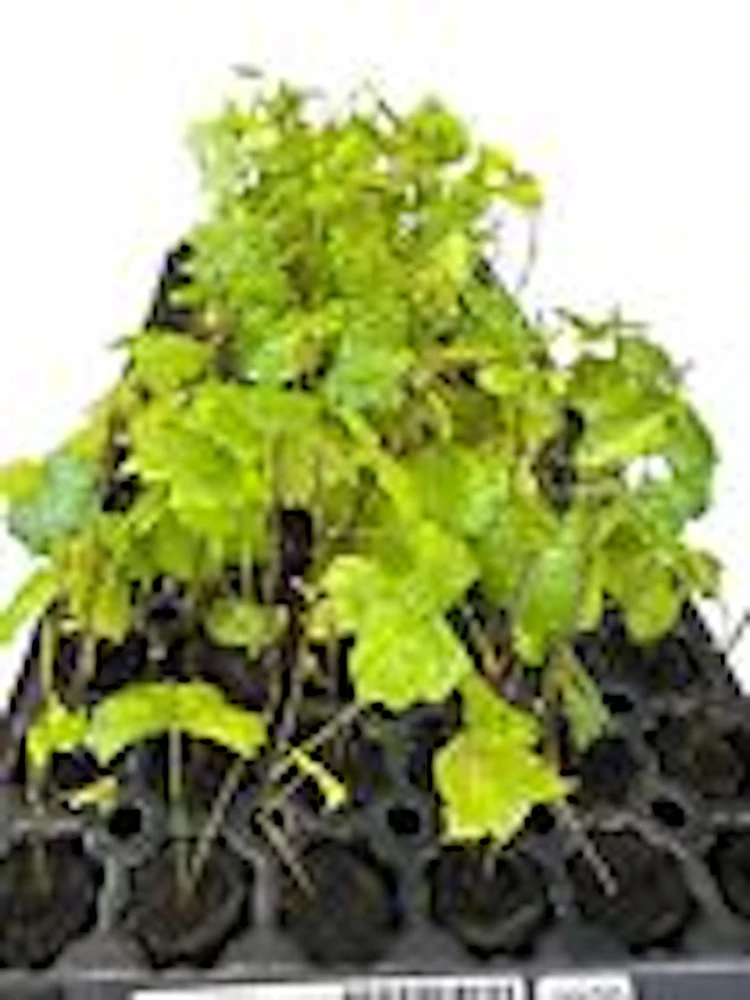
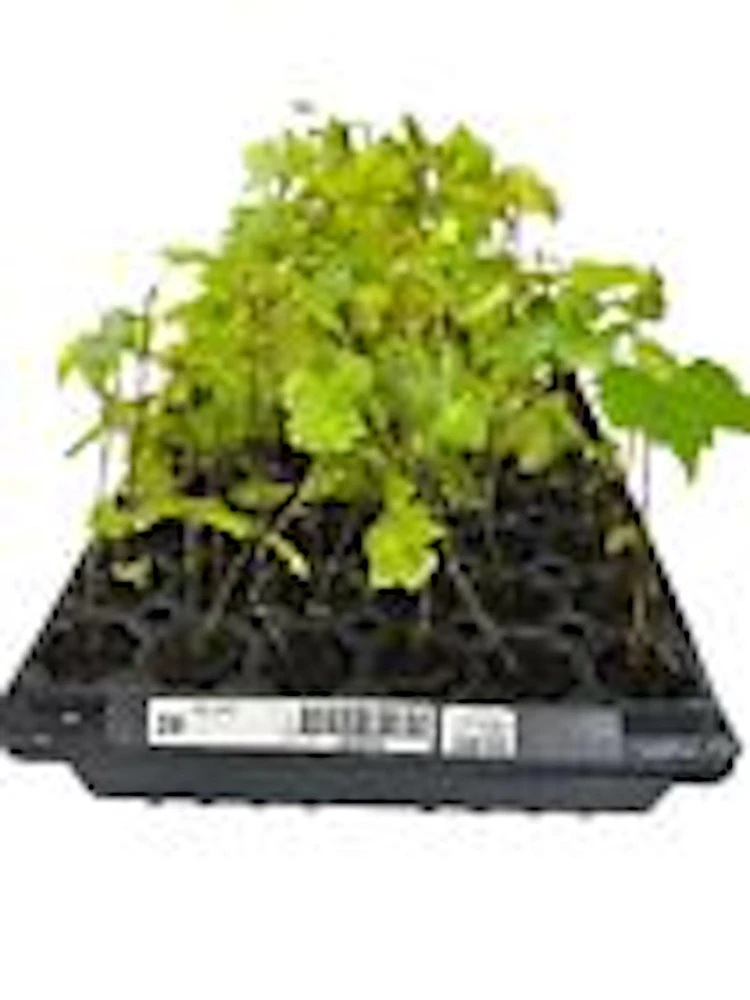
This offering includes 5 individual carlos muscadine grape plant starter vines. Each plant is a young, healthy specimen, ready for transplanting into your garden. As a perennial vine, the Carlos Muscadine is known for its vigorous growth habit, quickly establishing itself and producing abundant foliage. Mature vines can spread extensively, easily covering large arbors, pergolas, or trellises, reaching lengths of 20 feet or more with proper support and pruning. The grapes themselves are perfectly round, metallic bronze, and typically ripen in late summer to early fall.
These plants are typically shipped as bare-root starters, ensuring they are dormant and suffer minimal transplant shock. They are robust and ready to thrive once planted in their permanent location. Expect these sweet edible grape vines to begin producing fruit within 2-3 years after planting, with yields increasing significantly as the vine matures. The rapid establishment and strong growth make this disease resistant grape an excellent long-term investment for any gardener.
Frequently Asked Questions
- Q: How big does a Carlos Muscadine grape plant get? A: A mature carlos muscadine grape plant can grow quite large, with vines reaching lengths of 20 feet or more. They are vigorous growers and will benefit from a strong support structure like a trellis or arbor.
- Q: Is this an indoor or outdoor plant? A: The Carlos Muscadine is an outdoor plant, best suited for growing in a garden, vineyard, or large container where it can receive full sun and ample space to climb. It is not typically grown indoors.
- Q: How much sunlight does the Carlos Muscadine need? A: For optimal growth and fruit production, your vitis rotundifolia starter needs at least 6-8 hours of direct sunlight per day. Full sun exposure is crucial for developing sweet grapes.
- Q: What condition will the plants arrive in? A: These carlos muscadine grape plant starters are typically shipped bare-root, meaning they will arrive without soil or a pot, in a dormant state. This method ensures safe transport and minimizes transplant shock.
- Q: When is the best time to plant Muscadine grapes? A: The best time to plant Muscadine grapes is in late winter or early spring, after the danger of hard frosts has passed but before the plants break dormancy. This allows them to establish roots before the heat of summer.
- Q: How long until this sweet edible grape vine produces fruit? A: You can typically expect your carlos muscadine grape plant to begin producing fruit within 2-3 years after planting. Yields will increase as the vine matures.
- Q: Will this disease resistant grape survive winter in my zone? A: The Carlos Muscadine boasts excellent cold tolerance and is generally hardy in USDA Zones 7-9. If you are in a colder zone, ensure adequate winter protection for young plants.
- Q: How do I provide proper muscadine grape vine care? A: Proper care involves full sun exposure, well-draining, slightly acidic soil, consistent watering, annual dormant pruning, and fertilization starting in the second year.
- Q: Can I make wine or juice from Carlos Muscadine grapes? A: Yes, the Carlos Muscadine is a top wine-producing grape variety and is also excellent for making delicious juice, jellies, and preserves due to its sweet flavor and abundant yield.
- Q: Is the Carlos Muscadine self-fertile? A: Yes, the Carlos Muscadine is a self-fertile variety, meaning you only need one plant to produce fruit. You do not need to plant multiple varieties for cross-pollination.
Be the first to review “5 Carlos Muscadine Grape Live Plant – Vitis Rotundifolia Starter Vine Perennial”
Related products


You May Like

Hardneck vs. Softneck Garlic: Which Should You Grow?
Have you ever stood in front of a seed catalog in mid-September, staring at dozens [...]
Oct

When to Plant Music Garlic: Ultimate US Fall Guide
Have you ever spent your fall weekend placing carefully chosen garlic cloves into rich, dark [...]
1 Comment
Oct

5 Best Bulbs for Fall Planting: Brighten Your Garden This Spring
Are you dreaming of a garden full of vibrant colors in the spring? The key [...]
Aug

10 Houseplants That Will Thrive in Your Kitchen
Are you tired of your kitchen feeling dull and lifeless? Want to add a little [...]
1 Comment
Aug
Reviews
There are no reviews yet.