
5 Cinnamon Fern Rhizomes – Live Bare Root Ferns – 3-6″ Long – Outdoor Shade Plant
Original price was: 29.99 $.19.99 $Current price is: 19.99 $.
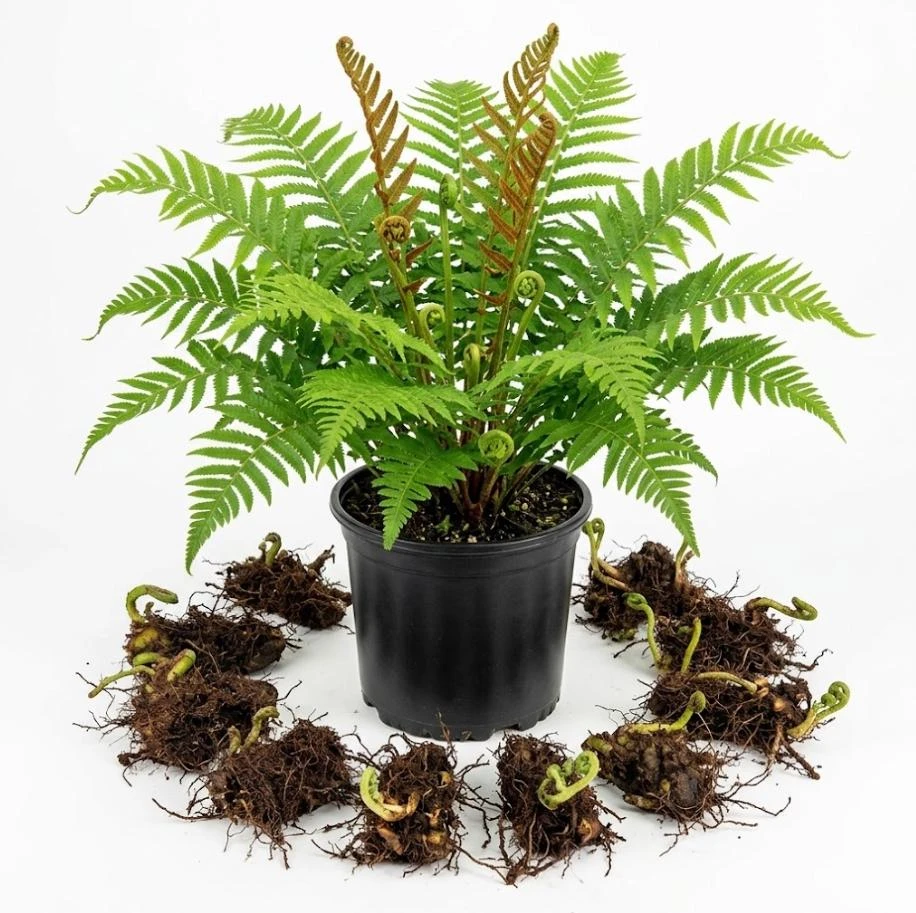
Bring natural beauty to your shaded landscapes with 5 Cinnamon Fern Rhizomes. These live bare root ferns, Osmundastrum cinnamomeum, are supplied as 3-6 inch long bare roots, perfect for planting in woodland gardens, borders, or moist areas. Enjoy lush green foliage and easy establishment.
Estimated arrival
Oct 16
Oct 21 - Oct 23
Oct 23 - Oct 28
See our Shipping Policy.
Get in touch with us via email, and our team will review your concerns.
Our Alive & Thrive Guarantee covers issues with your plants within the first 30 days. Read our Refund & Returns Policy.
-
USDA Hardiness Zone
USDA Zones 3-10 -
Soil Type
Rich, moist, well-draining, acidic to neutral soil -
Sunlight Exposure
Partial to full shade -
Expected Planting Period
Early spring to fall
Overview
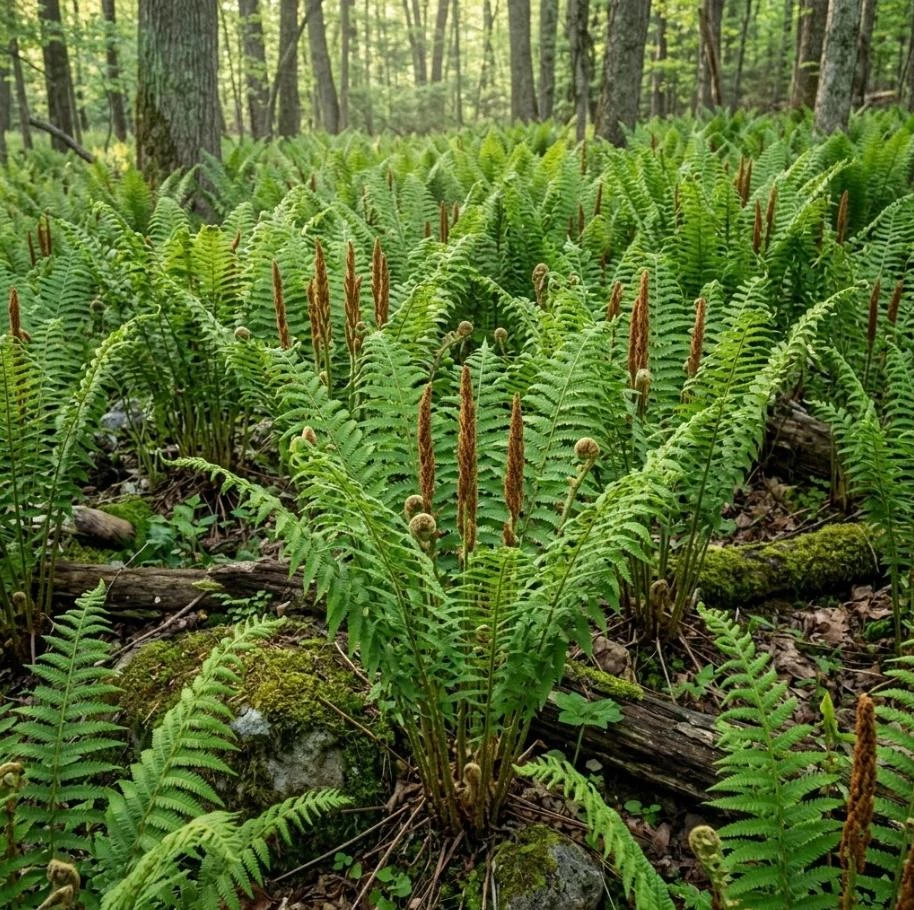
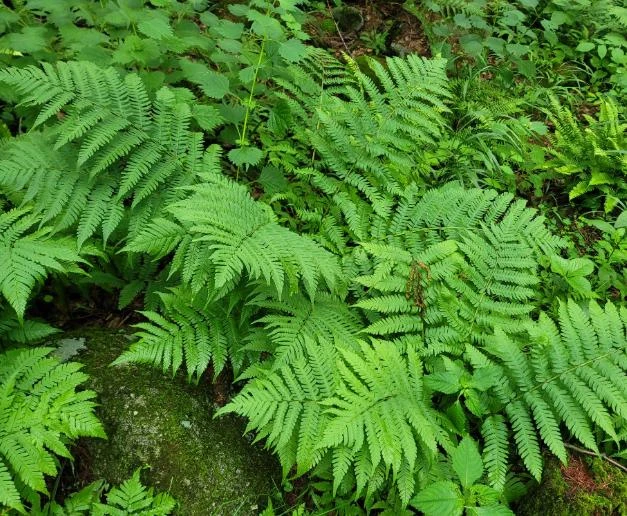
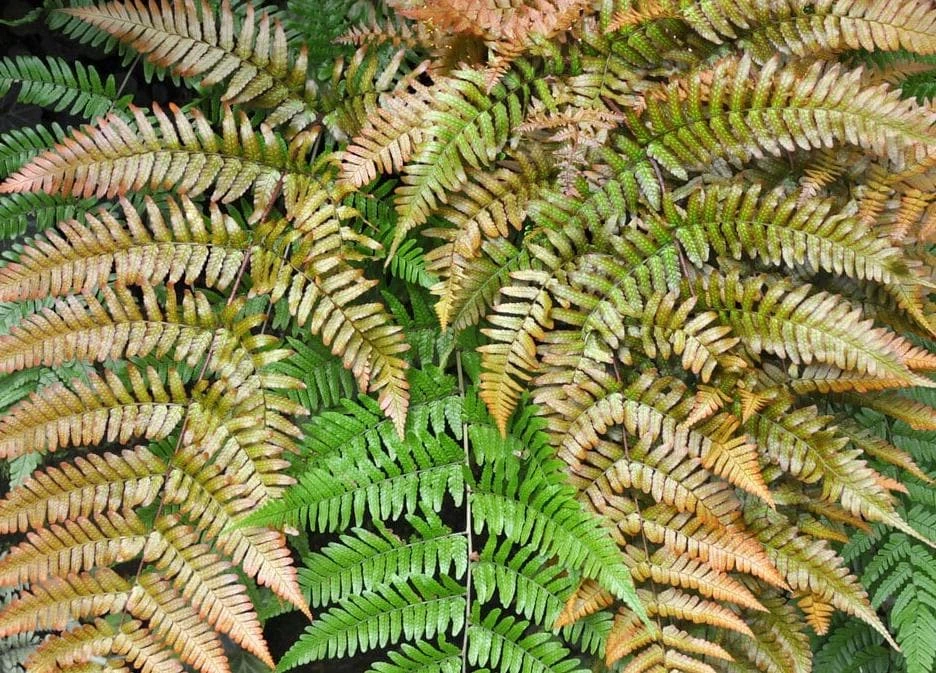
Introduce the captivating charm of the woodland to your garden with our premium selection of cinnamon fern rhizomes. This offering includes 5 healthy, live bare root rhizomes of Osmundastrum cinnamomeum, commonly known as the Cinnamon Fern. Revered for its distinctive fertile fronds that emerge in a striking cinnamon color, these ferns provide a unique textural and color element to any shaded landscape. As a native perennial fern, the live cinnamon ferns are an excellent choice for gardeners looking to create a naturalized, low-maintenance environment. They are robust and adapt well to various shade conditions, making them a versatile addition to your outdoor space. These rhizomes are ready for immediate planting, promising a vibrant display of green foliage.
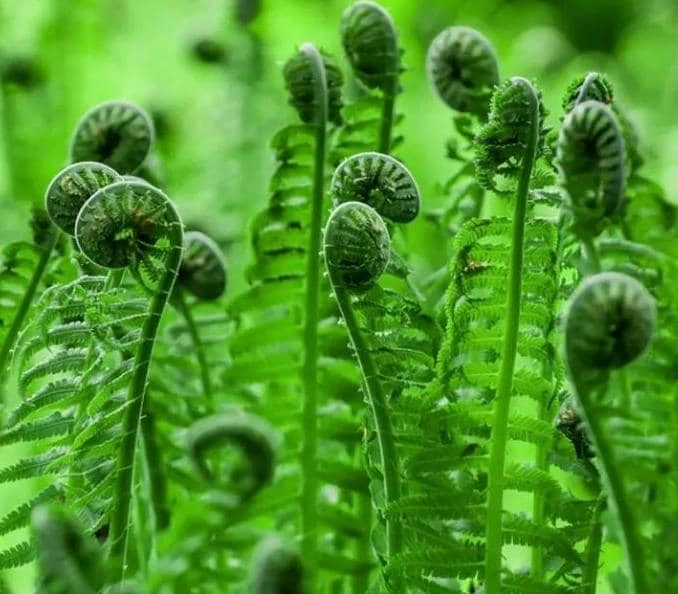
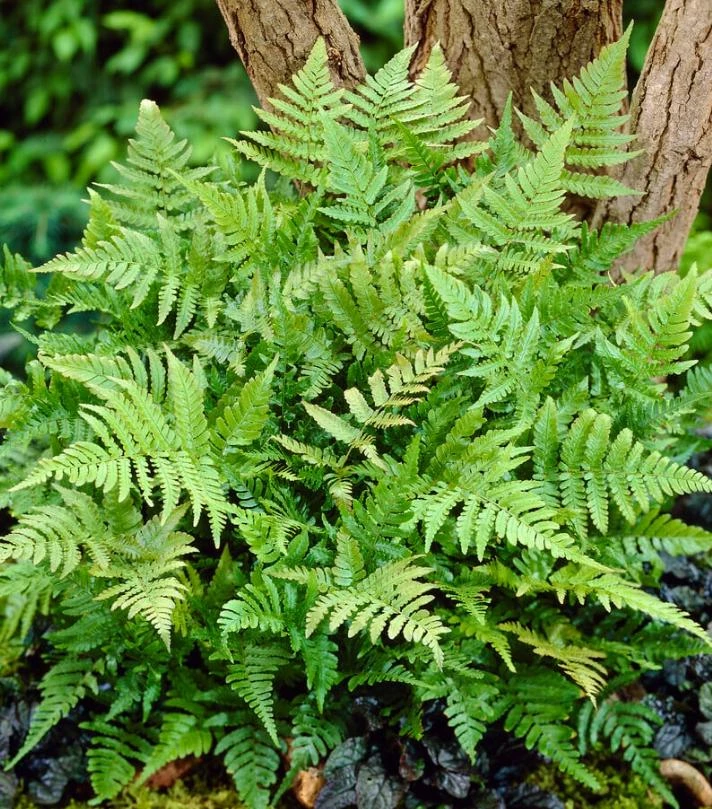
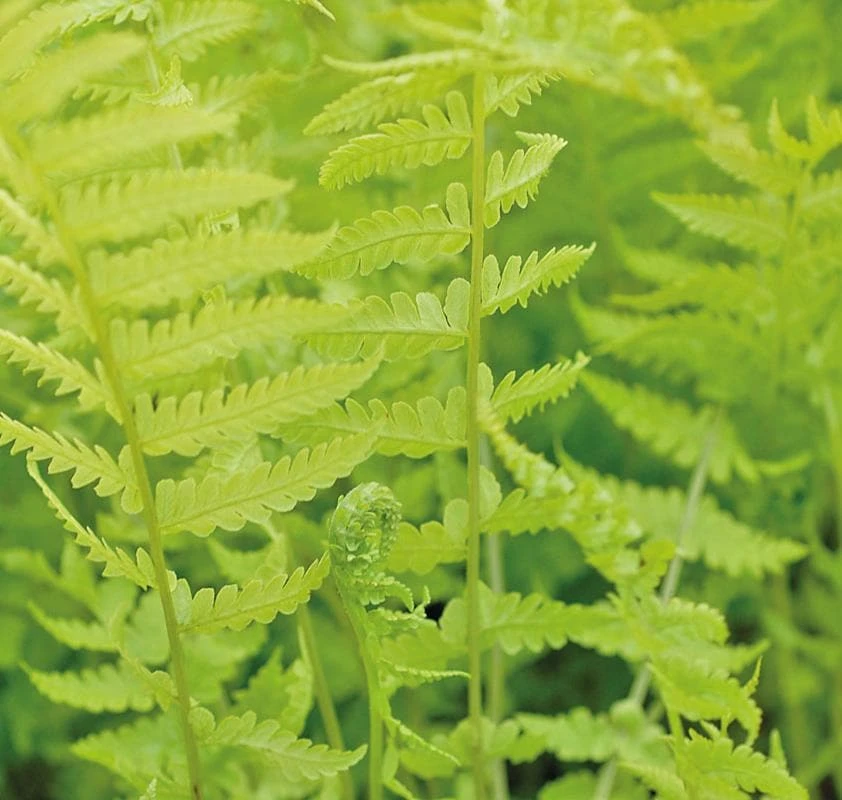
The Cinnamon Fern is celebrated for its upright, vase-shaped growth habit, with sterile fronds that remain green throughout the growing season, providing a lush backdrop. The fertile fronds, appearing in spring, gradually turn a rich cinnamon brown, adding a warm hue that contrasts beautifully with the green. This deciduous fern is known for its resilience and ability to thrive in damp, shady spots where other plants might struggle. Our osmundastrum cinnamomeum rhizomes are carefully harvested and prepared to ensure successful establishment in your garden, offering an effortless way to enhance biodiversity and aesthetic appeal.
Key Benefits
Cultivating cinnamon fern rhizomes in your garden offers numerous advantages, from enhancing visual appeal to promoting a healthy ecosystem. These ferns are not only beautiful but also remarkably easy to care for, making them a favorite among both novice and experienced gardeners. Here are some of the key benefits:
- Stunning Ornamental Appeal: The unique cinnamon-colored fertile fronds and lush green sterile fronds provide year-round visual interest. They create a serene, natural woodland aesthetic in any shaded area, making them perfect for naturalizing.
- Thrives in Shade: Ideal for those difficult-to-plant shady spots in your garden where many flowering plants struggle. These live cinnamon ferns are perfectly adapted to low light conditions, transforming dark corners into vibrant green spaces.
- Low Maintenance: Once established, Cinnamon Ferns require minimal care. They are resistant to most pests and diseases and do not need frequent pruning or fertilization, allowing you more time to simply enjoy their beauty.
- Deer Resistant: A great choice for gardens in areas with deer populations, as these ferns are generally unappealing to deer, ensuring your plants remain undisturbed and healthy.
- Naturalizes Easily: With their spreading rhizomes, these ferns will gradually expand to form dense colonies, providing excellent ground cover and helping to suppress weeds in moist, shaded areas.
- Enhances Biodiversity: By providing shelter and habitat, planting osmundastrum cinnamomeum contributes to a healthier garden ecosystem, attracting beneficial insects and small wildlife.
- Erosion Control: Their extensive root systems are effective in stabilizing soil on slopes or along stream banks, preventing erosion in damp environments.
Plant Care & Growing Tips
Successful cultivation of cinnamon fern rhizomes begins with understanding their preferred growing conditions. These ferns are relatively easy to grow, provided their basic needs for shade and moisture are met. Optimal growth results in a lush, vibrant display that can significantly enhance your landscape.
Sunlight Requirements: Cinnamon Ferns thrive in partial to full shade. While they can tolerate a small amount of morning sun, direct afternoon sun should be avoided as it can scorch their fronds. Ideal locations include under the canopy of deciduous trees, on the north side of buildings, or in heavily wooded areas. Too much sun will lead to stunted growth and browned fronds, detracting from the natural beauty of these live cinnamon ferns.
Watering Schedule and Soil Moisture: These ferns prefer consistently moist, but not waterlogged, soil. Regular watering is crucial, especially during dry periods and in their first growing season after planting. The soil should never be allowed to dry out completely. A good indicator is to check the top inch of soil; if it feels dry, it’s time to water. Adequate moisture is key for healthy development of the shade garden ferns.
Soil Type and Drainage Requirements: Cinnamon Ferns prefer rich, acidic to neutral soil (pH 5.0-7.0) that is high in organic matter. Well-draining soil is important to prevent root rot, but it must also retain moisture effectively. Amending heavy clay soils with compost or peat moss can improve drainage and fertility, while sandy soils will benefit from organic matter to enhance water retention. These conditions mimic their natural woodland habitat.
Temperature Range and USDA Hardiness Zone: Cinnamon Ferns are incredibly hardy, suitable for USDA Zones 3-10. They are tolerant of a wide range of temperatures, with their deciduous nature allowing them to withstand cold winters by going dormant. They emerge reliably each spring with new fronds. While robust, protection from extreme heat and drought during establishment is beneficial.
Fertilization Schedule and Type: Generally, Cinnamon Ferns do not require heavy fertilization. If your soil is poor, a light application of a balanced, slow-release granular fertilizer or a top-dressing of compost in early spring can be beneficial. Avoid over-fertilizing, as this can lead to leggy growth and potential burn. Natural organic matter is usually sufficient to provide the nutrients these bare root ferns need.
Common Problems and Solutions: Cinnamon Ferns are relatively pest and disease-free. The most common issues arise from improper growing conditions. Yellowing or browning fronds often indicate too much sun or insufficient water. Root rot can occur in poorly draining, waterlogged soils. Ensure proper site selection and soil preparation to prevent these issues. Slugs and snails may occasionally be a problem, but can be managed with organic baits or hand-picking.
Size & Details
This offering includes 5 Cinnamon Fern Rhizomes, supplied as fresh bare roots, each approximately 3-6 inches long. These rhizomes are ready for immediate planting and are the foundation for robust fern growth. As mature plants, Osmundastrum cinnamomeum typically grows to an impressive height of 2-3 feet (60-90 cm) with a similar spread, forming an elegant, vase-shaped clump. The growth rate is moderate, with significant foliage development in the first few seasons after planting. These live cinnamon ferns are deciduous, meaning their fronds will die back in the fall and re-emerge vigorously in the spring.
When you receive your bare root ferns, they will be without soil or a pot, which is the standard and most effective way to ship dormant rhizomes. This minimizes transplant shock and allows for easy handling and planting. Expect your ferns to establish well and begin producing their characteristic green sterile fronds and cinnamon-colored fertile fronds as they mature. With proper care, these plants will create a stunning, naturalized feature in your shade garden ferns landscape for many years to come.
Frequently Asked Questions
- Q: How big do these Cinnamon Ferns get? A: Once mature, Cinnamon Ferns typically grow to a height of 2-3 feet (60-90 cm) with a similar spread, forming an attractive, vase-shaped clump. Their size makes them ideal for filling shaded garden spaces.
- Q: What condition will the cinnamon fern rhizomes arrive in? A: Your order will include 5 fresh cinnamon fern rhizomes supplied as bare roots, approximately 3-6 inches long, without soil or a pot. They are dormant and ready for planting upon arrival.
- Q: Is this an indoor or outdoor plant? A: Cinnamon Ferns are outdoor plants, best suited for naturalizing in woodland gardens, borders, and moist, shaded areas. They are not typically grown as houseplants.
- Q: How much sunlight do these bare root ferns need? A: These ferns thrive in partial to full shade. They prefer locations where they receive little to no direct afternoon sun, which can scorch their fronds. Morning sun is generally tolerated.
- Q: Is this plant easy to care for? A: Yes, live cinnamon ferns are considered low-maintenance once established. They require consistently moist soil and shade but are otherwise quite resilient and resistant to pests and diseases.
- Q: When is the best time to plant cinnamon fern rhizomes? A: The best time to plant osmundastrum cinnamomeum rhizomes is in early spring or fall when temperatures are mild. This allows them to establish their root system before the stress of summer heat or winter cold.
- Q: Will these shade garden ferns survive winter in my zone? A: Cinnamon Ferns are very hardy and suitable for USDA Zones 3-10. They are deciduous, meaning their fronds will die back in winter, but the rhizomes will survive underground and re-emerge in spring.
- Q: What kind of soil is best for these ferns? A: They prefer rich, consistently moist, well-draining soil that is high in organic matter and slightly acidic to neutral. Amending with compost is highly beneficial.
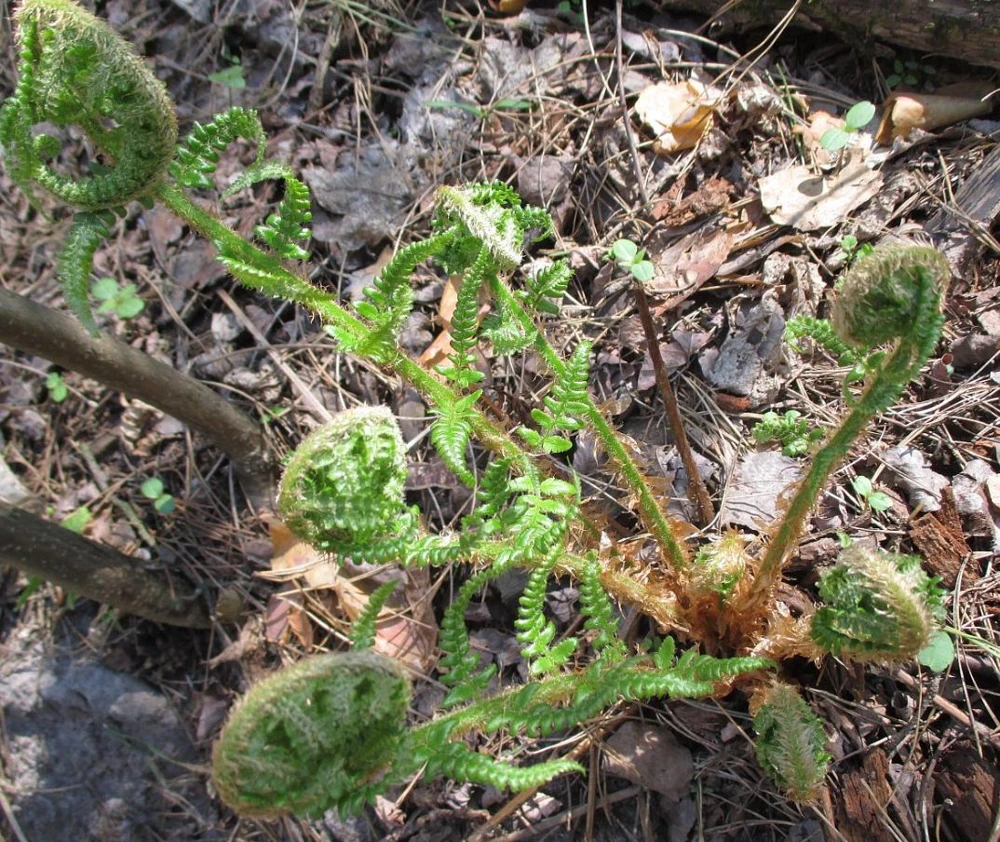
- Q: How quickly will the ferns grow after planting? A: While establishment takes some time, you can expect to see new fronds emerging in the first spring after planting. They typically reach their mature size within a few growing seasons, creating a lush display.
- Q: Are these ferns deer resistant? A: Yes, Cinnamon Ferns are generally considered deer resistant, making them an excellent choice for gardens in areas where deer browsing is a concern.
Be the first to review “5 Cinnamon Fern Rhizomes – Live Bare Root Ferns – 3-6″ Long – Outdoor Shade Plant”
Related products


Grasses
Carex Oshimensis Everest Live Plant – 1 Gallon Japanese Sedge Grass – Outdoor Ornamental Grass


You May Like

Hardneck vs. Softneck Garlic: Which Should You Grow?
Have you ever stood in front of a seed catalog in mid-September, staring at dozens [...]
Oct

When to Plant Music Garlic: Ultimate US Fall Guide
Have you ever spent your fall weekend placing carefully chosen garlic cloves into rich, dark [...]
1 Comment
Oct

5 Best Bulbs for Fall Planting: Brighten Your Garden This Spring
Are you dreaming of a garden full of vibrant colors in the spring? The key [...]
Aug

10 Houseplants That Will Thrive in Your Kitchen
Are you tired of your kitchen feeling dull and lifeless? Want to add a little [...]
1 Comment
Aug
Reviews
There are no reviews yet.