
5 Eastern Redbud Tree Live Plant 12-24″ Tall (Quart Pot) Outdoor
Original price was: 123.99 $.98.99 $Current price is: 98.99 $.
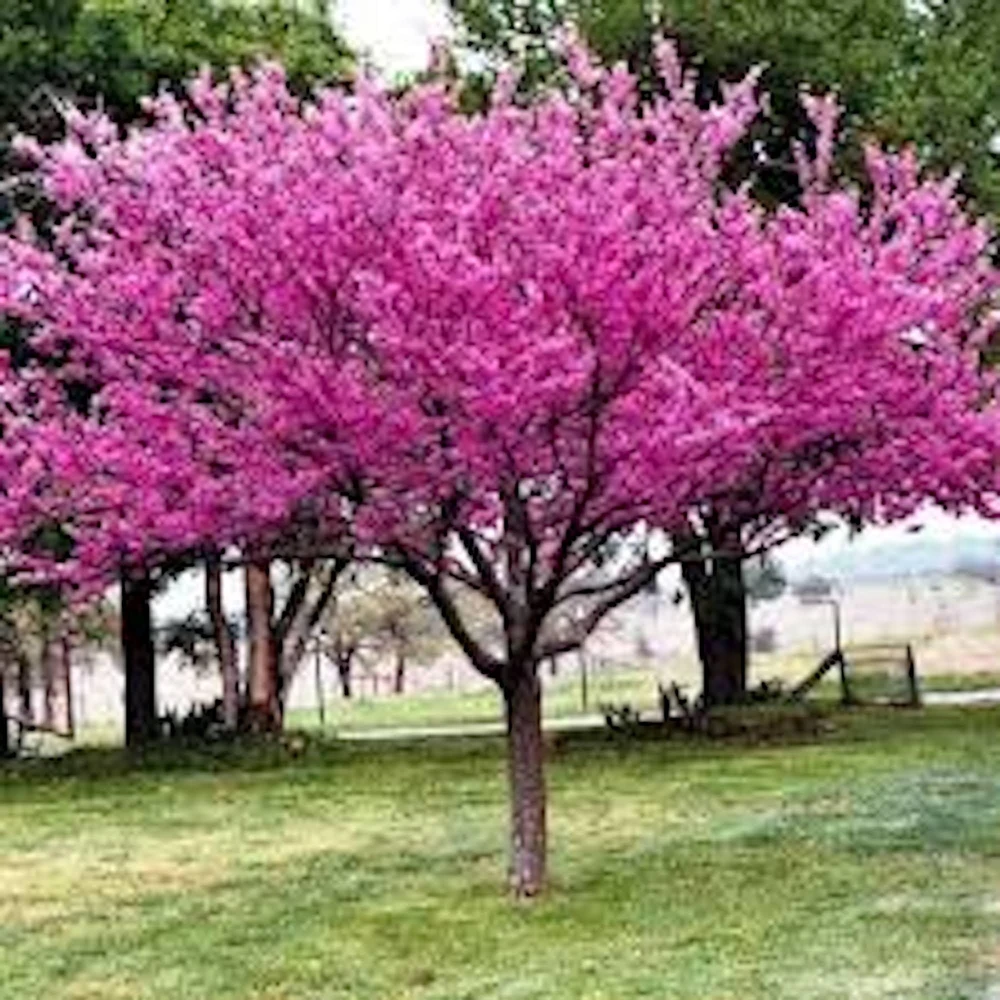
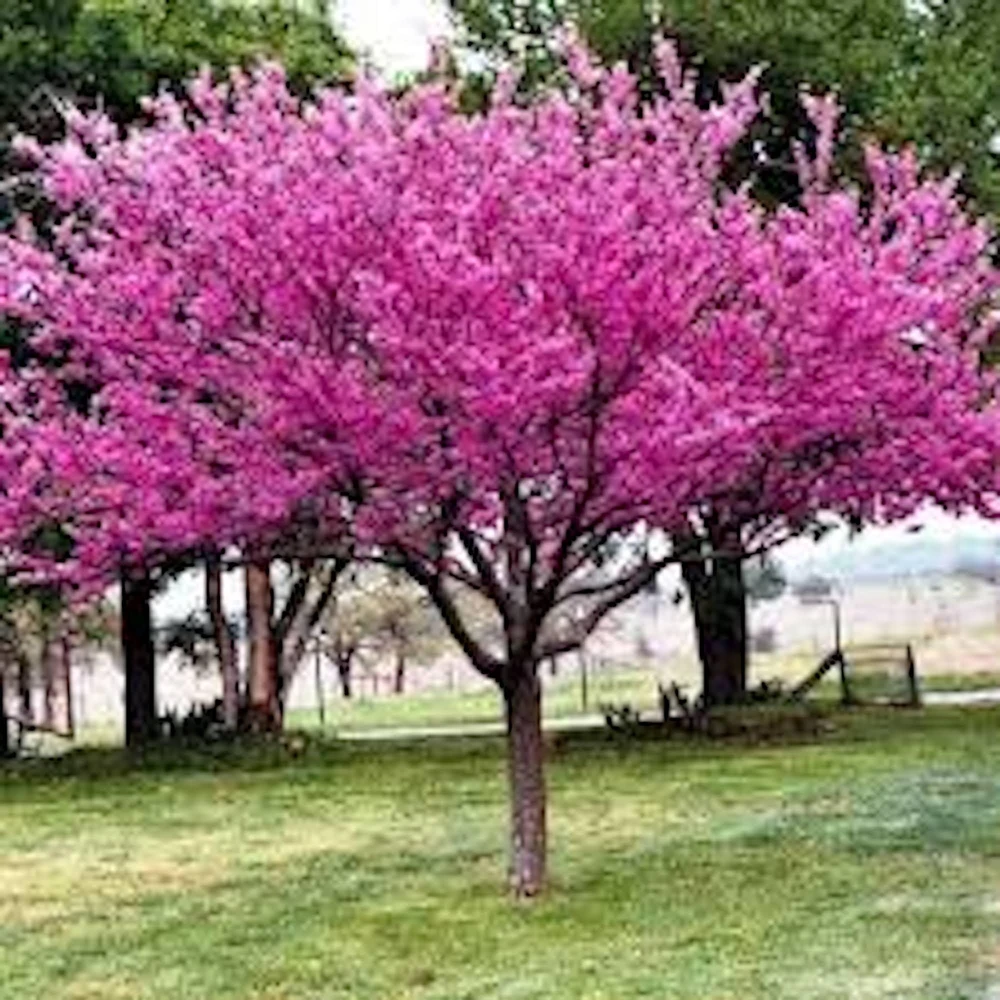
Bring vibrant spring color and elegant form to your garden with this pack of 5 Eastern Redbud Tree live plant. Each 12-24 inch tall tree comes in a quart pot, ready for planting. Known for their stunning purple-pink blooms and heart-shaped leaves, these Eastern Redbud Tree live plant specimens are a beautiful addition to any outdoor landscape.
Estimated arrival
Oct 17
Oct 22 - Oct 24
Oct 24 - Oct 29
See our Shipping Policy.
Get in touch with us via email, and our team will review your concerns.
Our Alive & Thrive Guarantee covers issues with your plants within the first 30 days. Read our Refund & Returns Policy.
-
USDA Hardiness Zone
4-9 -
Soil Type
Moist, well-draining soil -
Sunlight Exposure
Full sun to light shade -
Expected Planting Period
Early spring to fall
Overview
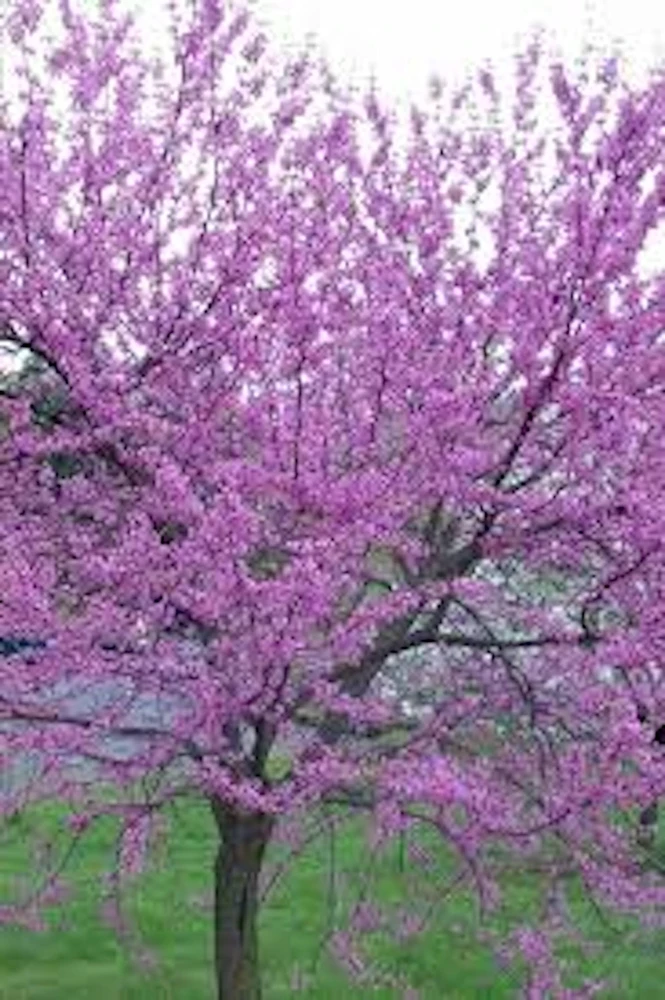
Introduce a touch of native American beauty to your landscape with the Eastern Redbud Tree live plant. This offering includes five individual Eastern Redbud Tree live plant specimens, each standing 12-24 inches tall and provided in a quart pot, ready to establish in your garden. Known scientifically as Cercis canadensis, this deciduous tree is celebrated for its spectacular early spring display of vibrant, pea-like, pink to purple flowers that emerge directly on its branches even before the heart-shaped leaves appear. Often referred to simply as Redbud or Judas Tree, it’s a beloved choice for its ornamental value, offering multi-seasonal interest from its showy blooms to its attractive foliage and unique winter silhouette. These young trees are perfect for creating a naturalized look, adding a focal point, or enhancing a woodland garden. The Eastern Redbud Tree live plant is a resilient and relatively fast-growing species that adapts well to various conditions, making it an excellent choice for both novice and experienced gardeners seeking to enrich their outdoor spaces with a classic American tree.
Key Benefits
The Eastern Redbud Tree live plant offers a multitude of benefits that make it a highly desirable addition to any garden or landscape. Its charm extends beyond its visual appeal, contributing positively to the local ecosystem and providing ease of care.
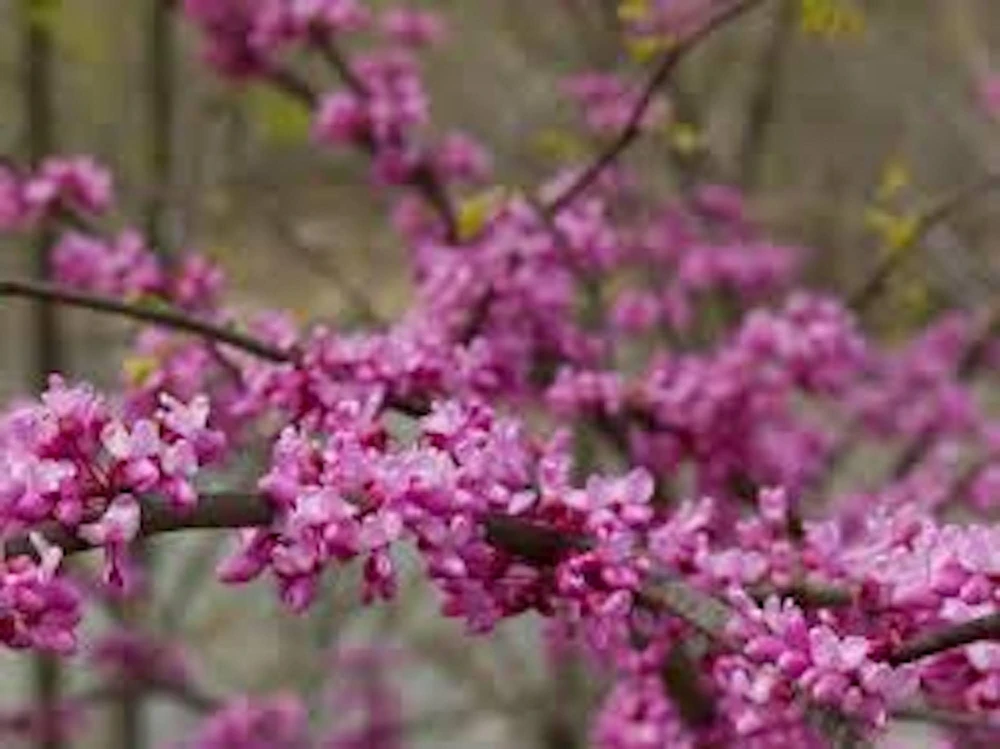
- Stunning Spring Blooms: The most striking feature of the Eastern Redbud Tree live plant is its profusion of delicate pinkish-purple flowers that blanket the branches in early spring, creating a breathtaking spectacle before the leaves emerge. These blossoms provide an essential early nectar source for pollinators.
- Attractive Foliage: Following the floral display, the tree develops beautiful heart-shaped leaves that start as a reddish hue, mature to a deep green, and then turn a lovely yellow in the fall, offering continuous seasonal interest.
- Compact Size & Versatility: Typically growing to a mature height of 25-35 feet, the Redbud is considered a small to medium-sized tree, making it suitable for a variety of landscape applications, including under utility lines, as a specimen tree, or in a mixed border.
- Native & Adaptable: As a native to eastern and central North America, the Redbud is well-adapted to local climates and soils, requiring less intervention once established. This makes for easier Redbud tree care.
- Wildlife Attraction: Beyond pollinators, the seeds provide food for birds, and the tree offers shelter, contributing to local biodiversity.
- Low Maintenance: Once established, this tree is relatively low maintenance, tolerating a range of soil conditions and requiring minimal pruning, making Redbud tree care straightforward.
- Hardy and Resilient: The Eastern Redbud Tree live plant is known for its hardiness across a wide range of USDA zones, making it a reliable choice for many regions.
Plant Care & Growing Tips
Proper Redbud tree care ensures a healthy and vibrant tree that will flourish for years. The Eastern Redbud Tree live plant thrives with appropriate planting and ongoing attention to its specific needs. When planting, choose a location that receives full sun to light shade; in hotter climates, part shade is preferable to protect the foliage from scorching. Dig a hole twice as wide as the root ball and just as deep, ensuring the top of the root ball is level with the ground. Backfill with soil, gently tamping down to remove air pockets, and water thoroughly.
These trees prefer moist, well-drained soil but are adaptable to a variety of soil types, including clay, loam, and sand, as long as drainage is adequate. They do not perform well in consistently wet or poorly-drained soils, which can lead to root rot. Consistent watering is crucial during the first year of establishment, especially during dry periods. Once established, the Eastern Redbud Tree live plant is moderately drought tolerant, but supplemental watering during extended dry spells will promote better growth and health. Fertilize in early spring with a balanced, slow-release fertilizer designed for trees and shrubs, following package instructions. Pruning should be done in late winter or early spring before new growth begins, focusing on removing dead, damaged, or crossing branches to maintain a strong structure and open canopy. Watch for common pests like canker disease or leaf spot, and address them promptly with appropriate organic or chemical treatments if necessary.
Understanding the specific requirements for Cercis canadensis will help ensure your tree grows into a magnificent specimen. Providing adequate space for its mature spread and ensuring good air circulation can help prevent fungal issues. This robust outdoor shade tree is a relatively easy plant to care for, making it a rewarding addition to any garden.
Size & Details
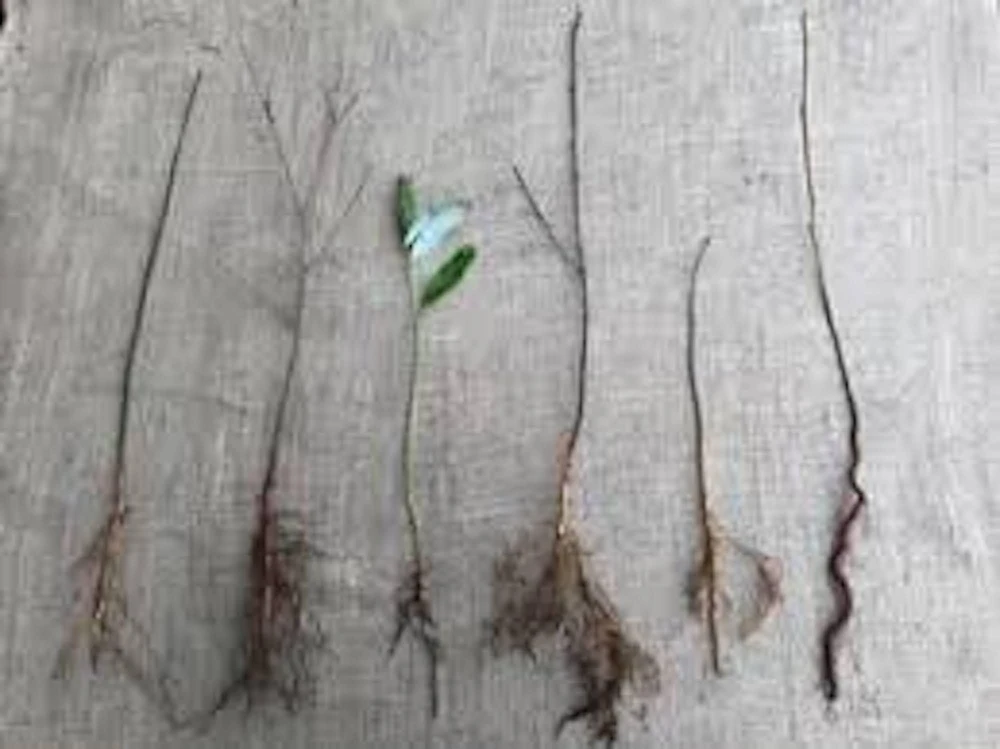
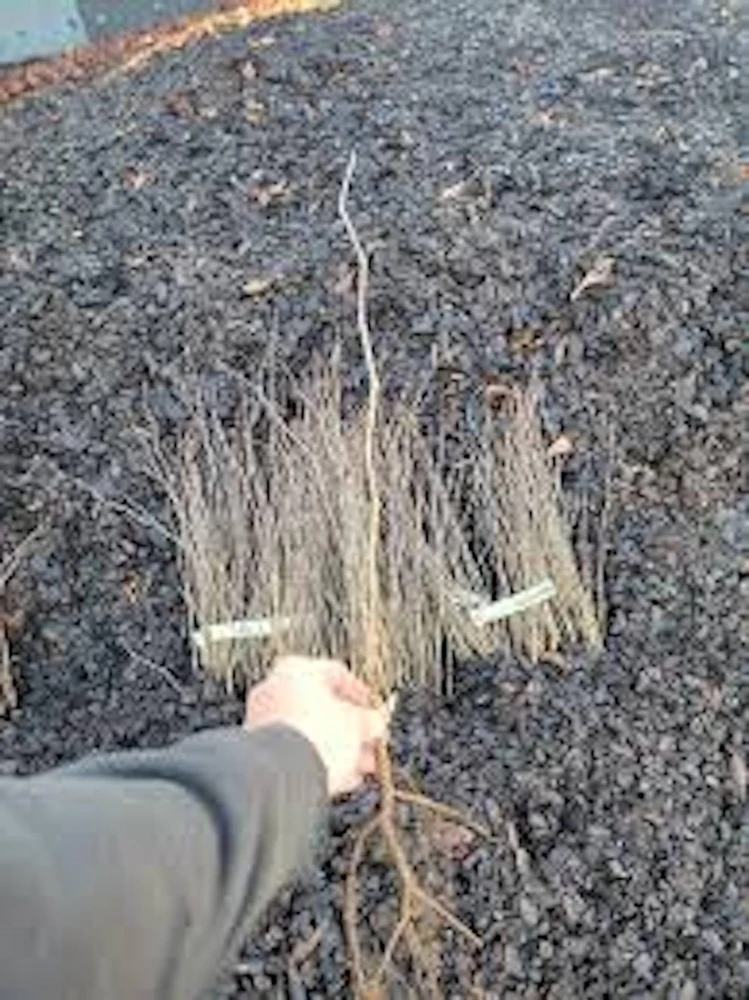
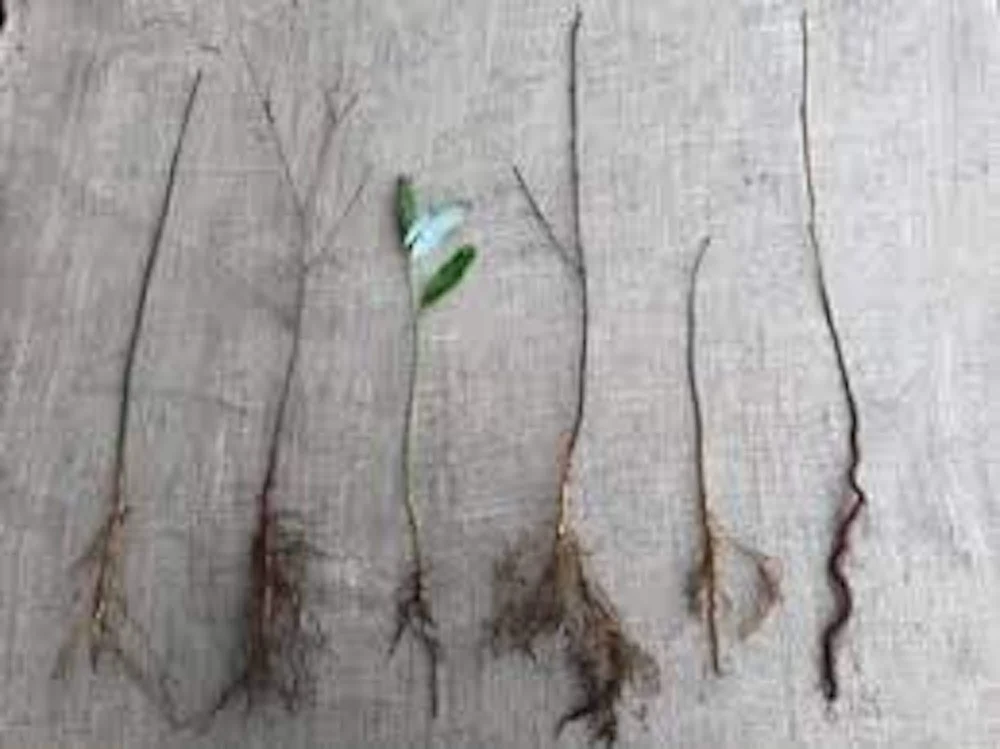
This offering provides five individual Eastern Redbud Tree live plant specimens. Each tree measures approximately 12-24 inches in height at the time of shipment and is rooted in a quart-sized nursery pot, providing a strong foundation for transplanting. The Cercis canadensis species typically grows to a mature height of 25-35 feet (7-10 meters) with a crown that is slightly wider than tall and rounded, often taking the form of a large shrub or a small tree. The growth rate is considered medium, meaning it can add 13-24 inches in height per year under optimal conditions. These young trees are shipped as actively growing plants, ready for immediate planting upon arrival. They are ideal for establishing a new garden feature or adding to an existing landscape design. Expect to see the first signs of their characteristic purple-pink blooms within a few years of planting, with the tree reaching its full splendor as it matures.
Frequently Asked Questions
- Q: How big does this Eastern Redbud Tree get at maturity? A: The Eastern Redbud Tree live plant typically reaches a mature height of 25-35 feet with a similar spread, often taking the form of a large shrub or a small tree. Its rounded crown makes it an excellent choice for various landscape designs.
- Q: Is this an indoor or outdoor plant? A: The Eastern Redbud Tree live plant is an outdoor plant, native to North America. It thrives in garden settings and is a popular choice for landscaping due to its hardiness and ornamental value.
- Q: How much sunlight does the Eastern Redbud Tree need? A: This tree prefers full sun to light shade. In hotter climates, part shade is recommended to protect the foliage from intense afternoon sun. Adequate sunlight is crucial for optimal flowering.
- Q: Is this tree easy to care for? A: Yes, the Eastern Redbud Tree live plant is considered relatively easy to care for, especially once established. It’s adaptable to various soil types and requires moderate watering, making Redbud tree care manageable for most gardeners.
- Q: What condition will the trees arrive in? A: Your Eastern Redbud Tree live plant specimens will arrive in quart pots, standing 12-24 inches tall, as actively growing plants. They are carefully packaged to ensure they reach you in healthy condition, ready for planting.
- Q: When is the best time to plant an Eastern Redbud Tree? A: The best time to plant the Eastern Redbud Tree live plant is in early spring or fall. This allows the tree to establish its root system before the stress of summer heat or winter cold.
- Q: Will the Eastern Redbud Tree survive winter in my zone? A: The Eastern Redbud Tree live plant is hardy in USDA Zones 4-9. If your zone falls within this range, it should successfully overwinter. It’s an excellent outdoor shade tree for many regions.
- Q: What type of soil does the Eastern Redbud Tree prefer? A: The Eastern Redbud Tree live plant prefers moist, well-drained soil but is adaptable to a variety of soil types. It’s important to avoid consistently wet or poorly-drained conditions.
- Q: How long until the tree blooms? A: Young Eastern Redbud Tree live plant specimens can start blooming within a few years of planting, with the floral display becoming more abundant as the tree matures.
- Q: Can the Eastern Redbud Tree be grown as a multi-stemmed plant? A: Yes, the Eastern Redbud Tree live plant often naturally grows with multiple trunks, giving it a shrub-like appearance. Pruning can help shape it into a single-trunk tree or enhance its multi-stemmed form.
Be the first to review “5 Eastern Redbud Tree Live Plant 12-24″ Tall (Quart Pot) Outdoor”
Related products


You May Like

Hardneck vs. Softneck Garlic: Which Should You Grow?
Have you ever stood in front of a seed catalog in mid-September, staring at dozens [...]
Oct

When to Plant Music Garlic: Ultimate US Fall Guide
Have you ever spent your fall weekend placing carefully chosen garlic cloves into rich, dark [...]
1 Comment
Oct

5 Best Bulbs for Fall Planting: Brighten Your Garden This Spring
Are you dreaming of a garden full of vibrant colors in the spring? The key [...]
Aug

10 Houseplants That Will Thrive in Your Kitchen
Are you tired of your kitchen feeling dull and lifeless? Want to add a little [...]
1 Comment
Aug
Reviews
There are no reviews yet.