
5 Goji Berry Live Plant Starters – Lycium barbarum Fruit Shrubs for Outdoor
Original price was: 113.99 $.88.99 $Current price is: 88.99 $.
Cultivate your own superfood supply with this goji berry live plant 5-pack. These hardy Lycium barbarum starter plants are deciduous shrubs known for their nutrient-rich red berries and drought tolerance. Perfect for sunny outdoor gardens.
Estimated arrival
Oct 16
Oct 21 - Oct 23
Oct 23 - Oct 28
See our Shipping Policy.
Get in touch with us via email, and our team will review your concerns.
Our Alive & Thrive Guarantee covers issues with your plants within the first 30 days. Read our Refund & Returns Policy.
-
USDA Hardiness Zone
USDA Zones 3-10 -
Soil Type
Well-draining soil -
Sunlight Exposure
Full sun -
Expected Planting Period
Early spring
Overview
Embark on a rewarding gardening journey with our goji berry live plant 5-pack. These vigorous Lycium barbarum specimens are supplied as starter plants, ready to establish in your garden and bring forth an abundance of healthy fruit. Goji berries, also known as wolfberries, are celebrated worldwide for their impressive nutritional profile and delightful taste. Originating from Asia, these deciduous, sprawling shrubs are not only productive but also add an attractive element to your landscape with their purple flowers and bright red berries. Our starter plants provide a convenient way to begin growing your own superfood, ensuring you have a steady supply of fresh, homegrown goji berries.
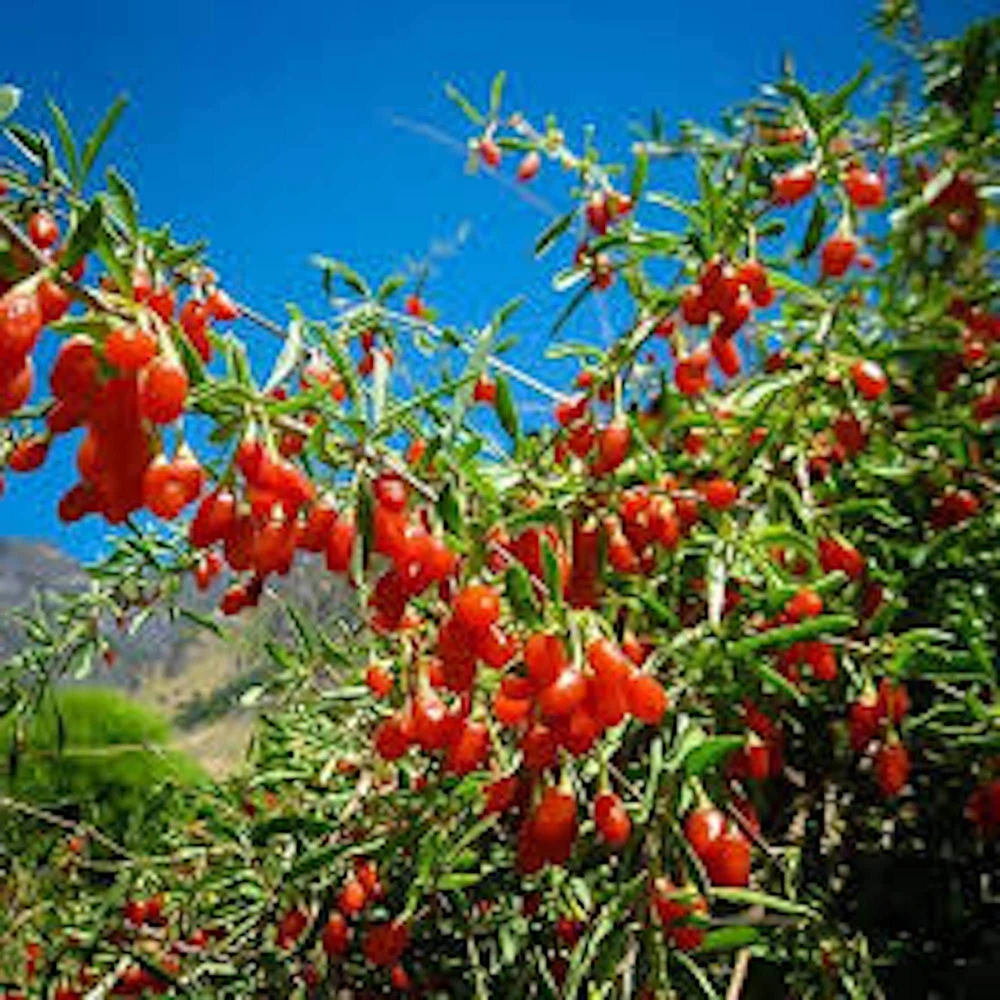
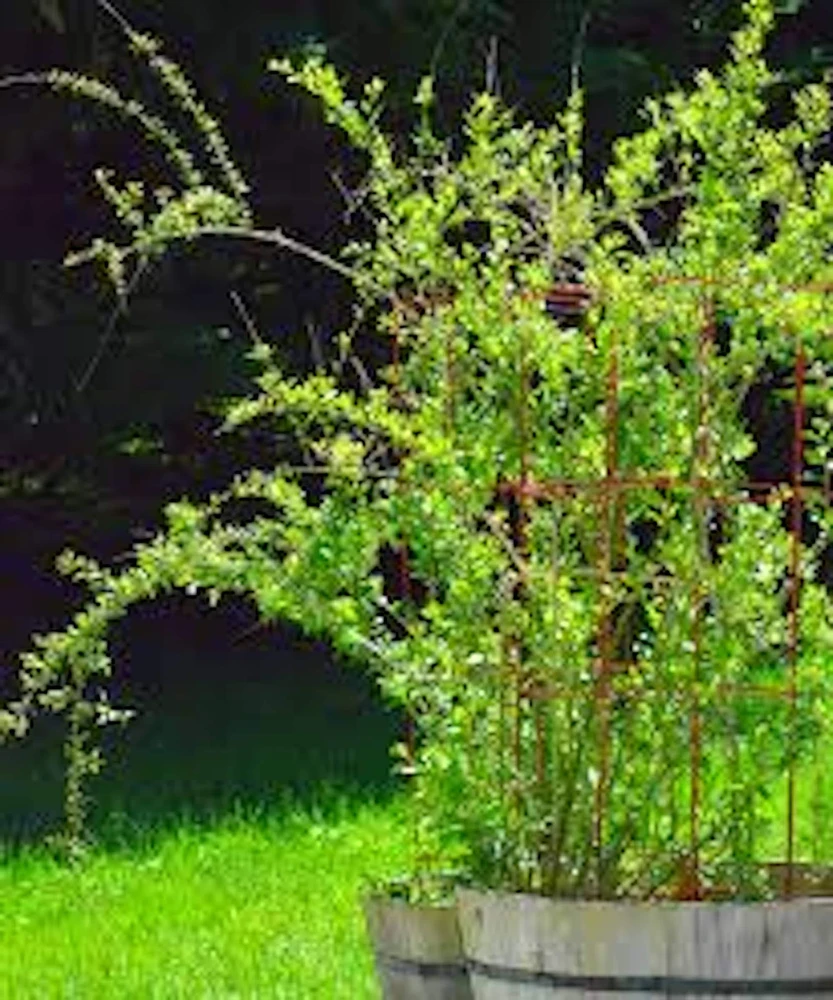
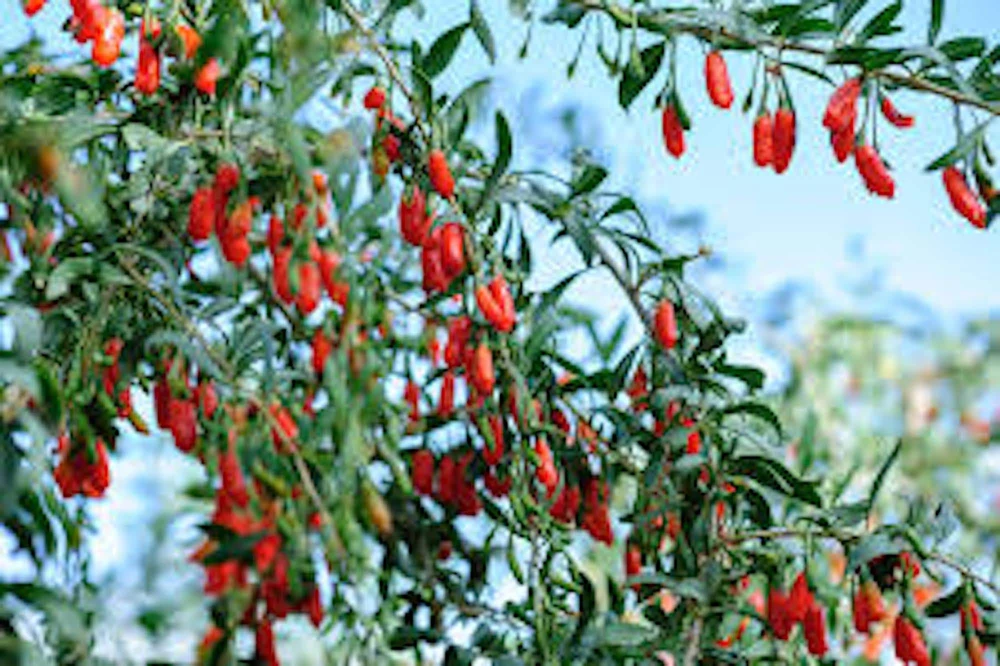
The goji berry live plant is renowned for its resilience and adaptability, making it an excellent choice for both experienced gardeners and those new to cultivating fruit-bearing shrubs. These plants are typically pruned to a manageable 3-6 feet tall in cultivation, though they can reach up to 12 feet in their natural state. They feature long, flexible, and often thorny stems adorned with distinctive grey-green, somewhat succulent leaves. Enjoy the beauty of purple, bell-shaped flowers in late spring to early summer, which gracefully give way to the vibrant, oval-shaped red berries in late summer and early fall.
Key Benefits
Growing your own goji berries offers a multitude of advantages, from the health benefits of the fruit to the ease of cultivation. These plants are a fantastic addition to any edible landscape or backyard orchard.
- Nutrient-Rich Superfood: Harvest your own fresh goji berries, packed with antioxidants, vitamins, and minerals, directly from your garden. Enjoy the satisfaction of knowing exactly where your superfood comes from.
- Hardy and Drought-Tolerant: The goji berry live plant is incredibly robust, thriving in full sun and well-drained soil, and demonstrating excellent drought resistance once established, requiring minimal fuss.
- Attractive Garden Addition: Beyond their fruit, these shrubs offer ornamental value with their unique foliage, delicate purple flowers, and bright red berries that add color to the late-season garden.
- Easy to Grow: Known for their low maintenance requirements, goji berry plant care is straightforward, making them suitable for gardeners of all skill levels. They are generally pest and disease resistant.
- Versatile Use: Fresh goji berries can be enjoyed raw, dried, steeped in tea, or incorporated into smoothies, cereals, and baked goods, offering diverse culinary applications.
- Long Production Season: With berries ripening from late summer into early fall, you can enjoy a prolonged harvest period from your lycium barbarum plant.
- Supports Local Ecosystem: The flowers can attract pollinators, and the berries may provide a food source for local wildlife, contributing to biodiversity in your garden.
Plant Care & Growing Tips
To ensure your goji berry live plant thrives and produces abundant fruit, understanding its basic care requirements is essential. Goji berry plants prefer a location that receives full sun, meaning at least 6-8 hours of direct sunlight per day. This maximizes fruit production and overall plant health. They are highly adaptable to various soil types but perform best in well-drained soil. Avoid heavy, waterlogged soils, as this can lead to root rot. If your soil is heavy clay, consider amending it with organic matter like compost or sand to improve drainage.
Watering should be consistent during the establishment phase, usually the first year after planting. Once established, these plants are remarkably drought-tolerant and will require less frequent watering, especially in cooler climates. In hotter, drier regions, occasional deep watering during extended dry spells will benefit fruit development. For optimal growth and fruit yield, fertilize your goji berry plants annually in early spring with a balanced slow-release fertilizer or organic compost. Pruning is crucial for maintaining plant shape, encouraging new growth, and facilitating harvesting. Prune in late winter or early spring to remove dead or weak branches and to manage the plant’s size. Learning how to grow goji berries successfully involves understanding these simple yet effective care practices.
The goji berry fruit shrub is hardy and can withstand a range of temperatures, typically thriving in USDA zones 3-10. However, protection from extreme cold might be necessary in the coldest zones. While generally robust, keep an eye out for common pests like aphids or spider mites, and treat them with organic insecticidal soap if necessary. Good air circulation and proper spacing between plants can help prevent fungal diseases. With proper care, your goji berry plants will reward you with years of delicious and nutritious fruit.
Size & Details
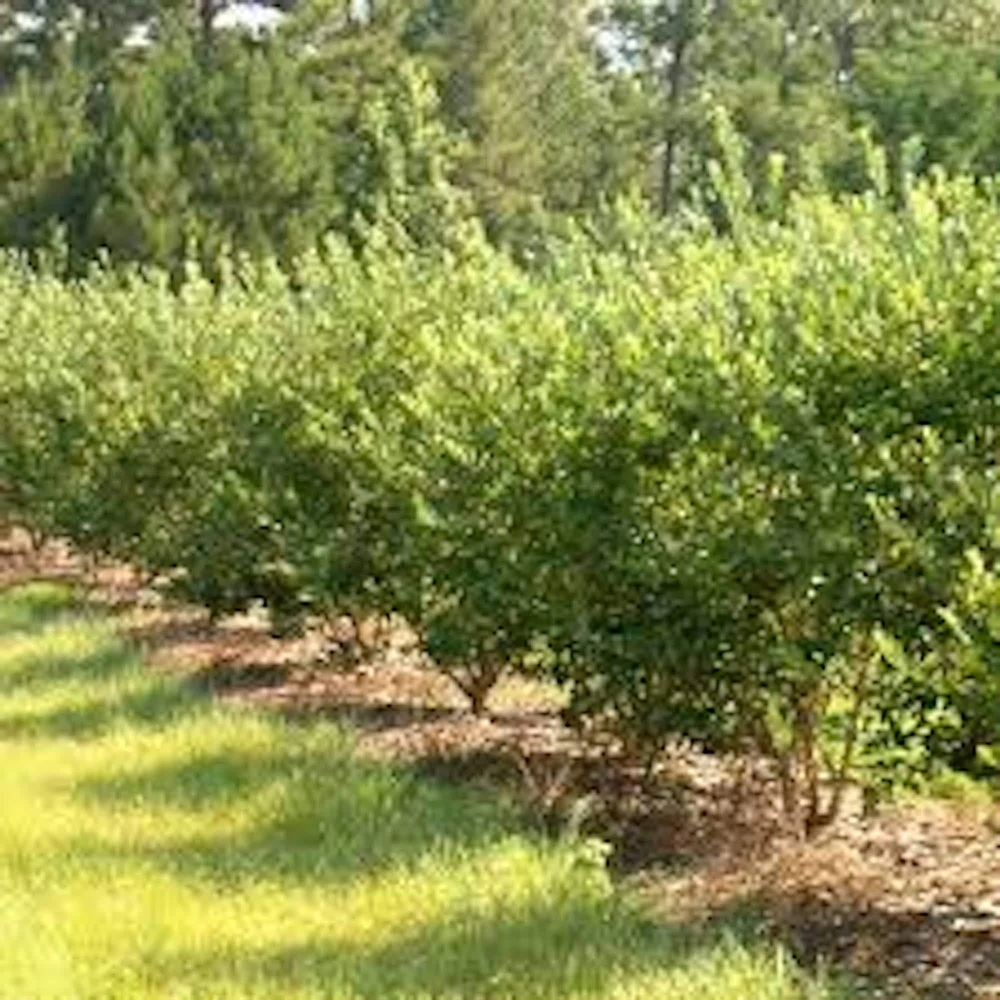
This offering includes 5 Goji Berry live plant starters, specifically the Lycium barbarum variety. These plants are shipped bare root, which means they are sent without soil or a pot, ensuring they are dormant and ready for planting upon arrival. While they can reach up to 12 feet tall and 4 feet wide in their natural sprawling state, they are typically cultivated and pruned to a more manageable height of 3-6 feet, making them suitable for most home gardens. Growth rate is moderate to fast, allowing for fruit production within 1-2 years of planting, depending on growing conditions. Each starter plant is a healthy, viable specimen, ready to be planted directly into your garden or a larger container.
The berries produced by this goji berry fruit shrub are bright red and oval-shaped, typically ripening in late summer and early fall. These plants are deciduous, meaning they will lose their leaves in the fall and enter dormancy over winter, returning with fresh growth in the spring. They are a long-lived perennial, offering many years of harvests with proper care. These starters are an excellent way to establish a productive patch of goji berries, providing you with a sustainable source of this highly valued fruit.
Frequently Asked Questions
- Q: How big will my Goji Berry plants get? A: While they can naturally grow up to 12 feet tall, these plants are typically pruned to a more manageable 3-6 feet in cultivation. This makes harvesting easier and keeps the plant tidy in your garden.
- Q: Is this an indoor or outdoor plant? A: The goji berry live plant is an outdoor plant, best suited for garden beds where it can receive full sun. It is hardy and designed to thrive in outdoor conditions across a wide range of USDA zones.
- Q: How much sunlight does a Goji Berry plant need? A: Goji berry plants require full sun, meaning at least 6-8 hours of direct sunlight per day, to produce the best fruit yields and ensure healthy growth.
- Q: When is the best time to plant these Goji Berry starters? A: The best time to plant bare root goji berry starters is in early spring, after the last frost, allowing them ample time to establish before the summer heat.
- Q: How long until my Goji Berry plant produces fruit? A: With good care, your lycium barbarum plant can begin producing fruit within 1-2 years of planting, with production increasing as the plant matures.
- Q: Is this plant easy to care for? A: Yes, goji berry plants are known for being relatively low-maintenance, especially once established. They are hardy, drought-tolerant, and generally resistant to pests and diseases, making goji berry plant care straightforward.
- Q: What condition will the plants arrive in? A: The plants will ship bare root, meaning they arrive without soil or a pot, in a dormant state. This is a common and effective method for shipping deciduous plants, ensuring they transplant well.
- Q: What kind of soil is best for growing goji berries? A: Goji berry plants prefer well-drained soil. They can tolerate various soil types but avoid heavy clay soils that retain too much moisture. Amending with organic matter can improve drainage.
- Q: Will these Goji Berry plants survive winter in my zone? A: Goji berry plants are quite hardy, typically thriving in USDA Zones 3-10. If you are in a colder zone, some winter protection or mulching might be beneficial.
- Q: Can I grow goji berries in a container? A: Yes, you can grow goji berries in large containers, especially if you prune them regularly to manage their size. Ensure the container has good drainage.
Be the first to review “5 Goji Berry Live Plant Starters – Lycium barbarum Fruit Shrubs for Outdoor”
Related products


You May Like

Hardneck vs. Softneck Garlic: Which Should You Grow?
Have you ever stood in front of a seed catalog in mid-September, staring at dozens [...]
Oct

When to Plant Music Garlic: Ultimate US Fall Guide
Have you ever spent your fall weekend placing carefully chosen garlic cloves into rich, dark [...]
1 Comment
Oct

5 Best Bulbs for Fall Planting: Brighten Your Garden This Spring
Are you dreaming of a garden full of vibrant colors in the spring? The key [...]
Aug

10 Houseplants That Will Thrive in Your Kitchen
Are you tired of your kitchen feeling dull and lifeless? Want to add a little [...]
1 Comment
Aug
Reviews
There are no reviews yet.