
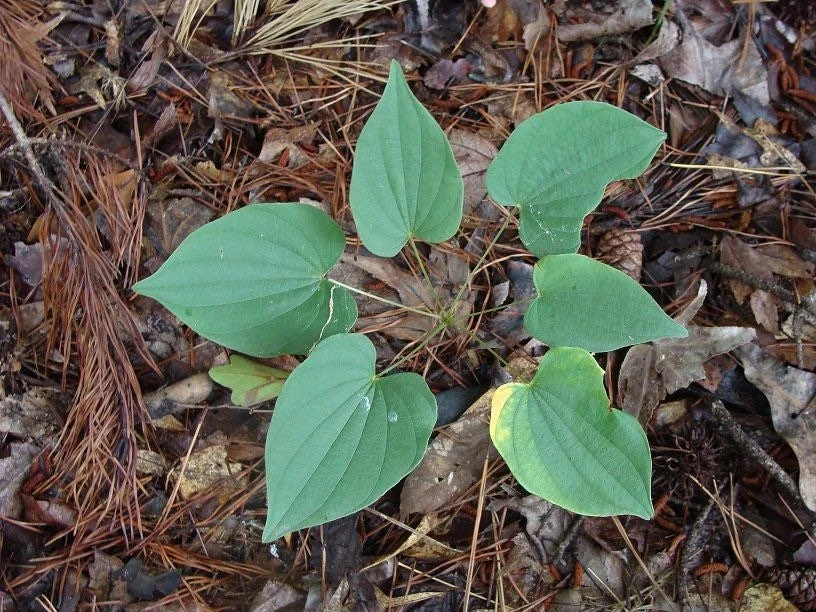
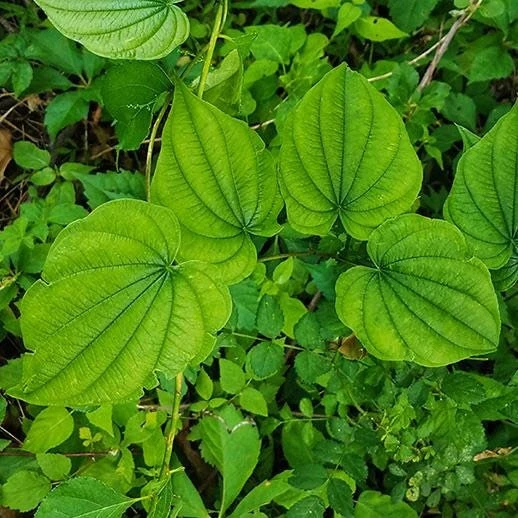
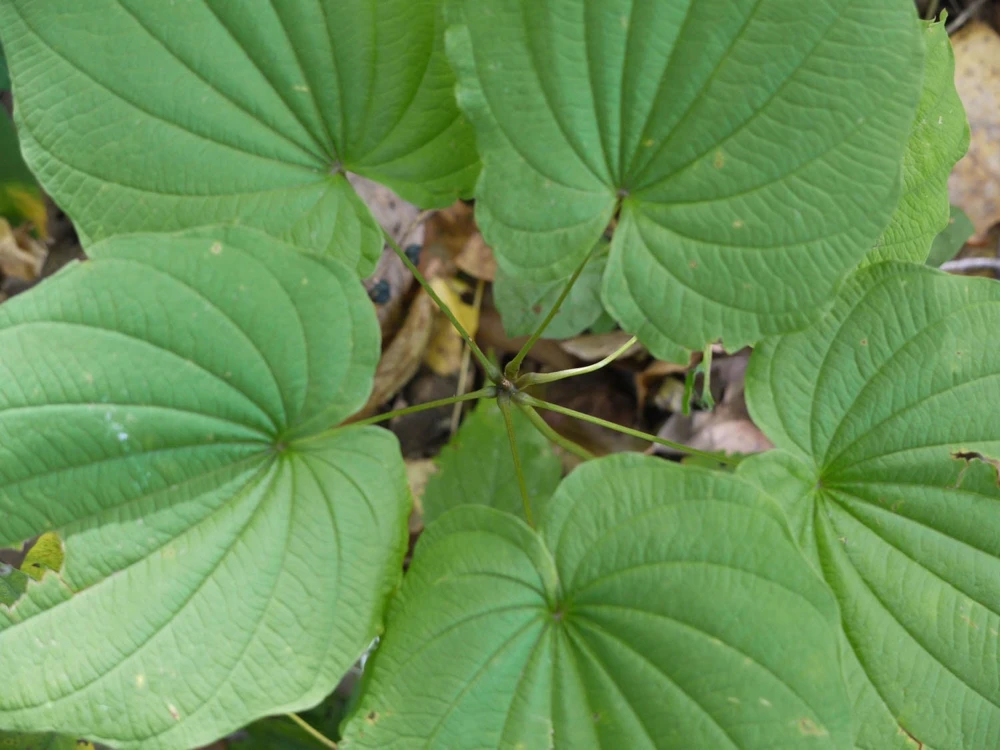
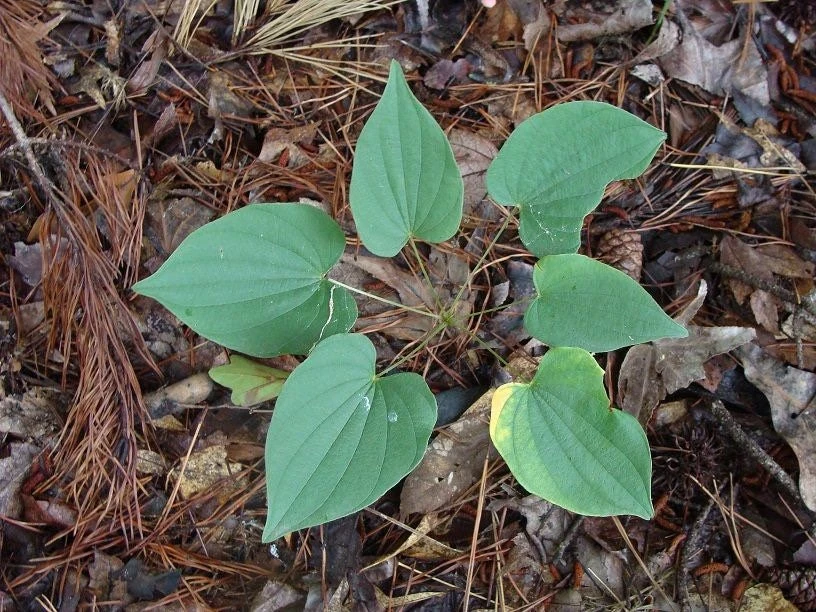
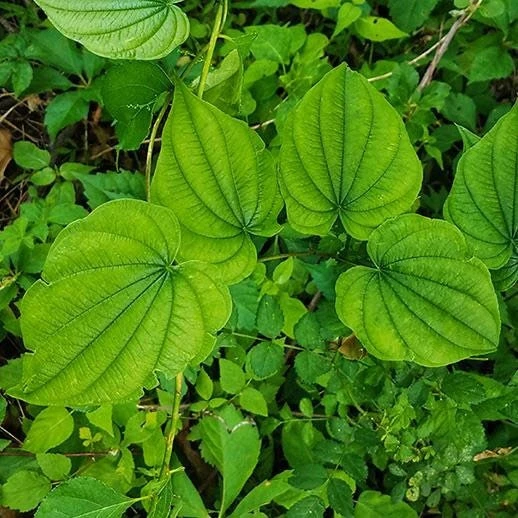
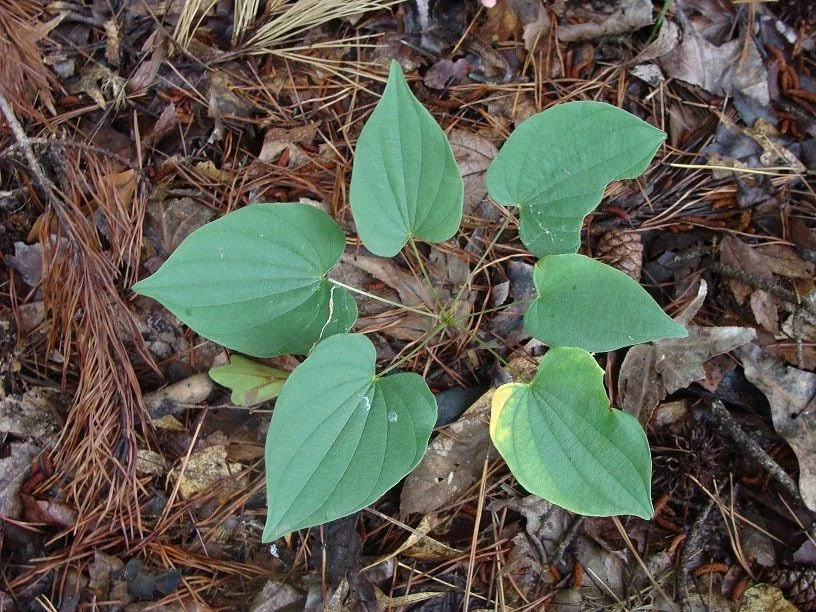
5 Wild Yam Plants Dioscorea Villosa Bare Root Perennial Vine Native Wildflower
Original price was: 69.99 $.44.99 $Current price is: 44.99 $.
Cultivate wild yam plants (Dioscorea Villosa) in your garden. This offer includes 5 bare root perennial vines, ideal for natural landscaping and herbal uses. Known for its vigorous growth and native appeal.
Estimated arrival
Oct 17
Oct 22 - Oct 24
Oct 24 - Oct 29
See our Shipping Policy.
Get in touch with us via email, and our team will review your concerns.
Our Alive & Thrive Guarantee covers issues with your plants within the first 30 days. Read our Refund & Returns Policy.
-
USDA Hardiness Zone
USDA zones 4-9 -
Soil Type
Well-draining, fertile soil -
Sunlight Exposure
Partial shade to full sun -
Expected Planting Period
Spring to fall
Overview
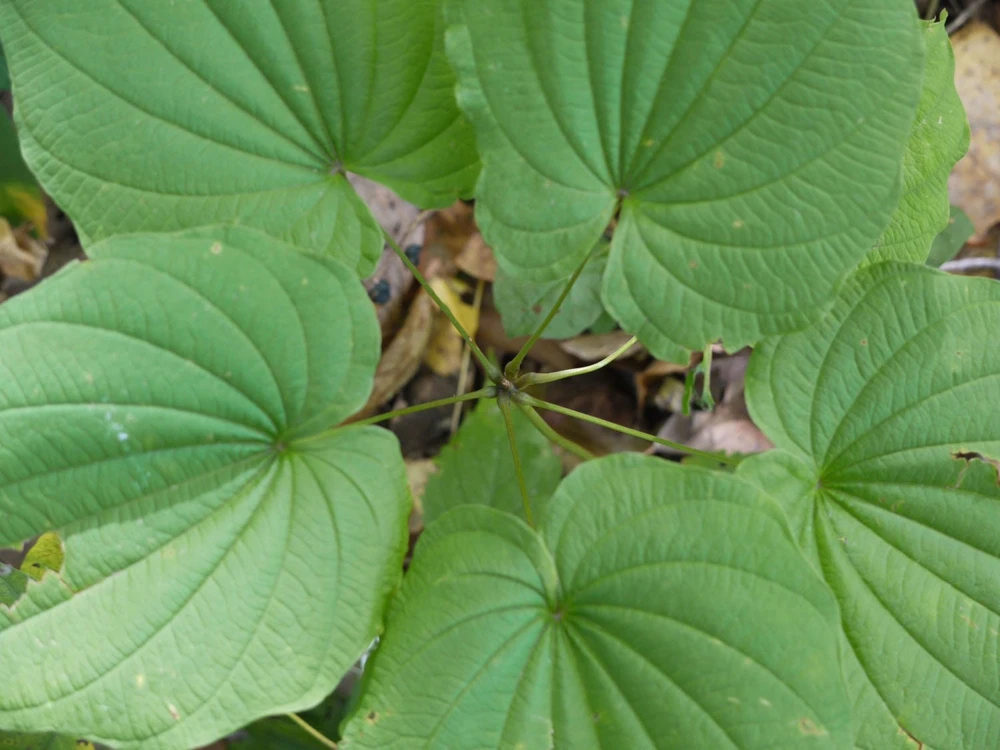
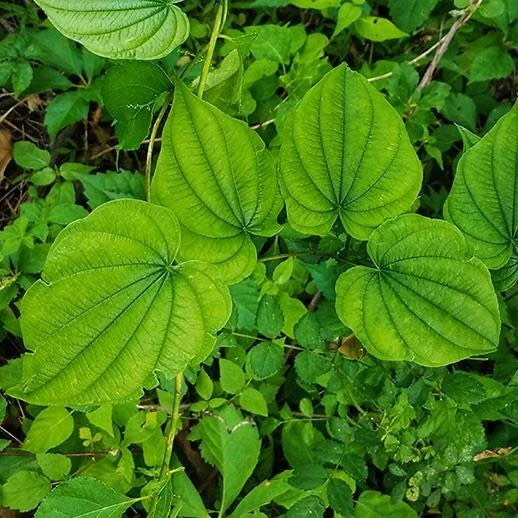
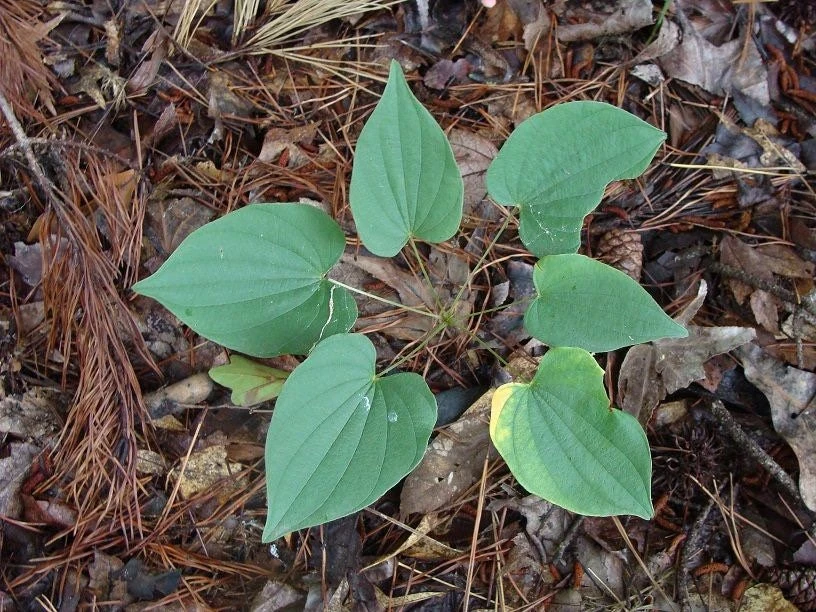
Transform your garden into a thriving natural habitat with these exceptional wild yam plants. You will receive 5 high-quality bare root specimens of Dioscorea Villosa bare root, ready for planting. Also known as colic root, rheumatism root, or devil’s bones, Wild Yam is a vigorous perennial vine native to North America. This plant is not only a beautiful addition to any landscape with its heart-shaped leaves and climbing habit but also holds historical significance as a traditional medicinal herb. Growing up to 15 feet in length, it offers an attractive climbing feature for trellises, fences, or natural settings, creating a lush green backdrop in your garden. Our wild yam plants are carefully prepared for shipping to ensure healthy establishment in your home garden.
The botanical name, Dioscorea Villosa, refers to its villous (hairy) leaves and stems, a characteristic that adds to its unique texture. These particular wild yam plants are shipped as bare roots, meaning they are dormant and without foliage or soil, which is the optimal way to transport and establish many perennial varieties. This method minimizes transplant shock and allows the plant to focus its energy on root development once planted. Whether you’re a seasoned gardener or just starting, adding these native perennial vines can bring both beauty and ecological value to your outdoor space, attracting local wildlife and contributing to biodiversity.
Key Benefits
Incorporating wild yam plants into your garden offers a variety of advantages, from aesthetic appeal to ecological contributions and potential herbal uses. These hardy vines are a fantastic choice for many garden styles.
- Native Wildflower Appeal: As a native North American plant, Dioscorea Villosa integrates seamlessly into local ecosystems, supporting pollinators and contributing to regional biodiversity. Its natural beauty enhances any garden.
- Vigorous Growth & Climbing Habit: These perennial vines grow rapidly, providing excellent coverage for trellises, arbors, fences, or as groundcover. They can reach impressive lengths, creating a lush, green display.
- Low Maintenance & Hardy: Once established, wild yam plants are remarkably resilient and require minimal care. They are tolerant of various conditions, making them suitable for gardeners of all experience levels.
- Medicinal Herb Potential: Historically, wild yam root benefits have been recognized in traditional herbal practices, particularly for its diosgenin content. Growing your own provides access to this revered herb.
- Erosion Control: Due to its extensive root system and spreading habit, Wild Yam can be an effective plant for stabilizing soil on slopes and preventing erosion in naturalized areas.
- Ecological Contribution: Beyond its beauty, this plant serves as a food source for certain native insects and provides habitat, enhancing the ecological value of your garden.
- Organic & Sustainable Gardening: Our bare roots are a sustainable way to start your garden, promoting healthy plant growth without the use of harmful chemicals, contributing to an organic gardening approach.
Plant Care & Growing Tips
Successfully growing wild yam plants begins with proper planting and understanding their basic needs. These bare root plants are best established in spring or fall when the weather is mild. Choose a location that receives at least partial shade to full sun; while they can tolerate full sun, some afternoon shade is beneficial in hotter climates. Dig a hole large enough to accommodate the roots without bending them, spreading them out gently. Plant the crown (where the roots meet the stem) about 1-2 inches below the soil surface. Backfill with soil, gently firming it around the roots to remove air pockets, and water thoroughly.
Dioscorea Villosa bare root thrives in well-draining, fertile soil rich in organic matter. While adaptable, it prefers slightly acidic to neutral pH. Consistent moisture is crucial during the establishment phase, so water regularly, especially during dry spells, ensuring the soil remains moist but not waterlogged. Once established, it becomes more drought-tolerant. For optimal growth, provide a sturdy support structure like a trellis or fence for the vine to climb, or allow it to ramble as a groundcover. Wild Yam is hardy in USDA zones 4-9, making it suitable for a wide range of climates. Fertilization is generally not heavily required, but a light application of balanced organic fertilizer in spring can encourage vigorous growth. Monitor for common garden pests, though Wild Yam is generally quite resistant. Regular weeding around young plants will help reduce competition for nutrients and water.
Size & Details
This offering includes 5 individual wild yam plants supplied as bare roots. Each bare root is a dormant section of the plant’s root system, typically 3-6 inches in length, ready for planting. When mature, these perennial vines can reach an impressive length of 10 to 15 feet, with a spread of 3 to 6 feet, depending on the available support and growing conditions. The bare root form ensures minimal transplant shock and allows for easy handling and planting. They are shipped without foliage or soil, focusing all energy on root development once planted. Expect initial growth to be focused on root establishment, with visible foliage emerging within a few weeks of planting under ideal conditions. The vigorous growth rate means you will soon enjoy a lush, green display from your perennial vine wildflower.
The roots are harvested per order to ensure maximum freshness and viability. Each order comes with detailed planting instructions to guide you through the process, helping you choose the best location and conditions for these native plants. These wild yam plants are a long-term addition to your garden, returning year after year with increasing vigor. They are an excellent choice for those looking to add a native, low-maintenance, and potentially beneficial plant to their landscape. The robust nature of the bare roots allows for successful establishment when proper care is given during the initial planting phase.
Frequently Asked Questions
- Q: How big do these Wild Yam plants get? A: Once mature, these wild yam plants can reach lengths of 10 to 15 feet, with a spread of 3 to 6 feet, making them excellent climbers or groundcovers. Their size depends on growing conditions and available support.
- Q: Is this an indoor or outdoor plant? A: Wild Yam (Dioscorea Villosa) is primarily an outdoor plant, thriving in garden settings where it can climb or spread. It is hardy in USDA zones 4-9.
- Q: How much sunlight do these bare roots need? A: Wild yam plants can tolerate partial shade to full sun. In hotter climates, partial afternoon shade is often beneficial to prevent leaf scorching.
- Q: Is this plant easy to care for? A: Yes, once established, Wild Yam is considered a low-maintenance and hardy perennial vine, suitable for gardeners of all experience levels. It’s a great perennial vine wildflower.
- Q: What condition will the plants arrive in? A: You will receive 5 Dioscorea Villosa bare root plants, which are dormant root sections without foliage or soil. They are harvested fresh per order to ensure viability.
- Q: When is the best time to plant these Wild Yam bare roots? A: The optimal time for planting bare root Wild Yam is in the spring or fall when soil temperatures are moderate and the weather is mild, allowing for good root establishment.
- Q: Will these plants survive winter in my zone? A: Wild Yam is cold-hardy and will survive winter in USDA zones 4-9. The plant will go dormant in colder months and re-emerge in spring.
- Q: Are there any specific soil requirements for wild yam plants? A: They prefer well-draining, fertile soil rich in organic matter. While adaptable, a slightly acidic to neutral pH is ideal for healthy growth.
- Q: Can I use the roots for traditional purposes? A: While wild yam root benefits are recognized in traditional herbalism, always consult with a qualified healthcare professional before using any plant for medicinal purposes.
- Q: Do these wild yam plants produce flowers or fruit? A: Yes, Wild Yam produces small, inconspicuous greenish-yellow flowers followed by winged seed capsules. The primary appeal is often the foliage and the root.
Be the first to review “5 Wild Yam Plants Dioscorea Villosa Bare Root Perennial Vine Native Wildflower”
Related products


You May Like

Hardneck vs. Softneck Garlic: Which Should You Grow?
Have you ever stood in front of a seed catalog in mid-September, staring at dozens [...]
Oct

When to Plant Music Garlic: Ultimate US Fall Guide
Have you ever spent your fall weekend placing carefully chosen garlic cloves into rich, dark [...]
1 Comment
Oct

5 Best Bulbs for Fall Planting: Brighten Your Garden This Spring
Are you dreaming of a garden full of vibrant colors in the spring? The key [...]
Aug

10 Houseplants That Will Thrive in Your Kitchen
Are you tired of your kitchen feeling dull and lifeless? Want to add a little [...]
1 Comment
Aug
Reviews
There are no reviews yet.