
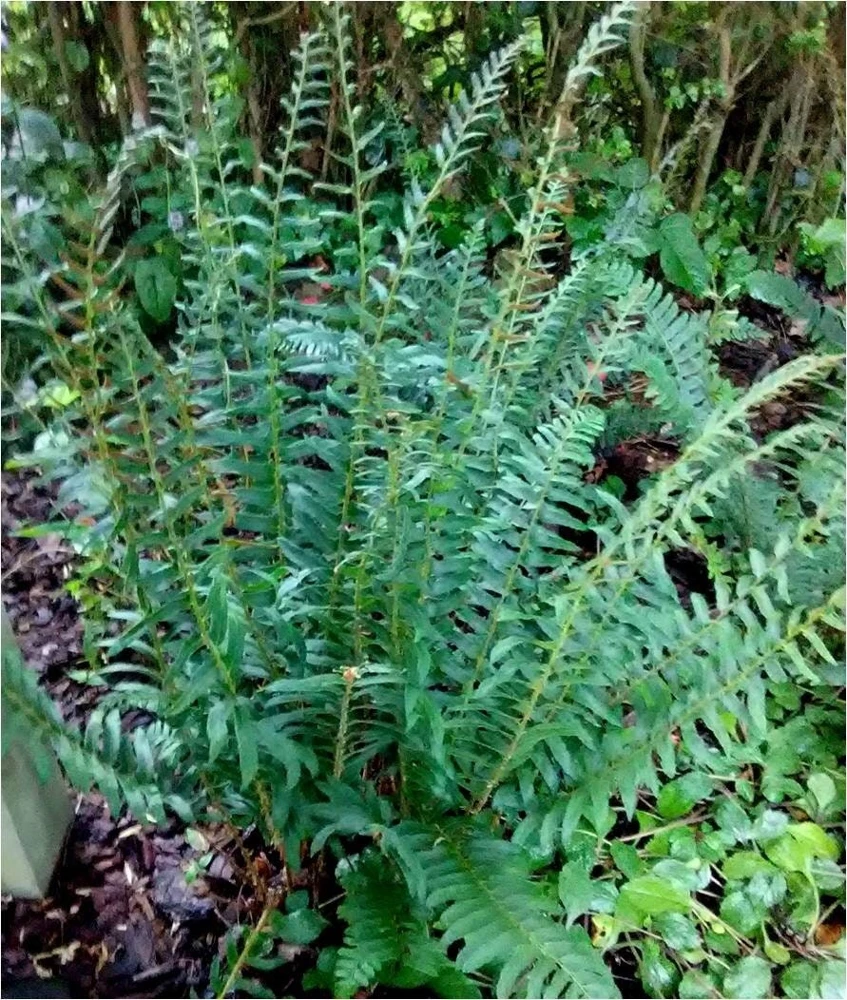
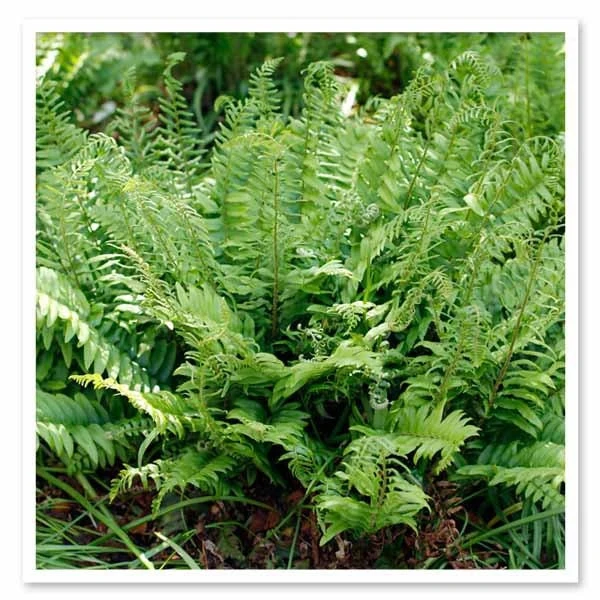
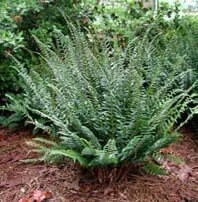
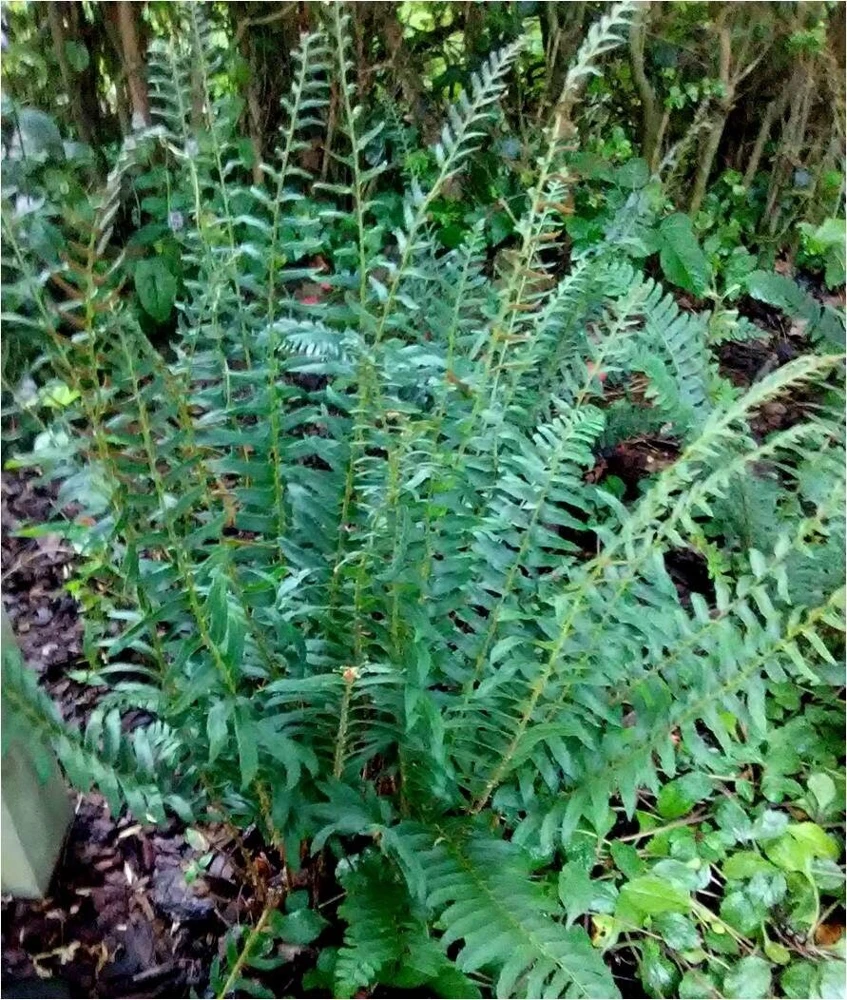
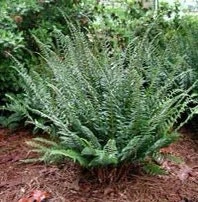
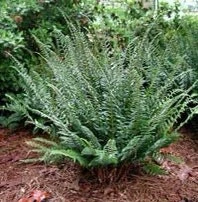
50 Christmas Ferns Bare Root Plants – Polystichum Acrostichoides Perennial Wildflower
Original price was: 139.99 $.114.99 $Current price is: 114.99 $.
Transform your landscape with 50 Christmas Ferns bare root plants. These Polystichum Acrostichoides are robust, evergreen ferns, perfect for adding lush, native beauty to your shade garden plants and woodland areas. Easy to plant and maintain, they bring year-round greenery.
Estimated arrival
Oct 17
Oct 22 - Oct 24
Oct 24 - Oct 29
See our Shipping Policy.
Get in touch with us via email, and our team will review your concerns.
Our Alive & Thrive Guarantee covers issues with your plants within the first 30 days. Read our Refund & Returns Policy.
-
USDA Hardiness Zone
USDA Zones 3-9 -
Soil Type
Rich, well-draining, slightly acidic to neutral soil -
Sunlight Exposure
Partial to full shade -
Expected Planting Period
Early spring or fall
Overview
Discover the enduring elegance of the Christmas Ferns bare root, botanically known as Polystichum Acrostichoides. This offer provides 50 Christmas Ferns bare root plants, ready to establish themselves in your garden. As a native North American perennial, the Christmas Fern is celebrated for its resilience and vibrant green fronds that persist through the winter months, offering a touch of life when other plants have faded. Its common name, ‘Christmas Fern,’ comes from its evergreen nature, making it a festive presence even in the snow. These plants are grown organically, ensuring you receive healthy, vigorous roots. They are an excellent choice for naturalizing woodlands, creating lush groundcovers, or adding texture to shaded borders. When you plant these Polystichum Acrostichoides, you’re not just adding a plant; you’re inviting a piece of native wilderness into your landscape, enhancing biodiversity and creating a serene, verdant retreat.
Key Benefits
The Christmas Fern offers a multitude of benefits for any gardener, from aesthetic appeal to ecological value. These robust plants are an excellent investment for sustainable landscaping, providing continuous beauty and requiring minimal intervention once established. The Christmas Ferns bare root form allows for easy transportation and planting, ensuring a strong start for your new additions.
- Year-Round Greenery: Unlike many perennials that die back in winter, the Christmas Ferns bare root retains its attractive, leathery green fronds throughout the colder months, providing essential visual interest and a splash of color against dormant landscapes. This evergreen quality makes it a staple for year-round garden design.
- Low Maintenance: Once established, these ferns are incredibly self-sufficient. They require minimal watering and fertilization, making them an ideal choice for busy gardeners or those seeking an effortless yet beautiful landscape solution. Their natural resilience means less fuss and more enjoyment.
- Shade Tolerance: Thriving in partial to deep shade, the Polystichum Acrostichoides is perfectly suited for those challenging garden spots where many other plants struggle. It brightens dim corners, under trees, or along north-facing walls, transforming previously unused areas into lush havens.
- Native Wildflower Appeal: As a native wildflower, the Christmas Fern contributes to local ecosystems, providing habitat and food for certain wildlife species. Planting native species helps support biodiversity and creates a more resilient garden environment.
- Erosion Control: The fibrous root system of the Christmas Fern helps stabilize soil, making it an excellent choice for planting on slopes or in areas prone to erosion. Its dense growth also helps suppress weeds, reducing the need for manual weeding.
- Deer Resistant: Generally, deer tend to avoid browsing Christmas Ferns, making them a reliable option for gardens in areas with deer populations. This natural resistance ensures your beautiful foliage remains intact and vibrant.
- Versatile Landscaping: Whether used as a mass planting for groundcover, an accent in a woodland garden, or as part of a mixed border, these evergreen fern plants offer incredible versatility in design. They pair well with other shade-loving perennials and shrubs, adding texture and depth.
Plant Care & Growing Tips
Caring for your Christmas Ferns bare root plants is straightforward, ensuring successful establishment and long-term health. These resilient ferns are well-adapted to various conditions, but providing their ideal environment will yield the most robust growth. For best results, plant your Polystichum Acrostichoides as soon as possible after receiving them, ensuring the roots do not dry out.
Sunlight Requirements: Christmas Ferns thrive in partial to full shade. They prefer dappled sunlight or indirect light throughout the day. Direct sun, especially in the afternoon, can scorch their fronds, leading to browning and stress. If planting in an area with some morning sun, ensure it is followed by shade for the rest of the day. They are ideal for planting under deciduous trees or along the north side of buildings where they receive consistent shade. Providing adequate shade is crucial for the health and vibrant green color of your evergreen fern.
Watering Schedule & Soil Moisture: These ferns prefer consistently moist, but not waterlogged, soil, especially during their establishment period. Water regularly after planting to help the bare roots settle. Once established, they are quite tolerant of dry conditions but will perform best with occasional watering during prolonged dry spells. Avoid overhead watering that can lead to fungal issues; instead, water at the base of the plant. Good drainage is key to preventing root rot.
Soil Type & Drainage: The ideal soil for Christmas Ferns bare root is rich in organic matter, slightly acidic to neutral (pH 6.0-7.0), and well-draining. Amend heavy clay soils with compost or peat moss to improve drainage and aeration. For sandy soils, adding organic matter will help retain moisture. A good layer of leaf litter or mulch around the plants will help maintain soil moisture, regulate temperature, and provide slow-release nutrients, mimicking their natural woodland habitat.
Temperature Range & USDA Hardiness Zone: Christmas Ferns are incredibly cold-hardy, thriving in USDA Zones 3-9. They are well-suited to temperate climates and can withstand freezing temperatures, maintaining their foliage through winter. They are tolerant of a wide range of temperatures but prefer cooler, consistent conditions over extreme heat. No special winter protection is usually required in their hardiness zones.
Fertilization: Generally, Christmas Ferns do not require heavy fertilization. If your soil is poor, a light application of a balanced, slow-release granular fertilizer in early spring can be beneficial. Alternatively, top-dressing with compost or well-rotted leaf mold annually provides sufficient nutrients and improves soil structure. Over-fertilization can harm these plants, so err on the side of caution.
Common Problems: Christmas Ferns are relatively pest and disease-free. The most common issues arise from improper light or water conditions. Yellowing fronds can indicate too much direct sun or insufficient moisture, while wilting or browning can be a sign of overwatering or poor drainage. Ensure proper siting and soil conditions to prevent most problems. Slugs and snails may occasionally feed on new fronds but rarely cause significant damage.
Size & Details
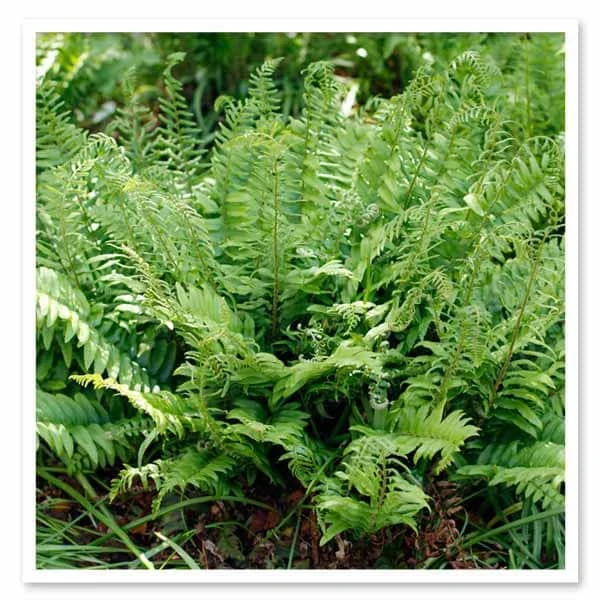
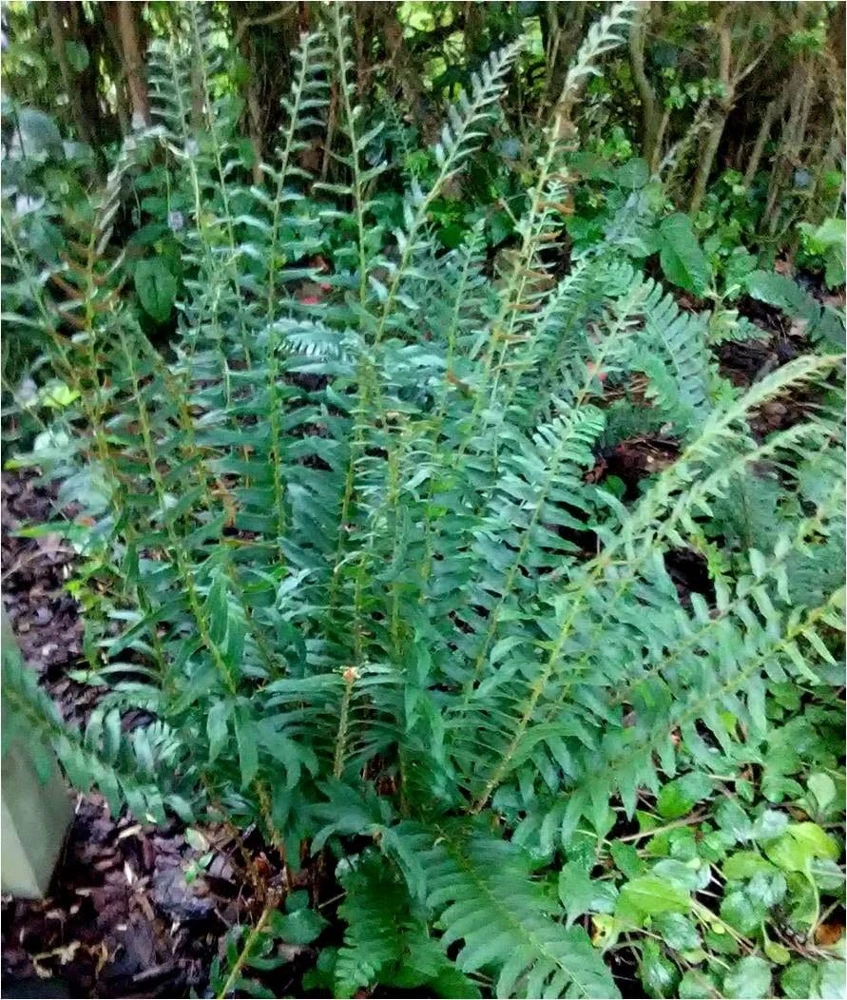
This offering includes 50 Christmas Ferns bare root plants, providing a substantial quantity for creating a significant planting area or distributing throughout your landscape. Each bare root is harvested per order to ensure freshness and viability upon arrival. As bare root specimens, they will arrive without foliage or soil, consisting primarily of the root system and a small crown, ready for planting. Once established, individual Christmas Fern plants typically grow to a height of 12-24 inches (30-60 cm) and spread about 18-24 inches (45-60 cm) wide, forming attractive clumps. Their growth rate is moderate, and they will gradually expand to fill their space, creating a dense, lush groundcover. These native wildflower ferns are long-lived and will provide many years of beauty. The fronds are typically 1-2 feet long, dark green, and leathery, with distinctive ear-like lobes at the base of each leaflet, resembling a tiny Christmas stocking.
Frequently Asked Questions
- Q: How big do these Christmas Ferns get? A: Each Christmas Ferns bare root plant typically grows to a height of 12-24 inches and spreads about 18-24 inches wide, forming a dense clump of evergreen foliage.
- Q: Is this an indoor or outdoor plant? A: The Polystichum Acrostichoides is primarily an outdoor plant, best suited for woodland gardens, shaded borders, and naturalized areas in USDA Zones 3-9. While they can be grown in containers, they are not typically kept as indoor houseplants.
- Q: How much sunlight does it need? A: These evergreen fern plants thrive in partial to full shade. They prefer dappled light or indirect light and should be protected from direct afternoon sun, which can scorch their fronds.
- Q: Is this plant easy to care for? Is it good for beginners? A: Yes, Christmas Ferns bare root are considered very easy to care for, especially once established. Their low maintenance requirements and resilience make them an excellent choice for beginner gardeners looking for a reliable shade plant.
- Q: What condition will the plants arrive in? A: You will receive 50 Christmas Ferns bare root plants. They are shipped without foliage or soil, consisting of the healthy root system, harvested fresh to ensure good condition upon arrival.
- Q: When is the best time to plant these bare roots? A: The best time to plant Christmas Ferns bare root is in early spring or fall when temperatures are mild. This allows the roots to establish before the stress of summer heat or deep winter cold.
- Q: Will it survive winter in my zone? What’s the minimum temperature? A: Yes, these ferns are very cold-hardy, surviving in USDA Zones 3-9. They are an evergreen fern, meaning their fronds will persist through winter in these zones, tolerating freezing temperatures well below 0°F (-18°C).
- Q: What kind of soil is best for Christmas Ferns? A: They prefer rich, well-draining soil that is high in organic matter and slightly acidic to neutral. Amending the soil with compost or leaf mold will provide ideal conditions for your shade garden plants.
- Q: Are Christmas Ferns deer resistant? A: Yes, Christmas Ferns are generally considered deer resistant, making them a good choice for gardens in areas with common deer activity.
- Q: Do these ferns spread aggressively? A: No, Christmas Ferns are clump-forming and spread slowly by rhizomes, gradually expanding over time but not becoming invasive. They create a dense, well-behaved groundcover.
Be the first to review “50 Christmas Ferns Bare Root Plants – Polystichum Acrostichoides Perennial Wildflower”
Related products


You May Like

Hardneck vs. Softneck Garlic: Which Should You Grow?
Have you ever stood in front of a seed catalog in mid-September, staring at dozens [...]
Oct

When to Plant Music Garlic: Ultimate US Fall Guide
Have you ever spent your fall weekend placing carefully chosen garlic cloves into rich, dark [...]
1 Comment
Oct

5 Best Bulbs for Fall Planting: Brighten Your Garden This Spring
Are you dreaming of a garden full of vibrant colors in the spring? The key [...]
Aug

10 Houseplants That Will Thrive in Your Kitchen
Are you tired of your kitchen feeling dull and lifeless? Want to add a little [...]
1 Comment
Aug
Reviews
There are no reviews yet.