
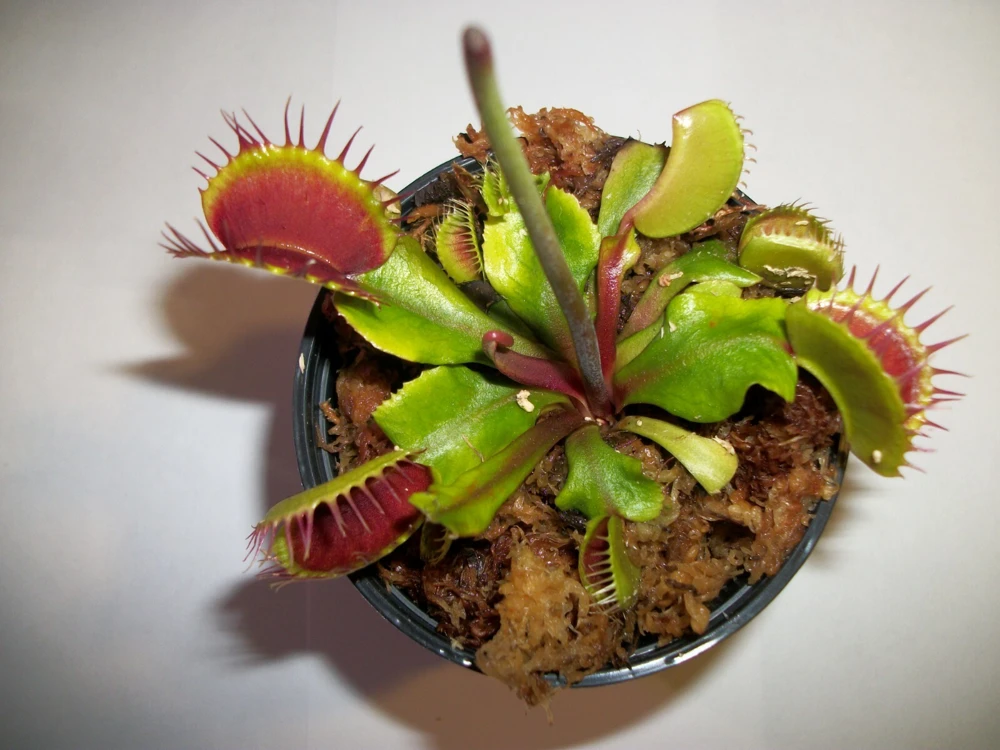
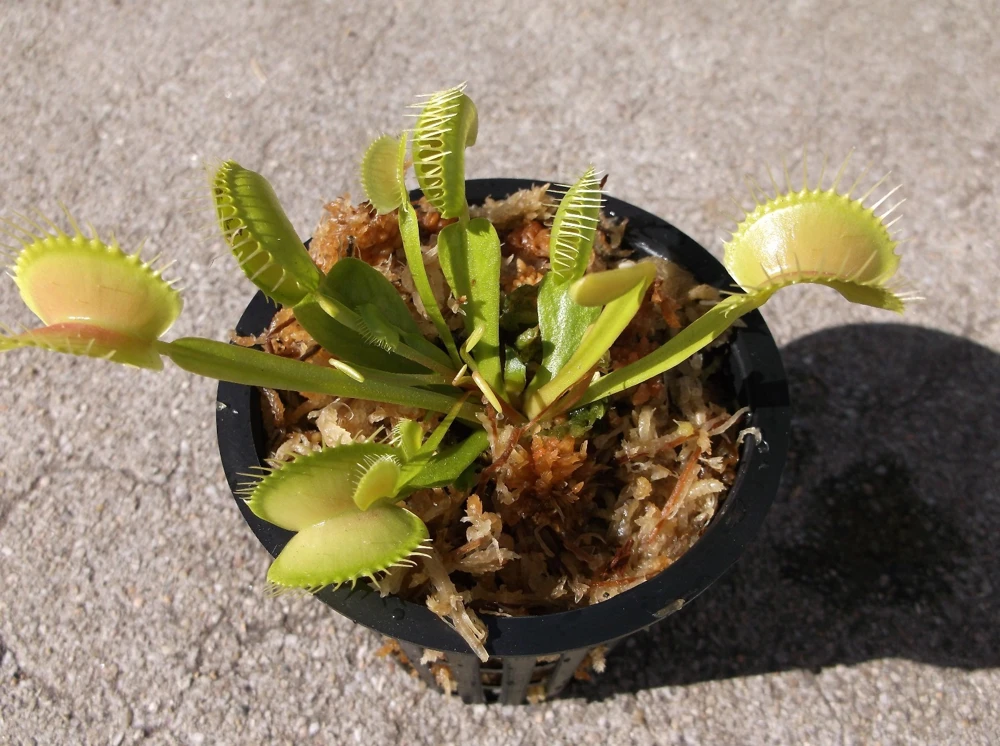
Adult Venus Flytrap Live Plant – Dionaea Muscipula – 3in Pot – Carnivorous
Original price was: 76.99 $.51.99 $Current price is: 51.99 $.
Bring home a fascinating venus flytrap live plant, the iconic Dionaea Muscipula care. This adult carnivorous plant comes in a 3-inch pot, ready to display its unique insect-trapping abilities. Ideal for enthusiasts and beginners alike, it adds an exotic touch to any collection.
Estimated arrival
Oct 17
Oct 22 - Oct 24
Oct 24 - Oct 29
See our Shipping Policy.
Get in touch with us via email, and our team will review your concerns.
Our Alive & Thrive Guarantee covers issues with your plants within the first 30 days. Read our Refund & Returns Policy.
-
USDA Hardiness Zone
9-10 -
Soil Type
Acidic, peat-based, nutrient-poor soil -
Sunlight Exposure
Full Sun -
Expected Planting Period
Year-round indoors; Spring to early summer outdoors (if repotting)
Overview
Introduce a truly unique specimen to your plant collection with the venus flytrap live plant. This captivating carnivorous plant, scientifically known as Dionaea Muscipula care, is renowned for its distinctive hinged leaves that snap shut to catch insects. Originating from subtropical wetlands, this adult Venus Flytrap comes potted in a 3-inch container, making it a perfect addition for both seasoned collectors and those new to the world of carnivorous plants. Its striking appearance and active hunting mechanism offer an intriguing natural spectacle right in your home or garden. Witness nature’s marvel as this plant efficiently traps and digests small prey, contributing to a natural pest control system. Our venus flytrap for sale is a healthy, vibrant specimen, ready to thrive in its new environment and provide endless fascination.
Key Benefits
Owning a venus flytrap live plant offers a multitude of benefits beyond its unique appearance. This fascinating plant is more than just a conversation starter; it brings practical advantages and educational opportunities.
- Natural Pest Control: The primary and most exciting benefit is its ability to naturally catch and digest small insects like flies, mosquitoes, and gnats. This provides an eco-friendly way to manage common household pests.
- Educational Value: A Venus Flytrap serves as an excellent educational tool, demonstrating the wonders of the plant kingdom and carnivorous adaptations. It’s perfect for teaching children about biology and ecology.
- Unique Decorative Element: With its vibrant green and sometimes red-tinged traps, the Venus Flytrap is a visually striking plant that adds an exotic and intriguing aesthetic to any indoor or outdoor plant display.
- Low Maintenance (once established): While requiring specific conditions, once its environmental needs are met, the Venus Flytrap is relatively low-maintenance, making it a rewarding plant for dedicated growers.
- Conservation Awareness: By growing a Dionaea Muscipula care plant, you contribute to the awareness and appreciation of unique plant species, many of which face habitat loss in the wild.
- Stress Reduction: Observing the plant’s unique trapping mechanism can be a calming and engaging activity, offering a small escape into the natural world.
- Air Purification: Like many plants, the Venus Flytrap contributes to a healthier indoor environment by absorbing certain airborne toxins, albeit on a smaller scale compared to larger foliage plants.
Plant Care & Growing Tips
Proper carnivorous plant care is crucial for the health and longevity of your venus flytrap live plant. These plants have specific needs that differ from typical houseplants. For optimal growth, they require specific light, water, and soil conditions.
Sunlight requirements: Venus Flytraps thrive in full sun, meaning at least 6 hours of direct sunlight daily. If growing indoors, a south-facing window is ideal. Supplemental grow lights can be used if natural light is insufficient. Outdoors, they can tolerate direct sun throughout the day, which helps them develop vibrant red coloration inside their traps. In extremely hot climates, some afternoon shade might be beneficial to prevent scorching.
Watering schedule and soil moisture preferences: The most critical aspect of Venus Flytrap care is watering. They require consistently moist soil and must only be watered with distilled water, rainwater, or reverse osmosis water. Tap water, even filtered, often contains minerals that can harm the plant over time. The tray method is highly recommended: place the potted plant in a tray of about 1 inch of purified water. Allow the tray to dry out completely before refilling, but never let the soil dry out for extended periods. Heavy watering is preferred to keep the peat-based soil moist.
Soil type and drainage requirements: Venus Flytraps need a very specific, nutrient-poor, acidic soil mix. A common mix is 50% peat moss (without added fertilizers) and 50% perlite or horticultural sand. Never use regular potting soil, as its nutrients will kill the plant. Good drainage is essential, but the soil should remain moist.
Temperature range and USDA hardiness zone: These plants are hardy in USDA Zones 9-10 and can tolerate temperatures from 20°F to 90°F. They require a dormancy period in winter (typically 3-5 months) where temperatures drop to 35-50°F. During dormancy, growth slows significantly, and many traps may die back. This is natural and essential for the plant’s long-term health. If grown indoors, you may need to induce dormancy by placing the plant in a cooler location or refrigerator.
Fertilization schedule and type: Do not fertilize Venus Flytraps through their roots. They obtain nutrients by catching insects. If grown indoors and not catching enough prey, you can occasionally feed them a small, live insect (like a fly or spider) or freeze-dried bloodworms, but sparingly. Overfeeding can stress or kill the plant. Avoid triggering traps unnecessarily, as each trap has a limited number of closures before it dies.
Common problems and solutions: Browning traps are often a sign of old age or dormancy; simply trim them off. If the entire plant is browning, check water quality (ensure it’s purified) and ensure adequate sunlight. Pests are rare, but aphids or mealybugs can be removed with a cotton swab dipped in rubbing alcohol. Ensuring proper buy venus flytrap conditions from the start will prevent most issues.
Size & Details
This offering is for one adult venus flytrap live plant, specifically the species Dionaea Muscipula. Each plant is cultivated to an adult size, showcasing fully developed traps and robust foliage. It arrives carefully potted in a 3-inch nursery pot, providing a stable environment for immediate display or transplanting. The plant’s height typically ranges from 2 to 4 inches, with a spread similar to its height, depending on environmental conditions and trap development. Venus Flytraps are relatively slow growers, and while they won’t reach massive proportions, they will gradually produce more traps and offsets over time. Expect the plant to arrive with several active traps, ready to begin its natural insect-catching process. The mature size makes it an impressive specimen right out of the box. This plant is shipped as a live, established specimen, ensuring a healthy start for your carnivorous collection.
Frequently Asked Questions
- Q: How big does this plant get? A: This adult Venus Flytrap typically grows to about 2-4 inches in height and spread. Its size is compact, making it suitable for windowsills or small terrariums.
- Q: What size pot does it come in? A: The venus flytrap live plant is shipped in a 3-inch nursery pot, providing a good starting size for its root system and initial growth.
- Q: Is this an indoor or outdoor plant? A: While it can be grown outdoors in appropriate climates (USDA Zones 9-10), it is also an excellent indoor plant, especially when provided with sufficient sunlight or grow lights. Many growers prefer indoor cultivation for better control over conditions.
- Q: How much sunlight does it need? A: Venus Flytraps require at least 6 hours of direct sunlight daily. A bright south-facing window is ideal indoors, or a sunny spot outdoors.
- Q: Is this plant easy to care for? A: Carnivorous plant care can be specific but is not necessarily difficult. The key is providing the right water (distilled/rainwater), proper soil (nutrient-poor peat/perlite mix), and ample sunlight. Once these conditions are met, they are relatively low-maintenance.
- Q: What condition will it arrive in? A: Your Venus Flytrap will arrive as a healthy, live potted plant, carefully packaged to ensure its safe transit. It will be ready to display or continue growing upon arrival.
- Q: Is it shipped in soil? A: Yes, the venus flytrap for sale is shipped already potted in its appropriate carnivorous plant soil mix, ensuring minimal disturbance to the roots.
- Q: Can I feed it meat? A: No, you should never feed your Venus Flytrap human food or meat. It can only digest small insects. Feeding it the wrong things can harm or kill the plant.
- Q: When is the best time to plant? A: Since it’s an established potted plant, it can be ‘planted’ (or placed) at any time. If repotting, spring is generally the best time, before its active growing season.
- Q: Will it survive winter in my zone? A: Venus Flytraps require a winter dormancy. If you live outside USDA Zones 9-10, you will need to protect it from freezing temperatures, possibly by bringing it indoors or inducing artificial dormancy.
- Q: What type of water should I use for Dionaea Muscipula care? A: Always use distilled water, rainwater, or reverse osmosis water. Tap water contains minerals that are toxic to Venus Flytraps over time.
Be the first to review “Adult Venus Flytrap Live Plant – Dionaea Muscipula – 3in Pot – Carnivorous”
Related products


HousePlants
Plectranthus Swedish Ivy Live Plants – 2 Pack, 4-6″ Tall, Purple Houseplants for Indoor Gardens


HousePlants
Plectranthus Swedish Ivy Plant Live Purple Houseplant 2-Pack Starter Plants for Indoor Gardens


You May Like

Hardneck vs. Softneck Garlic: Which Should You Grow?
Have you ever stood in front of a seed catalog in mid-September, staring at dozens [...]
Oct

When to Plant Music Garlic: Ultimate US Fall Guide
Have you ever spent your fall weekend placing carefully chosen garlic cloves into rich, dark [...]
1 Comment
Oct

5 Best Bulbs for Fall Planting: Brighten Your Garden This Spring
Are you dreaming of a garden full of vibrant colors in the spring? The key [...]
Aug

10 Houseplants That Will Thrive in Your Kitchen
Are you tired of your kitchen feeling dull and lifeless? Want to add a little [...]
1 Comment
Aug
Reviews
There are no reviews yet.