
African Blue Basil Live Plant – Aromatic Herb, 2-4 Inch Tall, Outdoor
Original price was: 34.99 $.14.99 $Current price is: 14.99 $.
Bring the unique aroma and flavor of African Blue Basil live plant to your garden or patio. This vigorous herb is known for its beautiful purple-veined leaves and edible flowers, attracting pollinators while providing fresh leaves for culinary creations. Perfect for outdoor planting in USDA Zones 10-11.
Estimated arrival
Oct 17
Oct 22 - Oct 24
Oct 24 - Oct 29
See our Shipping Policy.
Get in touch with us via email, and our team will review your concerns.
Our Alive & Thrive Guarantee covers issues with your plants within the first 30 days. Read our Refund & Returns Policy.
-
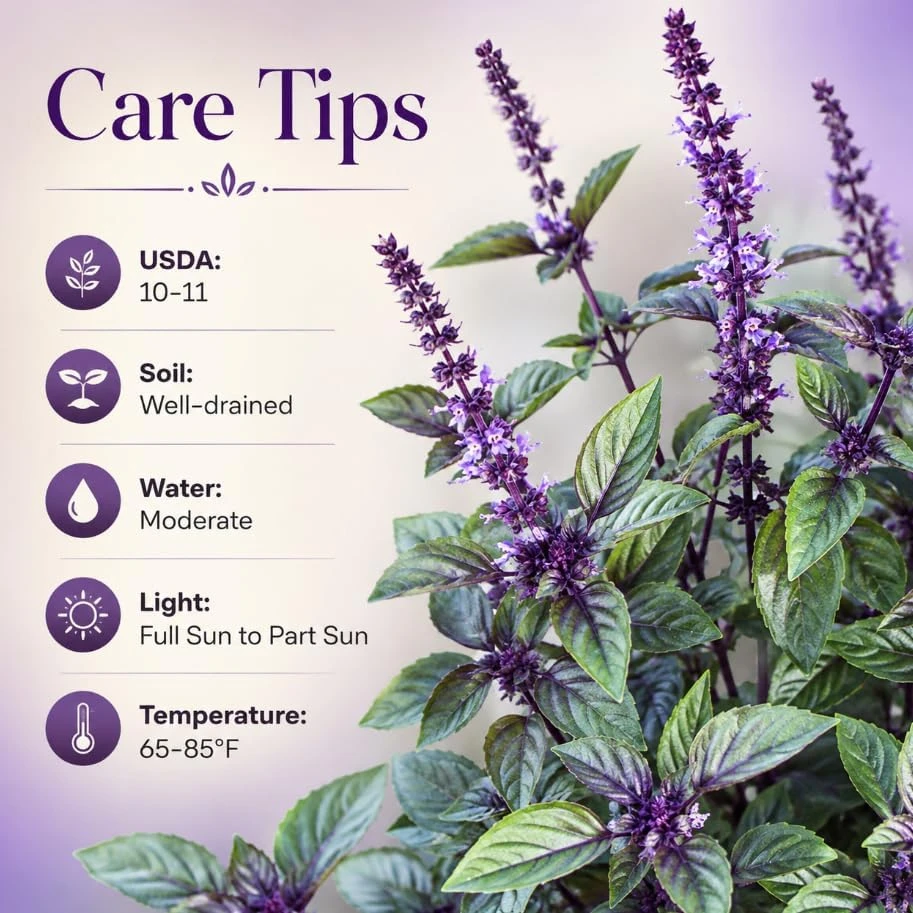
USDA Hardiness Zone
10-11 -
Soil Type
Well-draining soil -
Sunlight Exposure
Full sun to partial shade -
Expected Planting Period
Spring to fall (year-round in warm climates)
Overview
Discover the joy of growing your own African Blue Basil live plant, a truly exceptional herb that stands out in any garden. This hybrid basil variety, a cross between ‘Dark Opal’ and ‘Camphor’ basil, offers a unique blend of camphor, mint, and basil notes, making it a culinary delight and a fragrant addition to your landscape. Unlike many basil varieties, African Blue Basil is sterile, meaning it dedicates all its energy to producing abundant foliage and beautiful lavender-blue flowers throughout the summer and fall, making it a favorite for both chefs and gardeners alike. Our African Blue Basil live plant arrives healthy and ready to thrive, typically measuring 2-4 inches tall, ensuring a strong start in your garden. This robust plant is not only beautiful but also highly productive, providing a continuous supply of aromatic leaves for your kitchen.
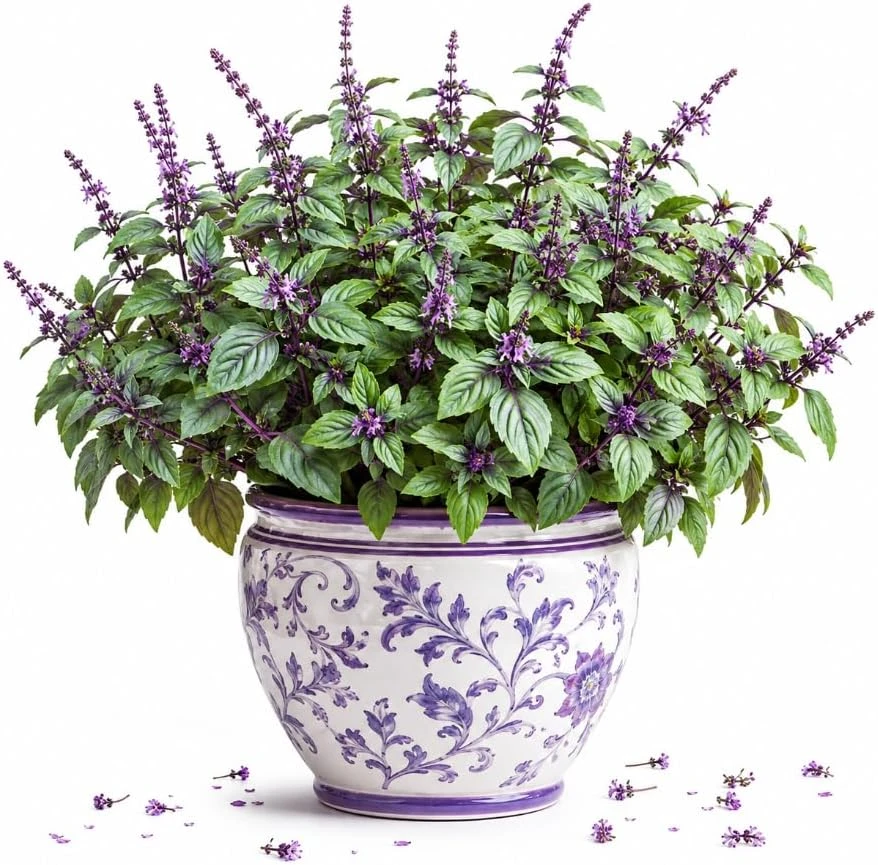
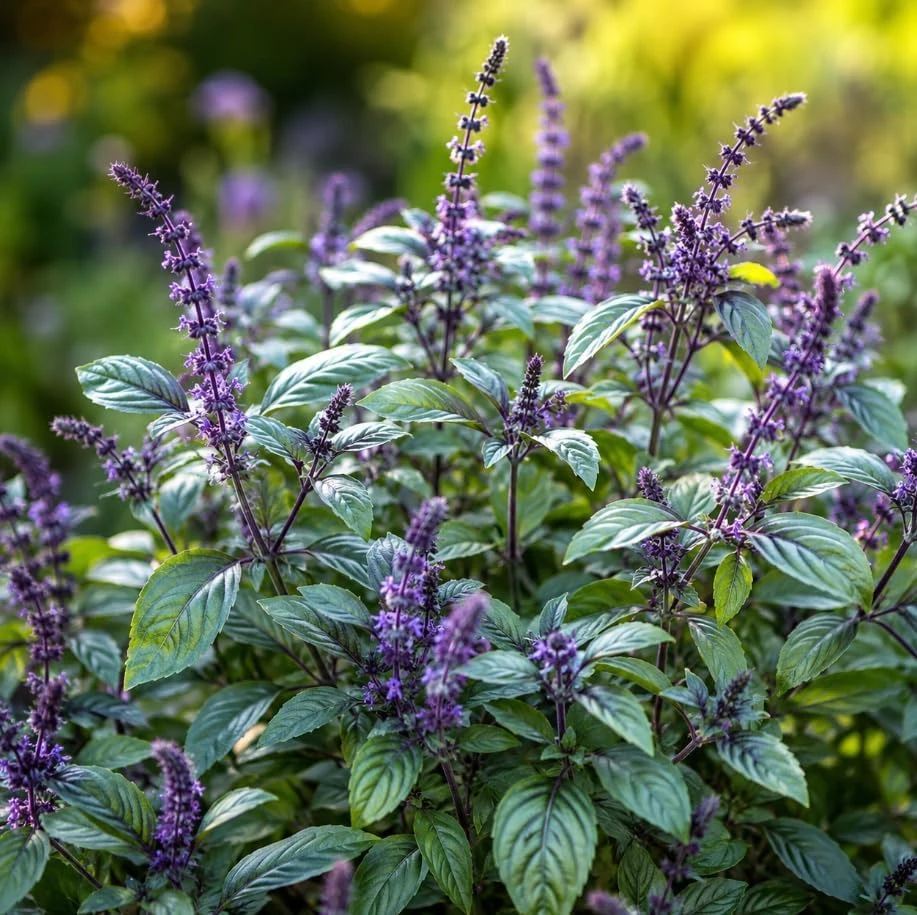
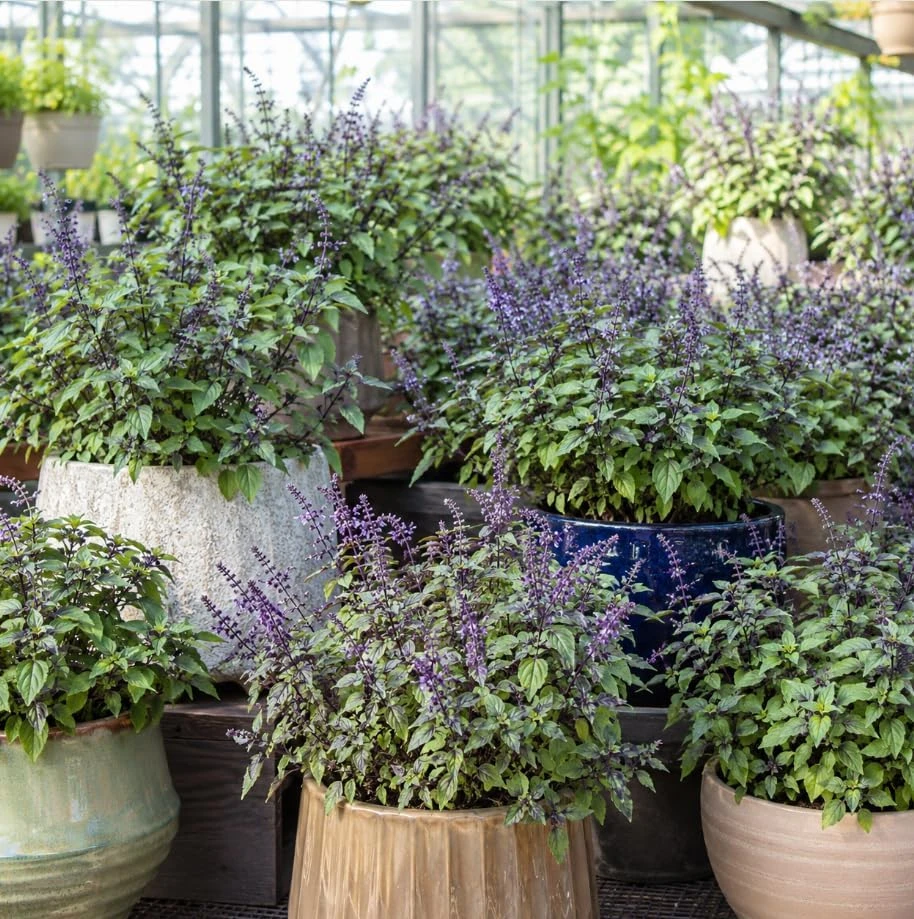
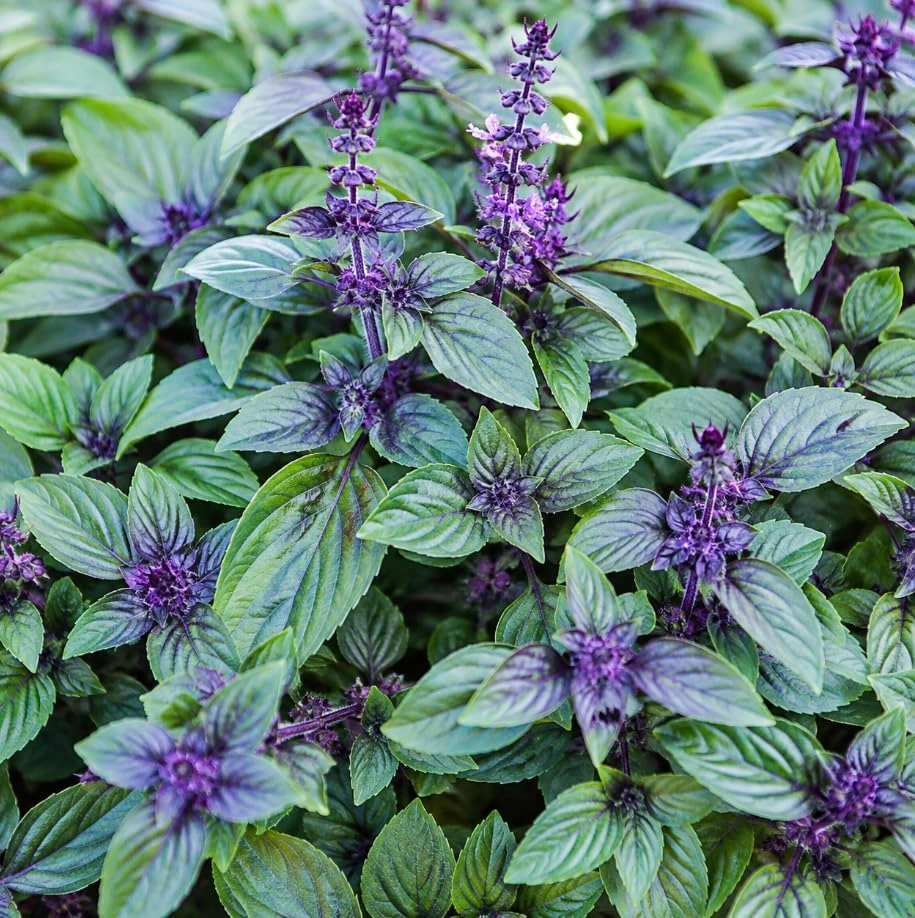
The distinctive purple stems and veins on its green leaves, coupled with its striking flower spikes, make the African Blue Basil live plant an ornamental as well as a culinary powerhouse. It’s a fantastic choice for herb gardens, container gardening, or even as an attractive border plant. Its strong, somewhat spicy aroma also helps deter common garden pests, contributing to a healthier garden ecosystem. Experience the satisfaction of harvesting fresh, vibrant basil right from your backyard with this easy-to-grow and rewarding plant.
Key Benefits
The African Blue Basil live plant offers a multitude of benefits, from its unique flavor profile to its garden appeal, making it a must-have for any herb enthusiast. Its vigorous growth and continuous production ensure you’ll have plenty of fresh basil on hand.
- Exceptional Culinary Flavor: Enjoy a complex flavor profile with notes of camphor, mint, and traditional basil, perfect for pesto, salads, sauces, and garnishes. The leaves retain their flavor even after cooking, adding depth to various dishes.
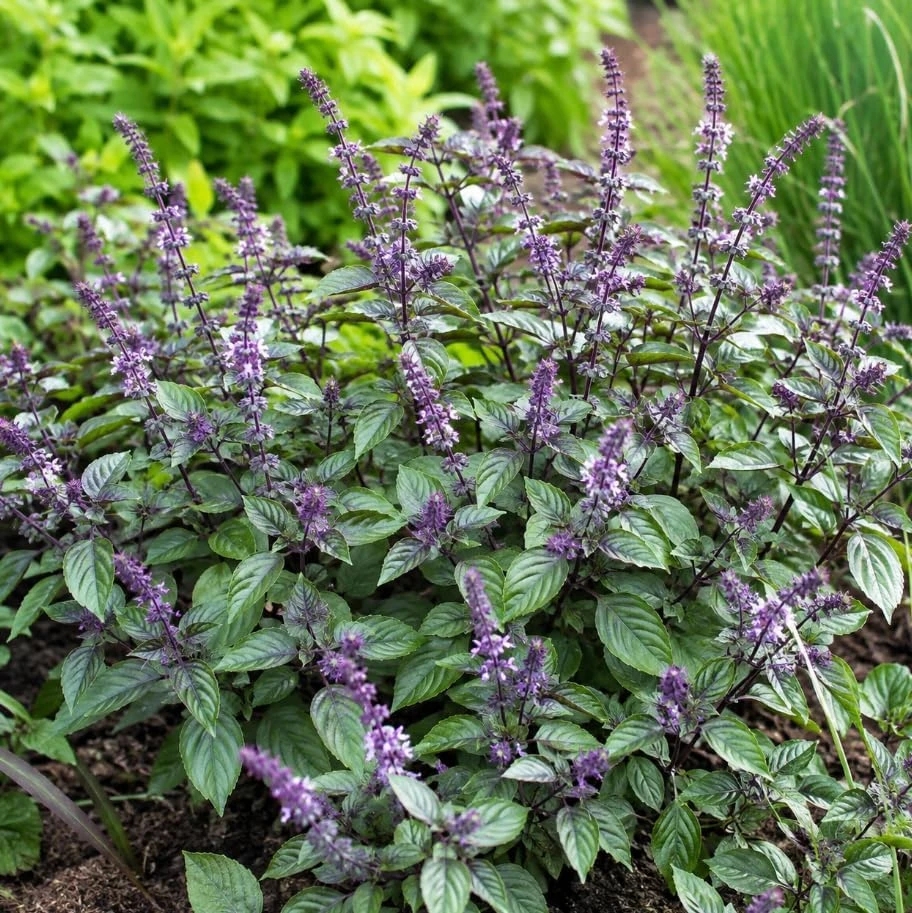
- Attractive Ornamental Plant: With its striking purple-veined leaves, purple stems, and beautiful lavender-blue flower spikes, this basil variety adds significant visual interest to any garden, patio, or container arrangement. It’s a true garden showstopper.
- Pollinator Magnet: The long-lasting, nectar-rich flowers are a favorite of bees, butterflies, and other beneficial pollinators, helping to boost biodiversity in your garden and support local ecosystems.
- Vigorous and Productive: As a sterile hybrid, this plant focuses its energy on producing an abundance of foliage rather than seeds, ensuring a continuous and generous harvest of leaves from summer through fall.
- Natural Pest Deterrent: The strong aromatic oils in African Blue Basil live plant can help deter common garden pests like aphids and tomato hornworms, contributing to a healthier and more productive vegetable patch.
- Easy to Grow and Maintain: This resilient herb is relatively low-maintenance, thriving in well-draining soil and full sun. It’s an excellent choice for both beginner and experienced gardeners looking for a rewarding plant.
- Long Growing Season: Unlike many annual basils, African Blue Basil has a longer growing season, providing fresh herbs for an extended period, especially in warmer climates.
Plant Care & Growing Tips
Caring for your African Blue Basil live plant is straightforward, ensuring a bountiful harvest of fragrant leaves. This robust herb thrives with adequate sunlight and proper watering. To encourage bushier growth and prevent legginess, regular pinching back of the growing tips is recommended. This also helps to delay flowering, though the flowers themselves are edible and attractive.
For optimal growth, plant your African Blue Basil live plant in a location that receives full sun to partial shade. Full sun (at least 6-8 hours of direct sunlight daily) will promote the most vigorous growth and intense flavor. Ensure the soil is well-draining, as basil does not like to sit in soggy conditions. A good quality potting mix for containers or amended garden soil with organic matter works best. Water when the top 1 inch (2–3 cm) of soil begins to dry out, avoiding prolonged wet conditions which can lead to root rot. Consistent moisture is key, especially during hot, dry periods. Fertilize lightly every 2-4 weeks with a balanced liquid fertilizer during the growing season to support its vigorous growth. Temperatures between 65°F and 85°F are ideal for this plant. While it can tolerate slightly cooler temperatures, it is not frost-hardy.
This basil variety is generally quite resilient, but keep an eye out for common basil pests like aphids or spider mites. A strong spray of water or an application of insecticidal soap can typically manage these issues. In cooler climates, growing African Blue Basil as an annual is common, but in USDA Zones 10-11, it can be a perennial, offering years of enjoyment. Protecting it from extreme cold snaps in these zones might be beneficial. With these simple tips, your fragrant basil plant will flourish, providing you with fresh herbs all season long.
Size & Details
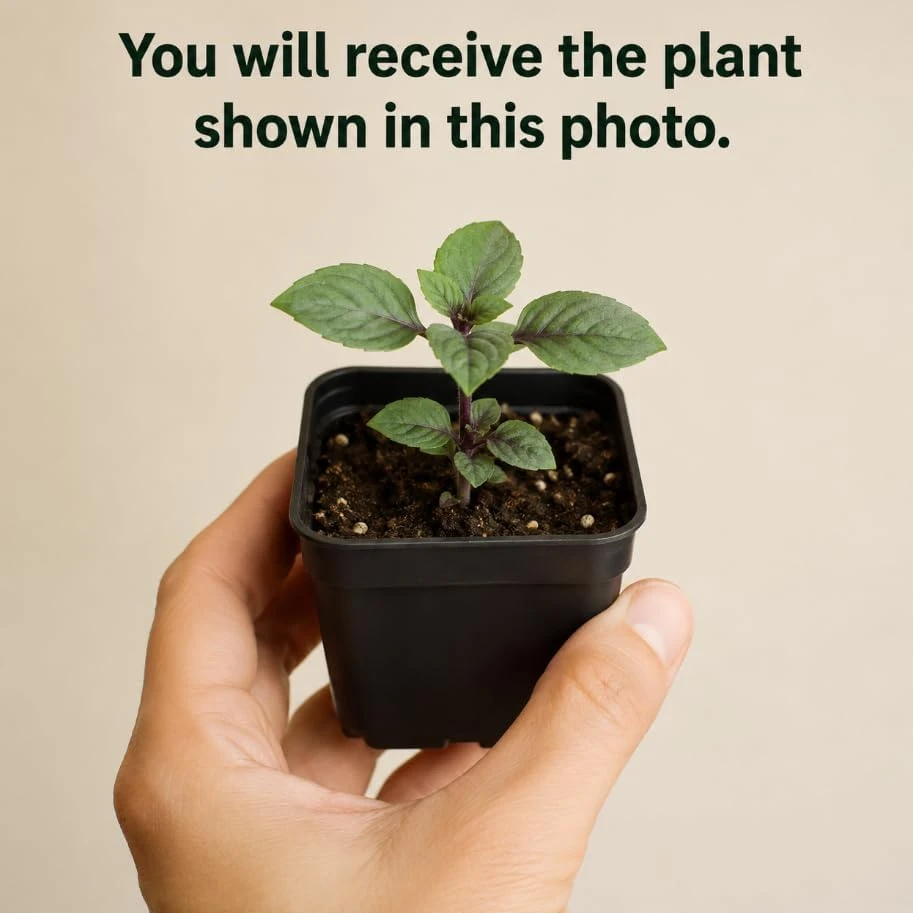
Your African Blue Basil live plant will arrive as a healthy, young specimen, typically measuring 2-4 inches tall from the top of the soil. It is shipped in a nursery pot with established roots, ready for transplanting into your garden or a larger container. This basil is known for its rapid growth rate, quickly developing into a substantial, bushy plant. Mature plants can reach heights of 2-4 feet tall and spread 2-3 feet wide, creating an impressive display in the garden. The plant will begin producing leaves suitable for harvest shortly after establishment, and you can expect it to bloom with beautiful lavender-blue flowers from summer through fall.
This variety is a robust grower and will continue to produce abundant foliage throughout its growing season. For best results, allow adequate space for its mature size. It is suitable for planting in the ground or in containers with a minimum size of 8-10 inches in diameter to accommodate its root system and growth. Regular pruning will help maintain a more compact shape if desired, while also encouraging a continuous supply of fresh leaves.
Frequently Asked Questions
- Q: How big does this plant get? A: The African Blue Basil live plant typically grows to a height of 2-4 feet and can spread 2-3 feet wide when mature. Its size can be managed with regular pruning and harvesting.
- Q: What size pot does it come in? A: Your plant will arrive in a small nursery pot, generally 2-4 inches in diameter, with a healthy root system ready for transplanting into a larger container or directly into your garden.
- Q: Is this an indoor or outdoor plant? A: African Blue Basil live plant thrives outdoors in full sun to partial shade. In USDA Zones 10-11, it can be grown as a perennial. In colder climates, it’s typically grown as an annual or brought indoors during winter.
- Q: How much sunlight does it need? A: This basil variety requires at least 6-8 hours of direct sunlight per day for optimal growth and flavor. It can tolerate partial shade, especially in very hot climates, but full sun is preferred.
- Q: Is this plant easy to care for? A: Yes, growing African Blue Basil is relatively easy. It’s a vigorous and resilient plant that requires well-draining soil, consistent watering, and plenty of sun. It’s a great choice for beginners.
- Q: What condition will it arrive in? A: Your African Blue Basil live plant will arrive healthy, well-rooted, and carefully packaged to ensure it withstands transit. It will be ready for immediate planting upon arrival.
- Q: Can I use African Blue Basil in cooking? A: Absolutely! This fragrant basil plant has a unique, complex flavor profile with notes of camphor, mint, and traditional basil, making it excellent for pesto, salads, sauces, and as a garnish.
- Q: How long until it blooms? A: African Blue Basil live plant typically starts blooming in the summer and continues through the fall, producing beautiful lavender-blue flower spikes that are also edible and attractive to pollinators.
- Q: Will it survive winter in my zone? A: This plant is perennial in USDA Zones 10-11. In zones below that, it is usually grown as an annual and will not survive winter frosts unless brought indoors or protected.
- Q: What’s the minimum temperature it can tolerate? A: African Blue Basil prefers temperatures between 65°F and 85°F. It is not tolerant of frost and will suffer damage or die if exposed to freezing temperatures.
Be the first to review “African Blue Basil Live Plant – Aromatic Herb, 2-4 Inch Tall, Outdoor”
Related products


You May Like

Hardneck vs. Softneck Garlic: Which Should You Grow?
Have you ever stood in front of a seed catalog in mid-September, staring at dozens [...]
Oct

When to Plant Music Garlic: Ultimate US Fall Guide
Have you ever spent your fall weekend placing carefully chosen garlic cloves into rich, dark [...]
1 Comment
Oct

5 Best Bulbs for Fall Planting: Brighten Your Garden This Spring
Are you dreaming of a garden full of vibrant colors in the spring? The key [...]
Aug

10 Houseplants That Will Thrive in Your Kitchen
Are you tired of your kitchen feeling dull and lifeless? Want to add a little [...]
1 Comment
Aug
Reviews
There are no reviews yet.