
African Iris Fortnight Lily – 3 Bare Root Plants – 1 Foot – Outdoor Perennial Flower
Original price was: 19.98 $.15.99 $Current price is: 15.99 $.
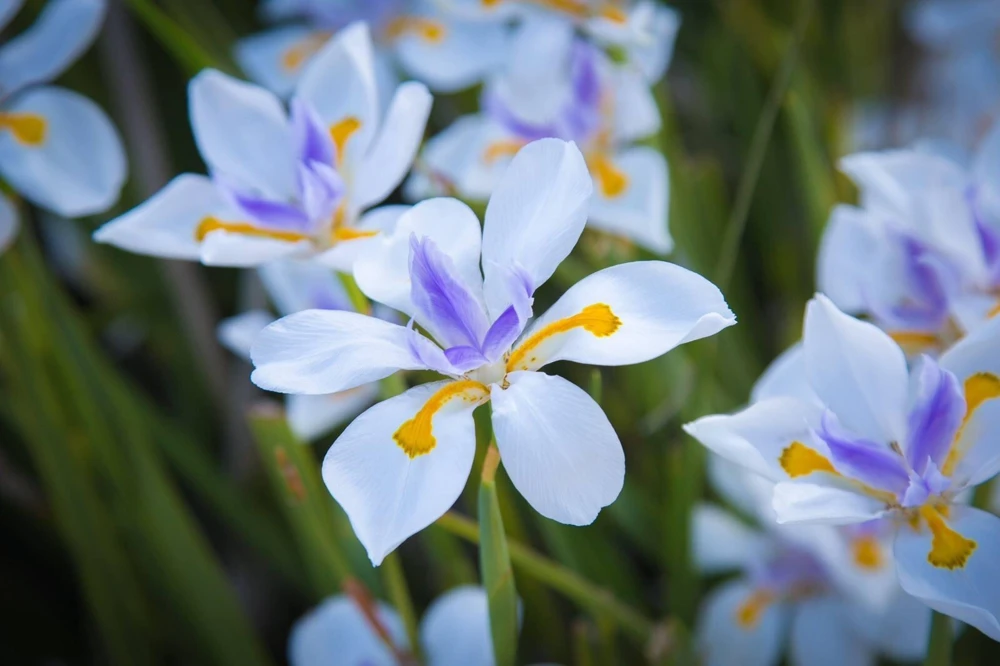
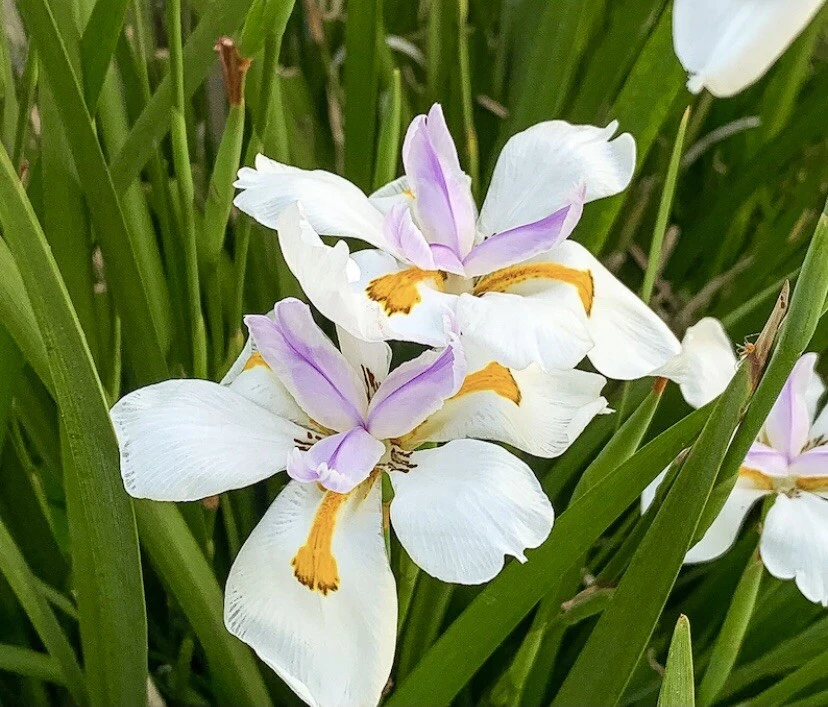
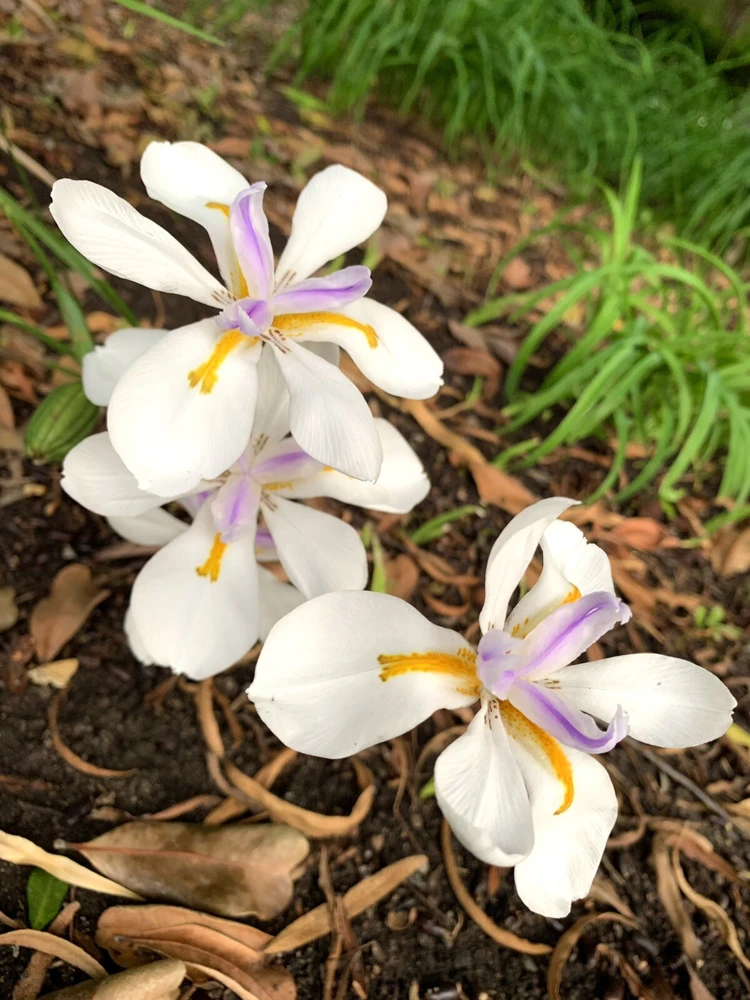
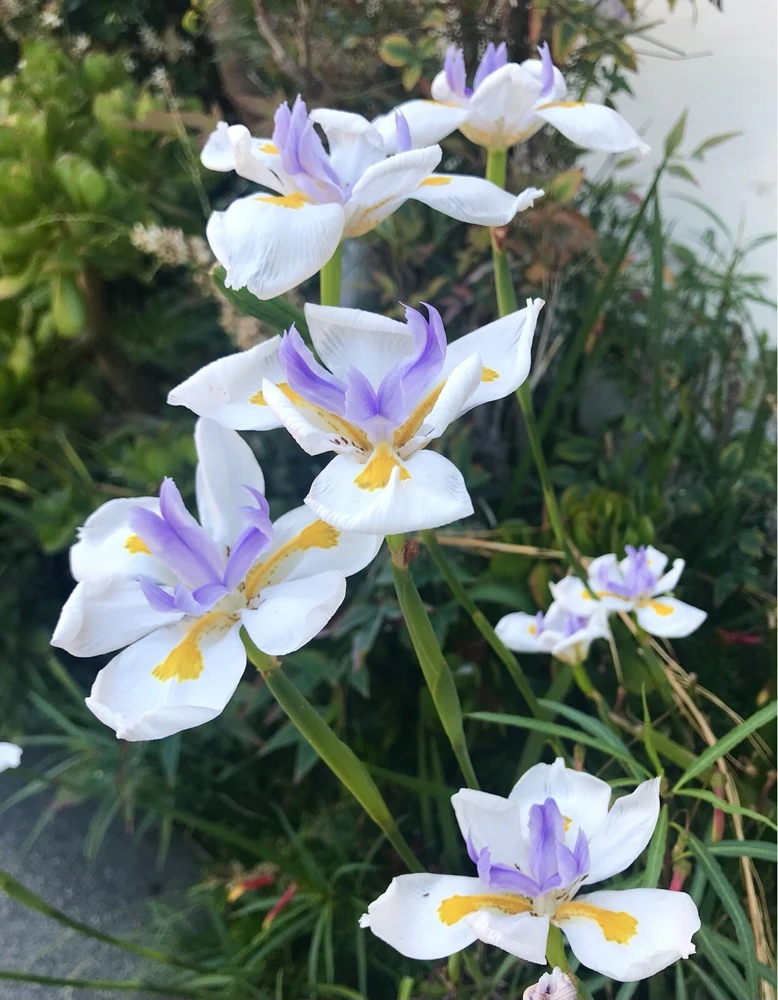
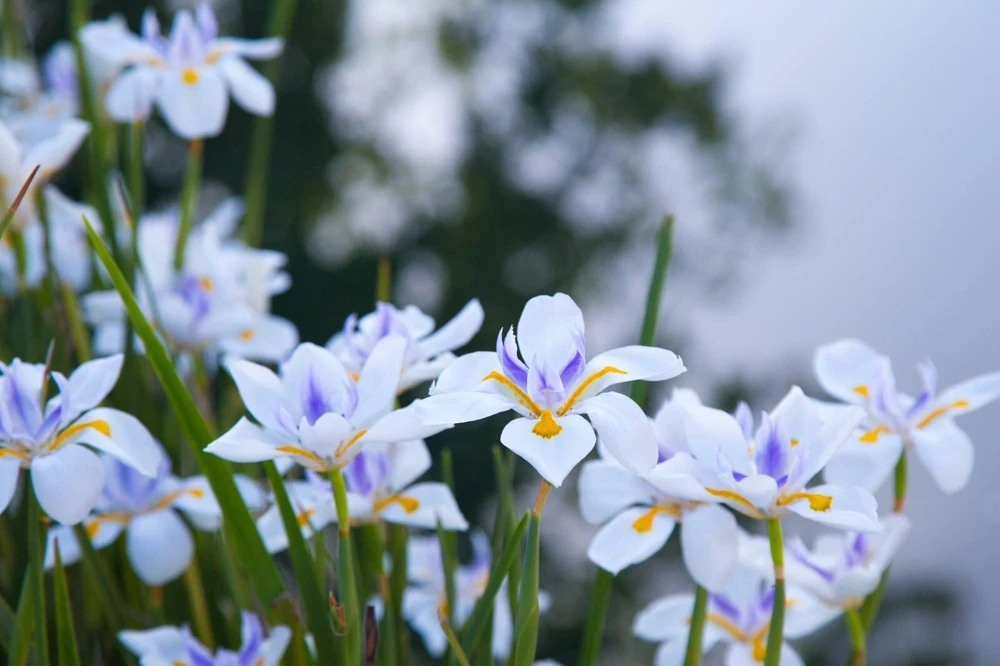
Introduce the elegant African Iris bare root, also known as Fortnight Lily plant, to your outdoor garden. These 1-foot perennial plants boast stunning green, purple, and white flowers, thriving in full sun with moderate care. Perfect for creating a beautiful, low-maintenance landscape.
Estimated arrival
Oct 20
Oct 25 - Oct 27
Oct 27 - Nov 01
See our Shipping Policy.
Get in touch with us via email, and our team will review your concerns.
Our Alive & Thrive Guarantee covers issues with your plants within the first 30 days. Read our Refund & Returns Policy.
-
USDA Hardiness Zone
USDA Zones 8-11 -
Soil Type
Well-draining soil -
Sunlight Exposure
Full Sun -
Expected Planting Period
Spring to Fall
Overview
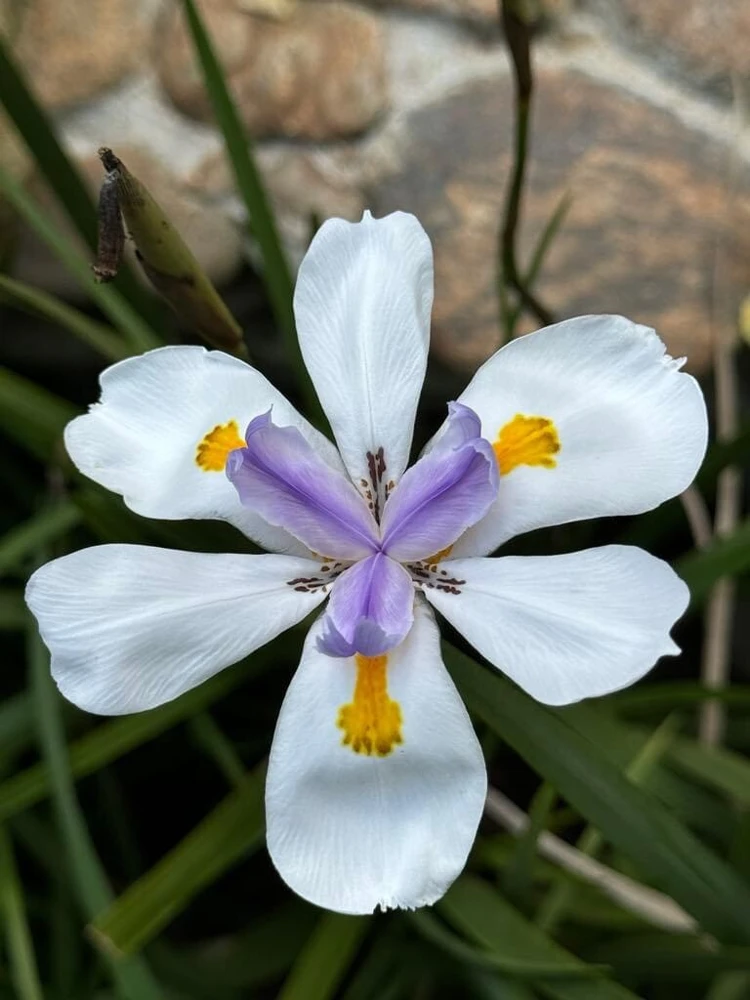
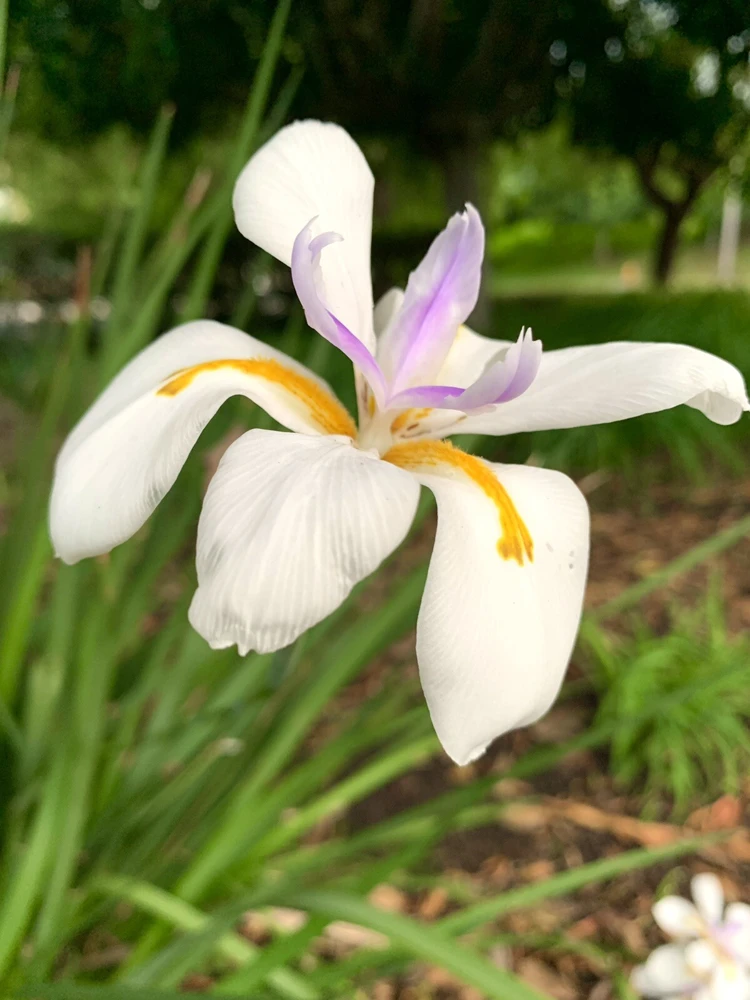
Transform your garden into a serene retreat with the exquisite African Iris bare root plants. Also widely known as the Fortnight Lily plant or scientifically as Dietes iridioides, this perennial beauty is a must-have for any outdoor enthusiast. Originating from South Africa, the African Iris is celebrated for its graceful, sword-like foliage and delicate, orchid-like flowers that bloom almost continuously from spring through fall. These particular offerings are robust 1-foot bare root plants, ready to establish quickly in your landscape. They are known for their resilience and ability to thrive in various conditions, making them an excellent choice for both novice and experienced gardeners seeking a touch of elegance with minimal fuss. The blooms, typically white with hints of purple, green, or yellow markings, emerge on tall, slender stalks, creating a captivating display that adds a sophisticated charm to borders, mass plantings, or container gardens.
The African Iris bare root plants are shipped without soil, allowing for easier transplanting and establishment. This method ensures the plant focuses its energy on developing a strong root system once planted in its new home. As a perennial, it will return year after year, offering a reliable source of beauty and interest in your garden. Its evergreen nature in warmer climates provides year-round structure and color, while in cooler zones, it gracefully goes dormant, only to re-emerge with renewed vigor in spring. This adaptability makes it a versatile choice for a wide range of garden designs and climates.
Key Benefits
Adding the African Iris bare root to your garden provides numerous advantages, from its aesthetic appeal to its ease of care and ecological benefits. This plant is a true garden workhorse, offering beauty and resilience in one package.
- Stunning Floral Display: Enjoy a prolonged blooming season with elegant white, purple, and green flowers that resemble orchids. The blooms appear in succession, providing continuous visual interest from spring through summer and into fall, living up to its ‘Fortnight Lily’ name.
- Low Maintenance & Drought Tolerant: Once established, these Dietes iridioides perennial plants require minimal care. They are notably drought-tolerant, making them an ideal choice for water-wise gardening and busy individuals.
- Evergreen Foliage: In suitable climates, the African Iris maintains its attractive, sword-like green foliage year-round, offering consistent texture and structure to your garden even when not in bloom.
- Versatile Landscaping Plant: Perfect for a variety of uses, including mass plantings, borders, groundcover, erosion control on slopes, or as an accent plant in containers. Its upright growth habit complements many garden styles.
- Attracts Pollinators: The delicate flowers of the Fortnight Lily plant can attract beneficial pollinators like bees and butterflies to your garden, contributing to a healthy ecosystem.
- Moderate Cultivating Difficulty: Rated as moderate to cultivate, it strikes a balance between being rewarding for beginners and offering enough engagement for experienced gardeners.
- Naturalizes Easily: Over time, the African Iris will naturalize and spread, forming beautiful clumps that enhance the lushness of your landscape without becoming invasive.
Plant Care & Growing Tips
Caring for your African Iris bare root plants is straightforward, ensuring they establish well and provide years of beautiful blooms. These resilient perennials are quite forgiving, making them a joy to grow in most outdoor settings. Proper planting and a few key maintenance practices will help your Fortnight Lilies flourish.
Sunlight Requirements: The African Iris bare root thrives in Full Sun, meaning it needs at least 6 hours of direct sunlight per day to produce the most abundant blooms. While it can tolerate partial shade, too little sun may result in fewer flowers. For optimal growth and flowering, choose a location in your garden that receives ample daylight throughout the day. This helps the plant develop strong foliage and ensures a vibrant floral display.
Watering Schedule and Soil Moisture: When first planting your bare roots, water thoroughly to settle the soil around the roots. During the establishment phase (the first few weeks), keep the soil consistently moist but not waterlogged. Once established, the Dietes iridioides perennial is remarkably drought-tolerant. Water deeply once every 1-2 weeks during dry periods, allowing the top few inches of soil to dry out between waterings. Overwatering can lead to root rot, so ensure good drainage. In regions with regular rainfall, supplemental watering may be minimal.
Soil Type and Drainage: These plants prefer well-draining soil. They are not particular about soil pH but thrive in a wide range from sandy to clay, as long as it drains well. Amend heavy clay soils with organic matter like compost to improve drainage and aeration. For sandy soils, compost can help retain moisture and nutrients. Good drainage is crucial to prevent root issues, especially in cooler, wetter climates.
Temperature Range and USDA Hardiness Zone: The African Iris is suitable for Outdoor cultivation and is generally hardy in USDA Zones 8-11. In these zones, it will remain evergreen. In Zone 7, it may die back to the ground during winter but will typically re-emerge in spring. In colder zones, it can be grown in containers and brought indoors for winter protection. It tolerates a wide range of temperatures once established, though extreme heat combined with drought can cause stress.
Fertilization Schedule and Type: Fertilize your Fortnight Lily plant lightly in early spring with a balanced, slow-release granular fertilizer. An all-purpose plant food (e.g., 5-10-5 or similar) applied according to package directions is usually sufficient. Avoid over-fertilizing, especially with high-nitrogen fertilizers, as this can promote foliage growth at the expense of flowers. For container-grown plants, a liquid feed every 4-6 weeks during the growing season can be beneficial.
Common Problems and Solutions: African Iris is generally pest and disease resistant. Occasionally, slugs or snails might feed on the leaves; these can be controlled with organic baits or hand-picking. Root rot can occur in poorly drained soils, so ensure proper soil preparation. Yellowing leaves can indicate either overwatering or nutrient deficiency; check soil moisture first, then consider a light fertilization. Deadhead spent flower stalks to encourage more blooms and maintain a tidy appearance.
Size & Details
This offering includes 3 bare root plants of the African Iris bare root, each approximately 1 foot in height upon arrival. These bare roots are mature enough to establish quickly and begin their growth cycle in your garden. African Iris typically grows to a mature height of 2-3 feet tall and spreads similarly, forming attractive clumps over time. Its upright, sword-like leaves provide a strong vertical element in the landscape, while the flower stalks rise above the foliage.
As a perennial, the Dietes iridioides perennial will return year after year, gradually expanding its footprint. The growth rate is moderate, meaning you’ll see noticeable development within the first growing season. Flowers are produced on long, wiry stems, appearing in succession, giving the impression of continuous bloom. The color palette features green foliage with white, purple, and green markings on the flowers. These plants are shipped ready for planting, requiring immediate placement in prepared soil for best results.
Frequently Asked Questions
- Q: How big does this plant get? A: The African Iris bare root typically grows to a mature height of 2-3 feet tall and spreads to a similar width, forming dense clumps over time. The flower stalks can extend slightly higher than the foliage.
- Q: Is this an indoor or outdoor plant? A: This is an Outdoor plant. The Fortnight Lily plant thrives in garden settings and is hardy in USDA Zones 8-11. In colder zones, it may be grown in containers and protected indoors during winter.
- Q: How much sunlight does it need? A: The African Iris requires Full Sun to produce the most abundant blooms. This means it needs at least 6 hours of direct sunlight per day. It can tolerate partial shade, but flowering may be reduced.
- Q: Is this plant easy to care for? A: Yes, the Dietes iridioides perennial is considered to have moderate cultivating difficulty. Once established, it is quite low-maintenance, drought-tolerant, and generally pest-resistant, making it suitable for many gardeners.
- Q: What condition will it arrive in? A: Your order will arrive as 3 bare root plants, each approximately 1 foot tall. Bare roots are shipped without soil, ready for immediate planting upon arrival.
- Q: How long until it blooms? A: With proper care and planting, your African Iris bare root plants can begin to bloom in their first full growing season after establishment. They typically flower from spring through summer and into fall.
- Q: Will it survive winter in my zone? A: The African Iris is hardy in USDA Zones 8-11, where it remains evergreen. In Zone 7, it may die back in winter but often returns in spring. For zones colder than 7, winter protection or container growing is recommended.
- Q: What’s the best soil type for African Iris? A: This plant prefers well-draining soil. It is adaptable to various soil types, from sandy to clay, as long as good drainage is provided. Amending with organic matter can improve soil structure.
- Q: How often should I water my Fortnight Lily? A: After establishment, water deeply every 1-2 weeks during dry periods, allowing the soil to dry out between waterings. During establishment, keep the soil consistently moist but not waterlogged.
- Q: Does this plant attract wildlife? A: While not a primary pollinator magnet, the delicate flowers of the Fortnight Lily plant can attract bees and butterflies, adding to the biodiversity of your garden space.
Be the first to review “African Iris Fortnight Lily – 3 Bare Root Plants – 1 Foot – Outdoor Perennial Flower”
Related products




Flower Plants
Aster Kickin Carmine Pink Live Plant 4 inch pot – Compact Michaelmas Daisy Outdoor Flower
You May Like

Hardneck vs. Softneck Garlic: Which Should You Grow?
Have you ever stood in front of a seed catalog in mid-September, staring at dozens [...]
Oct

When to Plant Music Garlic: Ultimate US Fall Guide
Have you ever spent your fall weekend placing carefully chosen garlic cloves into rich, dark [...]
1 Comment
Oct

5 Best Bulbs for Fall Planting: Brighten Your Garden This Spring
Are you dreaming of a garden full of vibrant colors in the spring? The key [...]
Aug

10 Houseplants That Will Thrive in Your Kitchen
Are you tired of your kitchen feeling dull and lifeless? Want to add a little [...]
1 Comment
Aug
Reviews
There are no reviews yet.