
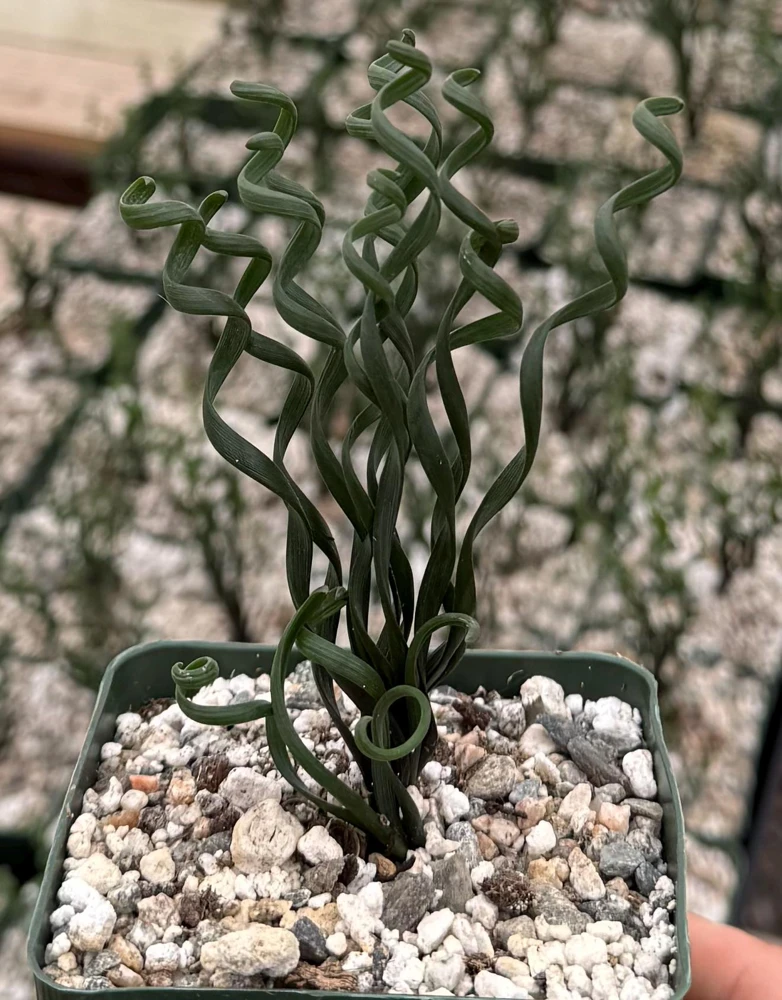
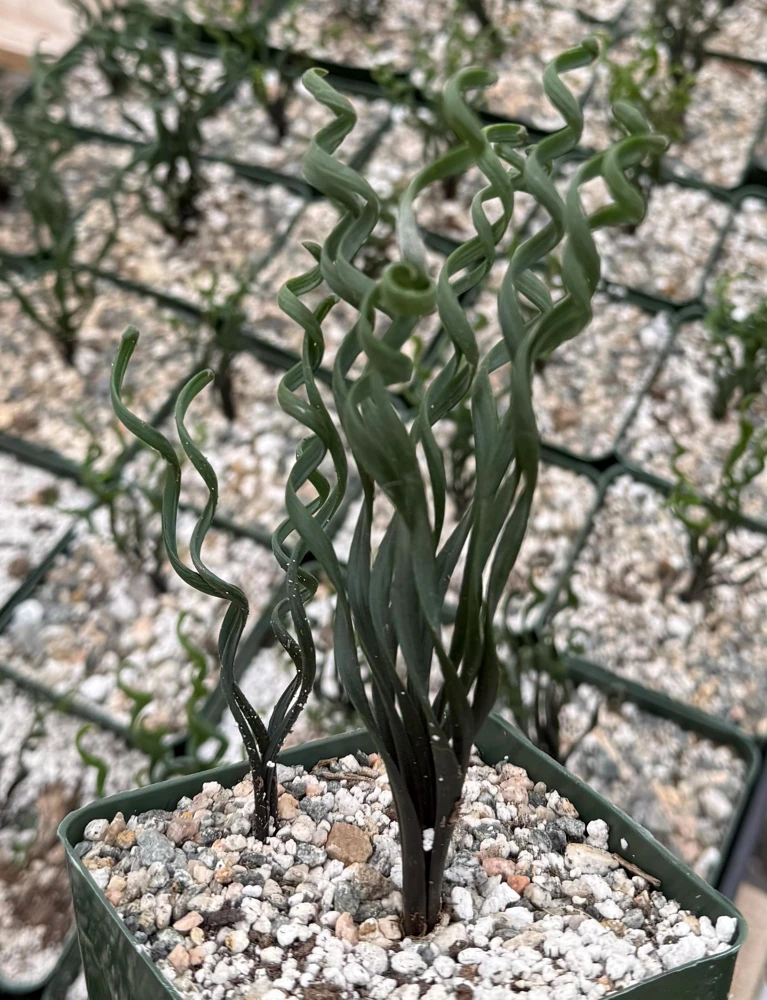
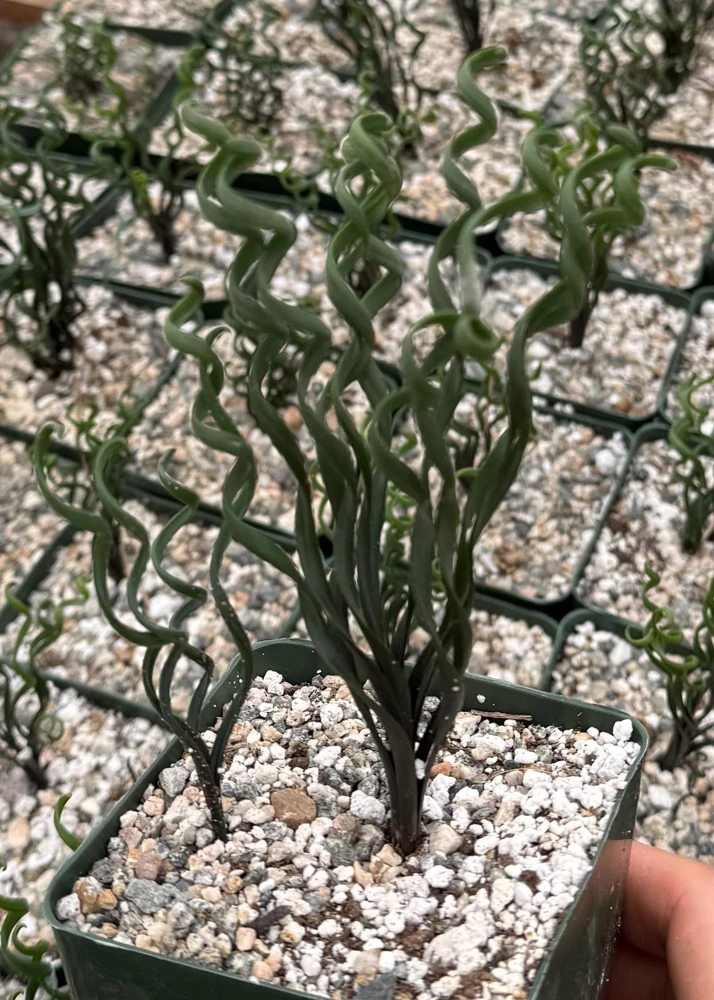
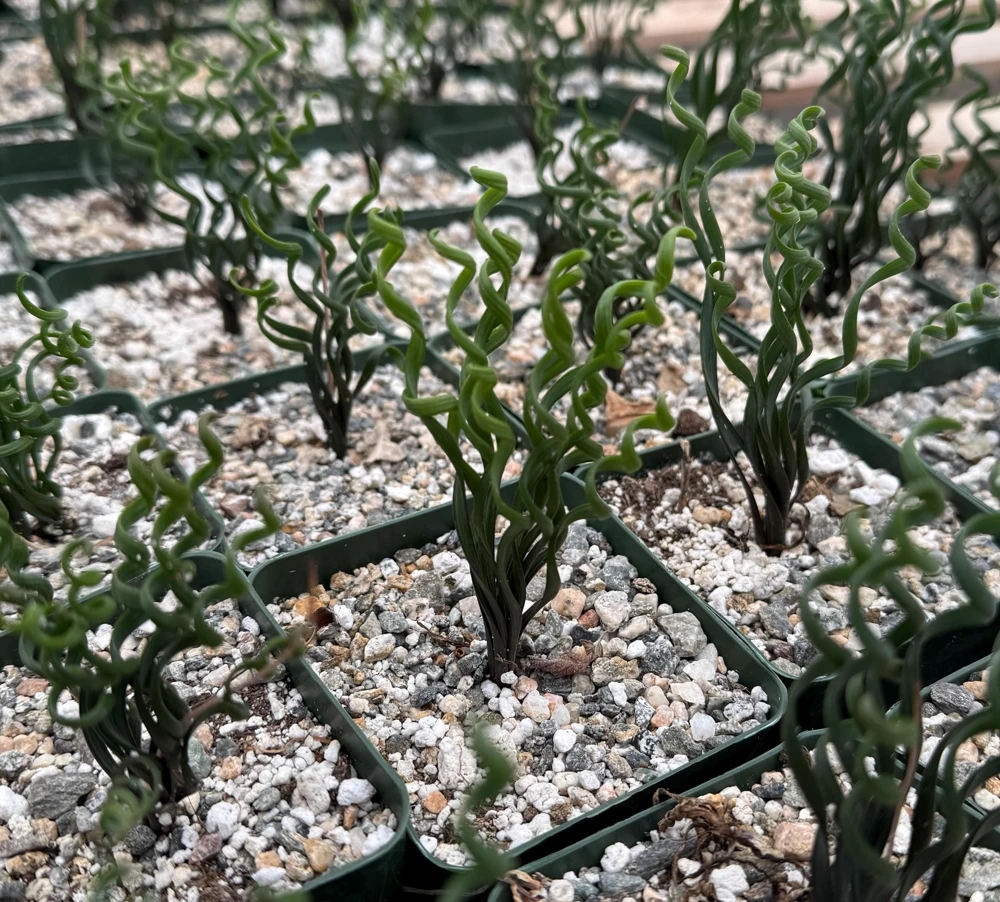
Albuca Bruce Bayeri Live Plant – Rare Curly Grass Succulent – 4″ Pot – Indoor
Original price was: 46.85 $.26.85 $Current price is: 26.85 $.
Bring home a truly unique botanical specimen with the Albuca Bruce Bayeri live plant. This captivating curly grass succulent features distinctive spiral-shaped leaves and is presented in a convenient 4″ pot, ideal for indoor cultivation. A must-have for collectors seeking rare and exotic plants.
Estimated arrival
Oct 20
Oct 25 - Oct 27
Oct 27 - Nov 01
See our Shipping Policy.
Get in touch with us via email, and our team will review your concerns.
Our Alive & Thrive Guarantee covers issues with your plants within the first 30 days. Read our Refund & Returns Policy.
-
USDA Hardiness Zone
USDA zones 9-11 (outdoors); best as indoor plant -
Soil Type
Well-draining succulent or cactus mix -
Sunlight Exposure
Bright, indirect light -
Expected Planting Period
Year-round indoors; best repotted in fall/winter
Overview
Introducing the captivating Albuca Bruce Bayeri live plant, a truly remarkable and distinctive addition to any plant collection. This rare bulbous succulent, often referred to as ‘Curly Grass’ due to its unique foliage, is native to the arid and semi-arid regions of South Africa. Its most striking feature is its blue-green, succulent leaves that elegantly spiral, creating an eye-catching display. Adaptable and resilient, this Albuca Bruce Bayeri live plant is perfectly suited for those looking to cultivate a unique indoor garden specimen. It thrives as a winter grower, bursting with activity during the cooler months before entering a summer dormancy, making its growth cycle an intriguing aspect for enthusiasts.
The Albuca Bruce Bayeri live plant is a prized possession for succulent aficionados and rare plant collectors alike. Its unusual appearance, coupled with its relatively straightforward care requirements for a succulent, makes it an excellent choice for both experienced and novice gardeners. Each plant comes ready to thrive, offering a touch of exotic beauty and a fascinating growth habit. The ‘Curly Grass’ moniker perfectly describes its whimsical, twisted leaves that are not only beautiful but also serve an evolutionary purpose, minimizing water loss in its natural habitat.
Key Benefits
The Albuca Bruce Bayeri live plant offers a multitude of benefits, from its striking aesthetics to its intriguing growth patterns, making it a highly desirable plant for any home or office environment. This curly grass succulent is more than just a pretty face; it’s a living piece of art.
- Unique Ornamental Appeal: The most prominent benefit is its highly unusual and decorative appearance. The spiraling, blue-green leaves create a sculptural form that instantly becomes a focal point in any room, offering a conversation starter and a touch of botanical artistry.
- Low Maintenance: As a succulent, the Albuca Bruce Bayeri live plant is inherently drought-tolerant and requires minimal watering, especially during its summer dormancy. This makes it an ideal choice for busy individuals or those new to plant care.
- Rare Collector’s Item: This is a relatively rare Albuca plant, making it a coveted item for plant collectors. Owning one adds prestige and diversity to a specialized collection, offering a sense of accomplishment in cultivating unique species.
- Adaptable to Indoor Environments: While native to South Africa, the Albuca bruce-bayeri adapts wonderfully to indoor conditions, provided it receives adequate light. It’s a perfect choice for windowsills, desks, or bright shelves.
- Fascinating Growth Cycle: Its winter-growing, summer-dormant cycle provides a dynamic element to plant ownership. Observing its active growth in cooler months and resting period in warmer months adds an educational and engaging dimension.
- Distinctive Flowers: When it blooms, the rare Albuca plant produces greenish-yellow, fragrant flowers on tall stalks, adding another layer of appeal and showcasing the plant’s full beauty.
- Drought Tolerance: Thanks to its underground bulb, this plant stores water efficiently, allowing it to withstand extended dry periods, reducing the need for constant attention.
Plant Care & Growing Tips
Caring for your Albuca Bruce Bayeri live plant is relatively straightforward, especially once you understand its unique growth cycle. As a winter grower, its active period occurs during cooler months, typically from fall through spring, and it enters dormancy in summer. During its active growth phase, provide plenty of bright, indirect sunlight. A south-facing window with some protection from intense midday sun, or a spot under grow lights, would be ideal. During dormancy, reduce light slightly but avoid complete darkness. The plant’s succulent leaves help it conserve water, so it’s crucial to avoid overwatering.
When the plant is actively growing, water thoroughly when the top inch or two of soil feels dry to the touch. Ensure excellent drainage to prevent bulb rot. During its summer dormancy, significantly reduce watering; the soil should be allowed to dry out completely between very light waterings, or stop watering altogether for a few weeks to allow it to rest. Use a well-draining succulent or cactus potting mix, perhaps amended with extra perlite or pumice to enhance drainage further. This curly grass succulent prefers temperatures between 50-75°F (10-24°C) during its active growth. Fertilize sparingly during the active growing season with a diluted, balanced liquid fertilizer, about once a month. During dormancy, no fertilization is needed. Watch out for common pests like mealybugs, which can be treated with insecticidal soap. Proper care for your Albuca bruce-bayeri care will ensure a healthy and vibrant specimen.
Size & Details
This offering is for one Albuca Bruce Bayeri live plant, presented in a 4-inch nursery pot. The plant will arrive healthy and well-established, with its characteristic spiral leaves already showing. The exact height and spread will vary slightly depending on the individual plant and its current growth phase, but it typically remains a compact specimen, making it suitable for windowsills or small display areas. The underground bulb stores water, contributing to its resilience. Expect moderate growth, with new leaves emerging during its active winter-spring season. The plant’s unique form and relatively slow growth rate make it a long-lasting and rewarding addition to your collection. It will be shipped securely to minimize stress during transit, ready for you to acclimate to its new home. This spiral leaf succulent is a true gem.
Frequently Asked Questions
- Q: How big does this Albuca Bruce Bayeri live plant get? A: This plant typically remains compact, usually reaching about 4-6 inches in height and spread. It is ideal for small pots and windowsills, making it a perfect desktop companion.
- Q: What size pot does it come in? A: Each Albuca Bruce Bayeri live plant is shipped in a standard 4-inch nursery pot, providing a good starting size for continued growth. You may choose to repot it into a slightly larger decorative pot after it has acclimated.
- Q: Is this an indoor or outdoor plant? A: While it can be grown outdoors in very specific, arid climates (USDA zones 9-11), it is most commonly grown as an indoor plant in the US due to its specific light and temperature requirements and its winter-growing habit.
- Q: How much sunlight does the curly grass succulent need? A: The curly grass succulent thrives in bright, indirect light. A south-facing window with some protection from harsh afternoon sun, or an east/west-facing window, is often ideal indoors.
- Q: Is this plant easy to care for? Is it good for beginners? A: For a rare succulent, it is relatively easy to care for, especially if you understand its winter-growing, summer-dormant cycle. It is suitable for beginners who are attentive to watering needs and light requirements.
- Q: What condition will it arrive in? Is it shipped in soil? A: Your rare Albuca plant will arrive as a healthy, well-rooted plant in its 4-inch nursery pot with soil, carefully packaged to ensure its safe journey to your home.
- Q: When is the best time to plant or repot this Albuca bruce-bayeri care? A: The best time to repot or plant your Albuca bruce-bayeri is during its active growing season, typically in the fall or early winter, before new growth fully takes off.
- Q: Will it survive winter in my zone? What’s the minimum temperature for this spiral leaf succulent? A: This plant is not frost-tolerant. If grown outdoors, it needs to be protected from temperatures below 40-50°F (4-10°C). For most US climates, it is best grown as an indoor plant to ensure its survival through winter.
- Q: How often should I water the spiral leaf succulent? A: During its active growing season (fall-spring), water when the top soil is dry. During summer dormancy, significantly reduce watering, allowing the soil to dry out completely between very light waterings, or stop watering for a period.
- Q: Does this Albuca plant produce flowers? A: Yes, the Albuca Bruce Bayeri live plant produces lovely greenish-yellow, fragrant flowers on tall stalks during its active growing season, adding to its charm.
Be the first to review “Albuca Bruce Bayeri Live Plant – Rare Curly Grass Succulent – 4″ Pot – Indoor”
Related products


Succulents
Christmas Cactus Live Plant – Schlumbergera Flowering Holiday Succulent – Indoor Houseplant

Succulents
Live Pink Adenium Desert Rose Plants – 2 Pack, 4-6 Inch Height, Bonsai Ready Seedlings, No Pot


Succulents
Pink Desert Rose Plant Live Adenium, 4 Inch Tall Perennial Succulent, Outdoor Flowering Tree

Succulents
Donkey Ears Succulent Live Plant – Large Kalanchoe Gastonis-Bonnieri Rare Indoor Outdoor Succulent
You May Like

Hardneck vs. Softneck Garlic: Which Should You Grow?
Have you ever stood in front of a seed catalog in mid-September, staring at dozens [...]
Oct

When to Plant Music Garlic: Ultimate US Fall Guide
Have you ever spent your fall weekend placing carefully chosen garlic cloves into rich, dark [...]
1 Comment
Oct

5 Best Bulbs for Fall Planting: Brighten Your Garden This Spring
Are you dreaming of a garden full of vibrant colors in the spring? The key [...]
Aug

10 Houseplants That Will Thrive in Your Kitchen
Are you tired of your kitchen feeling dull and lifeless? Want to add a little [...]
1 Comment
Aug
Reviews
There are no reviews yet.