
American Sycamore Tree Live Plant – Platanus occidentalis – 12-24″ Tall Starter Plant
Original price was: 74.99 $.49.99 $Current price is: 49.99 $.
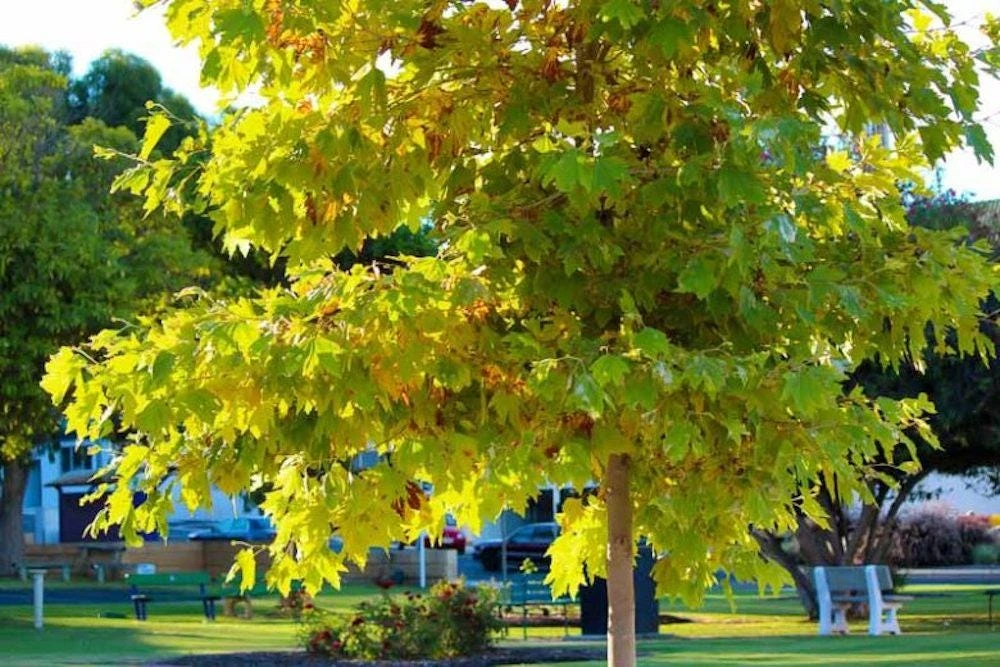
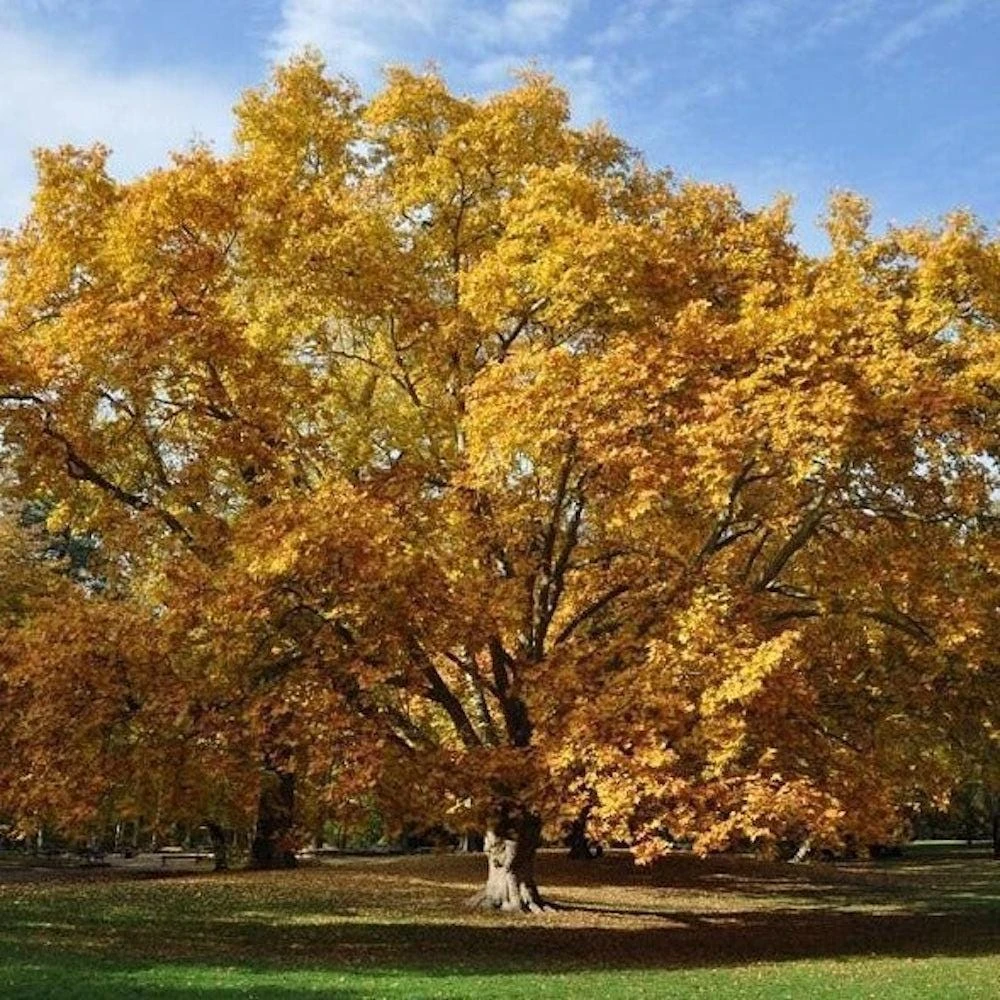
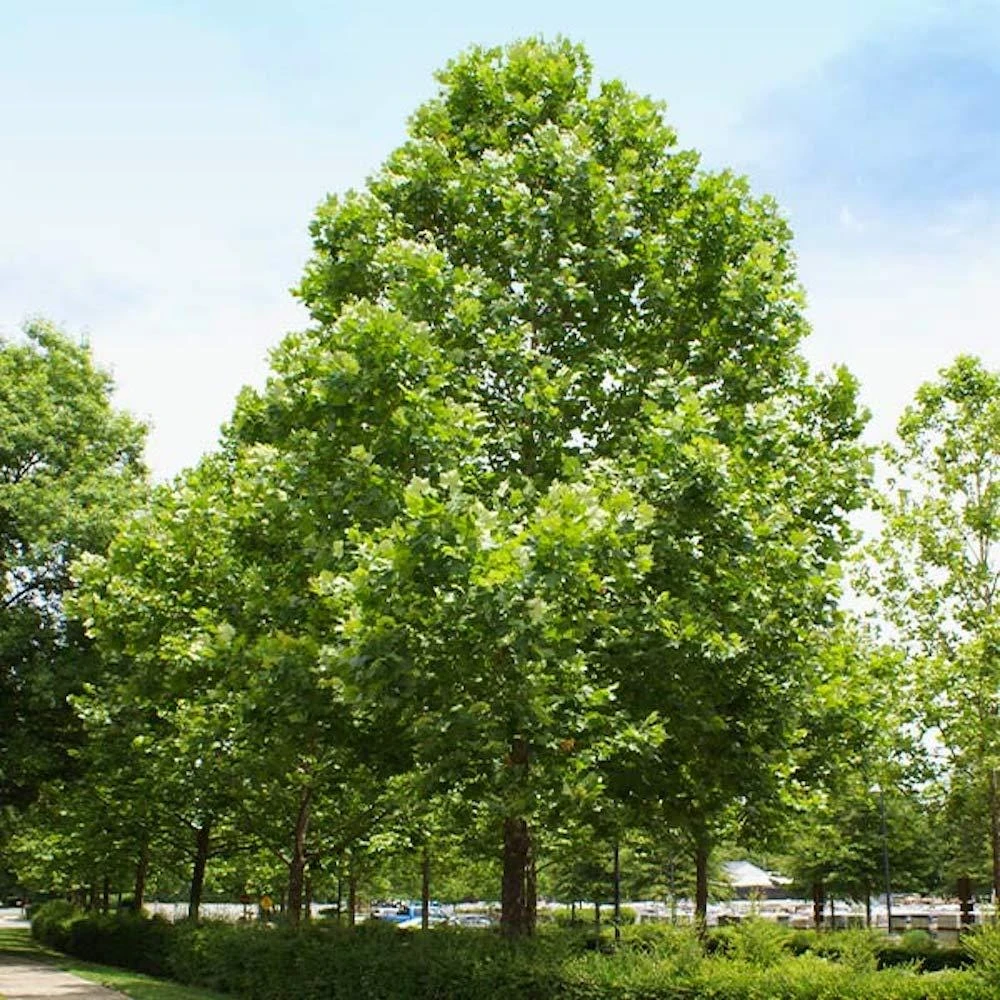
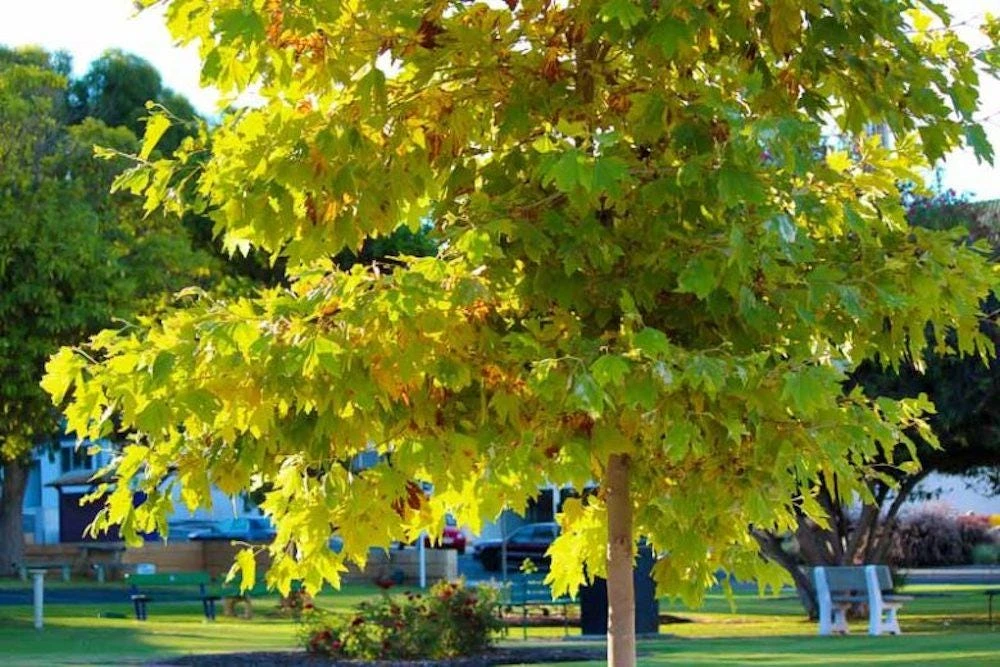
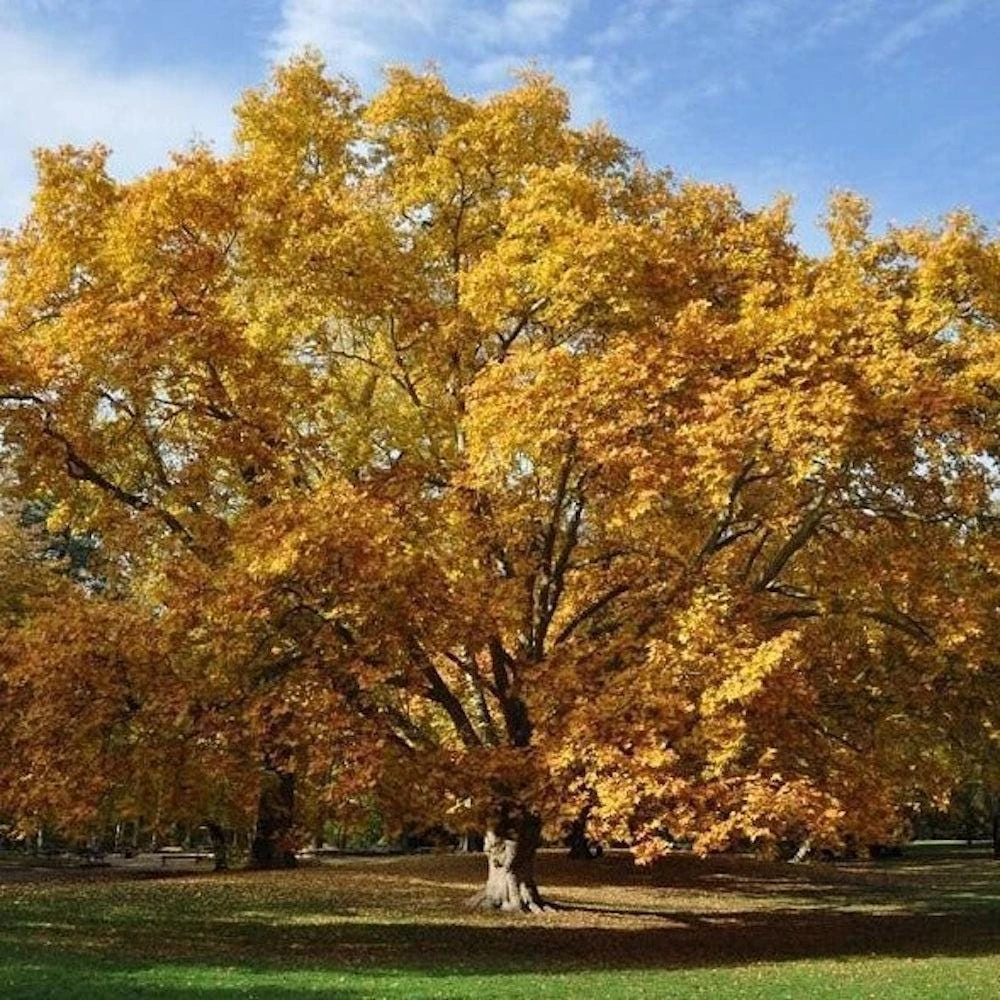
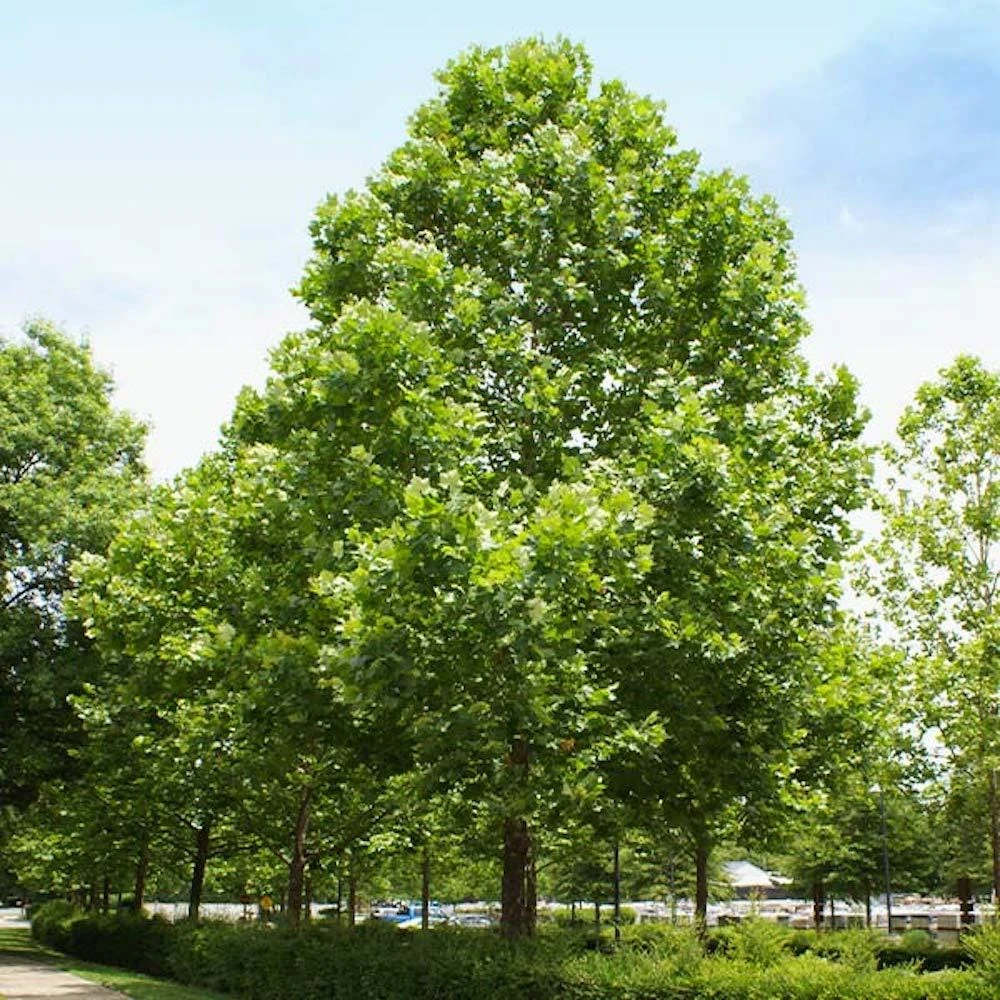
Cultivate a striking landscape with the American sycamore tree, a robust and fast-growing native hardwood. This sycamore starter plant, 12-24 inches tall, offers distinctive mottled bark and broad leaves, providing excellent shade and ecological benefits. Perfect for establishing a long-lived, majestic tree in your garden.
Estimated arrival
Oct 16
Oct 21 - Oct 23
Oct 23 - Oct 28
See our Shipping Policy.
Get in touch with us via email, and our team will review your concerns.
Our Alive & Thrive Guarantee covers issues with your plants within the first 30 days. Read our Refund & Returns Policy.
-
USDA Hardiness Zone
USDA Zones 4-9 -
Soil Type
Moist, well-draining soil (adaptable to various types) -
Sunlight Exposure
Full sun (6-8+ hours direct sunlight) -
Expected Planting Period
Early spring or late fall
Overview
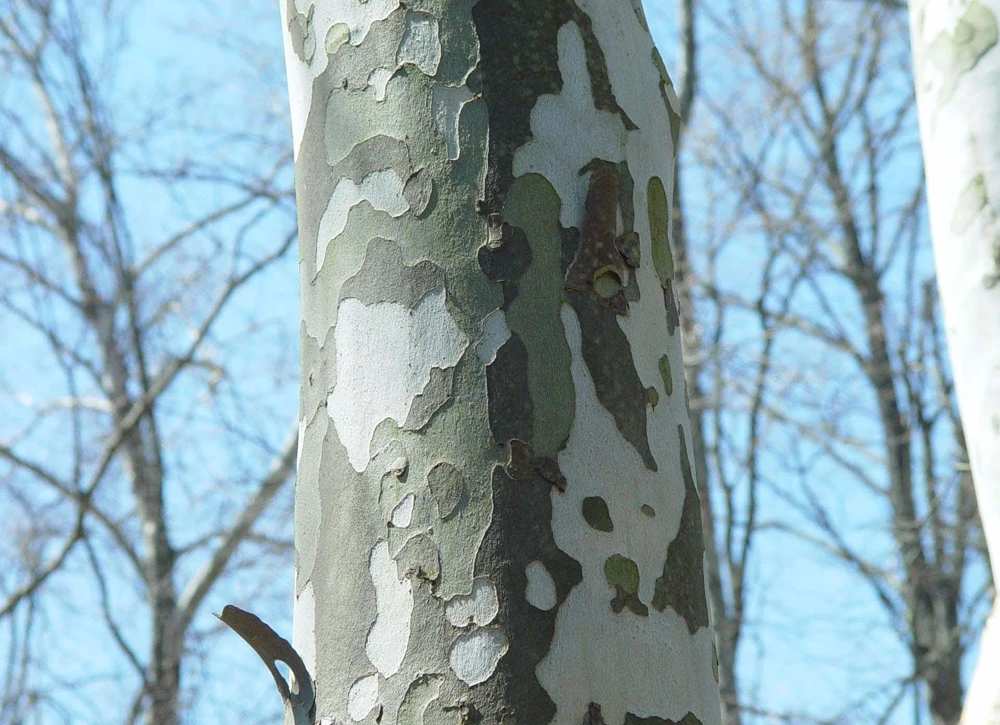
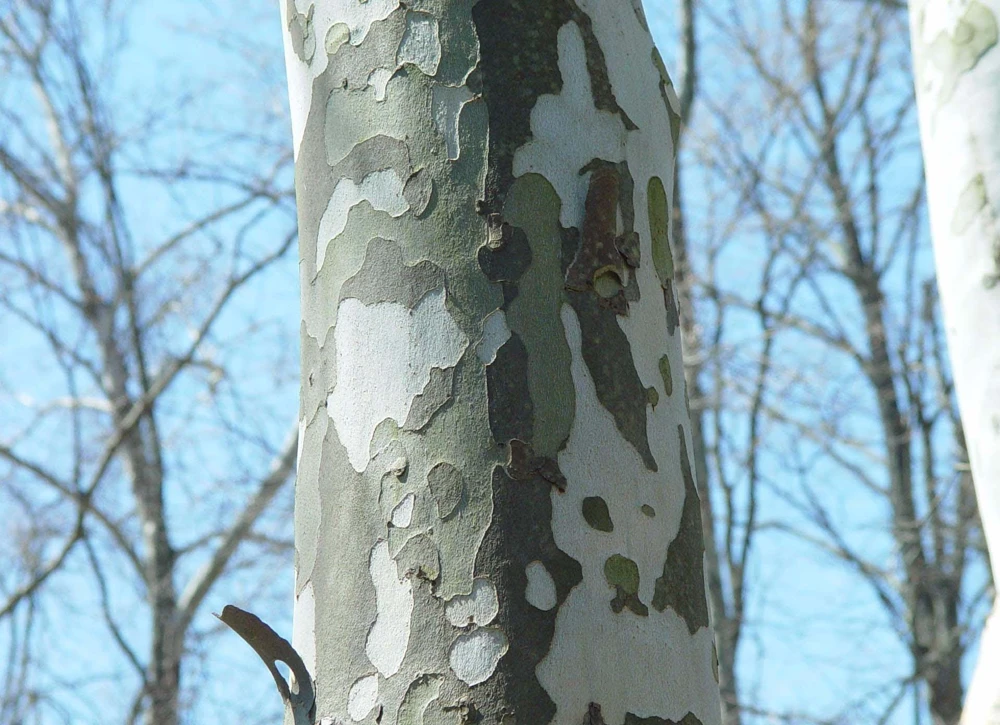
Transform your landscape with a magnificent American sycamore tree (Platanus occidentalis), one of North America’s most iconic native hardwoods. This live starter plant, typically 12-24 inches tall, is ready to establish itself in your garden, promising years of beauty and ecological benefit. Known for its distinctive mottled, exfoliating bark that peels to reveal shades of green, brown, and cream, the American sycamore tree adds unique visual interest to any setting. Its large, broad leaves provide dense shade, making it an excellent choice for parks, large yards, or along riverbanks. Also referred to as the buttonwood or buttonball tree, this fast-growing species is long-lived and resilient, thriving in various conditions. The sycamore produces fuzzy, spherical seed balls, or “buttonballs,” which hang gracefully from its branches through the winter, eventually dispersing seeds in the spring.
The Platanus occidentalis is a truly remarkable specimen, offering not just aesthetic appeal but also significant environmental advantages. It’s a natural choice for those looking to plant a tree that will grow quickly and provide substantial shade, contributing to cooler environments and supporting local wildlife. Its robust nature makes it a reliable addition to almost any large outdoor space, ensuring a lasting legacy for future generations. This sycamore starter plant offers an accessible way to introduce this grand species into your home garden or commercial property, promising a rewarding growing experience.
Key Benefits
The American sycamore tree offers a multitude of benefits, making it a highly desirable choice for various landscapes. Its impressive characteristics contribute to both aesthetic appeal and ecological health.
- Distinctive Ornamental Value: The most striking feature of the American sycamore tree is its unique exfoliating bark. As the tree matures, the outer bark peels away in irregular patches, revealing lighter, creamy inner bark. This creates a beautiful, mottled pattern that provides year-round visual interest, especially during winter months when other trees are bare.
- Exceptional Shade Provider: With its large, broad leaves and impressive canopy spread, the Platanus occidentalis is an outstanding shade tree. It can significantly cool down surrounding areas, making outdoor spaces more comfortable during hot summer days and potentially reducing energy costs for nearby buildings.
- Fast Growth Rate: This species is known for its relatively fast growth, allowing you to enjoy a substantial, mature tree in a shorter amount of time compared to many other hardwood species. This makes it an excellent investment for establishing a prominent landscape feature quickly.
- Native Ecosystem Support: As a native hardwood tree, the American sycamore plays a vital role in local ecosystems. It provides habitat and food for various wildlife, including birds and insects, contributing to biodiversity and supporting a healthy environment.
- Erosion Control: Often found along rivers and in floodplains, the sycamore’s extensive root system is highly effective at stabilizing soil and preventing erosion, particularly in areas prone to flooding or soil disturbance.
- Resilience and Longevity: The American sycamore tree is a robust and long-lived species, capable of thriving for many decades, even centuries, under suitable conditions. Its adaptability to different soil types and moisture levels makes it a resilient choice for diverse environments.
- Unique Seed Pods: The fuzzy, spherical “buttonballs” that hang from the branches throughout fall and winter add another layer of seasonal interest. These unique seed pods are a characteristic feature of the sycamore and provide a natural decorative element.
Plant Care & Growing Tips
Caring for your American sycamore tree is relatively straightforward, especially once it’s established. This robust sycamore starter plant is adaptable, but providing optimal conditions will ensure vigorous growth and a healthy tree. When considering a fast growing shade tree like the sycamore, understanding its needs is key.
Sunlight Requirements: The American sycamore thrives in full sun, meaning it needs at least 6-8 hours of direct sunlight per day. While it can tolerate partial shade, its growth will be less vigorous, and its canopy may not be as dense. For best results, choose a location that receives ample sunlight throughout the day. This is crucial for the development of its distinctive bark and overall health.
Watering Schedule and Soil Moisture: Sycamores prefer moist, well-draining soil, especially when young. Water regularly during the first few growing seasons to help establish a strong root system. Aim for consistent moisture without waterlogging. Once established, the Platanus occidentalis is quite tolerant of both wet conditions (it’s often found in floodplains) and periods of drought, though it will perform best with adequate moisture. Deep watering less frequently is better than shallow, frequent watering.
Soil Type and Drainage: This tree is adaptable to a wide range of soil types, including clay, loam, and sandy soils, but it prefers deep, rich, moist, and well-drained conditions. Good drainage is important to prevent root rot. If your soil is heavy clay, consider amending it with organic matter to improve drainage and aeration. The native hardwood tree nature of the sycamore means it’s quite forgiving of various soil compositions.
Temperature Range and USDA Hardiness Zone: The American sycamore tree is hardy in USDA Zones 4-9, making it suitable for a wide range of climates across the US. It can withstand cold winters and hot summers. Young trees may benefit from some winter protection in the colder parts of its range, but mature trees are very resilient.
Fertilization: Generally, established sycamores do not require heavy fertilization. If your soil is poor or the tree shows signs of nutrient deficiency (e.g., yellowing leaves, stunted growth), a balanced, slow-release tree fertilizer can be applied in early spring. Follow product instructions carefully to avoid over-fertilization, which can harm the tree. For a young sycamore starter plant, a light application can encourage initial growth.
Pruning: Prune your American sycamore tree in late winter or early spring while it is dormant. Focus on removing any dead, diseased, or damaged branches. You can also prune to shape the tree and improve air circulation within the canopy. Due to its large size, professional pruning may be necessary for mature trees. Regular pruning helps maintain the tree’s health and structural integrity.
Size & Details
This offering is for one American sycamore tree starter plant, typically measuring between 12-24 inches tall upon arrival. These young trees are often shipped as bare-root specimens, meaning they will arrive without soil around their roots, carefully packaged to maintain moisture during transit. This method is common for deciduous trees and allows for easier transplanting and establishment. The initial height of 12-24 inches refers to the above-ground portion of the plant. A minimum height of 6-12 inches is generally expected for viable growth.
The Platanus occidentalis is a remarkably fast-growing species, with young trees capable of adding 1-2 feet or more in height per year under ideal conditions. When mature, an American sycamore tree can reach impressive heights of 75-100 feet, with some specimens growing even taller, and a similar spread, creating a vast and majestic canopy. It is a long-lived tree, often surviving for several centuries. This sycamore starter plant provides an excellent foundation for growing a large, enduring shade tree, contributing significantly to your landscape for generations.
Frequently Asked Questions
- Q: How big does this American sycamore tree get? A: A mature American sycamore tree can reach impressive heights of 75-100 feet, with some growing even taller, and a similar spread. This makes it a very large shade tree suitable for spacious landscapes.
- Q: What size is the starter plant I will receive? A: You will receive a sycamore starter plant that is typically 12-24 inches tall. Please note that these often ship bare-root, with a minimum height of 6-12 inches for the plant itself.
- Q: Is this an indoor or outdoor plant? A: The American sycamore tree is strictly an outdoor plant. It requires significant space to grow to its full potential and cannot be grown indoors.
- Q: How much sunlight does an American sycamore need? A: This native hardwood tree thrives in full sun, requiring at least 6-8 hours of direct sunlight per day for optimal growth and health. It can tolerate partial shade but will grow best in sunny locations.
- Q: Is this tree easy to care for? A: Yes, once established, the American sycamore tree is relatively low-maintenance and quite resilient. Young plants require consistent watering, but mature trees are very adaptable.
- Q: What condition will the starter plant arrive in? A: Your sycamore starter plant will likely arrive as a bare-root specimen, carefully packaged to keep its roots moist during transit. This is a common and effective way to ship young deciduous trees.
- Q: When is the best time to plant an American sycamore? A: The best time to plant a bare-root Platanus occidentalis is in early spring, after the last frost, or in late fall after the leaves have dropped but before the ground freezes.
- Q: Will it survive winter in my zone? A: The American sycamore tree is hardy in USDA Zones 4-9, meaning it can withstand a wide range of winter temperatures across most of the United States.
- Q: What kind of soil does this fast growing shade tree prefer? A: While adaptable, the American sycamore tree prefers deep, rich, moist, and well-draining soil. It can tolerate various soil types, including clay, loam, and sand.
- Q: How fast does the American sycamore tree grow? A: This is a fast growing shade tree, often growing 1-2 feet or more per year under good conditions, especially when young.
Be the first to review “American Sycamore Tree Live Plant – Platanus occidentalis – 12-24″ Tall Starter Plant”
Related products


You May Like

Hardneck vs. Softneck Garlic: Which Should You Grow?
Have you ever stood in front of a seed catalog in mid-September, staring at dozens [...]
Oct

When to Plant Music Garlic: Ultimate US Fall Guide
Have you ever spent your fall weekend placing carefully chosen garlic cloves into rich, dark [...]
1 Comment
Oct

5 Best Bulbs for Fall Planting: Brighten Your Garden This Spring
Are you dreaming of a garden full of vibrant colors in the spring? The key [...]
Aug

10 Houseplants That Will Thrive in Your Kitchen
Are you tired of your kitchen feeling dull and lifeless? Want to add a little [...]
1 Comment
Aug
Reviews
There are no reviews yet.