
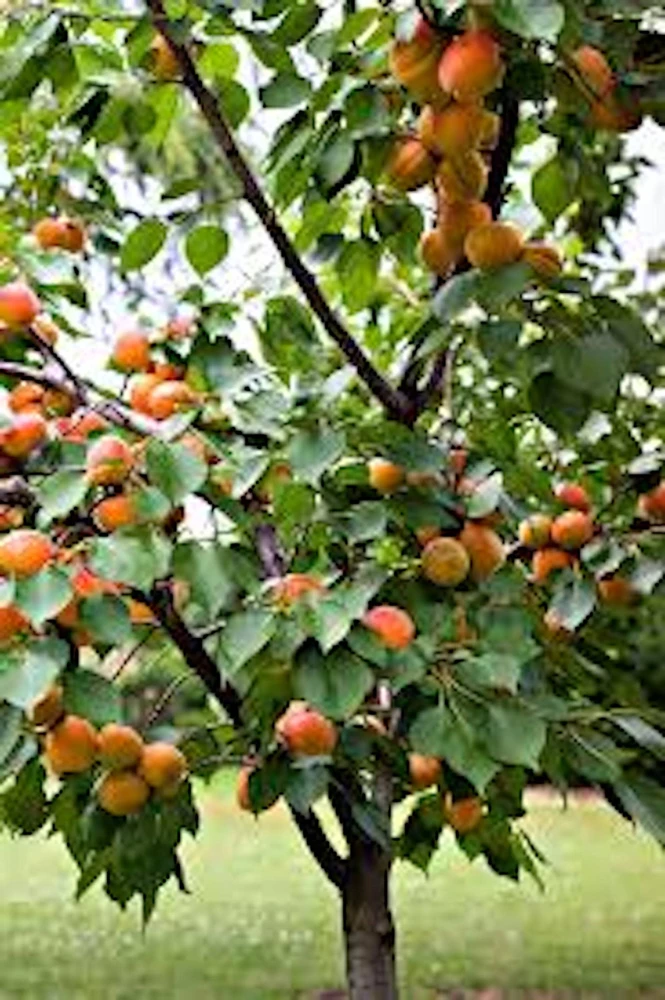
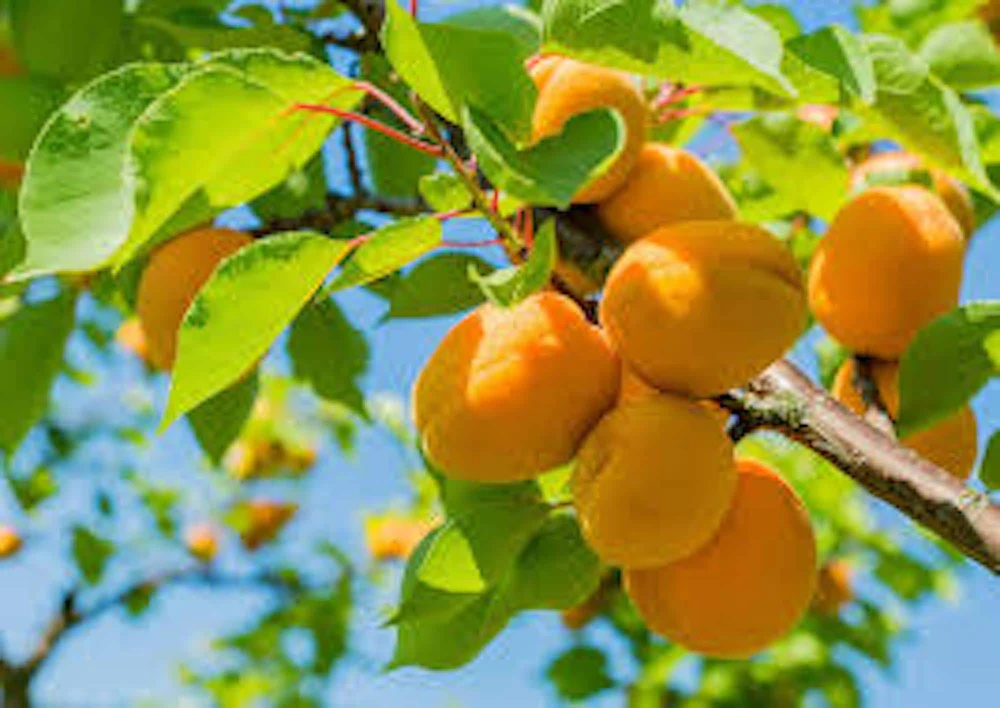
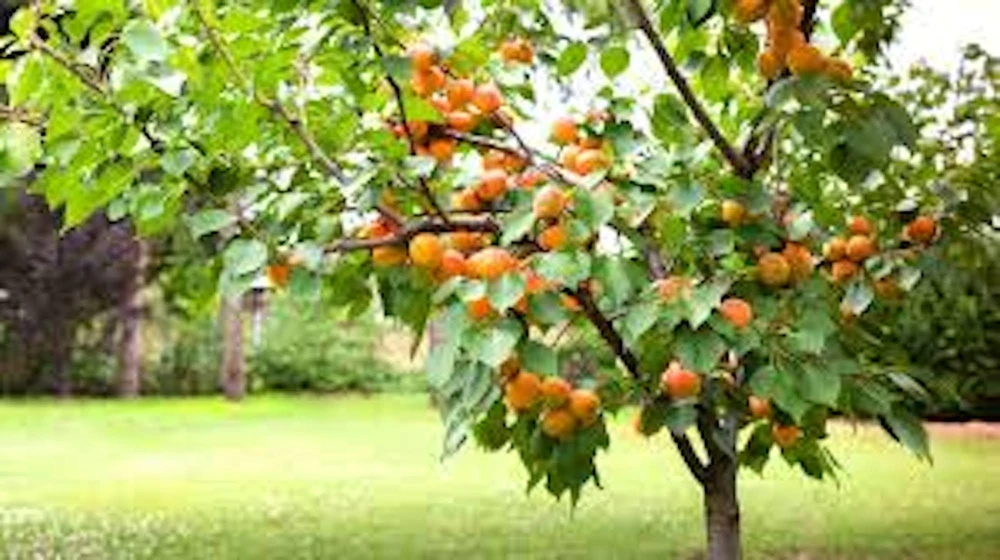
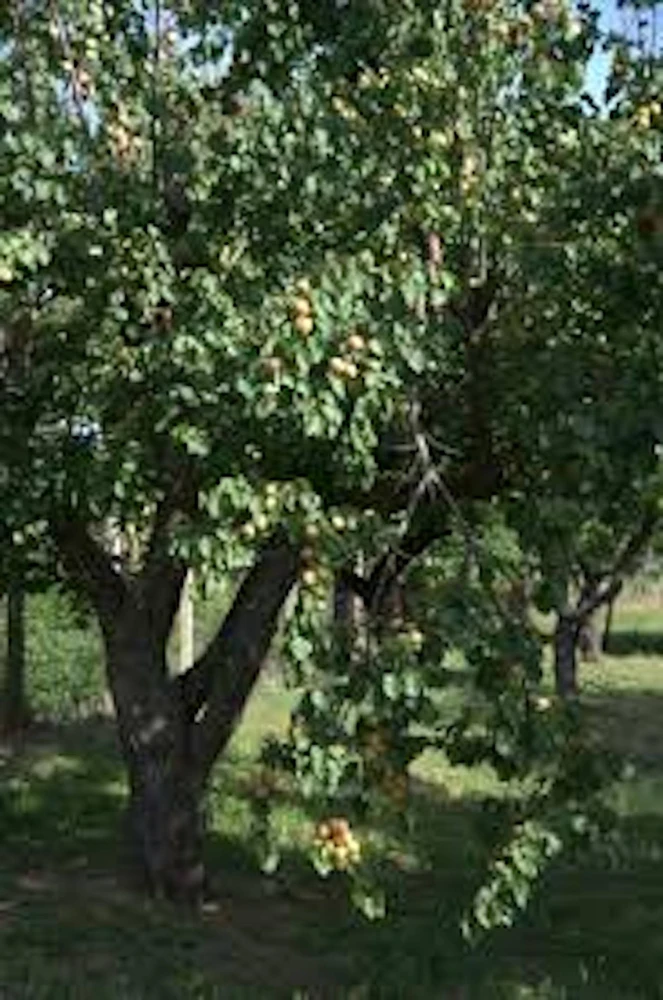
Apricot Tree Prunus armeniaca Live Plant – Fruit Starter 12-24in Tall
Original price was: 135.99 $.110.99 $Current price is: 110.99 $.
Cultivate your own orchard with a apricot tree live plant, Prunus armeniaca. This 12-24 inch starter plant promises beautiful spring blossoms and delicious yellow-orange fruit. Perfect for home gardeners looking for a rewarding and productive fruit tree.
Estimated arrival
Oct 17
Oct 22 - Oct 24
Oct 24 - Oct 29
See our Shipping Policy.
Get in touch with us via email, and our team will review your concerns.
Our Alive & Thrive Guarantee covers issues with your plants within the first 30 days. Read our Refund & Returns Policy.
-
USDA Hardiness Zone
USDA Zones 5-8 -
Soil Type
Well-draining, fertile loam -
Sunlight Exposure
Full sun (6-8+ hours daily) -
Expected Planting Period
Early spring or late fall
Overview
Embark on your fruit-growing journey with the exquisite apricot tree live plant, scientifically known as Prunus armeniaca. This deciduous tree is not only celebrated for its delectable yellow-orange fruit but also for its stunning display of white or pink blossoms that herald the arrival of spring. Originating from Central Asia, apricot trees have been cherished for centuries for their ornamental beauty and their sweet, juicy harvest. Our starter plants, typically ranging from 12-24 inches in height, provide a robust foundation for establishing a thriving fruit-bearing tree in your garden. The apricot tree live plant is a relatively small tree compared to many other fruit trees, making it a manageable and rewarding addition to various garden sizes and landscapes.
The Prunus armeniaca, or common apricot, is a versatile species that adapts well to a range of climates, provided it receives adequate sunlight and proper care. Its spreading canopy offers pleasant shade, while its oval-shaped, pointed leaves with serrated edges and reddish stems contribute to its aesthetic appeal throughout the growing season. Choosing a apricot tree live plant means investing in a future of fresh, home-grown fruit, free from pesticides and picked at the peak of ripeness. These trees are known for their longevity, offering many years of bountiful harvests with proper maintenance.
Key Benefits
Adding an apricot tree live plant to your garden offers a wealth of benefits, transforming your outdoor space into a productive and beautiful sanctuary. Beyond the obvious joy of fresh fruit, these trees contribute significantly to the local ecosystem and enhance your landscape’s appeal.
- Delicious Homegrown Fruit: The primary benefit is undoubtedly the sweet, juicy, and aromatic apricots you’ll harvest. Perfect for eating fresh, baking, jams, or preserves, home-grown apricots offer a superior flavor and nutritional profile compared to store-bought varieties.
- Stunning Spring Blooms: Before the fruit appears, the apricot tree live plant bursts into a spectacular display of white or pink flowers in early spring. These blossoms are not only beautiful but also attract pollinators like bees, crucial for a healthy garden ecosystem.
- Ornamental Value: With its attractive spreading canopy, reddish stems, and vibrant foliage, the Prunus armeniaca serves as an excellent ornamental tree. It adds structure, color, and seasonal interest to any garden, even when not in fruit.
- Wildlife Attraction: The flowers provide early-season nectar for pollinators, and the fruit can be a food source for birds and other wildlife, enriching the biodiversity of your garden.
- Shade and Comfort: As the tree matures, its spreading canopy can provide welcome shade during hot summer months, creating a comfortable outdoor living space.
- Rewarding Gardening Experience:Growing apricot trees from a starter plant is a fulfilling endeavor. Watching your tree grow, blossom, and eventually bear fruit provides immense satisfaction and a deeper connection to nature.
- Long-Term Investment: A well-cared-for apricot tree can live for many decades, providing a continuous supply of fruit and beauty for generations.
Plant Care & Growing Tips
Proper care is essential for ensuring your apricot tree live plant thrives and produces abundant fruit. While apricots are relatively hardy, understanding their specific needs will lead to the best results. Start by selecting an appropriate planting site that receives ample sunlight.
Sunlight Requirements: Apricot trees demand full sun, meaning at least 6-8 hours of direct sunlight per day. This is crucial for fruit development and overall tree health. Plant your Prunus armeniaca starter in an open, unshaded area of your garden. Good air circulation is also important to prevent fungal diseases, so avoid planting in overly sheltered spots.
Watering Schedule and Soil Moisture: Consistent watering is vital, especially during the first few years after planting and during dry spells. Water deeply and regularly, ensuring the soil is moist but not waterlogged. Allow the top few inches of soil to dry out between waterings. Mature trees are more drought-tolerant but will benefit from supplemental watering during prolonged dry periods, particularly when fruit is developing. Overwatering can lead to root rot, so good drainage is paramount. Proper apricot tree care involves monitoring soil moisture closely.
Soil Type and Drainage: Apricot trees prefer well-draining, fertile loamy soil with a pH between 6.0 and 7.0. Heavy clay soils should be amended with organic matter like compost or aged manure to improve drainage and aeration. Sandy soils can be improved with organic matter to increase water retention. Good drainage is non-negotiable for growing apricot trees successfully, as they are highly susceptible to root diseases in waterlogged conditions.
Temperature Range and USDA Hardiness Zone: Most apricot varieties are hardy in USDA Zones 5-8, though some can tolerate Zone 4 with protection or Zone 9 in cooler microclimates. They require a certain number of chill hours (temperatures below 45°F/7°C) during winter to set fruit properly. However, late spring frosts can damage early blossoms, so choose a planting site that offers some protection if spring frosts are common in your area. This consideration is key when looking for a fruit tree for sale.
Fertilization Schedule and Type: Fertilize your apricot tree live plant annually in early spring before new growth begins. Use a balanced fertilizer (e.g., 10-10-10) or a fertilizer formulated for fruit trees. For young trees, apply about 1/2 pound per year of age, up to a maximum of 5 pounds. Spread the fertilizer evenly around the drip line and water it in thoroughly. Avoid fertilizing too late in the season, as this can encourage new growth that is susceptible to frost damage.
Common Problems and Solutions: Apricot trees can be susceptible to pests like aphids, borers, and mites, and diseases such as brown rot, powdery mildew, and bacterial canker. Regular inspection of your tree can help detect problems early. Pruning for good air circulation, proper sanitation, and appropriate organic or chemical treatments can help manage these issues. Consult local agricultural extension services for region-specific advice on pest and disease management for your apricot tree live plant.
Size & Details
This offering is for a apricot tree live plant, Prunus armeniaca, provided as a starter plant. The plants typically range in height from 12 to 24 inches at the time of shipping, offering a good foundation for growth. These trees are known for their moderate growth rate, typically reaching heights of 15-40 feet at maturity with a spreading canopy, depending on variety, growing conditions, and pruning practices. The spread can often match the height, creating a wide, productive tree. Your Prunus armeniaca starter will arrive as a bare root plant, meaning it will be shipped without a pot and with minimal soil around its roots, which is a common and effective method for shipping deciduous trees during their dormant season. This allows for easier transplanting and reduces shipping costs.
Upon arrival, it is crucial to plant your apricot tree live plant promptly to ensure successful establishment. With proper care, these trees typically begin bearing fruit within 3-5 years after planting, offering a rewarding return on your gardening efforts. The exact timing of fruit production can vary based on the specific cultivar, climate, and overall health of the tree. When considering a fruit tree for sale, understanding its mature size and growth habits is key to proper placement in your garden.
Frequently Asked Questions
- Q: How big will my apricot tree live plant get at maturity? A: A: The apricot tree live plant typically grows to a height of 15-40 feet with a similar spread, depending on the specific variety, climate, and pruning. Regular pruning can help manage its size for smaller garden spaces.
- Q: Is this an indoor or outdoor plant? A: The apricot tree live plant is an outdoor fruit tree. It requires a significant amount of direct sunlight and specific chilling hours during winter to produce fruit, making it unsuitable for long-term indoor growth.
- Q: How much sunlight does an apricot tree need? A: Apricot trees thrive in full sun, requiring at least 6-8 hours of direct sunlight per day. Adequate sunlight is crucial for healthy growth, abundant flowering, and optimal fruit development.
- Q: When is the best time to plant this Prunus armeniaca starter? A: The best time to plant your Prunus armeniaca starter is in early spring after the last frost, or in late fall after the leaves have dropped and before the ground freezes. This allows the tree to establish its root system before extreme weather conditions.
- Q: How long until my apricot tree starts producing fruit? A: Typically, a apricot tree live plant will begin to bear fruit within 3-5 years after planting. This timeline can vary based on growing conditions, variety, and the care it receives.
- Q: Is this apricot tree self-pollinating? A: Most common apricot varieties are self-pollinating, meaning a single tree can produce fruit without another apricot tree nearby. However, planting multiple varieties can often increase overall fruit production.
- Q: What condition will the apricot tree arrive in? A: Your apricot tree live plant will be shipped as a bare root plant, meaning it will arrive without soil and with its roots carefully protected. This is a standard and effective method for shipping dormant trees.
- Q: What kind of soil is best for growing apricot trees? A: Growing apricot trees requires well-draining, fertile loamy soil with a pH between 6.0 and 7.0. Good drainage is critical to prevent root issues.
- Q: How often should I water my new apricot tree? A: Water your newly planted apricot tree live plant deeply and regularly, especially during its first few years and during dry periods. Ensure the soil is moist but not waterlogged, allowing the topsoil to dry slightly between waterings.
- Q: What USDA zones are suitable for this fruit tree for sale? A: This fruit tree for sale is generally suitable for USDA Hardiness Zones 5-8, though specific varieties might extend this range. Check your local zone to ensure suitability.
Be the first to review “Apricot Tree Prunus armeniaca Live Plant – Fruit Starter 12-24in Tall”
Related products


You May Like

Hardneck vs. Softneck Garlic: Which Should You Grow?
Have you ever stood in front of a seed catalog in mid-September, staring at dozens [...]
Oct

When to Plant Music Garlic: Ultimate US Fall Guide
Have you ever spent your fall weekend placing carefully chosen garlic cloves into rich, dark [...]
1 Comment
Oct

5 Best Bulbs for Fall Planting: Brighten Your Garden This Spring
Are you dreaming of a garden full of vibrant colors in the spring? The key [...]
Aug

10 Houseplants That Will Thrive in Your Kitchen
Are you tired of your kitchen feeling dull and lifeless? Want to add a little [...]
1 Comment
Aug
Reviews
There are no reviews yet.