
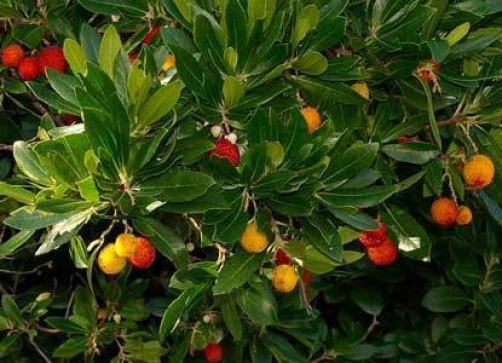
Arbutus unedo Strawberry Tree Seeds – 10 Count – Grow Your Own Fruit Tree
Original price was: 46.99 $.21.99 $Current price is: 21.99 $.
Cultivate the unique and beautiful strawberry tree seeds with this pack of 10 Arbutus unedo seeds. Perfect for creating an edible landscape tree, this evergreen offers year-round interest and delicious fruit. Start your garden project today and grow strawberry tree.
Estimated arrival
Oct 15
Oct 20 - Oct 22
Oct 22 - Oct 27
See our Shipping Policy.
Get in touch with us via email, and our team will review your concerns.
Our Alive & Thrive Guarantee covers issues with your plants within the first 30 days. Read our Refund & Returns Policy.
-
USDA Hardiness Zone
USDA Zones 7-10 -
Soil Type
Well-draining soil -
Sunlight Exposure
Full sun to partial shade -
Expected Planting Period
Late winter to early spring (after stratification)
Overview
Embark on a rewarding gardening journey by planting strawberry tree seeds. This pack contains 10 high-quality seeds of the renowned Arbutus unedo, commonly known as the Strawberry Tree. This fascinating evergreen broadleaf tree is celebrated for its attractive bark, bell-shaped flowers, and distinctive red fruits that resemble strawberries, hence its common name. While the fruits are edible, they are often described as having a mild, somewhat mealy texture, best enjoyed when fully ripe. Originating from the Mediterranean region and Western Europe, the Arbutus unedo seeds offer a unique opportunity to cultivate a beautiful and productive specimen in your garden. It’s an excellent choice for those looking to add an unusual and hardy fruiting tree to their landscape.
Key Benefits
Growing an edible landscape tree like the Strawberry Tree from seed offers numerous advantages, enhancing both the aesthetic and ecological value of your outdoor space. These benefits make it a desirable addition for many gardeners:
-
Ornamental Appeal: The Strawberry Tree is highly decorative, featuring glossy green leaves, reddish-brown peeling bark, white or pinkish urn-shaped flowers, and vibrant red fruits simultaneously in autumn. This provides year-round visual interest.
-
Edible Fruits: While not a true strawberry, the fruits are edible and can be enjoyed fresh, or used to make jams, preserves, or alcoholic beverages. They ripen slowly, often taking a year, adding to the tree’s unique charm.
-
Wildlife Attractor: The flowers provide a valuable nectar source for bees, and the fruits are a favorite food for birds and other wildlife, contributing to local biodiversity.
-
Drought Tolerance: Once established, Arbutus unedo is remarkably drought-tolerant, making it a low-maintenance option for various climates and ideal for sustainable gardening practices.
-
Evergreen Foliage: As an evergreen, it maintains its lush green leaves throughout the year, providing continuous screening and structural interest even in winter. Cultivate these strawberry tree seeds for lasting beauty.
-
Adaptability: This tree can thrive in a range of soil types and is relatively tolerant of coastal conditions and urban environments, making it versatile for many garden designs.
-
Unique Conversation Starter: Its unusual appearance and edible fruits make it a captivating addition to any garden, sure to spark curiosity and conversation among visitors. Learn to grow strawberry tree and impress your friends.
Plant Care & Growing Tips
Successfully germinating Arbutus unedo seeds and nurturing your Strawberry Tree requires attention to specific conditions. For optimal germination, the seeds typically benefit from stratification. This involves a period of cold, moist treatment to mimic winter conditions, breaking dormancy. After stratification, sow the seeds in a well-draining seed starting mix. Lightly cover the seeds with soil and keep the medium consistently moist but not waterlogged. Germination can be slow and erratic, sometimes taking several months, so patience is key.
Once seedlings emerge, provide them with plenty of bright, indirect light. Gradually acclimate young plants to outdoor conditions before transplanting. The Strawberry Tree thrives in full sun to partial shade, ideally receiving at least 6 hours of direct sunlight per day. It prefers well-draining soil, ranging from sandy to clay, but performs best in slightly acidic to neutral pH. While tolerant of various soil types, avoid consistently wet or waterlogged conditions, which can lead to root rot. Water regularly during the first few years to establish a strong root system. Once mature, it becomes quite drought-tolerant, requiring less frequent watering, especially in cooler climates. Protect young trees from harsh frosts in colder zones. Fertilize sparingly; a balanced, slow-release fertilizer in spring is usually sufficient. Pruning is generally not necessary but can be done to maintain shape or remove dead/damaged branches, ideally after fruiting.
Size & Details
This product includes 10 viable strawberry tree seeds, ready for stratification and planting. When mature, the Arbutus unedo can grow to an impressive size, typically reaching heights of 15-30 feet (4.5-9 meters) with a similar spread, though it can be kept smaller with pruning or grown as a large shrub. Its growth rate is moderate, establishing itself well within a few years. The tree will begin to produce flowers and fruits within 3-5 years from seed, offering a long-term investment in your garden. The fruits mature over a long period, often appearing alongside new flowers in the fall. These Arbutus unedo seeds provide the foundation for a long-lived and beautiful specimen that will enhance your landscape for decades.
Frequently Asked Questions
-
Q: How do I prepare the strawberry tree seeds for planting? A: The seeds require stratification, which is a period of cold, moist treatment. You can achieve this by placing the seeds in a moist medium (like sand or peat moss) in a sealed bag in the refrigerator for 2-3 months before planting.
-
Q: Is this an indoor or outdoor plant? A: The Strawberry Tree is primarily an outdoor plant, suitable for gardens and landscapes. It can be grown in large containers on patios, but it is not typically grown as an indoor houseplant.
-
Q: How much sunlight does it need? A: To successfully grow strawberry tree, it thrives in full sun to partial shade, ideally receiving at least 6 hours of direct sunlight per day. More sun generally leads to better fruiting.
-
Q: Is this plant easy to care for? A: Once established, the Strawberry Tree is relatively low-maintenance and drought-tolerant. The initial germination and establishment phase for Arbutus unedo seeds can require some patience and specific care.
-
Q: Can I eat the fruits from the Strawberry Tree? A: Yes, the fruits are edible. They have a mild, slightly gritty texture and are often used in jams, jellies, or fermented into alcoholic beverages rather than eaten fresh in large quantities. This makes it an interesting edible landscape tree.
-
Q: How long does it take for the seeds to germinate? A: Germination can be slow and irregular, often taking several weeks to several months, even with proper stratification. Patience is required.
-
Q: What USDA hardiness zones is the Strawberry Tree suitable for? A: The Strawberry Tree (Arbutus unedo) is generally hardy in USDA Zones 7-10, though some varieties may tolerate Zone 6 with protection. It prefers mild winters and hot, dry summers.
-
Q: What kind of soil does it prefer? A: It prefers well-draining soil and can tolerate a range of soil types, including sandy, loamy, or clay, as long as drainage is good. It does best in slightly acidic to neutral pH soil.
-
Q: Will it attract wildlife to my garden? A: Yes, the flowers attract pollinators like bees, and the mature fruits are a food source for birds, making it a valuable addition for supporting local wildlife.
-
Q: When is the best time to plant the seeds? A: After stratification, sow the seeds in late winter or early spring so that the seedlings can establish themselves during the growing season. This is crucial when you want to grow strawberry tree.
Be the first to review “Arbutus unedo Strawberry Tree Seeds – 10 Count – Grow Your Own Fruit Tree”
Related products


You May Like

Hardneck vs. Softneck Garlic: Which Should You Grow?
Have you ever stood in front of a seed catalog in mid-September, staring at dozens [...]
Oct

When to Plant Music Garlic: Ultimate US Fall Guide
Have you ever spent your fall weekend placing carefully chosen garlic cloves into rich, dark [...]
1 Comment
Oct

5 Best Bulbs for Fall Planting: Brighten Your Garden This Spring
Are you dreaming of a garden full of vibrant colors in the spring? The key [...]
Aug

10 Houseplants That Will Thrive in Your Kitchen
Are you tired of your kitchen feeling dull and lifeless? Want to add a little [...]
1 Comment
Aug
Reviews
There are no reviews yet.