
Asclepias angustifolia Arizona Milkweed Seeds – 10 Seeds – Perennial
Original price was: 46.99 $.21.99 $Current price is: 21.99 $.
Cultivate stunning native plants with our Arizona Milkweed seeds. Each packet contains 10 high-quality Asclepias angustifolia seeds, perfect for establishing a vibrant pollinator-friendly garden. These perennial milkweed seeds are ideal for attracting monarch butterflies and other beneficial insects, enhancing your outdoor space with natural beauty and ecological value.
Estimated arrival
Oct 16
Oct 21 - Oct 23
Oct 23 - Oct 28
See our Shipping Policy.
Get in touch with us via email, and our team will review your concerns.
Our Alive & Thrive Guarantee covers issues with your plants within the first 30 days. Read our Refund & Returns Policy.
-
USDA Hardiness Zone
USDA Zones 7-10 -
Soil Type
Well-draining soil, sandy, or rocky soil -
Sunlight Exposure
Full sun -
Expected Planting Period
Fall or early spring after cold stratification
Overview
Discover the joy of growing native plants with our premium Arizona Milkweed seeds. This packet contains 10 high-quality seeds of Asclepias angustifolia, commonly known as narrow-leaf milkweed or Arizona Milkweed. Native to the southwestern United States, this perennial plant is a vital resource for monarch butterflies, serving as both a nectar source for adults and the exclusive host plant for their caterpillars. Growing Asclepias angustifolia seeds allows you to contribute directly to monarch conservation efforts while adding a touch of wild beauty to your landscape. These seeds are perfect for gardeners looking to create a sustainable and biodiverse environment, offering a rewarding experience as you watch your garden come alive with pollinators.
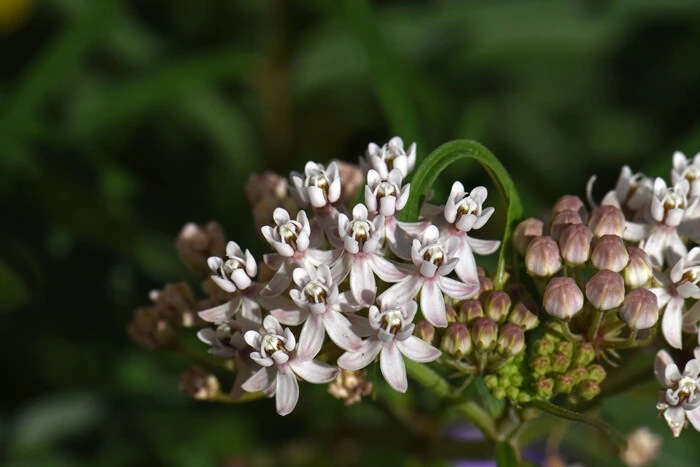
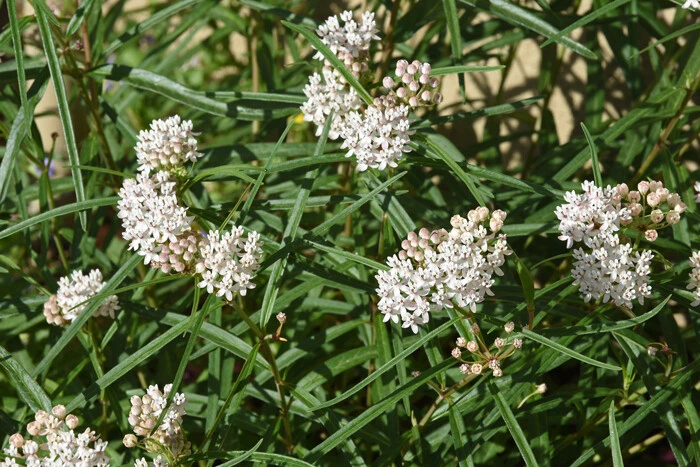
Arizona Milkweed is characterized by its slender leaves and delicate clusters of white to pale pink flowers, which bloom from late spring through fall. It’s a resilient and drought-tolerant species, making it an excellent choice for xeriscaping or gardens in arid regions. By planting these Arizona Milkweed seeds, you’re not just growing a plant; you’re cultivating a habitat. The ease of growing perennial milkweed from seed makes it accessible for both novice and experienced gardeners, promising a beautiful and ecologically beneficial addition to any outdoor space.
Key Benefits
Planting Arizona Milkweed seeds offers a multitude of advantages for your garden and local ecosystem. These native plants are not only beautiful but also play a crucial role in supporting biodiversity:
- Supports Pollinators:Arizona Milkweed is an essential food source for a variety of pollinators, including bees, butterflies, and other beneficial insects. Its nectar-rich flowers provide sustenance throughout its long blooming season, ensuring a constant food supply for these vital garden visitors.
- Monarch Butterfly Host Plant: As a specific host plant for monarch butterfly caterpillars, growing Asclepias angustifolia seeds directly aids in the monarch conservation. Female monarchs lay their eggs exclusively on milkweed, making it indispensable for their life cycle and population survival.
- Drought-Tolerant & Low Maintenance: Once established, narrow-leaf milkweed is remarkably drought-tolerant and requires minimal care. This makes it an ideal choice for water-wise gardening and for those seeking beautiful, resilient plants that thrive with less intervention.
- Native Plant Appeal: Incorporating native plants like Arizona Milkweed into your landscape helps create a more harmonious and sustainable environment. Native species are naturally adapted to local conditions, requiring fewer resources and resisting local pests and diseases more effectively.
- Extended Blooming Season: Enjoy a prolonged period of bloom with perennial milkweed, often from late spring through fall. The delicate white to pale pink flowers add continuous visual interest and attract pollinators for many months, making your garden a lively hub of activity.
- Enhances Garden Biodiversity: By providing food and habitat, Arizona Milkweed helps increase the overall biodiversity of your garden, attracting a wider range of wildlife and contributing to a healthier ecosystem.
- Educational Value: Growing Arizona Milkweed seeds offers a fantastic educational opportunity, especially for children, to observe the life cycle of the monarch butterfly firsthand and learn about native plant ecology.
Plant Care & Growing Tips
Successfully growing Arizona Milkweed seeds is a rewarding process, and with the right care, your plants will thrive. Asclepias angustifolia is a relatively easy-to-grow perennial, especially when its native habitat conditions are considered. For optimal germination, these seeds often benefit from a period of cold stratification. This can be achieved by placing the seeds in a moist paper towel inside a sealed plastic bag in your refrigerator for 30-60 days before planting. Alternatively, if planting outdoors in fall, nature will provide the necessary cold period.
When ready to plant, choose a location with full sun exposure, meaning at least 6-8 hours of direct sunlight per day. Arizona Milkweed prefers well-draining soil and can tolerate a range of soil types, including sandy or rocky soils, as long as they don’t retain too much moisture. Avoid overly rich or consistently wet soils, as this can lead to root rot. Sow the Asclepias angustifolia seeds about 1/4 inch deep and 6-12 inches apart. Water gently after planting to ensure good seed-to-soil contact. Keep the soil consistently moist until germination occurs, which can take several weeks. Once seedlings are established, watering can be reduced, as these plants are quite drought-tolerant.
As your perennial milkweed grows, it will require minimal fertilization. Over-fertilizing can lead to excessive leafy growth at the expense of flowers, which are crucial for pollinators. If your soil is very poor, a light application of a balanced, slow-release fertilizer in early spring can be beneficial. Deadheading spent flowers can encourage more blooms and prevent self-seeding if you wish to control spread. These plants are generally pest-resistant, but keep an eye out for aphids, which can be managed with a strong spray of water or insecticidal soap. Narrow-leaf milkweed is hardy in USDA zones 7-10, making it suitable for a wide range of climates, especially in the warmer regions of the US. Providing these conditions will ensure your Arizona Milkweed seeds grow into healthy, vibrant plants that support local wildlife.
Size & Details
This product includes 10 high-quality Arizona Milkweed seeds (Asclepias angustifolia), ready for planting. Each seed has the potential to grow into a robust perennial plant. Mature Arizona Milkweed typically reaches a height of 1 to 3 feet (30-90 cm) with a similar spread, forming an upright, somewhat open clump. The narrow, linear leaves are a distinctive feature, giving the plant its common name, narrow-leaf milkweed. Flowers appear in clusters, usually white to pale pink, and are quite small but numerous, creating a delicate display. The plant’s growth rate is moderate, with established plants blooming in their second year from seed, though some may produce flowers in their first year under ideal conditions.
These seeds are shipped as dry seeds in a protective packet, ensuring their viability upon arrival. They are suitable for direct sowing outdoors in fall or early spring after cold stratification. The resulting plants are long-lived perennials, offering years of beauty and ecological benefit to your garden. Expect to see seed pods (follicles) developing after flowering, which will eventually split open to release seeds with silky parachutes, ready to disperse or be collected for future planting. This natural cycle further enhances the value of growing Asclepias angustifolia seeds in your garden.
Frequently Asked Questions
- Q: How big does this plant get? A: Arizona Milkweed typically grows to a height of 1 to 3 feet (30-90 cm) with a similar spread. Its narrow, upright growth habit makes it suitable for various garden sizes and designs.
- Q: How much sunlight does it need? A: Asclepias angustifolia thrives in full sun, requiring at least 6-8 hours of direct sunlight per day for optimal growth and flowering. It can tolerate some partial shade but will bloom less prolifically.
- Q: Is this plant easy to care for? A: Yes, once established, Arizona Milkweed is considered low-maintenance. It is drought-tolerant and adaptable to various soil conditions as long as they are well-draining. It’s a great choice for beginner gardeners interested in native plants.
- Q: What condition will the seeds arrive in? A: The Arizona Milkweed seeds will arrive as dry seeds in a protective packet, ready for planting. We ensure they are carefully packaged to maintain viability during transit.
- Q: Is it good for beginners? A: Absolutely! Growing perennial milkweed from seed is a rewarding project for beginners. With proper cold stratification and a sunny, well-draining spot, you can successfully cultivate these beautiful plants.
- Q: When is the best time to plant Arizona Milkweed seeds? A: The best time to plant Asclepias angustifolia seeds is in the fall, allowing for natural cold stratification over winter, or in early spring after artificial cold stratification. This mimics their natural germination cycle.
- Q: Will it survive winter in my zone? A: Arizona Milkweed is hardy in USDA Zones 7-10. If you are in these zones, it will typically survive winter and return in the spring. In colder zones, it may need protection or be grown as an annual.
- Q: Why is narrow-leaf milkweed important for butterflies? A: Narrow-leaf milkweed is crucial because it is the sole host plant for monarch butterfly caterpillars. Without milkweed, monarch caterpillars cannot develop, making this plant essential for the monarch’s life cycle and survival.
- Q: Do I need to cold stratify these Arizona Milkweed seeds? A: Yes, cold stratification is highly recommended for Asclepias angustifolia seeds to improve germination rates. This can be done in the refrigerator for 30-60 days before planting.
- Q: How long until it blooms? A: From seed, perennial milkweed typically begins to bloom in its second year, though some vigorous plants may produce a few flowers in their first growing season under ideal conditions.
Be the first to review “Asclepias angustifolia Arizona Milkweed Seeds – 10 Seeds – Perennial”
Related products


Flower Plants
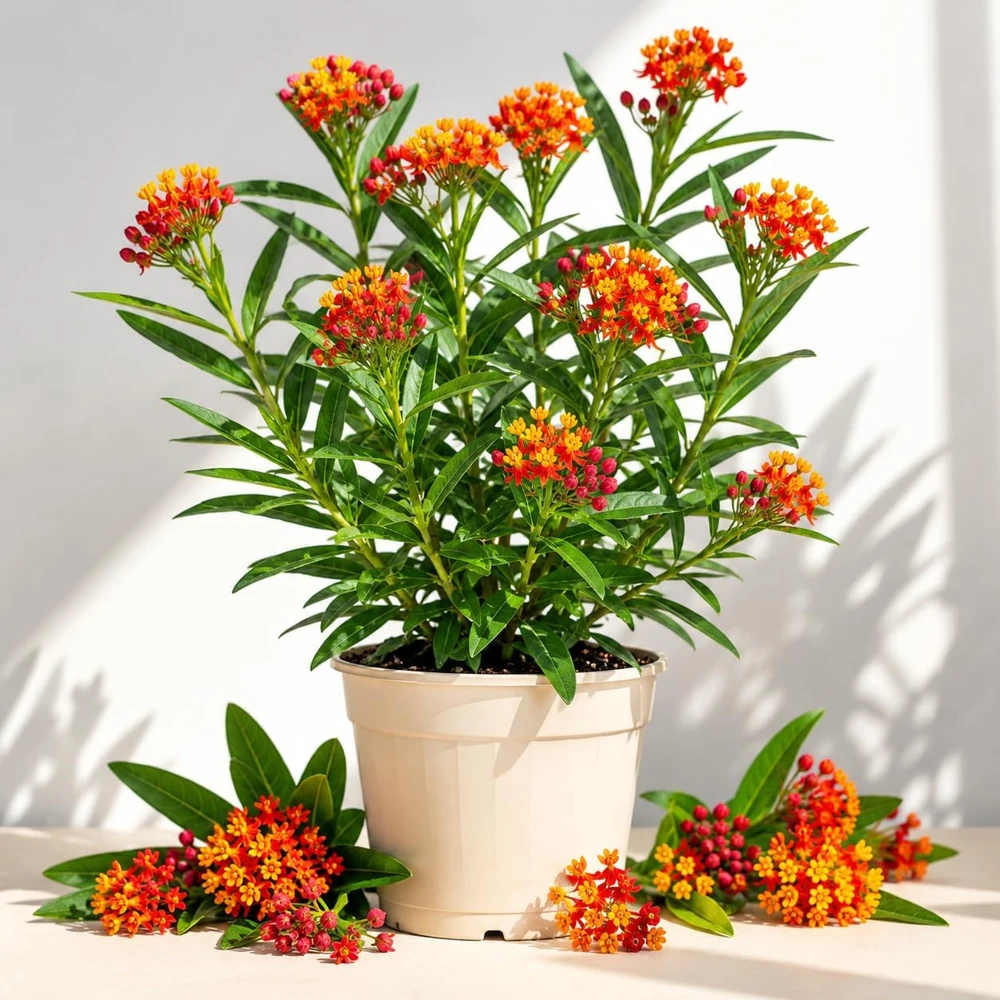
Set of 2 Tropical Milkweed Live Plants – Asclepias, Orange Red Flowers, 4-8 Inch Tall, Outdoor


You May Like

Hardneck vs. Softneck Garlic: Which Should You Grow?
Have you ever stood in front of a seed catalog in mid-September, staring at dozens [...]
Oct

When to Plant Music Garlic: Ultimate US Fall Guide
Have you ever spent your fall weekend placing carefully chosen garlic cloves into rich, dark [...]
1 Comment
Oct

5 Best Bulbs for Fall Planting: Brighten Your Garden This Spring
Are you dreaming of a garden full of vibrant colors in the spring? The key [...]
Aug

10 Houseplants That Will Thrive in Your Kitchen
Are you tired of your kitchen feeling dull and lifeless? Want to add a little [...]
1 Comment
Aug
Reviews
There are no reviews yet.