
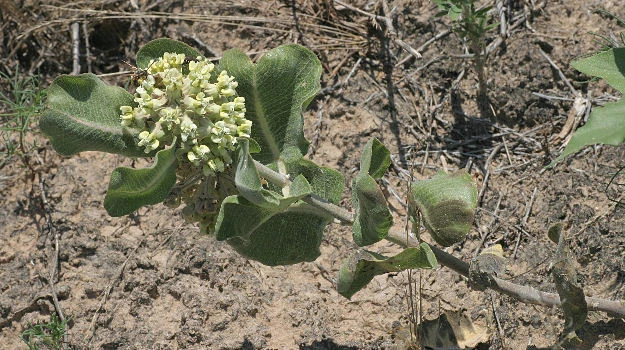
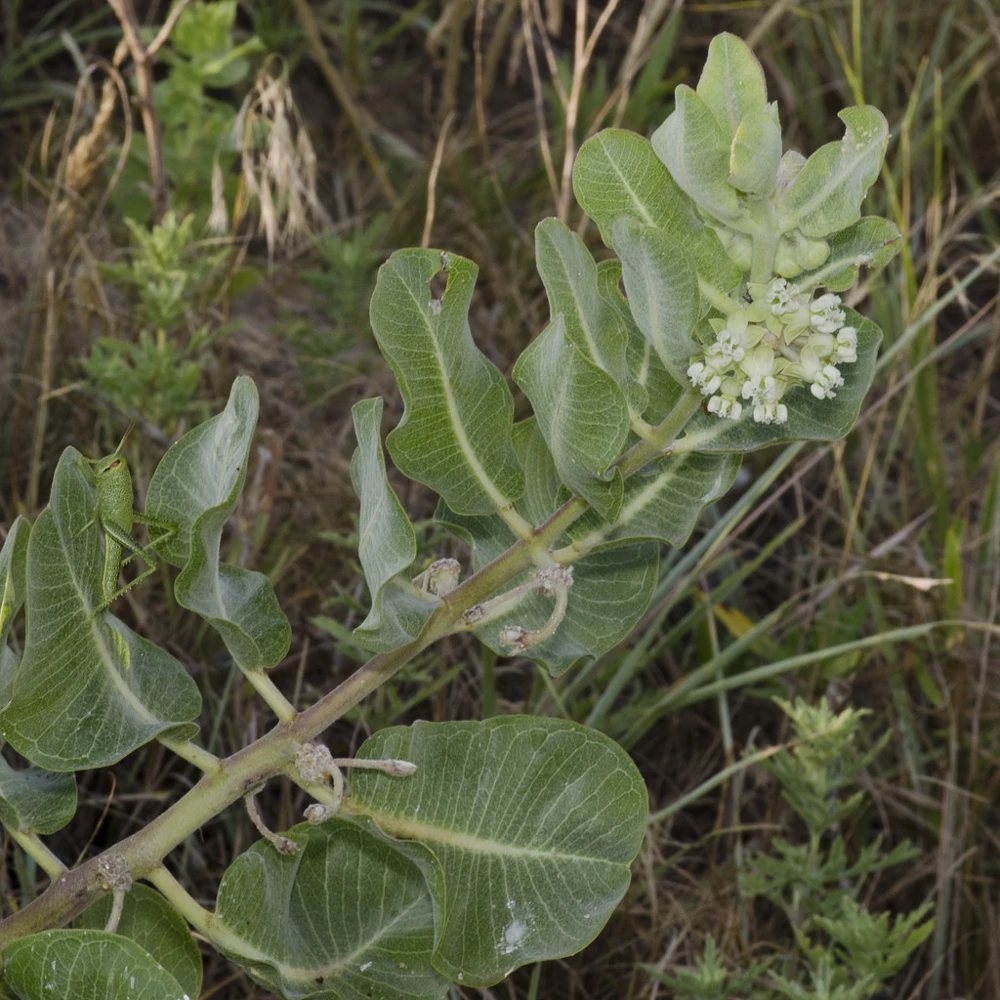
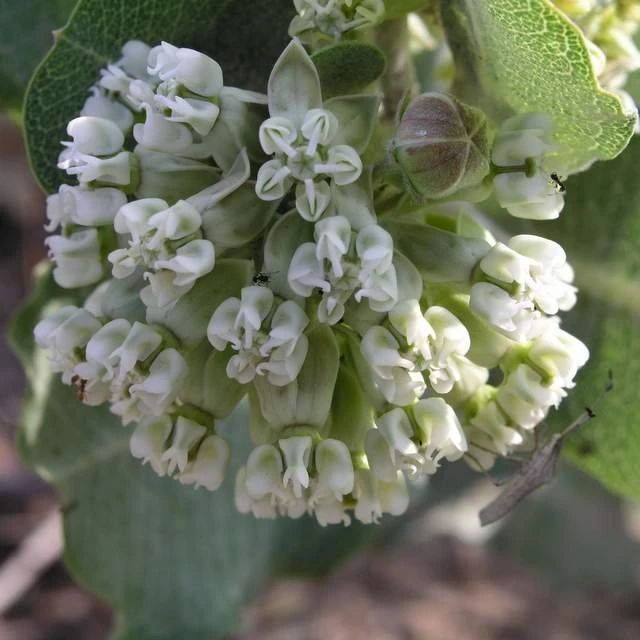
Asclepias arenaria Sand Milkweed Seeds – 10 Count Packet for Pollinators
Original price was: 48.99 $.23.99 $Current price is: 23.99 $.
Cultivate a vibrant pollinator habitat with Sand Milkweed seeds. This pack contains 10 seeds of Asclepias arenaria seeds, ideal for attracting monarch butterflies and other beneficial insects to your garden. Enjoy the beauty of native flora and support local ecosystems.
Estimated arrival
Oct 15
Oct 20 - Oct 22
Oct 22 - Oct 27
See our Shipping Policy.
Get in touch with us via email, and our team will review your concerns.
Our Alive & Thrive Guarantee covers issues with your plants within the first 30 days. Read our Refund & Returns Policy.
-
USDA Hardiness Zone
USDA zones 6-9 -
Soil Type
Sandy, well-draining soil -
Sunlight Exposure
Full sun -
Expected Planting Period
Late fall or early spring
Overview
Discover the joy of growing native plants with our premium Sand Milkweed seeds. This offering includes a packet of 10 seeds of Asclepias arenaria seeds, a vital native plant specifically adapted to sandy soils. Also known as Sand Milkweed, this species is a crucial host plant for monarch butterfly caterpillars, making it an essential addition to any pollinator-friendly garden. Its unique growth habit and ability to thrive in challenging conditions make it a rewarding choice for gardeners looking to support local wildlife. By planting these native milkweed seeds, you contribute directly to the conservation of monarch butterflies and other beneficial insects, providing them with necessary food and habitat. The delicate white to cream-colored flowers bloom in late spring to summer, adding a subtle beauty to your landscape while performing a critical ecological role. Cultivating Asclepias arenaria seeds is a small step that yields significant environmental benefits.
Key Benefits
Incorporating Sand Milkweed seeds into your garden offers a multitude of benefits, both aesthetic and ecological. These seeds provide an opportunity to create a thriving ecosystem right in your backyard.
- Monarch Butterfly Host Plant:Asclepias arenaria seeds are indispensable for the life cycle of monarch butterflies. The leaves are the sole food source for monarch caterpillars, ensuring the survival and proliferation of this iconic species in your garden.
- Attracts Diverse Pollinators: Beyond monarchs, the nectar-rich flowers of Sand Milkweed attract a wide array of other pollinators, including bees, wasps, and other butterfly species, enhancing biodiversity in your outdoor space.
- Drought-Tolerant and Low Maintenance: Once established, this native milkweed is remarkably resilient, requiring minimal water and care, especially in sandy, well-draining soils. It’s an excellent choice for gardeners seeking sustainable and easy-to-manage plants.
- Supports Native Ecosystems: Planting native milkweed seeds helps restore natural habitats and supports the intricate web of life that depends on native flora. It’s a meaningful way to give back to your local environment.
- Unique Garden Interest: With its distinctive foliage and understated blooms, Sand Milkweed adds a unique texture and form to perennial borders, rock gardens, or naturalized areas, offering beauty with a purpose.
- Erosion Control: Its deep root system can help stabilize sandy soils, making it beneficial for areas prone to erosion.
- Adaptable to Poor Soils: Unlike many garden plants, Sand Milkweed thrives in less fertile, sandy soils, making it perfect for challenging garden spots where other plants struggle.
Plant Care & Growing Tips
Growing Asclepias arenaria seeds successfully requires understanding its specific needs, particularly its preference for sandy, well-draining conditions. For optimal germination, these Sand Milkweed seeds often benefit from cold stratification. This can be achieved by placing the seeds in a moist medium (like sand or peat moss) in a sealed bag in your refrigerator for 30-60 days before planting. Once stratified, sow the seeds directly outdoors in late fall or early spring, or indoors 6-8 weeks before the last frost. Plant seeds about 1/4 inch deep. Sand Milkweed thrives in full sun, requiring at least 6 hours of direct sunlight per day to flower profusely and maintain a healthy growth habit. While it tolerates partial shade, flowering may be reduced.
When it comes to watering, Sand Milkweed seeds prefer drier conditions once established. Water regularly after planting to help seedlings establish, but reduce frequency as the plants mature. Overwatering, especially in heavy soils, can lead to root rot. Well-draining soil is paramount; sandy or rocky soils are ideal, reflecting its natural habitat. Amend heavy clay soils with sand and gravel to improve drainage if necessary. This plant is hardy in USDA zones 6-9, tolerating a range of temperatures once established. Fertilization is generally not required, as native milkweed seeds are adapted to nutrient-poor soils. If your soil is extremely poor, a light application of a balanced, slow-release fertilizer in spring may be beneficial. Watch out for aphids, a common pest for milkweeds; a strong spray of water or insecticidal soap can manage infestations. Providing a healthy environment for your pollinator garden seeds will ensure a thriving habitat.
Size & Details
This product includes a packet containing 10 Sand Milkweed seeds (Asclepias arenaria), ready for planting. Once established, Sand Milkweed typically grows to a height of 1-3 feet (30-90 cm) with a similar spread, forming an upright, somewhat open clump. The growth rate is moderate, with plants generally flowering in their second year from seed. Seeds are shipped in a protective packet to ensure viability upon arrival. Expect the plants to produce their characteristic white to cream-colored flowers from late spring through summer, providing continuous interest and a vital resource for pollinators. The plant’s deep taproot allows it to endure dry periods and helps it establish firmly in sandy substrates. These native milkweed seeds are an excellent choice for creating a sustainable and ecologically beneficial landscape.
Frequently Asked Questions
- Q: How big does this plant get? A: Sand Milkweed typically reaches a height of 1-3 feet (30-90 cm) and can spread similarly. Its mature size makes it suitable for various garden settings without becoming overly dominant.
- Q: Is this an indoor or outdoor plant? A: Asclepias arenaria seeds are intended for outdoor cultivation. This native species thrives in full sun conditions in garden beds, meadows, or naturalized areas, supporting outdoor ecosystems.
- Q: How much sunlight does it need? A: Sand Milkweed requires full sun, meaning at least 6 hours of direct sunlight daily, to ensure robust growth and abundant flowering. While it can tolerate some partial shade, flowering may be reduced.
- Q: Is this plant easy to care for? A: Yes, once established, Sand Milkweed seeds grow into a relatively low-maintenance plant, especially when planted in appropriate sandy, well-draining soil and full sun. It’s drought-tolerant and generally disease-resistant.
- Q: What condition will it arrive in? A: Your 10 Sand Milkweed seeds will arrive in a sealed packet, protected to maintain their viability and ensure they are ready for planting upon receipt.
- Q: How long until it blooms? A: From seed, Sand Milkweed typically begins to flower in its second year of growth. Once established, it will bloom reliably from late spring through summer, providing a long season of interest for your pollinator garden seeds.
- Q: Will it survive winter in my zone? A: Sand Milkweed is hardy in USDA Zones 6-9. In these zones, it is a perennial and will die back to the ground in winter, returning with new growth in the spring.
- Q: What type of soil is best for Sand Milkweed? A: The best soil for Sand Milkweed is sandy, well-draining soil. It is well-adapted to nutrient-poor conditions and does not tolerate heavy, waterlogged soils, which can lead to root rot.
Be the first to review “Asclepias arenaria Sand Milkweed Seeds – 10 Count Packet for Pollinators”
Related products


You May Like

Hardneck vs. Softneck Garlic: Which Should You Grow?
Have you ever stood in front of a seed catalog in mid-September, staring at dozens [...]
Oct

When to Plant Music Garlic: Ultimate US Fall Guide
Have you ever spent your fall weekend placing carefully chosen garlic cloves into rich, dark [...]
1 Comment
Oct

5 Best Bulbs for Fall Planting: Brighten Your Garden This Spring
Are you dreaming of a garden full of vibrant colors in the spring? The key [...]
Aug

10 Houseplants That Will Thrive in Your Kitchen
Are you tired of your kitchen feeling dull and lifeless? Want to add a little [...]
1 Comment
Aug
Reviews
There are no reviews yet.