
Asclepias Asperula Antelope Horns Seeds – 10 Seed Pack for Pollinators
Original price was: 47.99 $.22.99 $Current price is: 22.99 $.
Cultivate unique beauty and support local wildlife with our Asclepias asperula seeds. This pack contains 10 seeds of the distinctive Antelope Horns milkweed, known for its unusual seed pods and vital role in supporting monarch butterfly populations. Perfect for xeriscaping or native plant gardens.
Estimated arrival
Oct 15
Oct 20 - Oct 22
Oct 22 - Oct 27
See our Shipping Policy.
Get in touch with us via email, and our team will review your concerns.
Our Alive & Thrive Guarantee covers issues with your plants within the first 30 days. Read our Refund & Returns Policy.
-
USDA Hardiness Zone
USDA zones 4-9 -
Soil Type
Well-draining soil -
Sunlight Exposure
Full sun -
Expected Planting Period
Early spring (after stratification) or late fall (direct sow)
Overview
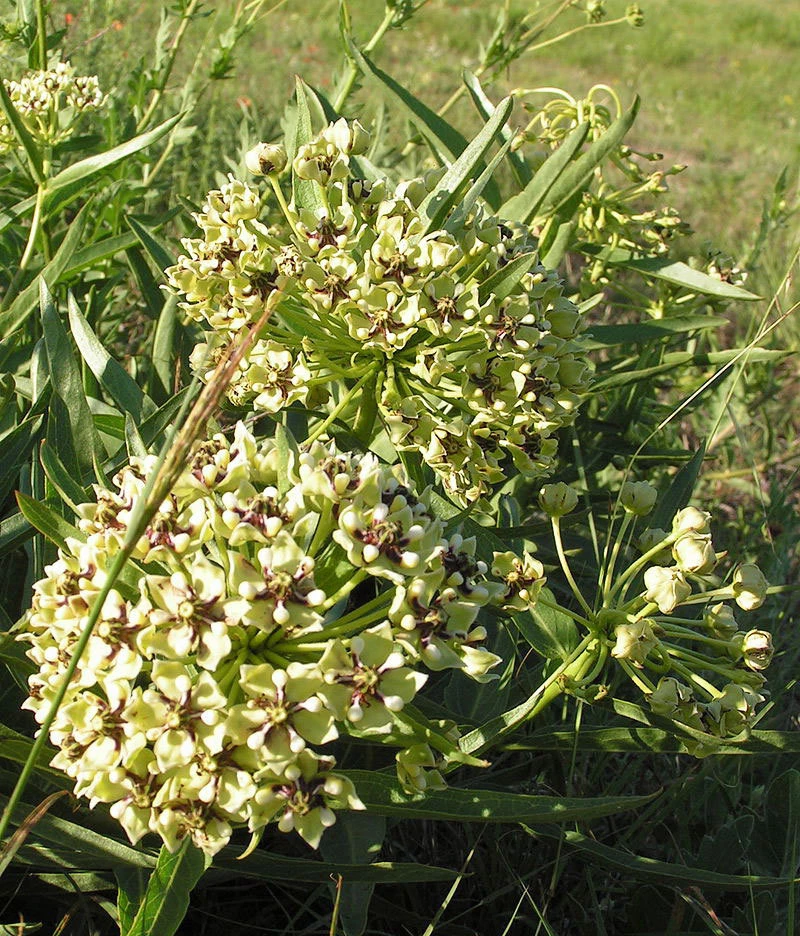
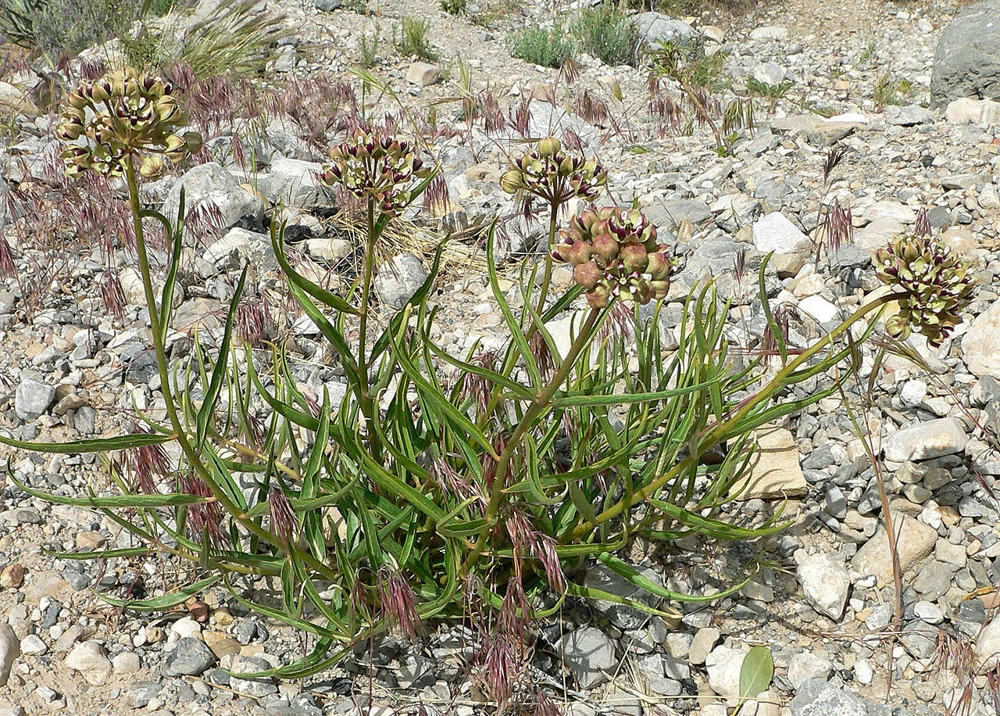
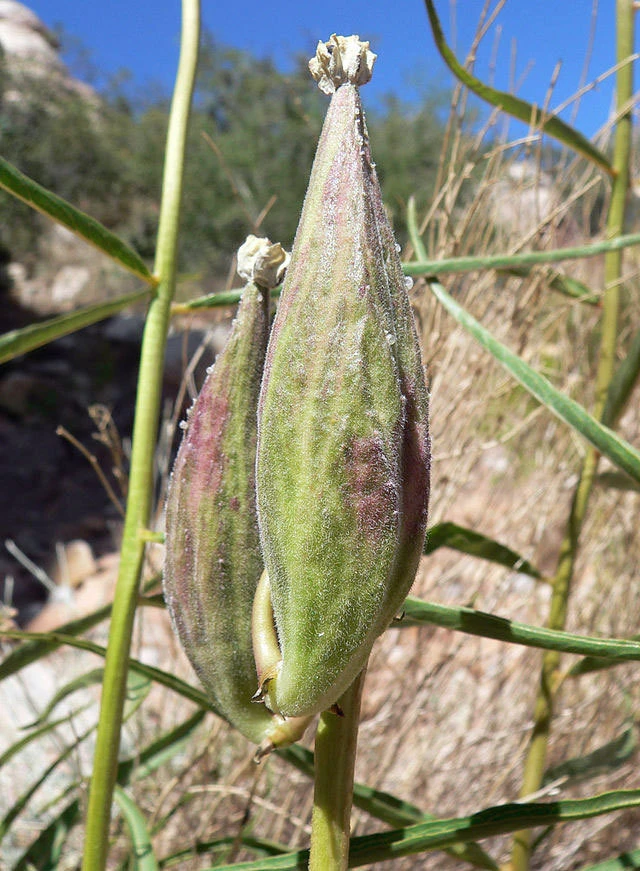
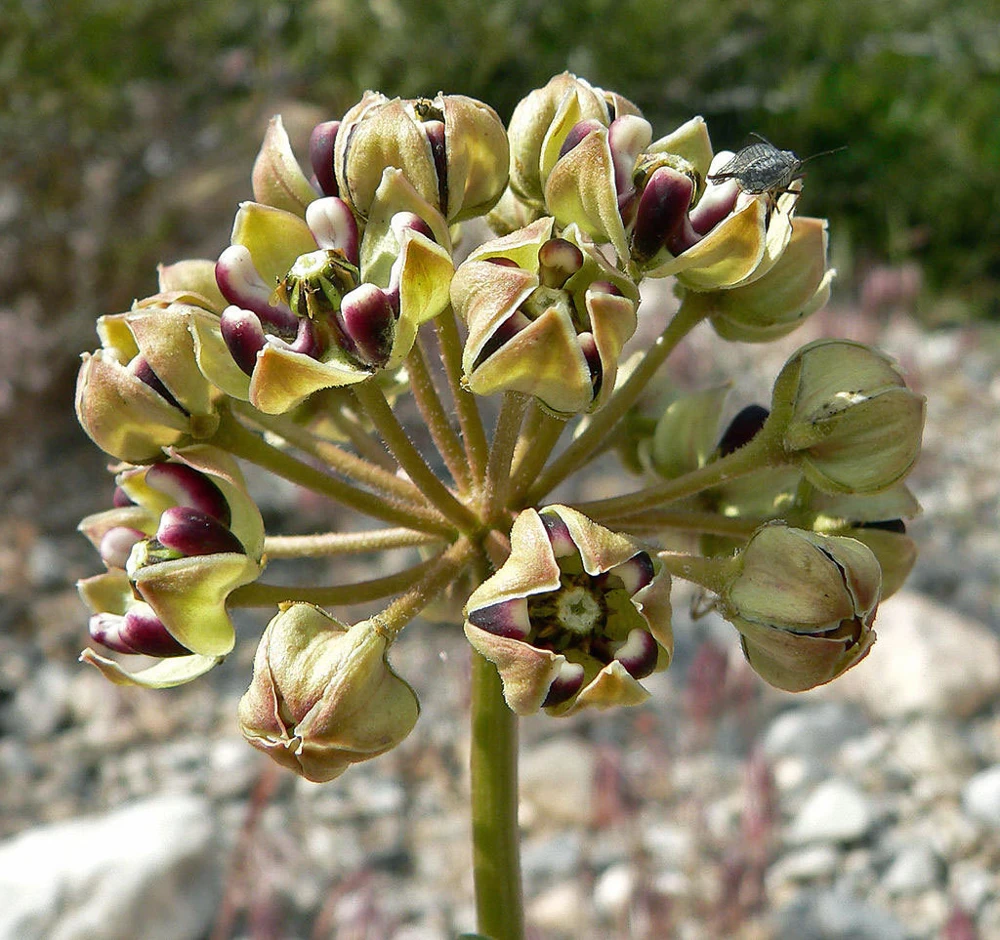
Discover the fascinating world of native plants with our premium Asclepias asperula seeds. This pack provides 10 seeds of the unique Antelope Horns milkweed, a species renowned for its intriguing horn-shaped seed pods and its crucial ecological role. Asclepias asperula, commonly known as Antelope Horns milkweed, is a resilient and visually interesting plant that thrives in various conditions. As a vital host plant for monarch butterfly caterpillars, growing this milkweed directly contributes to the conservation of these magnificent pollinators. Beyond its ecological benefits, the plant offers a distinctive aesthetic with its pale green flowers and characteristic seed pods, making it a wonderful addition to any native plant garden, xeriscape, or pollinator-friendly landscape. Start your journey in cultivating this remarkable native species today and enjoy the beauty and biodiversity it brings to your outdoor space.
These Asclepias asperula seeds are ideal for gardeners looking to create sustainable, low-maintenance landscapes that actively support local ecosystems. Whether you are an experienced gardener or just beginning your native plant journey, Antelope Horns milkweed is a rewarding species to grow from seed. Its unique appearance and ecological significance make it a standout choice for those passionate about native flora and fauna.
Key Benefits
Planting Asclepias asperula seeds offers a multitude of benefits for both your garden and the environment. This native milkweed species is a powerhouse for biodiversity, providing essential resources for local wildlife. Enjoy the satisfaction of nurturing a plant that truly makes a difference.
- Monarch Butterfly Host Plant:Antelope Horns milkweed is an indispensable food source for monarch butterfly caterpillars, directly aiding in the life cycle and conservation of these iconic pollinators. By growing this plant, you provide a critical habitat.
- Pollinator Attraction: The delicate flowers of Asclepias asperula attract a wide array of beneficial insects, including bees, other butterflies, and beneficial wasps, enhancing the overall health and productivity of your garden.
- Drought Tolerance: Once established, Antelope Horns milkweed is highly drought-tolerant, making it an excellent choice for xeriscaping or gardens in arid and semi-arid regions. It requires minimal watering, saving time and resources.
- Unique Ornamental Value: The striking, horn-shaped seed pods and subtle beauty of its flowers provide distinct visual interest throughout the growing season, adding an unusual and captivating element to your landscape.
- Native Plant Resilience: As a native species, Asclepias asperula is well-adapted to local climates and soils, requiring less intervention and generally being more resistant to local pests and diseases compared to non-native plants.
- Low Maintenance: This hardy plant thrives with minimal care once established, making it suitable for busy gardeners or those looking for an easy-to-grow native option.
- Supports Biodiversity: By integrating native plants like Asclepias asperula into your garden, you contribute to the restoration of local ecosystems, providing food and shelter for a variety of native wildlife.
Plant Care & Growing Tips
Growing Asclepias asperula from seed requires a bit of patience and understanding of its specific needs, particularly regarding germination. These seeds often benefit from a period of cold stratification to break dormancy. You can achieve this by placing the seeds in a moist paper towel inside a sealed plastic bag in your refrigerator for 30-60 days before planting. Alternatively, direct sow seeds outdoors in late fall or early winter, allowing nature to provide the necessary cold period.
Once ready to plant, choose a location with full sun exposure, meaning at least 6-8 hours of direct sunlight per day. Asclepias asperula thrives in well-draining soil and can tolerate a variety of soil types, including sandy, rocky, or clay soils, as long as drainage is adequate. Avoid overly rich or consistently wet soils, as this can lead to root rot. Plant the seeds about 1/4 inch deep and lightly cover them with soil. Keep the soil consistently moist until germination occurs, which can take several weeks after stratification. Once seedlings emerge, thin them to about 12-18 inches apart to allow for proper air circulation and growth. Established plants are highly drought-tolerant and will rarely need supplemental watering, except during prolonged dry spells. Fertilization is generally not necessary, as native plants are adapted to leaner soil conditions. This makes Asclepias asperula growing a relatively low-effort endeavor once the plants are established.
Size & Details
This product includes a pack of 10 high-quality Asclepias asperula seeds, ready for you to cultivate. When mature, Antelope Horns milkweed typically grows to a height of 1 to 3 feet (30-90 cm) with a similar spread, forming a sturdy, upright plant. Its growth rate is moderate, establishing well in its second year. The plant produces unique pale green to yellowish-green flowers, usually blooming from spring to early summer, followed by its characteristic horn-shaped seed pods that mature in late summer to fall. These pods eventually split open to release seeds with silky parachutes, which can be collected for future plantings or allowed to self-sow. The seeds are small and dark, ensuring a good start for your native garden. Expect plants to begin flowering in their second year after germination, providing essential resources for pollinators and unique visual interest.
Frequently Asked Questions
- Q: How many seeds are included in this pack? A: This pack contains 10 Asclepias asperula seeds, providing a good quantity to start your native milkweed patch and support pollinators.
- Q: Do these seeds need special treatment before planting? A: Yes, Asclepias asperula seeds generally require cold stratification for optimal germination. We recommend placing them in a moist paper towel in the refrigerator for 30-60 days before planting, or direct sowing in late fall.
- Q: Is this plant good for monarch butterflies? A: Absolutely! Antelope Horns milkweed is a critical host plant for monarch butterfly caterpillars, making it an excellent choice for supporting monarch populations in your garden.
- Q: How much sun does Asclepias asperula need? A: For best results, Asclepias asperula thrives in full sun, requiring at least 6-8 hours of direct sunlight per day. It can tolerate some partial shade but may have fewer blooms.
- Q: What kind of soil is best for these seeds? A: These seeds prefer well-draining soil. They are adaptable to various soil types, including sandy, rocky, or loamy, as long as water does not sit for extended periods.
- Q: Is this an indoor or outdoor plant? A: Asclepias asperula is an outdoor perennial plant native to North America. It is not typically grown as an indoor houseplant.
- Q: How tall does Antelope Horns milkweed get? A: Mature Asclepias asperula plants typically reach a height of 1 to 3 feet (30-90 cm).
- Q: When is the best time to plant these seeds? A: If you are cold stratifying, plant the seeds outdoors in early spring after the last frost. If direct sowing, plant in late fall or early winter to allow for natural cold stratification.
- Q: Is this plant drought-tolerant? A: Yes, once established, Antelope Horns milkweed is highly drought-tolerant, making it a great choice for water-wise gardening and xeriscaping.
- Q: How long until these seeds bloom? A: Asclepias asperula typically begins to flower in its second year of growth after germination, providing blooms from spring to early summer.
Be the first to review “Asclepias Asperula Antelope Horns Seeds – 10 Seed Pack for Pollinators”
Related products


You May Like

Hardneck vs. Softneck Garlic: Which Should You Grow?
Have you ever stood in front of a seed catalog in mid-September, staring at dozens [...]
Oct

When to Plant Music Garlic: Ultimate US Fall Guide
Have you ever spent your fall weekend placing carefully chosen garlic cloves into rich, dark [...]
1 Comment
Oct

5 Best Bulbs for Fall Planting: Brighten Your Garden This Spring
Are you dreaming of a garden full of vibrant colors in the spring? The key [...]
Aug

10 Houseplants That Will Thrive in Your Kitchen
Are you tired of your kitchen feeling dull and lifeless? Want to add a little [...]
1 Comment
Aug
Reviews
There are no reviews yet.