
Black Gum Tree 12-24″ Tall – Nyssa sylvatica Bare Root Live Plant – Outdoor
Original price was: 34.00 $.24.99 $Current price is: 24.99 $.
Bring vibrant autumn color to your garden with the black gum tree live plant. This Nyssa sylvatica care friendly native tree, also known as black tupelo tree, arrives as a 12-24″ tall bare root starter. Valued for its stunning fall foliage and adaptability, it’s an excellent choice for a native shade tree.
Estimated arrival
Oct 19
Oct 24 - Oct 26
Oct 26 - Oct 31
See our Shipping Policy.
Get in touch with us via email, and our team will review your concerns.
Our Alive & Thrive Guarantee covers issues with your plants within the first 30 days. Read our Refund & Returns Policy.
-
USDA Hardiness Zone
USDA zones 4-9 -
Soil Type
Moist, acidic, well-draining soil (adaptable to wet or dry) -
Sunlight Exposure
Full sun to partial shade -
Expected Planting Period
Early spring or fall
Overview
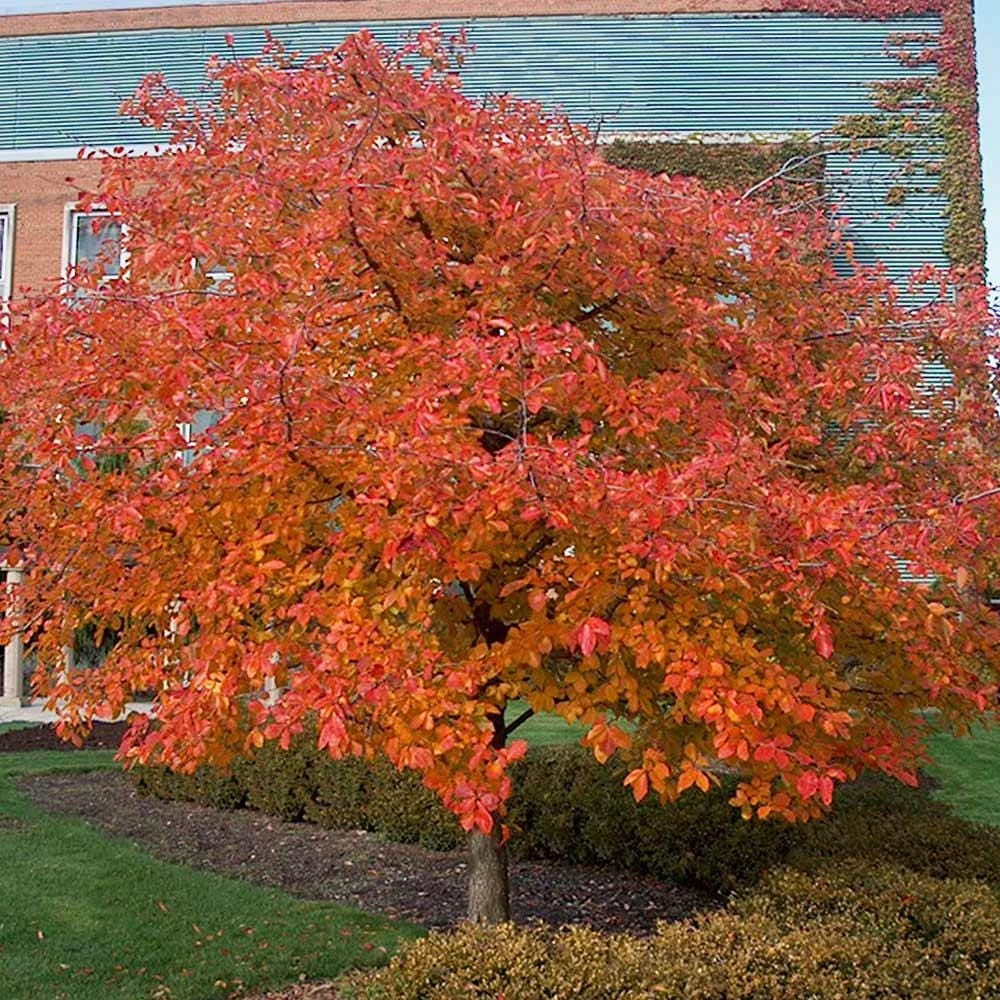
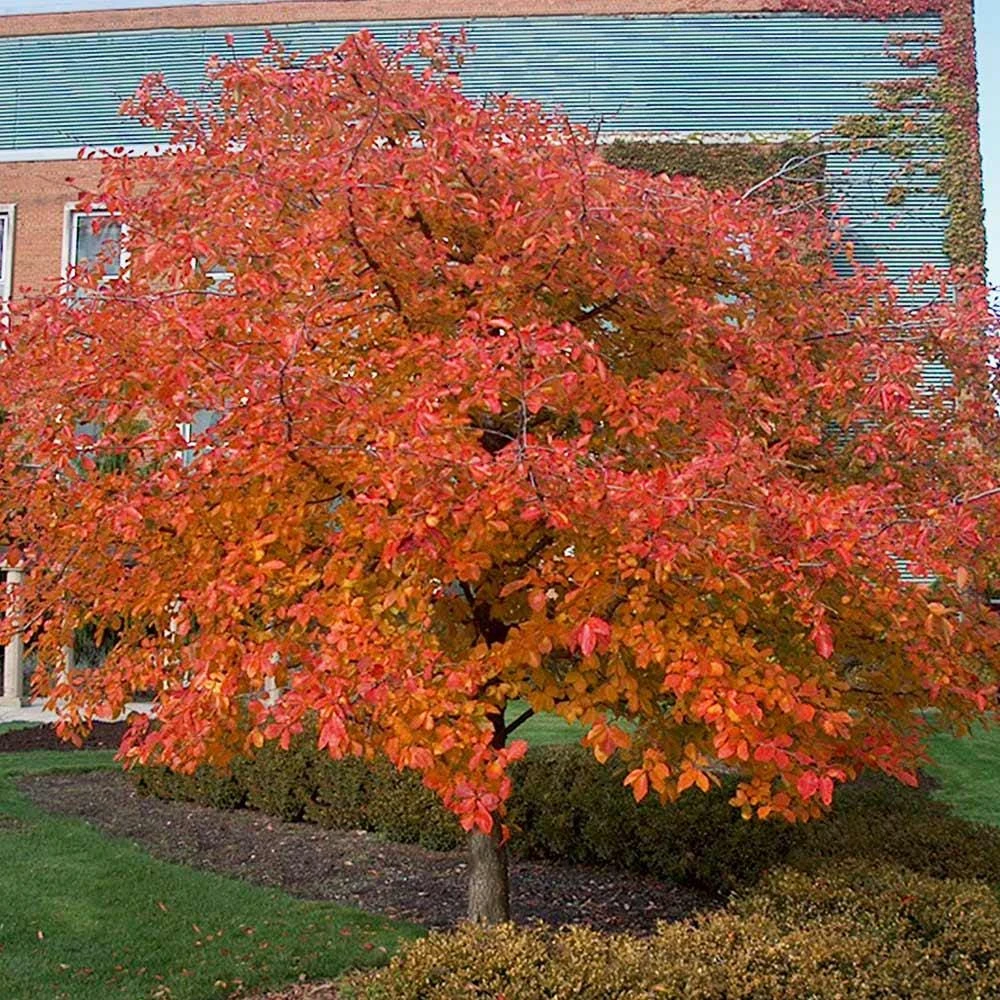
Introduce a touch of natural elegance and spectacular autumn hues to your landscape with the black gum tree live plant. This resilient and captivating native tree, scientifically known as Nyssa sylvatica, is also commonly referred to as the black tupelo tree or sour gum. Prized for its brilliant, multi-colored fall foliage that transitions from yellow to orange, scarlet, and purple, it creates a breathtaking display. As a bare root starter plant, this black gum tree live plant provides an economical and effective way to establish a long-lived, low-maintenance specimen in your garden. It’s an essential addition for anyone seeking a durable and beautiful native shade tree that contributes significantly to local ecosystems.
The Nyssa sylvatica is not only visually appealing but also highly beneficial for wildlife, offering nectar to pollinators in spring and berries to birds in late summer and fall. Its adaptability to various soil conditions, once established, makes it a reliable choice for diverse landscaping projects. Whether you’re looking to enhance a woodland garden, create a naturalized area, or simply add a stunning focal point, the black gum tree live plant promises years of beauty and ecological value.
Key Benefits
The black gum tree live plant offers a multitude of advantages for any landscape, making it a highly desirable choice for gardeners and nature enthusiasts alike. Its unique characteristics contribute both aesthetic appeal and ecological benefits.
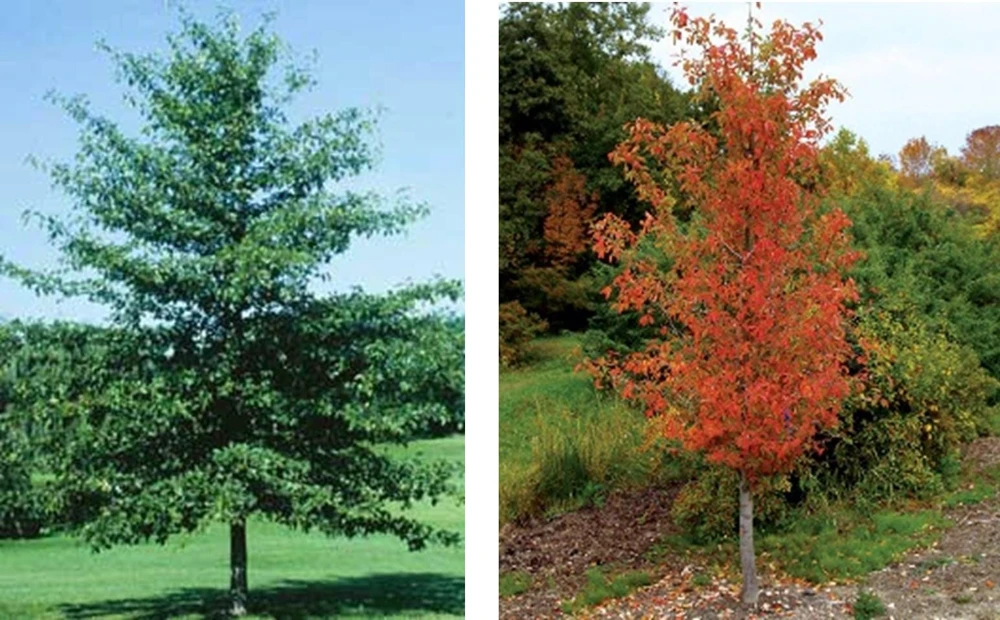
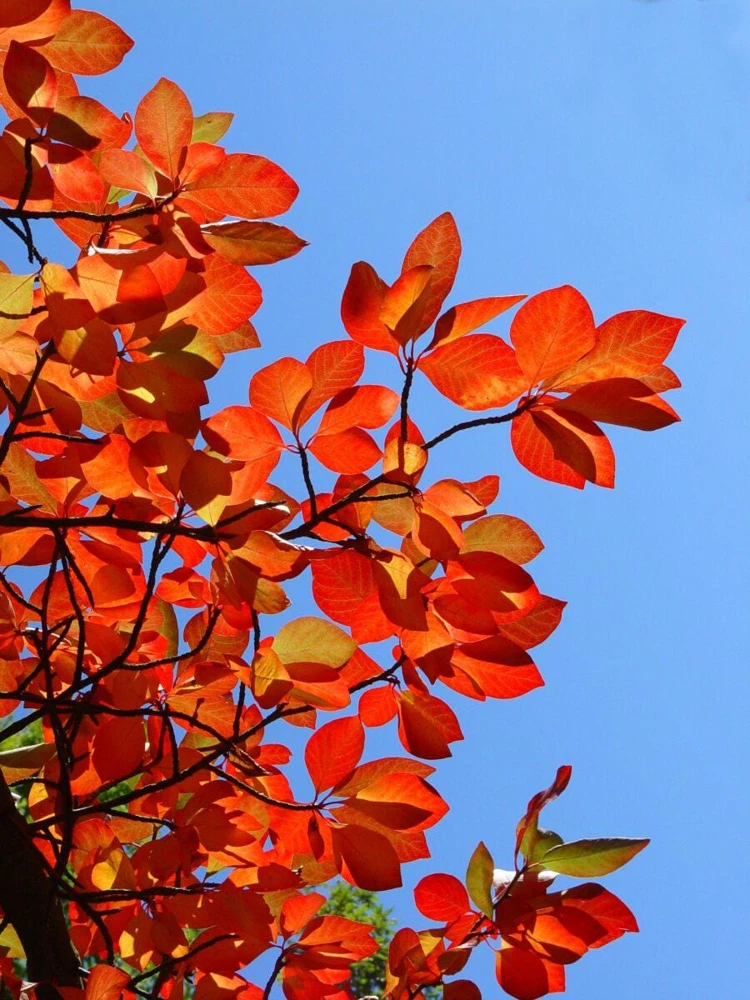
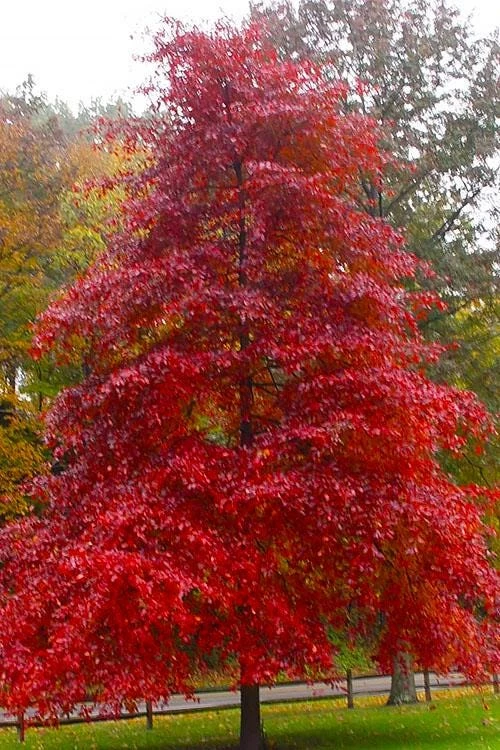
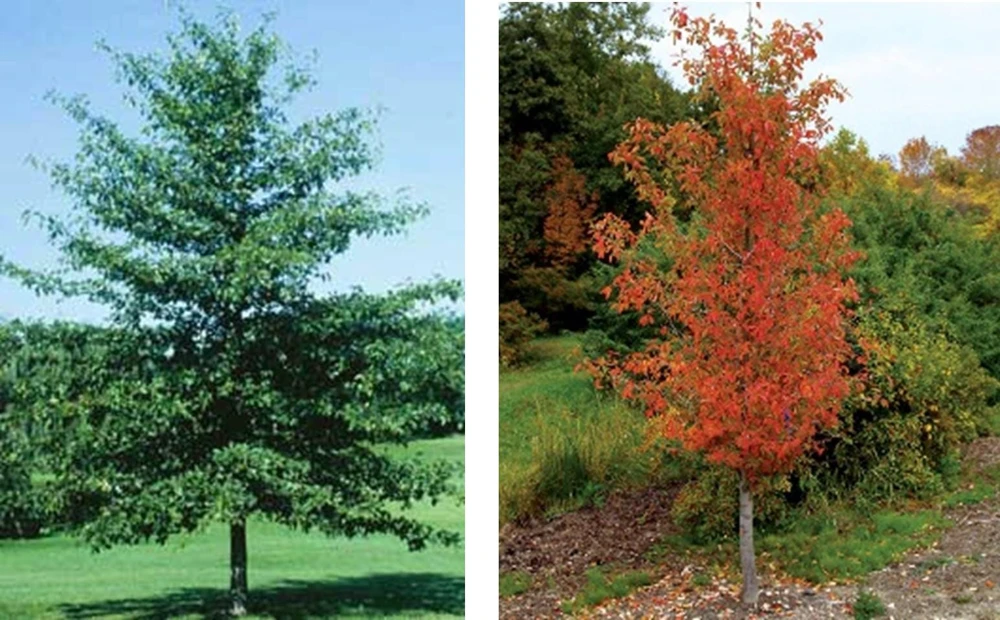
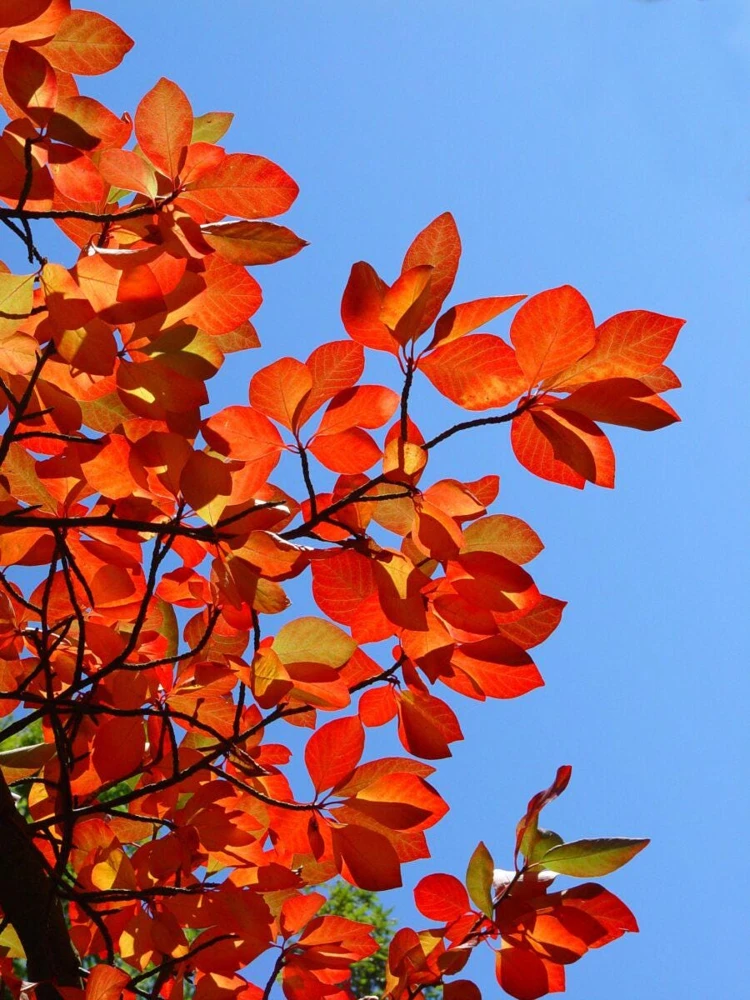
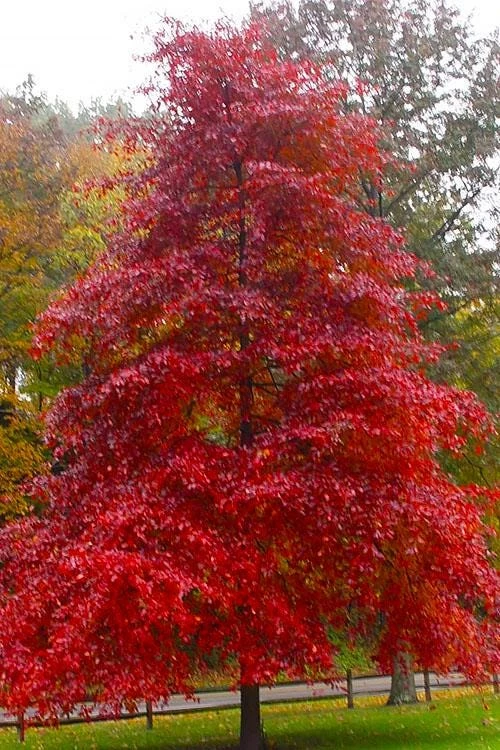
- Spectacular Fall Color: Witness a brilliant transformation each autumn as the leaves of the black gum tree live plant turn vibrant shades of yellow, orange, red, and purple, providing an unparalleled seasonal display. This feature alone makes it a standout choice for adding dramatic visual interest.
- Wildlife Attractor: This native tree is a valuable asset to local wildlife. Its small, inconspicuous flowers provide nectar for bees in spring, while its dark blue berries are a crucial food source for many bird species in late summer and fall, supporting biodiversity in your garden.
- Low Maintenance & Resilient: Once established, the Nyssa sylvatica requires minimal care, making it an excellent option for busy gardeners. It exhibits strong resistance to pests and diseases and tolerates a wide range of growing conditions.
- Adaptable to Various Soils: Known for its resilience, the black gum tree live plant can thrive in both wet and dry soil conditions. This adaptability makes it suitable for planting in areas where other trees might struggle, such as near water features or in drier landscape zones.
- Attractive Form & Texture: Beyond its fall color, the black gum develops a handsome, rounded to pyramidal crown with attractive horizontal branching as it matures. Its deeply ridged bark adds textural interest to the winter landscape.
- Native Species: As a native tree, planting black gum tree live plant contributes to the ecological health of your region, supporting native wildlife and requiring fewer resources once established compared to non-native alternatives.
- Excellent Shade Provider: With its substantial size at maturity, the black gum tree live plant develops into a magnificent native shade tree, perfect for cooling your home or creating comfortable outdoor living spaces.
Plant Care & Growing Tips
Caring for your black gum tree live plant is relatively straightforward, especially once it’s established. Understanding its needs will ensure healthy growth and the vibrant fall display it’s famous for. When considering nyssa sylvatica care, remember its adaptability, but also its preferences for optimal development.
For sunlight, the black gum tree live plant performs best in full sun to partial shade. Full sun (at least 6 hours of direct sunlight daily) will generally produce the most intense fall colors. While tolerant of various soil types, it prefers consistently moist, acidic, well-draining soil. It can adapt to both wet, swampy conditions and drier upland sites once its root system is established. When planting your bare root starter, ensure the hole is wide enough to accommodate the roots without bending them, and backfill with native soil. Water thoroughly after planting.
Regular watering is crucial during the first year of establishment, especially during dry spells. Aim for deep, infrequent watering to encourage a strong root system. Once mature, the black gum tree live plant is quite drought tolerant. Fertilization is generally not necessary in rich soils but can be beneficial in poor soils. Use a balanced, slow-release fertilizer in early spring. Pruning is usually limited to removing dead, damaged, or crossing branches to maintain a healthy structure. The black tupelo tree is hardy in USDA zones 4-9, making it suitable for a wide range of climates. This fall foliage tree is generally resistant to most pests and diseases, further simplifying its care routine.
Size & Details
This offering is for one black gum tree live plant, which arrives as a bare root starter. The plant typically measures between 12-24 inches tall upon shipment, providing a robust foundation for growth. Bare root plants are dormant and ship without soil around their roots, which helps reduce transplant shock and allows for easier planting. The Nyssa sylvatica is known for its moderate to fast growth rate, typically adding 1-2 feet per year under ideal conditions. At maturity, this magnificent native shade tree can reach heights of 30-50 feet with a spread of 20-30 feet, developing a stately, often pyramidal to rounded form.
Expected to live for many decades, the black gum tree will become a prominent feature in your landscape. While the initial growth may focus on root establishment, you can anticipate seeing its characteristic foliage and form develop over the first few years. The brilliant fall foliage tree colors will become more pronounced as the tree matures and experiences seasonal temperature changes. Planting in spring or fall is generally recommended for bare root trees to allow for root establishment before extreme weather conditions.
Frequently Asked Questions
- Q: How big does this black gum tree live plant get? A: At maturity, a black gum tree live plant can reach heights of 30-50 feet with a spread of 20-30 feet, developing a substantial canopy. It’s an excellent choice if you’re looking for a large native shade tree.
- Q: Is this an indoor or outdoor plant? A: The black gum tree live plant (Nyssa sylvatica) is an outdoor tree, best suited for planting in gardens, parks, or naturalized areas where it has ample space to grow. It is not suitable for indoor cultivation.
- Q: How much sunlight does the black tupelo tree need? A: This tree thrives in full sun (at least 6 hours of direct sunlight daily) to partial shade. Full sun exposure often leads to the most vibrant fall foliage tree colors.
- Q: Is this plant easy to care for? A: Yes, once established, the black gum tree live plant is considered low-maintenance. It’s resilient and adapts well to various conditions, making nyssa sylvatica care relatively easy for gardeners of all experience levels.
- Q: What condition will the black gum tree live plant arrive in? A: Your black gum tree will arrive as a bare root starter plant, meaning it will be dormant and shipped without soil around its roots. This is a common and effective method for shipping deciduous trees.
- Q: When is the best time to plant a bare root black gum tree? A: The ideal time to plant a bare root black gum tree live plant is in early spring, after the last hard frost, or in the fall, after leaf drop but before the ground freezes. This allows the roots to establish before extreme temperatures.
- Q: What USDA hardiness zones is this tree suitable for? A: The black gum tree live plant is hardy in USDA zones 4 through 9, making it adaptable to a wide range of climates across the United States. Ensure your zone falls within this range for optimal growth.
- Q: What kind of soil does the black tupelo tree prefer? A: While adaptable, the black tupelo tree prefers consistently moist, acidic, well-draining soil. However, it is notably tolerant of both wet and dry soil conditions once established.
- Q: Will this tree attract wildlife to my garden? A: Absolutely! The black gum tree live plant is highly valued for its ecological benefits. Its flowers provide nectar for pollinators, and its dark blue berries are a favorite food source for many bird species, making it a great choice for wildlife gardens.
- Q: Why is it called a ‘black gum’ or ‘sour gum’ tree? A: The common name ‘black gum’ likely refers to its dark bark and possibly a perceived gum-like sap, though it doesn’t produce a true gum. ‘Sour gum’ refers to the taste of its fruit, which is tart.
Be the first to review “Black Gum Tree 12-24″ Tall – Nyssa sylvatica Bare Root Live Plant – Outdoor”
Related products


You May Like

Hardneck vs. Softneck Garlic: Which Should You Grow?
Have you ever stood in front of a seed catalog in mid-September, staring at dozens [...]
Oct

When to Plant Music Garlic: Ultimate US Fall Guide
Have you ever spent your fall weekend placing carefully chosen garlic cloves into rich, dark [...]
1 Comment
Oct

5 Best Bulbs for Fall Planting: Brighten Your Garden This Spring
Are you dreaming of a garden full of vibrant colors in the spring? The key [...]
Aug

10 Houseplants That Will Thrive in Your Kitchen
Are you tired of your kitchen feeling dull and lifeless? Want to add a little [...]
1 Comment
Aug
Reviews
There are no reviews yet.