
Black-Pink Fuchsia Plant – Live Flower Fuchsia – 4-6 inch Tall – 5 Inch Pot
Original price was: 43.99 $.23.99 $Current price is: 23.99 $.
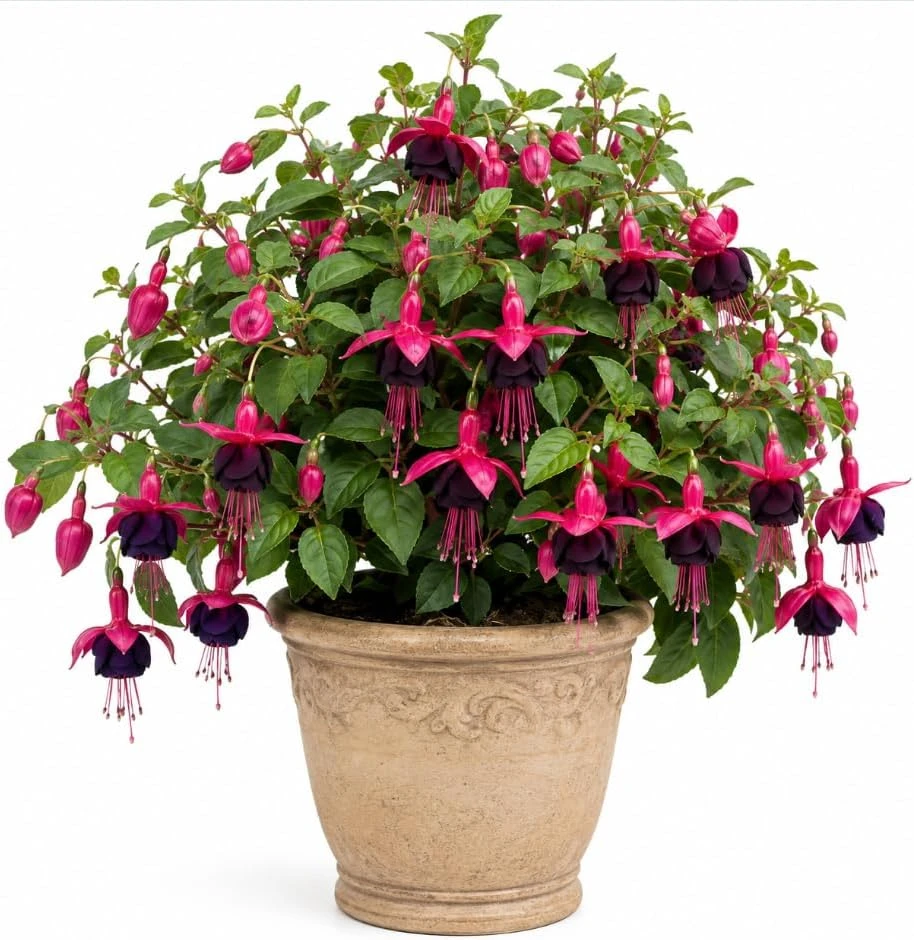
Bring vibrant color to your space with the black-pink fuchsia plant. This beautiful live flower fuchsia, standing 4-6 inches tall in a 5-inch pot, thrives in partial shade and produces stunning blooms from late spring through fall. Perfect for hanging baskets, containers, or garden beds.
Estimated arrival
Oct 17
Oct 22 - Oct 24
Oct 24 - Oct 29
See our Shipping Policy.
Get in touch with us via email, and our team will review your concerns.
Our Alive & Thrive Guarantee covers issues with your plants within the first 30 days. Read our Refund & Returns Policy.
-
USDA Hardiness Zone
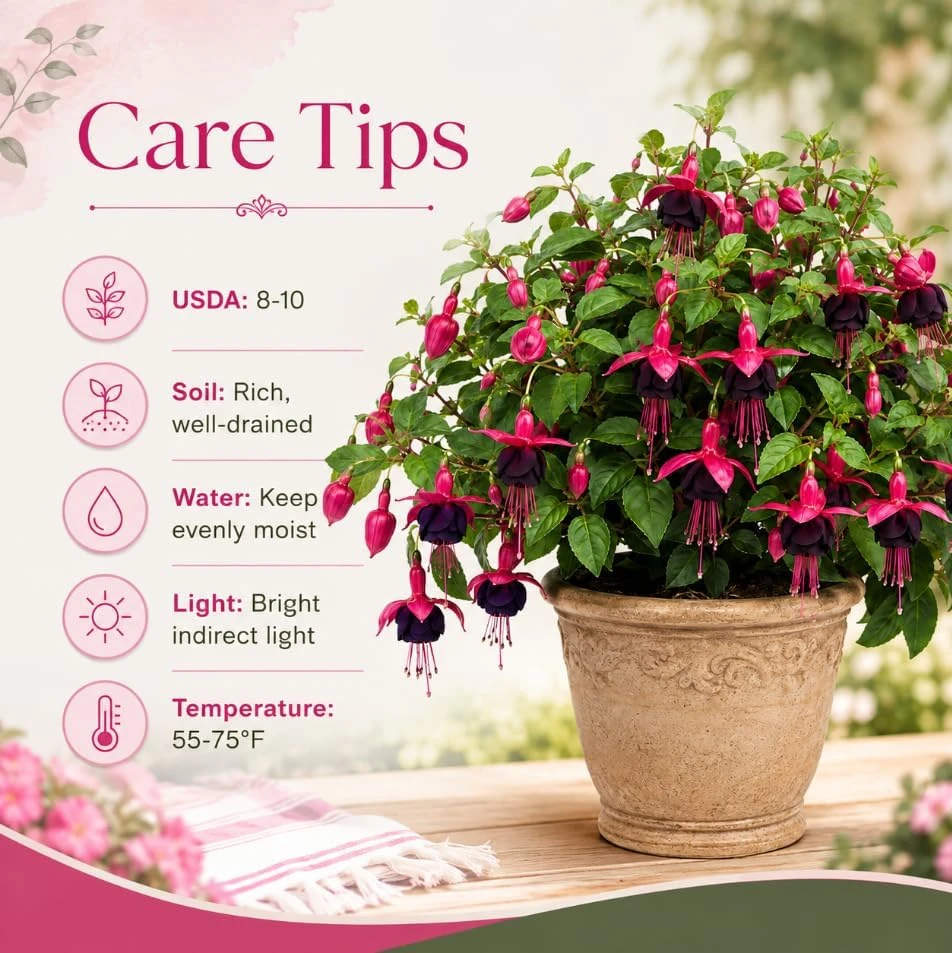
USDA Zones: 8-11 -
Soil Type
Well-draining soil -
Sunlight Exposure
Partial shade to bright indirect light -
Expected Planting Period
Late spring through fall (blooming season), year-round indoors
Overview
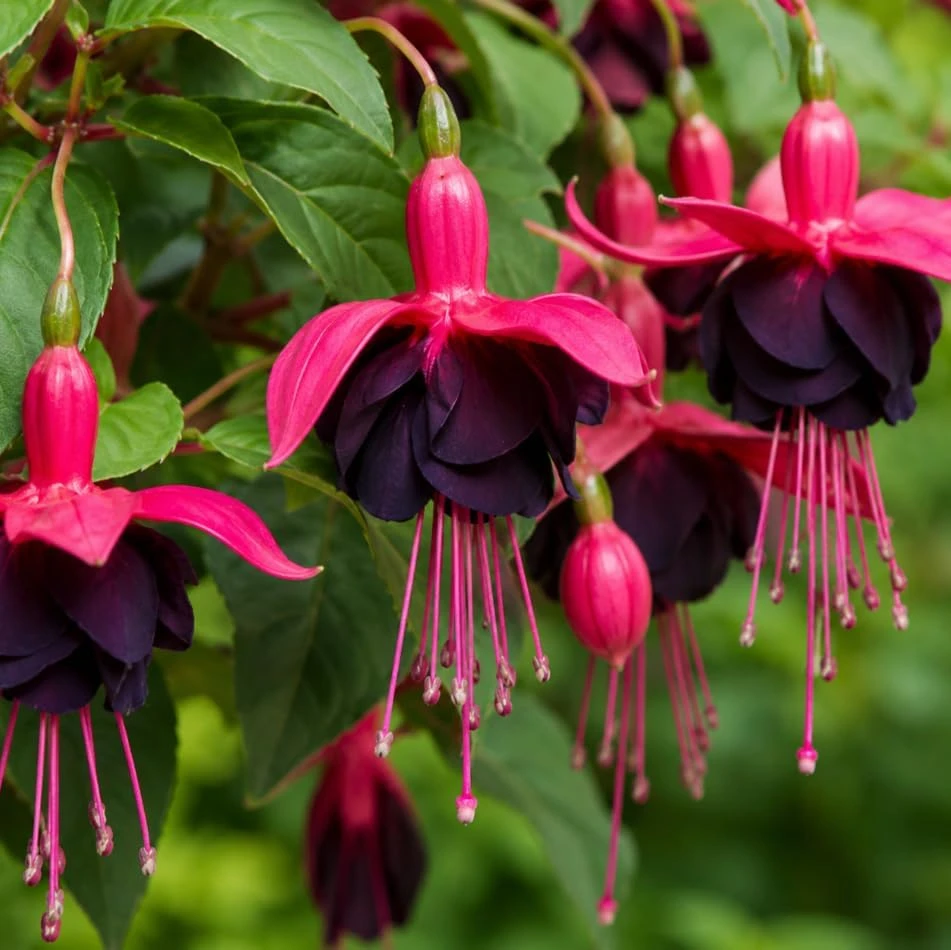
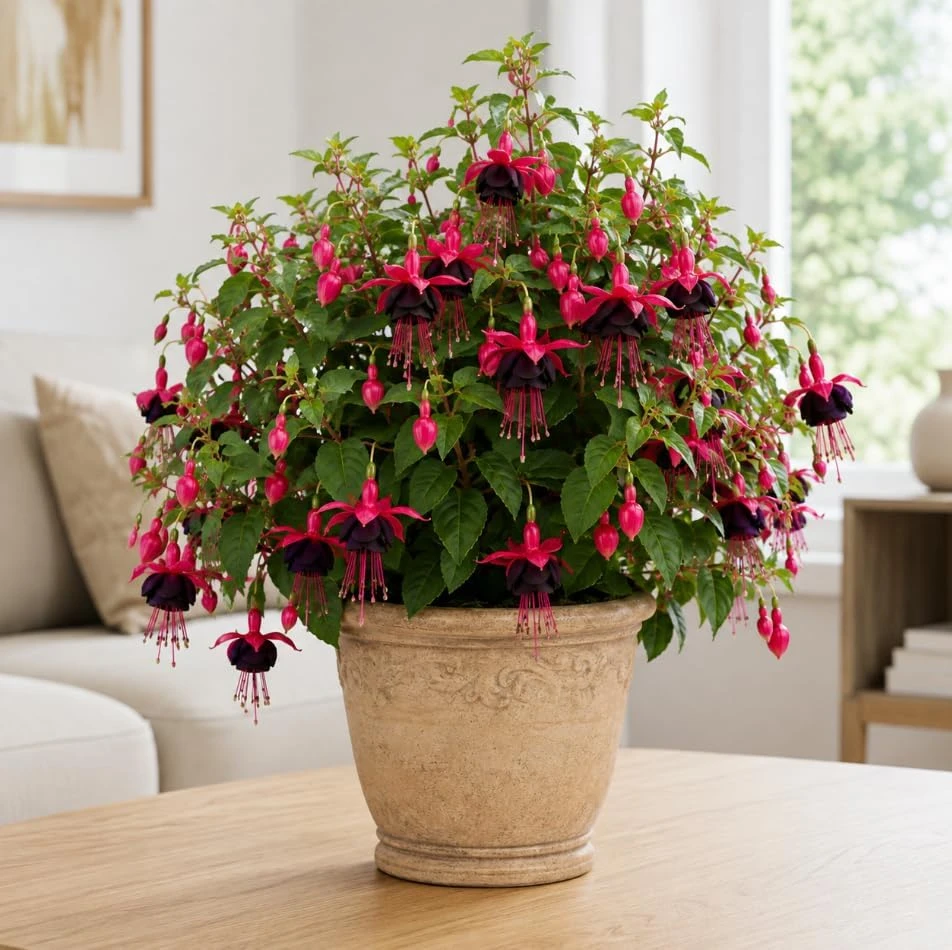
Introduce a touch of exotic elegance to your garden or patio with the captivating black-pink fuchsia plant. This stunning live fuchsia plant is renowned for its unique, pendulous, bell-shaped flowers, which feature a striking combination of deep black-purple sepals and vibrant pink corollas. Often referred to as a ‘dancing lady’ due to its graceful, hanging blooms, this variety will become a focal point wherever it’s placed. Ideal for hanging baskets, containers, or even as a small ‘fuchsia tree’ in a sheltered garden spot, this plant offers continuous visual interest from late spring well into the fall. Its intricate flowers are not only beautiful but also attract hummingbirds, bringing a lively buzz to your outdoor living areas. Growing a black-pink fuchsia plant is a rewarding experience for both novice and experienced gardeners.
Our black-pink fuchsia plant arrives as a healthy, established specimen, ready to flourish in its new home. It’s perfect for adding vertical interest to your garden or creating a lush, tropical feel on a shaded porch. The vibrant hues of black and pink create a dramatic contrast, ensuring that this plant captures attention. Whether you’re looking to enhance your existing plant collection or start a new one, this fuchsia offers both beauty and a relatively easy-care routine, making it a fantastic choice for any plant enthusiast.
Key Benefits
The black-pink fuchsia plant offers numerous advantages, making it a highly desirable addition to any plant collection. Its unique beauty and relatively straightforward care contribute to a delightful gardening experience. Here are some of the key benefits:
- Stunning Visual Appeal: The intricate, two-toned flowers with their deep black-purple and bright pink petals create a dramatic and elegant display. These ‘dancing’ blooms add dynamic movement to your garden or patio.
- Extended Blooming Season: Enjoy a long season of color, with abundant flowers appearing from late spring and continuing through the fall, providing continuous beauty for months. This makes it an excellent choice for sustained garden interest.
- Attracts Pollinators: The nectar-rich flowers are a favorite of hummingbirds, butterflies, and other beneficial pollinators, helping to bring life and ecological balance to your outdoor space.
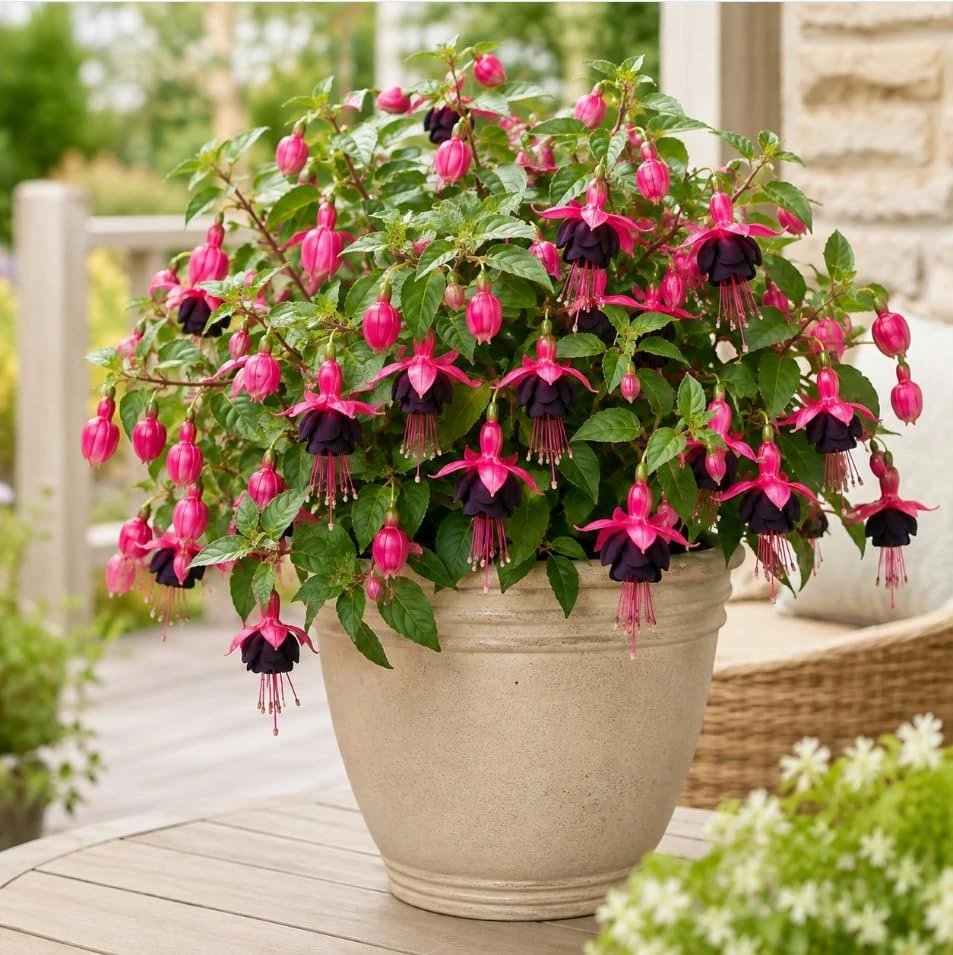
- Versatile Planting Options: This fuchsia is perfect for a variety of settings, including hanging baskets where its pendulous flowers can cascade beautifully, patio containers, or even as a small, upright ‘fuchsia tree in home garden‘ with proper training and support.
- Shade Tolerance: Unlike many flowering plants that demand full sun, this fuchsia thrives in partial to bright indirect light, making it an excellent choice for shadier spots in your garden or on your porch.
- Adds Tropical Flair: The exotic appearance of the fuchsia flowers instantly transports a tropical feel to any environment, creating a lush and inviting atmosphere.
- Relatively Easy Care: With consistent moisture and appropriate light, this fuchsia is a resilient and rewarding plant to grow, suitable for gardeners of various skill levels. Understanding fuchsia plant care ensures vibrant blooms.
Plant Care & Growing Tips
Proper fuchsia plant care is essential to ensure your black-pink fuchsia plant thrives and produces its spectacular blooms. These plants prefer specific conditions to truly flourish. When it comes to light, fuchsias generally prefer partial shade to bright indirect light. Avoid harsh, direct afternoon sun, especially in warmer climates, as this can scorch the delicate leaves and flowers. Morning sun is usually acceptable and can encourage more prolific blooming. If grown indoors, place it near a window with bright, filtered light.
Watering is crucial for fuchsias. They love consistently moist soil but absolutely detest being waterlogged. Ensure your plant is in well-draining soil, and water thoroughly when the top inch of soil feels dry to the touch. During hot weather or peak blooming season, this might mean daily watering. Reduce watering slightly in cooler months. Good drainage is paramount to prevent root rot. The ideal temperatures for this fuchsia are between 55°F and 75°F (13°C and 24°C). It is suitable for USDA Zones 8-11, meaning it can be overwintered outdoors in these regions. In colder zones, it should be brought indoors before the first frost.
Feed your black-pink fuchsia plant with a balanced liquid fertilizer every 2-4 weeks during its active growing and blooming season (late spring through fall). Reduce or stop fertilization during winter dormancy. Pruning is beneficial for maintaining shape and encouraging more flowers. Pinch back the tips of young plants to promote bushier growth. Deadhead spent fuchsia flowers regularly to encourage new blooms. Common pests include aphids and whiteflies; inspect your plant regularly and treat with insecticidal soap if necessary. Ensure good air circulation to prevent fungal issues. Following these guidelines will help you in growing fuchsia plants successfully.
Size & Details
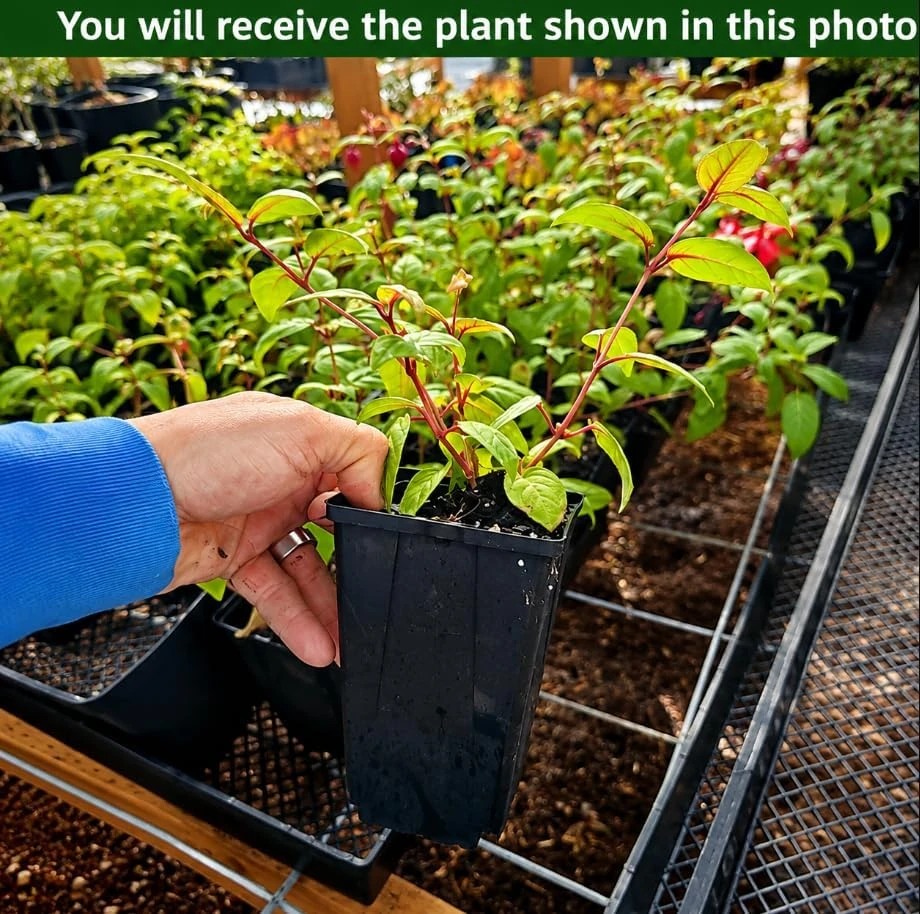
This black-pink fuchsia plant arrives as a healthy, actively growing specimen, measuring approximately 4-6 inches in height from the top of the soil. It is securely rooted in a 5-inch nursery pot, providing a good head start for its growth in your home garden. Fuchsias are known for their relatively fast growth rate under optimal conditions, quickly filling out hanging baskets or containers. Expect your plant to begin producing its stunning, pendulous blooms from late spring and continue throughout the fall, offering months of vibrant color and unique form. While the plant may arrive with some initial blooms or buds, its main flowering period will intensify as it settles into its new environment.
When mature, depending on pruning and growing conditions, this fuchsia can reach a height of 1-3 feet and a similar spread, especially when allowed to trail from a hanging basket. If trained as a ‘fuchsia tree in home garden,’ it can develop a more upright, compact form. The plant is shipped in its nursery pot with soil, ensuring minimal transplant shock and immediate establishment upon arrival. It is best to acclimate the plant to its new environment gradually, especially if moving from an indoor setting to an outdoor one, or vice-versa.
Frequently Asked Questions
- Q: How big does this fuchsia plant get? A: This black-pink fuchsia plant typically reaches 1-3 feet in height and spread, depending on growing conditions and whether it’s trained as a standard or allowed to trail. It arrives 4-6 inches tall in a 5-inch pot.
- Q: What size pot does it come in? A: The plant is delivered in a 5-inch nursery pot, perfectly sized for its current stage of growth and ready for transplanting or enjoying as is.
- Q: Is this an indoor or outdoor plant? A: This fuchsia can be grown both indoors and outdoors. It thrives outdoors in partial shade during warmer months (USDA Zones 8-11) and can be brought indoors as a houseplant in colder climates, making growing fuchsia plants versatile.
- Q: How much sunlight does it need? A: The black-pink fuchsia plant prefers partial shade to bright indirect light. Avoid direct, harsh afternoon sun, which can scorch its delicate foliage and flowers.
- Q: Is this plant easy to care for? A: Yes, with consistent watering and proper light, fuchsias are relatively easy to care for. They require consistently moist, well-draining soil and protection from extreme temperatures. Understanding fuchsia plant care is key.
- Q: What condition will it arrive in? A: Your fuchsia will arrive as a healthy, live plant in its nursery pot with soil, carefully packaged to ensure its safe journey and readiness for immediate enjoyment.
- Q: How long until it blooms? A: This fuchsia typically blooms from late spring through fall. Your plant may arrive with buds or flowers, and will continue to produce abundant fuchsia flowers throughout the season.
- Q: Will it survive winter in my zone? A: This fuchsia is hardy in USDA Zones 8-11. In colder zones, it should be brought indoors before the first frost to overwinter successfully.
- Q: How do I get my fuchsia to bloom more? A: To encourage more fuchsia flowers, ensure consistent moisture, fertilize regularly during the growing season, and deadhead spent blooms. Pinching back new growth also promotes bushier plants and more flowers.
- Q: What are the best uses for a fuchsia plant? A: This fuchsia is excellent for hanging baskets, patio containers, shaded garden beds, or as an elegant accent plant on a porch or balcony. It can even be trained into a small fuchsia tree in home garden.
Be the first to review “Black-Pink Fuchsia Plant – Live Flower Fuchsia – 4-6 inch Tall – 5 Inch Pot”
Related products


You May Like

Hardneck vs. Softneck Garlic: Which Should You Grow?
Have you ever stood in front of a seed catalog in mid-September, staring at dozens [...]
Oct

When to Plant Music Garlic: Ultimate US Fall Guide
Have you ever spent your fall weekend placing carefully chosen garlic cloves into rich, dark [...]
1 Comment
Oct

5 Best Bulbs for Fall Planting: Brighten Your Garden This Spring
Are you dreaming of a garden full of vibrant colors in the spring? The key [...]
Aug

10 Houseplants That Will Thrive in Your Kitchen
Are you tired of your kitchen feeling dull and lifeless? Want to add a little [...]
1 Comment
Aug
Reviews
There are no reviews yet.