
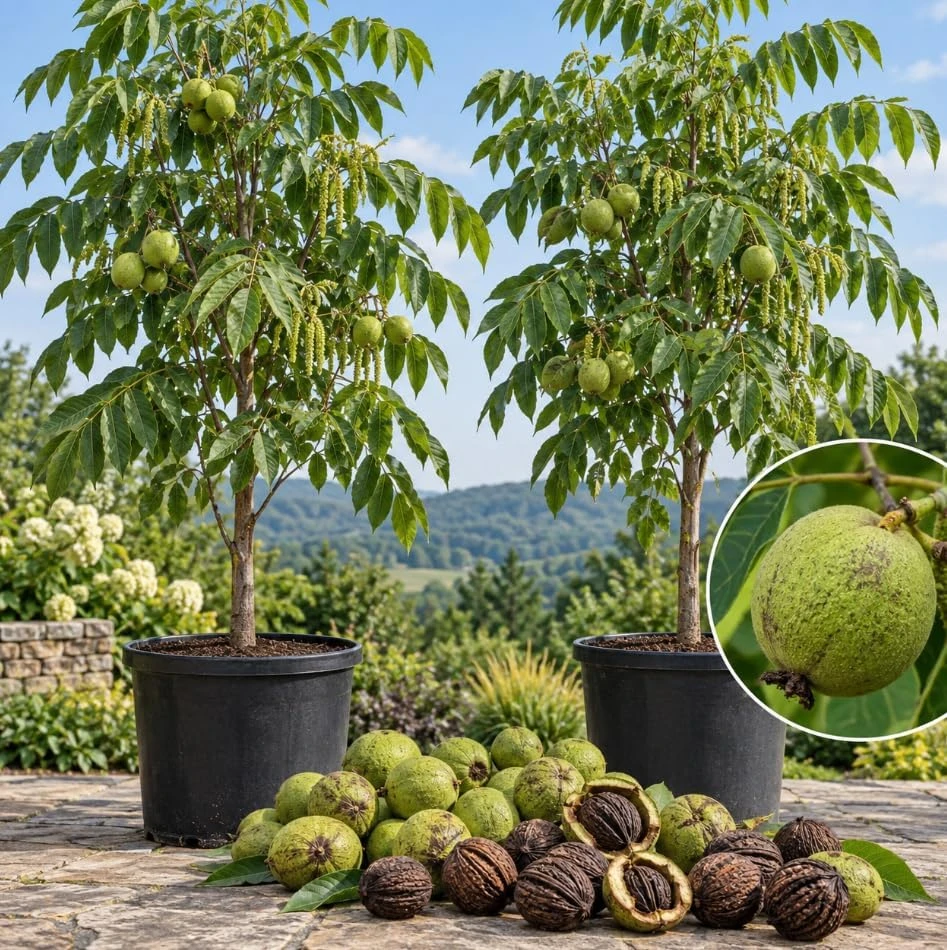
Black Walnut Trees Live Plants – Nut-Bearing, 2 Pack, 12-20 Inches Tall, Outdoor
59.99 $
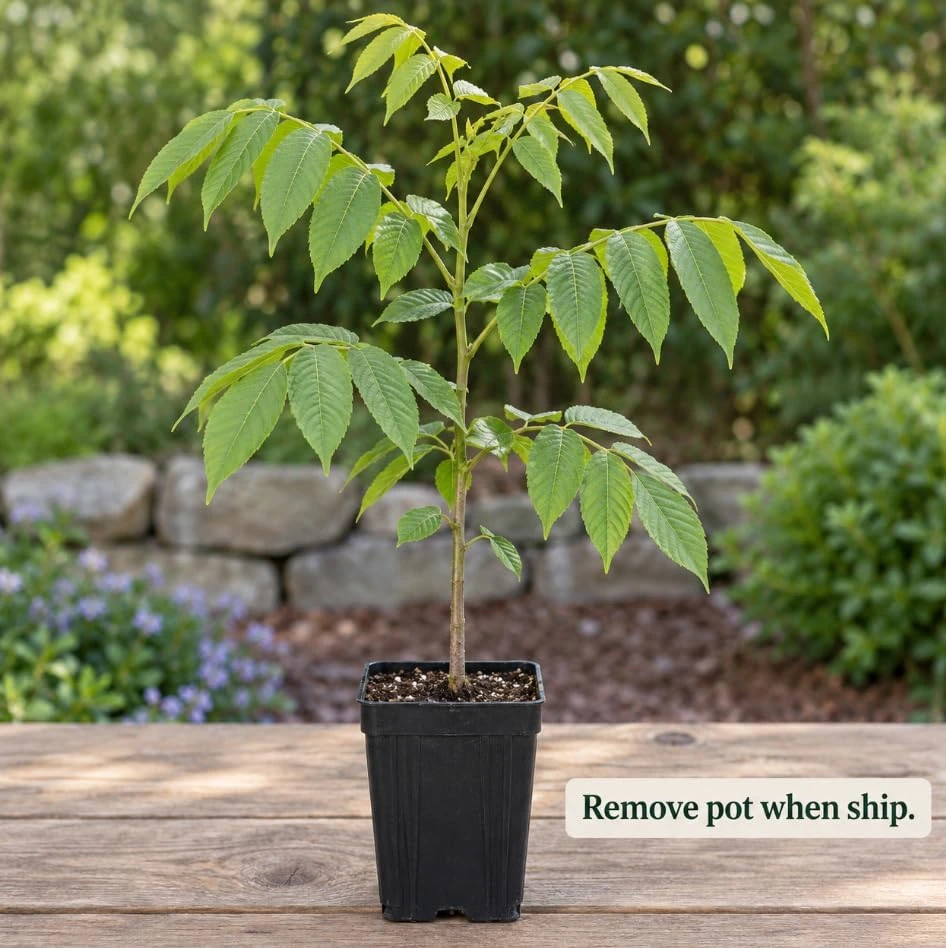
Cultivate your own harvest with this 2-pack of black walnut trees live plants. Each vigorous plant stands 12-20 inches tall, offering a robust start for a future of delicious, homegrown nuts. Ideal for outdoor landscapes, these hardy trees adapt well to various environments.
Estimated arrival
Oct 20
Oct 25 - Oct 27
Oct 27 - Nov 01
See our Shipping Policy.
Get in touch with us via email, and our team will review your concerns.
Our Alive & Thrive Guarantee covers issues with your plants within the first 30 days. Read our Refund & Returns Policy.
-
USDA Hardiness Zone
USDA Zones 4-9 -
Soil Type
Well-drained, fertile loam -
Sunlight Exposure
Full sun -
Expected Planting Period
Spring to early fall
Overview
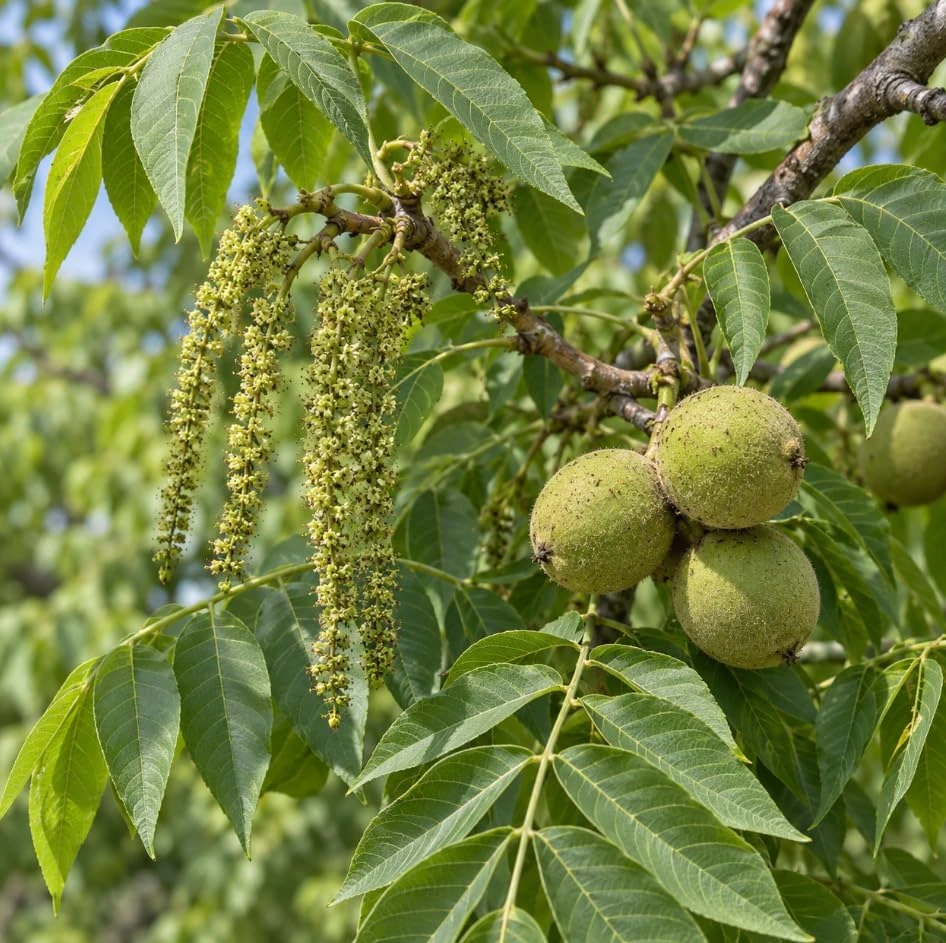
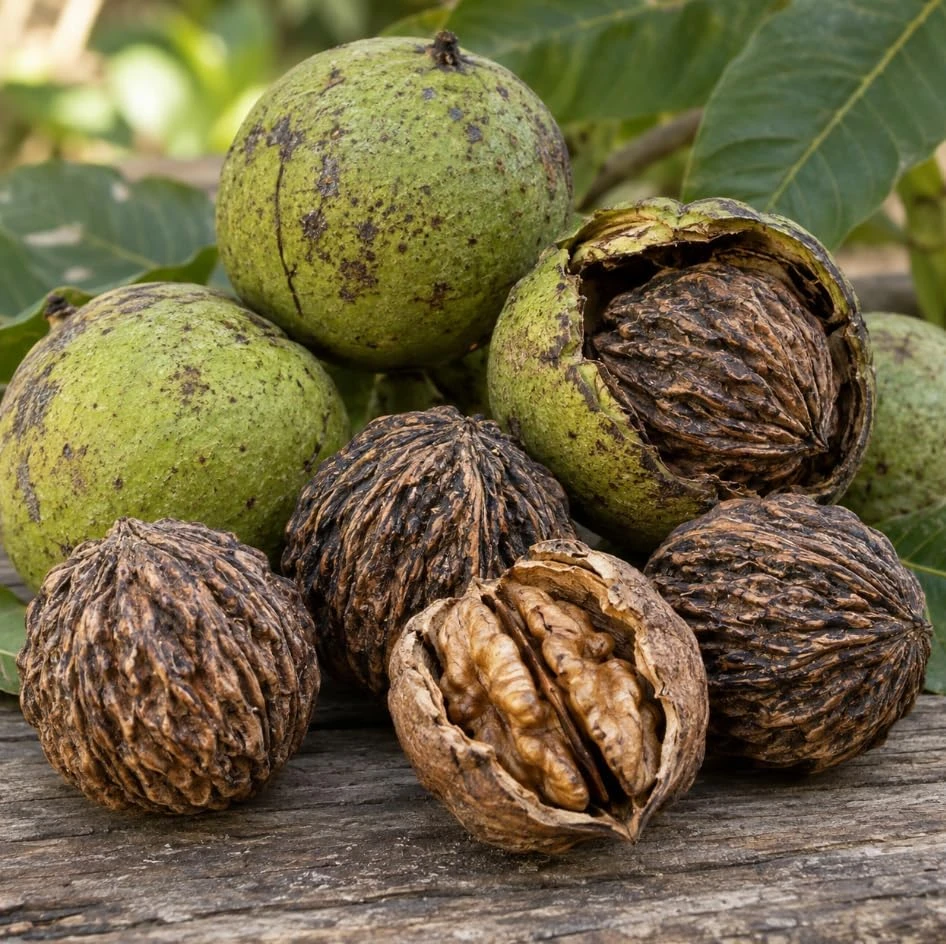
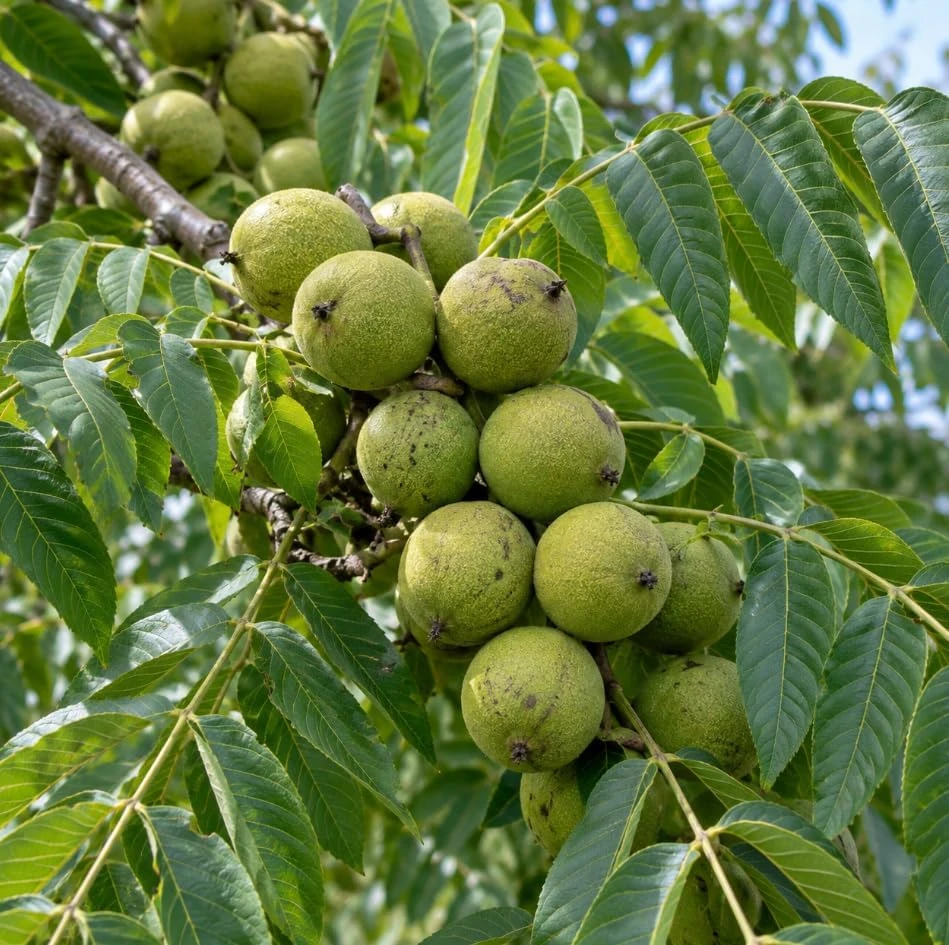
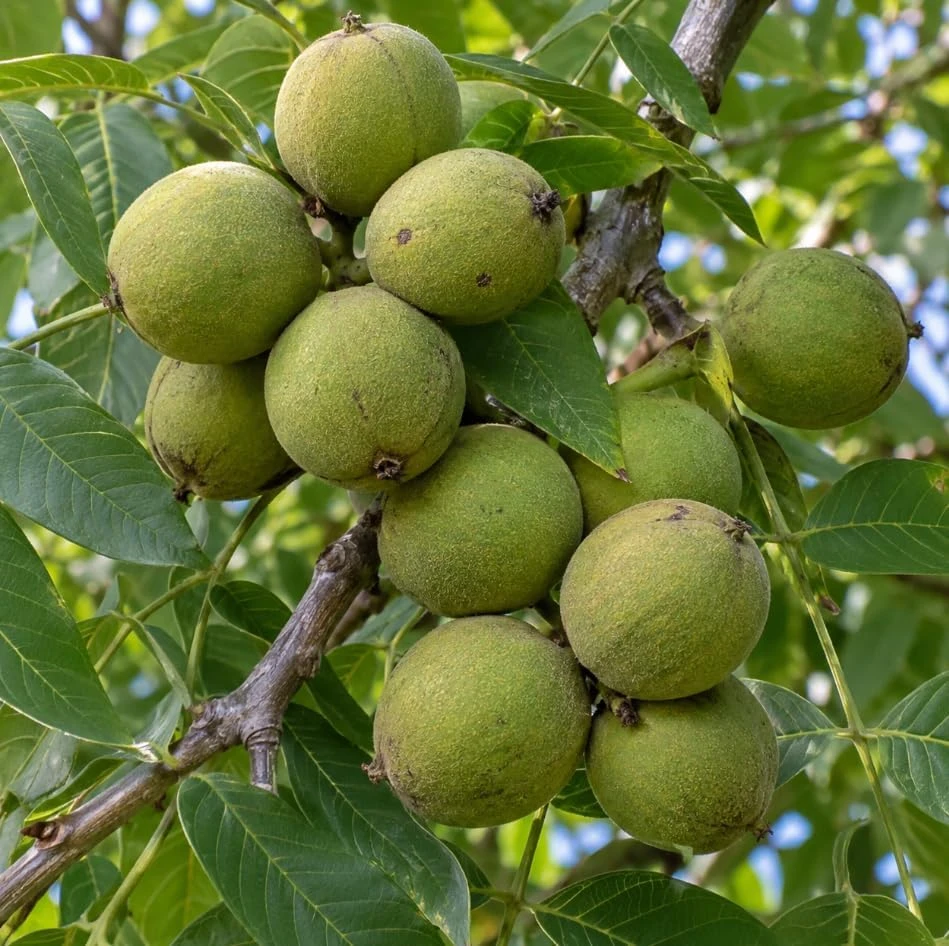
Embark on a rewarding gardening journey with our premium black walnut trees live plants. This offering includes two vibrant, young black walnut trees live plants, each measuring an impressive 12 to 20 inches tall, providing you with a significant head start in cultivating your very own nut-bearing orchard. Scientifically known as Juglans nigra, the black walnut tree is highly prized for its rich, flavorful nuts and its stately presence in the landscape. These deciduous trees are native to eastern North America and are celebrated for their strong timber, distinctive foliage, and, most importantly, their highly sought-after nuts. Whether you’re an experienced horticulturist or a budding gardener, these live plants are an excellent choice for adding both beauty and edible bounty to your property.
Our black walnut trees live plants are carefully grown to ensure health and vigor upon arrival. They are renowned for their hardiness once established, thriving in suitable conditions and promising a rewarding yield of nuts in the coming years. Planting these trees is not just an investment in your garden’s aesthetic; it’s an investment in a sustainable food source and a legacy for future generations. Prepare to enjoy the satisfaction of harvesting your own black walnuts, perfect for baking, snacking, or sharing.
Key Benefits
Choosing to plant black walnut trees live plants brings a multitude of advantages to your home and garden, extending beyond just their delicious nuts. These trees offer both ecological and practical benefits that enhance any outdoor space.
- Sustainable Nut Production: Enjoy the satisfaction of harvesting your own fresh, flavorful black walnuts directly from your garden. These nuts are prized for their unique taste and nutritional value, perfect for culinary uses.
- Enhanced Landscape Value: Black walnut trees grow into magnificent, shade-producing specimens with attractive foliage, adding significant aesthetic appeal and value to your property. Their strong, spreading canopies create ideal spots for relaxation.
- Wildlife Attraction: The nuts provide a valuable food source for local wildlife, including squirrels and various bird species, contributing to local biodiversity.
- Long-Term Investment: Once established, black walnut trees live plants are incredibly hardy and long-lived, providing decades of enjoyment and nut production. They require relatively low maintenance after their initial establishment phase.
- Environmental Contribution: As mature trees, they contribute to air purification, carbon sequestration, and soil stability, playing a vital role in local ecosystems.
- Educational Opportunity: Growing these trees offers a wonderful learning experience for families, teaching about plant life cycles, sustainable living, and the joys of homegrown food.
- Timber Value: Beyond nuts, black walnut timber is highly valued for its strength and beauty, making these trees a potential long-term asset.
Plant Care & Growing Tips
Caring for your black walnut trees live plants is straightforward, especially once they are established. These trees prefer a site with full sun exposure, meaning at least 6-8 hours of direct sunlight per day. Adequate sunlight is crucial for robust growth and optimal nut production. When selecting a planting location, ensure there’s ample space for the tree to grow, as mature black walnuts can reach significant sizes, spreading their canopy over many years. They are known to produce juglone, a natural chemical that can inhibit the growth of certain other plants, so consider this when planning your garden layout. Plants sensitive to juglone include tomatoes, blueberries, and apples, among others.
Black walnut trees live plants thrive in well-drained, fertile soil. While they tolerate a range of soil types, a deep, rich loam is ideal. Ensure the planting site does not retain standing water, as walnuts are susceptible to root rot in waterlogged conditions. Regular watering is essential during the first few years after planting, especially during dry spells, to help the tree establish a strong root system. Once established, they become quite drought-tolerant. A layer of mulch around the base of the tree can help retain soil moisture, regulate soil temperature, and suppress weeds. Fertilization can be beneficial, particularly in the early years; a balanced, slow-release fertilizer applied in spring can encourage healthy growth. Pruning should focus on removing dead or diseased branches and shaping the tree for structural integrity and nut accessibility. Understanding black walnut tree care is key to a thriving plant.
These trees are generally hardy and resistant to many common pests and diseases. However, monitoring for issues like walnut blight or various insect pests is always a good practice. Addressing any problems early can prevent significant damage. The juglans nigra plants are suitable for a wide range of climates, generally hardy in USDA Zones 4-9. Winter dormancy is a natural part of their life cycle, where they shed their leaves and conserve energy for the next growing season. When considering growing black walnuts, proper site selection and consistent early care will set your trees up for long-term success and abundant harvests.
Size & Details
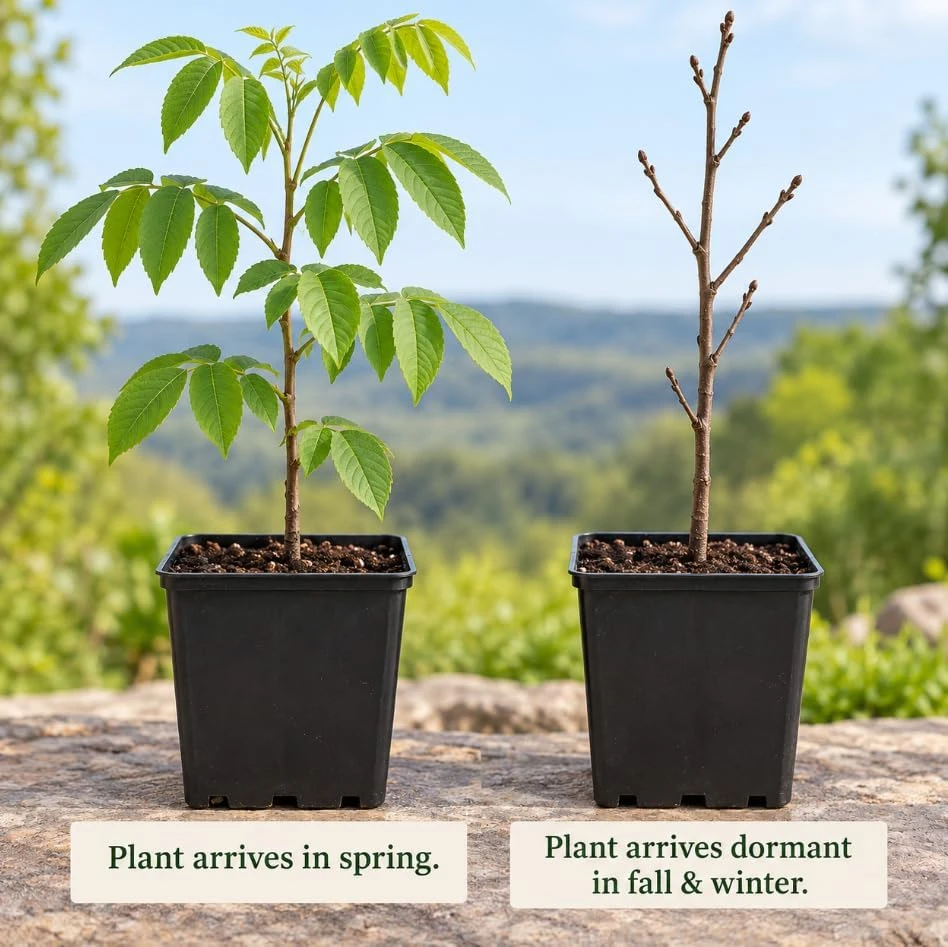
This offering provides two robust black walnut trees live plants, each standing proudly at a height of 12 to 20 inches tall. These young trees arrive ready for planting, offering a strong foundation for future growth in your yard or garden. They are shipped in a dormant state during winter months, which is ideal for transplanting and ensures they establish well in their new environment. Black walnut trees are known for their medium to fast growth rate, typically adding 1-2 feet per year once established. Over many years, they can reach impressive mature heights of 50-75 feet with a spread of 50-75 feet, forming a majestic canopy.
These plants are suitable for planting directly into the ground or can be grown in large containers initially, providing flexibility for various outdoor environments. For optimal development and nut production, planting in a spacious area that allows for their mature size is highly recommended. The plants will begin producing nuts within 7-10 years, with significant yields typically starting around 15-20 years. Each tree is carefully packaged to ensure it arrives healthy and ready for successful planting, helping you on your way to growing black walnuts.
Frequently Asked Questions
- Q: How big do these black walnut trees get? A: These black walnut trees live plants arrive 12-20 inches tall. At maturity, they can reach heights of 50-75 feet with a similar spread, so ensure you have ample space for their growth.
- Q: Are these plants suitable for all climates? A: Black walnut trees are generally hardy in USDA Zones 4-9. They are quite adaptable but thrive best in regions with distinct seasons.
- Q: How much sunlight do these trees need? A: For optimal growth and nut production, black walnut trees live plants require full sun exposure, meaning at least 6-8 hours of direct sunlight daily.
- Q: What kind of soil is best for black walnut trees? A: They prefer deep, fertile, well-drained loamy soil. Good drainage is crucial to prevent root issues.
- Q: When is the best time to plant these trees? A: Spring or early fall are generally the best times to plant black walnut trees, allowing them to establish their root systems before extreme temperatures.
- Q: How long until these trees produce nuts? A: You can typically expect your nut-bearing walnut trees to start producing nuts within 7-10 years, with more significant yields after 15-20 years.
- Q: Is this plant easy to care for? A: Once established, black walnut trees are relatively low-maintenance. Initial care involves consistent watering and proper site selection. Understanding black walnut tree care is key.
- Q: Will these trees affect other plants in my garden? A: Yes, juglans nigra plants produce juglone, a natural herbicide. Research juglone-tolerant plants if you plan to garden near your black walnut trees.
- Q: What condition will the plants arrive in? A: The plants will arrive as vibrant, live specimens, typically dormant if shipped during winter, carefully packaged to ensure their health.
- Q: Can I grow these in a container? A: While they can be started in large containers, for long-term health and mature growth, transplanting into the ground is highly recommended due to their large mature size.
Be the first to review “Black Walnut Trees Live Plants – Nut-Bearing, 2 Pack, 12-20 Inches Tall, Outdoor”
Related products


Trees
Guava Tree Live Plant Pink Tropical Fruit 4-10in Tall Well Rooted for Gardening USDA Zones 9-11


You May Like

Hardneck vs. Softneck Garlic: Which Should You Grow?
Have you ever stood in front of a seed catalog in mid-September, staring at dozens [...]
Oct

When to Plant Music Garlic: Ultimate US Fall Guide
Have you ever spent your fall weekend placing carefully chosen garlic cloves into rich, dark [...]
1 Comment
Oct

5 Best Bulbs for Fall Planting: Brighten Your Garden This Spring
Are you dreaming of a garden full of vibrant colors in the spring? The key [...]
Aug

10 Houseplants That Will Thrive in Your Kitchen
Are you tired of your kitchen feeling dull and lifeless? Want to add a little [...]
1 Comment
Aug
Reviews
There are no reviews yet.