
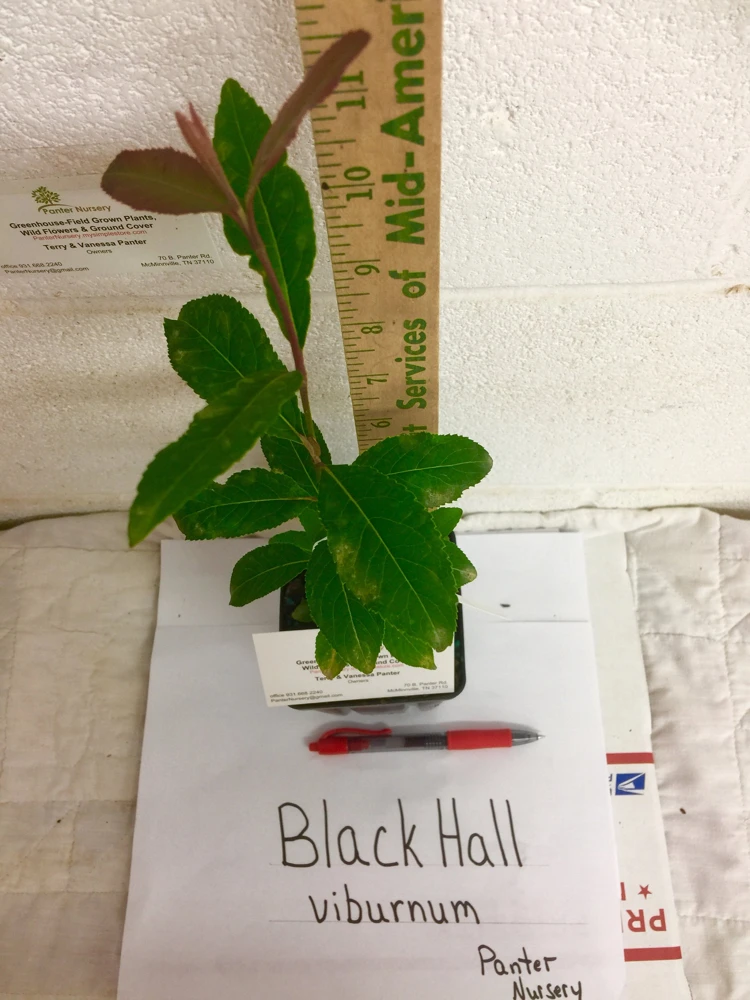
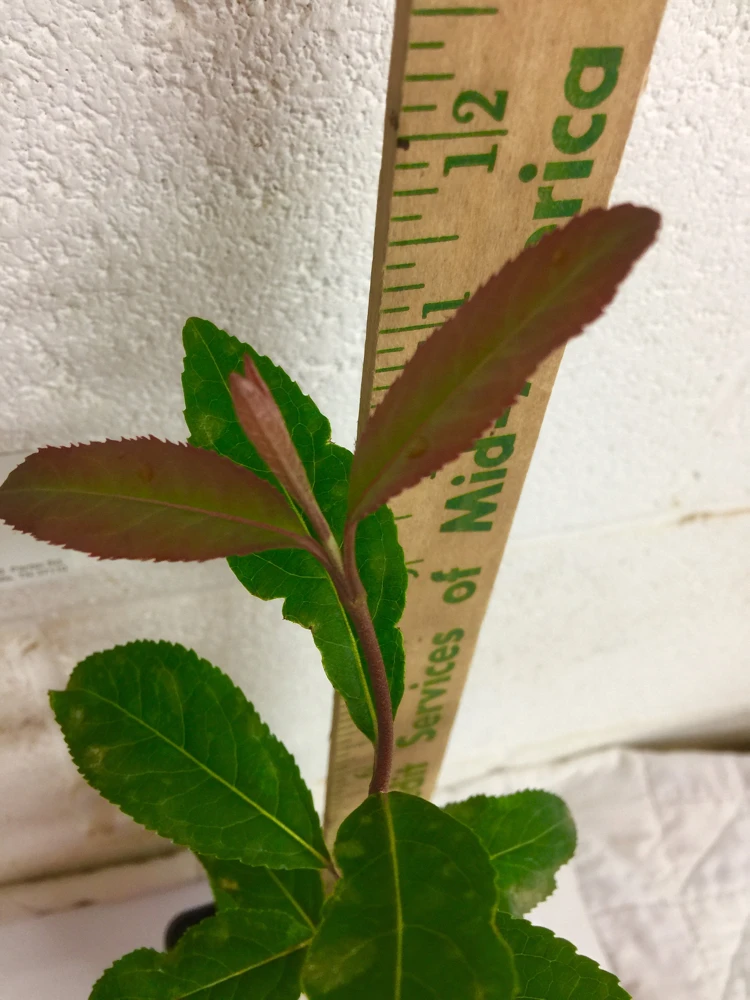
Blackhaw Viburnum Live Plant – 6-12 inch, 4 inch Pot, Zones 3-9, Outdoor Shrub
Original price was: 41.91 $.21.91 $Current price is: 21.91 $.
Enhance your landscape with a blackhaw viburnum live plant, supplied 6-12 inches tall in a 4-inch pot. This versatile shrub offers year-round interest with white spring flowers, bird-attracting berries, and vibrant fall color. Perfect for hedges, screens, or specimen planting, it’s hardy in USDA Zones 3-9.
Estimated arrival
Oct 15
Oct 20 - Oct 22
Oct 22 - Oct 27
See our Shipping Policy.
Get in touch with us via email, and our team will review your concerns.
Our Alive & Thrive Guarantee covers issues with your plants within the first 30 days. Read our Refund & Returns Policy.
-
USDA Hardiness Zone
USDA Zones 3-9 -
Soil Type
Well-draining, moist, acidic to neutral soil -
Sunlight Exposure
Full sun to partial shade -
Expected Planting Period
Spring to early summer
Overview
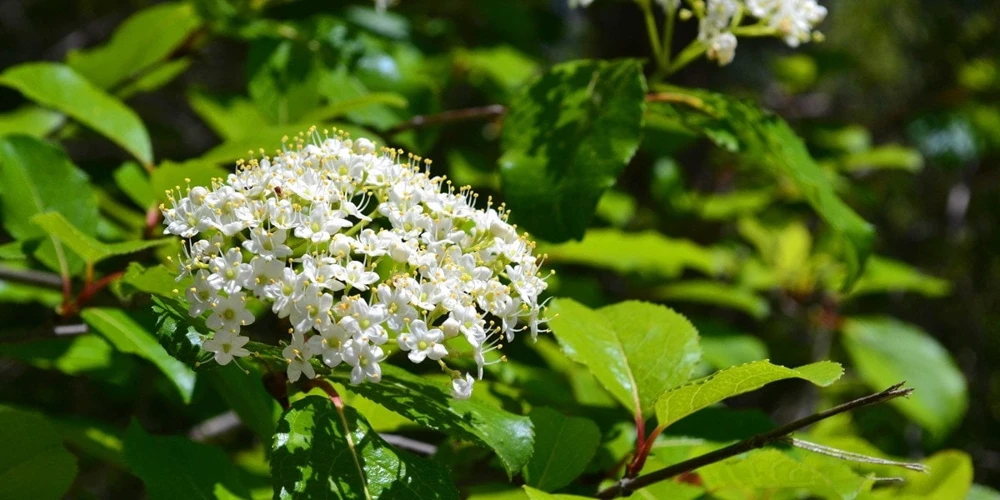
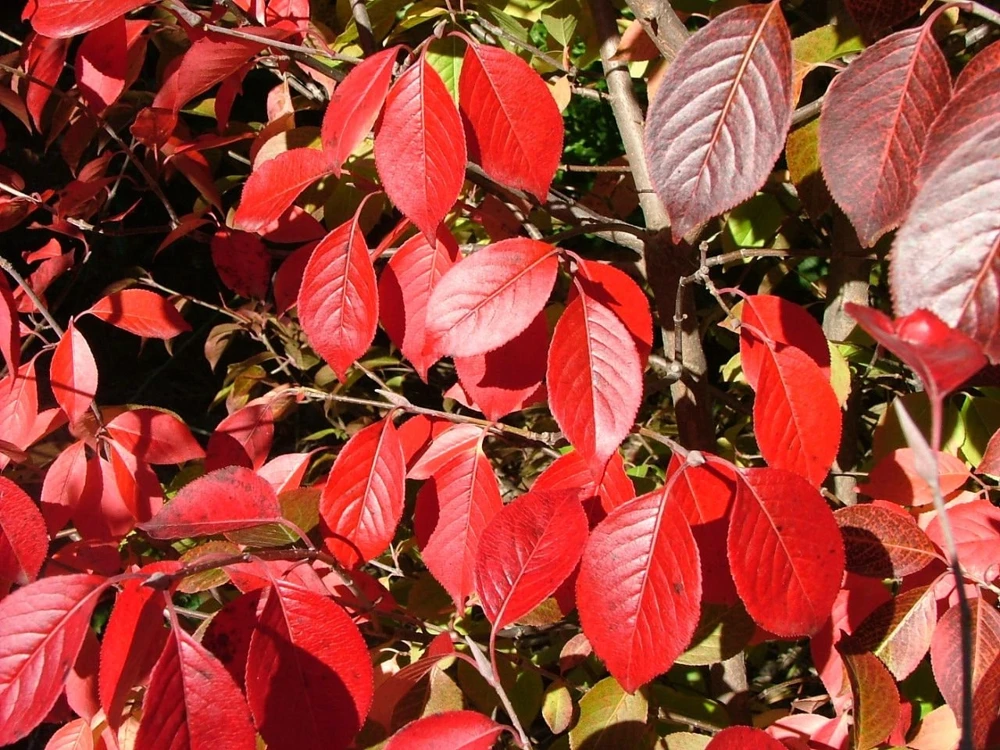
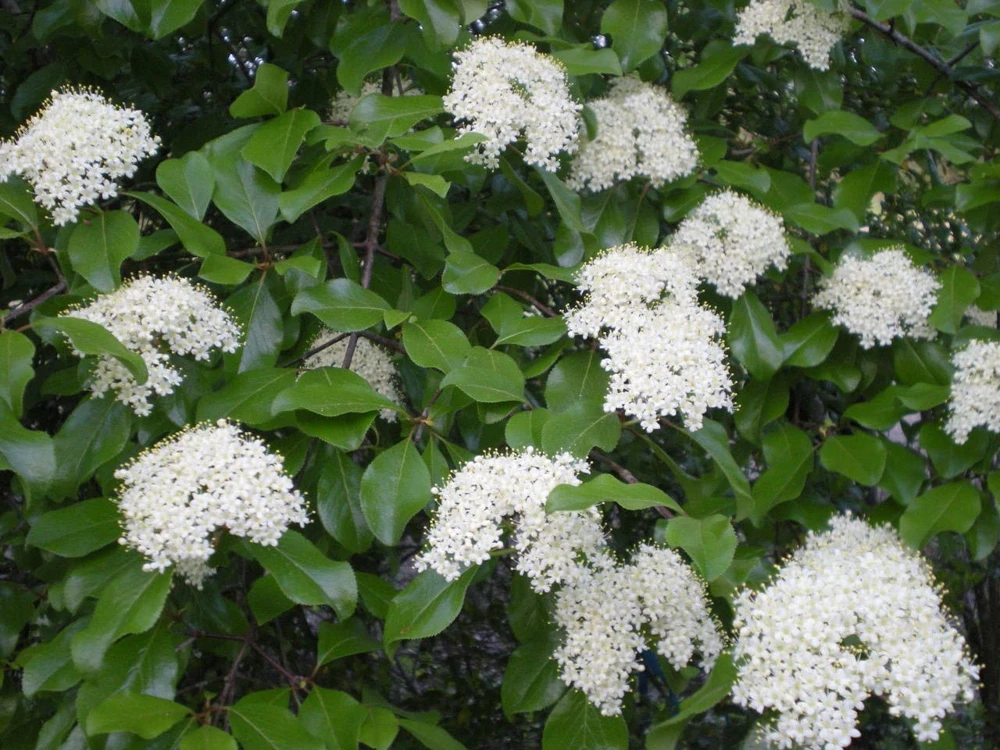
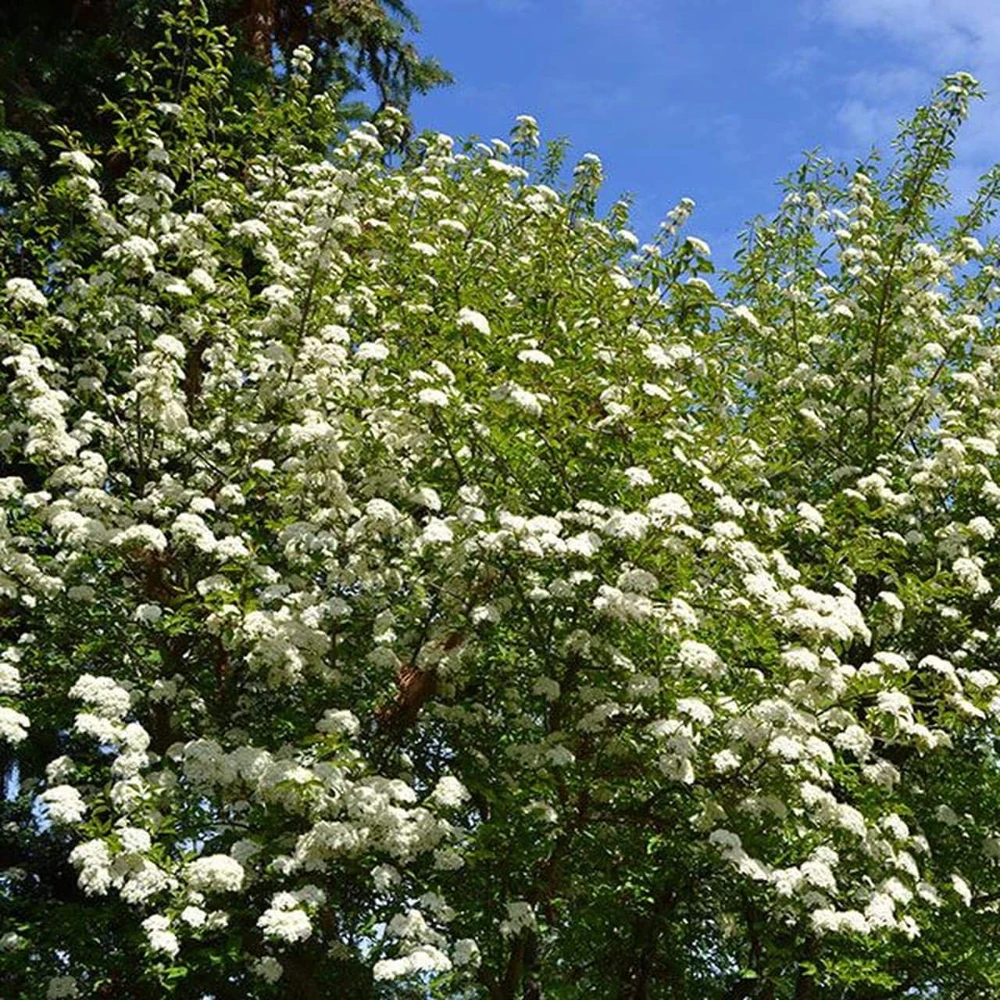
Introduce the captivating blackhaw viburnum live plant to your garden, a robust and beautiful addition known for its multi-season appeal. Scientifically known as Viburnum prunifolium, this deciduous shrub is a favorite among gardeners for its rounded, upright growth habit, making it ideal for various landscape applications. From its charming flat white flower clusters in spring to its bounty of yellow berries that mature to a deep blue/black, the blackhaw viburnum live plant provides continuous visual interest. The berries are not only ornamental but also serve as a valuable food source for local bird populations and can even be used in homemade preserves. Its dark green, finely toothed foliage transitions to striking red and purple hues in autumn, ensuring your garden remains vibrant through the changing seasons.
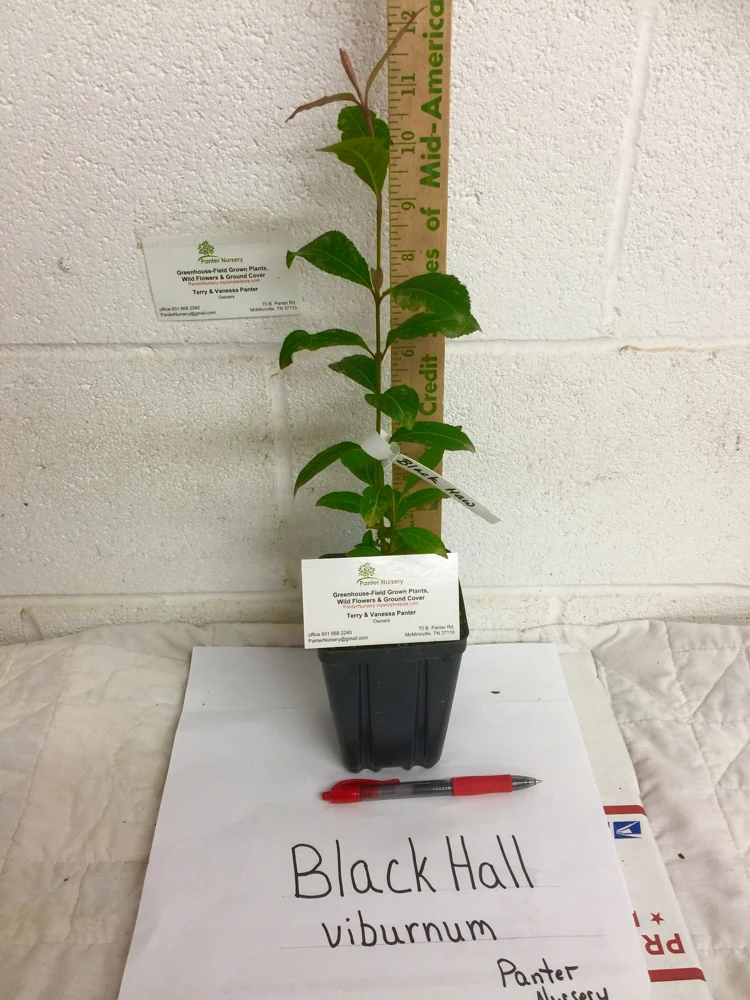
This particular offering provides a healthy blackhaw viburnum live plant, typically 6-12 inches tall and grown in a convenient 4-inch pot, ready for planting. Whether you’re looking to create a dense, tall hedge for privacy, a natural screen, or a standalone specimen, the Blackhaw Viburnum is an excellent choice. Its adaptability to various soil types and hardiness across USDA Zones 3-9 further solidifies its reputation as a reliable and low-maintenance landscaping solution. Embrace the natural beauty and ecological benefits this exceptional shrub brings to any outdoor space.
Key Benefits
The blackhaw viburnum live plant offers a multitude of advantages for any garden, combining aesthetic appeal with ecological benefits. Its versatility and hardiness make it a standout choice for both novice and experienced gardeners.
-
Multi-Season Appeal: Enjoy a dynamic display throughout the year. The blackhaw viburnum live plant showcases delicate white flowers in spring, attractive berries in summer and fall, and brilliant red-purple foliage in autumn, providing continuous visual interest.
-
Wildlife Attractor: The plant’s yellow-to-blue/black berries are a significant food source for birds, drawing a variety of feathered friends to your garden. This contributes to a healthier, more vibrant ecosystem right in your backyard.
-
Versatile Landscaping: With its rounded, upright form, this shrub is perfect for creating natural hedges, privacy screens, or as a striking standalone specimen. Its adaptable growth habit allows it to fit seamlessly into diverse garden designs.
-
Hardy & Resilient: The viburnum prunifolium shrub is remarkably hardy, thriving in USDA Zones 3-9. This wide hardiness range means it can withstand a broad spectrum of climates, making it a dependable choice for many regions.
-
Low Maintenance: Once established, the Blackhaw Viburnum requires minimal care, making it an excellent option for gardeners seeking beauty without extensive upkeep. It tolerates various conditions and is generally resistant to common pests and diseases.
-
Edible Berries: Beyond their ornamental value, the berries of the blackhaw viburnum live plant can be harvested and used to make preserves, offering a unique culinary benefit from your garden.
-
Stunning Fall Color: The dark green foliage transforms into breathtaking shades of red and purple in autumn, providing a spectacular seasonal show that enhances the beauty of your landscape.
Plant Care & Growing Tips
Caring for your blackhaw viburnum live plant is straightforward, ensuring it thrives and beautifies your garden for years to come. This robust shrub prefers a location with full sun to partial shade, meaning it should receive at least 4-6 hours of direct sunlight daily for optimal flowering and fruiting. While it tolerates some shade, too much can reduce flower and berry production. It is highly adaptable to various soil conditions but performs best in well-draining, moist, acidic to neutral soil. Amending heavy clay soils with organic matter can improve drainage and aeration, which is crucial for root health. Regular watering is important, especially during dry spells and in its first year of establishment, to ensure the soil remains consistently moist but not waterlogged. Once established, the viburnum prunifolium shrub is quite drought-tolerant.
The Blackhaw Viburnum is hardy in USDA Zones 3-9, making it suitable for a wide range of climates. It generally requires minimal pruning, primarily for shaping, removing dead or damaged branches, or to control its size. Pruning is best done after flowering in late spring or early summer to avoid sacrificing the current year’s blooms. Fertilization is typically not necessary if planted in rich soil, but a balanced, slow-release fertilizer can be applied in early spring if growth appears sluggish or soil nutrients are poor. For reliable fruit production, it’s important to note that while the flowers are ‘perfect’ (having both male and female parts), cross-pollination from another deciduous viburnum is needed for ample fruiting. Therefore, planting two or three shrubs in proximity is recommended to ensure a good berry yield, attracting more birds with the delicious blackhaw viburnum berries.
Size & Details
This offering provides a healthy blackhaw viburnum live plant, standing approximately 6-12 inches tall, and grown in a 4-inch nursery pot. This size is ideal for transplanting, allowing the plant to quickly establish itself in your garden. The Blackhaw Viburnum is a moderately fast-growing shrub, typically reaching mature heights of 12-15 feet with a spread of around 5 feet, creating a substantial presence in the landscape. Its growth habit is generally multi-stemmed, developing into a dense, rounded form. Expect the plant to bloom with white flowers in spring, followed by berries that ripen from yellow to blue/black from late summer into fall. The foliage will provide a beautiful display of red and purple hues in autumn. This plant is shipped as a live, actively growing specimen, ready for its new home.
Frequently Asked Questions
-
Q: How big does this blackhaw viburnum live plant get? A: The blackhaw viburnum live plant typically reaches a mature height of 12-15 feet with a spread of about 5 feet. Its upright, rounded form makes it a significant presence in the landscape, ideal for screening or as a specimen plant.
-
Q: What size pot does it come in? A: This particular blackhaw viburnum live plant is supplied in a 4-inch nursery pot, and stands approximately 6-12 inches tall, making it a good size for immediate planting and establishment.
-
Q: Is this an indoor or outdoor plant? A: The Blackhaw Viburnum (Viburnum prunifolium) is an outdoor shrub. It is hardy in USDA Zones 3-9 and is best suited for garden beds, hedges, or naturalized areas.
-
Q: How much sunlight does it need? A: This deciduous viburnum thrives in full sun to partial shade. For the best flowering and fruit production, aim for at least 4-6 hours of direct sunlight per day. It can tolerate more shade but may produce fewer flowers and berries.
-
Q: Is this plant easy to care for? A: Yes, the Blackhaw Viburnum is considered a low-maintenance plant once established. It’s adaptable to various soil types and generally resistant to pests and diseases, making it suitable for gardeners of all experience levels who are looking for an easy-care viburnum prunifolium shrub.
-
Q: What condition will it arrive in? A: Your blackhaw viburnum live plant will arrive as a healthy, actively growing plant, securely packaged in its 4-inch nursery pot to ensure it reaches you in excellent condition, ready for planting.
-
Q: Can I use the blackhaw viburnum berries? A: Yes, the blackhaw viburnum berries are edible and can be used to make preserves. They are also highly desirable to birds, providing a natural food source in your garden.
-
Q: How long until it blooms and produces fruit? A: This shrub typically begins to bloom in spring, usually in April or May, with berries developing over the summer and ripening from yellow to blue/black in late summer and fall. Expect to see significant flowering and fruiting within a few years of planting.
-
Q: Will it survive winter in my zone? A: The Blackhaw Viburnum is highly cold-hardy, thriving in USDA Zones 3-9. This means it can withstand cold winter temperatures in most regions within these zones, making it a reliable choice for temperate climates.
-
Q: Do I need more than one plant for fruit? A: While the flowers are self-fertile, cross-pollination is needed for reliable and ample fruit production. It is recommended to plant two or three blackhaw viburnum live plant specimens in proximity to ensure a good yield of the attractive berries.
Be the first to review “Blackhaw Viburnum Live Plant – 6-12 inch, 4 inch Pot, Zones 3-9, Outdoor Shrub”
Related products


You May Like

Hardneck vs. Softneck Garlic: Which Should You Grow?
Have you ever stood in front of a seed catalog in mid-September, staring at dozens [...]
Oct

When to Plant Music Garlic: Ultimate US Fall Guide
Have you ever spent your fall weekend placing carefully chosen garlic cloves into rich, dark [...]
1 Comment
Oct

5 Best Bulbs for Fall Planting: Brighten Your Garden This Spring
Are you dreaming of a garden full of vibrant colors in the spring? The key [...]
Aug

10 Houseplants That Will Thrive in Your Kitchen
Are you tired of your kitchen feeling dull and lifeless? Want to add a little [...]
1 Comment
Aug
Reviews
There are no reviews yet.