
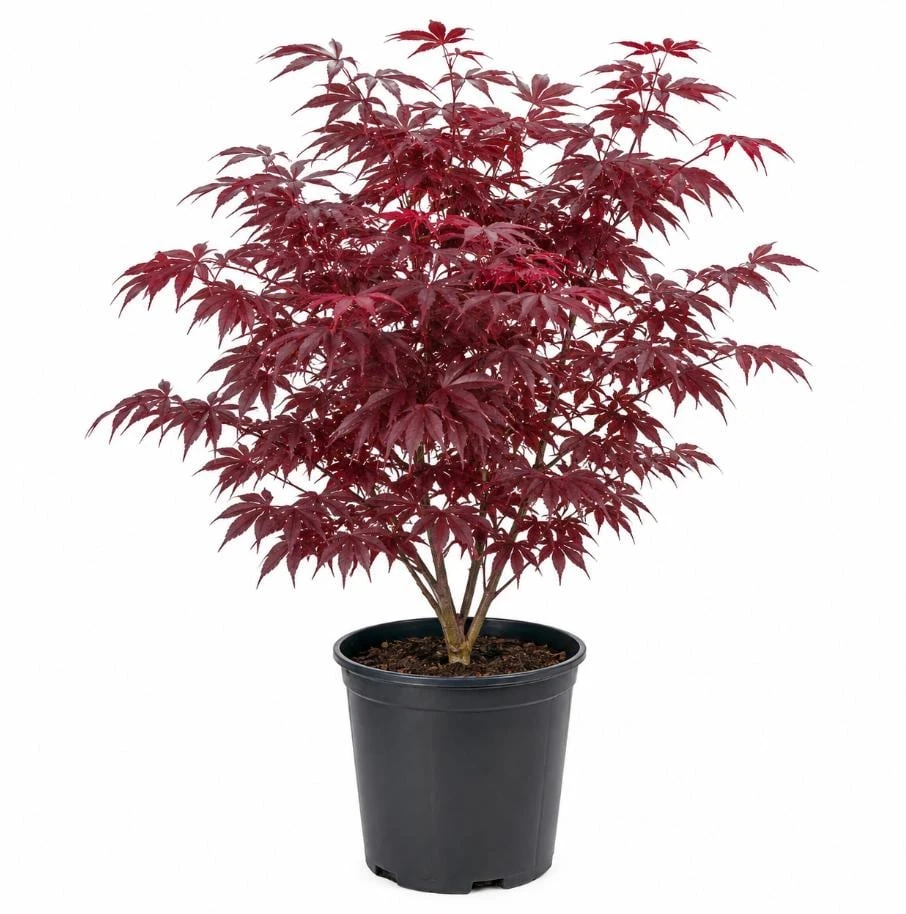
Bloodgood Japanese Maple Tree Live Plant – 1 Gallon Pot, 1.5-2.5 Ft Tall, Outdoor
Original price was: 75.58 $.39.99 $Current price is: 39.99 $.
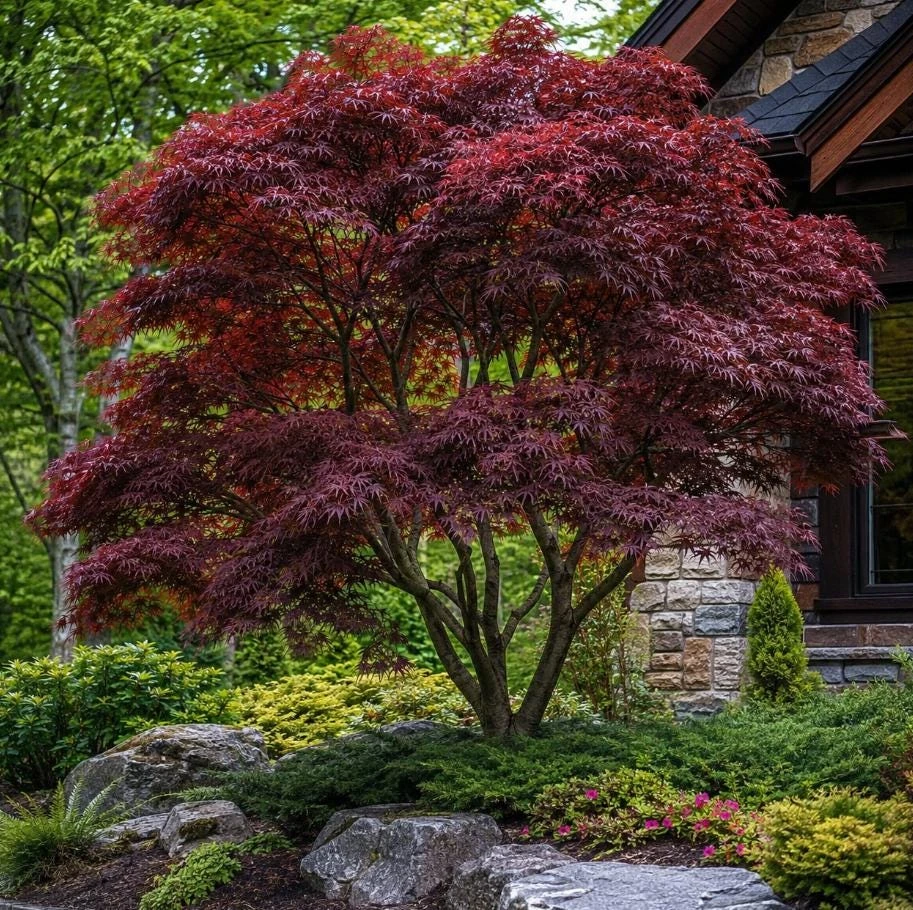
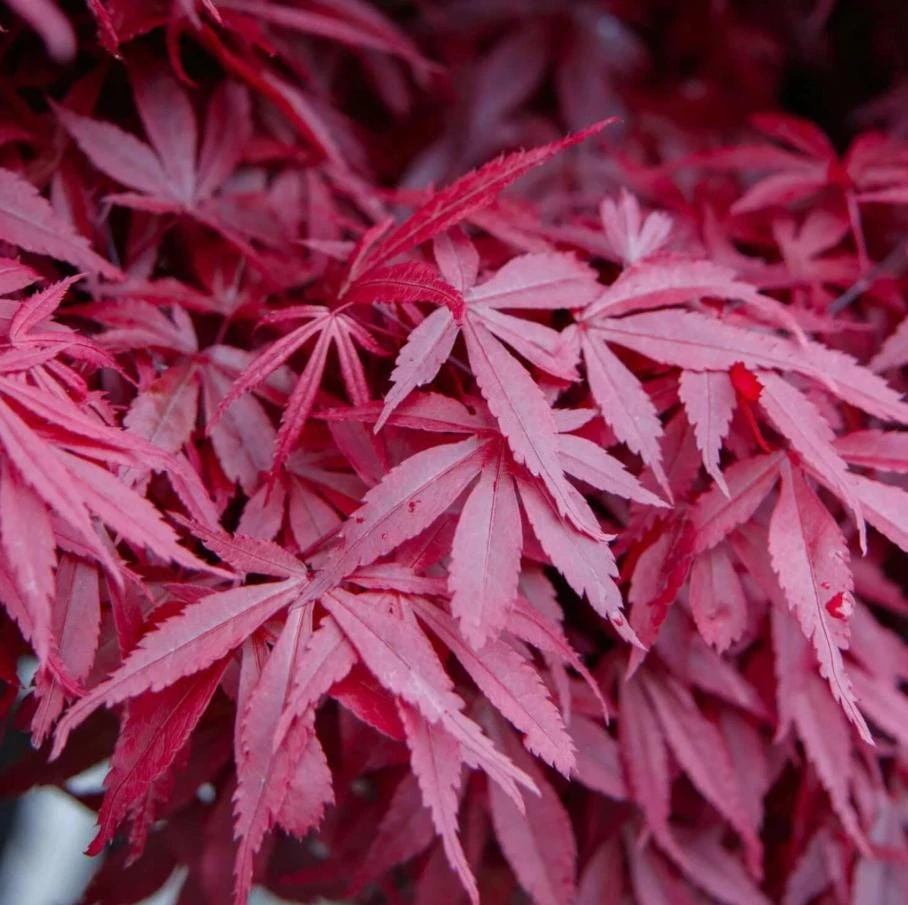
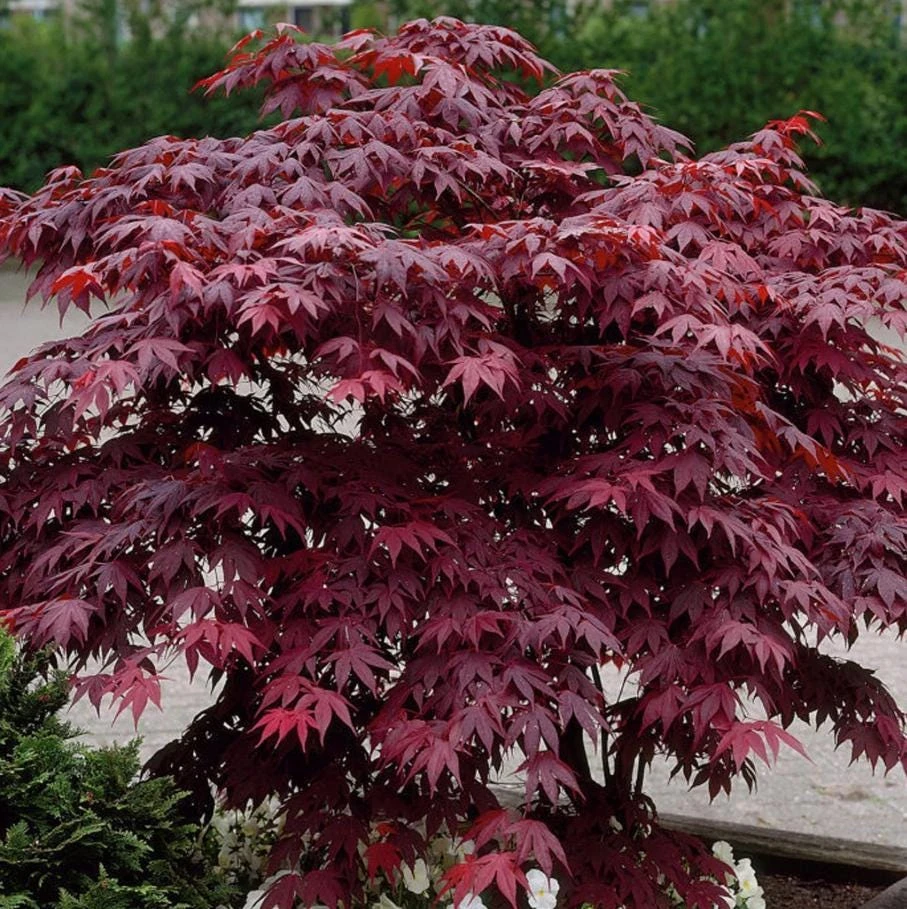
Enhance your landscape with a beautiful bloodgood japanese maple tree. This red maple tree live plant arrives in a 1-gallon pot, standing 1.5-2.5 feet tall, ready to display its vibrant burgundy foliage and elegant form in your garden.
Estimated arrival
Oct 16
Oct 21 - Oct 23
Oct 23 - Oct 28
See our Shipping Policy.
Get in touch with us via email, and our team will review your concerns.
Our Alive & Thrive Guarantee covers issues with your plants within the first 30 days. Read our Refund & Returns Policy.
-
USDA Hardiness Zone
5-8 -
Soil Type
Well-draining, slightly acidic to neutral soil -
Sunlight Exposure
Partial Sun to Full Sun -
Expected Planting Period
Early spring or early fall
Overview
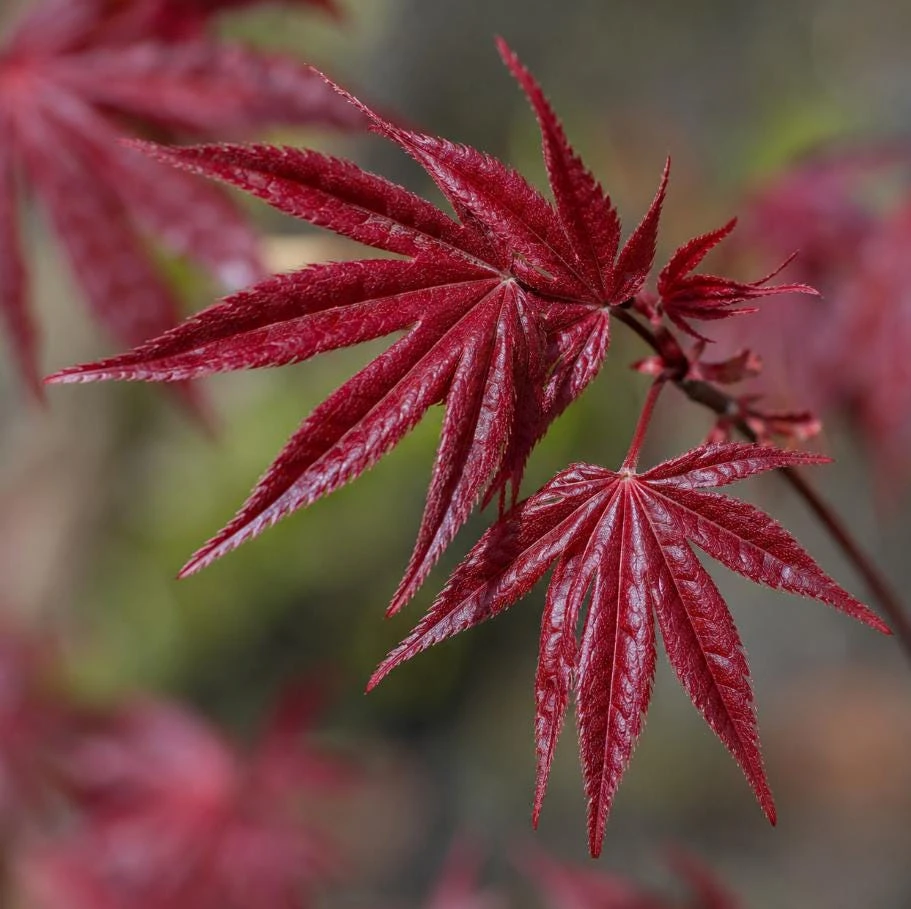
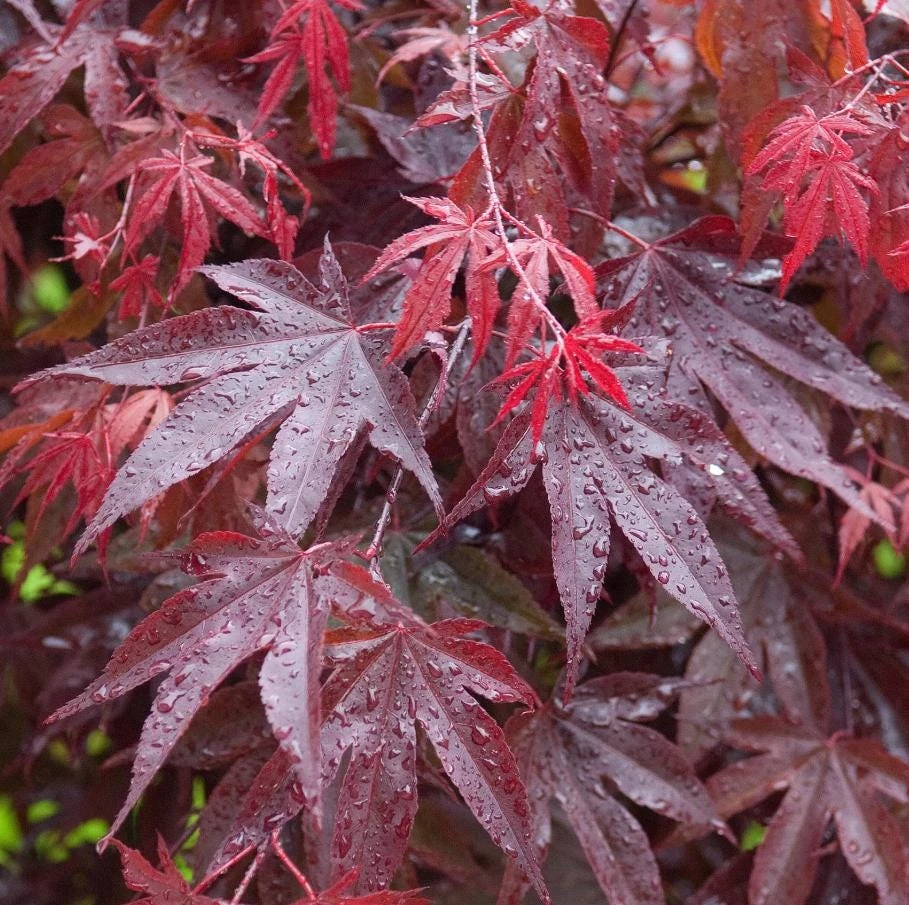
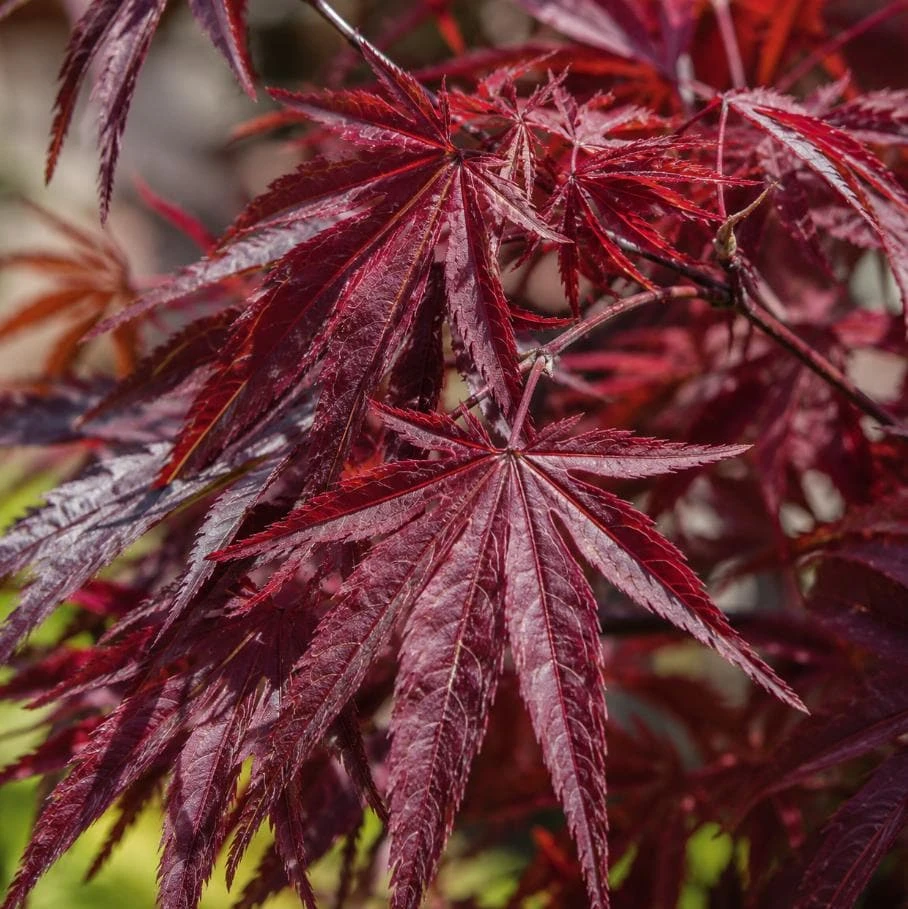
Introduce a touch of sophisticated beauty to your outdoor space with the magnificent bloodgood japanese maple tree. This live ornamental tree, scientifically known as Acer palmatum ‘Bloodgood’, is celebrated for its striking deep burgundy-red foliage that maintains its rich color throughout the growing season. As autumn arrives, its leaves transform into brilliant shades of crimson and scarlet, providing a spectacular seasonal display. The ‘Bloodgood’ cultivar is a popular choice among gardeners for its elegant branching structure, manageable size, and exceptional visual appeal, making it a perfect focal point in various landscape settings, from garden beds to patios. This resilient and adaptable tree offers year-round interest and is a true investment in the beauty of your home.
The bloodgood japanese maple tree is a deciduous specimen, meaning it will gracefully shed its leaves in winter before re-emerging with fresh, vibrant foliage in the spring. Each tree is carefully nurtured to ensure it arrives healthy and well-rooted, ready to thrive in its new environment. Its refined appearance and captivating color make it a standout choice for those seeking to create a tranquil and aesthetically pleasing garden oasis. Whether planted as a solitary specimen or integrated into a larger landscape design, this ornamental landscape tree promises to add a layer of elegance and vibrant color for decades to come.
Key Benefits
The bloodgood japanese maple tree offers numerous advantages that make it a highly sought-after addition to any garden or landscape. Its unique characteristics contribute significantly to its appeal and value:
- Stunning Year-Round Color: Enjoy rich burgundy-red foliage from spring through summer, transitioning to brilliant crimson and scarlet in autumn. This consistent color display provides dynamic visual interest throughout the seasons.
- Elegant Form and Structure: Known for its graceful, spreading branching habit, the ‘Bloodgood’ Japanese Maple creates a sophisticated silhouette, enhancing the architectural beauty of your garden even in winter.
- Versatile Landscaping: Its manageable mature size (15-20 ft tall) makes it suitable for a variety of uses, including as a striking focal point, an accent tree, or for creating serene garden spaces and patio containers.
- Hardy and Adaptable: This variety is robust and well-suited for a range of climates, thriving in USDA Zones 5-8. It’s a reliable choice for many regions, demonstrating good resistance to common pests and diseases.
- Low Maintenance: Once established, the red maple tree live plant requires minimal care, making it an excellent option for busy gardeners. Its natural beauty shines with relatively little intervention.
- Exceptional Ornamental Value: The combination of its distinctive leaf shape, vibrant color, and elegant form provides unparalleled ornamental value, elevating the aesthetic of any landscape design.
Plant Care & Growing Tips
Caring for your bloodgood japanese maple tree ensures its vibrant health and spectacular display for years to come. These trees prefer a location that offers partial sun to full sun exposure, meaning they will thrive with at least 4-6 hours of direct sunlight daily, but appreciate some afternoon shade in hotter climates to prevent leaf scorch. Well-draining soil is crucial; Japanese Maples do not tolerate soggy conditions, which can lead to root rot. A slightly acidic to neutral soil pH (6.0-7.0) is ideal. Amending heavy clay soils with organic matter like compost or pine bark will improve drainage and aeration.
Watering should be consistent, especially during the first few years after planting. Keep the soil evenly moist but not waterlogged. Deep watering once or twice a week is generally better than frequent shallow watering, encouraging deeper root growth. Reduce watering frequency in cooler, dormant months. Fertilize sparingly in early spring with a balanced, slow-release fertilizer formulated for trees and shrubs. Over-fertilization can harm these trees, so follow product instructions carefully. Pruning is best done in late winter or early spring while the tree is dormant, focusing on removing dead, damaged, or crossing branches to maintain its natural shape and improve air circulation. With proper japanese maple care, your tree will flourish.
Protecting your bloodgood japanese maple tree from harsh winter winds and extreme summer heat can help it thrive. Mulching around the base with a 2-3 inch layer of organic material helps retain soil moisture, regulate soil temperature, and suppress weeds. Ensure the mulch does not touch the trunk directly. Monitor for common pests like aphids or scale, and treat promptly with horticultural oil or insecticidal soap if necessary. Fungal issues can sometimes arise in overly wet conditions, so ensuring good air circulation and proper drainage is key to preventing these problems. This ornamental landscape tree is generally quite resilient when its basic needs are met.
Size & Details
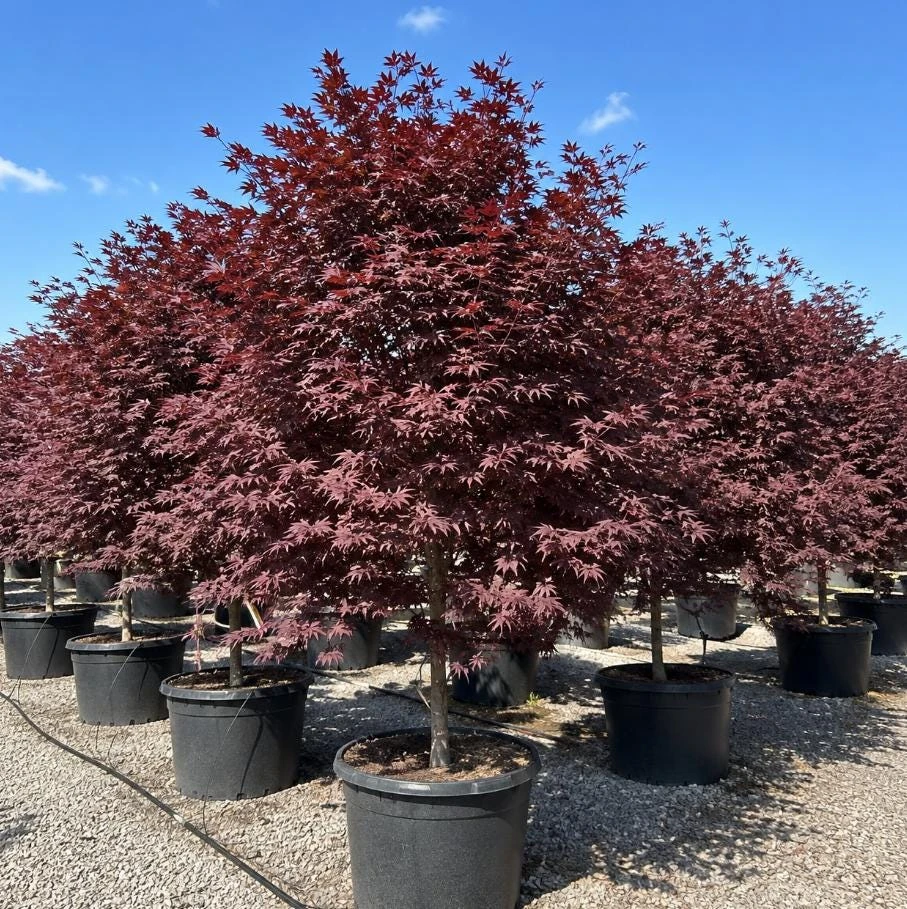
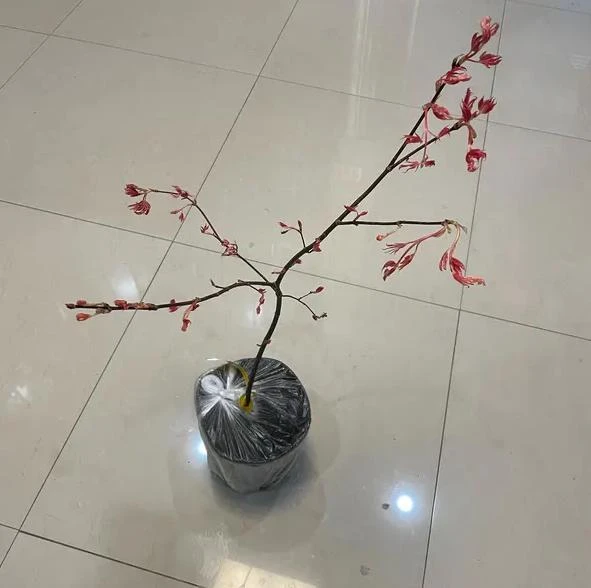
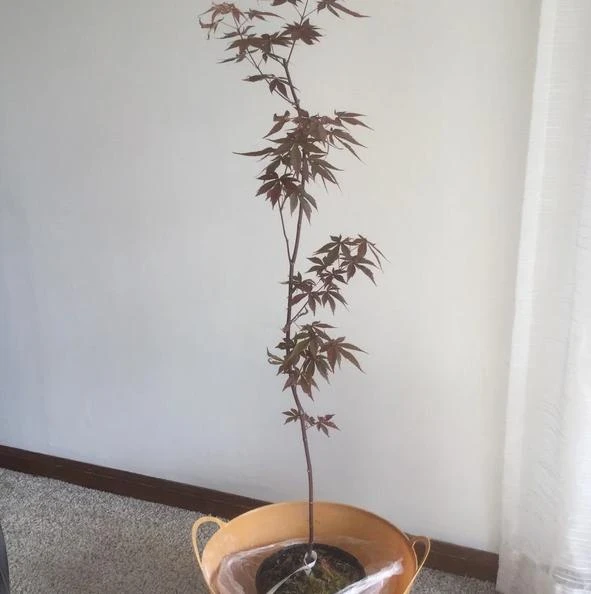
This bloodgood japanese maple tree is offered as a healthy, well-rooted live plant, arriving in a 1-gallon nursery pot. At the time of shipment, the tree will stand approximately 1.5 to 2.5 feet tall, providing a robust starter specimen ready for planting. While mature specimens can reach an impressive height of 15 to 20 feet with a similar spread, this younger tree allows you to enjoy its growth and development over time. The ‘Bloodgood’ cultivar exhibits a moderate growth rate, typically adding 1-2 feet per year under optimal conditions. It is a deciduous tree, meaning it will naturally lose its leaves in winter and enter dormancy, which is a normal and healthy part of its life cycle.
The pot size of 1 gallon provides ample space for the root system to establish before transplanting. This red maple tree live plant is suitable for outdoor planting and is hardy in USDA Zones 5–8, making it a versatile choice for many climates across the United States. Its compact size upon arrival makes it easy to handle and plant, whether you’re adding it to a garden bed, a large container, or as part of a mixed border. You will receive a younger tree that is smaller than mature plants often depicted in reference photos, allowing you to cultivate its growth and shape from an early stage. Proper japanese maple care will ensure it reaches its full, majestic potential.
Frequently Asked Questions
- Q: How big does this bloodgood japanese maple tree get? A: This bloodgood japanese maple tree typically reaches a mature height of 15-20 feet with a similar spread. It grows at a moderate rate, usually adding 1-2 feet per year.
- Q: What size pot does the tree come in? A: Your tree will arrive healthy and well-rooted in a 1-gallon nursery pot, and it will be approximately 1.5 to 2.5 feet tall.
- Q: Is this an indoor or outdoor plant? A: The bloodgood japanese maple tree is an outdoor plant, best suited for planting directly in the ground or in large outdoor containers where it can receive adequate sunlight and space.
- Q: How much sunlight does it need? A: This red maple tree live plant thrives in partial sun to full sun. In hotter climates, it benefits from some afternoon shade to protect its foliage from scorching.
- Q: Is this tree easy to care for? A: Once established, the ‘Bloodgood’ Japanese Maple is relatively low maintenance. Key aspects of japanese maple care include consistent watering, well-draining soil, and occasional pruning.
- Q: What condition will it arrive in? A: Your tree will arrive healthy and well-rooted in its nursery pot. As a deciduous tree, if ordered during winter, it may arrive dormant without leaves, which is normal and healthy.
- Q: When is the best time to plant a bloodgood japanese maple tree? A: The best times to plant this ornamental landscape tree are in early spring or early fall, allowing the roots to establish before extreme summer heat or winter cold.
- Q: Will it survive winter in my zone? A: The ‘Bloodgood’ Japanese Maple is hardy in USDA Zones 5-8, meaning it can withstand winter temperatures in these regions.
- Q: How often should I water my new Japanese Maple? A: During its first year, water deeply 1-2 times per week, ensuring the soil remains consistently moist but not waterlogged. Reduce frequency once established and during cooler months.
- Q: Does this tree have any special soil requirements? A: Yes, it prefers well-draining, slightly acidic to neutral soil. Amending heavy clay soils with organic matter is recommended for optimal growth and proper japanese maple care.
Be the first to review “Bloodgood Japanese Maple Tree Live Plant – 1 Gallon Pot, 1.5-2.5 Ft Tall, Outdoor”
Related products


You May Like

Hardneck vs. Softneck Garlic: Which Should You Grow?
Have you ever stood in front of a seed catalog in mid-September, staring at dozens [...]
Oct

When to Plant Music Garlic: Ultimate US Fall Guide
Have you ever spent your fall weekend placing carefully chosen garlic cloves into rich, dark [...]
1 Comment
Oct

5 Best Bulbs for Fall Planting: Brighten Your Garden This Spring
Are you dreaming of a garden full of vibrant colors in the spring? The key [...]
Aug

10 Houseplants That Will Thrive in Your Kitchen
Are you tired of your kitchen feeling dull and lifeless? Want to add a little [...]
1 Comment
Aug
Reviews
There are no reviews yet.