
Bottle Gourd Live Plant – Birdhouse Gourd, Martinhouse Gourd, 3-5 Inch Tall, 4 Inch Pot
Original price was: 44.99 $.24.99 $Current price is: 24.99 $.
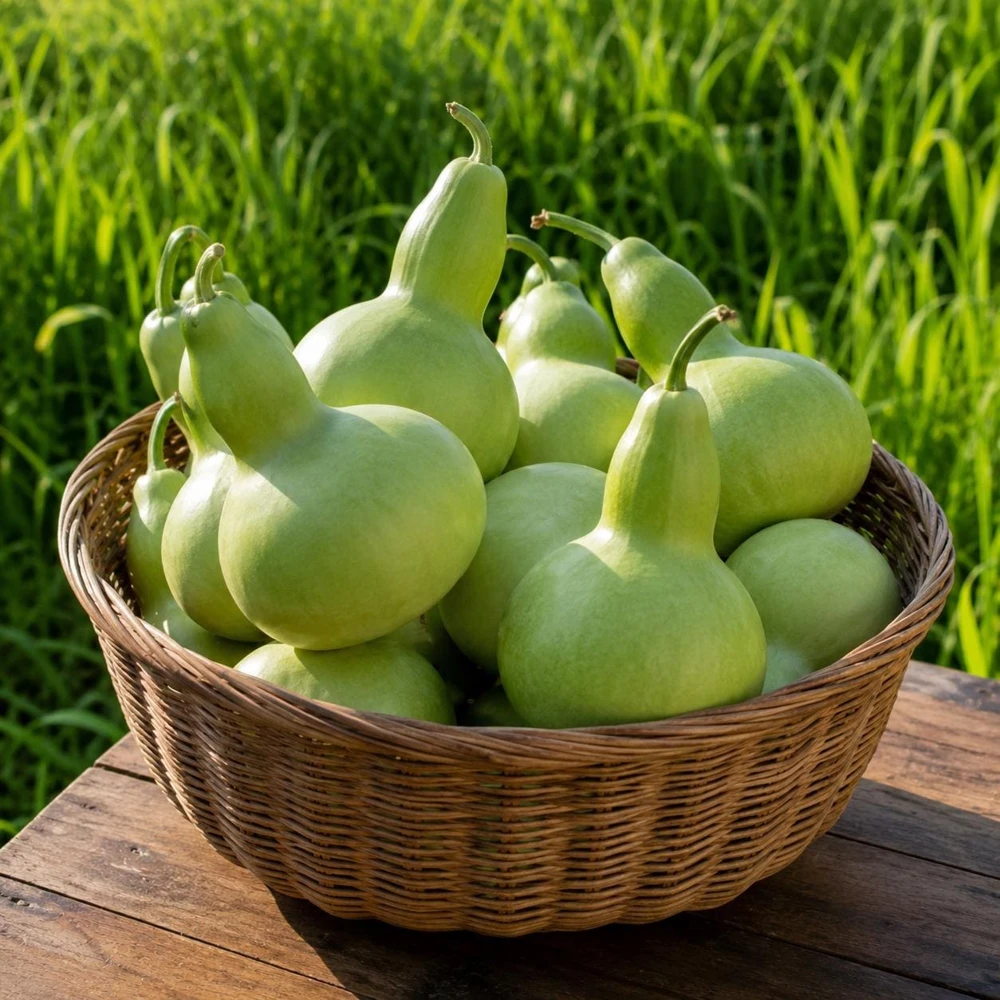
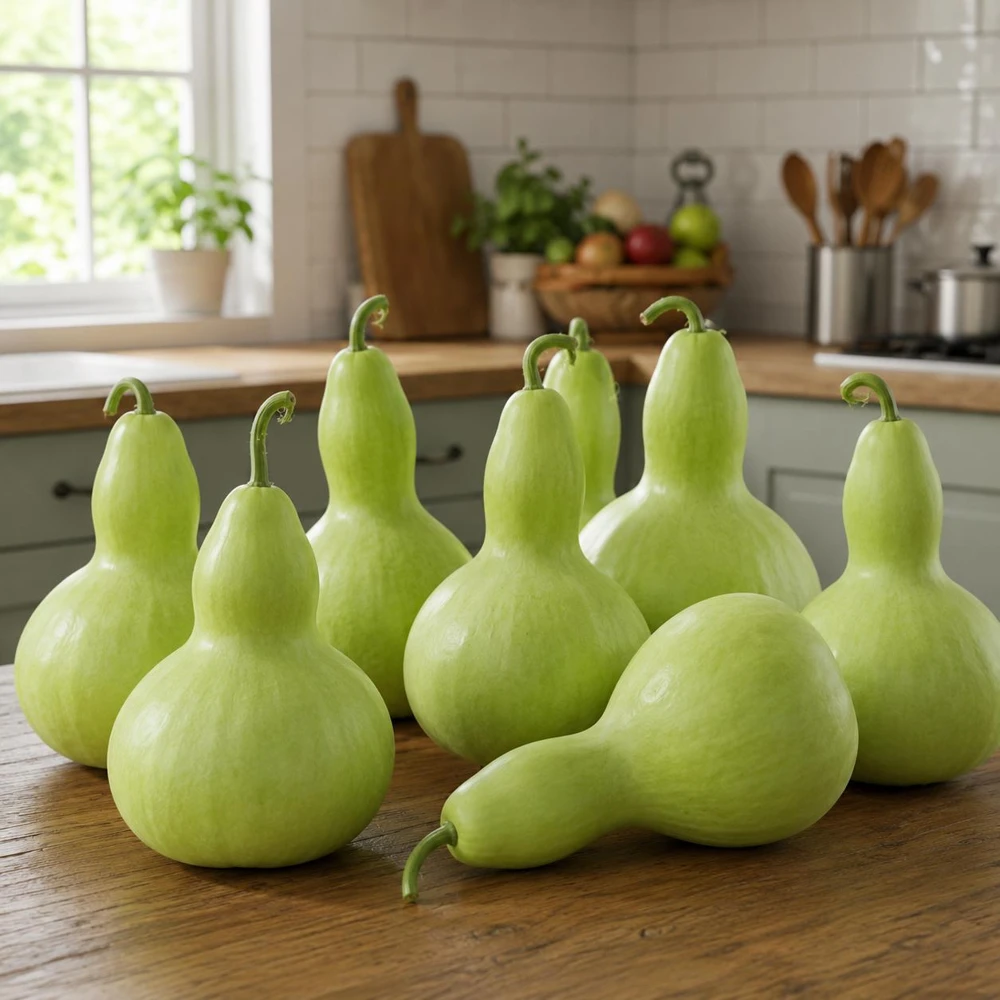
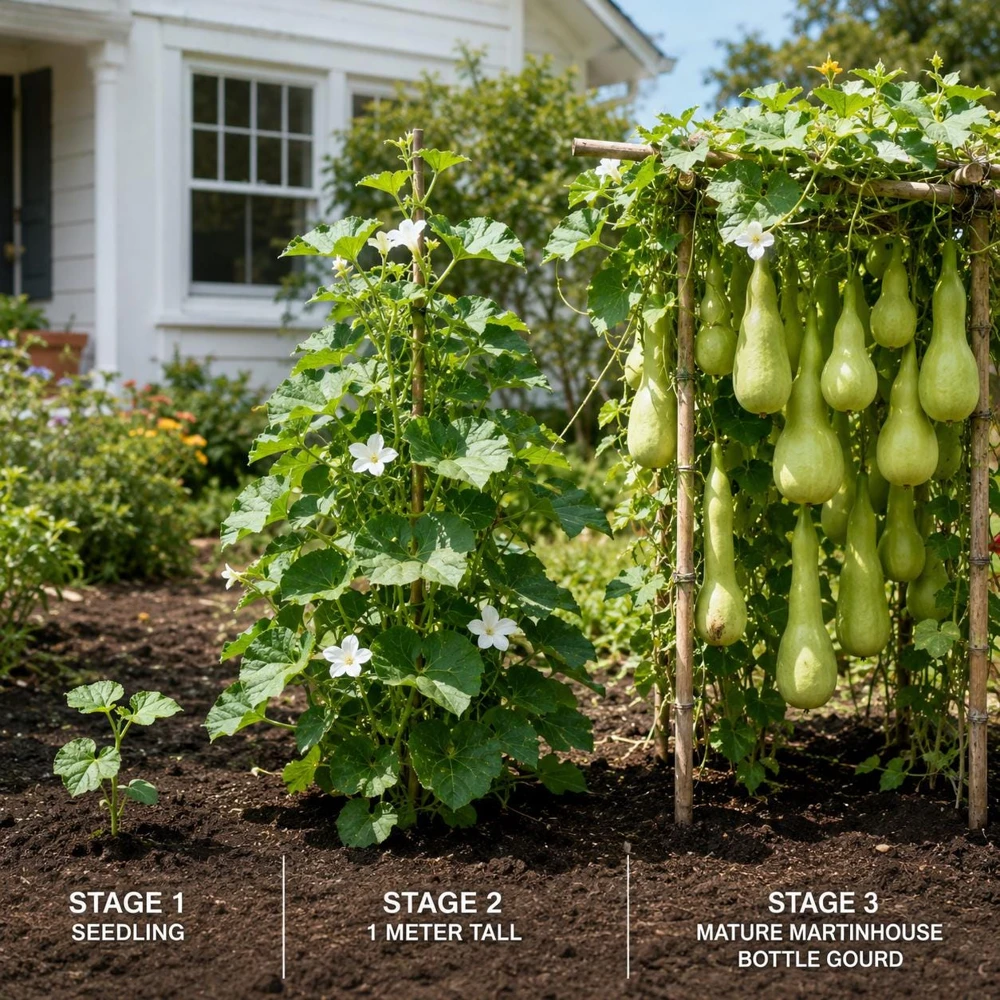
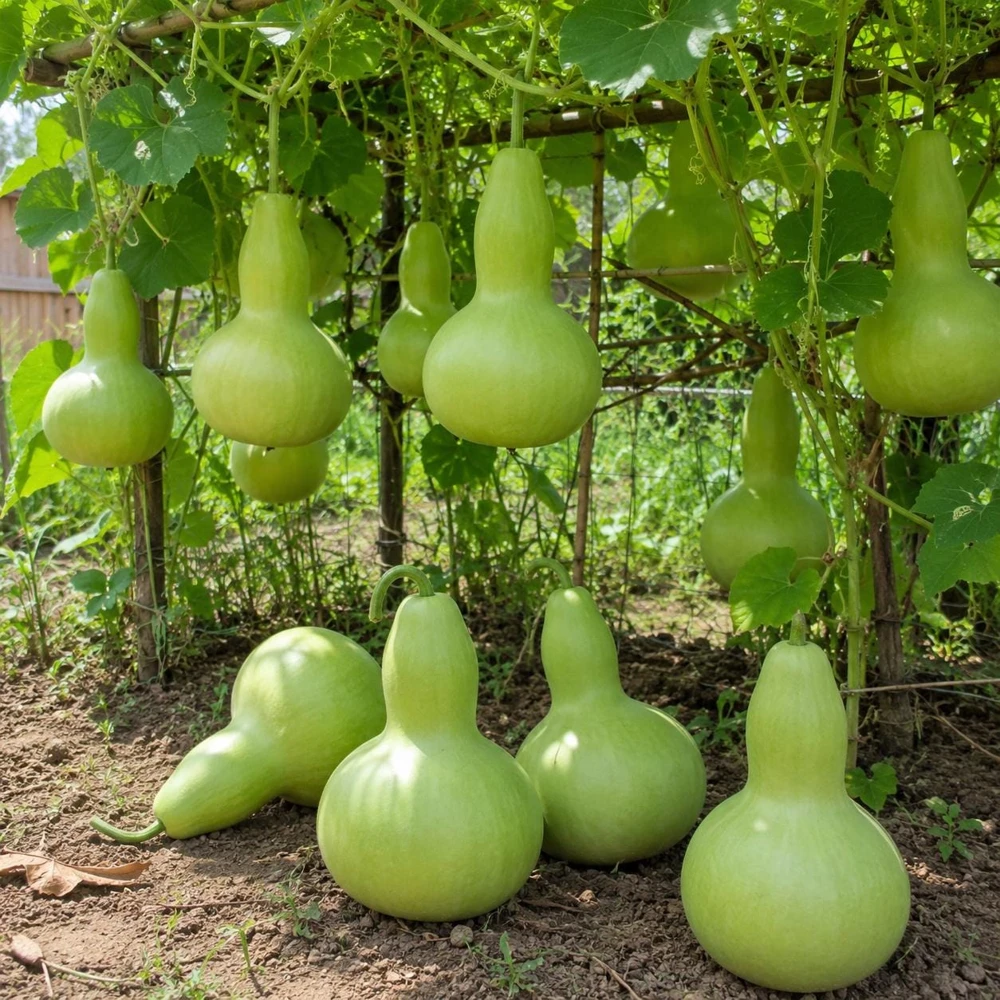
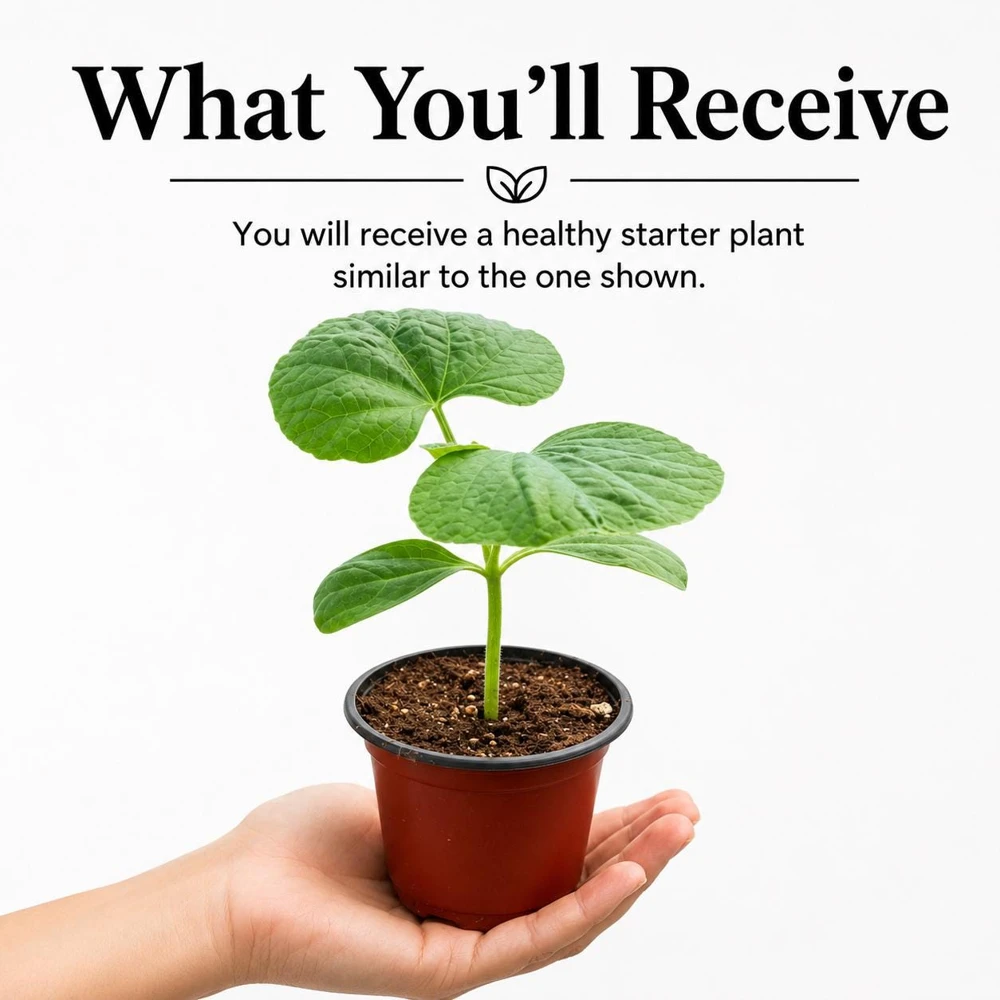
Cultivate your own unique garden decor or birdhouses with a bottle gourd live plant. This annual climbing vine, Lagenaria siceraria, is perfect for growing large gourds ideal for crafting. Your young plant arrives 3-5 inches tall in a 4-inch pot, ready to thrive in full sun and well-draining soil.
Estimated arrival
Oct 18
Oct 23 - Oct 25
Oct 25 - Oct 30
See our Shipping Policy.
Get in touch with us via email, and our team will review your concerns.
Our Alive & Thrive Guarantee covers issues with your plants within the first 30 days. Read our Refund & Returns Policy.
-
USDA Hardiness Zone
2–11 (as an annual) -
Soil Type
Rich, fertile, well-draining soil -
Sunlight Exposure
Full sun -
Expected Planting Period
Late spring to early summer (after last frost)
Overview
Embark on a rewarding gardening journey with this vibrant bottle gourd live plant. Known botanically as Lagenaria siceraria, this annual climbing vine is celebrated for its versatile, hard-shelled gourds. Perfect for both ornamental display and practical use, these gourds can be dried and transformed into unique birdhouses, including traditional Martinhouse gourds, or decorative craft items. Your plant arrives as a young starter, typically 3-5 inches tall and rooted in a 4-inch pot, ready for planting in your home garden. Growing your own bottle gourd live plant provides a sustainable and creative way to enhance your outdoor space and engage in a fulfilling gardening project.
Key Benefits
Growing a bottle gourd live plant offers numerous advantages for both gardeners and crafters. These robust vines produce large, distinctive gourds that are highly sought after for various applications. Here are some of the key benefits:
- Unique Crafting Material: The primary benefit of growing this plant is the ability to harvest your own gourds for crafting. Once dried, these gourds become hard and durable, making them perfect for creating custom birdhouses, including specific birdhouse gourd plant designs, or other decorative items.
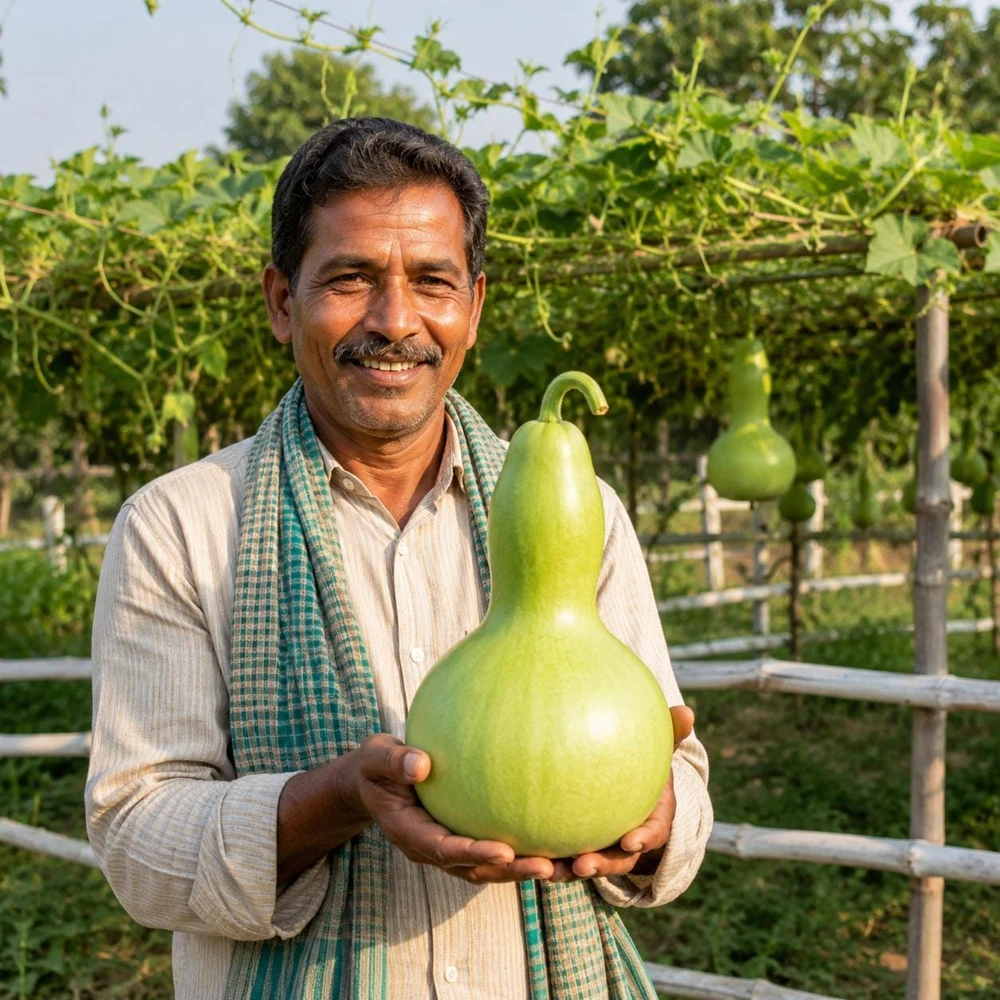
- Attractive Garden Feature: The vigorous climbing vines and large, lush leaves add significant visual interest to any garden. They can be trained over trellises, arbors, or fences, providing natural shade and a tropical feel.
- Supports Wildlife: By crafting birdhouses from your homegrown gourds, you provide essential nesting sites for various bird species, contributing to local biodiversity and creating a lively garden environment.
- Educational Project: Growing gourds from a young plant is an excellent educational activity for families and children, teaching them about plant life cycles, patience, and the rewards of gardening.
- Sustainable & Eco-Friendly: Cultivating your own gourds reduces the need to purchase manufactured birdhouses or craft supplies, promoting a more sustainable and environmentally conscious lifestyle.
- Fast-Growing Annual: As an annual climbing vine, the bottle gourd live plant grows relatively quickly, allowing you to enjoy a bountiful harvest within a single growing season.
Plant Care & Growing Tips
Caring for your bottle gourd live plant is straightforward, provided you meet its basic requirements for sun, water, and soil. This robust annual vine thrives in warm conditions and requires ample space to climb. For optimal growth and a successful harvest of gourds, follow these detailed care instructions.
Sunlight Requirements: Bottle gourds are sun-loving plants and require full sun exposure, meaning at least 6-8 hours of direct sunlight per day. Choose a location in your garden that receives unobstructed sunlight throughout the day. Insufficient light will result in weak growth and poor gourd production. If growing in containers, ensure they are placed in the sunniest spot available.
Watering Schedule & Soil Moisture: Keep the soil consistently moist but never waterlogged. Bottle gourds are thirsty plants, especially during hot weather and while the gourds are developing. Water deeply and regularly, ensuring the water reaches the root zone. Reduce watering as the gourds mature and begin to dry on the vine. Proper drainage is crucial to prevent root rot. You can check soil moisture by sticking your finger about an inch or two into the soil; if it feels dry, it’s time to water.
Soil Type & Drainage: This plant prefers rich, fertile, and well-draining soil. Amend heavy clay soils with organic matter like compost or aged manure to improve drainage and fertility. A slightly acidic to neutral pH (6.0-7.0) is ideal. For container planting, use a high-quality potting mix designed for vegetables or fruiting plants. Good drainage is paramount for healthy root development and to prevent diseases.
Temperature Range & USDA Hardiness Zone: As a warm-season annual, the bottle gourd live plant thrives in temperatures between 70–95°F (21–35°C). It is sensitive to frost and should only be planted outdoors after all danger of frost has passed in your area. While technically hardy in USDA Zones 2–11 as an annual, it performs best in warmer climates. For those interested in growing gourds for crafts, ensuring a long, warm growing season is key.
Fertilization Schedule & Type: Begin with a balanced, all-purpose fertilizer at planting. Once the plant starts to vine and produce flowers, switch to a fertilizer higher in phosphorus and potassium to encourage fruit development. Organic options like compost tea or fish emulsion can also provide beneficial nutrients. Avoid excessive nitrogen, which can promote leafy growth at the expense of gourds.
Common Problems & Solutions: Watch out for common garden pests like squash bugs, cucumber beetles, and vine borers. Hand-picking pests, using neem oil, or applying insecticidal soap can help manage infestations. Fungal diseases like powdery mildew can occur in humid conditions; ensure good air circulation and water at the base of the plant to keep foliage dry. Providing a strong trellis or support system is essential for the climbing vine and to keep gourds off the ground, preventing rot and pest damage. Proper care helps your lagenaria siceraria care routine lead to a bountiful harvest.
Size & Details
Your bottle gourd live plant arrives as a young, healthy starter, typically measuring 3-5 inches in height from the top of the soil, nestled in a 4-inch nursery pot. This size is ideal for transplanting into your garden or a larger container once the weather is consistently warm. As an annual climbing vine, it exhibits vigorous growth, with vines capable of reaching lengths of 10-20 feet or more, depending on growing conditions and support. The gourds themselves can vary significantly in size and shape, often growing to be 10-18 inches long, with some varieties producing even larger specimens perfect for a martinhouse gourd seeds project. Expect gourds to mature and be ready for harvest in late summer to early fall, approximately 100-120 days after planting. Provide sturdy support like a trellis or arbor to allow the vines to climb and the gourds to hang freely, which encourages proper shaping and prevents ground rot. This plant is shipped as a live, potted specimen, ensuring a robust start in your garden.
Frequently Asked Questions
- Q: How big does this bottle gourd plant get? A: This bottle gourd live plant is a vigorous annual climbing vine. With proper support and growing conditions, the vines can easily reach lengths of 10 to 20 feet or more, and the gourds themselves typically grow 10-18 inches long.
- Q: What size pot does it come in? A: Your young bottle gourd live plant will arrive securely rooted in a 4-inch nursery pot, ready for transplanting into a larger container or directly into your garden.
- Q: Is this an indoor or outdoor plant? A: This is primarily an outdoor plant, as it requires full sun and a long, warm growing season to produce gourds. It can be started indoors in colder climates but must be moved outside after the last frost.
- Q: How much sunlight does it need? A: For optimal growth and gourd production, the birdhouse gourd plant needs at least 6-8 hours of direct sunlight per day. Choose the sunniest spot in your garden.
- Q: Is this plant easy to care for? A: Yes, bottle gourds are relatively easy to care for once established. They require consistent watering, full sun, and fertile, well-draining soil. Providing a strong trellis for climbing is the main ongoing task.
- Q: What condition will it arrive in? A: Your plant will arrive as a healthy, young starter, typically 3-5 inches tall, carefully packaged to ensure its safe journey and readiness for planting.
- Q: How long until it produces gourds? A: Bottle gourds typically take about 100-120 days from planting to harvest. You can expect to see flowers in mid-summer, with gourds maturing in late summer to early fall.
- Q: When is the best time to plant? A: The best time to plant your lagenaria siceraria care project outdoors is after all danger of frost has passed in your region and soil temperatures have warmed up, usually late spring to early summer.
- Q: Will it survive winter in my zone? A: No, the bottle gourd is an annual plant and will not survive winter frosts. It completes its life cycle within one growing season.
- Q: Can I save seeds from the gourds? A: Yes, you can save seeds from mature, dried gourds to plant the following season, essentially creating your own supply of martinhouse gourd seeds.
Be the first to review “Bottle Gourd Live Plant – Birdhouse Gourd, Martinhouse Gourd, 3-5 Inch Tall, 4 Inch Pot”
Related products


You May Like

Hardneck vs. Softneck Garlic: Which Should You Grow?
Have you ever stood in front of a seed catalog in mid-September, staring at dozens [...]
Oct

When to Plant Music Garlic: Ultimate US Fall Guide
Have you ever spent your fall weekend placing carefully chosen garlic cloves into rich, dark [...]
1 Comment
Oct

5 Best Bulbs for Fall Planting: Brighten Your Garden This Spring
Are you dreaming of a garden full of vibrant colors in the spring? The key [...]
Aug

10 Houseplants That Will Thrive in Your Kitchen
Are you tired of your kitchen feeling dull and lifeless? Want to add a little [...]
1 Comment
Aug
Reviews
There are no reviews yet.