
Bur Oak Tree Live Plant – Quercus macrocarpa 12-24″ Tall Quart Pot Outdoor
Original price was: 129.99 $.104.99 $Current price is: 104.99 $.
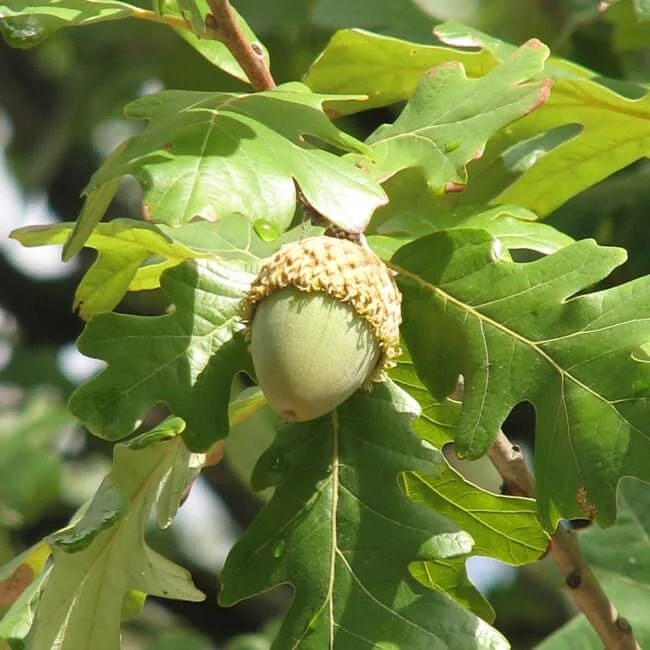
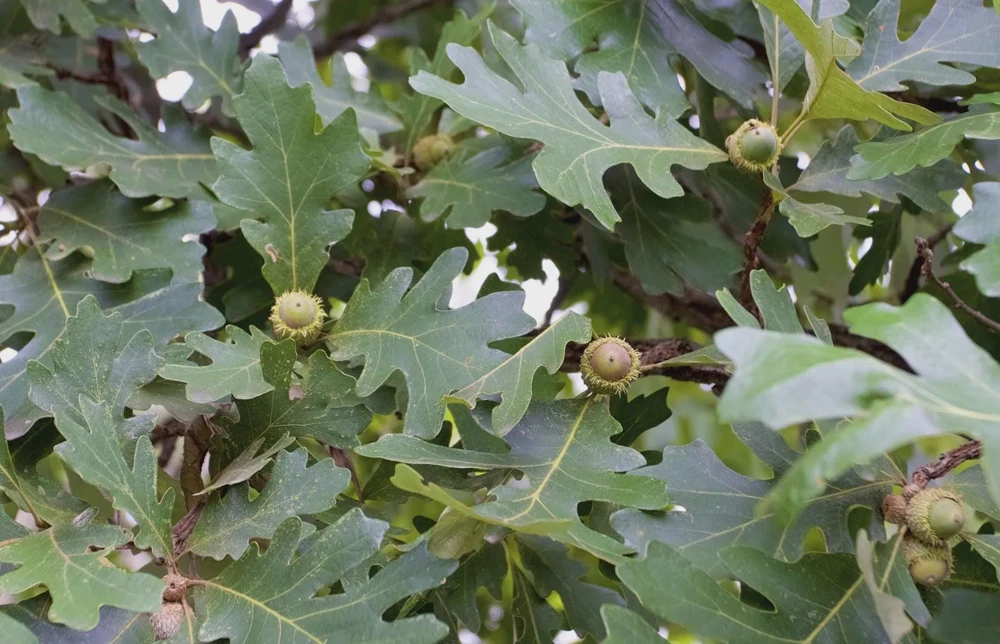
Bring a majestic native to your landscape with this bur oak tree live plant. The Quercus macrocarpa care is straightforward, offering deep roots and a massive, fringed acorn. This 12-24 inch starter plant is perfect for creating a long-lived, adaptable, and rugged outdoor feature in your garden.
Estimated arrival
Oct 16
Oct 21 - Oct 23
Oct 23 - Oct 28
See our Shipping Policy.
Get in touch with us via email, and our team will review your concerns.
Our Alive & Thrive Guarantee covers issues with your plants within the first 30 days. Read our Refund & Returns Policy.
-
USDA Hardiness Zone
USDA zones 3-8 -
Soil Type
Well-draining soil (tolerates clay, loam, sand) -
Sunlight Exposure
Full sun -
Expected Planting Period
Spring or fall
Overview
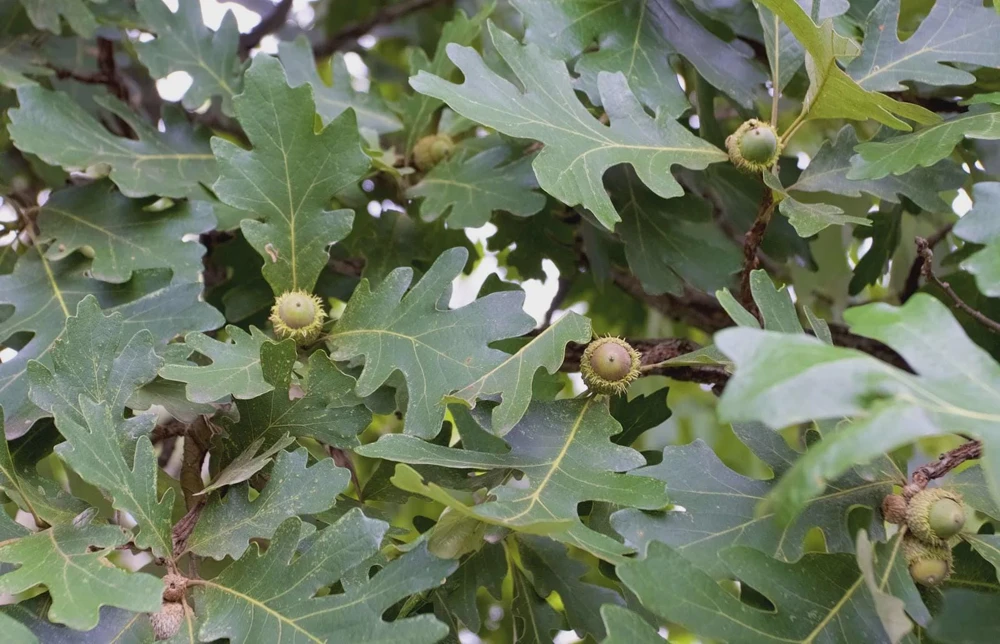
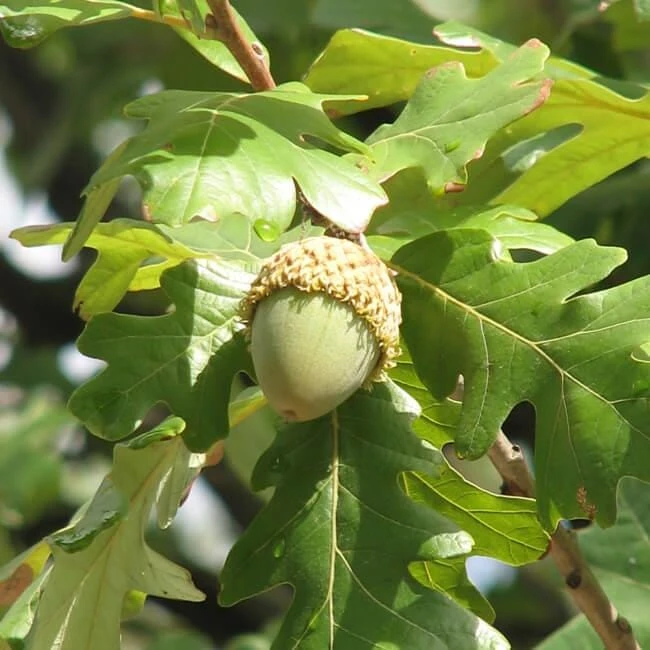
Introduce a piece of North American heritage to your landscape with the impressive bur oak tree live plant. Known botanically as Quercus macrocarpa care, this deciduous tree is celebrated for its longevity, rugged resilience, and distinctive appearance. Growing from a 12-24 inch starter plant, the bur oak develops deep roots and thick, fire-resistant bark, making it an exceptionally durable choice for a variety of environments. Its most iconic feature is perhaps its massive acorns, each adorned with a uniquely fringed cap, which provide a vital food source for local wildlife. This adaptable species thrives in a wide range of soil and climate conditions, making it an excellent addition to gardens and estates across many USDA zones. Whether you’re looking to establish a grand shade tree or contribute to local ecology, the bur oak offers both aesthetic appeal and environmental benefits.
Key Benefits
The bur oak tree live plant offers a multitude of advantages for any gardener or landscaper, providing long-term beauty and ecological value. Its robust nature makes it a valuable asset to any property.
- Exceptional Longevity: Bur oak trees are renowned for their impressive lifespan, often living for several centuries. Planting a bur oak tree live plant is an investment in the future, providing generations with shade, beauty, and ecological benefits.
- Wildlife Haven: The large, distinctive acorns of the Quercus macrocarpa are a significant food source for various wildlife, including deer, squirrels, and birds. Establishing these trees helps support local ecosystems and biodiversity.
- Drought and Fire Tolerance: Thanks to its deep root system and thick bark, the bur oak exhibits remarkable resilience to both drought conditions and wildfires, making it a robust choice for challenging environments.
- Adaptable Growth: This species is highly adaptable, thriving in a wide range of soil types and climate conditions. This versatility simplifies planting bur oak, allowing it to flourish in diverse settings.
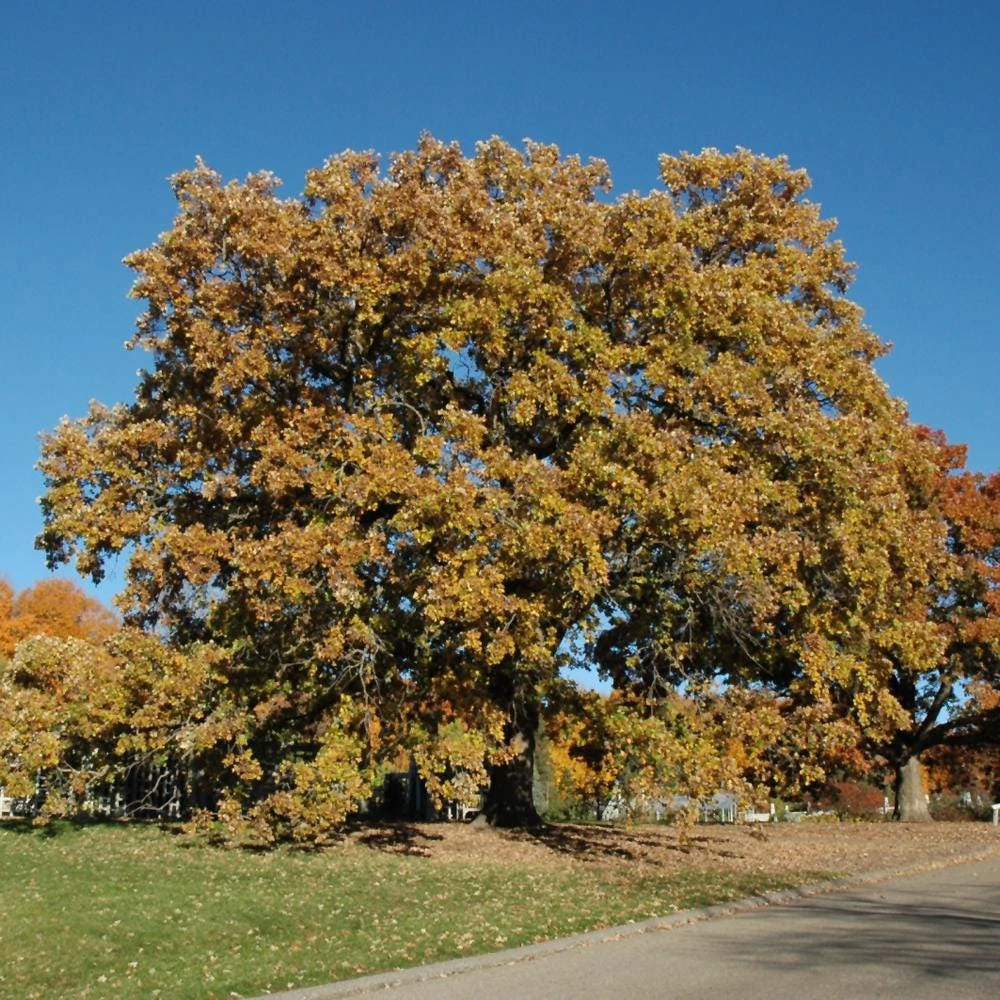
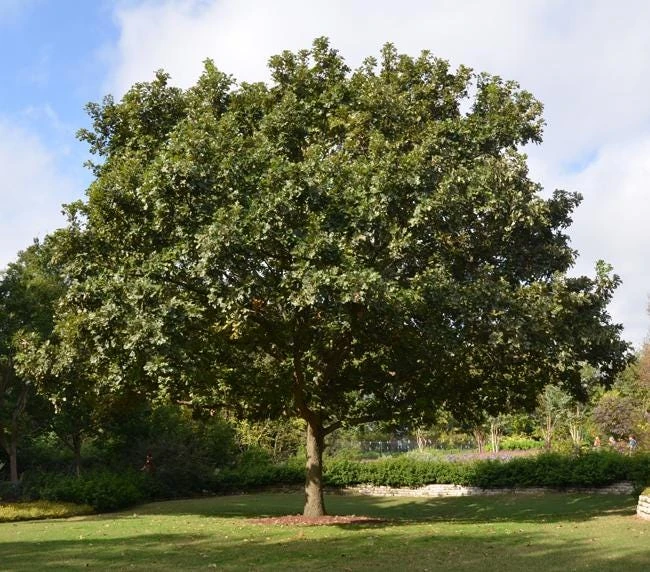
- Stately Landscape Presence: When mature, the bur oak forms a majestic, broad, and rounded crown, providing substantial shade and an imposing, beautiful presence in any large garden or park. It’s a true statement tree.
- Low Maintenance: Once established, the bur oak requires minimal maintenance, making it an ideal choice for those seeking a grand tree without constant care. Its natural hardiness contributes to easy quercus macrocarpa care.
- Air Quality Improvement: Like all large trees, bur oaks contribute significantly to air quality by absorbing carbon dioxide and releasing oxygen, while also filtering pollutants.
Plant Care & Growing Tips
Caring for your bur oak tree live plant is relatively straightforward, given its robust and adaptable nature. To ensure optimal growth, proper initial care is crucial. The bur oak thrives in full sun, meaning it requires at least 6-8 hours of direct sunlight per day. Choose a location that receives ample sunlight and allows for its mature size. When considering planting bur oak, ensure the soil is well-draining, though it can tolerate a wide range of soil types including clay, loam, and sandy soils. Good drainage is key to preventing root rot, especially in younger plants.
Watering should be consistent during the first few years to help establish a strong root system. Water deeply once or twice a week, depending on rainfall and soil moisture, ensuring the soil remains moist but not waterlogged. Once established, bur oaks are quite drought-tolerant. Fertilization is generally not required for established trees, but a balanced, slow-release fertilizer can be applied in spring to young trees if soil nutrients are poor. Pruning should focus on removing dead, damaged, or crossing branches to maintain a strong structure. The bur oak is hardy in USDA zones 3-8, capable of withstanding cold winters and hot summers. Monitor for common pests and diseases, though this species is generally quite resistant. Understanding bur oak tree facts will help you provide the best environment for your tree.
Size & Details
This offering includes 5 bur oak tree live plant starter plants, each measuring approximately 12-24 inches tall. They are shipped in quart pots, providing a healthy root ball ready for planting. These young trees are ideal for establishing a new grove or adding individual specimens to your landscape. The bur oak, or Quercus macrocarpa, is known for its moderate to fast growth rate, eventually reaching impressive heights of 70-90 feet with a spread of similar dimensions, forming a broad, rounded crown. Each starter plant is carefully nurtured to ensure a strong beginning for your future majestic tree. Proper planting bur oak techniques will ensure these young plants establish quickly and thrive.
Frequently Asked Questions
- Q: How tall will my bur oak tree grow? A: A mature bur oak tree live plant can reach heights of 70-90 feet, with a similar spread, creating a magnificent, broad crown. Its final size depends on growing conditions and available space.
- Q: What size pot does the bur oak tree come in? A: Each bur oak tree live plant is shipped in a quart-sized pot, ensuring a well-developed root system ready for transplanting into your garden or a larger container.
- Q: Is this an indoor or outdoor plant? A: The bur oak is a large deciduous tree and is intended for outdoor planting. It requires ample space to grow and is not suitable as an indoor houseplant.
- Q: How much sunlight does a bur oak need? A: For optimal growth, the bur oak requires full sun, meaning at least 6-8 hours of direct sunlight per day. This ensures robust development and overall health.
- Q: Is quercus macrocarpa care difficult for beginners? A: No, quercus macrocarpa care is relatively easy, especially once the tree is established. It’s known for its adaptability and resilience, making it a good choice even for novice gardeners.
- Q: What condition will the starter plants arrive in? A: Your bur oak tree live plant will arrive carefully packaged, with the roots and foliage protected to ensure it reaches you in healthy, ready-to-plant condition.
- Q: When is the best time to plant a bur oak tree? A: The best time for planting bur oak is typically in early spring or fall, allowing the tree to establish its root system before the stress of summer heat or winter cold.
- Q: What USDA zones are suitable for bur oak? A: Bur oak trees are hardy and thrive in USDA zones 3 through 8, making them suitable for a wide range of climates across North America. These bur oak tree facts highlight its adaptability.
- Q: Can I grow a bur oak in clay soil? A: Yes, bur oaks are quite tolerant of various soil types, including heavy clay soils, as long as there is adequate drainage. They are very adaptable.
- Q: Do bur oak trees produce acorns every year? A: Bur oaks typically begin producing acorns when they are around 20-30 years old, and they usually produce a significant crop every 2-3 years, with smaller crops in between.
Be the first to review “Bur Oak Tree Live Plant – Quercus macrocarpa 12-24″ Tall Quart Pot Outdoor”
Related products


You May Like

Hardneck vs. Softneck Garlic: Which Should You Grow?
Have you ever stood in front of a seed catalog in mid-September, staring at dozens [...]
Oct

When to Plant Music Garlic: Ultimate US Fall Guide
Have you ever spent your fall weekend placing carefully chosen garlic cloves into rich, dark [...]
1 Comment
Oct

5 Best Bulbs for Fall Planting: Brighten Your Garden This Spring
Are you dreaming of a garden full of vibrant colors in the spring? The key [...]
Aug

10 Houseplants That Will Thrive in Your Kitchen
Are you tired of your kitchen feeling dull and lifeless? Want to add a little [...]
1 Comment
Aug
Reviews
There are no reviews yet.