
Buttonbush Live Plant – Cephalanthus occidentalis Shrub – 12-24in Tall – Bare Root or Potted
Original price was: 74.99 $.49.99 $Current price is: 49.99 $.
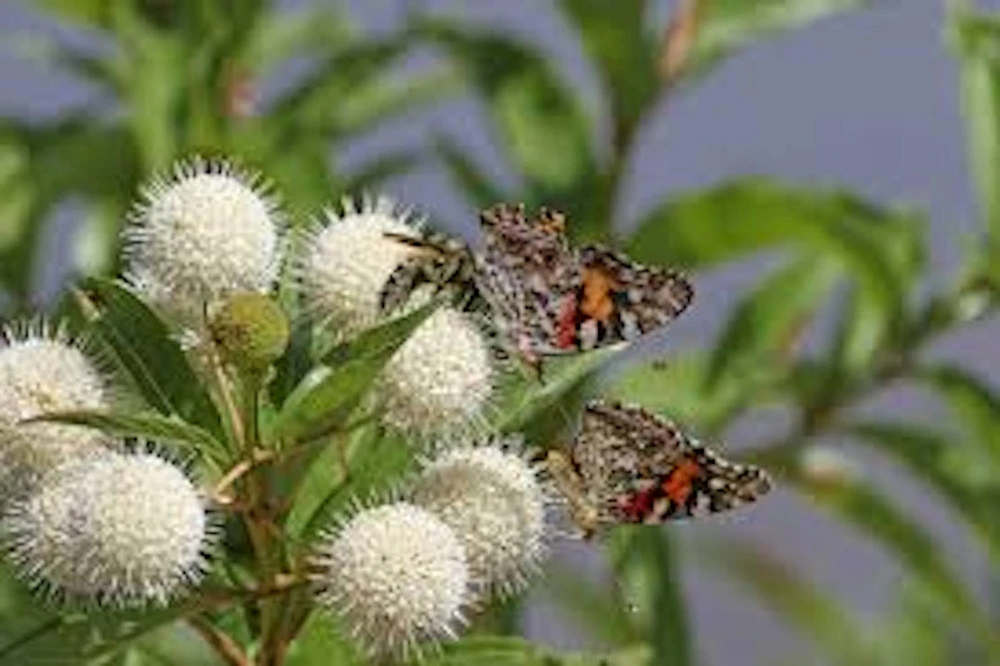
Add a stunning buttonbush live plant to your landscape. This native Cephalanthus occidentalis shrub features unique, spherical white flowers that attract bees, butterflies, and hummingbirds. Perfect for wetland areas or garden beds, it offers beautiful summer blooms and supports local ecosystems.
Estimated arrival
Oct 16
Oct 21 - Oct 23
Oct 23 - Oct 28
See our Shipping Policy.
Get in touch with us via email, and our team will review your concerns.
Our Alive & Thrive Guarantee covers issues with your plants within the first 30 days. Read our Refund & Returns Policy.
-
USDA Hardiness Zone
USDA Zones 4-9 -
Soil Type
Moist to wet, rich organic soil, tolerates clay -
Sunlight Exposure
Full sun to partial shade -
Expected Planting Period
Year-round (bare root in fall/winter, potted in growing season)
Overview
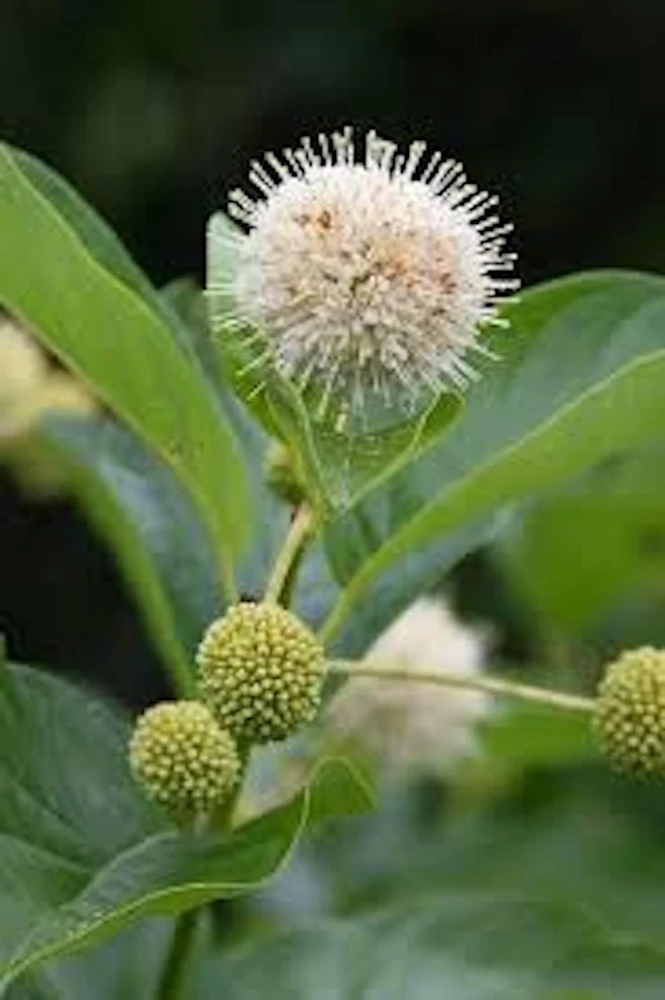
Introducing the buttonbush live plant (Cephalanthus occidentalis), a remarkable native deciduous shrub that brings unique beauty and ecological value to any garden. Known for its distinctive spherical, creamy-white flowers, this plant is a true showstopper during the summer months. Often referred to as common buttonbush or honey-bells, Cephalanthus occidentalis is a wetland plant naturally found along riverbanks, ponds, and marshy areas, making it an excellent choice for rain gardens or low-lying sections of your landscape. Its captivating blooms not only offer visual interest but also serve as a vital nectar source, attracting a diverse array of pollinators, including bees, butterflies, and hummingbirds. This hardy and adaptable Cephalanthus occidentalis shrub is an ideal addition for gardeners looking to enhance biodiversity and enjoy a low-maintenance yet stunning specimen.
The buttonbush live plant is celebrated for its ease of care and resilience, thriving in conditions that might challenge other plants. Its ability to tolerate wet feet makes it a perfect fit for areas with poor drainage or near water features. Beyond its beautiful flowers, the buttonbush provides attractive foliage and a sturdy structure, contributing to year-round garden interest. Embrace the opportunity to cultivate this extraordinary native shrub and witness your garden come alive with its charm and the activity of its many visitors.
Key Benefits
The buttonbush live plant offers a multitude of benefits, making it an excellent choice for various garden settings. From its unique aesthetics to its ecological contributions, this shrub is a valuable addition:
- Attracts Pollinators: The fragrant, spherical flowers are a magnet for bees, butterflies, and hummingbirds, making it a crucial pollinator friendly plant and supporting local ecosystems.
- Unique Ornamental Value: Its distinctive ‘button’ shaped flowers provide a fascinating textural element and visual interest that stands out in any landscape.
- Native and Adaptable: As a native wetland plant, it is well-suited to North American climates and soil conditions, requiring less intervention once established.
- Tolerates Wet Conditions: Thrives in moist to wet soils, making it perfect for rain gardens, pond edges, or areas prone to occasional flooding where other plants struggle.
- Low Maintenance: Once established, the buttonbush is quite resilient and requires minimal care, making it suitable for gardeners of all experience levels.
- Wildlife Habitat: Beyond pollinators, the seeds provide food for waterfowl, and the dense foliage offers shelter for various small animals.
- Erosion Control: Its strong root system can help stabilize soil along banks and slopes, preventing erosion in wetland or riparian zones.
Plant Care & Growing Tips
Caring for your buttonbush live plant is relatively straightforward, especially given its native resilience. This adaptable shrub prefers full sun to partial shade, meaning it will thrive with at least 6 hours of direct sunlight per day, though it can tolerate some afternoon shade in hotter climates. When it comes to watering, the buttonbush prefers consistently moist to wet soil. It is particularly well-suited for areas where the soil remains damp, or even standing water for periods, such as pond margins or rain gardens. During dry spells, especially in its first year, ensure it receives regular watering to help establish its root system. Once established, it is quite drought-tolerant, though it will perform best with adequate moisture.
The ideal soil type for a Cephalanthus occidentalis shrub is rich, organic soil, but it can tolerate a range of soil conditions, including clay. Good drainage is less critical for this plant than for many others, as it naturally grows in boggy areas. Fertilization is generally not necessary for established plants, especially if planted in fertile soil. If your soil is poor, a balanced, slow-release fertilizer applied in early spring can be beneficial. Pruning can be done in late winter or early spring to maintain shape, remove dead or damaged branches, or to encourage bushier growth. Buttonbush is hardy in USDA zones 4-9. Pests and diseases are rarely a significant problem for this robust native, contributing to its reputation as an easy-care choice for a native wetland plant.
Size & Details
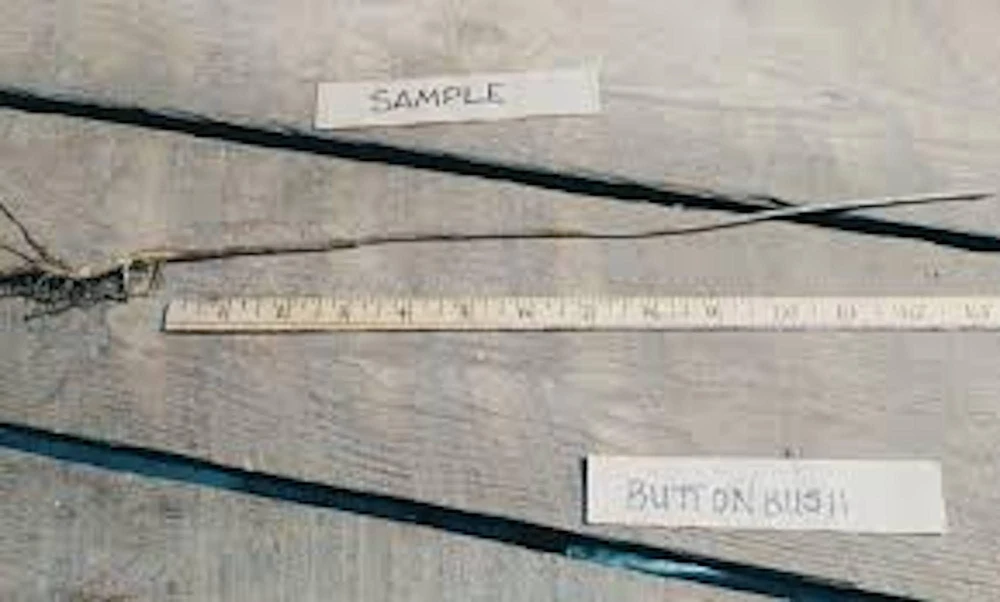
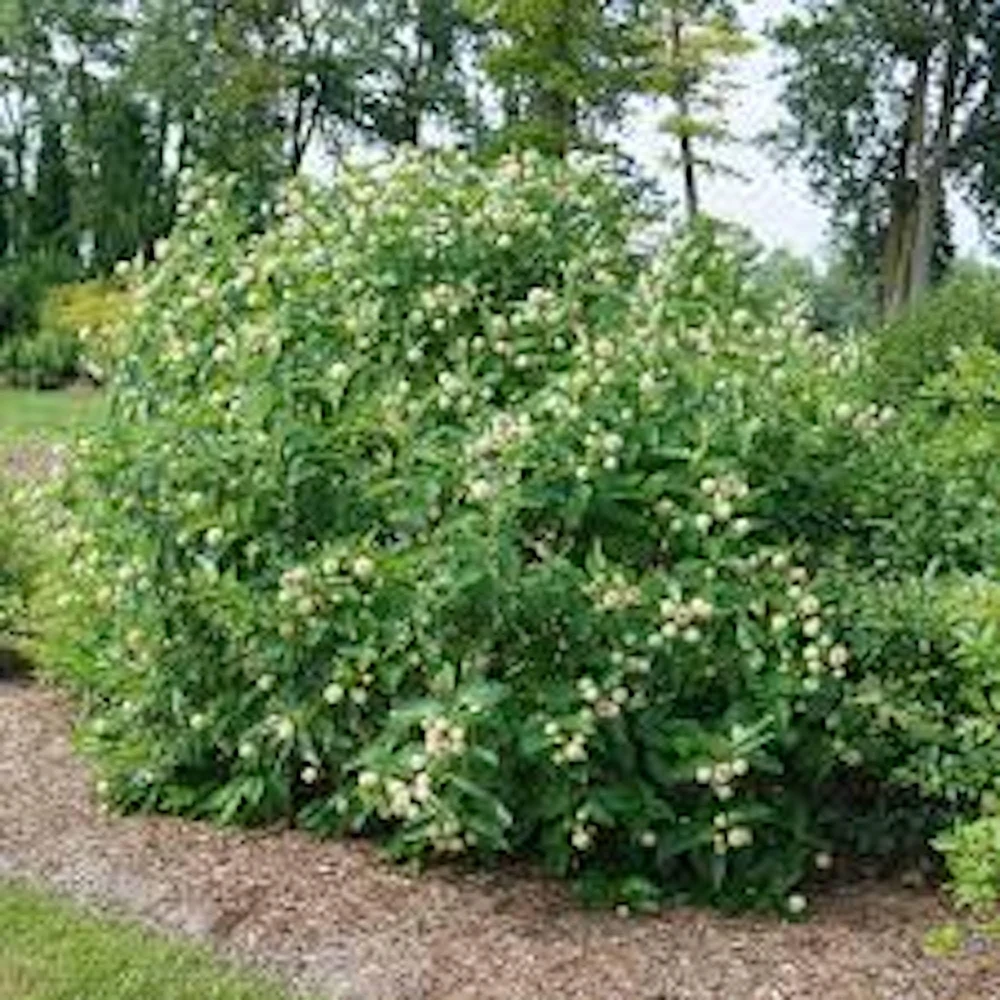
This offering is for a buttonbush live plant, typically ranging from 12 to 24 inches in height upon arrival. During the fall and winter seasons, these plants are shipped as bare root specimens, carefully prepared for dormant planting. In the growing season (spring and summer), they will be shipped in a pot, ensuring a smooth transition to your garden. The Cephalanthus occidentalis shrub is a medium to large deciduous shrub, ultimately reaching a mature height of 5-12 feet with a similar spread. Its growth rate is moderate, allowing it to establish well within a few seasons. Expect to see its unique spherical flower clusters bloom from early to late summer, followed by interesting seed heads that persist into winter. This plant is an excellent choice for a pollinator friendly plant, providing continuous interest throughout multiple seasons.
Frequently Asked Questions
- Q: How big does this plant get? A: A buttonbush live plant typically grows to a mature height of 5-12 feet with a similar spread. Its size can be managed with pruning, but it naturally forms a substantial shrub suitable for larger garden spaces or as a focal point.
- Q: Is this an indoor or outdoor plant? A: The Cephalanthus occidentalis shrub is an outdoor plant, native to wetland areas. It thrives in various outdoor garden settings and is not suitable for long-term indoor cultivation.
- Q: How much sunlight does it need? A: Buttonbush prefers full sun to partial shade. It will perform best with at least 6 hours of direct sunlight daily, though it can tolerate some afternoon shade, especially in warmer climates.
- Q: Is this plant easy to care for? A: Yes, the buttonbush care routine is considered low maintenance. Once established, it is quite resilient, tolerating wet conditions and a range of soil types, making it a great choice for beginners or busy gardeners.
- Q: What condition will it arrive in? A: During fall and winter, your buttonbush live plant will arrive as a bare root specimen. In spring and summer, it will be shipped in a pot. Both methods ensure the plant is ready for successful planting in your garden.
- Q: Can I use this plant near a pond or in a wet area? A: Absolutely! Buttonbush is a native wetland plant and is ideally suited for pond edges, rain gardens, or any area with consistently moist to wet soil. It thrives in conditions that many other shrubs cannot tolerate.
- Q: How long until it blooms? A: A well-established Cephalanthus occidentalis shrub typically begins to bloom in early to mid-summer, with its unique spherical flowers lasting well into late summer. Younger plants may take a season or two to fully establish before blooming profusely.
- Q: Will it survive winter in my zone? A: The buttonbush live plant is hardy in USDA Zones 4-9. If you are within these zones, it should successfully overwinter and return year after year, providing continuous beauty and supporting pollinators.
- Q: Is this a good plant for attracting butterflies? A: Yes, the buttonbush is an excellent pollinator friendly plant. Its fragrant flowers are a significant nectar source, making it highly attractive to various butterfly species, as well as bees and hummingbirds.
Be the first to review “Buttonbush Live Plant – Cephalanthus occidentalis Shrub – 12-24in Tall – Bare Root or Potted”
Related products


You May Like

Hardneck vs. Softneck Garlic: Which Should You Grow?
Have you ever stood in front of a seed catalog in mid-September, staring at dozens [...]
Oct

When to Plant Music Garlic: Ultimate US Fall Guide
Have you ever spent your fall weekend placing carefully chosen garlic cloves into rich, dark [...]
1 Comment
Oct

5 Best Bulbs for Fall Planting: Brighten Your Garden This Spring
Are you dreaming of a garden full of vibrant colors in the spring? The key [...]
Aug

10 Houseplants That Will Thrive in Your Kitchen
Are you tired of your kitchen feeling dull and lifeless? Want to add a little [...]
1 Comment
Aug
Reviews
There are no reviews yet.