
Chickasaw Plum Tree Starter Plant – 12-24″ Tall (Quart Pot) – Prunus angustifolia
Original price was: 75.99 $.50.99 $Current price is: 50.99 $.
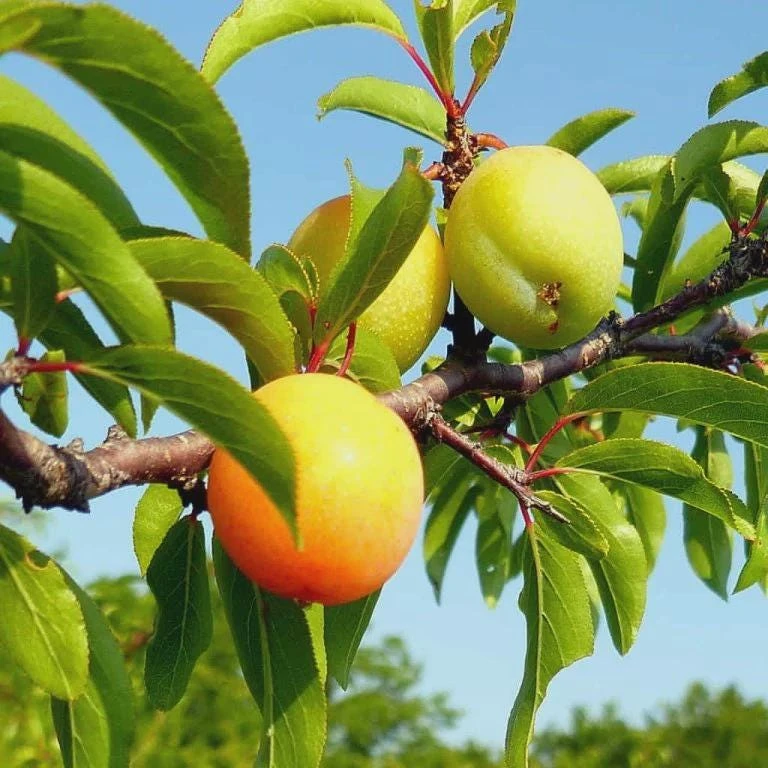
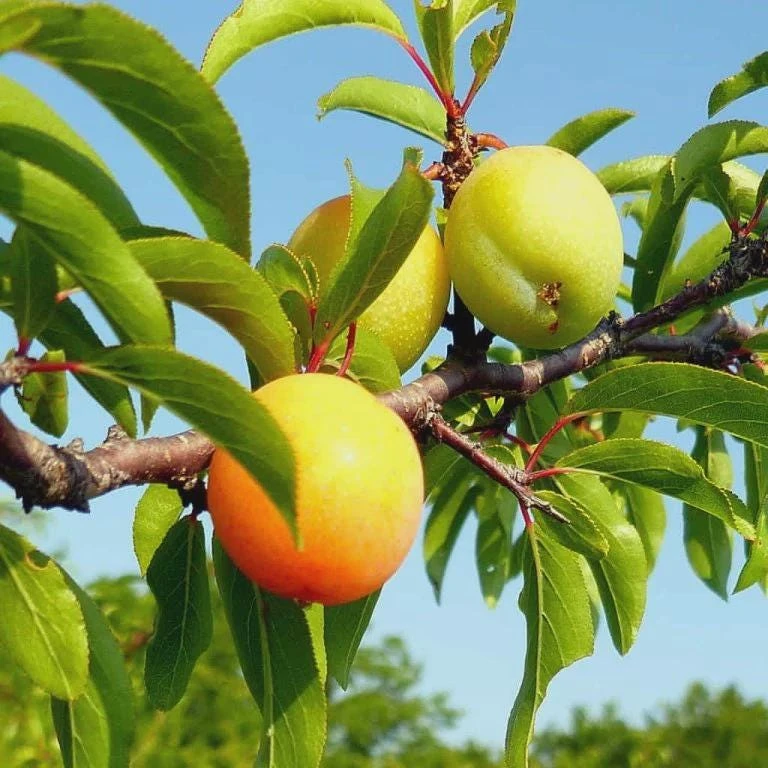
Cultivate a beautiful and beneficial chickasaw plum tree in your garden. This prunus angustifolia plant is a North American native, offering fragrant white flowers, tart edible fruit, and excellent value as a wildlife habitat plant. It’s a fast-growing small tree or shrub, perfect for creating natural thickets or as a standalone specimen.
Estimated arrival
Oct 17
Oct 22 - Oct 24
Oct 24 - Oct 29
See our Shipping Policy.
Get in touch with us via email, and our team will review your concerns.
Our Alive & Thrive Guarantee covers issues with your plants within the first 30 days. Read our Refund & Returns Policy.
-
USDA Hardiness Zone
USDA zones 5-9 -
Soil Type
Well-draining soil -
Sunlight Exposure
Full sun -
Expected Planting Period
Early spring or late fall
Overview
Introduce the charm and ecological benefits of a native American species to your landscape with the chickasaw plum tree. This starter plant, scientifically known as prunus angustifolia plant, arrives as a vigorous 12-24 inch specimen, ready to establish itself in your garden. Known for its rapid growth and adaptability, the Chickasaw plum is a versatile small tree or shrub that provides both ornamental beauty and practical value. It’s an ideal choice for gardeners seeking a plant that contributes to local biodiversity, offering vital resources for birds and other wildlife. Its early spring blossoms fill the air with a sweet fragrance, signaling the start of the growing season and attracting pollinators. As a truly native plum, it is well-suited to various environments and requires minimal fuss once established, making it a rewarding addition to any outdoor space.
The chickasaw plum tree is celebrated not only for its aesthetic appeal but also for its ecological significance. This species forms a crucial part of many ecosystems, providing food and shelter. The tart, delicious fruit can be enjoyed fresh or used in preserves, offering a unique culinary experience from your own backyard. It’s also recognized as an excellent wildlife habitat plant, creating dense thickets that serve as protective cover for small animals and nesting sites for birds. This hardy plant is a testament to nature’s resilience and beauty, bringing a piece of the wild into your cultivated landscape. Whether you’re aiming for erosion control, naturalized plantings, or simply a beautiful fruiting tree, the Chickasaw plum delivers on multiple fronts.
Key Benefits
The chickasaw plum tree offers a multitude of benefits for both the gardener and the environment. Its unique characteristics make it a standout choice for various landscaping needs, providing long-lasting value and natural beauty. Here are some of the key advantages of growing this remarkable plant:
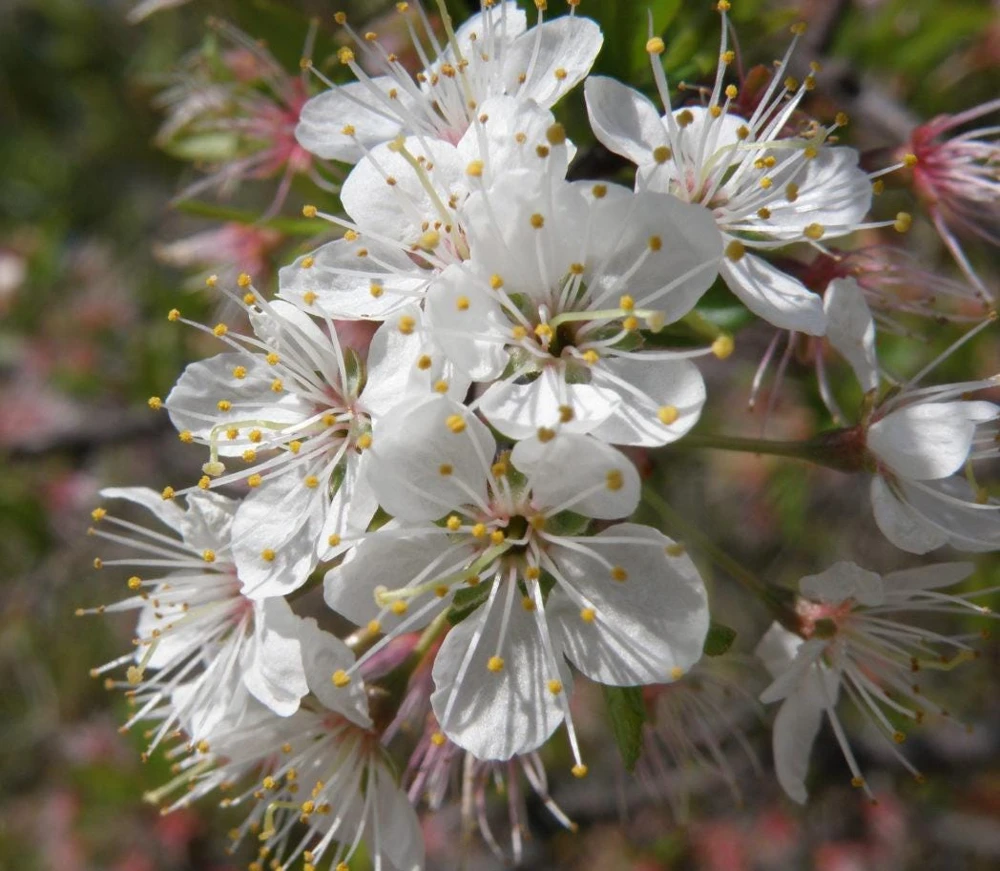
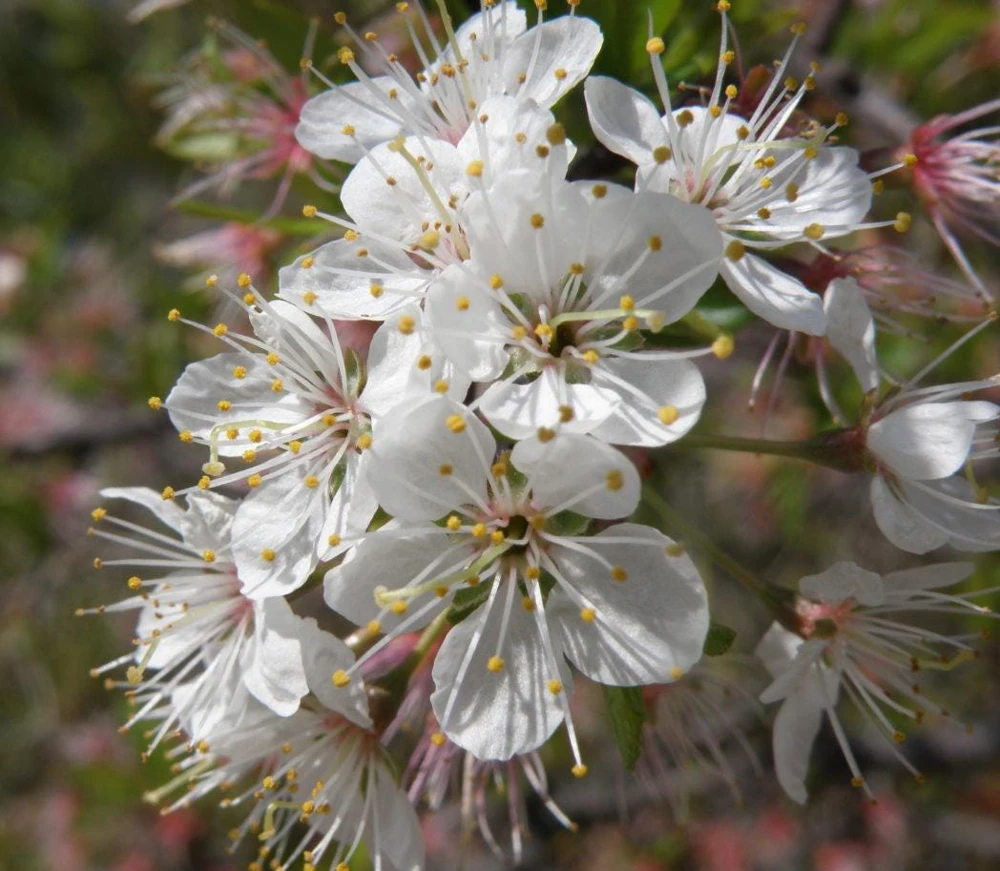
- Fragrant Early Spring Blooms: Enjoy a spectacular display of white, fragrant flowers in early spring, often before other trees leaf out. These blossoms not only enhance your garden’s beauty but also serve as an important early nectar source for pollinators, contributing to the health of your local ecosystem. The delightful scent adds an extra layer of sensory pleasure to your outdoor space.
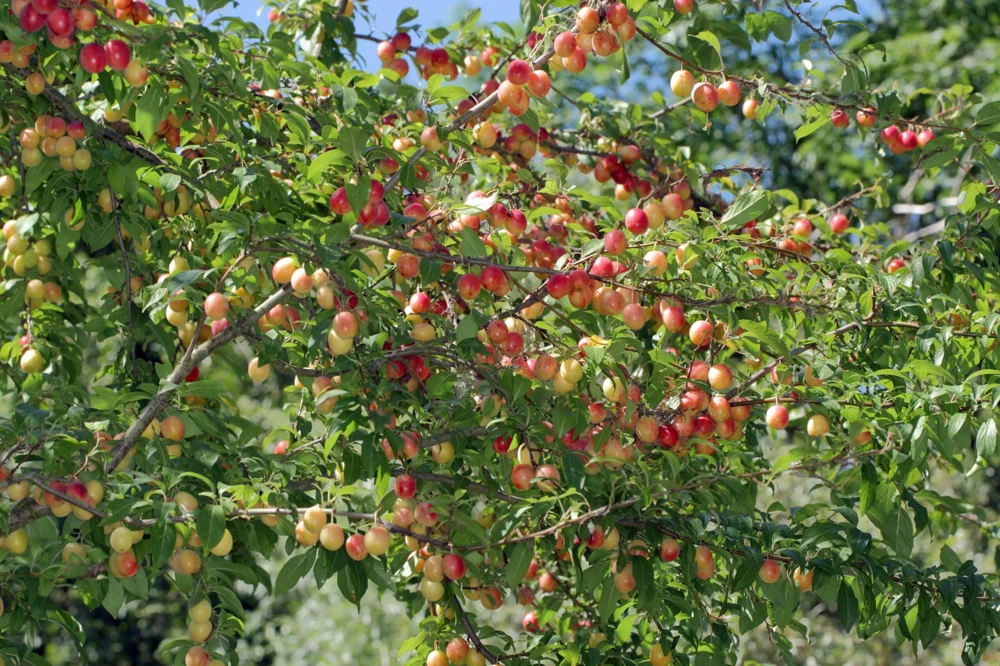
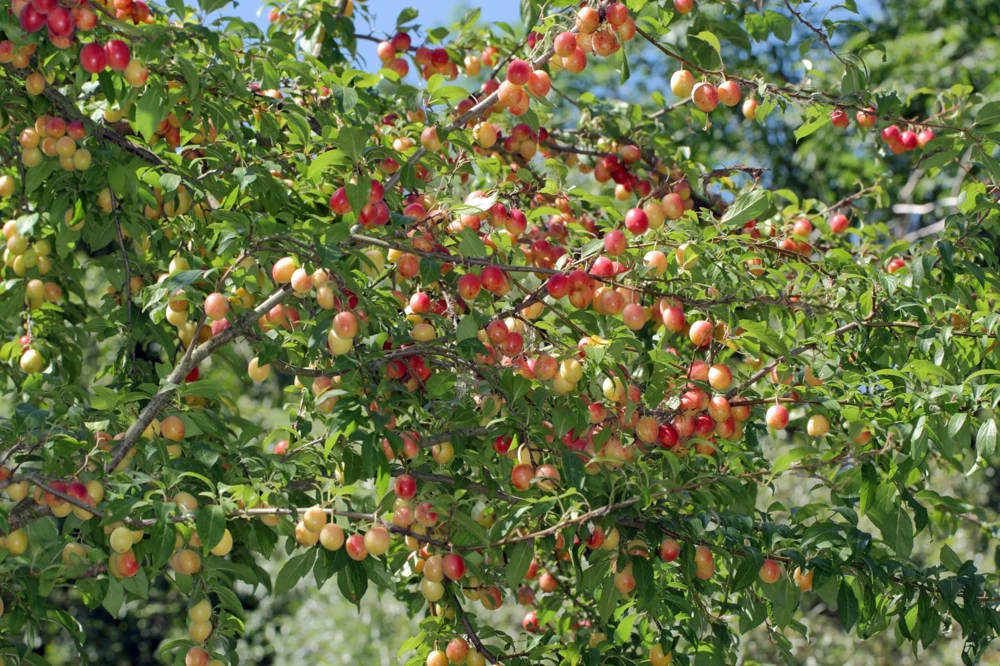
- Delicious Edible Fruit: Harvest tart, juicy plums that are perfect for fresh eating, jams, jellies, or pies. The fruit ripens in summer, providing a bounty of natural sweetness. Growing your own edible fruit tree ensures you have access to fresh, organic produce right from your garden, enhancing your culinary adventures.
- Exceptional Wildlife Habitat: This native plum tree is a magnet for local wildlife. Its dense, thorny branches provide excellent cover and nesting sites for birds, while the fruit offers a vital food source for various animals. By planting a wildlife habitat plant like the Chickasaw plum, you actively support local biodiversity and create a thriving ecosystem in your backyard.
- Erosion Control & Thicket Formation: The Chickasaw plum naturally spreads by root suckers, forming dense thickets that are highly effective for erosion control on slopes and disturbed areas. This natural spreading habit makes it ideal for creating hedgerows, windbreaks, or naturalized areas, providing practical solutions for landscape challenges.
- Low Maintenance & Adaptable: Once established, the chickasaw plum tree is remarkably hardy and requires minimal care. It tolerates a range of soil conditions and is drought-tolerant, making it a resilient choice for various climates. Its adaptability ensures it can thrive in many garden settings, offering ease of care for busy gardeners.
- Fast Growing & Versatile: Known for its fast growth rate, this small tree or shrub quickly establishes itself and begins to provide benefits. Its versatile growth habit allows it to be used as a standalone specimen, part of a mixed border, or as a naturalistic planting, adapting to different design schemes.
- North American Native: As a true North American native, the prunus angustifolia plant is perfectly adapted to the local climate and conditions. This reduces the need for extensive care and supports the native flora and fauna, making it an environmentally conscious choice for your garden.
Plant Care & Growing Tips
Caring for your chickasaw plum tree is relatively straightforward, especially given its native resilience. To ensure your prunus angustifolia plant thrives, understanding its basic needs for sunlight, water, and soil is key. This fast-growing species is quite adaptable but will perform best when its preferred conditions are met. While it can tolerate some neglect, providing optimal care will result in a healthier, more productive tree with abundant flowers and fruit. Pay attention to its growth habits, especially its tendency to sucker, which can be managed to maintain your desired landscape design.
Sunlight Requirements
The chickasaw plum tree thrives in full sun, meaning it requires at least 6-8 hours of direct sunlight per day to produce the best flowering and fruiting. While it can tolerate partial shade, too little sun may result in sparse blooms and reduced fruit production. When choosing a planting location, select an area that receives ample sunlight throughout the day. This ensures robust growth and a strong, healthy plant.
Watering Schedule and Soil Moisture
Once established, the Chickasaw plum is quite drought-tolerant. However, during its first year, consistent watering is crucial to help it establish a strong root system. Water deeply once or twice a week, or more frequently during hot, dry periods, ensuring the soil remains consistently moist but not waterlogged. Established trees generally only need supplemental watering during extended dry spells. The soil should be allowed to dry out slightly between waterings to prevent root rot.
Soil Type and Drainage Requirements
This native plum tree is adaptable to a wide range of soil types, from sandy to clay, as long as it is well-draining. It prefers slightly acidic to neutral soils (pH 6.0-7.0). Good drainage is essential, as the plant does not tolerate standing water. If you have heavy clay soil, amending it with organic matter like compost can improve drainage and aeration, creating an ideal environment for your chickasaw plum tree.
Temperature Range and USDA Hardiness Zone
The Chickasaw plum is remarkably hardy, thriving in USDA zones 5 through 9. This wide range indicates its ability to withstand both cold winters and hot summers. It is deciduous, shedding its leaves in winter and entering a period of dormancy. This resilience makes it an excellent choice for many regions across the United States. Ensure your local climate falls within these zones for optimal growth.
Fertilization Schedule and Type
Generally, the chickasaw plum tree does not require heavy fertilization, especially if planted in fertile soil. If your soil is poor, a balanced slow-release fertilizer can be applied in early spring before new growth begins. Avoid over-fertilizing, as this can lead to excessive leafy growth at the expense of flowers and fruit. A light application of compost around the base of the tree can also provide a slow, steady release of nutrients.
Common Problems and Solutions
While generally robust, the Chickasaw plum can occasionally encounter issues. Pests like aphids or plum curculio might appear, which can often be managed with organic insecticides or by encouraging natural predators. Diseases such as powdery mildew can occur in humid conditions; ensuring good air circulation and appropriate pruning can help prevent this. The tendency for the plant to spread by root suckers is natural for this wildlife habitat plant; these can be pruned back regularly if you wish to maintain a more contained form or encouraged to form a dense thicket for erosion control or wildlife cover.
Size & Details
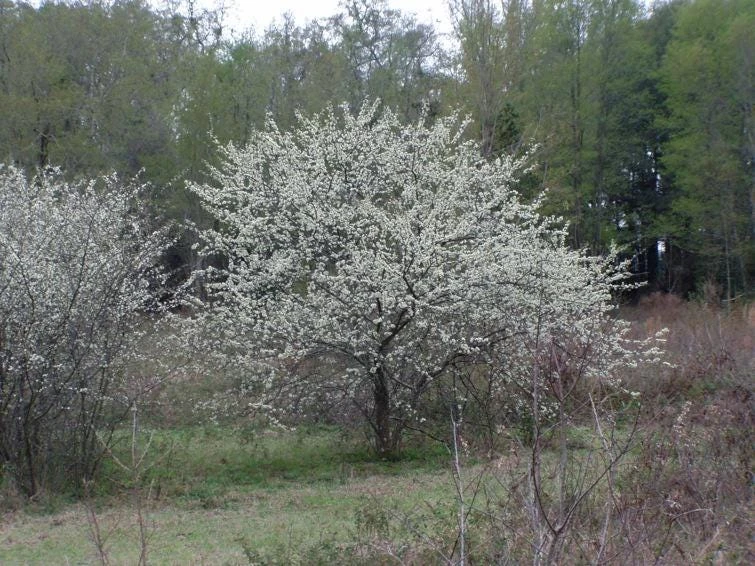
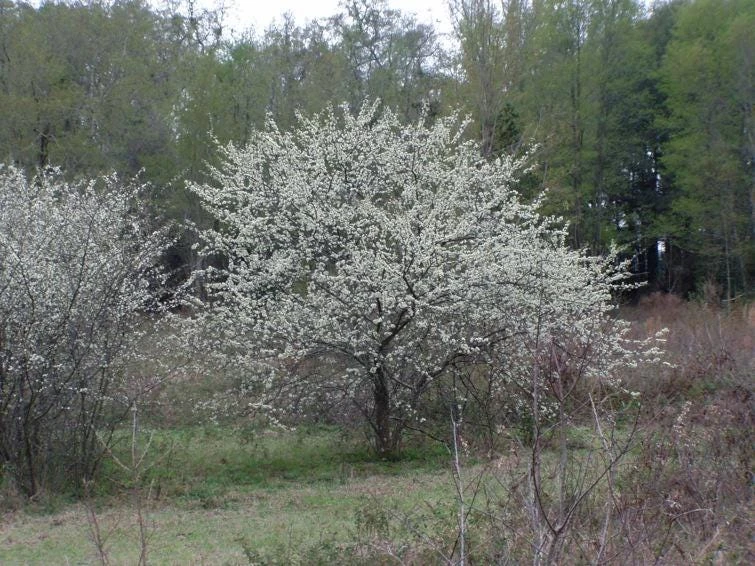
This offering is for one chickasaw plum tree starter plant, delivered as a bare-root specimen. The plant will measure between 12-24 inches tall upon arrival, with a minimum height of 6-12 inches, ensuring a healthy start for your garden. It is shipped ready for immediate planting and establishment. The Chickasaw plum is a fast-growing species that typically reaches a mature height of 6 to 12 feet, though it has the potential to grow up to 25 feet under ideal conditions. It forms a rounded, somewhat ‘twiggy’ mass, characterized by slender, reddish branches that can sometimes be thorny. Its natural tendency to spread by root suckers means it will gradually form dense thickets, which are excellent for erosion control and providing cover for wildlife. The plant is hardy in USDA zones 5 through 9, making it suitable for a wide range of climates across the US. Expect flowers to appear in early spring, followed by tart, edible fruit in the summer months, making it a rewarding edible fruit tree addition to your landscape.
Frequently Asked Questions
- Q: How big does this chickasaw plum tree get? A: This chickasaw plum tree typically grows 6 to 12 feet tall, but it can reach up to 25 feet under optimal growing conditions. Its spread can be considerable due to its suckering habit, forming dense thickets.
- Q: Is this an indoor or outdoor plant? A: The Chickasaw plum is an outdoor plant, best suited for gardens, landscapes, and naturalized areas. It is a deciduous tree that requires a period of winter dormancy.
- Q: How much sunlight does the prunus angustifolia plant need? A: This prunus angustifolia plant thrives in full sun, requiring at least 6-8 hours of direct sunlight per day for the best flowering and fruit production. It can tolerate partial shade, but performance may be reduced.
- Q: Is this plant easy to care for? A: Yes, the Chickasaw plum is considered a low-maintenance and adaptable plant once established. It’s hardy, drought-tolerant, and generally resistant to pests and diseases, making it a good choice for beginners.
- Q: What condition will the native plum tree arrive in? A: Your native plum tree will arrive as a bare-root starter plant, measuring between 12-24 inches tall. Bare-root plants are dormant and ready for immediate planting to ensure successful establishment.
- Q: How long until this edible fruit tree produces fruit? A: Chickasaw plums can begin to produce fruit within 2-3 years after planting, especially if grown from a healthy starter plant. Production will increase as the edible fruit tree matures.
- Q: Will this wildlife habitat plant survive winter in my zone? A: This wildlife habitat plant is hardy in USDA zones 5 through 9, meaning it is well-equipped to survive the winter conditions within these regions. It will shed its leaves and go dormant during the colder months.
- Q: What type of soil does the Chickasaw plum prefer? A: The Chickasaw plum is adaptable to many soil types but prefers well-draining soil with a pH range of 6.0-7.0. Good drainage is crucial to prevent root issues.
- Q: Can I use the fruit from this tree for cooking? A: Absolutely! The tart fruit of the Chickasaw plum is excellent for making jams, jellies, pies, and sauces. Many people also enjoy them fresh, though they can be quite tart.
- Q: When is the best time to plant a Chickasaw plum tree? A: The best time to plant a bare-root chickasaw plum tree is in early spring, after the last hard frost, or in late fall after the leaves have dropped. This allows the plant to establish its roots before extreme temperatures.
Be the first to review “Chickasaw Plum Tree Starter Plant – 12-24″ Tall (Quart Pot) – Prunus angustifolia”
Related products


You May Like

Hardneck vs. Softneck Garlic: Which Should You Grow?
Have you ever stood in front of a seed catalog in mid-September, staring at dozens [...]
Oct

When to Plant Music Garlic: Ultimate US Fall Guide
Have you ever spent your fall weekend placing carefully chosen garlic cloves into rich, dark [...]
1 Comment
Oct

5 Best Bulbs for Fall Planting: Brighten Your Garden This Spring
Are you dreaming of a garden full of vibrant colors in the spring? The key [...]
Aug

10 Houseplants That Will Thrive in Your Kitchen
Are you tired of your kitchen feeling dull and lifeless? Want to add a little [...]
1 Comment
Aug
Reviews
There are no reviews yet.