
Chokecherry Live Plant – 8″ Tall Deciduous Native Fruit Shrub in 5″ Pot
Original price was: 37.59 $.17.59 $Current price is: 17.59 $.
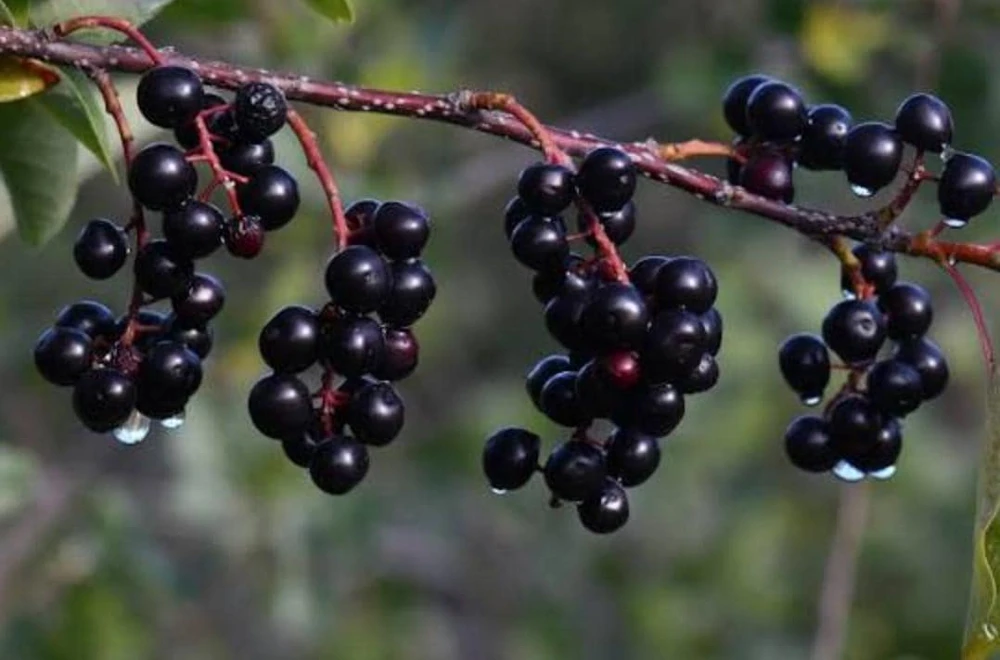
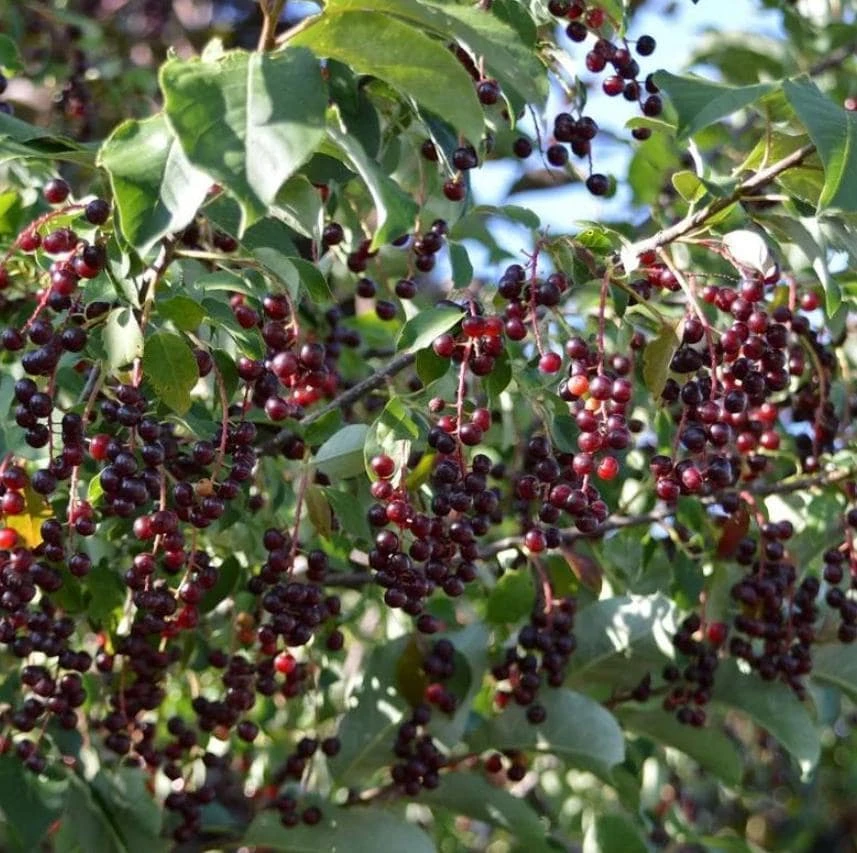
Bring a resilient chokecherry live plant to your garden. This 8-inch tall deciduous native fruit shrub, shipped in a 5-inch pot, provides beautiful spring flowers and dark, wildlife-friendly berries. It’s a cold hardy fruit tree perfect for naturalized plantings and offers significant ornamental interest.
Estimated arrival
Oct 19
Oct 24 - Oct 26
Oct 26 - Oct 31
See our Shipping Policy.
Get in touch with us via email, and our team will review your concerns.
Our Alive & Thrive Guarantee covers issues with your plants within the first 30 days. Read our Refund & Returns Policy.
-
USDA Hardiness Zone
USDA Zones 2-7 -
Soil Type
Well-draining soil, adaptable to many types -
Sunlight Exposure
Full sun to partial shade -
Expected Planting Period
Spring to early fall
Overview
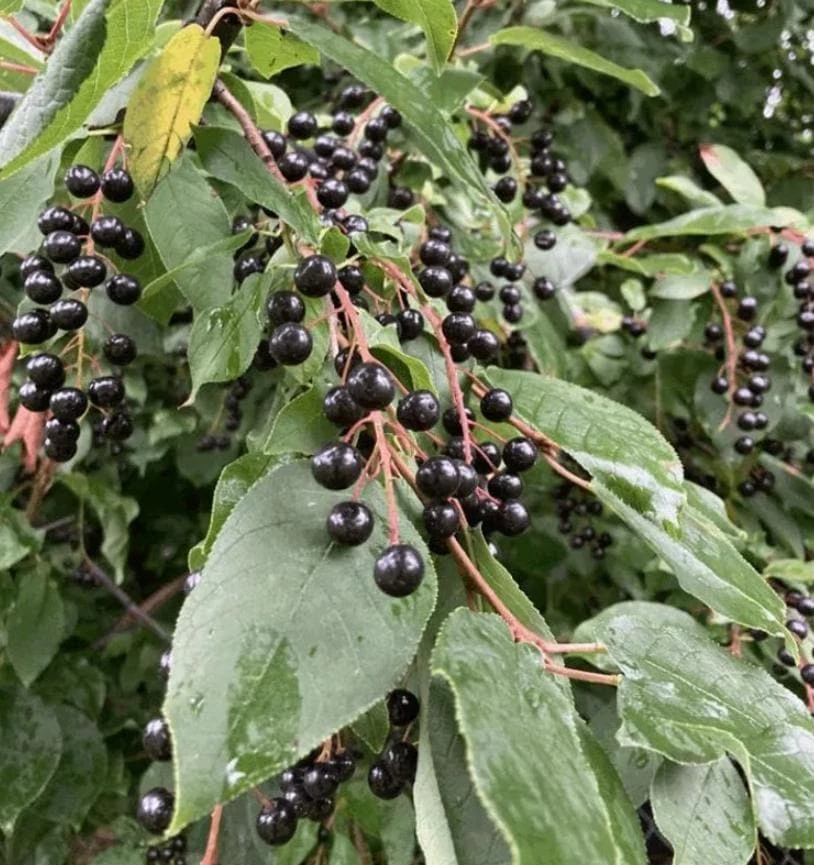
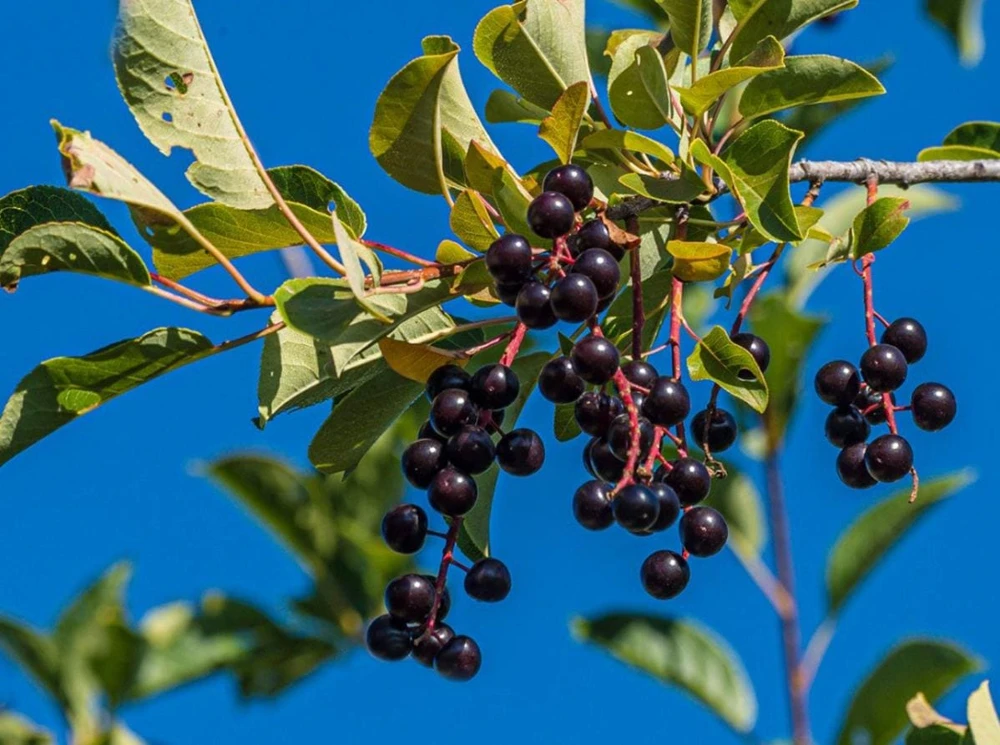
Introduce a touch of native beauty and ecological value to your landscape with this vibrant chokecherry live plant. Known botanically as Prunus virginiana, this small, approximately 8-inch tall deciduous shrub or small tree arrives ready to plant in a 5-inch nursery pot. The chokecherry live plant is highly prized for its attractive white spring blossoms that give way to clusters of dark purple-black berries, offering both visual appeal and a valuable food source for local wildlife. This robust and adaptable plant is an excellent choice for gardeners looking to support biodiversity while adding a low-maintenance, cold-hardy specimen to their outdoor spaces. Its natural resilience makes it an ideal addition to various garden styles, from formal landscapes to wild and naturalized areas, providing seasonal interest throughout the year.
Our native chokecherry shrub is a fantastic way to incorporate indigenous flora into your garden. It’s not just a plant; it’s an investment in your local ecosystem, offering shelter and sustenance to birds and other creatures. The ease of care and its ability to thrive in diverse conditions make it a favorite among both novice and experienced gardeners. Prepare to enjoy the delicate beauty of its flowers and the rich, dark berries that characterize this remarkable native species.
Key Benefits
The chokecherry live plant offers a multitude of advantages for your garden and local environment. Its presence enhances biodiversity and provides ongoing interest through the seasons. Consider these key benefits:
- Ecological Value: This native chokecherry shrub is a crucial food source for various wildlife, including birds and small mammals, thanks to its abundant dark berries. Planting it supports local ecosystems and encourages biodiversity in your garden.
- Ornamental Appeal: Enjoy a stunning display of white, fragrant flower clusters in spring, followed by attractive dark berries in summer. The foliage provides lush green color throughout the growing season, adding significant visual interest.
- Cold Hardiness: The prunus virginiana plant is exceptionally resilient and cold-hardy, adapting well to a wide range of climates and requiring minimal winter protection in most USDA zones. This makes it a reliable choice for many regions.
- Low Maintenance: Once established, this deciduous shrub is moderately drought-tolerant and adaptable to various soil types. It requires minimal pruning and generally thrives with little intervention, making it an easy-care plant.
- Versatile Landscaping: Ideal for wildlife gardens, naturalized areas, windbreaks, and as an informal hedge or small tree specimen. Its adaptability allows it to fit into many garden designs, providing structure and beauty.
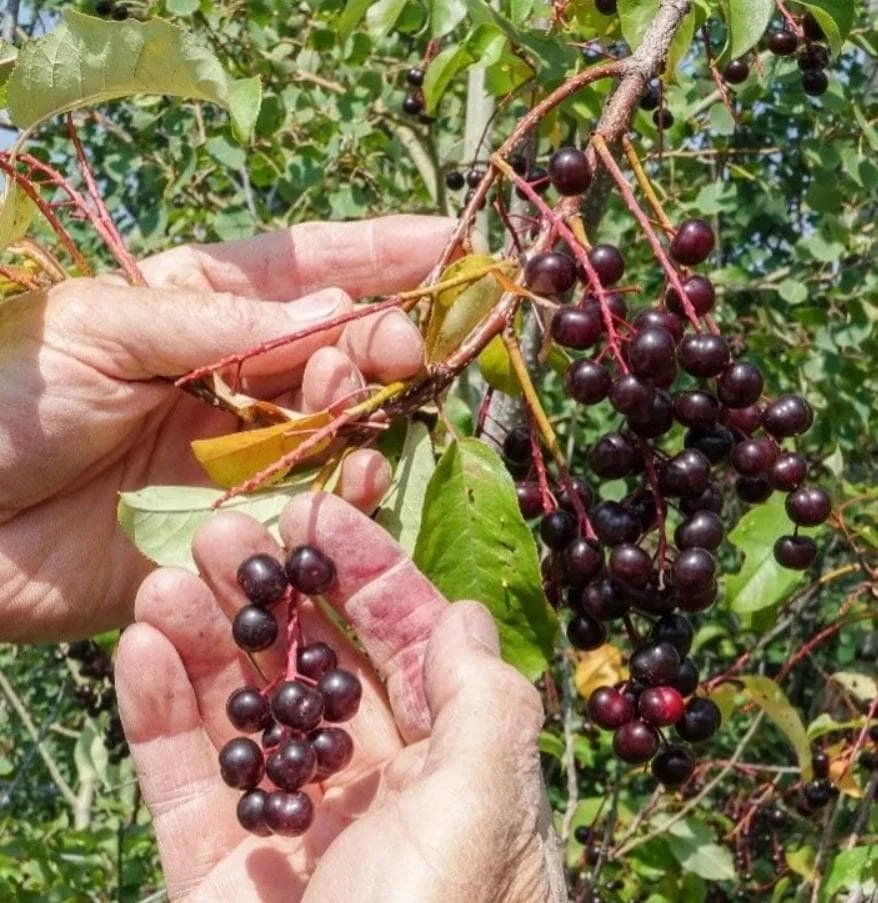
- Edible Fruit: While typically tart, the dark berries are edible when mature and can be used in jams, jellies, and pies after cooking. This provides a unique opportunity for foraging and culinary creativity from your own garden.
- Soil Adaptability: This wildlife friendly plant is known for its ability to grow in a wide range of soil conditions, from sandy to clay, as long as drainage is adequate. This flexibility simplifies planting and establishment.
Plant Care & Growing Tips
Caring for your chokecherry live plant is relatively straightforward, making it an excellent choice for gardeners of all experience levels. This resilient plant, also known as prunus virginiana plant, thrives with proper initial care and minimal ongoing maintenance. Upon arrival, gently unpack your plant and prepare it for transplanting. Choose a location that receives full sun to partial shade, ideally at least 6 hours of direct sunlight per day for optimal fruiting and flowering. While adaptable, well-draining soil is crucial to prevent root rot. Dig a hole twice as wide as the root ball and just as deep, ensuring the plant sits at the same level it was in its nursery pot. Water thoroughly after planting to settle the soil around the roots.
During the establishment phase (the first year), consistent watering is key. Keep the soil consistently moist but not waterlogged. Once established, the chokecherry live plant becomes moderately drought-tolerant, though it will benefit from watering during prolonged dry spells. Adaptable to many soil types, it prefers slightly acidic to neutral pH. A light application of balanced, slow-release fertilizer in early spring can support vigorous growth and abundant flowering. Pruning should be done in late winter or early spring while the plant is dormant. Focus on removing dead, damaged, or crossing branches, and prune to maintain desired shape and size. As a cold hardy fruit tree, it typically requires no special winter protection in its recommended USDA zones.
Monitor your plant for any signs of pests or diseases, though chokecherries are generally robust. Ensuring good air circulation and proper light exposure will help maintain plant health. With these simple care guidelines, your wildlife friendly plant will flourish, providing years of seasonal beauty and ecological benefits.
Size & Details
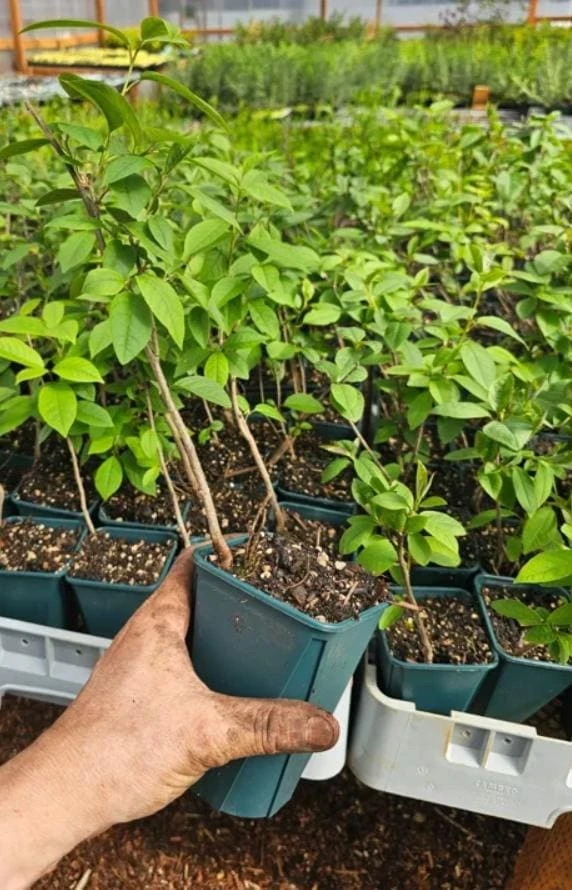
This offering includes one healthy chokecherry live plant, approximately 8 inches tall from the soil line, and growing vigorously in an individual 5-inch nursery pot. The pot size reflects the robust root system developed for successful transplanting. While the plant arrives as a young specimen, it is a deciduous perennial shrub or small tree, meaning it will grow significantly over time. Its growth rate is moderate, eventually reaching heights of 10 to 20 feet and a similar spread, depending on growing conditions and pruning practices. The plant ships in its pot, ensuring minimal transplant shock and providing a strong start in your garden. Expect spring blossoms in its second or third year, followed by the development of dark berries. This starter size plant is ideal for establishing a long-term presence in your landscape.
Frequently Asked Questions
- Q: How big does this plant get? A: This chokecherry live plant typically grows into a deciduous shrub or small tree, reaching mature heights of 10 to 20 feet and a similar spread. Its ultimate size can vary based on growing conditions and whether it is pruned.
- Q: What size pot does it come in? A: The chokecherry live plant is shipped in a 5-inch individual nursery pot, which houses a well-developed root system ready for transplanting into your garden.
- Q: Is this an indoor or outdoor plant? A: The chokecherry live plant is an outdoor plant. It is a native deciduous shrub or small tree, well-suited for gardens, naturalized areas, and landscapes in appropriate USDA hardiness zones.
- Q: How much sunlight does it need? A: This native chokecherry shrub thrives in full sun to partial shade. For the best flowering and fruit production, aim for at least 6 hours of direct sunlight per day.
- Q: Is this plant easy to care for? A: Yes, the prunus virginiana plant is considered relatively easy to care for. Once established, it is quite resilient, moderately drought-tolerant, and adaptable to various soil conditions, making it suitable for beginners.
- Q: What condition will it arrive in? A: Your chokecherry live plant will arrive as a young, healthy specimen in its 5-inch nursery pot. While slight variations in size and appearance are normal for live plants, it will be carefully packaged to ensure safe transit.
- Q: Can I eat the berries from this chokecherry live plant? A: Yes, the dark berries from the chokecherry live plant are edible when mature, but they are quite tart. They are best used in cooked applications like jams, jellies, and pies, which helps to reduce their astringency.
- Q: When is the best time to plant this chokecherry? A: The best time to plant your chokecherry live plant is typically in spring or early fall, allowing the plant sufficient time to establish its root system before extreme summer heat or winter cold.
- Q: Will it survive winter in my zone? A: The chokecherry live plant is a highly cold-hardy native plant, generally suitable for USDA Zones 2-7. It typically requires no special winter protection within these zones.
- Q: Is this a good plant for attracting wildlife? A: Absolutely! As a wildlife friendly plant, the chokecherry is excellent for attracting birds and other small animals, which feed on its abundant dark berries. It also supports local insect populations.
Be the first to review “Chokecherry Live Plant – 8″ Tall Deciduous Native Fruit Shrub in 5″ Pot”
Related products


You May Like

Hardneck vs. Softneck Garlic: Which Should You Grow?
Have you ever stood in front of a seed catalog in mid-September, staring at dozens [...]
Oct

When to Plant Music Garlic: Ultimate US Fall Guide
Have you ever spent your fall weekend placing carefully chosen garlic cloves into rich, dark [...]
1 Comment
Oct

5 Best Bulbs for Fall Planting: Brighten Your Garden This Spring
Are you dreaming of a garden full of vibrant colors in the spring? The key [...]
Aug

10 Houseplants That Will Thrive in Your Kitchen
Are you tired of your kitchen feeling dull and lifeless? Want to add a little [...]
1 Comment
Aug
Reviews
There are no reviews yet.