
Corydalis caseana ssp.brandegei Seeds – Rare Alpine Wildflower – 10 Seeds
Original price was: 45.99 $.20.99 $Current price is: 20.99 $.
Cultivate the rare and captivating Corydalis caseana ssp.brandegei seeds. These unique seeds will allow you to grow a beautiful alpine wildflower known for its delicate appearance and resilience. Perfect for rock gardens or specialized perennial beds, bringing unusual beauty to your outdoor space.
Estimated arrival
Oct 15
Oct 20 - Oct 22
Oct 22 - Oct 27
See our Shipping Policy.
Get in touch with us via email, and our team will review your concerns.
Our Alive & Thrive Guarantee covers issues with your plants within the first 30 days. Read our Refund & Returns Policy.
-
USDA Hardiness Zone
USDA zones 5-7 (approximate for alpine species) -
Soil Type
Well-draining, gritty, rich in organic matter -
Sunlight Exposure
Partial shade -
Expected Planting Period
Late winter to early spring (after stratification)
Overview
Embark on a rewarding gardening journey with these exquisite Corydalis caseana ssp.brandegei seeds. This offering provides 10 premium seeds of a truly unique alpine wildflower, a subspecies of the broader Corydalis caseana. Known for its delicate yet resilient nature, Corydalis caseana ssp.brandegei is a sought-after perennial among gardening enthusiasts and collectors of rare flora. Originating from specific high-altitude regions, this plant brings a touch of wild, untamed beauty to any garden setting. Growing this species from seed allows for a deeper connection with the plant’s life cycle, offering the satisfaction of nurturing a rare specimen from its very beginning. Ideal for rock gardens, alpine troughs, or specialized perennial borders, these seeds promise a distinctive addition to your botanical collection. Prepare to be enchanted by the subtle charm and unique form of this remarkable plant as it establishes itself in your landscape.
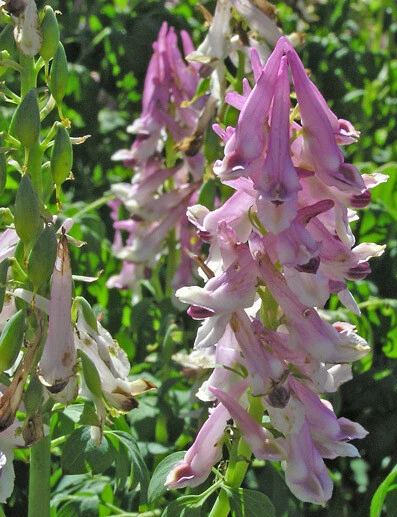
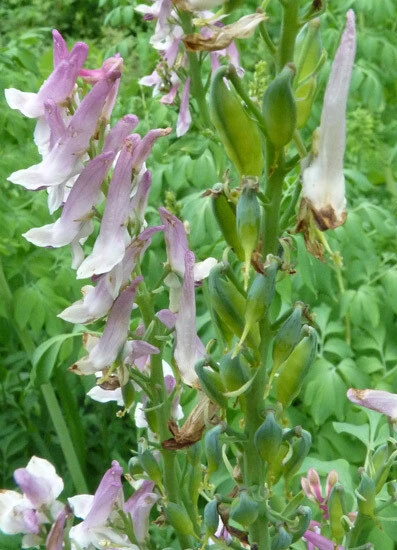
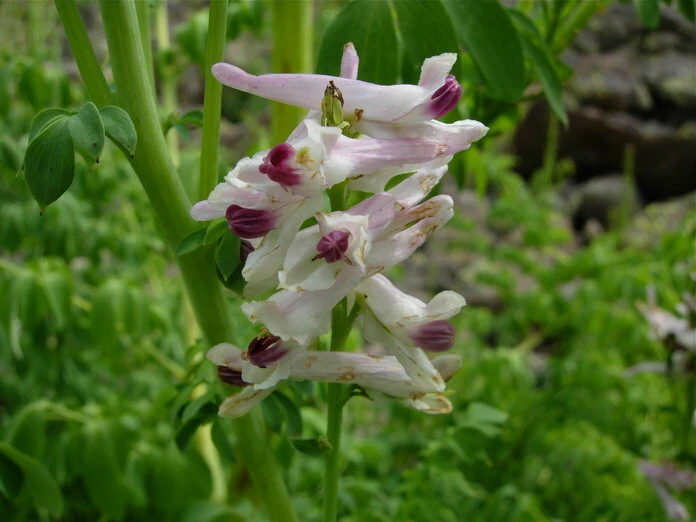
Corydalis caseana ssp.brandegei is often admired for its intricate foliage and delicate flower structures, making it a focal point in any garden designed to showcase unusual or native plants. While specific flower color can vary, Corydalis species are generally known for their tubular, spurred flowers that appear in clusters, often in shades of white, pink, or purple. This particular subspecies, brandegei, is distinguished by its unique characteristics adapted to its native high-altitude environment. Successfully germinating and growing these rare alpine seeds can be a rewarding challenge for experienced gardeners looking to expand their collection with something truly special.
Key Benefits
Growing Corydalis caseana ssp.brandegei seeds offers several unique benefits, transforming your garden into a haven of rare botanical beauty. These seeds provide an opportunity to cultivate a plant that is not commonly found in typical nurseries, making your garden stand out.
- Cultivate Rarity: Introduce a truly unique and uncommon alpine wildflower to your garden, enhancing its botanical diversity and appeal. These Corydalis caseana ssp.brandegei seeds are a gateway to owning a plant few others possess.
- Ecological Interest: As a native subspecies, it can contribute to local biodiversity if grown in suitable native-like conditions, attracting specific pollinators adapted to alpine flora.
- Unique Aesthetic Appeal: Enjoy the delicate foliage and distinctive flower structure characteristic of Corydalis species, adding fine texture and subtle color to your garden design.
- Rewarding Growing Experience: The process of germinating and nurturing these wildflower seeds provides a deeply satisfying experience for gardeners who appreciate the challenge of growing unique plants from scratch.
- Rock Garden Showcase: Perfectly suited for rock gardens, alpine beds, or specialized containers where its unique form and delicate nature can be fully appreciated.
- Educational Value: Offers an excellent opportunity to learn about alpine plant adaptations, specific germination requirements, and the care needed for high-altitude flora.
- Collector’s Item: For plant collectors, successfully growing Corydalis caseana ssp.brandegei from seed represents a significant achievement and a valuable addition to a specialized collection.
Plant Care & Growing Tips
Successfully growing Corydalis caseana ssp.brandegei from seeds requires attention to its specific needs, especially those related to its alpine origins. These plants generally prefer cool, moist conditions with excellent drainage. Start your Corydalis caseana ssp.brandegei seeds indoors in late winter or early spring. A period of cold stratification (mimicking winter conditions) is often beneficial, if not essential, for germination. Place seeds on moist paper towels in a sealed plastic bag or sow them in moist seed-starting mix, then refrigerate for 4-8 weeks. After stratification, bring them to room temperature (around 60-65°F or 15-18°C) for germination, which can be slow and erratic.
Once germinated and seedlings are large enough to handle, transplant them carefully into individual pots. Provide a well-draining, gritty soil mix that mimics their natural alpine habitat, often composed of loam, sand, and fine gravel. Corydalis caseana ssp.brandegei thrives in partial shade, especially in warmer climates, where it can be protected from intense afternoon sun. In cooler, mountainous regions, it may tolerate more sun. Ensure consistent moisture, but never allow the soil to become waterlogged, as this can lead to root rot. Good air circulation is also important to prevent fungal issues. Protect young plants from slugs and snails, which can be attracted to tender new growth. Understanding Corydalis caseana care involves mimicking its native environment as closely as possible to ensure healthy growth and eventual flowering.
For outdoor planting, choose a location with dappled shade or morning sun and afternoon shade. The soil should be rich in organic matter but extremely well-drained. Incorporate grit or small gravel into the planting area to improve drainage. These plants are typically hardy in USDA zones appropriate for alpine species, often requiring protection from extreme heat and humidity. Mulching with gravel or fine bark can help maintain soil moisture and keep roots cool. Fertilize sparingly with a balanced, slow-release granular fertilizer in spring, or use a diluted liquid feed during the growing season. Avoid over-fertilizing, as alpine plants are often adapted to leaner soils. Watch for signs of stress, such as yellowing leaves or wilting, which could indicate improper watering or drainage issues.
Size & Details
This offering includes 10 viable Corydalis caseana ssp.brandegei seeds, providing a foundation for cultivating this unique alpine plant. Once established, this Corydalis subspecies typically forms a clump of delicate, fern-like foliage, reaching an average height of 12-24 inches (30-60 cm) and spreading about 12-18 inches (30-45 cm) wide. The growth rate is moderate, with plants generally establishing well in their second year after germination. Flowers, which are the hallmark of the Corydalis genus, usually appear in late spring to early summer, depending on local climate conditions. The seeds are small, as is typical for many wildflower species, and require careful handling during sowing.
Plants grown from these Corydalis caseana ssp.brandegei seeds are best suited for permanent placement in rock gardens, alpine troughs, or specialized perennial borders where their unique form can be appreciated. While the exact time to maturity for flowering can vary, expect to see initial blooms within 2-3 years from germination. The seeds are packaged to ensure viability upon arrival, ready for your stratification and planting efforts. These seeds provide the opportunity to grow a robust, mature plant that will contribute unique texture and subtle beauty to your garden for many years.
Frequently Asked Questions
- Q: How big does this plant get? A: Corydalis caseana ssp.brandegei typically grows to a height of 12-24 inches (30-60 cm) and spreads about 12-18 inches (30-45 cm) wide, forming a delicate clump of foliage. Its size makes it suitable for rock gardens or the front of a perennial border.
- Q: Is this an indoor or outdoor plant? A: This is primarily an outdoor plant, best suited for gardens that can mimic its natural alpine habitat. It thrives in cool, moist, well-draining conditions typical of outdoor rock gardens or shaded perennial beds.
- Q: How much sunlight does it need? A: Corydalis caseana ssp.brandegei prefers partial shade, especially protection from intense afternoon sun. In cooler climates, it may tolerate more sun, but dappled shade or morning sun is generally ideal.
- Q: Is this plant easy to care for? A: Growing this plant from Corydalis caseana ssp.brandegei seeds can be moderately challenging due to its specific germination requirements (like cold stratification) and need for well-draining, gritty soil. It’s best suited for gardeners with some experience in cultivating unique perennials.
- Q: What condition will the seeds arrive in? A: You will receive 10 high-quality, viable seeds, carefully packaged to ensure their integrity during transit. They will be ready for you to begin the cold stratification and sowing process upon arrival.
- Q: How long until it blooms? A: Plants grown from these wildflower seeds typically take 2-3 years to reach maturity and begin flowering, depending on growing conditions and care. Patience is key when growing rare perennials from seed.
- Q: When is the best time to plant these seeds? A: The best time to sow these seeds is in late winter or early spring after they have undergone a period of cold stratification. This mimics their natural germination cycle.
- Q: Will it survive winter in my zone? A: As an alpine plant, Corydalis caseana ssp.brandegei is typically hardy in zones suitable for such species. It requires protection from extreme heat and humidity, and in very cold zones, winter mulching might be beneficial. Consult specific hardiness zone recommendations for alpine plants in your area.
- Q: What type of soil does it prefer? A: This plant thrives in very well-draining, gritty soil rich in organic matter. A mix of loam, sand, and fine gravel is ideal to prevent waterlogging and mimic its natural habitat.
- Q: Are these seeds rare? A: Yes, Corydalis caseana ssp.brandegei seeds are considered rare and are not commonly found, making this an excellent opportunity for collectors and enthusiasts of unique alpine flora.
Be the first to review “Corydalis caseana ssp.brandegei Seeds – Rare Alpine Wildflower – 10 Seeds”
Related products


You May Like

Hardneck vs. Softneck Garlic: Which Should You Grow?
Have you ever stood in front of a seed catalog in mid-September, staring at dozens [...]
Oct

When to Plant Music Garlic: Ultimate US Fall Guide
Have you ever spent your fall weekend placing carefully chosen garlic cloves into rich, dark [...]
1 Comment
Oct

5 Best Bulbs for Fall Planting: Brighten Your Garden This Spring
Are you dreaming of a garden full of vibrant colors in the spring? The key [...]
Aug

10 Houseplants That Will Thrive in Your Kitchen
Are you tired of your kitchen feeling dull and lifeless? Want to add a little [...]
1 Comment
Aug
Reviews
There are no reviews yet.