
Cysticapnos Vesicarius Seeds – Rare Cape Bladder 10 Seeds – Perennial
Original price was: 51.99 $.26.99 $Current price is: 26.99 $.
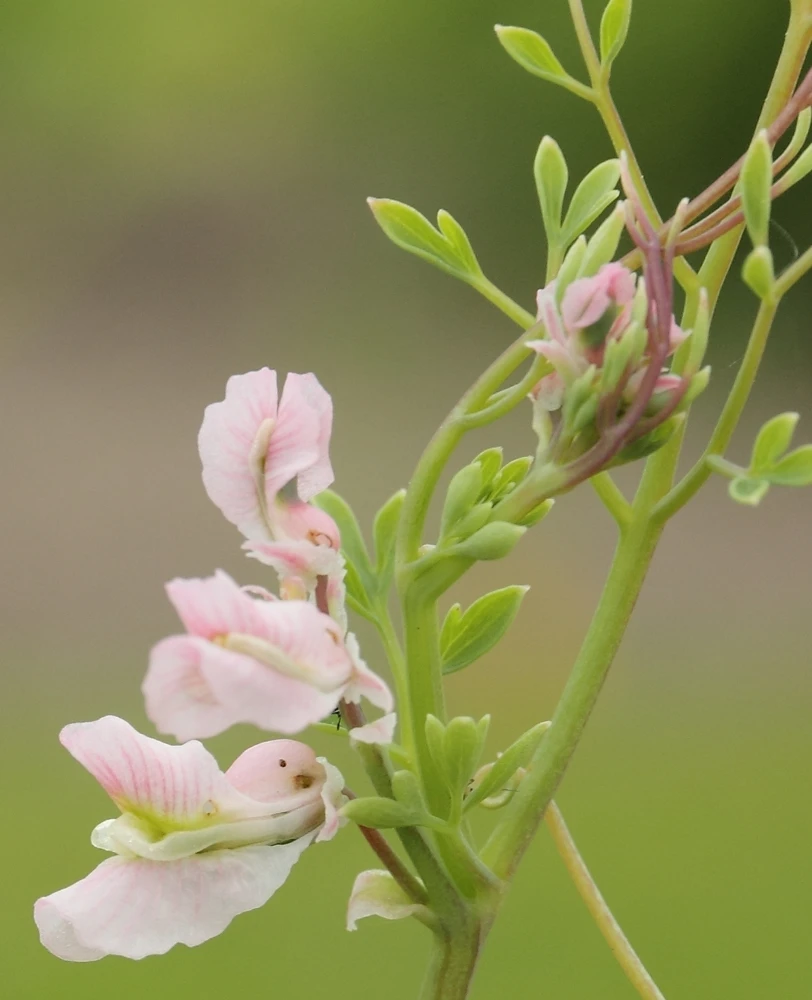
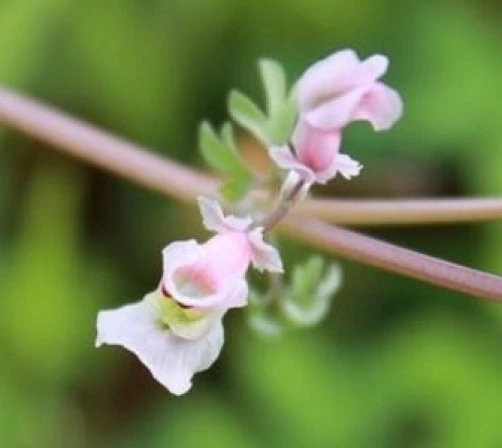
Discover the unique beauty of Cysticapnos Vesicarius seeds, also known as Cape Bladder or Coconut-weed. This rare perennial offers intriguing foliage and delicate flowers, perfect for adding an unusual touch to your garden or container displays. Each packet contains 10 seeds, ready for you to cultivate a truly distinctive plant.
Estimated arrival
Oct 15
Oct 20 - Oct 22
Oct 22 - Oct 27
See our Shipping Policy.
Get in touch with us via email, and our team will review your concerns.
Our Alive & Thrive Guarantee covers issues with your plants within the first 30 days. Read our Refund & Returns Policy.
-
USDA Hardiness Zone
unknown -
Soil Type
well-draining sandy loam -
Sunlight Exposure
partial shade to full sun -
Expected Planting Period
spring to early summer
Overview
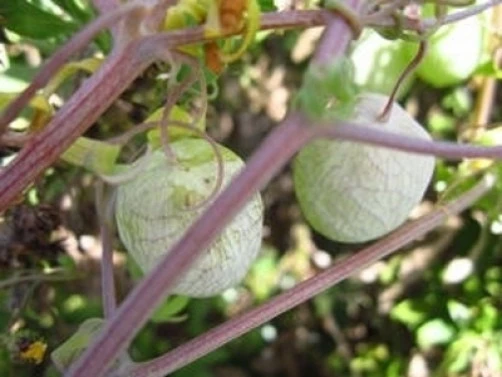
Embark on a rewarding gardening adventure with our premium Cysticapnos Vesicarius seeds. This fascinating perennial, often referred to as Cape Bladder or Coconut-weed, is a rare botanical gem that promises to bring unique texture and interest to any plant collection. Originating from the Cape region, this plant is admired for its delicate, fern-like foliage and charming, bladder-like seed pods that give it its distinctive common names. Growing Cysticapnos Vesicarius seeds allows you to cultivate a conversation starter, perfect for rock gardens, hanging baskets, or as an unusual groundcover. Each packet provides 10 seeds, giving you a wonderful opportunity to grow this intriguing species from scratch.
Cysticapnos Vesicarius is a member of the poppy family (Papaveraceae), known for its delicate appearance despite its resilience. Its unique morphology, with airy foliage and inflated seed capsules, makes it stand out from more common garden plants. Whether you are a seasoned horticulturist seeking a new challenge or a curious beginner looking for something extraordinary, these rare plant seeds offer an exciting prospect for your garden.
Key Benefits
Cultivating Cysticapnos Vesicarius seeds offers a range of benefits, from aesthetic appeal to the satisfaction of growing a unique specimen. These seeds provide an opportunity to introduce an unusual and captivating plant into your landscape. Discover the advantages of adding this distinctive perennial to your garden:
- Unique Ornamental Appeal: The plant’s finely dissected, fern-like leaves and distinctive inflated, bladder-like seed pods create an exotic and eye-catching display. It adds an element of whimsical charm that is rarely found in typical garden settings.
- Botanical Rarity: As a less common species, growing Cysticapnos Vesicarius allows you to showcase a truly rare plant, making your garden stand out and providing a unique talking point for visitors.
- Versatile Use: Its delicate appearance makes it suitable for various garden applications, including rock gardens, container planting, hanging baskets where its foliage can trail, or as an interesting groundcover in shaded areas.
- Adds Texture and Interest: The airy foliage and peculiar seed pods provide a textural contrast to plants with broader leaves, enhancing the overall visual depth and interest of your garden design.
- Rewarding Growing Experience: Starting this plant from perennial plant seeds offers the rewarding experience of nurturing a unique species from germination to maturity, observing its distinct growth habits unfold.
- Drought Tolerance: Once established, Cysticapnos Vesicarius can exhibit a degree of drought tolerance, making it a relatively low-maintenance option for certain climates.
- Supports Biodiversity: Introducing diverse and unusual plant species like this can contribute to the overall biodiversity of your garden ecosystem.
Plant Care & Growing Tips
Successfully growing Cysticapnos Vesicarius seeds requires attention to specific environmental conditions, mimicking its natural habitat. This perennial thrives in conditions that provide good drainage and moderate moisture. Start your Cape Bladder seeds indoors 6-8 weeks before the last frost date, or sow directly outdoors after all danger of frost has passed. Lightly cover the seeds with a thin layer of soil, as they often require light for germination. Keep the soil consistently moist but not waterlogged during the germination period, which can take several weeks.
For established plants, Cysticapnos Vesicarius prefers a location with partial shade to full sun, depending on your climate. In hotter regions, some afternoon shade will protect the delicate foliage from scorching. Well-draining soil is crucial to prevent root rot; a sandy loam enriched with organic matter is ideal. Water regularly during dry spells, allowing the top inch of soil to dry out slightly between waterings. Avoid overwatering, as this plant does not tolerate soggy conditions. While generally low-maintenance, a light application of balanced liquid fertilizer during the growing season can encourage vigorous growth. Protect from harsh winter conditions in colder zones; in milder climates, it may self-seed.
This species is generally hardy but can benefit from some protection in extreme temperatures. Keep an eye out for common garden pests, though Cysticapnos Vesicarius is not typically prone to severe pest issues. Proper air circulation helps prevent fungal diseases. With the right care, your Coconut-weed seeds will develop into charming, resilient plants that provide unique beauty for years to come.
Size & Details
Each packet contains 10 high-quality Cysticapnos Vesicarius seeds, providing a generous start for cultivating this unique perennial. Once mature, Cysticapnos Vesicarius typically forms a mounding or trailing plant, reaching a height of about 6-12 inches (15-30 cm) with a similar spread, depending on growing conditions and support. Its delicate stems and finely cut leaves create an airy, ethereal presence in the garden. The distinctive bladder-like seed pods, which are a hallmark of this plant, emerge after flowering and add to its ornamental value.
These perennial plant seeds are best sown in spring or early summer for optimal germination and establishment. Expect germination to occur within 2-4 weeks under ideal conditions. The plant will typically establish a good root system in its first year, with more prolific flowering and seed pod production in subsequent seasons. It’s an excellent choice for adding fine texture and an element of botanical intrigue to various garden settings.
Frequently Asked Questions
- Q: How big does this plant get? A: Cysticapnos Vesicarius typically grows to about 6-12 inches (15-30 cm) in height and can spread similarly, forming a delicate mound or trailing habit depending on its placement and support.
- Q: Is this an indoor or outdoor plant? A: This plant is primarily grown outdoors in garden beds, rockeries, or containers. While it could potentially be grown indoors in a very bright, cool spot, it generally thrives best with outdoor conditions.
- Q: How much sunlight does it need? A: Cysticapnos Vesicarius prefers partial shade to full sun. In hotter climates, it benefits from some afternoon shade to protect its delicate foliage.
- Q: Is this plant easy to care for? A: Once established, Cysticapnos Vesicarius is relatively low-maintenance. The main requirements are well-draining soil and consistent moisture without waterlogging. It’s a good choice for gardeners looking for something unique that isn’t overly demanding.
- Q: What condition will the seeds arrive in? A: Your Cysticapnos Vesicarius seeds will arrive as dry, viable seeds, carefully packaged to ensure their integrity during transit, ready for you to sow.
- Q: How long until it blooms? A: When grown from Cysticapnos Vesicarius seeds, the plant typically establishes itself in the first year and may produce flowers and seed pods in its second year, depending on growing conditions.
- Q: What’s the best time to plant these seeds? A: The best time to plant Cape Bladder seeds is in spring or early summer, after the last danger of frost has passed, either directly outdoors or started indoors a few weeks prior.
- Q: What kind of soil does this plant prefer? A: This plant thrives in well-draining soil, ideally a sandy loam enriched with some organic matter. Good drainage is crucial to prevent root issues.
- Q: Is this plant suitable for beginners? A: While growing rare plant seeds can be a bit more nuanced than common varieties, with attention to its basic needs for light, water, and soil, a beginner can successfully grow Cysticapnos Vesicarius.
- Q: Will it survive winter in my zone? A: Cysticapnos Vesicarius is a perennial, but its hardiness varies. In colder zones, it may require winter protection or be treated as an annual. In milder climates, it can readily overwinter and even self-seed.
Be the first to review “Cysticapnos Vesicarius Seeds – Rare Cape Bladder 10 Seeds – Perennial”
Related products


Flower Seeds
Blue Stock Matthiola Incana Seeds – 50 Fragrant Gillyflower Seeds – Ten-Week Blue Stock


Flower Seeds


You May Like

Hardneck vs. Softneck Garlic: Which Should You Grow?
Have you ever stood in front of a seed catalog in mid-September, staring at dozens [...]
Oct

When to Plant Music Garlic: Ultimate US Fall Guide
Have you ever spent your fall weekend placing carefully chosen garlic cloves into rich, dark [...]
1 Comment
Oct

5 Best Bulbs for Fall Planting: Brighten Your Garden This Spring
Are you dreaming of a garden full of vibrant colors in the spring? The key [...]
Aug

10 Houseplants That Will Thrive in Your Kitchen
Are you tired of your kitchen feeling dull and lifeless? Want to add a little [...]
1 Comment
Aug
Reviews
There are no reviews yet.